
The Lifespan of Cold Drip Coffee: How Long It Lasts Safely
Cold drip coffee lasts 5 to 7 days in the refrigerator when stored in a full, airtight glass container. The primary spoilage mechanism is oxidation, which degrades flavor within 48 hours, while microbial growth like mold typically appears after day 7 if storage conditions are poor.
Most guides repeat that 7-14 day range. They miss the oxidation clock that starts ticking the second your brew finishes. Your coffee doesn’t just go “bad” on day 8. It turns stale, flat, and lifeless by day 3 if you ignore oxygen exposure. This guide breaks down the real timeline, the science behind it, and the storage method that actually works.
Key Takeaways
- Flavor degradation from oxidation begins within 2 days, long before visible mold.
- Store in a full, airtight glass container, not the brewer’s carafe, to maximize shelf life.
- Adding milk, cream, or sugar cuts the safe window to 2-3 days maximum.
- Cloudiness, a slimy texture, or a sour, yogurt-like smell are absolute discard signals.
- Temperature fluctuation from frequent fridge door openings accelerates spoilage.
The 5-7 Day Window (And Why It’s a Lie)
That 5-7 day recommendation is a compromise. It balances the point where flavor loss becomes obvious for most people against the slower risk of microbial growth. The lie is that your coffee is “good” for all 7 days.
A 2019 study in the Journal of Food Science on cold brew storage identified oxidation as the primary driver of quality loss, with sensory changes detectable by trained panels within the first 72 hours of refrigerated storage.
Oxidation is a chemical reaction, not a biological one. When coffee compounds like chlorogenic acids and volatile aromatics meet oxygen, they break down. The result is a muted, cardboard-like flavor. This process doesn’t require bacteria. It starts the moment you expose the brew to air.
Your brewer’s carafe is the worst storage vessel. Most Kyoto-style towers have a lid, but the seal is rarely airtight. The large surface area and constant headspace guarantee rapid oxidation. Pouring your finished cold drip into a dedicated storage container isn’t an extra step. It’s the first step.
TL;DR: The 7-day rule is for safety from microbes, not flavor. Real quality peaks at 48 hours and declines steadily after that.
What Actually Makes Cold Drip Go Bad?
Spoilage isn’t one thing. It’s a race between chemical decay and biological invaders. Understanding both tells you what to look for.
Oxidation: The Flavor Killer
This is the silent spoiler. You won’t see it or smell it immediately. You’ll taste it. The complex floral and chocolate notes from your single-origin beans fade first. What’s left is a generic, flat bitterness. Storing coffee in a full, airtight glass container is the only defense. Plastic can impart flavors and isn’t as good a barrier.
Microbial Growth: The Health Hazard
This is what the 7-day rule is trying to avoid. Cold brew’s low acidity (a pH around 5.5-6.0) is less hostile to microbes than hot brewed coffee. Molds and yeasts need time to establish, but once they do, they’re a problem.
| Contaminant | Likely Sign | Typical Timeline | Risk |
|---|---|---|---|
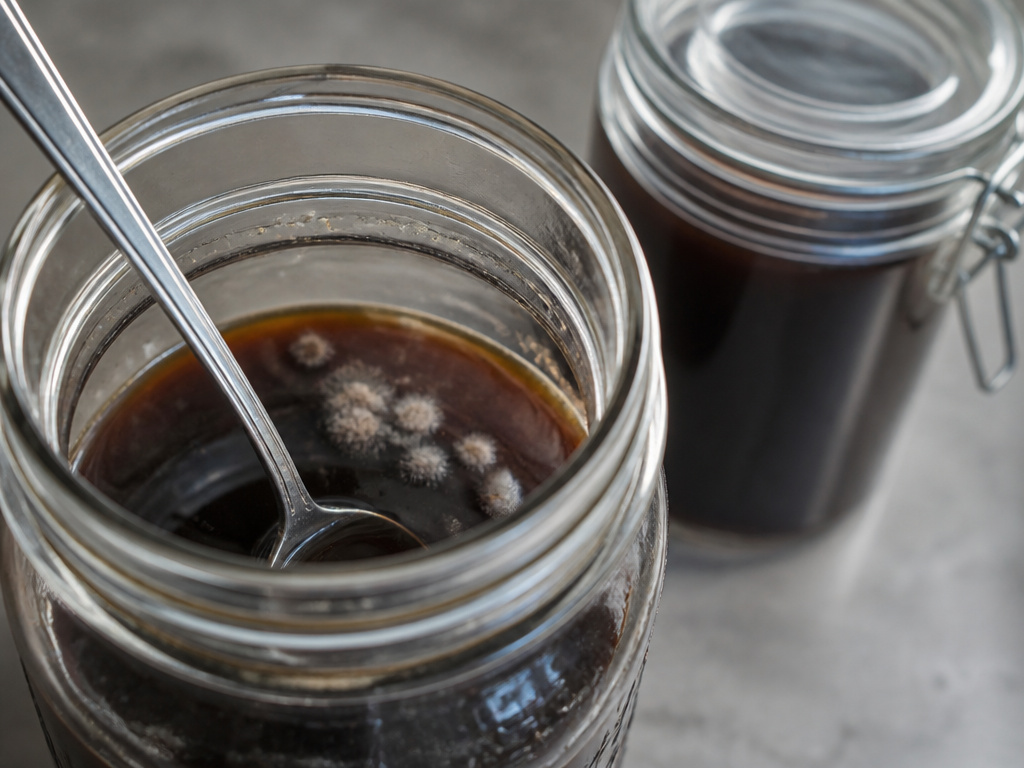
| Mold | Fuzzy, white/green spots on surface | Day 7+ in poor storage | Discard entire batch |
| Yeast | Cloudiness, slight carbonation | Day 5+ | Off-flavors, potential illness |
| Lactic Acid Bacteria | Sour, yogurt-like smell, slimy texture | Day 4+ with contamination | Spoilage, sour taste |
The introduction point is usually us. Dipping a used spoon into the batch or pouring leftover coffee back into the jar introduces microbes. A study on the chemical and microbial coffee analysis found that microbial counts in cold brew increased significantly when stored in non-sterile, non-airtight conditions.
The Additive Problem
Adding dairy or sugar changes the game completely. You’re no longer preserving coffee; you’re preserving a perishable food product.
Common mistake: Adding milk to the entire storage batch, the lactose and fats create a perfect breeding ground for bacteria, cutting the safe window to 2-3 days and risking stomach upset.
Add milk, cream, or simple syrup to each serving glass, not to the main container. The same rule applies for any coffee flavor profiles from syrups.
How to Store Cold Drip Coffee Correctly

The goal is to minimize oxygen, maintain a constant cold temperature, and prevent contamination. Here is the sequence that works.
- Prepare your container while brewing. Use a clean, airtight glass bottle or jar. Swing-top bottles or mason jars with new lids are ideal. Plastic can leach and doesn’t seal as well. This isn’t the time for a used paper coffee filter or a random pitcher.
- Transfer immediately after brewing. Do not let the coffee sit in the brewer’s carafe to “cool” or because you’re busy. The oxidation clock is running. Pour it directly into your prepped storage container.
- Fill to the very top. Leave less than half an inch of headspace. This reduces the volume of oxygen inside the container that can react with the coffee. If you have a small amount left, store it in a tiny jar.
- Seal, label, and refrigerate. Close the airtight lid. Write the brew date on the container with a permanent marker. Place it at the back of the fridge, not in the door. The door’s temperature fluctuates every time you open it, which stresses the coffee and accelerates spoilage.
- Serve cleanly. Pour what you need directly from the storage bottle. Never pour unused coffee back into the bottle. Use a clean spoon if you’re scooping out a concentrate. Think of it like milk.
This method addresses the core findings of an industrial cold brew storage study, which emphasized oxygen exclusion and consistent low-temperature storage as critical for maintaining physical-chemical characteristics of stored coffee.
How to Spot Spoiled Cold Drip Coffee
Your senses are the best tool. If in doubt, throw it out. The cost of a new batch is lower than the cost of a foodborne illness.
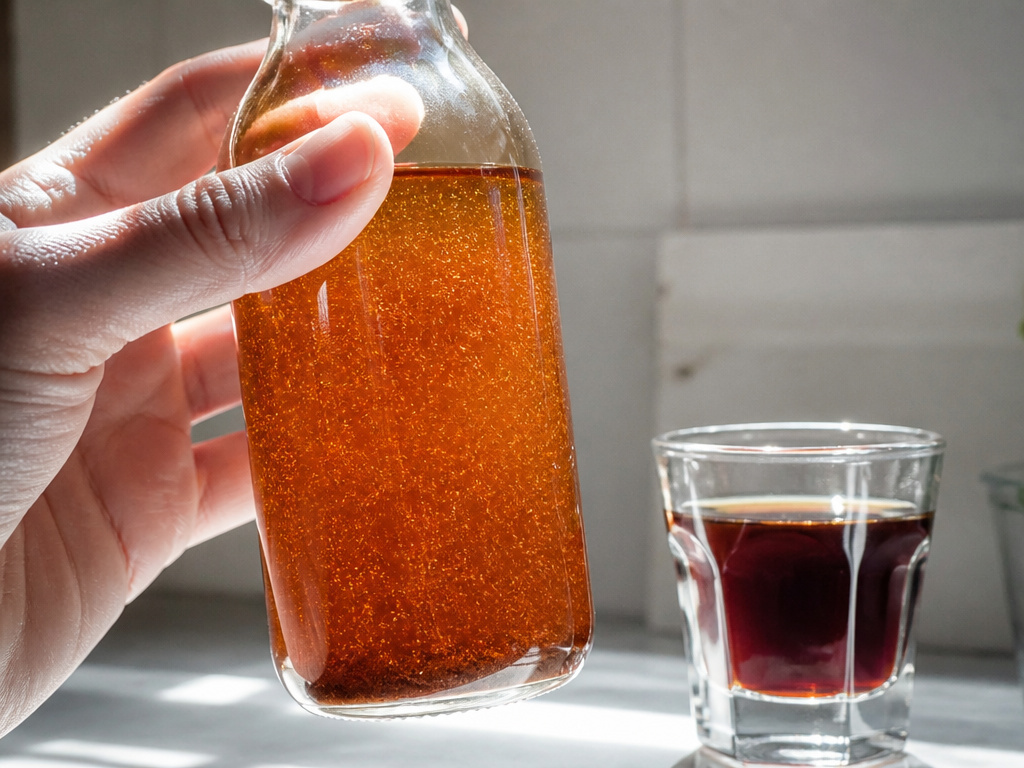
- Look at it. Fresh cold drip is clear and deep brown, perhaps with a slight reddish hue depending on the coffee roast levels. Cloudiness is a major red flag, it often indicates yeast growth. Any visible floating specks or fuzzy colonies mean immediate discard.
- Smell it. It should smell like coffee: deep, maybe nutty or chocolaty. A sour, vinegary, or distinctly cheesy (think yogurt) smell means lactic acid bacteria have moved in. A musty, dank odor suggests mold. Off smells appear before off tastes.
- Feel it. The texture should be thin and watery, like coffee. If it feels slimy, syrupy, or thicker than it was, bacterial growth is likely. This is a definitive spoilage sign.
- Taste it (with caution). If it passes the look and smell test, take a tiny sip. Sharp, unpleasant sourness (different from bright acidity) or a stark, cardboard flatness means it’s over the hill. Spit it out.
Common mistake: Relying on the “7-day rule” instead of your senses, coffee stored in a warm spot or open container can spoil in 3 days, while a perfectly stored batch might still be safe at day 8. Always inspect first.
Cold Drip vs. Other Iced Coffees: Longevity Showdown
Not all cold coffee is created equal, especially when it comes to shelf life. The brewing method dictates the starting conditions.
| Brew Method | Typical Safe Fridge Life | Why This Timeline |
|---|---|---|
| Cold Drip (Kyoto-Style) | 5-7 days | Low oxidation during brew, but high surface area post-brew requires perfect storage. |
| Immersion Cold Brew | 7-10 days | Often brewed in an airtight container, leading to less initial oxygen exposure. |
| Japanese Iced Coffee | 2-3 days | Hot-brewed then chilled. The heat extracts more acids and compounds that stale faster. |
| Hot Brewed, Then Iced | 1-2 days | Rapid oxidation from heat, plus diluted with melting ice introduces waterborne microbes. |
Cold drip sits in a middle ground. The slow, room-temperature drip process extracts less acidic compounds than hot brewing, which gives it a stability advantage over traditional drip coffee that’s been cooled. However, because it’s often brewed into an open carafe, it can be more exposed to initial oxygen than a cold brew steeped in a sealed jar.
The higher caffeine content in coffee from cold drip or immersion methods doesn’t act as a preservative. Caffeine is stable, but it doesn’t inhibit the microbes or oxidation that cause spoilage.
Can You Freeze Cold Drip Coffee?
Yes, but with a specific technique. Freezing is the only way to pause the spoilage clocks for months.
- Freeze it as a concentrate. If your cold drip recipe produces a concentrate, freeze that. It takes up less space and dilutes better later.
- Use the right vessel. Pour coffee into clean ice cube trays (silicone is best). Once frozen solid, transfer the cubes to a heavy-duty freezer bag, squeeze out all air, and seal.
- Thaw in the fridge. Move the needed number of cubes from the freezer bag to a sealed container in the refrigerator overnight. Never thaw at room temperature or in warm water.
- Accept the trade-off. Freezing can slightly mute the brightest top notes of the coffee flavor profile. It’s a fantastic option for preventing waste, but it won’t taste quite as vibrant as a fresh batch. It’s still far superior to week-old, oxidized coffee.
Research into high-pressure processing for cold brew explores commercial methods to extend shelf life, but for home, freezing is the most effective and accessible long-term storage hack.
Frequently Asked Questions
Can I store cold drip coffee at room temperature?
No. One YouTube guide bluntly stated storing it at room temperature “will make it go stale much more quickly and it could actually grow some mold on the surface.” The sweet, low-acid environment is ideal for microbes at room temp. Refrigeration is non-negotiable.
Does the type of coffee bean affect how long it lasts?
Not significantly for safety. A dark roast might taste more muted as it oxidizes compared to a bright light roast coffee, but the spoilage timeline from microbes remains tied to storage, not the coffee bean types.
My cold drip coffee smells sour after 2 days. Is it bad?
Probably. A clean, bright acidity is different from a sour, fermented odor. A sour smell, especially if combined with any cloudiness, almost always indicates bacterial growth. Discard it.
Is it safe to drink cold drip coffee that’s been in the fridge for 10 days?
You cannot determine safety by date alone. Inspect it. If it’s been in a perfectly full, airtight glass container at the back of the fridge and passes the look, smell, and texture tests, it might be safe but will likely taste flat. If storage was imperfect, the risk isn’t worth it.
How does this compare to the shelf life of espresso or drip coffee?
Hot-brewed coffees have a much shorter shelf life when chilled, typically 1-3 days. The heat accelerates oxidation and chemical changes that lead to rapid staling. Cold drip’s gentler extraction gives it a structural advantage for storage.
Before You Go
Forget the 7-day mantra. Your cold drip coffee’s quality lifespan is 2-3 days without perfect storage. The enemy is oxygen first, microbes second. Your move is immediate transfer to a full, airtight glass jar placed at the back of the fridge. Date it. Serve it cleanly. Watch for cloudiness and sour smells. And if you won’t finish it in a week, freeze it in cubes. This isn’t just about safety, it’s about respecting the hours of drip time and the quality of your coffee beans by preserving every note you worked to extract.
