
Does Chai Latte Have Coffee? The Truth About Caffeine
A traditional chai latte does not contain coffee. It is a beverage made from spiced black tea (masala chai) and steamed milk. The term “chai” itself means “tea,” so “chai tea latte” is technically redundant. If coffee is added, the drink is called a “dirty chai” or “chai latte with a shot.”
That’s the simple answer, and it’s the one you’ll find on every generic food blog. The confusion starts when you walk into a cafe and see a dozen variations on the menu, or when you taste a pre-made syrup that bears little resemblance to the spiced tea brewed in millions of homes. The real question isn’t just about ingredients; it’s about what you’re actually being served.
This guide cuts through the syrup-sweetened myths. We’ll break down exactly what goes into a real chai latte, where the caffeine comes from, and how to order (or make) the version you actually want.
Key Takeaways
- A standard chai latte contains no coffee. Its caffeine comes solely from black tea, offering about 40-70 mg per 12 oz serving, roughly half that of a standard coffee.
- The drink becomes a “dirty chai” when a shot of espresso is added. This hybrid packs a combined caffeine punch of 135-175 mg.
- Most commercial chains like Starbucks use a pre-made chai concentrate or syrup, not freshly brewed tea and whole spices. This affects flavor authenticity and spice intensity.
- The core spices in authentic masala chai are cardamom, cinnamon, ginger, cloves, and black pepper. Their balance defines the drink.
- You can control caffeine levels by choosing a decaffeinated black tea base or adjusting the tea-to-milk ratio.
The Short Answer: No, But…
A chai latte, in its original and most common form, is a combination of brewed spiced tea (masala chai) and steamed milk. Coffee beans are not an ingredient. The caffeine present is from the Camellia sinensis plant, tea, not from Coffea arabica.
The “but” is important. Language in cafes is fluid. If you ask for a “chai,” you’ll get the tea drink. If you ask for a “chai latte,” you’ll get that tea drink with milk. If you ask for a “dirty chai,” you’re ordering the tea drink with milk and a shot of espresso. That last one contains coffee. Missing this distinction is how people end up with an unexpected jolt.
TL;DR: Traditional chai latte = no coffee. Dirty chai = yes coffee. Always specify.
What’s Actually in a Chai Latte?
Forget the syrups for a moment. The soul of the drink is masala chai, which translates directly to “spiced tea.” The construction is methodical.
The base is a sturdy black tea, typically Assam or Ceylon. These varieties have the bold, malty character to stand up to both milk and aggressive spices. The spice blend, or masala, is variable by region and household, but a core quartet is non-negotiable.
| Core Spice | Primary Flavor Role | What Happens If You Skip It |
|---|---|---|
| Green Cardamom | Sweet, floral, citrusy backbone | The drink loses its aromatic complexity and reads as flatly spicy-sweet. |
| Cinnamon | Warm, sweet woody notes | The spice blend lacks rounding warmth and can taste sharp or one-dimensional. |
| Fresh Ginger | Pungent, bright heat | You miss the cleansing, digestive-aid quality and the signature “kick.” |
| Cloves | Pungent, sweet warmth | The blend feels incomplete; cloves add a deep, almost medicinal anchor. |
Many recipes include black peppercorns for a subtle heat that lingers, and star anise for a gentle licorice note. The spices are simmered directly with the tea leaves and water, which extracts their oils and compounds directly into the brew. This is fundamentally different from stirring a spiced syrup into hot milk.
The “latte” part simply means steamed milk is added. The milk softens the spice bite, adds sweetness, and creates a creamy texture. The choice of milk, dairy, oat, almond, changes the final character dramatically. A non-dairy milk option like oat milk tends to complement the spices well due to its natural sweetness.
Where Does the Caffeine Come From?
Since there’s no coffee, the stimulant effect comes from the black tea. Understanding the numbers here prevents surprise.
A 12-ounce serving of a café-style chai latte, made with a standard black tea concentrate, contains between 40 and 70 milligrams of caffeine. Let’s compare that to the coffee world.
| Beverage (12 oz) | Typical Caffeine Range | Equivalent To |
|---|---|---|
| Chai Latte | 40 – 70 mg | About half a cup of brewed coffee |
| Brewed Coffee | 95 – 165 mg | The standard morning cup |
| Dirty Chai | 135 – 175 mg | A strong coffee plus a tea chaser |
| Black Tea (plain) | 40 – 60 mg | The base of the chai before milk |
The caffeine in tea is bound with tannins and L-theanine, an amino acid. This combination often leads to a more gradual, sustained energy release compared to the sharper spike and potential crash from coffee. It’s a gentler boost, buffered by the milk and spices.
If you’re sensitive to caffeine but love the flavor, you have a clear path: use a decaffeinated black tea as your base. The spice profile remains identical.
Common mistake: Assuming a chai latte is caffeine-free, it’s not. The black tea base provides a moderate stimulant effect. Choosing an herbal “chai” blend (often called a “rooibos chai”) is the only way to avoid it entirely.
The “Dirty” Secret: When Chai Meets Coffee
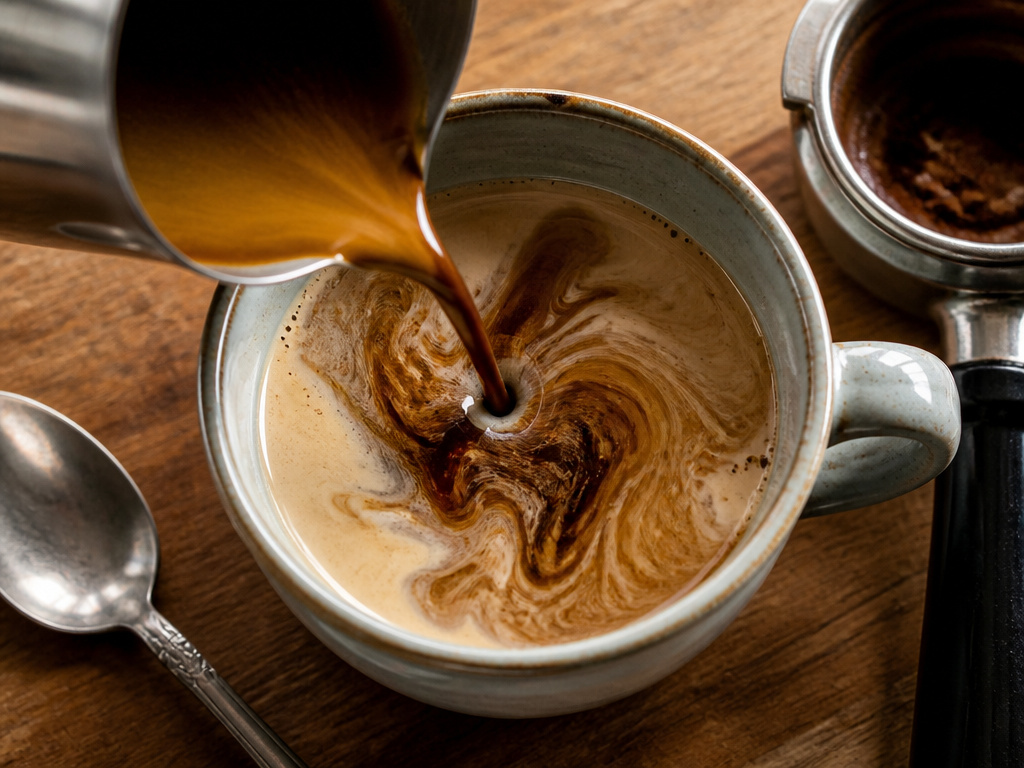
The “dirty chai” is the plot twist. It’s a hybrid order that adds a shot of espresso to the traditional chai latte. The result is a drink that contains both tea and coffee caffeine, along with a complex flavor profile where spice meets roast.
The standard build in a specialty coffee shop is: 1. 1-2 ounces of chai concentrate or 4-6 ounces of brewed chai in the cup. 2. A single (or sometimes double) shot of espresso pulled directly over the chai. 3. Steamed milk poured on top.
The espresso, typically a medium or dark roast, introduces bitter, chocolaty, or nutty notes that intertwine with the sweet spices. It’s not a subtle addition. The espresso caffeine content of a single shot (about 63 mg) combines with the tea caffeine, creating a potent drink.
I tried a dirty chai every day for a week when a new cafe opened nearby. By day three, the interplay grew tiresome. The espresso’s acidity fought with the ginger’s brightness, and the clove note turned ashy against the dark roast. It’s a fun novelty, but the traditional version has a more harmonious balance. Your mileage will vary based on the quality of both the chai and the espresso shot.
TL;DR: A dirty chai is a coffee drink. It combines two caffeine sources for a major kick, but the flavor marriage can be awkward if either component is low quality.
Café Reality: Syrup vs. Authentic Brew
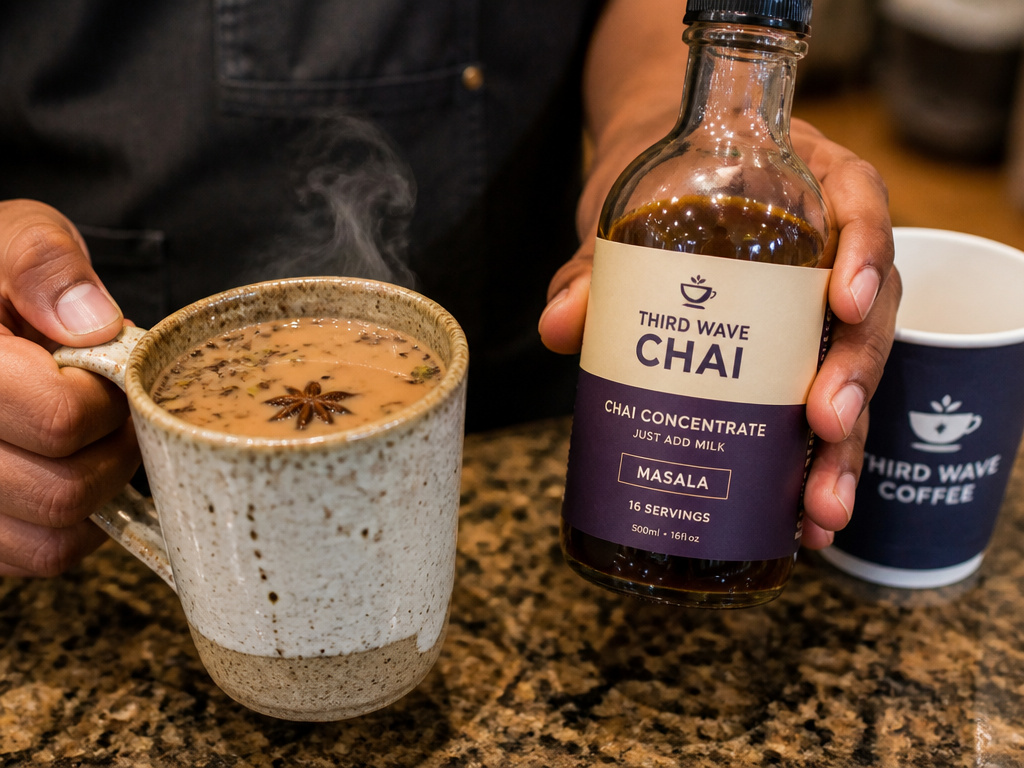
Here’s where the YouTube rant from the research gets it right. The speaker’s frustration with American “chai” being just “sugar milk cardamon” syrup touches a nerve for purists.
Many high-volume chains and cafes don’t simmer spices and tea. They use a pre-made liquid concentrate. Starbucks, for example, uses the Tazo Chai Concentrate, which contains black tea, honey, ginger, cardamom, vanilla, and other natural flavors. It’s steamed with milk. This method guarantees consistency and speed but sacrifices the fresh, layered potency of a from-scratch brew.
The syrup-based approach has two direct consequences: 1. Sweeter, Simpler Flavor: Concentrates are often heavily sweetened to balance the milk and appeal to a broad palate. The spice notes can be muted and one-dimensional. 2. Variable Caffeine: The caffeine content is fixed by the concentrate formulation, not by brew time or tea quantity.
Does this make it “not real chai”? That’s a cultural debate. It makes it a different product, a commercial, streamlined version of the original. If you want the authentic experience, seek out cafes that advertise “house-made masala chai” or “freshly brewed chai.” Or, make it yourself.
How to Order Exactly What You Want

Navigating a cafe menu requires precise language. Here’s your script.
You want a traditional, coffee-free chai latte:
“Can I have a chai latte, made with the brewed chai if you have it, not the syrup?” (This asks for the best available version.) Specify your milk: “With oat milk, please.”
You want the coffee-powered version:
“I’d like a dirty chai latte with a single shot.” (Always specify single or double.) You can even direct the build: “Shot first, then the chai, then the milk.”
You’re caffeine-averse:
“Do you have a decaf chai option or an herbal chai?” (Many places have a rooibos-based blend.) If not, ask for a “steamer” with a pump of chai syrup, it’s just spiced milk.
You find it too sweet:
“Can I get that with half the normal amount of chai syrup/pump?” or “Less sweet, please.” For a brewed version, you can simply request no added sweetener.
The goal is clarity. The barista would rather you ask than receive a drink you don’t enjoy.
Making a Superior Chai Latte at Home
Bypass the cafe line and the syrup bottle. Homemade chai rewards a small time investment with unmatched flavor. This is the method that changed my mind about the drink.
You’ll need: * A small saucepan * A fine mesh strainer * Loose-leaf black tea (Assam is ideal) * Whole spices: cardamom pods, cinnamon sticks, cloves, black peppercorns * Fresh ginger * Milk of choice * Sweetener (I prefer brown sugar sweetener or honey)
The process: 1. Crush the spices. Lightly crush 4-5 cardamom pods, 1 cinnamon stick, 4-5 cloves, and 8-10 black peppercorns in a mortar or with the flat of a knife. This exposes more surface area. 2. Simmer. Add the crushed spices and a 1-inch slice of smashed ginger to 2 cups of water in your saucepan. Bring to a simmer, cover, and let it bubble gently for 8-10 minutes. Your kitchen will smell incredible. 3. Steep the tea. Remove from heat. Add 2 tablespoons of loose-leaf black tea. Cover and let steep for 5 minutes. Steeping longer risks bitterness. 4. Strain and sweeten. Strain the potent brew into a heatproof container. Stir in sweetener to taste while it’s hot. This is your chai concentrate. 5. Heat the milk. For one serving, heat 1 cup of milk until steaming. Froth it if you like foam. 6. Combine. Pour about 1/3 cup of your chai concentrate into a mug. Top with the hot milk.
The advantage here is total control. More ginger? Add it. Less sweet? Skip it. Want the healthier coffee additions vibe? Use a plant-based coffee additive like oat milk. You can even stir in a pinch of salt trick to mellow any residual bitterness from the long spice simmer. This concentrate keeps in the fridge for 5 days.
TL;DR: Simmer whole spices, then steep tea. Strain, sweeten, and mix with hot milk. The flavor depth shames any syrup.
Frequently Asked Questions
Does a Starbucks chai tea latte have coffee?
No, the standard Starbucks Chai Tea Latte does not contain coffee. It is made from their Tazo Chai Concentrate (which contains black tea) and steamed milk. You must specifically add a “shot” to create a Dirty Chai Latte.
Which has more caffeine, chai latte or coffee?
standard coffee almost always has more caffeine. A 12-ounce coffee has 95-165 mg, while a same-size chai latte has 40-70 mg. The tea caffeine comparison is stark, tea provides a milder, slower-release energy.
Is chai latte good for you?
It can be part of a balanced diet. The black tea offers antioxidants, and spices like ginger and cinnamon have anti-inflammatory properties. However, commercial versions are often high in added sugar. Making it at home allows you to control the sweetness and choose your milk, making it a healthier coffee addition.
Can you get a decaf chai latte?
Yes, but you often have to ask. Some cafes offer a decaffeinated black tea base. More commonly, you’ll find herbal “chai-spiced” blends made with rooibos (which is naturally caffeine-free). Always verify with the barista.
Why is it called a ‘latte’ if there’s no espresso?
In modern café terminology, “latte” (short for caffè latte) has broadened to mean any drink featuring steamed milk as a primary component. A “matcha latte” is matcha and milk. A “chai latte” is chai and milk. The defining feature is the preparation and texture of the milk, not the presence of espresso.
The Bottom Line
A chai latte, in its true form, is a celebration of spiced tea, not coffee. Its warmth comes from ginger and cinnamon, its buzz from black tea. The moment you add espresso, you cross into different territory, a delicious, potent hybrid, but a different drink entirely.
The real takeaway is to know what you’re drinking. That sweet, creamy cup from a chain is a simplified, commercial interpretation. The complex, aromatic brew simmering on a stovetop halfway across the world is the original. One is a convenient treat; the other is a ritual. Understanding the difference, and knowing how to ask for either, ensures you always get the cup you’re actually craving.
