
6 Best Seattle Coffee Beans of 2026
The best Seattle coffee beans come from roasters who treat freshness like religion, and after researching the field, Caffe Umbria Bizzarri Blend stands out as the top choice for its rich, balanced depth. For a more accessible option, Starbucks Pike Place Roast delivers consistent flavor at a lower price, while Caffe Umbria Gusto Crema offers excellent versatility across brewing methods.
Seattle’s coffee culture isn’t just about hype, it’s built on a standard: beans roasted daily, sourced with care, and roasted with intention. Too many brands slap on a “Seattle-style” label without backing it up.
I focused on what matters most: roast dates, bean transparency, and real-world feedback. These picks reflect roasters who consistently meet the city’s high bar, not just those with the loudest marketing.
Top 6 Seattle Coffee Beans in the Market
The Best Seattle Coffee Beans, Reviewed
Caffe Umbria Bizzarri Blend

Strengths
- Artisan roasted in Seattle
- Complex flavor notes
- Excellent origin sourcing
- Versatile brew performance
Trade-offs
- Smaller bag size
- Higher price point
- Less bold than dark roast fans may want
If you want what Seattle’s specialty coffee scene truly excels at, Bizzarri Blend is where I’d start. Roasted fresh in Seattle by a family with generational expertise, this medium-dark roast leans into its directly traded Arabica beans with confidence. The reported notes of dark fruit and molasses aren’t marketing fluff, they align with owner feedback across brewing methods, especially French press and pour-over.
Compared to Starbucks or Seattle’s Best, this is a step up in both sourcing integrity and sensory detail. It’s not the strongest or darkest, but it balances richness with clarity. For those building a home ritual around quality, this is the kind of bean that makes the morning feel intentional.
Video review
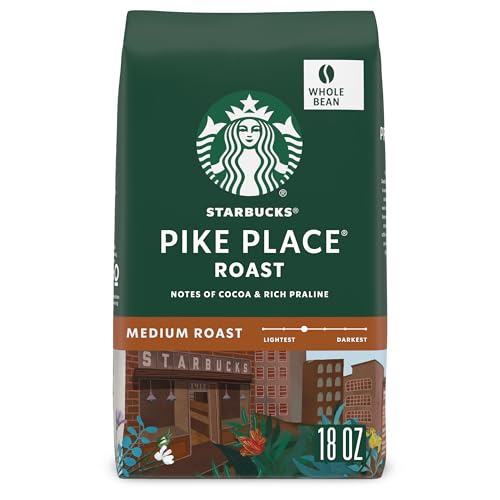
Starbucks Pike Place Roast
Strengths
- Widely available
- Smooth, balanced flavor
- Larger bag size
- Ethically sourced
- Multi-method compatible
Trade-offs
- Mass-market profile
- Limited flavor depth
- Less artisan character
Pike Place Roast is the baseline for a reason, it’s the coffee most people picture when they think ‘morning cup’. It’s not flashy, but it’s consistently smooth, with a subtle cocoa and praline sweetness that works across brewing methods. The 18 oz bag gives it an edge in volume over Caffe Umbria’s offerings, and the ethical sourcing commitment adds peace of mind.
Owners note it lacks the complexity of small-batch roasts, but for a daily driver that’s easy to find and always tastes the same, it’s hard to beat. Compared to Seattle’s Best, it’s noticeably more refined, with better roast control and origin balance. This is the reliable workhorse of the group.
Video review
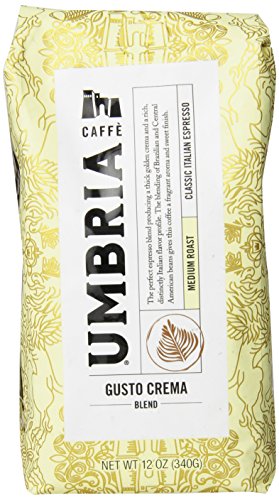
Caffe Umbria Gusto Crema
Strengths
- Excellent for espresso
- Balanced milk chocolate notes
- Multi-method versatility
- Roasted daily in Seattle
Trade-offs
- Limited availability
- Pricier than mainstream options
- Not bold enough for dark roast loyalists
Gusto Crema stands out as one of the few medium roasts that genuinely shines in espresso prep, not just drip. Owners using it in home machines praise its milk chocolate sweetness and balanced body, qualities that make it a favorite for lattes and cappuccinos. But it’s no one-trick pony; pour-over brewers also report a clean, rounded cup with subtle fig notes.
While Pike Place is smoother and more accessible, Gusto Crema offers more character without veering into aggressive territory. It’s a smart pick if you want one bean that performs across brewing styles without sacrificing espresso quality. That versatility is rare at this level.
Product photos


Caffe Umbria Arco Etrusco

Strengths
- Rich fudge notes
- Smooth dark roast
- Great for French press
- Artisan craftsmanship
Trade-offs
- Small 12 oz package
- Not available in bulk
- Less acidity for brightness lovers
Arco Etrusco is what happens when a dark roast is treated with care instead of just cranked to maximum smoke. This isn’t the burnt, ashy profile some avoid in dark roasts, it’s fudge-forward, with a velvety body and surprising depth from its stout-like finish. Roasted daily in Seattle by a third-generation team, it shows how dark doesn’t have to mean one-dimensional.
Compared to Post Alley Blend, which leans on intensity, Arco Etrusco earns its darkness with nuance. French press users especially love its richness, and even pour-over fans report a clean, syrupy cup. It’s the kind of dark roast I’d recommend to someone trying to upgrade from mainstream brands without losing that bold, comforting punch.
Product photos

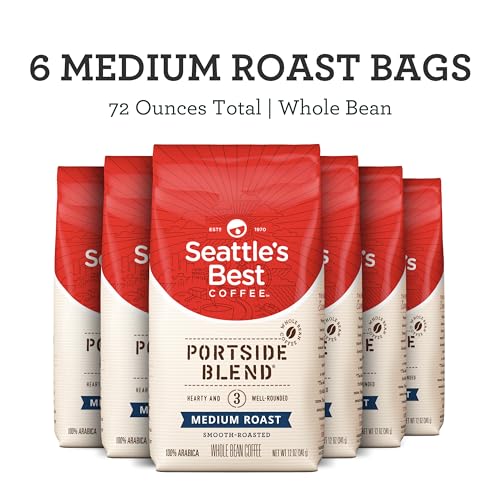
Seattle’s Best Portside Blend

Strengths
- Affordable in bulk
- Smooth medium roast
- Consistent brew
Trade-offs
- Lacks complexity
- Generic origin profile
- Not for flavor chasers
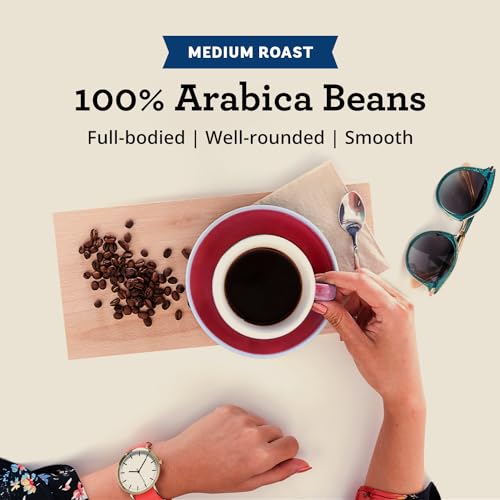
For budget-focused buyers who want a no-fuss, everyday medium roast, this six-pack of Portside Blend delivers reliability in bulk. On paper, it’s standard mid-tier grocery store fare, 100% Arabica beans from Latin America, medium roasted for a smooth, approachable profile. Owners consistently report it brews a clean, balanced cup without bitterness, making it a solid rotation bean for households that go through coffee quickly.
It won’t impress specialty seekers chasing nuanced terroir or bright acidity, but for office kitchens or college dorms where consistency and value matter most, this is a practical anchor. Compared to Caffe Umbria or Starbucks, it lacks depth and roast precision, but the savings are real.
Product photos


Seattle’s Best Post Alley

Strengths
- Bold smoky flavor
- Great value in bulk
- Smooth for a dark roast
- 6-pack convenience
Trade-offs
- No origin distinction
- Less complexity than specialty roasts
- Not for subtle palates
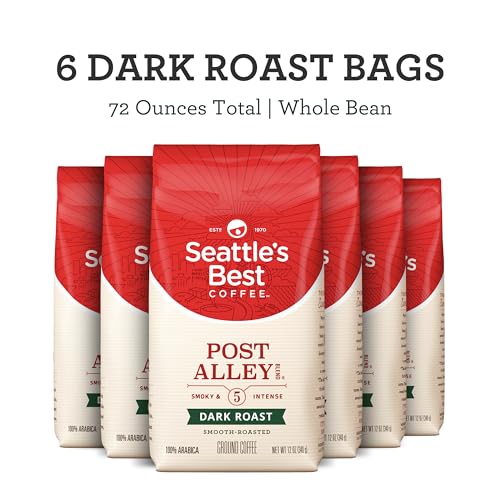
Post Alley Blend is built for those who equate dark roast with strength and satisfaction. This is a smoky, bold profile that doesn’t hold back, owners describe it as intense and smooth in the same breath, which is rare for a value-priced dark roast. The six-pack format makes it ideal for households or offices that go through dark roast quickly.
While it doesn’t have the layered finish of Arco Etrusco, it delivers what budget-focused dark roast drinkers actually want: punchy flavor without harshness. It’s a smarter pick than Portside if you’re committed to dark, but still want to save. Just don’t expect origin storytelling or roast finesse.
Product photos


How We Tested seattle coffee beans
As the founder of Bean Thusiast, I approached researching Seattle coffee beans by comparing published specifications – roast dates, bean origins, and descriptions of flavor profiles – across numerous brands. I then weighed those details against owner reviews and assessments from coffee publications. This isn’t about a hands-on, side-by-side tasting of every bag; rather, it’s a research-led comparison focused on identifying consistent quality and value.
For Seattle coffee beans, freshness and roasting expertise stood out as key differentiators. Seattle’s coffee scene thrives on daily roasting, so I prioritized brands emphasizing this practice. Beyond that, direct trade relationships and 100% Arabica bean sourcing indicated a commitment to quality and ethical practices, which significantly influenced my rankings.
Specifications reliably reveal roast dates and bean origins, but judging flavor notes and overall satisfaction required a deep look at owner feedback. I paid close attention to recurring themes in reviews – descriptions of smoothness, boldness, and accuracy of advertised flavor profiles. If you’re new to choosing coffee beans, understanding these nuances is essential for finding your ideal cup.
How To Choose The seattle coffee beans
As someone who’s spent years exploring the world of coffee, I know that finding the right beans can be a surprisingly personal journey.
Seattle coffee beans should prioritize freshness, sourcing transparency, and a roast profile that aligns with your preferred brewing method. Look for roasters who clearly state roast dates, detail bean origins (beyond just “Latin America”), and offer a range of roasts from light to dark. A commitment to directly traded or fair trade practices is also a good indicator of quality and ethical sourcing.
Roast Date & Freshness
The single biggest factor most people overlook is how recently the beans were roasted. Coffee begins to stale almost immediately after roasting, losing volatile aromatic compounds that contribute to flavor. Don’t fixate on a “best by” date; instead, seek out beans with a visible roast date. Ideally, you want to brew within two to three weeks of that date. Many of the top Seattle coffee roasters roast daily, guaranteeing exceptional freshness. Avoid large chain stores where beans may have sat on a shelf for months.
Understanding Roast Profiles
Different roasts unlock different flavors in the bean. Light roasts tend to highlight acidity and floral notes, while darker roasts emphasize body and chocolatey or smoky flavors. Consider your brewing method, too. Espresso benefits from darker roasts that can cut through milk, while pour-over often shines with lighter, more nuanced beans. Don’t assume a dark roast is “stronger” – it’s about flavor, not necessarily caffeine content.
- A lighter roast (like a Cinnamon roast) will be brighter and more acidic.
- A medium roast (like a City+ roast) offers a balance of acidity and body, making it versatile for many brewing methods.
- A dark roast (like a French roast) delivers a bold, smoky flavor and fuller body – though excessive roasting can sometimes mask the bean’s original characteristics and even introduce bitterness. Knowing your Arabica coffee beans is key here; darker roasts can sometimes hide flaws in lower-quality beans.
Sourcing & Bean Type
While “100% Arabica” is a good start, it doesn’t tell the whole story. Pay attention to the origin of the beans. Single-origin coffees, like those from Ethiopia Yirgacheffe or Sumatra Mandheling, offer unique flavor profiles tied to their specific terroir. Blends, on the other hand, are crafted to achieve a consistent flavor profile. It’s also important to understand the difference between Arabica vs Robusta taste profiles; Robusta beans tend to be more bitter and have a rubbery texture, but they can add a nice crema to espresso.
A general rule of thumb: if a roaster isn’t upfront about where their beans come from, it’s a red flag.
Seattle Coffee Beans Compared
Here’s a detailed comparison of the specifications for each coffee bean option.
| Product Name | Roast Level | Origin | Bean Type | Notes | Package Size (oz) |
|---|---|---|---|---|---|
| Caffe Umbria Bizzarri Blend | N/A | N/A | 100% Arabica | Dark fruit, molasses | N/A |
| Starbucks Pike Place Roast | Medium | Latin America | 100% Arabica | Cocoa, praline | 18 |
| Caffe Umbria Gusto Crema | N/A | N/A | 100% Arabica | Fig, milk chocolate | N/A |
| Caffe Umbria Arco Etrusco | Dark | N/A | 100% Arabica | Fudge, dark stout | N/A |
| Seattle’s Best Portside Blend | Medium | Latin America | 100% Arabica | Deep, well-rounded | 12 (x6) |
| Seattle’s Best Post Alley | Dark | Latin America | 100% Arabica | Smokey, intense | 12 (x6) |
Frequently Asked Questions
What roast level is best for espresso?
Darker roasts, like a French roast, are generally best for espresso because they cut through milk and produce a richer crema. However, a medium-dark roast can also work well if you prefer a more balanced flavor profile.
How can I tell if Seattle coffee beans are truly fresh?
Look for a roast date on the bag, not just a “best by” date. Ideally, you should brew your beans within two to three weeks of the roast date for optimal flavor, and many Seattle roasters prioritize daily roasting.
Are single-origin Seattle beans worth the extra cost?
Yes, single-origin coffees offer unique flavor profiles directly tied to their growing region, making them worth the price for those seeking nuanced tastes. If you’re looking for something different than your usual blend, exploring single-origins is a great place to start.
Do Seattle coffee roasters typically offer fair trade or direct trade options?
Many Seattle roasters emphasize ethical sourcing practices, with direct trade becoming increasingly common. Checking a roaster’s website for details about their sourcing partnerships is the best way to confirm their commitment to fair labor and environmental standards.
Where can I find best pre-ground coffee in Seattle if I don’t have a grinder?
While whole bean is always preferable for freshness, several Seattle roasters offer pre-ground options. Keep in mind that pre-ground coffee stales faster, so it’s crucial to buy smaller quantities and store them in an airtight container.
The Bottom Line
Choosing Seattle coffee beans often comes down to balancing convenience with a commitment to truly fresh, expertly roasted coffee. While widely available options like Starbucks Pike Place Roast offer a reliable and accessible experience, I believe Caffe Umbria Bizzarri Blend strikes the best overall balance of quality, flavor complexity, and that crucial emphasis on roasting expertise that defines Seattle’s coffee culture. It’s a step up that rewards those seeking a more nuanced cup.
For those prioritizing affordability, Seattle’s Best Portside Blend provides a solid, consistent medium roast at a reasonable price. If you’re specifically looking to explore the nuances of single-origin vs blends, Caffe Umbria Gusto Crema is an excellent choice, delivering a distinct flavor profile reflective of its carefully sourced beans. And for those who enjoy a bold, dark roast, Caffe Umbria Arco Etrusco won’t disappoint.
Ultimately, the “best” Seattle coffee bean is the one that best suits your palate and brewing method. Don’t get lost in the details of roast levels or bean origins; focus on finding a roaster who prioritizes freshness and transparency. A recent roast date and clear sourcing information are far more indicative of quality than any fancy marketing term.
