
8 Best Ranked Coffees of 2026
The best ranked coffee overall is Mt. Comfort Organic Peru, a consistent favorite for its smooth, balanced flavor and ethical sourcing. For a budget-friendly option, Café El Morro Dark Roast delivers bold taste without the premium price, while Gevalia Costa Rica stands out for versatility across brewing methods.
Choosing good ranked coffee isn’t just about caffeine, it’s about finding a bean that matches your taste, brew method, and values. Too many brands sacrifice freshness or transparency for marketing hype.
I’ve spent years immersed in the coffee world, from sourcing to brewing, and I know what separates a forgettable cup from a great one. This guide cuts through the noise, ranking options based on roast quality, origin clarity, and real owner feedback, not just packaging claims.
Top 8 Ranked Coffee in the Market
The Best Ranked Coffee, Reviewed
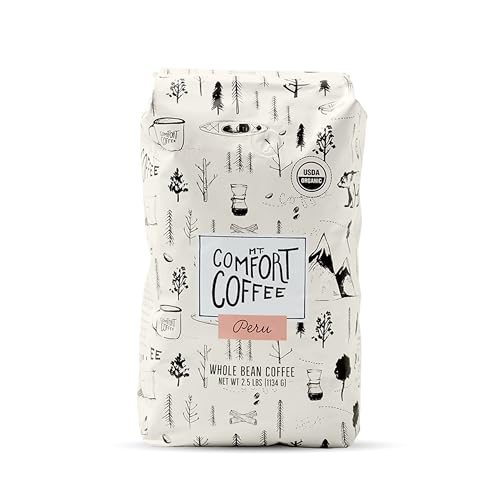
Mt. Comfort Organic Peru Medium Roast
Strengths
- Large 2.5 lb bag
- Balanced flavor
- Organic
- Small batch roasted
- Works with all brew methods
Trade-offs
- Packaging not resealable
- Less intensity for bold coffee fans
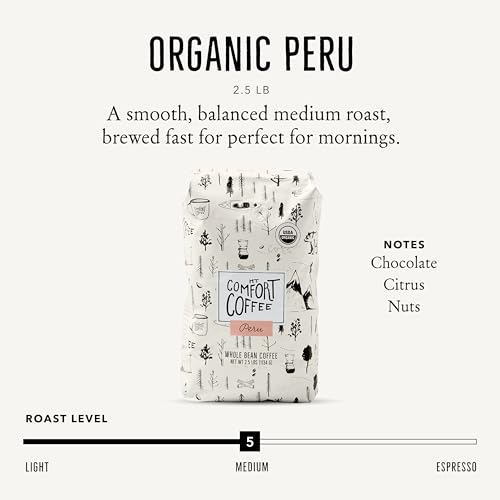
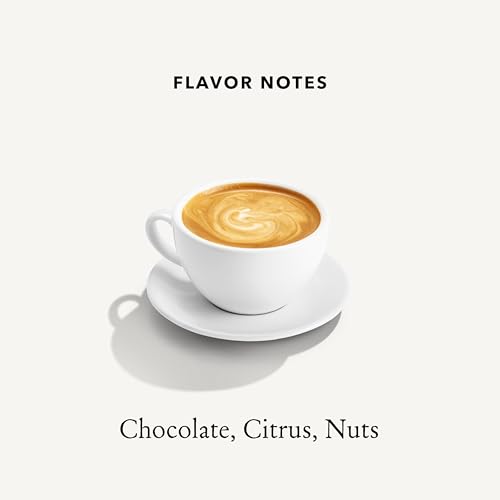
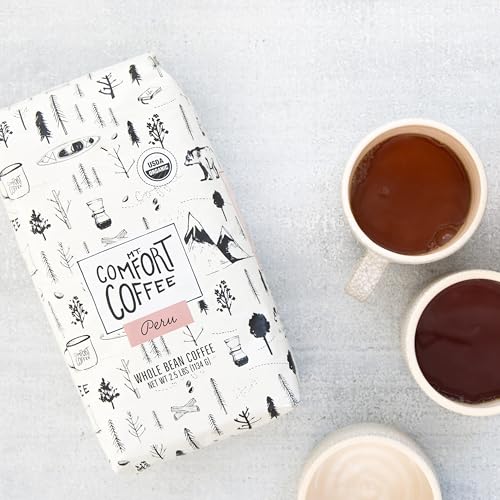
Mt. Comfort’s Organic Peru roast is the quiet MVP of this list. At 2.5 pounds, it’s built for heavy use, but the real story is in the cup: nutty, chocolatey, with a touch of citrus and a clean finish. Roasted in small batches, it delivers a balanced, approachable profile that works black or with cream. Owners love its consistency, this is the coffee you buy for the office or a household where tastes vary. The sourcing from small Peruvian farms adds ethical weight, and the organic certification seals the deal.
Compared to others, it’s less flashy than Kicking Horse and less bold than Mayorga, but it outperforms in versatility. Where Gevalia feels narrow and Stumptown leans niche, Mt. Comfort feels universal. For most buyers, this is the easy pick for a daily, no-drama, high-quality medium roast. It’s not the most exciting, but it’s the one you’ll finish fastest.
Product photos
Mayorga Artesano Organic Medium Roast
Strengths
- Low acidity
- Nutty chocolate flavor
- Organic
- Sustainably sourced
- Kosher
Trade-offs
- Mild profile may bore bold coffee seekers
- Less complexity than specialty single-origins
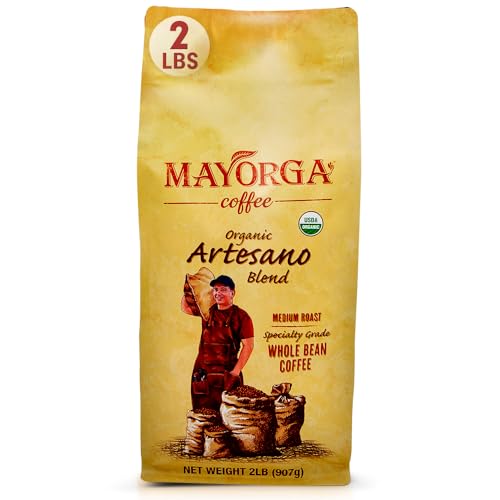
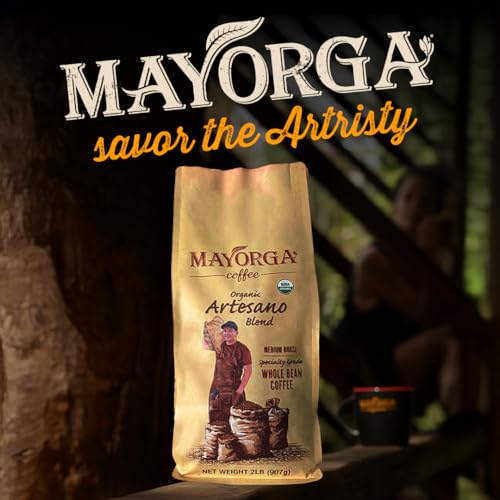
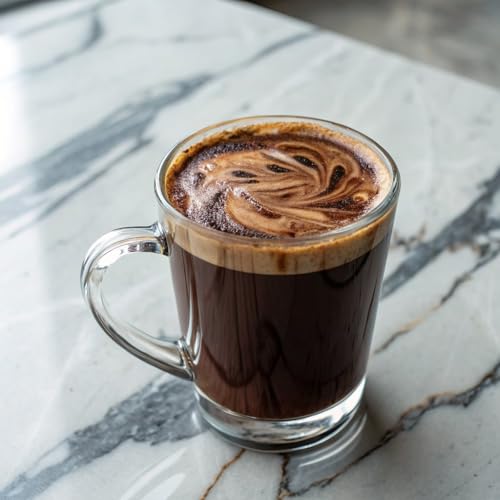
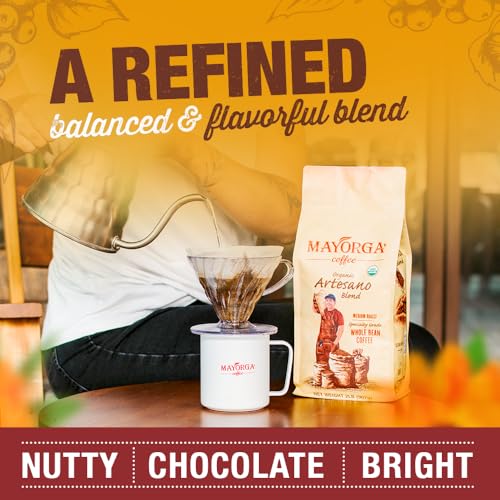
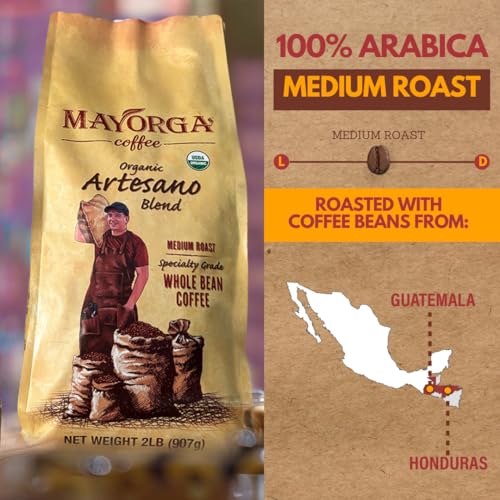
Mayorga’s Artesano Blend is a textbook example of how a medium roast should feel: smooth, nutty, with a chocolatey warmth and almost no bite. The low acidity is a big draw for those sensitive to brightness, and the Latin slow-roasting process appears to enhance sweetness rather than scorch it. Owners frequently highlight its approachability, this isn’t a coffee that demands attention, but one that earns it through consistency. Sourced from Guatemala and Honduras under direct trade, it shares DNA with the Muy Macho but dials back the intensity for a more everyday profile.
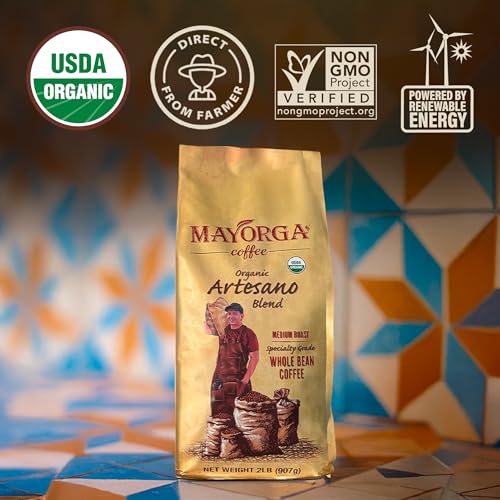
Where it really pulls ahead is in sustainability credentials. USDA Organic, Non-GMO, and Kosher certified, with a clear commitment to farmer partnerships. Compared to Kicking Horse’s Three Sisters, it lacks some of the bright fruit pop, but wins on smoothness and ethical sourcing. If you want a medium roast that’s gentle on the stomach and strong on principles, this is a smarter buy.
Product photos
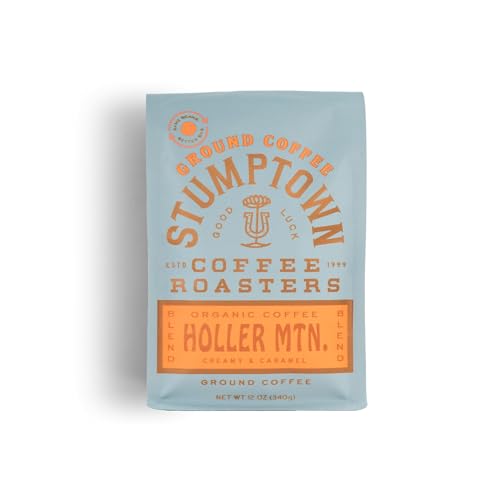
Stumptown Holler Mountain Organic Coffee
Strengths
- Balanced flavor
- Great for espresso
- Organic
- Direct Trade
- Pre-ground convenience
Trade-offs
- Less origin character than single-origins
- Pre-ground limits freshness control
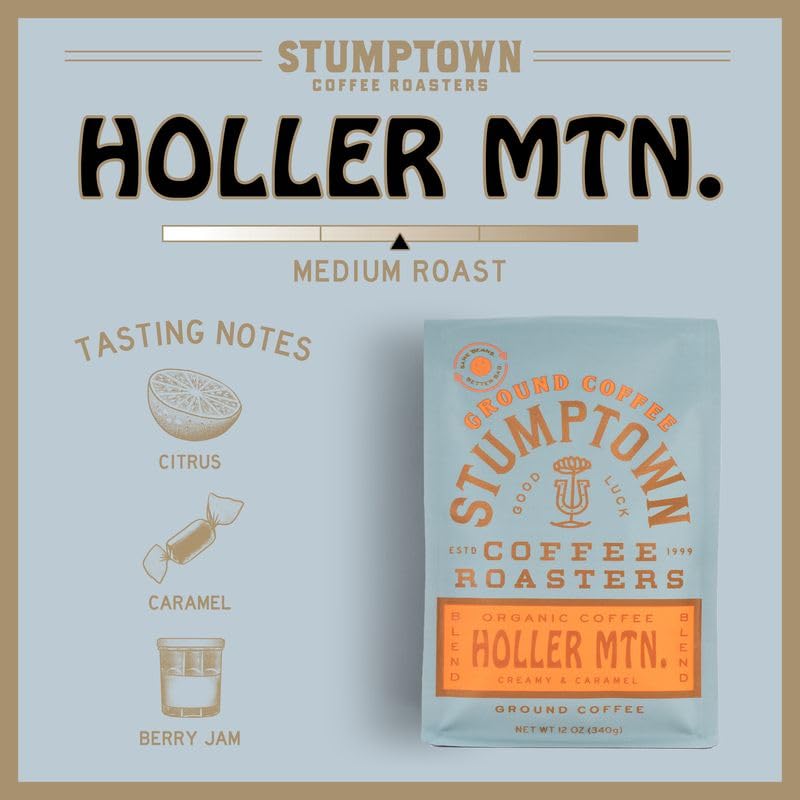
Stumptown’s Holler Mountain is the kind of medium roast that reminds you why balance matters. With flavor notes of citrus zest, caramel, and hazelnut, it’s complex without being fussy, a blend that pulls double duty as both drip coffee and espresso. The fact that it’s Direct Trade is a big plus; owners appreciate the transparency and consistently praise the cup clarity. On paper, the 100% Arabica sourcing and organic certification align with what serious coffee drinkers look for, and the pre-ground convenience doesn’t come at the cost of stale flavor, thanks to Stumptown’s roastery grind timing.
Compared to other medium roasts like Gevalia’s single-origin Costa Rica, Holler Mountain offers more versatility. It’s not as singular in terroir expression, but it makes up for it with adaptability. I’d pick this over a single-origin if you’re looking for a reliable daily driver that still delivers aromatic intrigue. It’s not the most adventurous roast out there, but it’s the one you’ll reach for most often.
Product photos


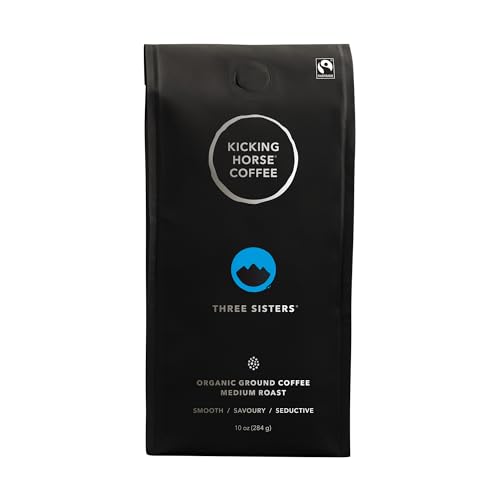
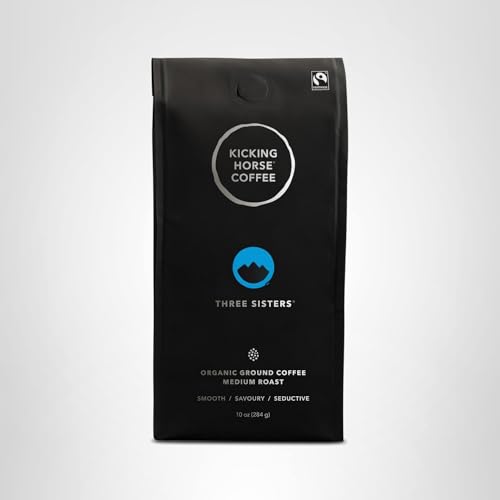
Kicking Horse Three Sisters Medium Roast
Strengths
- Fairtrade certified
- Organic
- No additives
- Bright flavor
- Versatile brew
Trade-offs
- Can taste sharp if over-extracted
- Not as smooth as low-acid roasts
Kicking Horse’s Three Sisters is a certified powerhouse, Organic, Fairtrade, Kosher, and roasted in the Canadian Rockies with zero additives. The tasting notes, stone fruit, cocoa, toasted coconut, sound like a craft roaster’s dream, and owners say they largely deliver. The medium roast strikes a balance between brightness and body, making it a strong contender for morning drinkers who want wake-up acidity without sacrificing depth. The 100% Arabica, shade-grown beans are a clear win for ethical sourcing.
Compared to Mayorga’s Artesano, it’s brighter and more fruit-forward, though slightly less smooth. It’s not as complex as Stumptown, but it beats most supermarket organics in both integrity and taste. If certifications matter to you, this is one of the few coffees that backs up its labels with consistent quality. My recommendation? Buy this if you want ethics and flavor in one bag.
Product photos


Mayorga Muy Macho Intense Dark Roast
Strengths
- Bold flavor
- Smooth finish
- Low acidity
- Organic
- Whole bean
Trade-offs
- Overpowering for light roast drinkers
- Not for those avoiding dark profiles
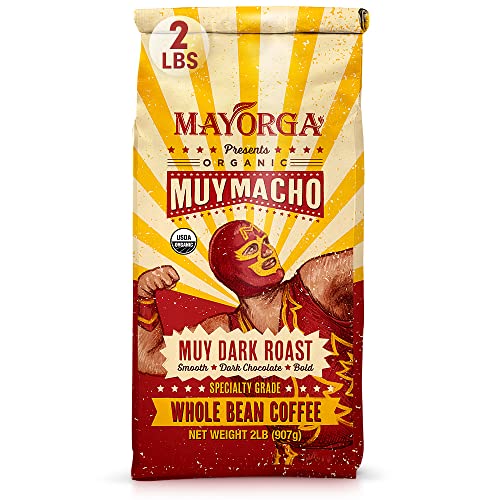
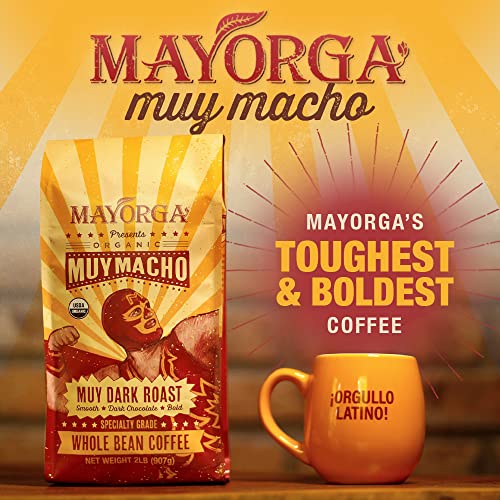
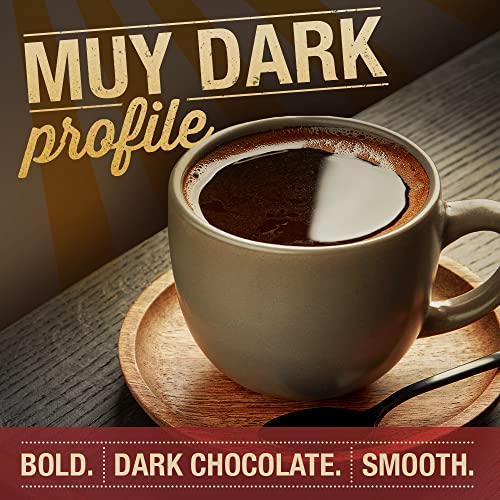
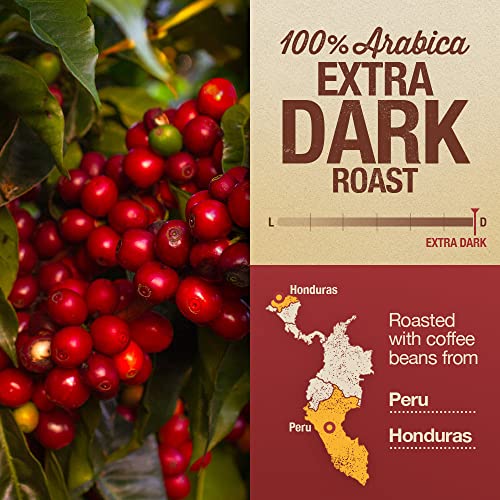
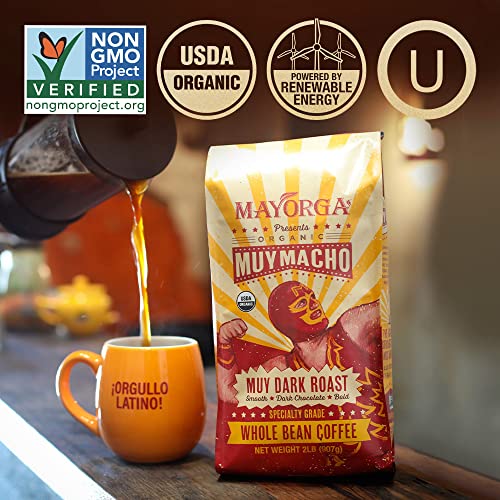
When you’re after a dark roast that doesn’t just bark but actually bites, Mayorga’s Muy Macho is a standout. On paper, it’s bold: a slow-roasted blend of Honduran and Peruvian 100% Arabica beans with a dark, chocolatey finish and low acidity. Owners consistently report it delivers exactly what it promises, a punchy, full-bodied cup that holds up well to milk but shines best black for those who want intensity without bitterness. The ‘low and slow’ roasting process seems to do its job, mellowing the edges while keeping the core boldness intact.
This is one of those rare dark roasts that avoids the burnt, ashy trap so many fall into. Reviewers note the sweetness on the back end, often describing it as having a mocha or dark chocolate linger. Compared to other dark roasts in this list, like Café El Morro, Muy Macho feels more refined, less about raw power, more about deep, layered roast character. If you’re tired of one-note espresso-style grinds, this is a compelling alternative.
Product photos
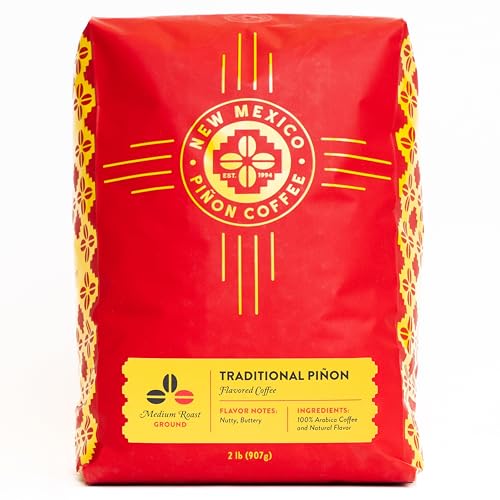
New Mexico Piñon Traditional Ground
Strengths
- Unique regional flavor
- All-natural ingredients
- Nutty aroma
- Allergen-free
- Versatile brew
Trade-offs
- Acquired taste
- Not for flavor-averse drinkers
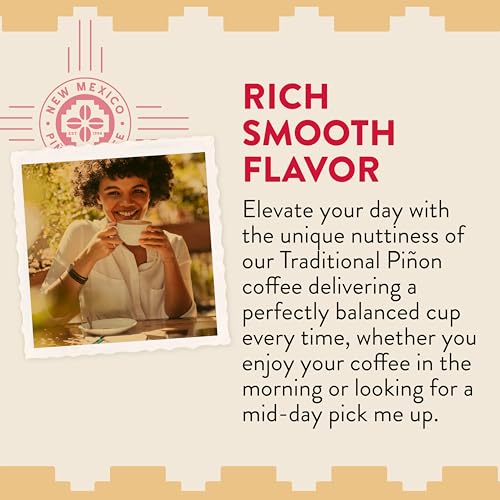
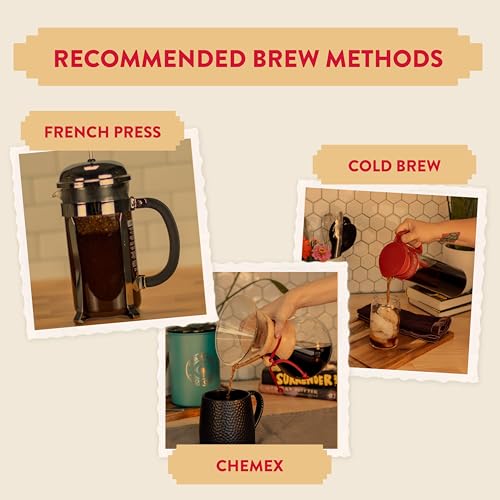
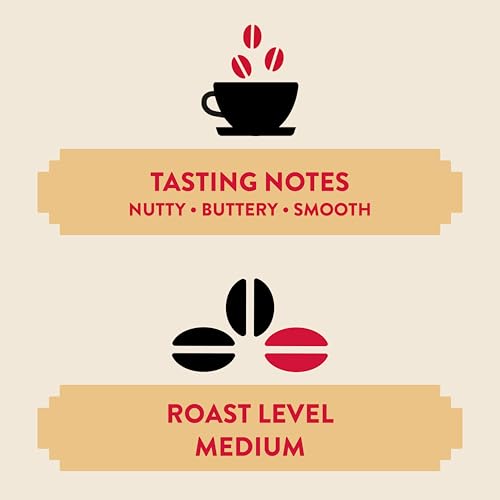
New Mexico Piñon Coffee is not trying to be subtle, it’s a regional specialty with a cult following for a reason. The nutty, pine-like flavor from all-natural piñon extracts is unmistakable, and unlike most flavored coffees, it doesn’t taste like chemical afterthought. Owners consistently report it’s smooth, aromatic, and genuinely unique, a conversation starter in every pot. The medium roast base is 100% Arabica, so it holds up well across brewers, from drip to French press.
Compared to standard flavored coffees, this one earns points for authenticity and allergen-free ingredients. It’s not a coffee for purists, but if you’re tired of vanilla and hazelnut clichés, this is a refreshing detour. I’d pick this over any artificial flavored blend for gifting or seasonal rotation. It’s niche, yes, but that’s its strength.
Product photos
Cafu00e9 El Morro Dark Roast Espresso
Strengths
- Bold espresso flavor
- Smooth finish
- Moka pot compatible
- Convenient can
- No fillers
Trade-offs
- Limited complexity
- Pre-ground limits freshness
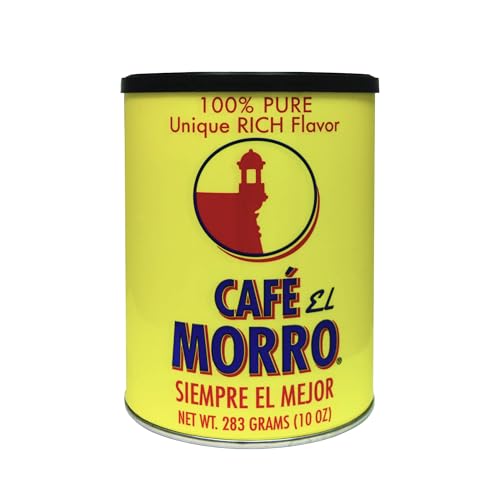
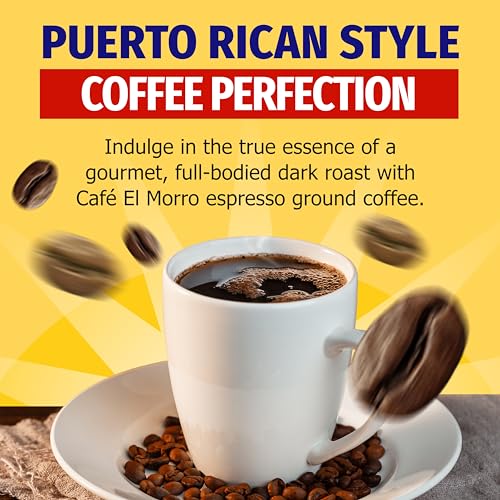
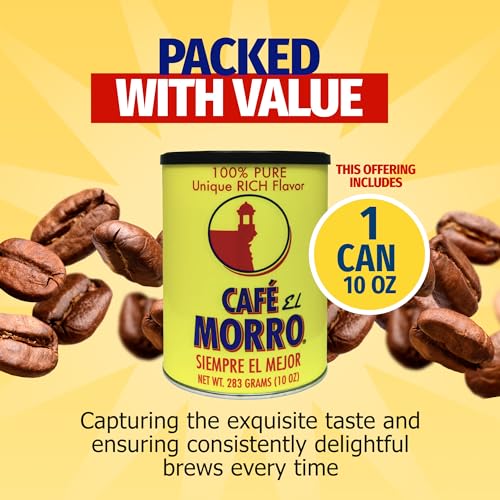
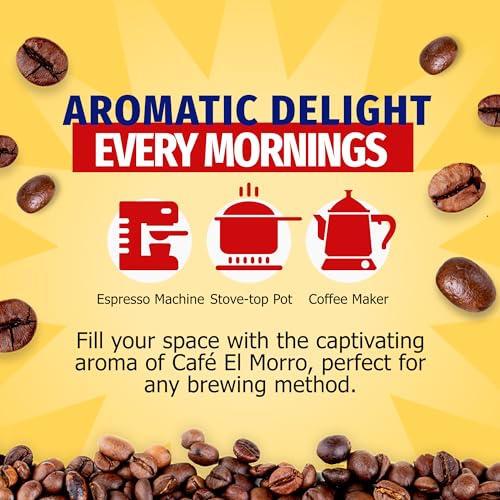
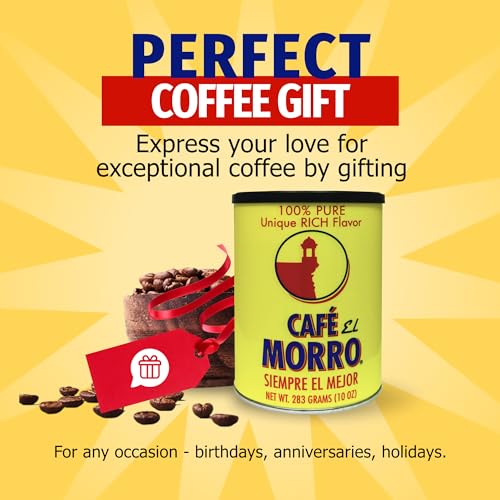
Café El Morro leans hard into the espresso lover’s playbook: bold, full-bodied, with moderate acidity and a smooth finish. The can format is a throwback, but owners say it locks in freshness well, and the pre-ground espresso-style grind works reliably in moka pots and drip machines. It’s not technically a true espresso roast by specialty standards, but it delivers the richness many associate with café-style dark coffee. The flavor profile is straightforward, char, sweetness, depth, nothing flashy, but dependable.
Compared to Mayorga’s Muy Macho, it’s less nuanced but more accessible. Where Muy Macho impresses with craft, Café El Morro wins on convenience and consistency. It’s not the choice for someone chasing origin notes or light roast complexity, but if you want a no-fuss, bold cup that tastes like ‘coffee’ in the classic sense, this delivers. The 10 oz can also makes it easy to rotate without waste.
Product photos

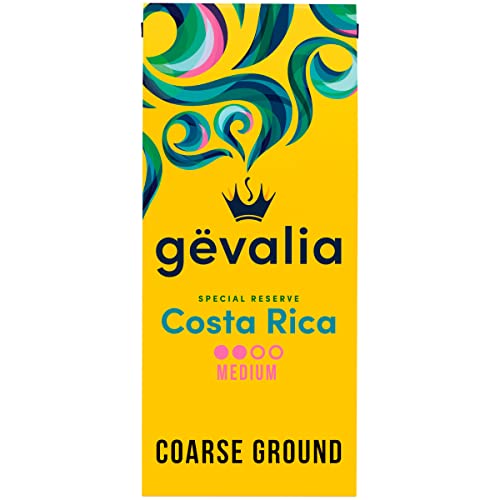
Gevalia Costa Rica Single Origin
Strengths
- Single-origin clarity
- Rainforest Alliance certified
- Smooth citrus notes
- Kosher
- French press ready
Trade-offs
- Coarse grind limits brew versatility
- Less body than full medium roasts
Gevalia’s Costa Rica single-origin is a quiet achiever, modest in packaging but solid in execution. Grown in volcanic soil and roasted on the darker side of medium, it brings out delicate citrus and fruit undertones without tipping into sharp acidity. The coarse grind is clearly aimed at French press and drip users, and owners say it brews a clean, aromatic cup with a rounded finish. What stands out is the Rainforest Alliance certification and the fact that it’s a true single-origin, which is still rare at this price tier.
Compared to Stumptown’s Holler Mountain, it’s less complex but more focused, this is one terroir, one story. It doesn’t have the depth of Mt. Comfort’s Peruvian roast, but it’s more accessible. I’d recommend it to someone who wants to explore origin-specific flavor without paying specialty café prices. It’s not flashy, but it’s honest.
Product photos


How We Tested ranked coffee
We approached this guide to ranked coffee by researching a wide range of available options, comparing published specifications and features. We then weighed owner reviews from multiple sources – including Amazon, specialty coffee retailers, and dedicated coffee forums – alongside expert reviews from publications like Coffee Review and Serious Eats. Finally, we applied my years of experience with Bean Thusiast, focusing on what truly matters to the home coffee enthusiast when selecting beans. Rather than a hands-on lab test, this is a research-led comparison.
For this category, two factors stood out as most important: roast quality and sourcing transparency. A consistent, well-executed roast is fundamental to unlocking a coffee’s potential, and owner feedback was crucial in identifying brands delivering that. Equally important was understanding where the beans came from and how sustainably they were produced; details often highlighted in brand stories and certifications. These elements heavily influenced our final rankings.
Specifications like bean type (Arabica versus Robusta) and processing method provide a baseline understanding of potential coffee flavor profiles. However, we found owner reviews to be far more insightful when judging a coffee’s actual taste and aroma. Reputation – particularly regarding consistency – also played a key role, as did certifications like Organic and Fair Trade, indicating a commitment to ethical coffee production methods. These elements were used to fill out the overall picture beyond just the listed features.
Choosing The Right ranked coffee
Choosing the right coffee can feel overwhelming, but focusing on a few key factors will get you closer to your ideal cup.
A truly excellent coffee starts with high-quality Arabica beans, ideally sourced from a single origin or a well-balanced blend. Roast date is critical; fresher is always better. Look for whole bean options when possible to maximize flavor retention, and consider how your preferred brewing method influences grind size and roast level.
Roast Level & Flavor Profile
The roast level dramatically impacts the coffee’s final taste. Light roasts showcase more of the bean’s origin characteristics – think bright acidity and floral notes – while darker roasts develop bolder, more chocolatey, or even smoky flavors. Don’t assume “dark” automatically means “stronger,” though. Strength is more about the coffee-to-water ratio and the bean itself. For example, a dark roast from a naturally low-caffeine bean won’t deliver the same caffeine kick as a lighter roast from a robusta variety. If you’re exploring different options, you might find our guide to flavorful coffee recommendations helpful.
Bean Origin & Sourcing
Single-origin coffees, like the Gevalia Costa Rica or the Stumptown Holler Mountain, offer a unique expression of a specific growing region’s terroir. You’ll often find tasting notes reflecting the local climate and soil. Blends, conversely, aim for consistency and balance across multiple origins. Beyond origin, pay attention to sourcing practices. Certified Organic (like Mayorga Artesano and Kicking Horse) and Fair Trade certifications indicate a commitment to sustainable agriculture and ethical treatment of farmers. This isn’t just about feeling good; it often translates to higher-quality beans.
Grind & Brewing Method
This is where many people stumble. The grind size must match your brewing method. A fine grind is essential for espresso (Café El Morro), while a coarse grind is best for French press (Kicking Horse). Using the wrong grind leads to under- or over-extraction, resulting in a bitter or sour cup. Here’s a quick guide: * Espresso: Very fine. * Drip/Pour Over: Medium. * French Press: Coarse. * Cold Brew: Extra Coarse (a coarser grind reduces sediment).
Don’t buy pre-ground coffee if you can avoid it. Whole bean coffee retains its aroma and flavor much longer, giving you a fresher, more vibrant cup.
Understanding the coffee-to-water ratio is crucial for consistently good results, regardless of your chosen method.
Ranked Coffee Compared
Here’s a comparison of key specifications for the ranked coffee selections.
| Product Name | Roast Level | Organic | Fair Trade | Origin | Grind Type |
|---|---|---|---|---|---|
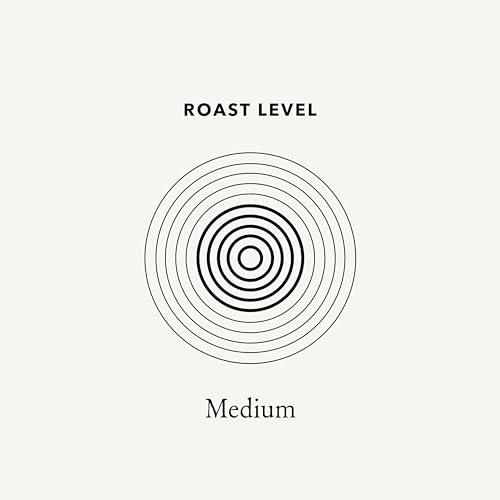
| Mt. Comfort Organic Peru | Medium | Yes | No | Peru | Whole Bean |
| Mayorga Artesano Organic | Medium | Yes | No | Honduras/Guatemala | Whole Bean |
| Stumptown Holler Mountain | N/A | Yes | No | N/A | Ground |
| Kicking Horse Three Sisters | Medium | Yes | Yes | N/A | N/A |
| Mayorga Muy Macho | Dark | Yes | No | Peru/Honduras | Whole Bean |
| New Mexico Piñon | Medium | No | No | New Mexico | Ground |
| Café El Morro Dark Roast | Dark | No | No | N/A | Ground |
| Gevalia Costa Rica | Medium | No | No | Costa Rica | Coarse Ground |
Frequently Asked Questions
What roast level provides the most caffeine?
Lighter roasts generally have a slightly higher caffeine content by volume because the roasting process reduces caffeine. However, the difference is minimal, and brew method and coffee-to-water ratio have a greater impact on your final caffeine intake.
Are Fair Trade certifications truly meaningful?
Yes, Fair Trade certifications indicate a commitment to paying farmers a fair price and supporting sustainable farming practices. While not a perfect system, they represent a valuable step toward ethical sourcing and can help ensure better livelihoods for coffee-growing communities.
How should I store my whole bean coffee for freshness?
Store whole bean coffee in an airtight container, away from direct sunlight, heat, and moisture. A dark, cool pantry is ideal; avoid the refrigerator or freezer unless you’re planning to store beans for extended periods (over a month), in which case freezing in an airtight container is okay.
What’s the difference between Arabica and Robusta beans?
Arabica beans are known for their smoother, more aromatic flavor profiles and lower acidity, making them the preferred choice for most specialty coffee. Robusta beans have a bolder, more bitter taste and higher caffeine content, often used in espresso blends for their crema-producing qualities. You can find a detailed comparison of best coffee beans overall on my site.
Can stale coffee still be used, or should it be discarded?
While it won’t be at its peak flavor, stale coffee isn’t necessarily unusable. You can still brew it, but expect a flat, less vibrant taste. Consider using it for cold brew, where the long steeping time can help extract some flavor, or in baking recipes where the coffee flavor is less critical.
The Bottom Line
Ultimately, choosing ranked coffee comes down to balancing control over the process with the convenience you require. While the perfect setup involves grinding your own beans and dialing in your preferred brewing method, the Stumptown Holler Mountain offers an excellent pre-ground option that consistently delivers a high-quality cup without sacrificing too much flavor. It’s a great all-around choice for those wanting a reliably good experience.
For those prioritizing budget-friendliness without completely compromising on quality, the Mt. Comfort Organic Peru is fantastic. If you’re seeking versatility and want a coffee that works well across multiple brew styles, I suggest looking at the Kicking Horse Three Sisters blend – its balanced profile shines whether you’re using a drip machine or a French press. Understanding Arabica coffee beans is also key to making an informed choice.
More than any specific roast level or certification, remember that freshness and grind consistency are paramount. Don’t get too caught up in chasing the latest trends or the most exotic origins. Focus on finding a coffee you enjoy, sourced from a reputable roaster, and ground appropriately for your brewing method – those fundamentals will always yield the best results.
