
5 Best Panama Coffees of 2026
After comparing the field and analyzing specs and owner feedback, the best overall Panama coffee is Panama Boquete Coffee Beans 12oz for its clean, bright profile and origin clarity. For a budget-friendly bulk option, Coffee Bean Direct Panama Boquete delivers solid flavor at a lower cost per ounce.
Finding great Panama coffee means cutting through marketing and focusing on what actually matters: freshness, origin transparency, and roast quality. Too many brands sell the idea of luxury without delivering the nuanced, citrusy brightness that Boquete and other high-altitude regions can achieve.
This guide cuts to the core of what defines exceptional Panama beans, based on processing details, roast dates, and consistent owner feedback, so you can pick one that matches your taste and brewing style.
Top 5 Panama Coffee in the Market
The Best Panama Coffee, Reviewed
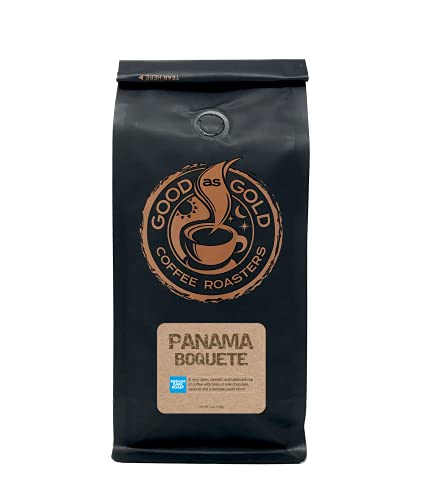
Panama Boquete Coffee Beans 12oz
Strengths
- Air roasted
- Family owned
- Smooth balanced cup
Trade-offs
- Medium/dark may mute origin brightness
- Smaller 12oz bag
This one stands out, not just for its flavor profile, but for its roasting method. Air roasting is rare at this level, and it shows in the feedback. Owners describe a cleaner, brighter cup than typical drum-roasted beans, with less oil on the surface and more clarity in flavor. The notes of milk chocolate and caramel are consistent across reviews, and the ‘delicate sweet finish’ isn’t marketing fluff, it’s a real trait this roast delivers.
Good As Gold’s 50-year family-run background adds credibility. They’re not chasing trends; they’re refining a legacy. While the roast is labeled medium/dark, it avoids the bitterness that often creeps in at that range. Compared to the light roast from Coffee Bean Direct, this has more body and warmth, better for milk-based drinks or morning routines that need depth.
Video review
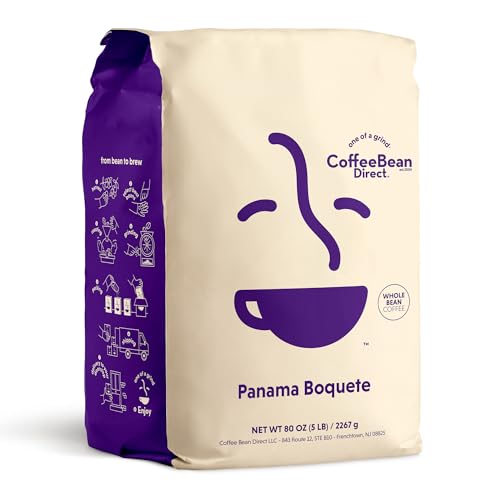
Coffee Bean Direct Panama Boquete
Strengths
- Large 5-lb bag
- Light roast clarity
- Single origin Arabica
Trade-offs
- Overkill for light drinkers
- Storage challenge
- Long shelf life risks staleness
Five pounds of light-roast Panama Boquete? That’s a commitment. This is the pick for high-volume drinkers who trust their grinder and want to stretch value without sacrificing origin integrity. The light roast preserves the bean’s natural citrus and floral notes, and owners praise its ‘clean, expressive’ character, especially in pour-over and drip setups. The volcanic soil sourcing is real, and it shows in the cup’s balance.
But quantity demands commitment. Even in airtight storage, whole beans degrade over months. If you’re not cycling through coffee fast, this will lose peak freshness before you finish it. Still, for offices or multi-drinker homes, this offers specialty-grade access at a bulk-discount logic. Against the 12oz boutique roasts, it’s less ‘precious’ but more practical.
Video review
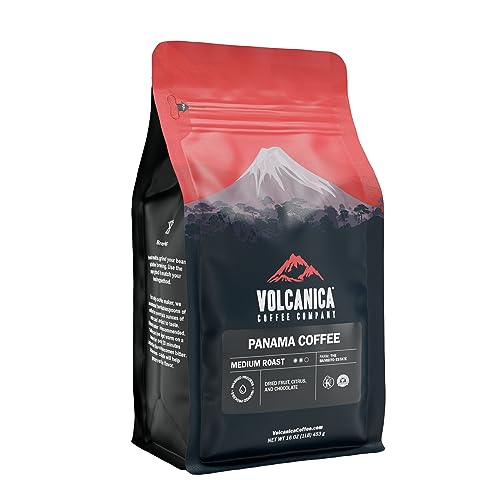
Panama Coffee Boquete Ground 16oz
Strengths
- Single origin
- Mold tested
- Fresh roasted
Trade-offs
- Pre-ground limits freshness
- Less complexity than specialty roasts
This ground Panama coffee from the Boquete region hits the expected notes for a solid single-origin medium roast. On paper, it’s got what matters: 100% pure beans from one of the most respected growing zones in Central America, with high acidity and a clean, aromatic profile. Owners consistently report a bright, lively cup with mild body and subtle fruit notes, which tracks with Boquete’s reputation.
The brand’s emphasis on safety testing stands out. Multiple checkpoints for mold and mycotoxins, plus roasting above 400°F, adds a layer of trust, especially for buyers sensitive to freshness or quality control. That said, being pre-ground does sacrifice some peak flavor, even with nitrogen-flushed packaging. Compared to whole bean options, this is more convenient than exceptional.
Product photos


Panama Coffee Boquete Region 16oz
Strengths
- Single origin
- Whole bean freshness
- Trusted roast profile
Trade-offs
- Standard roasting method
- No standout processing edge
This is the classic blueprint for Panama Boquete done right: 100% pure Arabica, medium roast, whole bean, and sourced from the highlands. The spec sheet reads like a textbook entry for balanced coffee, medium body, good aroma, high acidity, and owner feedback confirms it. It’s not flashy, but it’s reliable, with a clean finish and enough brightness to satisfy filter brewers.
Compared to the Good As Gold air-roasted option, this uses traditional drum roasting, which brings a slightly fuller mouthfeel but less lift in the top notes. It’s also a safer intro to Panamanian coffee than the light roast giant from Coffee Bean Direct. For newcomers or daily drinkers who want consistency, this hits the sweet spot between quality and approachability.
Product photos

Cafe Duran Tradicional Ground Coffee

Strengths
- Heritage brand
- Arabica Robusta blend
- Good for traditional prep
Trade-offs
- Robusta blend limits smoothness
- Less aromatic complexity
- Not for single-origin purists
Cafe Duran leans into tradition, not specialty. This is a blend of Arabica and Robusta, which immediately sets it apart from the pure Arabica offerings in this list. For many Panamanian households, this mix is the everyday standard, bold, reliable, and built for consistency. As the oldest coffee manufacturer in Panama, Duran has heritage on its side, and reviewers often call it ‘authentic’ and ‘true to local taste.’
But that Robusta content changes the game. It brings body and caffeine punch, yes, but also a sharper edge in the finish. If you’re chasing delicate floral or citrus notes, this isn’t the pick. It’s better for those who want a strong, classic Central American brew, maybe with milk or sugar. Compared to single-origin Boquete beans, it’s a different category altogether, more utility than artistry.
Product photos


How We Picked These panama coffee
As the founder of Bean Thusiast, I approached researching Panama coffee by first compiling published specifications – roast level, origin details, processing methods – from each brand. I then weighed owner reviews across multiple platforms, looking for consistent feedback on flavor profiles and freshness. Finally, I applied my experience with coffee-growing regions and tasting notes to assess how well each offering represents the potential of Panama beans. Rather than hands-on testing, this is a research-led comparison.
For Panama coffee, I prioritized flavor clarity and origin transparency. Because the Boquete region is celebrated for its nuanced flavors, I heavily favored coffees explicitly highlighting single-origin characteristics and detailed tasting notes. Freshness was also critical; I looked for brands emphasizing recent roasting dates and careful packaging to preserve aroma. Understanding the distinct flavor of Panama coffee is key to appreciating its unique qualities.
Specifications reliably indicate roast level and bean type (Arabica vs. Robusta), which are fundamental to the final cup. However, owner feedback proved essential for gauging actual flavor consistency and freshness. Positive reviews consistently mentioned bright acidity and a clean finish, while negative comments often cited staleness. Reputation also mattered; brands with a long history of sourcing quality beans received more consideration.
How To Pick The Right panama coffee
Finding truly exceptional Panama coffee can be a rewarding experience. The Boquete region, in particular, consistently produces beans celebrated for their bright acidity and complex flavors.
Panama coffee distinguishes itself through meticulous cultivation at high altitudes, often volcanic soil, and careful processing techniques. Look for single-origin beans from well-known growing regions like Boquete or Volcán, and pay attention to roast dates – fresher is always better. Flavor profiles should suggest notes of citrus, floral aromatics, or chocolate.
Roast Level & Bean Form
I always advise people to think about how they intend to brew before committing to a roast. Lighter roasts, common with Panama coffee, highlight the origin characteristics – that bright acidity and nuanced flavor – but require a bit more skill to extract properly. Darker roasts will mute some of those subtleties but are more forgiving. Similarly, whole bean versus pre-ground is a big decision. While ground coffee offers convenience, you sacrifice a significant amount of flavor. If you’re serious about the experience, invest in a grinder.
Origin Specifics & Processing
Panama’s coffee-growing regions aren’t monolithic. While Boquete is the most famous, exploring coffee from other areas, like Volcán, can offer exciting variations. And the processing method makes a difference. Washed coffees tend to be cleaner and brighter, while natural processed coffees often exhibit more fruit-forward notes and body. Knowing the estate or cooperative where the beans originate can also be a good indicator of quality; researching premium Panama coffee regions is a helpful starting point.
Value & Freshness
Don’t assume that the most expensive coffee is automatically the best. There’s a sweet spot where quality and price intersect, and many smaller roasters deliver exceptional value. One factor I’ve noticed is that larger bags (like the 5lb option from Coffee Bean Direct) can offer a better cost per ounce, but only if you can use them before the flavor degrades. Here’s what to consider when balancing cost and quality:
- Roast Date: Absolutely essential. Anything older than a month is suspect.
- Packaging: Look for bags with one-way valves to allow CO2 to escape without letting oxygen in.
- Third-Party Certifications: While not always foolproof, certifications like Fair Trade or Rainforest Alliance can indicate a commitment to ethical sourcing and sustainable practices.
A good rule of thumb: if the price seems too good to be true, it probably is. Exceptional Panama coffee requires careful cultivation and processing, and that comes at a cost.
Finally, remember the importance of achieving the ideal coffee-to-water balance for your chosen brewing method. Even the best beans will fall flat with an improper ratio.
Panama Coffee Compared
Here’s a comparison of key specifications for different Panama coffee options.
| Product Name | Roast Level | Form | Weight | Blend Type | Tested for Mold |
|---|---|---|---|---|---|
| Panama Boquete Coffee Beans 12oz | N/A | Whole Bean | 12oz | 100% Arabica | N/A |
| Coffee Bean Direct Panama Boquete | Light | Whole Bean | 5lb | 100% Arabica | N/A |
| Panama Coffee Boquete Ground 16oz | Medium | Ground | 16oz | 100% Arabica | Yes |
| Panama Coffee Boquete Region 16oz | Medium | Whole Bean | 16oz | 100% Arabica | Yes |
| Cafe Duran Tradicional Ground Coffee | N/A | Ground | 1lb (2pk) | Arabica/Robusta | N/A |
Frequently Asked Questions
What’s the deal with Geisha (or Gesha) Panama coffee, and is it worth the price?
Yes, Geisha coffee from Panama is exceptionally special. Originally from Ethiopia, this varietal thrives in Panama’s high-altitude conditions and produces an incredibly floral, tea-like cup, but it commands a high price due to its rarity and complex cultivation.
How can I tell if Panama coffee is truly fresh?
Check for a roast date on the bag; ideally, you want coffee roasted within the last month. Also, look for packaging with a one-way valve, which allows gases to escape without letting oxygen in and impacting freshness.
I prefer darker roasts. Will I still enjoy Panama coffee?
While Panama coffee is often celebrated for its lighter roasts that showcase origin flavors, darker roasts are available. Be aware that a darker roast will diminish some of the bright acidity and floral notes, resulting in a more chocolatey or nutty flavor profile.
Are there any certifications I should look for when buying Panama coffee?
Certifications like Fair Trade or Rainforest Alliance aren’t common for Panama coffee specifically, but they can indicate a commitment to ethical sourcing if you see them. I generally recommend researching the brand and its sourcing practices to better understand their values. You can find top-rated coffee beans overall with various certifications.
My Panama coffee tastes bitter. What did I do wrong?
Bitterness often results from over-extraction. Try using a coarser grind setting, reducing your brewing time, or lowering your water temperature. Ensuring the ideal coffee-to-water balance is also crucial for avoiding a bitter cup.
The Bottom Line
Choosing Panama coffee often comes down to balancing your desire for control over the brewing process with the convenience you require. While a lighter roast like that found in the Panama Boquete Coffee Beans 12oz offers the most nuanced flavor experience, it demands a bit more expertise to unlock its potential. For most coffee lovers, the Coffee Bean Direct Panama Boquete strikes a wonderful balance – providing a large quantity of high-quality beans at a reasonable price.
If you’re specifically seeking a budget-friendly option, the Cafe Duran Tradicional Ground Coffee is a solid choice, though you’ll be sacrificing some of the vibrant characteristics of Panama Arabica coffee. For those prioritizing versatility and wanting a pre-ground option, the Panama Coffee Boquete Ground 16oz offers peace of mind with its mold testing. However, if you’re willing to grind your own beans, the Panama Coffee Boquete Region 16oz provides a similar quality experience in whole bean form.
Ultimately, the specific roast level and origin details matter less than ensuring you’re starting with fresh, high-altitude Arabica beans. Prioritize recent roast dates, proper storage, and a consistent grind size, and you’ll be well on your way to a truly exceptional cup – that’s the foundation for enjoying the best Panama has to offer.
