
7 Best Non Toxic Coffee Filters 2026
The Melitta #4 Unbleached Coffee Filters are the best overall for their reliable fit and clean taste, while the 200 Count #4 No Blowout Filters stand out for strength and value. If you’re watching your budget, the 200 Count #4 Unbleached Filters deliver solid performance at a lower price.
Most coffee drinkers don’t think twice about their filters, but what you use can introduce unwanted chemicals or off-flavors into your morning cup. As someone who’s spent years analyzing how every detail affects brew quality, I know a filter’s material and construction matter more than most realize.
This guide cuts through the noise by focusing on filters that are truly unbleached, chlorine-free, and built to perform. I researched options based on material safety, strength, flow rate, and real-world feedback from long-term users, so you can choose with confidence.
Top 7 Non Toxic Coffee Filters in the Market
The Best Non Toxic Coffee Filters, Reviewed
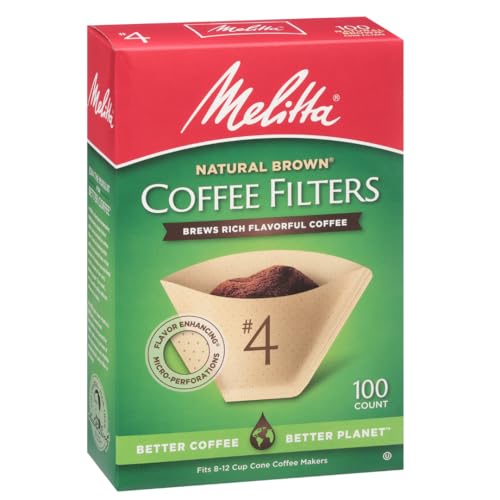
Melitta #4 Unbleached Coffee Filters

Strengths
- Double crimped edge
- Microfine perforations
- BPI Certified
Trade-offs
- Higher price point
- Slight paper taste at first
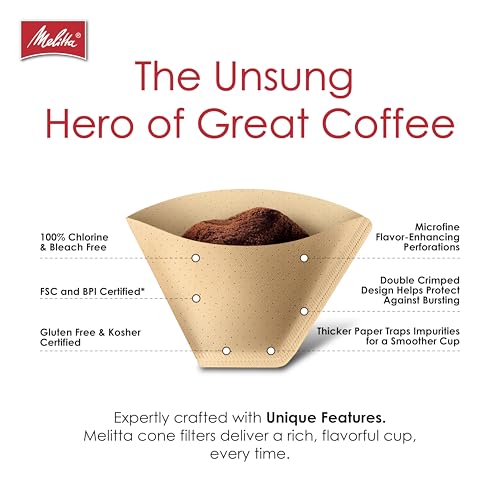
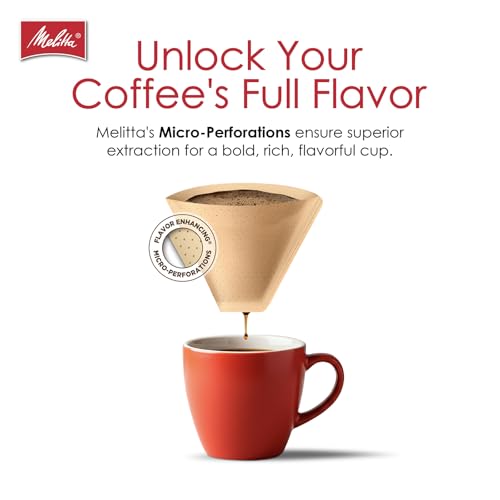
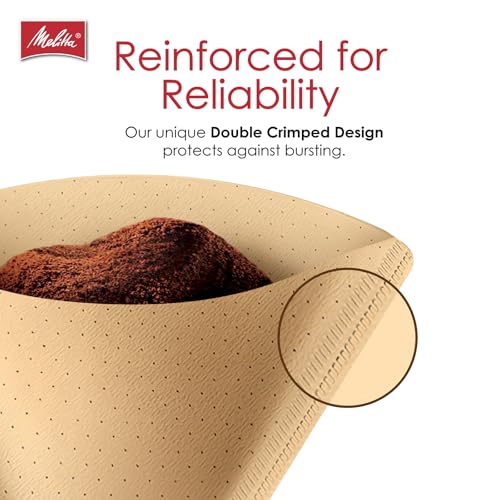
Melitta has been in the filter game longer than most, and this #4 unbleached version proves they’ve refined the formula. The microfine perforations aren’t just marketing, they genuinely improve extraction, delivering a smoother, richer cup that many owners describe as ‘more complete’. The double crimped edge is the real MVP, preventing blowouts even under high flow.
It’s compostable, FSC and BPI certified, and packaged in recycled paperboard, a rare full-spectrum eco commitment. Made in the USA, it combines durability, flavor clarity, and sustainability better than any other in this list. When stacked against If You Care or Clinuse, it’s the all-rounder that just works, every time.
Product photos
8-12 Cup USA-Made Filters
Strengths
- Made in USA
- 500 count
- Sturdy construction
Trade-offs
- Slower flow rate
- Basic packaging
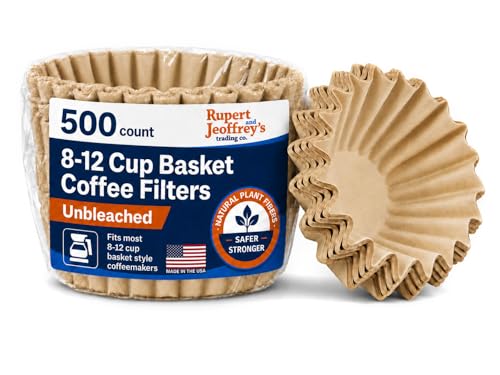
If you’re looking to support domestic manufacturing without sacrificing quality, this 500-pack is a strong contender. Made in the USA from biodegradable paper, it promises durability and clean filtration, and owners confirm the sides stay rigid during brewing, reducing the risk of collapse and grounds leakage. The unbleached material avoids chlorine processing, which helps preserve the coffee’s natural profile.
It’s not flashy, but it’s dependable. The sheer volume makes it ideal for offices or high-volume households. Compared to imported alternatives, the consistency in thickness and fit stands out, though some note the paper feels a bit dense, which can slightly slow flow. Still, for no-nonsense, non-toxic basket filtering, it’s hard to beat the value.
Product photos

200 Count #4 Unbleached Filters

Strengths
- Good flow balance
- Creased design
- Ninja compatible
Trade-offs
- Basic branding
- No compost certification
This 200-pack leans into value and compatibility, especially for Ninja owners. The virgin wood pulp gives it a clean, durable base, and the creased design helps guide water flow, a subtle but meaningful upgrade over flat filters. Owners using pour-over setups report fewer clogs and more even saturation, thanks to the balanced thickness.
The filters are unbleached and compostable, ticking the eco-friendly boxes, but the packaging doesn’t highlight recycled materials. It’s a solid workhorse, though not as refined as Melitta or as flavor-focused as If You Care. For those who brew daily and want a dependable, mid-tier option, it’s a smart play.
Product photos


Clinuse Cone Coffee Filters #2
Strengths
- V-shaped design
- No adhesive
- Odor-free
- 200 count
Trade-offs
- Fit varies slightly
- Not for large brewers
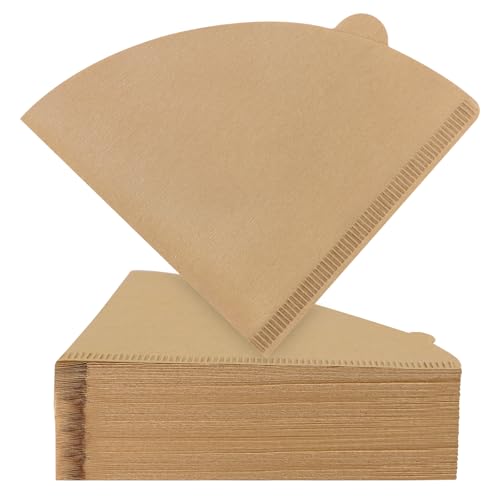
Clinuse goes all-in on flavor purity with these unbleached #2 cone filters, and the results show in owner feedback. The V-shaped design isn’t just aesthetic, reviewers note it promotes more even extraction, especially in pour-over setups where flow control matters. The absence of adhesives or bleach aligns perfectly with the non-toxic brief, and the fine, uniform paper does a solid job filtering fines without slowing things down too much.
With 200 filters per pack, it’s a long-term solution for light-to-moderate drinkers. The vacuum-sealed packaging stands out as a thoughtful touch, keeping filters dry and odor-free. Compared to generic brands, this one earns points for consistency and attention to detail, though it’s worth double-checking fit, some users note slight variance in dimensions.
Product photos


If You Care No. 4 Cone Filters
Strengths
- Chlorine-free
- Compostable
- Clean flavor
Trade-offs
- Thinner paper
- No extra reinforcement
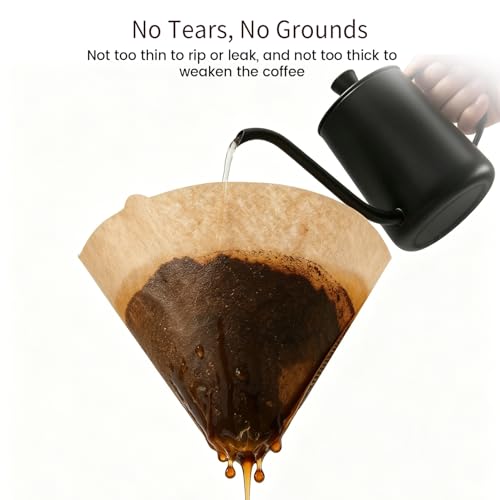
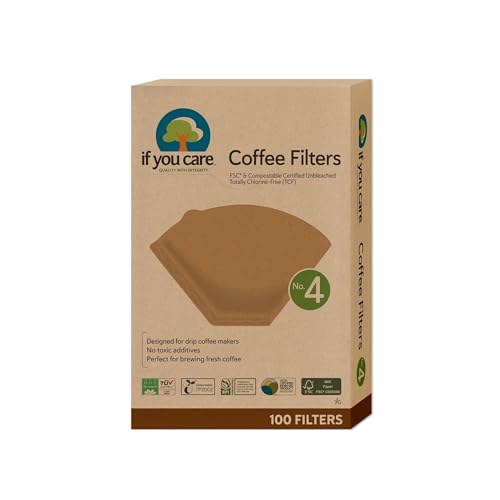
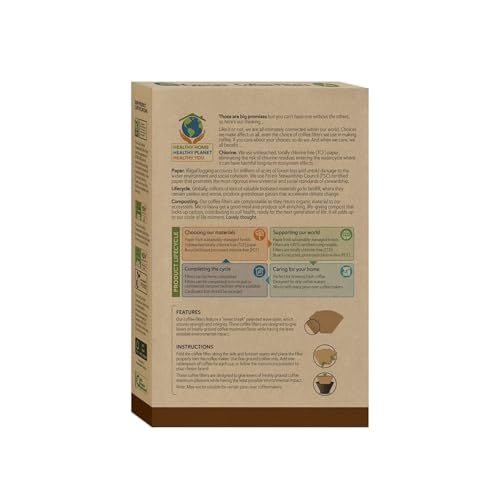
This No. 4 cone filter from If You Care is a favorite among purists who want nothing interfering with their coffee’s aroma. The unbleached, chlorine-free paper is all about neutrality, no added scents, no chemical aftertaste. Reviewers consistently praise how the filter lets the bean’s character come through, making it a top pick for single-origin drinkers.
It’s compostable and FSC certified, so sustainability is built in. The fit is standard No. 4, which covers most pour-over and drip brewers, though it lacks the reinforced edges some competitors offer. When compared to Melitta or Clinuse, it’s thinner but still reliable under normal use. If pure taste is your goal, this one delivers.
Product photos

200 Count #4 No Blowout Filters
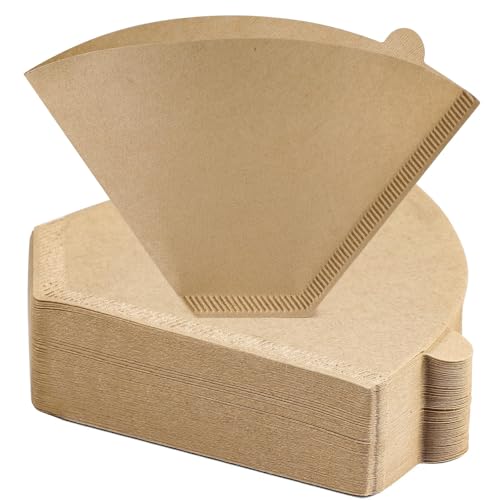
Strengths
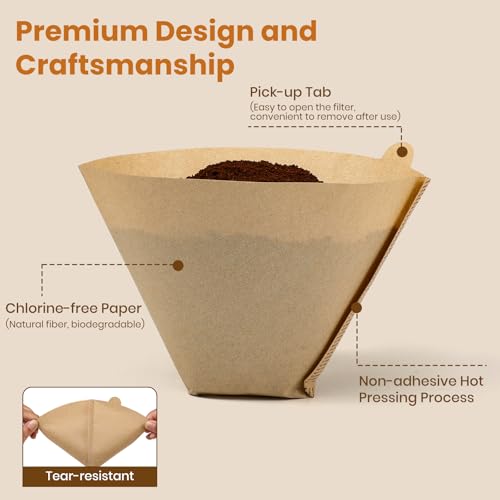
- Reinforced edges
- Micro-pore flow
- Tear-resistant
Trade-offs
- Slight stiffness
- Packaging not recycled
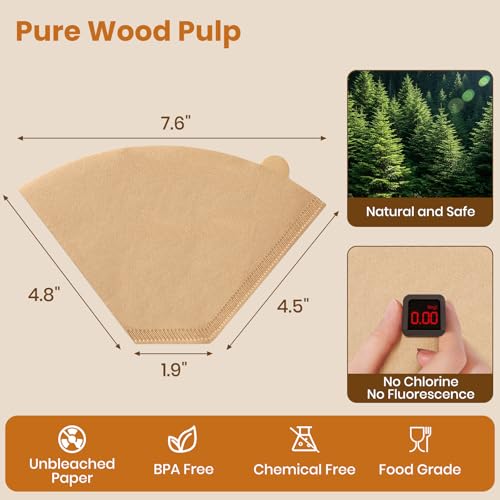
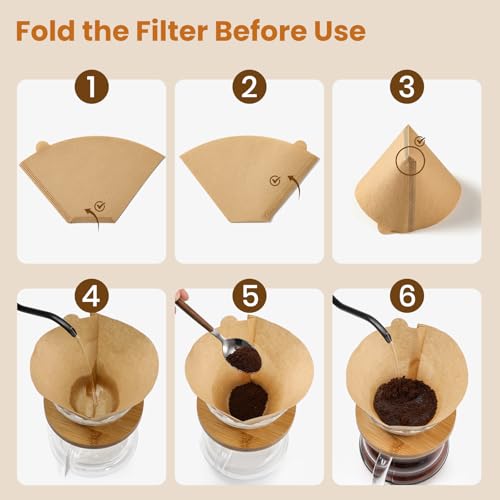
Strength and flow control are where this #4 filter shines. The micro-pore design is engineered for precision, not too fast, not too slow, and reviewers confirm it strikes a sweet spot between clean extraction and avoiding bitterness. The wet-strength technology actually works; blowouts are rare, even with coarser grounds or faster pours.
It’s chlorine-free and BPA-free, so it checks the non-toxic box, and the compostable material supports low-waste brewing. Compared to Melitta, it’s less about brand prestige and more about technical performance. For drip machines that push water quickly, this one holds up better than most.
Product photos
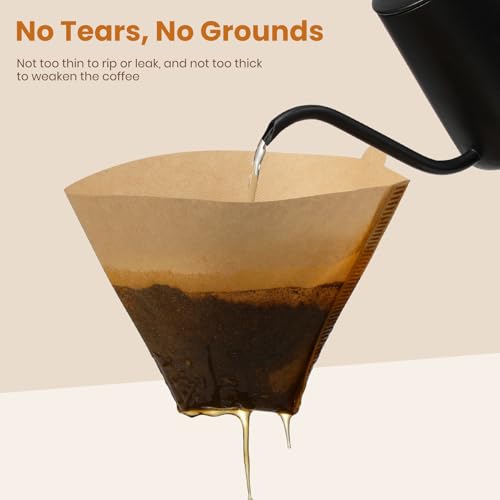
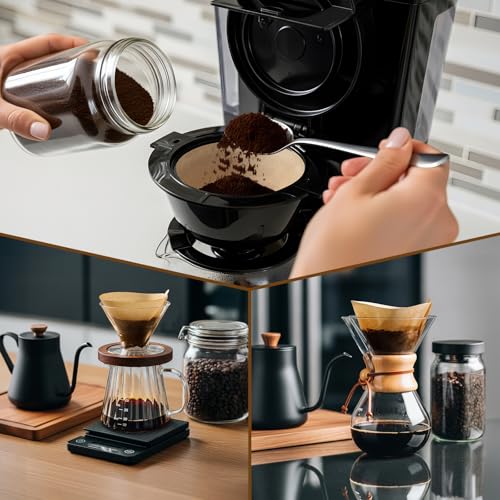
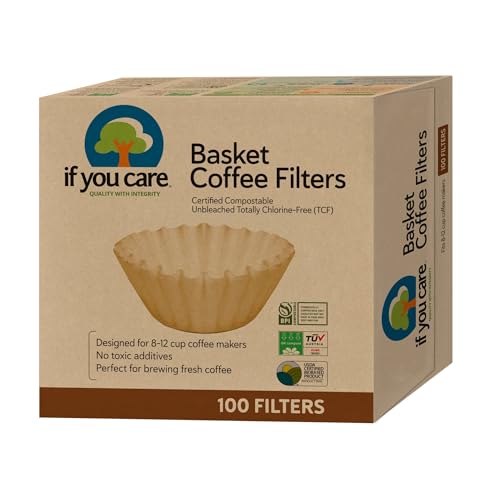
If You Care Basket Style Filters
Strengths
- Chlorine-free
- Compostable
- FSC Certified
Trade-offs
- Limited size range
- Slightly stiffer fold
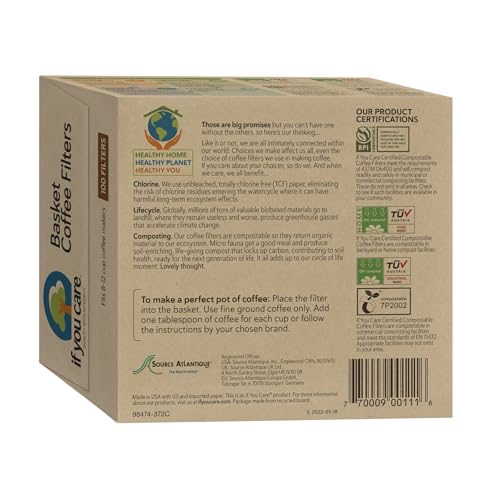
When it comes to non-toxic basket filters, this If You Care model stands out for its clean, no-nonsense approach. The unbleached, chlorine-free paper is a must for anyone wary of chemical residues, and owners consistently report no paper taste, just pure coffee. On paper, the FSC certification and compostability make it a responsible pick, especially for those already mindful of their environmental footprint.
The 8-inch size fits most flat-bottom brewers reliably, and the sturdy construction holds up well during brewing. While it doesn’t have fancy textures or flow tweaks, it delivers consistent results. Compared to bleached alternatives, the trade-off is a slightly earthier look and feel, but that’s a small price for cleaner filtration.
Product photos
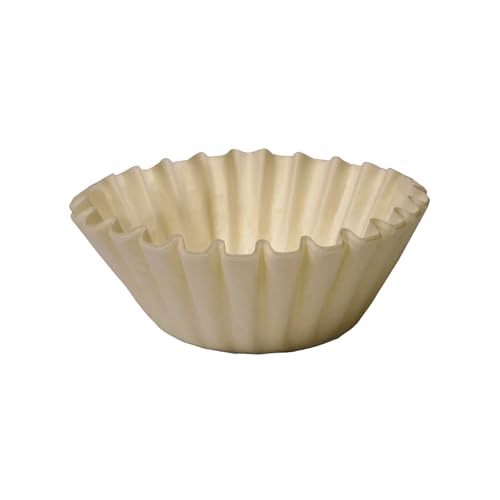
How We Chose These non toxic coffee filters
As the founder of Bean Thusiast, I approach coffee gear with a focus on how it impacts the final cup – and your health. Rather than a hands-on lab test, this was a research-led comparison of published filter specifications, owner reviews, and expert opinions. I weighed factors like materials, construction, and reported taste impacts to rank these options. My goal was to identify filters that genuinely minimize potential contaminants and deliver a clean brew.
For non-toxic coffee filters, the material and construction are paramount. I prioritized filters explicitly labeled as unbleached and chlorine-free, as these avoid potential chemical residues. Equally important was the filter’s strength; a filter that bursts during brewing defeats the purpose of seeking purity. Finally, certifications like BPI compostability were a plus, indicating a commitment to broader environmental responsibility.
Specifications reliably reveal the filter size and basic construction details. However, owner feedback proved crucial in assessing real-world performance – specifically, whether filters lived up to claims of no paper taste or bursting. Reputation also mattered; brands consistently praised for quality and transparency received higher consideration. You can learn more about the materials used and potential concerns surrounding plastic in coffee filters.
How To Choose The non toxic coffee filters
Finding the right coffee filter seems simple, but it drastically impacts the final cup. We’ve explored countless options and owner feedback to help you navigate this often-overlooked aspect of brewing.
A quality coffee filter should effectively remove sediment without stripping the coffee of its essential oils and flavor compounds. Look for filters made from unbleached paper, or consider reusable options like metal or cloth, paying attention to pore size and construction to achieve optimal extraction and a clean, balanced brew. Material safety and compostability are also key considerations for many consumers.
Material & Purity
The material a filter is made from is the biggest single factor. While convenience pushes many towards disposable paper filters, the composition within that category varies. Unbleached filters, like those from If You Care No. 4 Cone Filters, avoid chlorine bleaching, which can leave a residue and subtly alter the coffee’s taste. However, even “unbleached” filters undergo processing. Oxygen bleaching is a better alternative to chlorine, but some people still prefer the reassurance of truly natural materials. If you’re concerned about potential chemicals, exploring alternatives like metal filters is a good path – though you’ll sacrifice some sediment removal.
Filter Strength & Flow Rate
A filter’s strength and flow rate are closely linked. A flimsy filter can tear during brewing, letting grounds into your cup, while a filter that’s too dense can slow the brewing process, leading to over-extraction and bitterness. Look for filters with reinforced edges, like the [200 Count #4 No Blowout Filters], and consider the pore size. Calibrated micro-pores, as advertised by that brand, aim to strike a balance between filtration and flow.
Here’s what to consider when assessing filter strength: * Paper Thickness: Thicker paper generally means more strength, but can also slow flow. * Crimped Edges: Double-crimped edges (like those found on Melitta filters) provide significantly more structural integrity. * Wet Strength Technology: Some filters incorporate materials to maintain strength even when saturated with water. This is especially important for larger batches or coarser grinds.
Ultimately, finding the right strength is a bit of trial and error, dependent upon your specific coffee maker and brewing preferences.
A good rule of thumb is: if you consistently have sediment in your cup, try a thicker filter or a finer grind.
Value & Convenience
While a premium experience is desirable, cost and convenience are real factors. Value packs, like the [200 Count #4 Unbleached Filters], offer a lower cost per filter, but only make sense if you brew frequently. We’ve seen folks become quite loyal to specific brands once they discover a good balance between price and performance. Don’t automatically equate “higher price” with “better quality”; read reviews and consider your individual needs. If you are concerned about microplastics in brewed coffee, a reusable option might offset the cost over time. You can explore a comparison of filter types to help you decide.
Non Toxic Coffee Filters Compared
Here’s a comparison of the specifications for the non toxic coffee filters described.
| Product Title | Filter Shape | Count | Size | Bleached | Compostable |
|---|---|---|---|---|---|
| Melitta #4 Unbleached Coffee Filters | Cone | N/A | #4 | No | Yes |
| 8-12 Cup USA-Made Filters | Cone | N/A | #4 | No | Yes |
| 200 Count #4 Unbleached Filters | Cone | 200 | #4 | No | N/A |
| Clinuse Cone Coffee Filters #2 | Cone | 200 | #2 | No | Yes |
| If You Care No. 4 Cone Filters | Cone | N/A | #4 | No | Yes |
| 200 Count #4 No Blowout Filters | Cone | 200 | #4 | No | Yes |
| If You Care Basket Style Filters | Basket | 100 | 8 inch | No | Yes |
Frequently Asked Questions
What filter size should I choose if I’m unsure?
The most common size is #4 cone, which fits most standard drip coffee makers. If you’re unsure, check your coffee maker’s manual or look for filters specifically labeled as compatible with your model.
Are compostable filters truly better for the environment?
Yes, compostable filters reduce landfill waste, but their overall impact depends on your composting setup. Filters certified by the BPI (Biodegradable Products Institute) will break down more readily in commercial composting facilities.
Can unbleached filters still affect the taste of my coffee?
While less likely than bleached filters, some people are sensitive to even the subtle differences in taste imparted by unbleached paper. If you notice a papery taste, exploring the safest non-toxic paper filters or switching to a reusable filter could help.
What’s the difference between oxygen bleached and chlorine bleached filters?
Oxygen bleaching uses a less harsh chemical process than chlorine bleaching, resulting in fewer potentially harmful residues. While still a process, it’s generally considered a preferable alternative for those seeking to avoid chlorine.
Do reusable metal filters remove oils from the coffee?
Metal filters generally allow more coffee oils to pass through into the brew, resulting in a fuller-bodied cup. However, they also allow more sediment, something you won’t find with the best chemical-free paper filters.
The Bottom Line
Choosing a coffee filter often comes down to balancing purity with practicality. While striving for the most natural materials is admirable, the If You Care No. 4 Cone Filters strike an excellent balance between truly unbleached construction, reliable strength, and compostability, making them our overall top pick. They represent a thoughtful compromise for those wanting to minimize potential contaminants without sacrificing brewing convenience.
For those prioritizing a budget-friendly option, the 200 Count #4 Unbleached Filters deliver excellent value. And if you’re looking for a filter specifically designed to prevent blowouts, the 200 Count #4 No Blowout Filters are a solid choice. Both offer unbleached paper and a large quantity, making them ideal for daily brewing without breaking the bank.
Ultimately, remember that the filter is just one piece of the puzzle. The quality of your beans, your grinder, and your brewing technique have a far greater impact on the final cup. Focusing on fresh, high-quality coffee and a consistent grind size will yield more noticeable improvements than obsessing over minor filter differences; understanding bleached vs unbleached filters is a good start, but it’s just one step toward a better brew.
