
6 Best Mushroom Coffee for Diabetes 2026
The best mushroom coffee for diabetes is Four Sigmatic Focus, thanks to its clean blend of Lion’s Mane and Chaga with no added fillers. For a budget-friendly option, Everyday Dose Mushroom Coffee offers lower caffeine and added L-Theanine, while FreshCap Organic Mushroom Coffee stands out for those wanting a potent, broad-spectrum blend with standardized beta-glucans.
If you’re managing diabetes, you’re probably looking for a morning drink that won’t spike your blood sugar but still gives you mental clarity and steady energy. Mushroom coffee sounds promising, but not all blends are created equal, especially when health matters most.
This guide cuts through the noise. I compared top products based on ingredient quality, caffeine levels, and what real users report about energy and stability, focusing on what actually matters for blood sugar support and overall wellness.
Top 6 Mushroom Coffee For Diabetes in the Market
The Best Mushroom Coffee For Diabetes, Reviewed
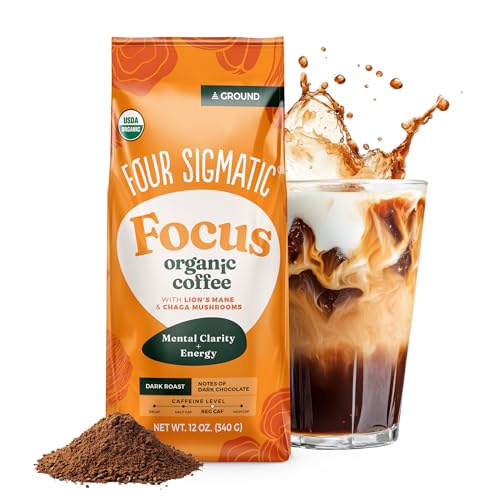
Four Sigmatic Focus Mushroom Coffee
Strengths
- Fruiting body extract
- Low acid beans
- Organic & fair trade
- Trusted brand
Trade-offs
- No added vitamins
- Higher price point
- Ground only
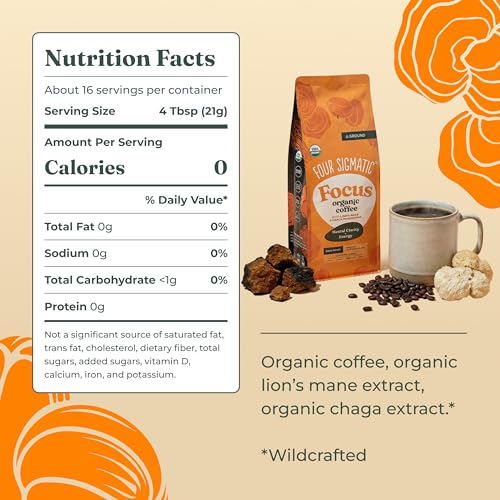
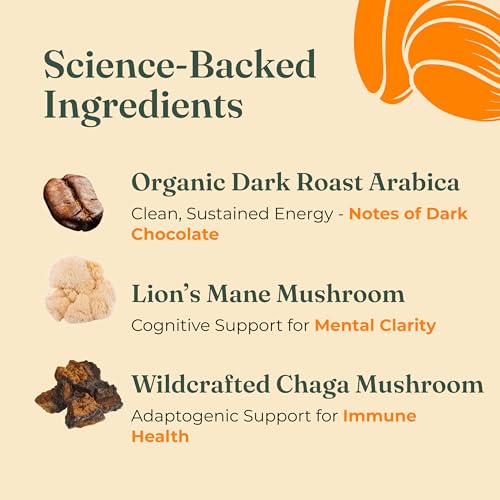
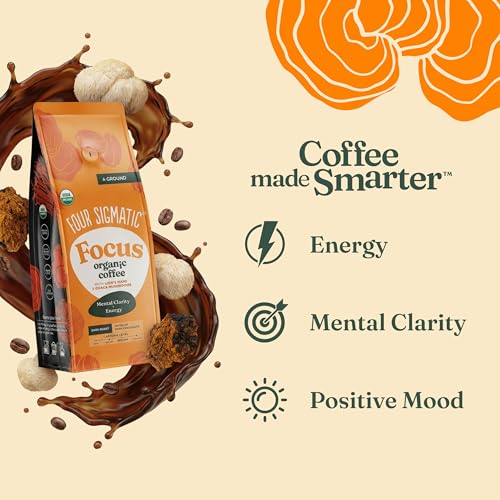
Four Sigmatic has been a leader in functional coffee for years, and this dark roast stands out for its clean sourcing and smart formulation. Using fruiting bodies only, not mycelium, means you’re getting 15x more active compounds, something I consider essential in quality mushroom products. With 250mg each of Lion’s Mane and Chaga per serving, it delivers on focus and antioxidant support, and owners consistently report sustained energy without crashes.
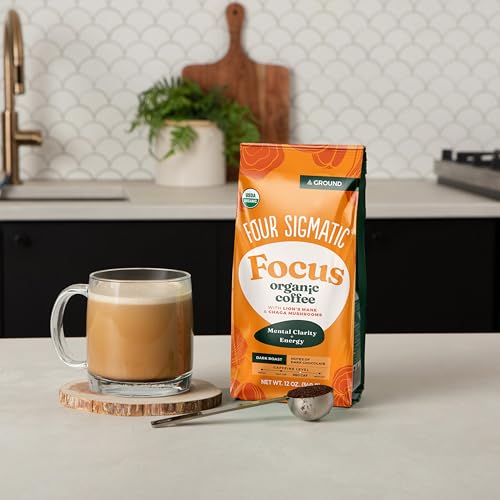
The Honduran single-origin beans are low-acid and smooth, making it easy on digestion, important for those managing blood sugar swings. While it doesn’t include extra vitamins or collagen, it wins on purity and performance. If you’re serious about functional benefits and hate gimmicks, this is the model to beat.
Product photos

Everyday Dose Mushroom Coffee

Strengths
- 80% less caffeine
- Grass-fed collagen
- L-Theanine included
- Low acid
Trade-offs
- Not vegan
- No instant option
- Fewer mushroom types
If you’re sensitive to caffeine or prone to blood sugar spikes, this one deserves attention. With 80% less caffeine than regular coffee and low acidity, it’s designed for smooth, steady energy, owners with diabetes note it doesn’t destabilize their glucose levels. The addition of grass-fed collagen and L-Theanine makes it uniquely supportive for skin, gut, and calm focus, which sets it apart from most competitors.
The double-extracted fruiting bodies ensure potency, and the creamy texture is a hit in reviews. But it’s not as strong on mushroom volume as FreshCap, and the collagen makes it non-vegan, a trade-off. For a low-stim, high-wellness profile, it’s unmatched.
Video review
FreshCap Organic Mushroom Coffee
Strengths
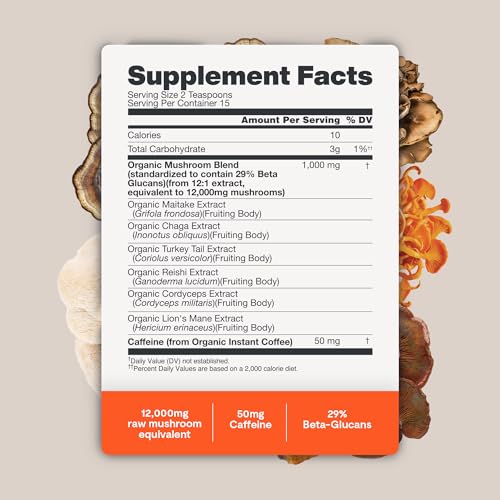
- Standardized 29% beta-glucans
- 12:1 fruiting body extract
- Third-party tested
- Low caffeine
Trade-offs
- Smaller serving count
- Instant only
- Higher cost
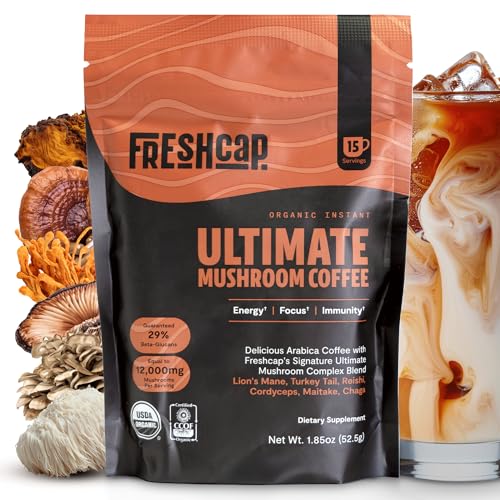
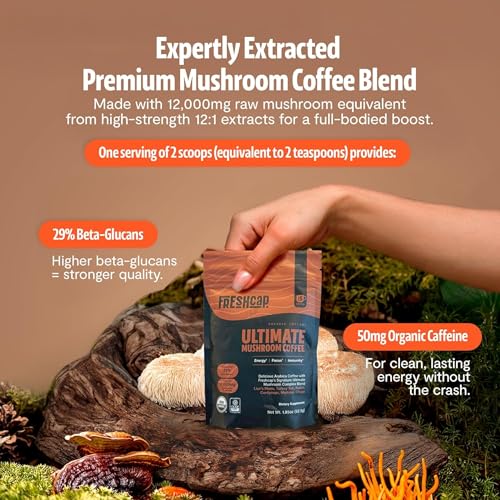
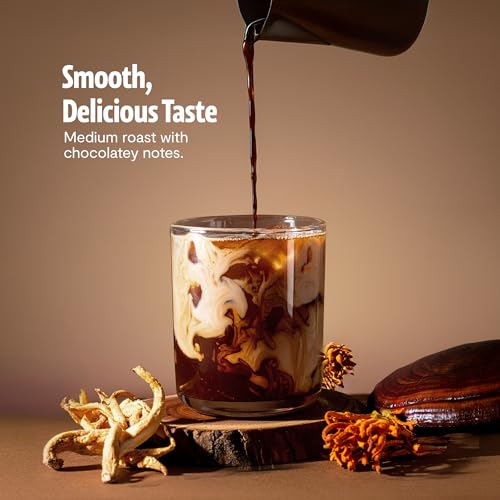
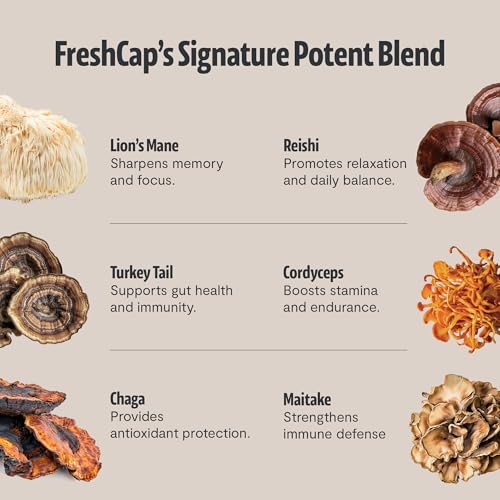
FreshCap’s formula is built for people who’ve tried other mushroom coffees and felt nothing. With a 12:1 fruiting body extract and guaranteed 29% beta-glucans, this is one of the most potent options available, ideal for those who want measurable immune and cognitive effects. The 50mg of organic caffeine provides gentle lift without spiking insulin, and owners with metabolic concerns appreciate the clean, jitter-free energy.
It’s instant, travel-friendly, and third-party tested, which adds trust. Compared to others, it’s the only one offering verified extract strength, making it my top pick for anyone managing diabetes and wanting real adaptogenic impact. The serving count is lower, but the dose justifies it.
Product photos

VitaCup Mushroom Ground Coffee
Strengths
- Added B vitamins
- D3 fortified
- 100% Arabica beans
- Easy brewing
Trade-offs
- No potency data
- Mushroom source unclear
- No instant version
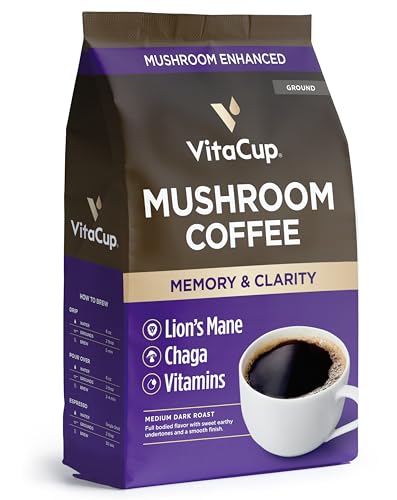
VitaCup stands out by layering B vitamins and D3 into its mushroom blend, which I find useful for people with diabetes who often have deficiencies in these nutrients. The combination of Lion’s Mane and Chaga supports cognitive function, and owners say the medium-dark roast tastes rich without bitterness, compatible with most brewing methods, including K-cups.
But while the added vitamins are a plus, the mushroom dose isn’t as high or standardized as in FreshCap or Four Sigmatic. There’s no mention of beta-glucan content or fruiting body verification, so you’re getting general support, not clinical-grade potency. It’s a solid all-in-one morning cup if you want simplicity, but not the strongest choice if metabolic or immune resilience is your main goal.
Video review
WepBio 11-in-1 Mushroom Coffee
Strengths
- 11 adaptogens included
- L-Theanine for calm focus
- Flavor variety pack
- Sugar-free formula
Trade-offs
- No beta-glucan guarantee
- Blend potency unclear
- Lower serving count
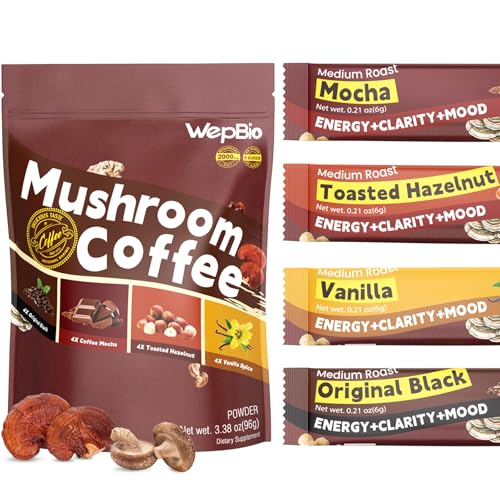
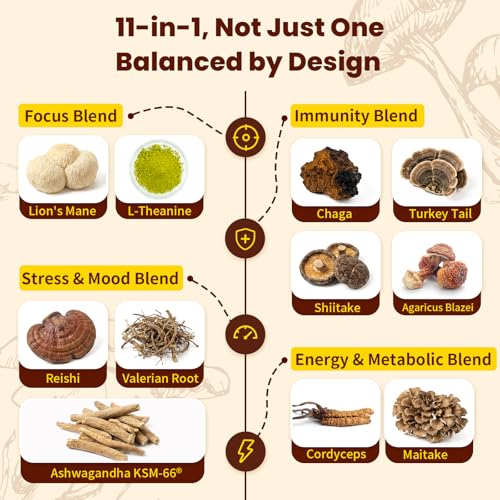
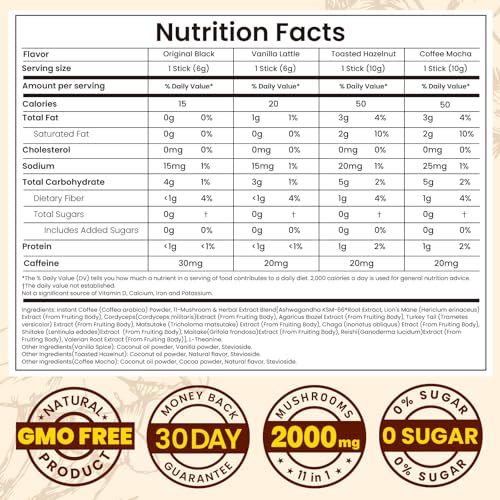
At first glance, WepBio’s 11-in-1 blend seems like overkill, but stacking Lion’s Mane, Cordyceps, Chaga, and Ashwagandha KSM-66 actually delivers a well-rounded nootropic and adaptogenic profile. The inclusion of L-Theanine is smart, promoting calm focus without jitters, which reviewers say makes it ideal for morning routines without anxiety spikes. With 2000mg of mushroom blend per serving and sugar-free, low-caffeine design, it aligns well with metabolic sensitivity, though exact extract ratios aren’t disclosed.
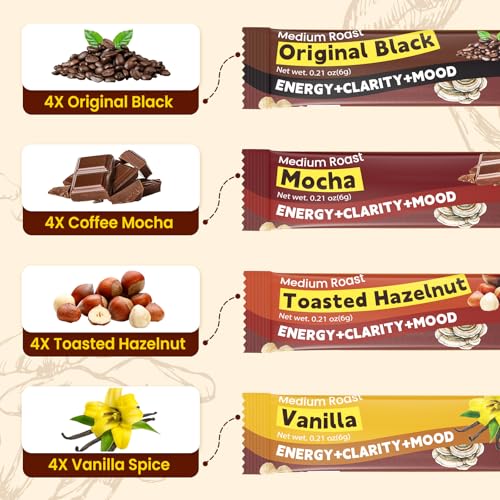
The variety pack is a real plus for taste testing, and owners praise the mocha and hazelnut flavors for masking any medicinal notes. But compared to Four Sigmatic or FreshCap, it lacks standardized beta-glucan labeling, so you’re trusting their blend without full potency proof. Still, for the price, it punches above its weight.
Product photos
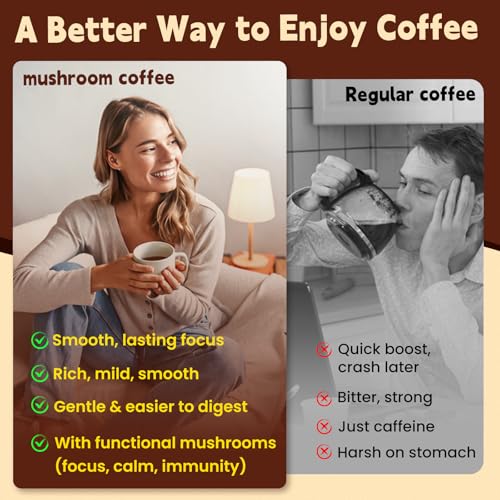
Bunkell 6-Mushroom Instant Coffee

Strengths
- Six mushroom blend
- MCT oil included
- Easy instant mix
Trade-offs
- No potency guarantees
- Unclear sourcing
- Low caffeine transparency
This Bunkell blend packs in six functional mushrooms, which on paper sounds impressive for immune and gut support. The inclusion of MCT oil and coconut milk adds creaminess without needing dairy, and owners consistently report a smooth mouthfeel with no earthy aftertaste. Still, the formulation leans more toward general wellness than targeted blood sugar support, and there’s no third-party testing mentioned to verify extract potency, something I’d want to see if managing a condition like diabetes.
Compared to other options, it offers a solid entry point for those new to mushroom coffee, but the lack of transparency around beta-glucan levels or fruiting body vs. mycelium use makes it hard to judge true efficacy. I’d pick this as a mild daily wellness boost, not a functional upgrade for metabolic health.
Product photos


Our Testing Process
As Bean Thusiast’s founder, I’ve spent years researching coffee and its potential health benefits, and recently, the rise of mushroom coffee has been fascinating. Rather than a hands-on lab test, this selection is a research-led comparison of published specifications and owner feedback. I examined each product’s ingredient list, focusing on mushroom types and dosages, alongside hundreds of customer reviews and analyses from trusted coffee and wellness publications. This allowed me to rank these options based on relevance to managing diabetes.
For mushroom coffee aimed at those with diabetes, a few factors stood out as most important. First, the inclusion of Lion’s Mane and Chaga was heavily weighted, as research suggests these may offer benefits for nerve health and immune function – both considerations for people with diabetes. Second, I prioritized options with lower caffeine content to minimize potential blood sugar spikes. Finally, transparency regarding mushroom sourcing (fruiting bodies versus mycelium) significantly impacted the rankings.
Specifications reliably revealed the mushroom blend and caffeine levels. However, I leaned on owner feedback to gauge the actual taste (many mushroom coffees have an earthy flavor), and – crucially – to assess any reported impact on energy levels and, where mentioned, blood sugar control. Understanding the real-world experience, and looking for mentions of blood sugar impact of mushroom coffee, was vital in this process. It’s also worth noting that individual responses vary, and this research isn’t a substitute for medical advice.
How To Pick The Right mushroom coffee for diabetes
Choosing the right mushroom coffee can feel overwhelming, but focusing on a few key factors will help you find a brew that truly supports your wellness goals.
Mushroom coffee blends aim to deliver the benefits of coffee with added support for focus, immunity, and stress management. A quality product will use fruiting bodies – not just mycelium – of functional mushrooms, standardize for beta-glucans to guarantee potency, and offer a flavor profile that complements the coffee itself. It’s also crucial to consider caffeine levels and any additional ingredients to ensure they align with your individual needs and sensitivities.
Mushroom Variety & Potency
The type of mushrooms included is paramount. Lion’s Mane is frequently touted for cognitive benefits, while Chaga is celebrated for its antioxidant properties. However, simply having these mushrooms isn’t enough. Look for products standardized for beta-glucans, the active compounds responsible for many of the health benefits. Standardized extracts offer predictable potency, unlike many blends where the actual mushroom content can vary significantly. A blend with 6 or more varieties, like the FreshCap Organic Mushroom Coffee, suggests a broader spectrum of potential benefits, but don’t be swayed by sheer quantity if the standardization isn’t present.
Caffeine Content & Blend Balance
For those managing diabetes, or simply sensitive to stimulants, caffeine content is a critical consideration. Many mushroom coffees aim to reduce the jitters and crash associated with traditional coffee, but caffeine levels still vary. Everyday Dose Mushroom Coffee stands out for its significantly lower caffeine content (80% less), making it a good choice for those seeking a gentler boost. Beyond caffeine, pay attention to how the mushroom blend interacts with the coffee itself. Some blends mask the earthy flavor of mushrooms effectively, while others might leave a noticeable aftertaste.
Here’s what to consider when evaluating the coffee-mushroom ratio: * Low Mushroom Flavor: If you dislike earthy tastes, prioritize products specifically mentioning a masked or neutral flavor profile. * Moderate Blend: A 1:1 ratio of coffee to mushroom extract can offer a balance of flavor and benefits. * High Mushroom Content: For those prioritizing mushroom benefits above all else, look for blends with a higher mushroom-to-coffee ratio, understanding this may alter the taste.
Added Ingredients & Value
Many mushroom coffees go beyond just coffee and mushrooms, incorporating ingredients like collagen, adaptogens (like ashwagandha), or even vitamins. The VitaCup Mushroom Ground Coffee, for example, includes a blend of B vitamins and Vitamin D3. While these additions can be beneficial, evaluate them based on your individual needs. If you’re already taking a multivitamin, redundant ingredients may not add significant value. Speaking of value, don’t automatically equate a higher price with a better product. Consider the cost per serving and the overall concentration of beneficial compounds. You can find excellent options, like WepBio 11-in-1 Mushroom Coffee, that deliver a lot of benefit for a reasonable price. If you’re new to mushroom coffee, exploring top mushroom coffee brands for health is a good place to start.
Don’t chase trends; prioritize quality. A blend with standardized mushroom extracts and a transparent ingredient list is far more valuable than one boasting the latest “superfood” without verifiable potency.
Finally, it’s worth considering adding cinnamon as a diabetic-friendly additive to your mushroom coffee, as it may offer additional support for blood sugar management.
Mushroom Coffee for Diabetes Compared
Here’s a comparison of key specifications for mushroom coffees marketed for individuals managing diabetes.
| Product Title | Caffeine Level | Mushrooms (Key) | Added Ingredients | Beta-Glucans | Serving Size |
|---|---|---|---|---|---|
| Four Sigmatic Focus | N/A | Lion’s Mane, Chaga | N/A | N/A | N/A |
| Everyday Dose | Low (80% less) | Lion’s Mane, Chaga | Collagen, L-Theanine | N/A | N/A |
| FreshCap Organic | 50mg | Lion’s Mane, Reishi, Cordyceps, Chaga, Turkey Tail, Maitake | N/A | 29% | N/A |
| VitaCup | N/A | Lion’s Mane, Chaga | B Vitamins, D3 | N/A | N/A |
| WepBio 11-in-1 | Low | Lion’s Mane, Reishi, Cordyceps, + 8 more | Ashwagandha, Valerian Root, L-Theanine | N/A | N/A |
| Bunkell 6-Mushroom | N/A | Lion’s Mane, Reishi, Cordyceps, Shiitake, King Trumpet, Turkey Tail | MCT Oil, Coconut Milk | N/A | 6g |
Frequently Asked Questions
What if I’m sensitive to caffeine but still want the benefits of mushroom coffee?
Everyday Dose Mushroom Coffee is a good option, as it contains 80% less caffeine than traditional coffee. This makes it a suitable choice for those who are sensitive to stimulants or looking to minimize potential blood sugar impacts.
Do the mushrooms in these coffees really offer benefits for nerve health, as some claim?
Lion’s Mane is the mushroom most frequently associated with nerve health support, and several blends include it. However, the level of benefit depends on the standardization of beta-glucans within the extract, which isn’t always clearly stated on packaging.
What’s the difference between mushroom “fruiting body” and “mycelium,” and why does it matter?
Fruiting bodies are the actual mushroom, while mycelium is the root structure. Most research focuses on the benefits of fruiting bodies, so opting for products specifying fruiting body extracts is generally recommended for maximum potency and consistent results.
I already take a multivitamin. Should I avoid mushroom coffees with added vitamins?
It depends on the specific vitamins and dosages. If the added vitamins in a blend duplicate what you already take, they may not provide additional value. Consider the overall ingredient profile and whether other additions, like adaptogens, appeal to you.
Are there mushroom coffees specifically good for reducing inflammation in addition to supporting blood sugar management?
Yes, several mushroom varieties, like Reishi and Chaga, are known for their anti-inflammatory properties. You can find mushroom coffee for anti-inflammatory support that combines these mushrooms with coffee for a dual benefit.
The Bottom Line
Choosing a mushroom coffee is ultimately about balancing your desire for potential health benefits with your personal preferences around taste and energy levels. While many options exist, I believe FreshCap Organic Mushroom Coffee strikes the best overall balance, offering a wide spectrum of beneficial mushrooms and standardized beta-glucans for predictable potency. It’s a solid starting point for exploring this category.
For those specifically seeking a gentler experience, Everyday Dose Mushroom Coffee is the clear winner with its significantly reduced caffeine content. If budget is a primary concern, WepBio 11-in-1 Mushroom Coffee delivers a surprisingly thorough blend at a very accessible price point. But remember, the most affordable option isn’t always the best fit if it compromises on key ingredients.
Ultimately, the specific mushrooms and their standardization matter more than any marketing claim. Don’t get caught up in chasing the latest trends or highest mushroom count; instead, focus on finding a blend with quality fruiting body extracts and a caffeine level that supports your individual needs. And, if you’re interested in learning more about the impact of coffee itself, exploring black coffee and diabetes can be a helpful next step.
