
8 Best Mild Coffees of 2026
The best mild coffee for most people is Caribou Daybreak Morning Blend, a consistently smooth and balanced light roast that delivers sweetness without bitterness. For a budget-friendly supermarket option, Maxwell House Breakfast Blend stands out for its approachable flavor, while Folgers Simply Smooth is a reliable pick for those who want milder coffee without switching brands.
Finding a coffee that’s easy on the palate but still flavorful can be frustrating. Too many “mild” labels hide bitter or flat brews, and not all light roasts are created equal. After researching bean origins, roast profiles, and hundreds of owner reviews, I focused on coffees that actually deliver a genuinely smooth, balanced experience.
This guide covers the top mild coffees based on consistent quality, 100% Arabica content, and flavor clarity, all chosen through analysis of specs and real-world feedback.
Top 8 Mild Coffee in the Market
The Best Mild Coffee, Reviewed
Maxwell House Breakfast Blend Mild Roast
Strengths
- Smooth flavor
- Large canister
- Consistent brew
Trade-offs
- Not 100% Arabica
- Limited nuance
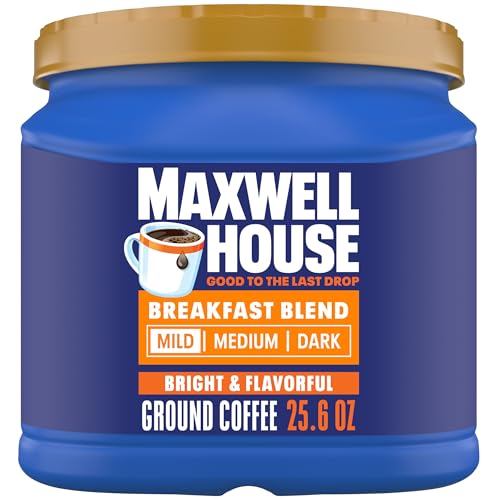
This is the coffee that built American breakfast culture, and it still holds up as a dependable, smooth daily driver. On paper, it’s a classic mild roast with a focus on approachability, and owners consistently report that it brews a clean, consistent cup without bitterness or sharp acidity. It won’t wow you with complexity, but it’s not meant to, it’s the kind of coffee that works whether you’re half-awake at 7 a.m. or need a midday reset.
The 25.6 oz canister is a practical size, and the resealable lid helps preserve freshness if stored properly. While it’s not 100% Arabica, it delivers a reliable, full-bodied profile that punches above its price point. I’d pick this over flashier options if you want no-fuss flavor that appeals to everyone in the house.
Video review
Folgers Simply Smooth Mild Roast

Strengths
- Stomach-friendly
- Large size
- Balanced taste
Trade-offs
- Muted flavor
- Not for purists
If you love coffee but your stomach doesn’t, this is one of the few mass-market options explicitly engineered to be gentler. The blend is roasted to reduce certain compounds linked to acid reflux and irritation, and reviewers with sensitivities often call this a “standout”, not for taste fireworks, but for drinkability. It’s a light roast with a soft, balanced profile that avoids sharp edges.
At 27 oz, you get serious volume, and the New Orleans roast heritage adds a subtle depth that basic blends lack. It won’t compete with small-batch light roasts in complexity, but it fills a niche few others do. My recommendation? This is the smarter buy over regular Folgers if you’ve ever ditched coffee due to discomfort.
Video review
Amazon Fresh Just Bright Light Roast

Strengths
- Large 32 oz bag
- 100% Arabica
- Clean taste
Trade-offs
- Basic flavor
- Less aromatic
Need a lot of mild coffee without breaking the bank? This 32 oz bag is the volume king, and it’s surprisingly competent for an Amazon house brand. It’s 100% Arabica, light-roasted, and designed for a crisp, clean cup, and owners confirm it brews smoothly without harshness. It lacks the aromatic depth of pricier small-batch roasts, but it’s consistent and neutral in the best way.
The sheer size makes it ideal for households that go through coffee fast or want to minimize trips to restock. It’s roasted in the USA, which helps with freshness, and the packaging is functional. I’d pick this over smaller premium bags if you’re refilling a carafe daily and don’t want to compromise entirely on quality.
Product photos




Gevalia Traditional Roast Light Ground
Strengths
- 100% Arabica
- Fruit notes
- Aromatic richness
Trade-offs
- Small bag
- Short shelf life once opened
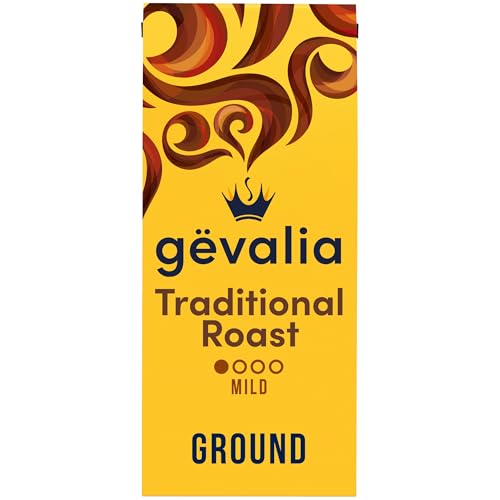
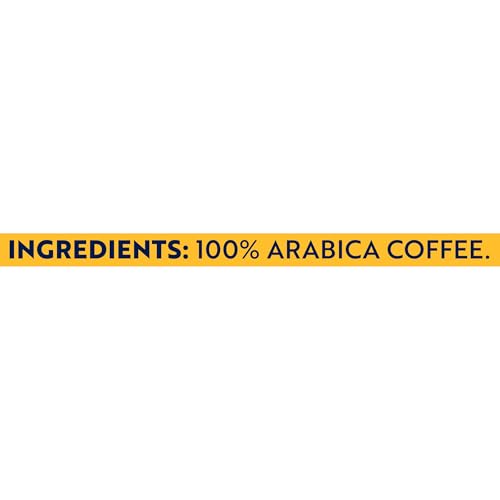
This is where mild roast gets interesting. Gevalia’s Traditional Roast uses a unique cast iron roasting process and slow cooling to preserve delicate flavors, and on paper, that shows. The beans are 100% Arabica with subtle fruit notes and a rich aroma that fills the kitchen, a trait many owners specifically mention. It’s not a bold wake-up call, but a graceful, nuanced cup that unfolds gently.
Compared to other mild grinds, this one offers more dimension, a soft floral lift, a rounded mouthfeel, and a clean finish. The resealable tin tie helps lock in freshness, though the 12 oz size means you’ll go through it faster than a canister. My take? This is the pick for someone who wants mild coffee with quiet complexity, not just neutrality.
Product photos

Lavazza Costiera Gran Aroma Light
Strengths
- Floral citrus notes
- Smooth finish
- 100% Arabica
Trade-offs
- Subtle body
- Short supply per bag
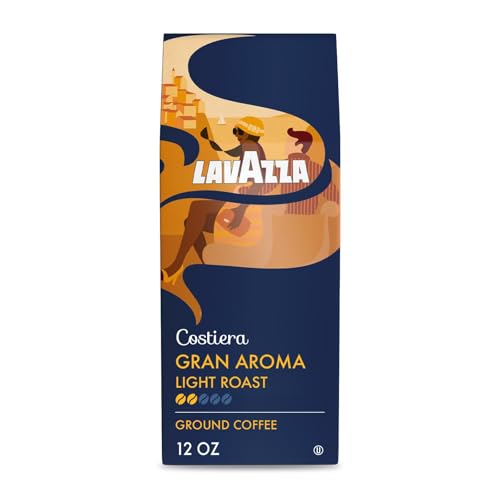
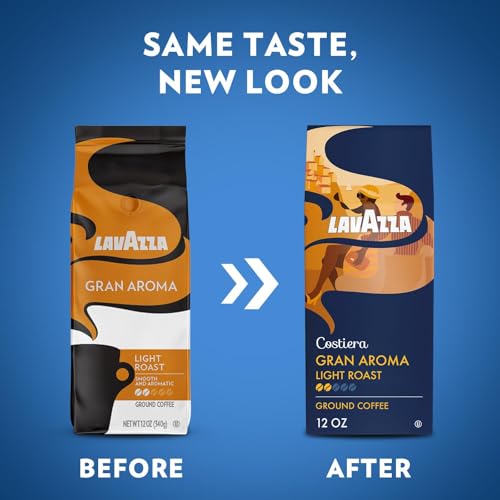
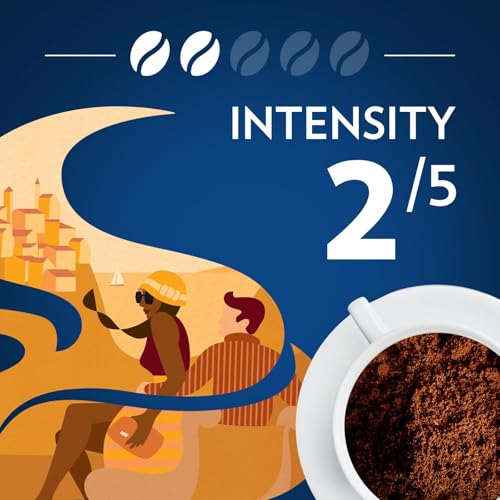
Lavazza leans into aroma here, and it shows. The Costiera blend uses 100% Central American Arabica beans, roasted lightly to intensity 2/5, making it one of the most fragrant mild coffees on this list. Owners consistently note the floral and citrus notes, not loud, but present, like a soft spring breeze. It’s smooth, gentle, and ideal for drip brewers who want elegance without edge.
It’s not a high-impact coffee, but that’s the point. Compared to heavier supermarket blends, this one feels refined, almost delicate. The 12 oz bag keeps it fresh, though it won’t last long in a busy household. I’d choose this over bolder options when I want a calming, aromatic morning moment, not a jolt, but a transition.
Product photos
Caribou Daybreak Morning Blend Light

Strengths
- Small batch roasted
- Fruity caramel notes
- Rainforest certified
Trade-offs
- Not for all brew methods
- Limited availability
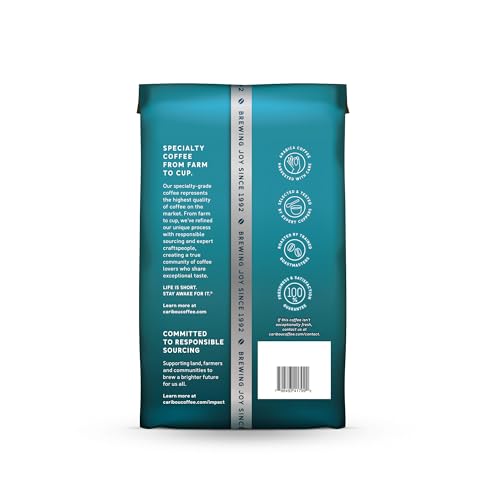
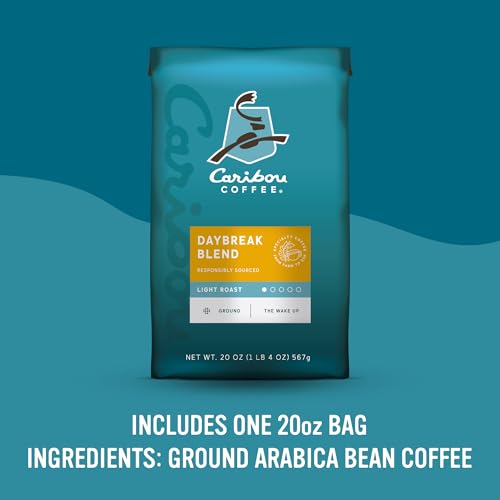
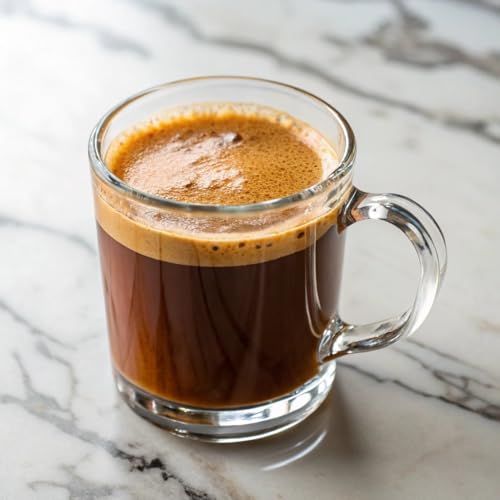
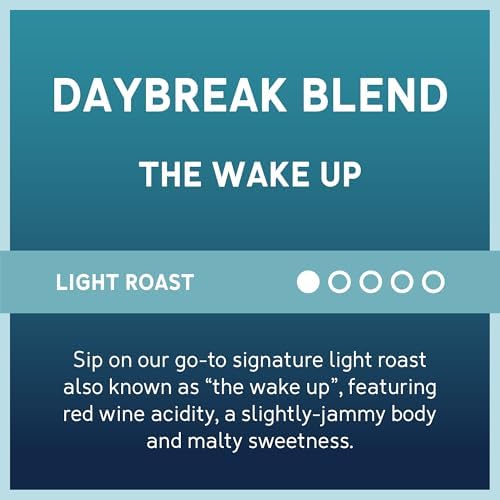
Caribou’s Daybreak blend stands out because it’s small-batch roasted and Rainforest Alliance certified, a rare combo at this accessibility level. The 20 oz bag delivers a light roast with real character: fruity and caramel sweetness, plus a nutty finish that adds warmth. Owners praise its “sunshine in a cup” quality, and the 100% Arabica beans show in the clean, layered profile.
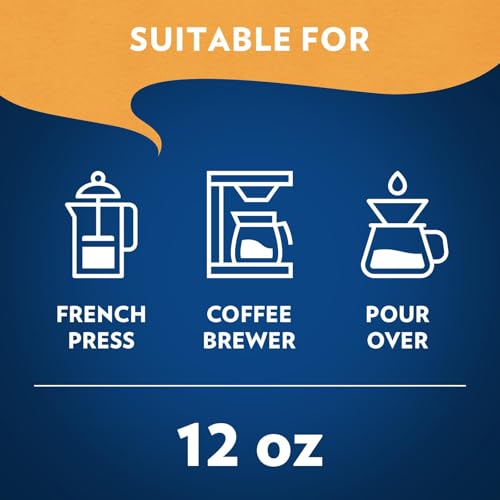
It’s formulated for drip or pour-over, so it’s ground with precision, though it’s not ideal for French press or espresso unless you adjust. Compared to mass-market mild roasts, this one feels more intentional, like someone actually tasted it before packaging. I’d pick this over generic blends if you want mild coffee with craft-roaster soul.
Product photos
Whole Foods Organic Breakfast Blend

Strengths
- Organic certified
- Balanced sweetness
- Clear origin notes
Trade-offs
- Smaller bag
- Higher cost per oz
This is where clean sourcing meets approachable flavor. As an organic light roast, it’s built for people who want mild coffee without sacrificing ethics or taste. The flavor notes, milk chocolate, caramel, citrus, aren’t just marketing; owners report a genuinely sweet, rounded profile with a gentle lift of acidity. It’s not overpowering, but it’s far from flat.
The 12 oz resealable bag suggests freshness is a priority, and being Whole Foods’ own brand, it’s roasted to consistent standards. While it’s pricier per ounce than supermarket cans, you’re paying for USDA organic certification and traceable beans. I’d choose this over conventional blends if you want a clean-tasting, ethically sourced morning coffee that still feels comforting.
Product photos


Gevalia Signature Blend Mild K-Cups

Strengths
- 100% Arabica
- Smooth brew
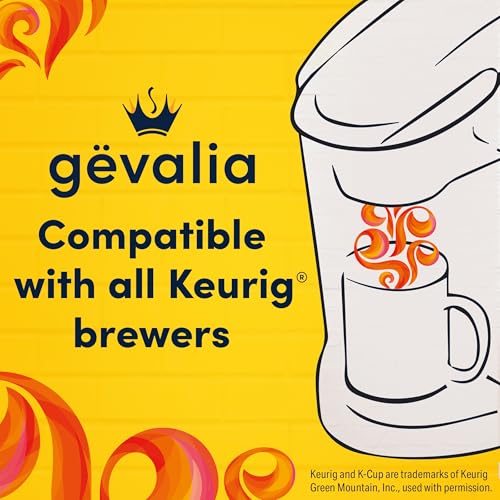
- Keurig compatible
Trade-offs
- Pod waste
- Less bold
For Keurig owners who want mild, aromatic coffee without the hassle, these K-Cups deliver. The Signature Blend uses 100% Arabica beans and slow-roasting techniques that translate into a clean, mellow cup with a noticeable fragrance, something many pod coffees lack. Owners praise the smoothness and lack of bitterness, which is rare in single-serve formats where over-extraction is common.
The 22-count box offers decent value for pod coffee, and the Kosher certification adds broad appeal. Compared to other mild K-Cups, this one stands out for its balanced brightness and subtle sweetness. I’d pick this over basic Keurig house blends any day if you want a pod that doesn’t taste like an afterthought.
Product photos

How We Chose These mild coffee
Rather than a hands-on lab test, my research for these recommendations involved a detailed comparison of published specifications and features across numerous brands. I weighed owner reviews from multiple sources – Amazon, specialty coffee forums, and retail sites – alongside expert opinions from coffee review websites. This allowed me to build a ranking based on what consistently emerged as important to consumers seeking a truly mild cup.
For mild coffee, the most important factors are roast level and bean origin. A truly mild profile relies on a light roast to avoid bitterness, and 100% Arabica beans generally deliver a smoother, less acidic experience than blends containing Robusta. Beyond that, I prioritized options that specifically highlighted aromatic qualities and balanced flavor notes, as these contribute to the overall enjoyable experience of a milder brew.
Specifications reliably indicate the roast level and bean type, while owner feedback proved crucial for assessing the actual experience of smoothness and lack of bitterness. Reputation also mattered; established brands like Folgers and Maxwell House have long-standing quality control, and newer brands like Caribou Coffee have quickly built a following based on consistent quality. I also looked for certifications like Rainforest Alliance and Kosher, indicating a commitment to ethical sourcing and production. You can explore other options with a similar mild flavor coffee beans if you’re seeking even more variety.
Choosing The Right mild coffee
Finding a truly mild coffee can be surprisingly tricky. It’s about more than just a “light roast” label; it’s about bean selection, processing, and the roast profile working in harmony.
A good mild coffee prioritizes balance over boldness. Look for 100% Arabica beans, ideally from Central or South America, with a light to medium-light roast level. Flavor notes should lean toward sweetness (caramel, chocolate) and subtle fruit, rather than nuttiness or spice. Consistent quality control and freshness are also key indicators of a reliably smooth cup.
Roast Level & Bean Origin
The roast level is the most obvious place to start, but don’t assume “light roast” automatically equals “mild.” A poorly executed light roast can be sour or underdeveloped. I generally suggest looking for coffees specifically described as “breakfast blends” or “traditional roasts” as these often prioritize a balanced flavor profile. Beyond that, bean origin plays a huge role. Central American beans (Costa Rica, Guatemala) are frequently known for their bright acidity and clean flavors, making them a solid base for a milder cup. Indonesian beans, while delicious, tend to have earthier tones that might not align with a truly mild preference.
Flavor Profile & Blend Composition
Many people seeking a mild coffee are actually looking for balance. A coffee that isn’t just low in bitterness, but also offers some sweetness and complexity. This is where blends can really shine. A well-crafted balanced flavor blends can combine the best characteristics of different beans to achieve a smoother, more rounded experience.
Here’s what to consider when evaluating a blend:
- A short description of the overall flavor (e.g. “caramel notes”).
- A medium-length explanation of the bean origins (e.g., “a blend of Brazilian and Colombian Arabica”).
- A longer explanation of the roast’s impact on the final flavor (e.g., “the light roast preserves the delicate floral aromas and subtle sweetness of the beans, creating a bright and approachable cup without any harshness or bitterness”).
Freshness & Grind
Even the best beans can taste unpleasant if they aren’t fresh. Coffee stales quickly once ground, so I always recommend buying whole bean if possible and grinding just before brewing. If you prefer pre-ground, look for brands that package their coffee in resealable bags with one-way valves to preserve freshness. And if you have a sensitive stomach, exploring smooth low-acid beans might be a good next step.
A general rule of thumb: don’t buy more ground coffee than you can use in two weeks. Whole bean coffee will stay fresher for about a month, if stored properly in an airtight container away from light, heat, and moisture.
Mild Coffee Compared
Here’s a comparison of specifications for various mild coffee options.
| Product Name | Roast Level | Bag Size (oz) | 100% Arabica | Certified Organic | K-Cups |
|---|---|---|---|---|---|
| Maxwell House Breakfast Blend | Mild | 25.6 | N/A | N/A | N/A |
| Folgers Simply Smooth | Mild | 27 | N/A | N/A | N/A |
| Amazon Fresh Just Bright | Light | 32 | Yes | N/A | N/A |
| Gevalia Traditional Roast | Light | 12 | Yes | N/A | N/A |
| Lavazza Costiera Gran Aroma | Light | 12 | Yes | N/A | N/A |
| Caribou Daybreak Morning Blend | Light | 20 | Yes | N/A | N/A |
| Whole Foods Organic Breakfast Blend | Light | 12 | Yes | Yes | N/A |
| Gevalia Signature Blend | Mild | N/A | Yes | N/A | Yes |
Frequently Asked Questions
What roast level is consistently the mildest?
A light roast is generally the mildest, but look specifically for coffees described as “breakfast blends” or “traditional roasts” to avoid sourness that can sometimes come with underdeveloped light roasts.
Do Arabica beans really make a difference in smoothness?
Yes, 100% Arabica beans almost always deliver a smoother, less acidic experience compared to blends containing Robusta beans, which can contribute to bitterness.
Can pre-ground coffee still be considered fresh?
Pre-ground coffee loses its freshness quickly, so I recommend buying whole bean whenever possible. If you choose pre-ground, look for packaging with a one-way valve to help preserve flavor.
Are coffee certifications (like Rainforest Alliance) just marketing?
Certifications like Rainforest Alliance indicate a commitment to ethical sourcing and responsible production practices, offering assurance beyond just the taste of the coffee.
If I like a very mild coffee, should I explore smooth-flavored medium roasts as well?
Possibly. While light roasts are typically mildest, a carefully crafted medium roast can also offer a balanced and approachable flavor profile, especially if you enjoy a bit more body and complexity in your cup.
The Bottom Line
Choosing a mild coffee often comes down to balancing convenience with control over the final flavor. While pre-ground options like Folgers Simply Smooth offer ease of use, I believe Caribou Daybreak Morning Blend strikes the best overall balance of quality, flavor notes, and consistently positive owner feedback. It delivers a reliably smooth and aromatic experience without sacrificing complexity.
For those prioritizing budget-friendly options, Maxwell House Breakfast Blend remains a solid choice. If you want the convenience of single-serve brewing, Gevalia Signature Blend provides a consistently well-regarded experience in K-Cup form. And for the ethically-minded, Whole Foods Organic Breakfast Blend offers a certified organic option with a focus on sustainability – you can further explore smooth single-origin coffee for more focused flavors.
Ultimately, the “best” coffee is the one you enjoy most. Don’t get too caught up in specific roast levels or bean origins. Focus instead on finding 100% Arabica beans, paying attention to flavor descriptions, and ensuring your coffee is fresh – those fundamentals matter far more than any individual specification.
