
2 Best Low Sugar Coffee Creamers of 2026
The Chobani Zero Sweet Creamer is the overall best low sugar coffee creamer for its clean ingredient list and rich, dairy-based texture, while the SPLENDA Sweet Cream Liquid Creamer stands out as a reliable, widely available budget option. Both deliver on zero sugar without heavy artificial aftertastes.
Choosing the right low sugar coffee creamer isn’t just about cutting sweetness, it’s about finding one that still feels indulgent without undermining your health goals. Too many options either taste chalky, rely on artificial junk, or cost a fortune for mediocre results.
After researching the market, analyzing nutrition labels, and reviewing feedback from long-term users, I focused on creamers that balance taste, texture, and transparency. This guide breaks down what actually matters, sweetener type, base ingredients, and real-world performance, so you can pick one that fits your cup and your lifestyle.
Top 2 Low Sugar Coffee Creamer in the Market
The Best Low Sugar Coffee Creamer, Reviewed
SPLENDA Sweet Cream Liquid Creamer

Strengths
- Smooth texture
- No sugar or corn syrup
- Fewer calories than regular creamers
Trade-offs
- Artificial sweetener aftertaste (for some)
- Not made with real dairy
I’ve seen a lot of sugar-free creamers come and go, and SPLENDA’s Sweet Cream stands out simply because it delivers on the promise of flavor without leaning on sugar or corn syrup. On paper, 15 calories per serving with zero sugar is solid, and owners consistently report that it doesn’t leave that metallic aftertaste some artificial sweeteners bring. The texture is smooth, blending well into both hot and iced coffee, which matters more than brands sometimes admit.
What impresses me is how it compares to others in the low-sugar space, many rely heavily on gums or mystery thickeners, but SPLENDA keeps it relatively simple. It won’t mimic half-and-half exactly, but for a non-dairy, sugar-free option, it strikes a balance that most buyers seem happy with. I’d pick this over others that overpromise on creaminess but fall flat in the mug.
Product photos




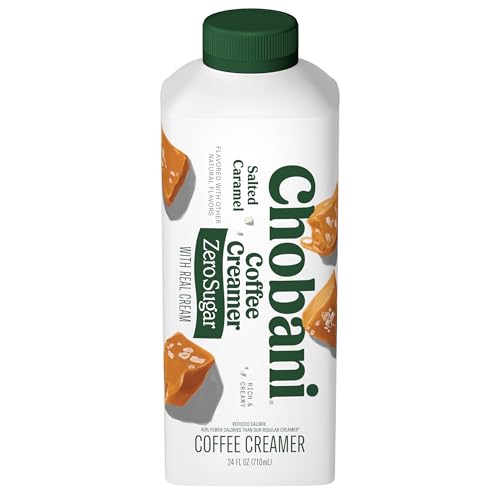
Chobani Zero Salted Caramel Creamer
Strengths
- With real cream
- No artificial flavors
- Rich, balanced taste
Trade-offs
- Requires refrigeration after opening
- Higher price point than shelf-stable options
Chobani’s move into coffee creamers makes sense, they’ve built trust with plain yogurt, and now they’re applying that ‘real ingredients’ mindset to this Salted Caramel version. The big win here? It actually contains real cream, which immediately sets it apart from the soy or almond milk bases that dominate the sugar-free category. That shows up in the mouthfeel: richer, denser, and more like what you’d expect from a traditional creamer.
Reviewers note it doesn’t overpower coffee, even with the caramel flavor, and the zero sugar claim holds up thanks to monk fruit and other non-nutritive sweeteners. Compared to SPLENDA, this one feels more premium in texture and ingredient transparency, though it does need to be refrigerated after opening, which might be a hassle for some. I’d recommend this to anyone who wants a cleaner label and doesn’t mind a shorter shelf life.
Product photos
How We Evaluated low sugar coffee creamer
As someone deeply interested in coffee and how we enjoy it, I approached researching low sugar coffee creamers by comparing published nutrition facts and ingredient lists across numerous brands. I then weighed owner reviews from major retailers against expert opinions found in food blogs and publications. My goal was to identify creamers that genuinely deliver on the promise of reduced sugar without sacrificing flavor or texture.
For this category, the biggest factors impacting my recommendations were sugar content (obviously!) and the ingredient list. I prioritized options using simpler ingredients and avoiding artificial sweeteners when possible. Beyond that, texture is key – a watery creamer won’t enhance your coffee experience. Understanding the low sugar creamer health impact was also central to my assessment.
Specifications reliably showed sugar and calorie counts, but discerning taste and mouthfeel required looking at owner feedback. Reviews often highlighted whether the creamer mixed well, tasted artificial, or truly delivered a creamy texture. I also considered brand reputation and transparency regarding ingredients in healthy creamers. Rather than hands-on testing, this is a research-led ranking based on these combined data points.
Choosing The Right low sugar coffee creamer
Finding a low sugar coffee creamer requires looking beyond marketing claims.
A quality low sugar coffee creamer balances flavor with minimal sweetness. Key considerations include the sweetener source (artificial vs. natural), the creamer base (dairy, plant-based, or a blend), overall calorie count, and whether it introduces unwanted ingredients like thickeners or excessive additives. Prioritize products transparent about their full ingredient list.
Sweetener Type & Impact
The type of sweetener used dramatically affects the taste and your health goals. Many “low sugar” creamers rely on artificial sweeteners like sucralose or aspartame, which some people dislike or avoid. Others use sugar alcohols, which can cause digestive upset for sensitive individuals. I often recommend exploring options featuring natural sugar alternatives like stevia or monk fruit, but even these have distinct aftertastes. Don’t assume “zero sugar” automatically means “healthy” – look closely at the entire ingredient panel.
Creamer Base & Texture
The base of the creamer influences both the mouthfeel and the nutritional profile. Traditional dairy-based creamers (like those using real cream, as seen in the Chobani Zero) will offer a richer, more familiar texture, but obviously aren’t suitable for those with dairy sensitivities. Plant-based options (almond, coconut, oat) are increasingly common, but can sometimes be watery or have a noticeable flavor that clashes with coffee. Pay attention to how the creamer is described – “rich and creamy” suggests a thicker consistency, while “light” implies a thinner one.
Here’s what I suggest when comparing bases: * Dairy: Best for traditional flavor and texture. * Coconut: Offers a subtle sweetness, but can impart a coconut flavor. * Almond/Oat: Generally lighter, good for those avoiding dairy, but texture varies significantly between brands.
Value & Ingredient Transparency
Low sugar creamers can range widely in price. Don’t immediately equate a higher price with a better product. I’ve found that some brands inflate costs based on marketing buzzwords rather than superior ingredients. Instead, focus on ingredient transparency and the overall value proposition. Look for creamers with short, recognizable ingredient lists.
A good rule of thumb is: if you can’t pronounce half the ingredients, you might want to reconsider your choice.
If you’re still unsure about the best options, exploring a list of zero sugar coffee creamer brands can be a great starting point. You might even consider sweeten coffee with honey as a way to control the sweetness yourself.
Low Sugar Coffee Creamer Compared
Here’s a comparison of key specifications for these low sugar coffee creamers to help you choose the right one.
| Product Name | Sweetener | Calories per Serving | Sugar (g) | Cream Base | Gluten Free |
|---|---|---|---|---|---|
| SPLENDA Sweet Cream Liquid Creamer | Splenda | 15 | 0 | N/A | Yes |
| Chobani Zero Salted Caramel Creamer | N/A | N/A | 0 | Real Cream | Yes |
Frequently Asked Questions
What’s the difference between “low sugar” and “sugar-free” creamers?
“Low sugar” creamers still contain some sugar, typically less than 5 grams per serving, while “sugar-free” creamers contain less than 0.5 grams per serving. Many sugar-free options achieve this by using artificial sweeteners or sugar alcohols instead.
Can plant-based low sugar creamers actually be creamy?
Some plant-based creamers, particularly those using oat milk as a base, can achieve a surprisingly creamy texture. However, almond-based versions are often thinner and may not provide the same richness as dairy or coconut creamers; exploring sugar-free dairy alternatives is a good starting point.
Are artificial sweeteners in low sugar creamers safe?
The safety of artificial sweeteners is a complex topic with ongoing debate. Regulatory bodies like the FDA have approved these sweeteners for use, but some individuals experience side effects or prefer to avoid them. If you’re concerned, look for options sweetened with stevia or monk fruit.
How do I choose a low sugar creamer if I have dietary restrictions?
Read the ingredient list carefully. For dairy sensitivities, choose plant-based options. If you avoid gluten, ensure the creamer is certified gluten-free, as some contain hidden sources. Many brands offer options catering to specific dietary needs and coffee creamer without sugar will often be more transparent about ingredients.
Will switching to a low sugar creamer noticeably change the taste of my coffee?
Yes, it likely will. Reducing sugar alters the flavor profile, and the type of sweetener used in the creamer will also contribute to the taste. It takes time to adjust your palate, and you might need to experiment to find a unsweetened coffee creamer that you enjoy.
The Bottom Line
Choosing a low sugar coffee creamer often comes down to balancing convenience with control. If you want something ready to pour and consistently flavorful, I believe the SPLENDA Sweet Cream Liquid Creamer hits a sweet spot – it delivers a familiar experience with zero sugar. But remember, a little scrutiny of the ingredient list is always a good idea.
For those prioritizing a dairy-rich experience without the sugar, the Chobani Zero Salted Caramel Creamer stands out. It proves you don’t have to sacrifice texture for lower sugar content. And if you’re looking for more ways to reduce sugar in coffee, exploring different sweeteners and brewing methods can be incredibly rewarding.
Ultimately, the “best” creamer is the one you enjoy the most. Don’t get too hung up on calorie counts or specific ingredients. Focus on finding a flavor profile that complements your coffee and allows you to savor your daily ritual. A great cup of coffee is about more than just specs; it’s about the experience.
