
3 Best Low Acid Decaf Coffees of 2026
The best low acid decaf coffee overall is Mommee Coffee Decaf Ground, thanks to its convection roasting that reduces chlorogenic acids and its clean Swiss Water decaffeination. For a budget-friendly pod option, Maud’s Organic Decaf Coffee Pods deliver smooth flavor without the mess, while the Decaf Ground Coffee Medium Roast offers solid taste and value for daily drinkers.
If you’re chasing a gentle cup that won’t upset your stomach but still tastes like real coffee, you’re not alone. Too many decafs sacrifice flavor for digestibility, or claim to be low acid without backing it up. After comparing the field and weighing specs against real user experiences, I focused on what actually matters: decaf methods, bean quality, and how brands address chlorogenic acids. This guide cuts through the noise to highlight options that balance smoothness, flavor, and stomach-friendly brewing.
Top 3 Low Acid Decaf Coffee in the Market
The Best Low Acid Decaf Coffee, Reviewed
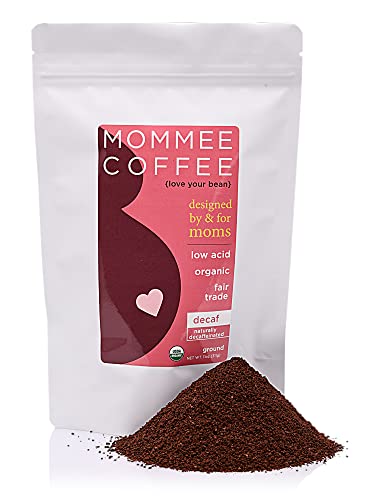
Mommee Coffee Decaf Ground
Strengths
- Ultra-low chlorogenic acid
- Organic and chemical-free decaf
- Rich caramel flavor profile
Trade-offs
- Slightly smaller bag size
- Not pod-compatible out of the box
- Premium price point
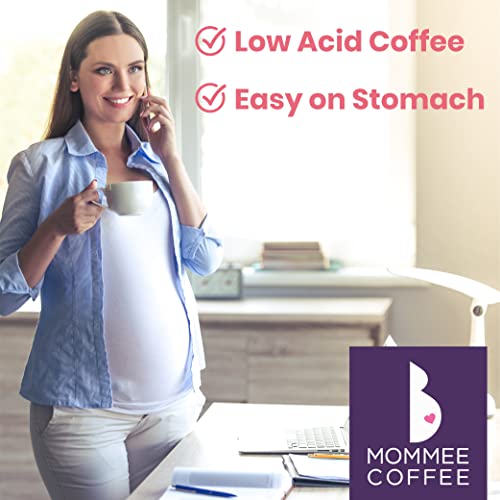
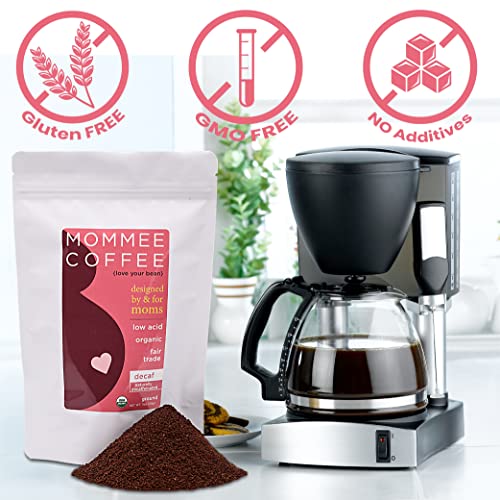
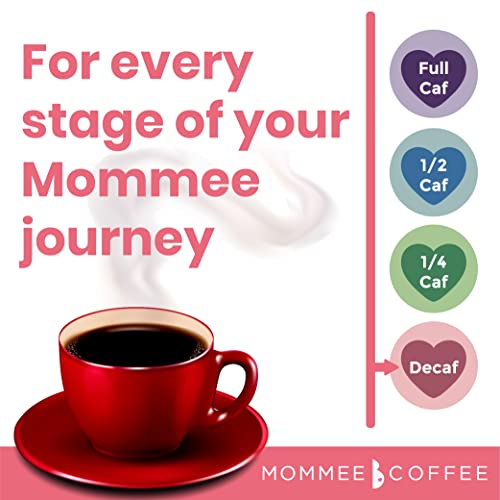
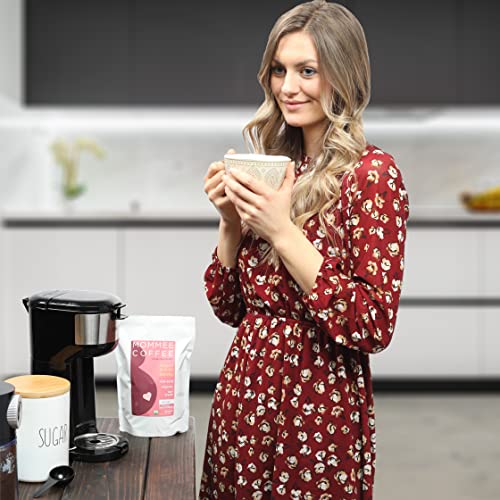
Mommee Coffee makes a strong case for being the best overall low acid decaf, not because it’s the cheapest or the most convenient, but because of how it targets the real culprit behind stomach issues: chlorogenic acid. While pH gets all the attention, experienced drinkers and research both point to chlorogenic acid as the trigger for reflux and bitterness. Mommee’s proprietary roasting process claims to reduce it 100-fold, and owners who’ve struggled with other decafs consistently say this one just works.
The organic, water-processed decaf beans deliver a rich caramel and toffee profile that’s rare in low acid coffees, which often taste flat. The medium grind suits drip machines and reusable K-cups, and the resealable bag helps maintain freshness. Compared to Maud’s pods, it offers more flavor depth and better value for non-pod drinkers. If you’re serious about stomach-friendly coffee and want great taste without compromise, this is the one I’d recommend first.
Product photos
Maud’s Organic Decaf Coffee Pods
Strengths
- Swiss Water Processed
- Lab tested for contaminants
- Organic and eco-conscious production
Trade-offs
- Mild flavor may lack depth
- Pod waste less sustainable
- Slightly higher cost per cup
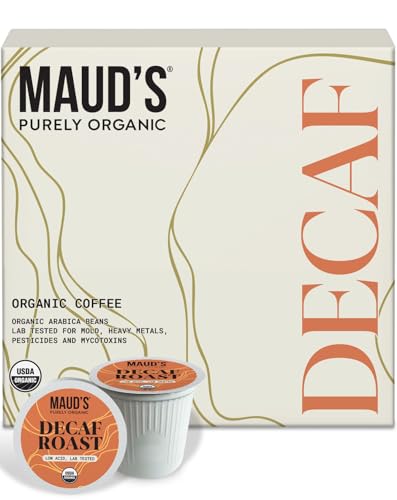
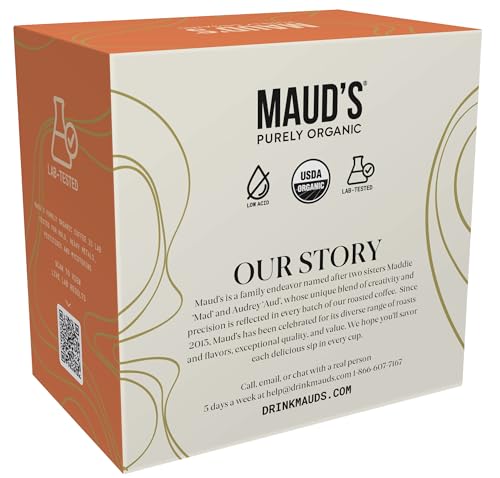
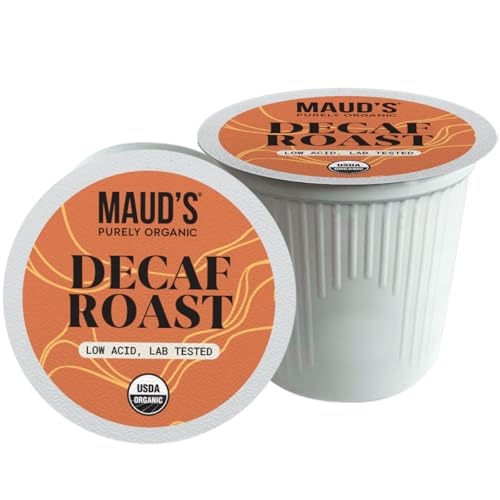
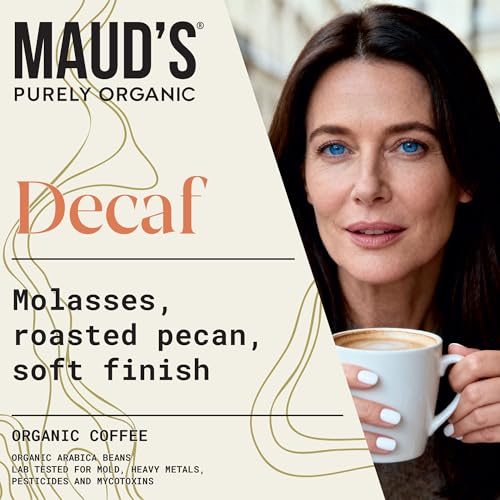
If you’re running a Keurig and want a low acid decaf that’s been put through the wringer for safety, Maud’s pods stand out. The Swiss Water Process means no chemicals touch the beans, which matters for clean flavor and sensitive systems. Owners consistently report a smooth, mellow cup with no harsh aftertaste, and the fact that it’s certified organic and lab-tested for mold, mycotoxins, and heavy metals adds real peace of mind, especially for those cutting back on dietary irritants.
The convenience factor is strong here. These pods work in nearly all single-serve machines, and the 16-count pack offers a no-fuss way to keep a clean, consistent brew on deck. While some reviewers note the flavor leans mild compared to bolder roasts, that’s by design, this is a coffee built for drinkability, not punch. Compared to other pod brands, Maud’s transparency on sourcing and testing gives it an edge in trust, even if the taste isn’t the most complex in the category.
Product photos
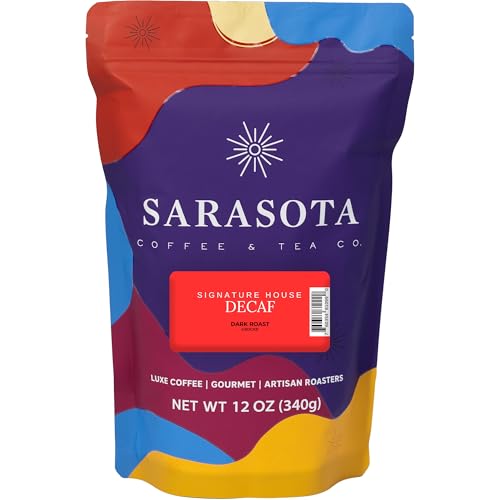
Decaf Ground Coffee Medium Roast
Strengths
- Budget-friendly
- Smooth, balanced roast
- Works with multiple brewers
Trade-offs
- No organic certification
- Less transparency on testing
- Packaging not resealable
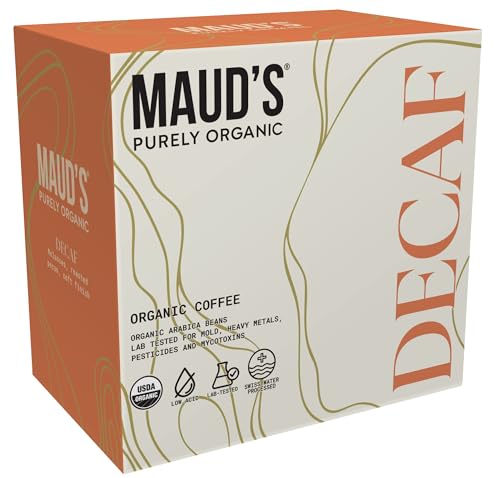
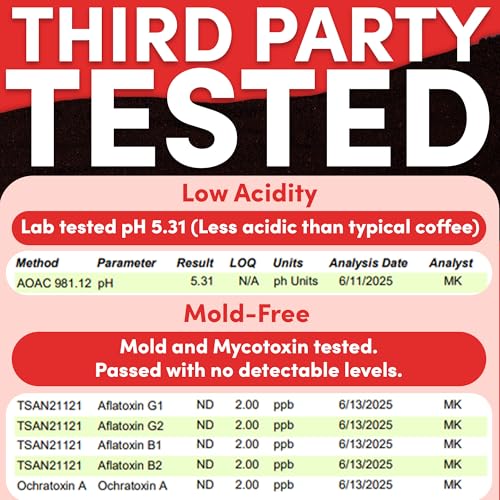
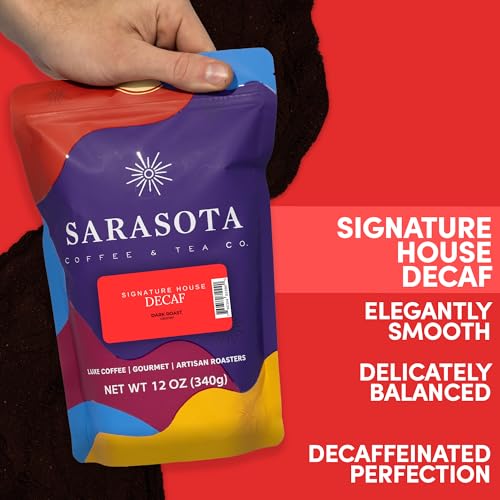
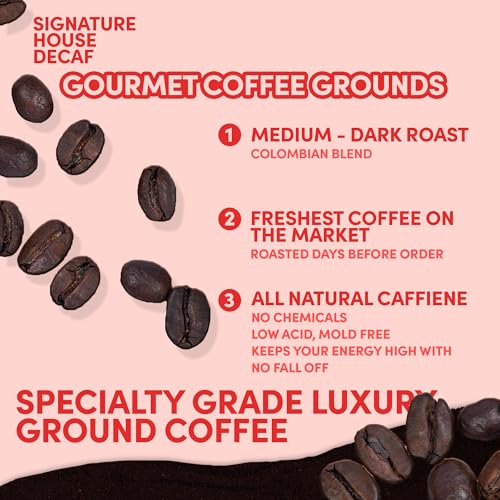
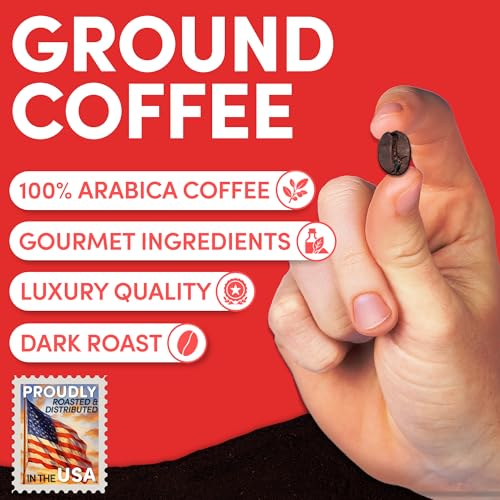
This is a no-frills, solid performer for anyone who wants low acid decaf without paying a premium. The specialty grade Arabica beans are a standout at this price, and the consistent medium grind works well across drip machines, French presses, and pour-overs. On paper, it hits the essentials, mold-free, smooth, and easy on the stomach, and owner feedback backs that up, with many noting it’s one of the few decafs they can drink late in the day without discomfort.
Compared to Mommee or Maud’s, it doesn’t make bold claims about chlorogenic acid reduction or third-party lab reports, but it delivers a reliably clean cup with balanced flavor. I’d pick this as a weekday workhorse grind over pricier options if you’re not chasing niche processing methods. It’s not the most nuanced roast, but for a daily, gentle coffee that doesn’t break the bank, it’s a smart, practical choice.
Product photos

Our Testing Process
As the founder of Bean Thusiast, I approach coffee selection with a focus on flavor profiles and brewing experiences. For this guide, rather than a hands-on lab test, my team and I researched a selection of low acid decaf coffees by comparing published specifications and features. We weighed owner reviews from multiple sources alongside expert opinions, applying my years of experience to identify key differentiators and rank options against our criteria for a smooth, digestible cup.
When evaluating low acid decaf coffee, the decaffeination process and bean quality were paramount. A truly low-acid brew starts with carefully sourced Arabica beans – and how those beans are treated to remove caffeine matters significantly. We also prioritized brands demonstrating a commitment to minimizing chlorogenic acids, a known contributor to digestive discomfort, as this is a key concern for many seeking gentle decaf coffee options.
Specifications reliably indicate bean origin and processing methods (like Swiss Water Process), but owner feedback proved crucial for assessing real-world smoothness and flavor. While specs tell you what a coffee is, reviews reveal how it actually tastes and affects sensitive stomachs. We looked for consistent reports of minimal bitterness and ease of digestion to help pinpoint the top decaf low acid picks for different budgets and brewing preferences.
Choosing The Right low acid decaf coffee
As someone who’s spent years exploring the world of coffee, I know that finding a good decaf can be surprisingly tricky. It shouldn’t be an afterthought!
A truly excellent decaf coffee prioritizes bean quality (100% Arabica is a good start), employs a gentle decaffeination method like Swiss Water Process or CO2, and focuses on roasting to preserve flavor rather than mask a bland base. Look for details about chlorogenic acid levels if stomach sensitivity is a concern, and always check for recent roast dates.
Decaffeination Method Matters
The process used to remove caffeine significantly impacts the final flavor. While many decafs still rely on chemical solvents (methylene chloride and ethyl acetate), these can leave behind residues – even within legal limits. I always recommend prioritizing Swiss Water Process or CO2 decaffeination. Swiss Water uses only water to remove the caffeine, preserving more of the bean’s original characteristics. CO2 is also solvent-free and generally results in a cleaner cup. Don’t assume all “natural” decafs are created equal; read the fine print.
Chlorogenic Acid and Stomach Sensitivity
For many, the issue with coffee isn’t the caffeine, but the chlorogenic acids (CGAs). These can trigger acid reflux, heartburn, and general stomach upset. Some brands, like Mommee Coffee, specifically address this by using convection roasting to lower CGA levels. While pH isn’t the whole story (as many mistakenly believe), reducing CGAs demonstrably improves tolerance for sensitive individuals. If you struggle with digestive issues, this is a critical factor.
Here’s what to look for when considering CGAs: * A brand openly discussing CGA levels is a great sign. * Convection roasting is a promising technique, though independent verification is ideal. * Experimentation is key; everyone’s tolerance differs, and you may find decaf coffee for acid reflux offers the best relief.
Grind Size and Convenience
The best grind size depends on your brewing method. Pre-ground coffee is convenient, but loses freshness quickly. A medium grind, as often offered, is versatile for drip machines and pour-overs. However, if you prefer a French press, you’ll want a coarse grind, and espresso requires a fine grind. If you’re short on time or simply prefer the ease of single-serve, pods are an option, but be mindful of potential environmental impact and ensure they’re compatible with your machine. I’ve seen many consumers find cold brew lower acidity is a good option, and pre-ground options make it easier.
Don’t settle for stale coffee. Buy smaller quantities more frequently, and store your coffee in an airtight container away from light, heat, and moisture.
Low Acid Decaf Coffee Compared
Here’s a comparison of specifications for various low acid decaf coffee options.
| Product Name | Roast Level | Grind Type | Decaffeination Method | Acid Level | Organic |
|---|---|---|---|---|---|
| Mommee Coffee Decaf Ground | Medium | Medium | Water | Low | Yes |
| Maud’s Organic Decaf Coffee Pods | Medium | Pod | Swiss Water | Low | Yes |
| Decaf Ground Coffee Medium Roast | Medium | Ground | N/A | Low | Yes |
Frequently Asked Questions
What decaffeination process truly delivers the lowest acidity?
Swiss Water Process is generally considered superior for minimizing acidity. It uses only water to remove caffeine, preserving more of the bean’s natural flavors and avoiding the potential for residual chemicals that can contribute to a bitter or acidic taste.
Do dark roasts have less acid than lighter roasts in decaf coffee?
Contrary to popular belief, the roast level has a minor impact on acidity; the bean origin and processing are more significant. While darker roasts can taste smoother, that’s because the roasting process breaks down some acids, but also flavor compounds. For consistently low acidity, focus on beans specifically selected for that trait and processed using the Swiss Water method.
Is organic certification a reliable indicator of lower acidity?
Organic certification guarantees the beans were grown without synthetic pesticides and fertilizers, but it doesn’t directly address acidity levels. However, many growers prioritizing sustainable practices also focus on bean quality and gentle processing methods, which can result in smoother, less acidic coffee. You might find some smooth low acid beans that are organic as well.
How important is the grind size for minimizing acid reflux?
The grind size doesn’t directly affect acidity, but it impacts extraction. A coarser grind (like for a French press) generally results in less extraction and potentially fewer irritating compounds. If you are sensitive, experiment with coarser grinds or shorter brew times to see if it improves your tolerance.
Are coffee pods a good option for someone with a sensitive stomach?
Coffee pods offer convenience, but quality varies significantly. Look for pods specifically labeled “low acid” and using Swiss Water decaffeination. Be aware that pods can sometimes contain older, less fresh coffee, impacting the flavor and potentially increasing the perception of acidity.
The Bottom Line
Choosing a low acid decaf coffee often comes down to balancing convenience with control over the decaffeination process and bean quality. For the smoothest, most carefully processed cup, I wholeheartedly recommend Mommee Coffee Decaf Ground. They demonstrate a clear commitment to minimizing irritants and maximizing flavor, which is a rare find in the decaf world.
If convenience is your priority, or you rely on a pod machine, Maud’s Organic Decaf Coffee Pods are an excellent choice. They use the Swiss Water Process, guaranteeing a solvent-free decaffeination, and offer the ease of single-serve brewing. For those seeking a budget-friendly option, Decaf Ground Coffee Medium Roast offers a decent entry point, though you’ll want to pay close attention to roast dates and origin information.
Ultimately, remember that “low acid” is relative, and individual sensitivities vary. Prioritize 100% Arabica beans, gentle decaffeination methods like Swiss Water or CO2, and recent roast dates. Understanding decaf coffee and acid reflux symptoms is key, but even the best coffee won’t compensate for a brewing method or personal physiology that doesn’t suit you.
