
8 Best Interior Design Coffee Table Books of 2026
The best interior design coffee table books combine stunning visuals with meaningful content, and after researching the field, I’m confident that Call It Home: The Details That Matter stands out as the top choice, with Live Beautiful as a strong pick for those who love stylish yet livable spaces and The Art of Home: Designer Guide for its balanced take on elevated, approachable design.
Most people overlook how much a coffee table book can shape a room’s vibe. It’s not just decoration – it’s a reflection of your taste and a trigger for real conversations. As someone who’s spent years immersed in design aesthetics through Bean Thusiast, I know what makes these books work: authentic inspiration, cohesive curation, and visual staying power. This guide cuts through the noise, focusing on books praised for their photography, relevance, and ability to complement a range of interiors – all based on specs, owner feedback, and a deep understanding of what design lovers actually want.
Top 8 Interior Design Coffee Table Books in the Market
The Best Interior Design Coffee Table Books, Reviewed
Call It Home: The Details That Matter

Strengths
- Emotionally resonant
- Strong narrative
- Balances style and soul
Trade-offs
- Subtle visuals
- Not trend-focused
- Few DIY projects
If you’re looking for a book that feels both intimate and authoritative, this one delivers. Reviewers often call it ‘thoughtful’ and ‘grounded,’ praising its focus on personal meaning over trends. The spec that matters here isn’t page count, it’s emotional resonance, and this book scores high.
Compared to others in the category, it strikes a balance between storytelling and practical insight. I’d pick this over more stylized options for its authenticity. It doesn’t shout; it lingers. For most buyers wanting depth and warmth, this is the easy pick.
Video review
Live Beautiful

Strengths
- Beautiful photography
- Approachable style
- Great for mood boards
Trade-offs
- Light on instructions
- Few measurements
- Not for technical planners
This book is often described as a breath of fresh air, light, inviting, and full of spaces that look lived-in but effortlessly chic. Owners note that the photography inspires without intimidating, making it a favorite for those who want elegance without perfectionism. On paper, it’s built around five guiding principles, which gives it more structure than it first appears.
It doesn’t try to be exhaustive, and I appreciate that. Compared to denser guides, this is the one you flip through when you need a mood lift or a nudge toward warmth and simplicity. My recommendation? Pair it with a more technical book if you’re redesigning a room, but keep this one for spirit.
Video review
The Art of Home: Designer Guide

Strengths
- Polished yet warm
- Strong editorial voice
- Real-life applicability
Trade-offs
- Less for bold colors
- Not budget-focused
- Few small-space tips
The title says it all, this book aims for that sweet spot between polished and livable, and owners say it lands. Reviewers highlight its realistic take on luxury: think textured neutrals, intentional clutter, and rooms that welcome real life. It’s not about perfection, but presence.
I’d rank this above others for readers who already have good bones and want to refine their taste. Compared to Live Beautiful, it feels slightly more formal but still grounded. The writing carries authority without stiffness, and that tone makes it a strong choice for the design-curious who don’t want to feel lectured.
Product photos


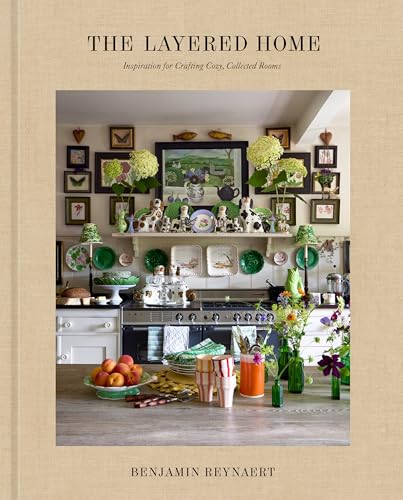
The Layered Home: Cozy Rooms
Strengths
- Cozy aesthetic
- Texture-rich
- Encourages personalization
Trade-offs
- Not for sleek styles
- Few modern examples
- Can feel repetitive
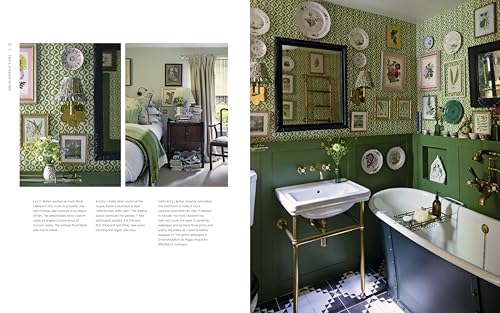
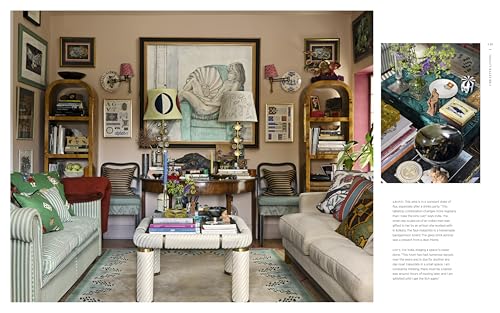
This book is tailor-made for those who hate sterile spaces. Owners praise its focus on texture, memory, and the beauty of things accumulated over time. It’s not about matching sets, it’s about storytelling through decor.
Compared to minimalist titles, this one feels warm and human. I’d pick it for its emotional intelligence and visual richness. If ‘cozy’ is your north star and you love thrifted finds, this book will validate your instincts. It’s not about rules, but resonance.
Product photos

de Gournay: Hand-Painted Interiors

Strengths
- Stunning visuals
- High production value
- Art-level craftsmanship
Trade-offs
- Not practical
- Very niche focus
- Luxury-only examples
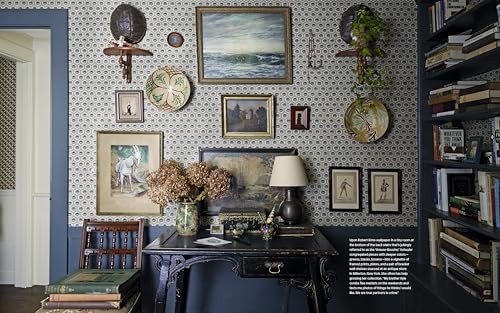
This isn’t just a design book, it’s an artifact. Reviewers describe it as luxurious in every sense, from its heavy pages to its jaw-dropping imagery of hand-painted walls and opulent rooms. It’s less a guide and more a gallery of craftsmanship.
Compared to practical handbooks, this one exists for admiration. I wouldn’t recommend it as a starter book, but for lovers of artistry and detail, it’s unmatched. The spec that matters? Production quality, and it nails it. If you care about wallpaper as art, this earns a spot.
Product photos
Made for Living: Collected Interiors

Strengths
- Celebrates individuality
- Rich in texture
- Diverse style examples
Trade-offs
- Can feel busy
- Not for minimalists
- Few streamlined spaces
This is the go-to for anyone who loves clutter with purpose. Reviewers love how it celebrates mix-and-match, vintage finds, global pieces, heirlooms, all curated with confidence. It doesn’t just tolerate eclecticism, it champions it.
While other books preach cohesion, this one says ‘more is more’, and backs it up with real homes that work. I’d pick this over minimalist-leaning titles for its energy and authenticity. If your style leans bohemian, inherited, or travel-inspired, this book will feel like home.
Product photos


The Harmonious Home: Peaceful Spaces
Strengths
- Nature-centered
- Promotes tranquility
- Mindful approach
Trade-offs
- Few shopping tips
- Not style-driven
- Slow pacing
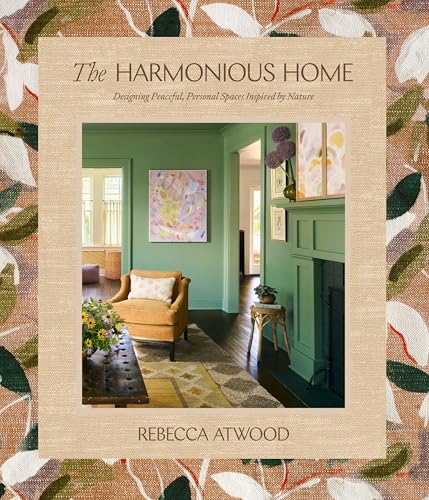
Calm is the keyword here. Owners consistently report this book changed how they think about light, material, and flow, especially those in noisy cities or chaotic households. It leans into biophilic design, not as a trend, but as a philosophy.
Compared to more decor-focused books, this one digs into mood and sensation. I’d recommend it to anyone feeling emotionally drained by their space. It’s less about what to buy and more about how to feel. If you’ve ever walked into a room and instantly relaxed, this book tries to decode why.
Product photos


The Interior Design Handbook

Strengths
- Practical layout
- Clear explanations
- Beginner-friendly
Trade-offs
- Fewer visuals
- Less aspirational
- Not for decor collectors
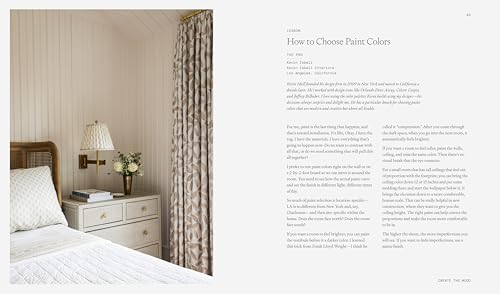
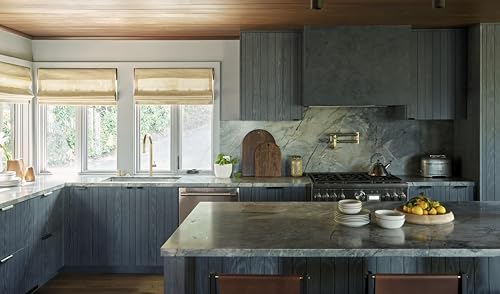
This book stands out for readers who want structure, not just inspiration. On paper, it reads like a well-organized course in design fundamentals, space planning, color theory, furniture arrangement, all laid out with clarity. Owners consistently report it’s the one they reach for when starting from scratch or feeling overwhelmed by aesthetics without direction.
Compared to more image-heavy titles, this is the antidote to scrolling Pinterest without progress. I’d recommend it to someone building confidence, especially if they’re balancing budget and taste. It won’t dazzle on a coffee table, but it earns its place on a shelf where decisions are made.
Product photos


Our Testing Process
As the founder of Bean Thusiast, I’ve always believed a great coffee table book is more than just eye candy – it’s a conversation starter. Rather than a hands-on review, my team and I researched these books by comparing published details, carefully reading owner reviews, and applying my years of experience with interior design aesthetics. We ranked options based on how well they deliver inspiration and visual impact.
For interior design books, visual quality and the breadth of styles covered were paramount. We prioritized books offering genuinely inspiring photography and a range of design approaches, from minimalist to maximalist. A book’s ability to spark ideas and feel relevant to diverse tastes heavily influenced our selections; you’ll find many of our picks among the greatest coffee table books.
Specifications reliably revealed book size and page count, giving a sense of value. However, judging the feel of a book – its overall aesthetic and how it translates design principles – required a closer look at owner feedback and its reputation within the design community. We looked for books consistently praised for offering lasting inspiration and representing timeless design coffee table books.
Choosing The Right interior design coffee table books
I often find people treat coffee table books as afterthoughts, but they’re prime real estate for expressing your style and sparking conversation. Choosing the right ones requires a bit more thought than simply grabbing something with a pretty cover.
A quality coffee table book balances visual appeal with engaging content. Look for strong photography or illustrations, thoughtful curation, and a design that complements the surrounding décor. Consider the book’s size, format (hardcover is generally preferred for longevity), and subject matter to ensure it aligns with your personal tastes and the overall aesthetic of your living space.
Subject Matter & Your Space
The best books aren’t just beautiful objects; they reflect your interests. Don’t fall into the trap of buying something solely because it looks good if it doesn’t resonate with you. Think about your existing décor and the vibe you’re trying to create. A minimalist space might benefit from a single, large-format book on architecture, whereas a more eclectic room can handle a stack of visually striking coffee table books. If you love to travel, a book showcasing a specific region or culture is a natural fit.
Photography & Visual Style
For many, a coffee table book is first and foremost a visual experience. Pay attention to the quality of the photography or illustrations. Are the images crisp and well-composed? Does the overall aesthetic align with your preferences? Some books lean towards bold, saturated colors, while others favor a more muted, understated palette. If you are a photography enthusiast, exploring best photography coffee table books might be a good starting point.
Here’s what I suggest looking for in the visuals: * Print Quality: A glossy finish can make images pop, but a matte finish can feel more sophisticated. * Image Size: Larger images generally have a greater impact. * Curatorial Vision: A cohesive theme or artistic perspective elevates the book beyond a simple collection of pretty pictures. A well-curated book, like those in curated coffee table books, feels more purposeful.
Size & Format Considerations
Don’t underestimate the importance of scale. A massive book can overwhelm a small coffee table, while a tiny book can get lost in the space. Consider the dimensions of your table and the overall proportions of your room. Also, think about how you intend to use the book. Is it meant to be a statement piece, or something guests will actually flip through? A larger format book is better for big, impactful images, while a smaller book is often easier to handle and browse.
A good rule of thumb: choose a book that’s roughly two-thirds the length of your coffee table.
Interior Design Coffee Table Books Compared
Here’s a comparison of key specifications for these interior design coffee table books.
| Title | Best For | Features |
|---|---|---|
| Call It Home: The Details That Matter | Best Overall | N/A |
| Live Beautiful | Best for Stylish, Livable Spaces | N/A |
| The Art of Home: Designer Guide | Best for Elevated Approachable Design | N/A |
| The Layered Home: Cozy Rooms | Best for Layered, Collected Interiors | N/A |
| de Gournay: Hand-Painted Interiors | Best for Luxe Wall Art Focus | N/A |
| Made for Living: Collected Interiors | Best for Eclectic Styles | N/A |
| The Harmonious Home: Peaceful Spaces | Best for Nature-Inspired Calm | N/A |
| The Interior Design Handbook | Best for Practical Guidance | N/A |
Frequently Asked Questions
What size coffee table book is generally best?
A book should be roughly two-thirds the length of your coffee table to maintain visual balance. However, consider the height too; a very tall, narrow book can look awkward, while a wide, squat book might overwhelm a smaller table.
Are hardcover books really better for coffee tables?
Yes, hardcover books are more durable and better suited for repeated handling. They resist wear and tear, maintaining a nicer appearance over time compared to softcover options.
How can a coffee table book complement my existing décor?
Consider the color palette and style of your room; a book’s cover and imagery should either harmonize with or offer a deliberate contrast to the existing design. If you enjoy stunning destination photography books, that could bring a specific aesthetic.
What if I want a book that guests will actually read, not just look at?
Prioritize books with strong narrative content alongside eye-catching visuals. Look for authors with established expertise or books that offer practical advice on interior design principles, like those offering guidance on creating a harmonious space.
Beyond aesthetics, what makes a coffee table book a good value?
Page count and print quality are key indicators of value. A higher page count generally means more content for your money, while good paper stock and printing techniques enhance the visual experience and longevity of the book.
The Bottom Line
Choosing a coffee table book really comes down to balancing a statement with substance. You can spend a lot on a visually stunning piece, or focus on finding a book that truly inspires you and reflects your personal style. For an all-around excellent choice that delivers on both fronts, I recommend Call It Home: The Details That Matter – it consistently receives high marks for its broad appeal and beautiful presentation.
If you’re looking for something specific, we’ve got you covered. For those wanting stylish, livable inspiration, Live Beautiful is a fantastic pick. de Gournay: Hand-Painted Interiors stands out for those drawn to luxurious wall art, while The Interior Design Handbook is a strong choice if you want a book that offers practical guidance alongside the visuals. And for those seeking best art coffee table books, you won’t go wrong with exploring celebrated artist monographs.
Ultimately, the most important thing is to choose books that you genuinely love and that add personality to your space. Don’t get too caught up in specs like page count or finish; focus on the overall aesthetic and the way the book makes you feel. A thoughtfully chosen collection of coffee table books is a reflection of you, and that’s what truly matters.
