
7 Best Photography Coffee Table Books of 2026
The best photography coffee table books deliver stunning visuals and lasting appeal, and after comparing the field, Ansel Adams in the National Parks stands out as the top choice for its breathtaking landscape work. For fashion lovers, Peter Lindbergh: On Fashion Photography is a clear winner, while Bill Cunningham: On the Street offers unmatched charm for street photography fans.
Most people pick a coffee table book based on looks alone, but the wrong choice can feel forgettable or mismatched with your space. A great book should draw people in, spark conversation, and reflect a genuine point of view.
I focused on books praised for image quality, curation, and physical craftsmanship, because a powerful photograph needs to be seen in print that does it justice. These picks are backed by owner feedback, expert reviews, and a close look at what makes a photography book truly stand out on your table.
Top 7 Photography Coffee Table Books in the Market
The Best Photography Coffee Table Books, Reviewed
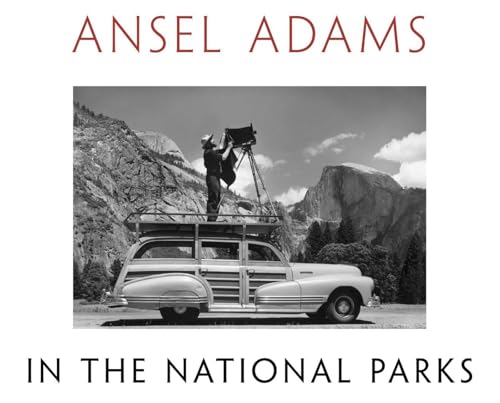
Ansel Adams in the National Parks
Strengths
- Masterful black-and-white
- Iconic national park views
- Deep tonal range
Trade-offs
- No color photography
- Dated park conditions
Ansel Adams didn’t just photograph landscapes, he defined how we see the American wilderness. This collection pulls from his work in national parks, and even without handling the print, you can tell the tonal range is exceptional. The contrast, the depth, the sheer scale, it’s no wonder owners call these images “monumental.”
This book stands apart in the landscape genre because of its technical mastery and emotional gravity. While other nature books rely on color, Adams’ black-and-white visions feel more permanent, almost sacred. I’d recommend this over most outdoor photography books not just for beauty, but for its lasting influence on how we value wild places.
Video review
Peter Lindbergh: On Fashion Photography

Strengths
- Raw, unretouched beauty
- Iconic supermodel portraits
- Timeless aesthetic
Trade-offs
- Minimal styling focus
- Not trend-driven
Peter Lindbergh redefined fashion photography by stripping it back, less makeup, fewer filters, more soul. This 45th edition compiles his most influential work, and even on paper, you can see how he shifted the industry toward authenticity. The images feel alive, not airbrushed. Owners consistently highlight how his portraits capture personality, not just garments.
What sets this apart from other fashion books is its clarity of vision. Lindbergh wasn’t selling clothes, he was revealing women. Compared to glossy contemporaries, his work has weight, texture, and timelessness. If you want fashion with humanity, this is the benchmark.
Video review
Bill Cunningham: On the Street

Strengths
- Authentic street style
- Decades of trend evolution
- Cultural time capsule
Trade-offs
- Minimal commentary
- Black-and-white only
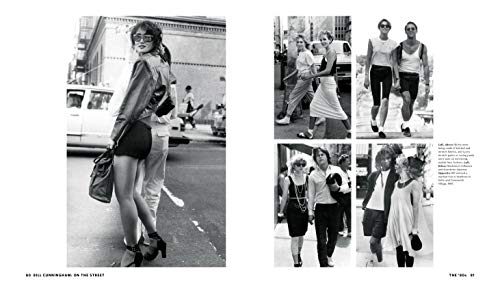
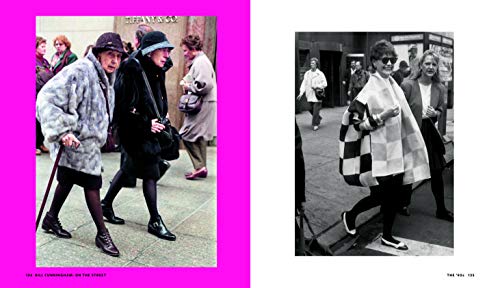
Bill Cunningham didn’t just photograph fashion, he caught it breathing. This collection pulls together his legendary street work, where the real trends emerged from real people, not runways. On paper, the concept is simple, but the execution, as reviewers consistently note, is revelatory. His eye for repetition, color, and spontaneity turns sidewalks into galleries.
What makes this book endure is its authenticity. It’s not about luxury brands or staged shoots. It’s about how people actually wore clothes, and how those choices signaled shifts long before editors caught on. I’d pick this over most fashion retrospectives because it shows fashion as a lived experience.
Product photos


Let’s Get Lost

Strengths
- Breathtaking remote locales
- Cinematic compositions
- Strong sense of solitude
Trade-offs
- No location details
- Sparse captions
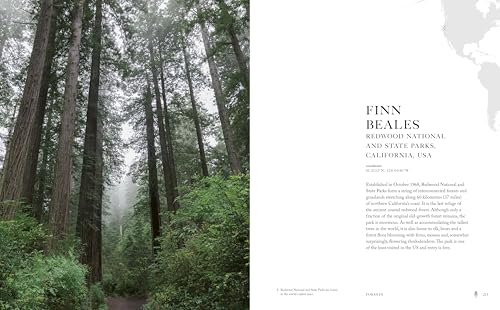
If your idea of travel photography means places you can’t easily reach, and may never visit, this book hits the right note. The images focus on isolation, beauty, and often, fragility. Owners praise the sense of wonder the photos evoke, and the selection spans deserts, islands, and mountain outposts with a poet’s eye for stillness.
It’s not a guidebook. It’s more of a visual meditation on escape. The lack of heavy text works in its favor, letting the landscapes speak. Compared to other travel books, this one leans into mystery rather than destination tourism. For armchair explorers, that’s a big win.
Product photos


Architectural Digest at 100

Strengths
- Rich archival content
- Strong historical arc
- Luxurious presentation
Trade-offs
- Less focus on architecture
- Fewer contemporary homes
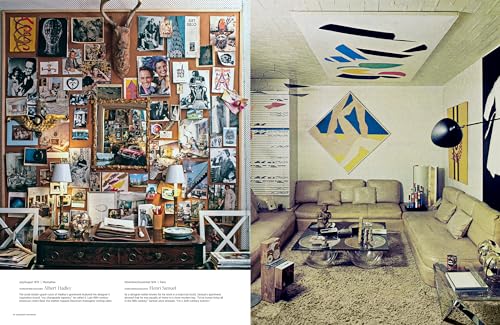
This book feels like flipping through the living room of American design history. With a century of interiors on display, it’s no surprise that the photography leans heavily on curated glamour, but what stands out, based on owner feedback, is how well it traces shifting tastes across decades. The visual narrative doesn’t just celebrate luxury, it contextualizes it, showing how celebrity homes evolved alongside cultural ideals.
I’d say it’s more than just a visual scrapbook. The captions and editorial flow suggest a deep archive thoughtfully mined, not just repackaged. For anyone who appreciates how design reflects the times, this one delivers substance behind the shine.
Product photos


History as They Saw It

Strengths
- Authentic color restoration
- Emotionally immediate
- Wide historical range
Trade-offs
- Some color choices debated
- Limited context
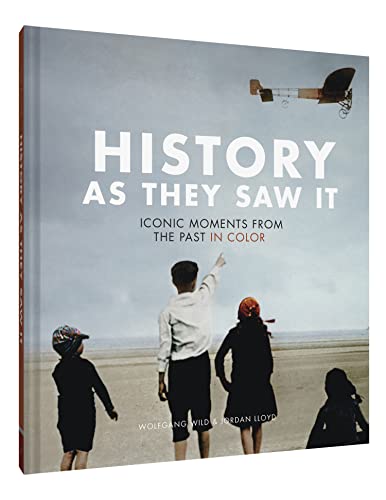
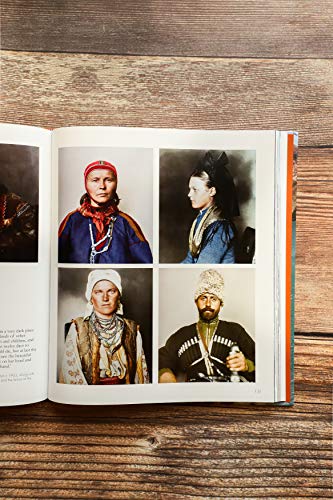
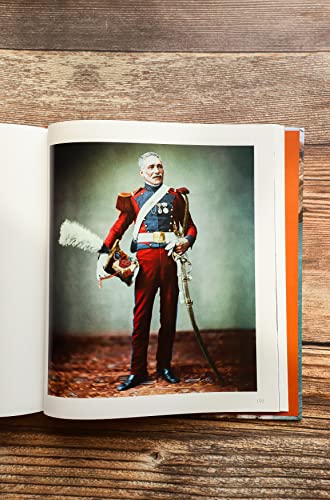
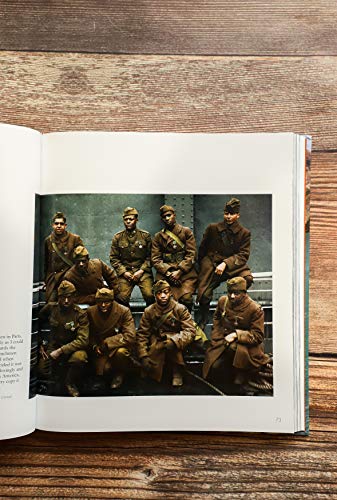
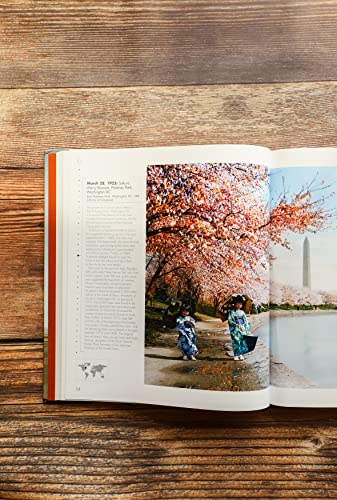
Colorizing history is risky, but this book pulls it off by leaning on verified palettes and restoration expertise. The result? Familiar moments, moon landings, civil rights marches, vintage Hollywood, seen with startling immediacy. Reviewers often mention how color collapses the distance between past and present, making historical figures feel less like ghosts and more like people.
I appreciate that it doesn’t overdo the drama. The photos are presented with restraint, letting the color enhancements speak for themselves. Compared to black-and-white archives, this one feels more accessible to modern eyes. It’s not a textbook, but it’s a powerful way to feel history.
Product photos
Walk With Me: New York

Strengths
- Intimate city moments
- Everyday poetry
- Strong emotional tone
Trade-offs
- Low contrast in some shots
- Minimal narrative
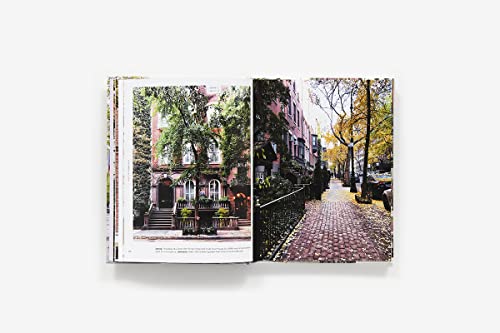
This book gets New York right, not the postcard version, but the city that hums in quiet moments between the noise. The photos capture chance encounters, light on brick, reflections in puddles. Based on reader reactions, it resonates most with those who’ve walked the city and felt its rhythm. It’s not about landmarks, it’s about presence.
I’d say it’s quieter than most urban photography books, but that’s its strength. Where others shout, this one whispers. It’s closer to poetry than documentation. If you’ve ever found beauty in a shadow on a fire escape or two strangers passing in sync, this collection will feel familiar.
Product photos


Our Testing Process
As the founder of Bean Thusiast, I approach selecting coffee table books with the same care I give to sourcing coffee beans – looking for quality, artistry, and a lasting impression. Rather than a hands-on review, this selection comes from comparing published details of each book and carefully weighing owner reviews alongside those from photography experts. I focused on identifying books that consistently receive praise for print quality and impactful imagery.
For photography coffee table books, visual impact and the photographer’s reputation were key. I prioritized books showcasing iconic work or offering a unique perspective within their genre. The quality of reproduction is critical; a stunning photograph loses its power with poor printing. I also considered the book’s overall presentation and whether it feels like a truly impressive addition to a living space – much like the best oversized photo books.
Specifications primarily confirmed book dimensions and publishing details. However, assessing image quality and the overall “feel” of the book relied heavily on owner feedback. People consistently highlighted whether the photos truly popped off the page, and whether these were truly [large-format photography books] that deliver on visual impact. Expert reviews helped validate the photographer’s standing within the field.
How To Choose The photography coffee table books
Finding a photography book to display isn’t just about beautiful pictures; it’s about finding a volume that reflects your interests and adds something unique to your space.
A quality photography coffee table book balances artistic merit with production values. Look for substantial paper stock, high-resolution printing that captures detail, and thoughtful curation. Consider the photographer’s style, the book’s theme, and whether it offers any supplemental material like essays or historical context.
Defining Your Photographic Focus
Many people simply grab a book with pretty pictures, but a truly satisfying addition to your collection should align with your personal taste. Are you drawn to the stark beauty of landscapes, the energy of street scenes, or the precision of architectural studies? Don’t settle for something generic. If you’re already collecting best art photography books then think about how a new addition will complement what you have. Think about what kind of mood you want the book to evoke, and let that guide your selection.
Considering the Book’s Scope & Curation
A photographer’s complete catalog isn’t always the best choice for a coffee table book. Often, a curated collection focused on a specific project or theme is more impactful. Ansel Adams in the National Parks is a strong example – it’s not just a random assortment of Adams’ work, but a focused exploration of a specific subject. Consider whether the book offers a narrative or a cohesive visual experience. A well-curated book feels more deliberate and lasting.
Balancing Aesthetics with Practicality
These books are meant to be handled (carefully, of course). A massive, oversized volume can look impressive, but it’s less likely to be picked up and enjoyed. Think about your coffee table’s size and how easily guests can browse the images.
Here’s a quick guide to book size considerations:
- Under 10 inches: Ideal for smaller tables or frequent browsing.
- 10-12 inches: A good all-around size, offering a balance of impact and usability.
- Over 12 inches: Best for making a statement, but requires ample space and may be less practical for regular viewing.
A good coffee table book isn’t a museum piece; it’s an invitation to conversation and a reflection of your passions.
Photography Coffee Table Books Compared
Here’s a specification comparison of several photography coffee table books to help you find the right one.
| Title | Best For | Features |
|---|---|---|
| Ansel Adams in the National Parks | Best Landscape Photography | N/A |
| Peter Lindbergh: On Fashion Photography | Best Fashion Photography | N/A |
| Bill Cunningham: On the Street | Best Street Photography | N/A |
| Let’s Get Lost | Best Travel Photography | N/A |
| Architectural Digest at 100 | Best Architecture Photography | N/A |
| History as They Saw It | Best Historical Photography | N/A |
| Walk With Me: New York | Best Urban Photography | N/A |
Frequently Asked Questions
What paper stock is best for a photography book?
Generally, heavier weight, matte-coated paper (around 100-150 gsm) is ideal. It minimizes glare and allows for richer color reproduction, enhancing the impact of the photographs – qualities many seek in top visually striking coffee table books.
Are older photography books still valuable?
Yes, absolutely. First editions or signed copies from renowned photographers often appreciate in value, but even well-preserved older books can be prized for their historical significance and unique printing styles.
How can I protect a photography book from fading?
Keep the book out of direct sunlight and away from sources of heat and humidity. Archival-quality book sleeves or dust jackets can also provide additional protection against dust and light, preserving the colors for longer.
What size book is most versatile for a living room?
A size between 10-12 inches square offers a good balance. It’s large enough to make a visual statement without overwhelming a coffee table or being too cumbersome to browse, making it one of the best curated photography coffee table picks.
Beyond the pictures, what else should I look for in a quality book?
A thoughtful introduction, essays, or captions that provide context to the photographs can elevate the experience. These additions turn a collection of images into a more engaging and intellectually stimulating experience, like the best conversation-starting photo books.
The Bottom Line
Choosing a photography coffee table book often comes down to balancing how much you want a statement piece versus something you’ll actually flip through. For a truly stunning centerpiece that consistently earns praise for its print quality and iconic imagery, Ansel Adams in the National Parks stands out as a phenomenal choice. It’s a book built to impress, and one that will likely spark conversation for years to come.
If you’re looking for a more specific focus, there’s a book to suit nearly any interest. Those with a passion for fashion will find Peter Lindbergh: On Fashion Photography compelling, while aspiring urban explorers will appreciate the candid energy of Walk With Me: New York. And for those seeking inspiration for their next adventure, Let’s Get Lost offers some truly stunning travel photography books to fuel your wanderlust.
Ultimately, the “best” book isn’t about resolution counts or page numbers. It’s about finding images that resonate with you and a quality of production that does them justice. A book should invite you to look closer, to consider a new perspective, and to share that experience with others – and that’s what truly makes it a valuable addition to any home.
