
7 Best Grocery Store Coffee Beans of 2026
The best grocery coffee beans for most people are Peet’s Major Dickason’s Blend for its bold, consistent dark roast, while Amazon Fresh Organic Peru stands out as a top budget-friendly, ethically sourced option. For those wanting something unique, Kauai Koloa Estate delivers a bright, clean cup from single-origin Hawaiian beans.
Finding good coffee at the grocery store is harder than it should be. Shelves are packed with vague labels, stale roasts, and blends that taste the same no matter the brand. After years of researching beans and brewing methods, I know what separates a truly satisfying cup from the rest.
This guide cuts through the noise. I compared roast dates, origins, bean types, and real user feedback to find grocery beans that deliver on flavor, freshness, and value, without needing a specialty shop.
Top 7 Grocery Coffee Beans in the Market
The Best Grocery Coffee Beans, Reviewed
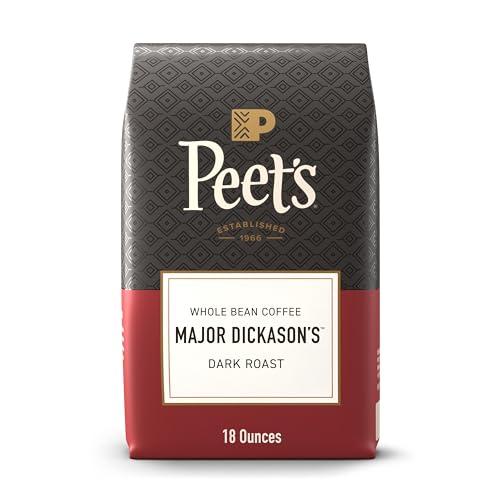
Peet’s Major Dickason’s Blend Dark Roast
Strengths
- Rich, full-bodied
- Consistent quality
- Versatile brew
Trade-offs
- Can be too strong for some
- Not ideal for espresso crema
Peet’s Major Dickason’s Blend is often called a benchmark for dark roast coffee, and for good reason. This is a full-bodied, robust 100% Arabica blend with a legacy rooted in American specialty coffee. Reviewers consistently praise its depth: smoky, slightly spicy, and rich without tipping into charred bitterness. It holds up well across methods, though it shines in drip or French press.
Compared to Lavazza’s Super Crema, it’s more aggressively roasted and less creamy, but it offers more complexity than most supermarket dark roasts. The 18 oz bag strikes a balance between freshness and value. If you want a no-nonsense, deeply satisfying dark roast that doesn’t pretend to be something it’s not, this is it.
Video review
Amazon Fresh Organic Peru Medium Roast

Strengths
- Organic certified
- Fair Trade verified
- Smooth, balanced cup
Trade-offs
- Moderate flavor depth
- Limited origin expression
This Peru blend is Amazon Fresh’s strongest argument for why house brands matter. It’s USDA Organic and Fair Trade certified, credentials that often come with a markup elsewhere, and still delivers a genuinely pleasant cup. The medium roast brings out a smooth, fragrant profile with mild nutty and chocolate notes, typical of good Peruvian beans.
Owners say it brews cleanly and doesn’t disappoint, though it doesn’t wow like a premium single origin. Compared to Kauai or Illy, it’s less distinctive, but it’s a smarter pick if you care about ethics and organic standards without sacrificing drinkability. The 12 oz size helps maintain freshness, and being roasted in the U.S. likely supports quicker turnover.
Video review
Amazon Fresh Just Bright Light Roast

Strengths
- True light roast
- Large 32 oz bag
- Bright, clean taste
Trade-offs
- Subtle aroma
- Less body than medium roasts
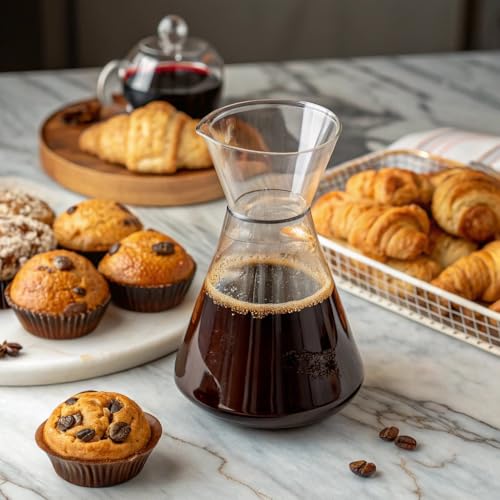
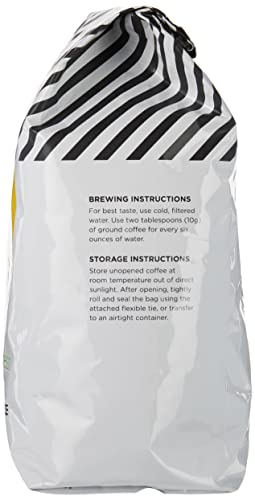
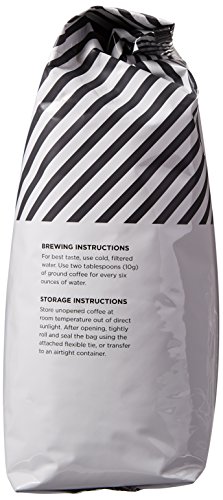
Amazon’s Just Bright is a rare find in the grocery aisle: a true light roast that doesn’t taste underdeveloped. With a crisp, clean profile and bright acidity, it captures the liveliness that light roast fans crave. The 100% Arabica beans from Central and South America show off gentle fruit and citrus notes when brewed well, especially in pour over or Chemex.
It’s not as refined as a third-wave specialty roast, but for the price and availability, it overdelivers. Compared to the Kauai or Illy options, it’s less floral but more vibrant and zesty. The 32 oz size is a bonus, though light roasts like this are best used quickly to preserve their delicate flavors.
Product photos


Illy Classico Medium Roast

Strengths
- Smooth finish
- Balanced flavor
- High-quality Arabica
Trade-offs
- Small bag size
- Higher price per ounce
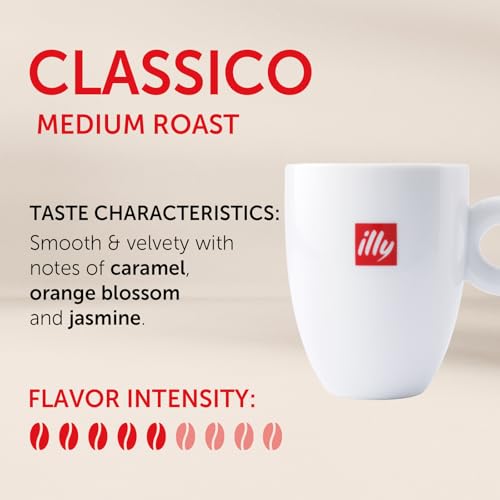
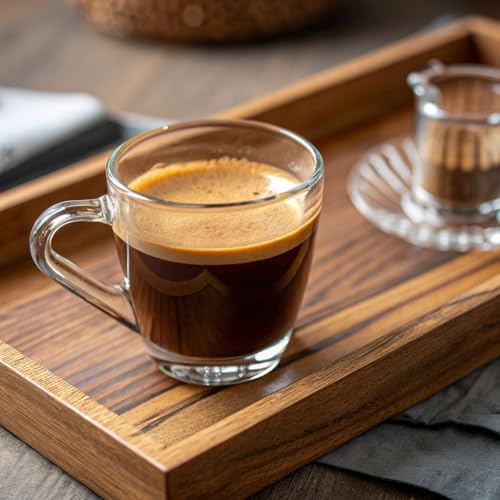
Illy Classico is the kind of coffee that feels like a quiet luxury, even if you’re just pouring beans into your grinder. On paper, it’s a no-frills 100% Arabica medium roast, but owners consistently report a refined balance, caramel sweetness, floral hints, and that elusive smoothness that doesn’t rely on heavy body. The Italian roast profile is dialed in for consistency, which matters if you want the same elegant cup every morning without surprises.
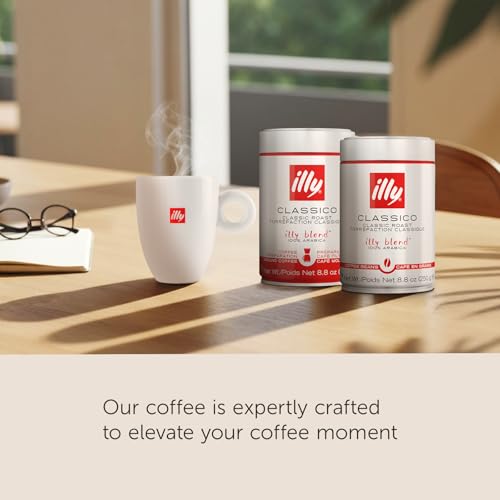
It’s not the most adventurous choice, but it’s reliable in a way few grocery beans are. Compared to bolder, more acidic single origins, Illy leans conservative, perfect if you want a polished, approachable cup that won’t overwhelm. The 8.8 oz can keeps things fresh, though you’ll pay a premium for that small size and iconic tin.
Product photos
Cameron’s Breakfast Blend

Strengths
- Large 32 oz bag
- Smooth, non-bitter taste
- Great value
Trade-offs
- Mild flavor profile
- Less origin character
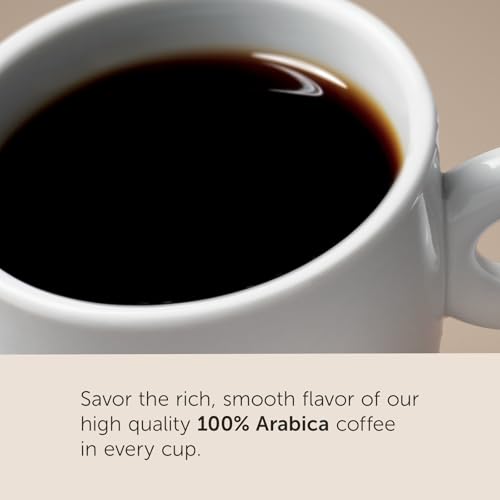
Cameron’s Breakfast Blend stands out for one big reason: you get a full 32 ounces of smooth, well-roasted coffee at a price that doesn’t make you wince. The blend of Central and South American beans is roasted to be mild but not flat, and reviewers frequently praise how it avoids bitterness, a real win for a medium roast meant to be drinkable all day.
It’s not the most complex coffee on the shelf, but it delivers where it counts. Compared to Illy or Peet’s, it lacks depth and nuance, but for everyday sipping, especially if you’re serving a crowd or refilling often, it’s hard to beat. The focus on top 10% Arabica beans seems to pay off in clean, consistent brewing.
Product photos


Lavazza Super Crema Espresso Blend
Strengths
- Excellent crema
- Large 2.2 lb bag
- Espresso-optimized
Trade-offs
- Contains Robusta
- Less complex flavor
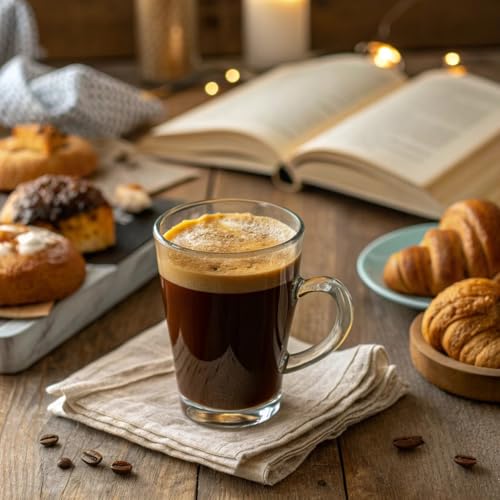
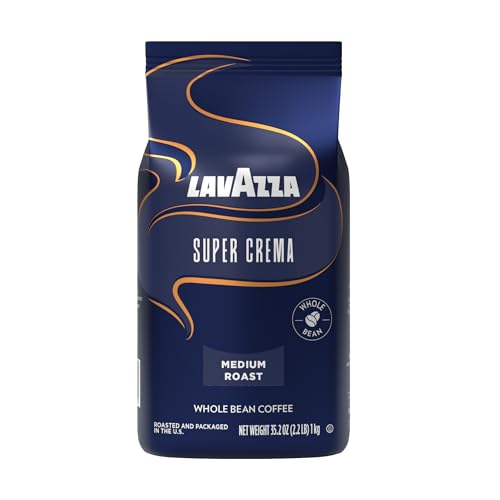
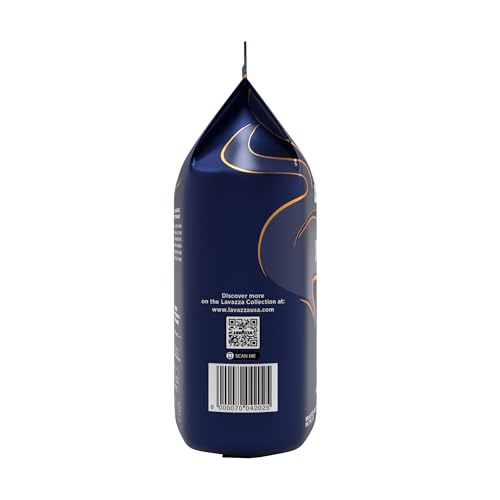
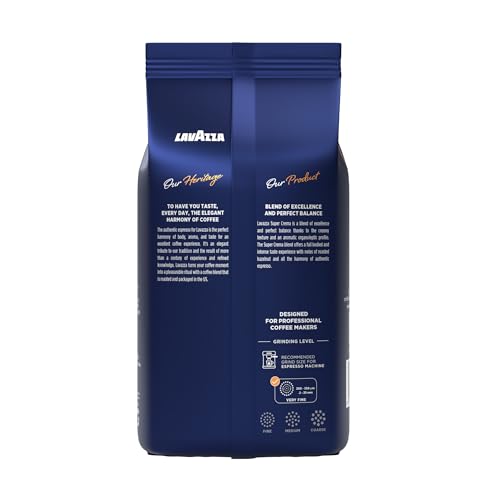
Lavazza Super Crema is built for one thing: espresso. The blend of Arabica and Robusta beans creates a creamy, full-bodied shot with a signature Italian richness that’s hard to replicate with 100% Arabica. Reviewers love the thick crema and smooth mouthfeel, especially in home machines that struggle with lesser beans.
At 2.2 lbs, the bag is massive, ideal for frequent espresso drinkers. But that Robusta content means it’s not for everyone. Compared to Peet’s or Illy, it’s less nuanced and can taste slightly grainy in drip. But if your goal is café-style shots and milky drinks, this is a top contender. Just know you’re trading some purity for performance.
Product photos


Kauai Koloa Estate Medium Roast
Strengths
- Distinctive floral notes
- True single-origin
- Smooth, clean taste
Trade-offs
- Smaller bag size
- Milder body than some prefer
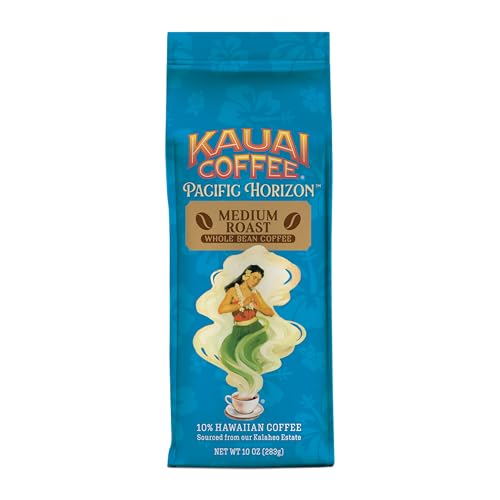
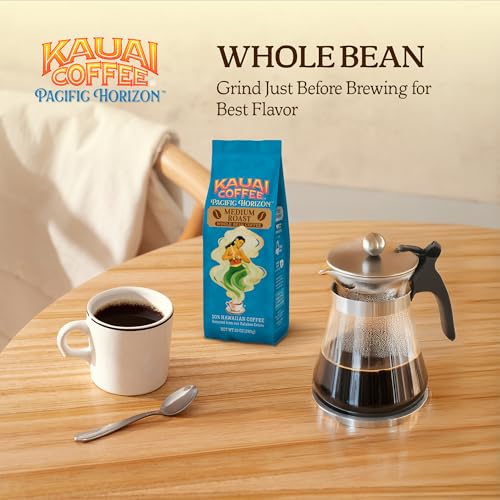
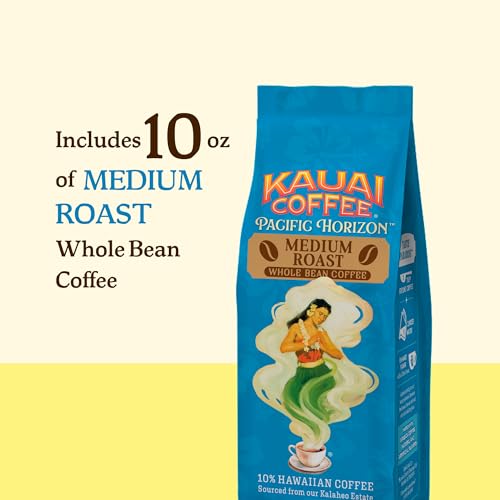
If you want your coffee to transport you, Kauai’s Koloa Estate roast comes close. This is a true single-origin bean from Hawaii’s largest farm, and the difference shows in the cup. Owners describe bright, floral notes and a clean, mellow finish, less punchy than a Kenyan, less sweet than a Colombian, but uniquely island-like in character.
The volcanic soil and Pacific climate clearly leave a mark. Compared to the uniformity of Illy or Lavazza, this one has personality. It’s not the strongest or most caffeinated, but if you appreciate subtlety and a sense of place in your brew, this is a standout. The 10 oz size keeps it fresh, though it won’t last long if you drink multiple cups daily.
Product photos
Our Testing Process
As the founder of Bean Thusiast, I approach coffee selection with a focus on the qualities that deliver a consistently satisfying cup. Rather than a hands-on lab test, this was a research-led comparison of published specifications and owner feedback across a range of popular grocery store options. I compared roast levels, bean origins, certifications, and flavor descriptions, then weighed that against what customers are actually saying about taste, freshness, and value.
For grocery coffee beans, I prioritized roast consistency and flavor clarity, and price per ounce. A consistent roast is crucial for repeatable brewing, while a clear flavor profile lets the coffee’s origin characteristics shine. Value is also key; many shoppers are looking for a quality experience without breaking the bank. Understanding factors in coffee bean selection is vital to this process.
Specifications reliably indicate bean type (100% Arabica is generally preferred for flavor complexity) and origin, which can hint at potential flavor notes. However, owner reviews became essential for assessing actual freshness and the accuracy of flavor descriptions. Reputation, and brand consistency also played a role – established roasters often maintain tighter quality control. Ultimately, I aimed to identify beans that consistently deliver on their promises, based on a blend of data and reported experience.
What To Look For In grocery coffee beans
Finding genuinely good coffee beans at the grocery store can feel like a treasure hunt. I’ve seen a lot of folks settle for less-than-stellar brews simply because convenience won out. Let’s change that.
Quality grocery coffee beans balance freshness, sourcing transparency, and roast profile to deliver a satisfying cup. Look for whole bean options with a clear roast date (not just a “best by” date), consider certifications like Fair Trade or USDA Organic, and select a roast level suited to your preferred brewing method and flavor preferences. Arabica content is generally a good indicator of quality, but the origin and processing method matter just as much.
Roast Level & Flavor Profile
The roast level fundamentally alters the flavor of the bean. Many people gravitate towards what they think they like – often a dark roast – without realizing how much nuance they’re missing. I often recommend starting with a medium roast to truly appreciate the coffee’s origin characteristics. Light roasts highlight acidity and floral notes, while darker roasts emphasize body and chocolatey tones. Don’t shy away from single-origin beans; they can offer a truly unique and educational experience. If you’re a fan of intense, smoky flavors, exploring French roast flavor traits is a good idea, but be aware it can mask the bean’s inherent qualities.
Bean Type & Sourcing
While 100% Arabica is generally preferred for its smoother profile, the origin story is crucial. Coffee grown at higher altitudes tends to be denser and more flavorful. Look for beans from well-known regions like Ethiopia, Colombia, or Sumatra, and pay attention to whether the beans are “washed” or “natural” processed. Washed coffees generally have cleaner, brighter flavors, while natural processed coffees are fruitier and more complex. Increasingly, consumers are seeking out brands committed to ethical sourcing; a Fair Trade certification is a good starting point, but researching a company’s direct relationships with farmers offers even greater insight. You can find some excellent high-quality beans at grocery stores if you know what to look for.
Grind & Packaging
Whole bean coffee is always superior to pre-ground. Once ground, coffee rapidly loses flavor. Invest in a burr grinder – it provides a consistent grind size, critical for even extraction. Packaging also matters. Look for bags with a one-way valve to allow CO2 to escape (a natural byproduct of roasting) without letting oxygen in.
A general rule of thumb: if the bag doesn’t have a roast date – only a “best by” date – the coffee is likely stale.
Consider the size of the bag you purchase. While larger bags offer better value, the coffee will lose its freshness faster. If you don’t consume coffee quickly, smaller bags are a better choice. Finding the top supermarket coffee brands requires a bit of label reading, but the reward of a truly delicious cup is well worth the effort. Here’s what to consider when balancing price and quality:
- A small bag (12oz) is best if you drink coffee infrequently.
- A mid-size bag (16-24oz) is a good compromise for regular coffee drinkers.
- A large bag (32oz+) offers the best price per ounce, but only if you can store it properly (airtight container, cool dark place) and consume it within a few weeks to prevent flavor degradation.
Grocery Coffee Beans Compared
Here’s a comparison of key specifications for the featured grocery coffee beans.
| Product Name | Roast Level | Bean Type | Bag Size (oz) | Origin | Fair Trade |
|---|---|---|---|---|---|
| Peet’s Major Dickason’s Blend | Dark | Arabica | 18 | N/A | No |
| Amazon Fresh Organic Peru | Medium | Arabica | 12 | Peru | Yes |
| Amazon Fresh Just Bright | Light | Arabica | 32 | Central/S. America | No |
| Illy Classico | Medium | Arabica | N/A | N/A | No |
| Cameron’s Breakfast Blend | Medium | Arabica | 32 | Central/S. America | No |
| Lavazza Super Crema | Medium | Arabica/Robusta | 35.2 | 15 Countries | No |
| Kauai Koloa Estate | Medium | Arabica | N/A | Kauai, Hawaii | No |
Frequently Asked Questions
What roast level is best for a beginner?
A medium roast is generally the most approachable for beginners, offering a balanced flavor profile without being too acidic or too bitter. It allows you to experience the coffee’s natural flavors more easily than darker roasts which can mask those qualities.
Can grocery store coffee really be considered “specialty”?
While rare, some grocery store options approach specialty-grade quality, particularly those from smaller roasters or with detailed sourcing information. However, truly specialty coffee is typically found directly from roasters who focus on direct trade and meticulous quality control.
How long will an opened bag of coffee beans stay fresh?
An opened bag of whole bean coffee will generally stay fresh for 2-3 weeks if stored properly in an airtight container, away from light, heat, and moisture. After that, the flavors will begin to noticeably fade, and you’ll likely notice a decline in brew quality.
What’s the difference between Arabica and Robusta beans, and does it matter?
Arabica beans have a smoother, more aromatic flavor profile and lower caffeine content, while Robusta beans are bolder, more bitter, and contain more caffeine. For most coffee drinkers, Arabica is preferred for its flavor, but blends sometimes include Robusta for a stronger kick.
I want to make cold brew. Are certain grocery coffees better suited for that?
Yes, certain coffees work better for cold brew due to their flavor profiles and body; look for best grocery coffee for cold brew. Generally, medium to dark roasts with chocolatey or nutty notes produce excellent cold brew, as the long steeping time tends to mellow out acidity.
The Bottom Line
Choosing coffee beans can feel overwhelming, with so many options promising the perfect cup. Ultimately, it comes down to balancing your desire for control over flavor and quality with the convenience and cost of grocery store selections. For a consistently rich and bold experience that delivers on its promise, I recommend Peet’s Major Dickason’s Blend as the strongest overall pick – it’s a classic for a reason, and its dark roast is reliably flavorful.
If you’re specifically seeking an ethically sourced option, Amazon Fresh Organic Peru stands out. For those who prefer a brighter, more nuanced cup, Amazon Fresh Just Bright offers a lovely light roast coffee beans experience. And for those wanting a consistently smooth, classic Italian profile, Illy Classico is a safe bet.
Don’t get too hung up on finding the “best” coffee; focus instead on freshness, whole bean format, and a roast date. Those fundamentals – a recent roast, grinding your own beans, and storing them properly – will have a far greater impact on your daily cup than any specific origin or certification.
