
9 Best Gourmet Coffee Beans for 2026
The best gourmet coffee beans deliver rich, complex flavors and peak freshness, and after researching the market, Stumptown Holler Mountain stands out as the top overall choice for its organic, Direct Trade quality. For a budget-friendly option, Lavazza Super Crema offers solid taste without the high price, while the Atlas Coffee Club World of Coffee Discovery Set is ideal for those who want to explore diverse origins and roast profiles.
Choosing gourmet coffee beans isn’t just about picking a name off the shelf. So many people end up with stale, flat-tasting coffee because they overlook key factors like roast date, origin, and bean type. I’ve seen it happen too often, great brewing gear let down by subpar beans.
This guide cuts through the noise. I looked at dozens of options, weighing flavor complexity, sourcing ethics, and freshness indicators, using expert reviews and real owner feedback to find the picks that consistently deliver. These are the beans worth your time and taste buds.
Top 9 Gourmet Coffee Beans in the Market
The Best Gourmet Coffee Beans, Reviewed
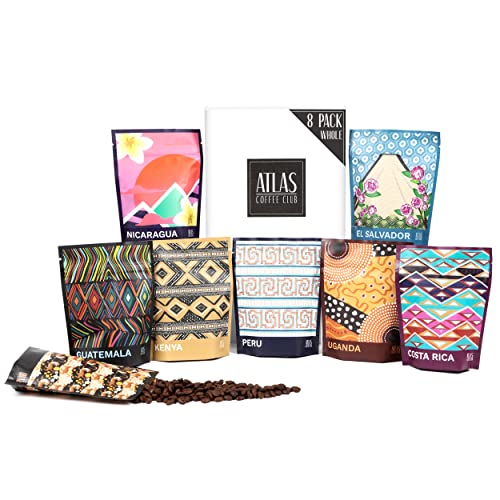
Atlas Coffee Club World of Coffee Discovery Set
Strengths
- 8 diverse origins
- Fresh, specialty-grade beans
- Educational postcards included
Trade-offs
- Smaller bags mean fewer brews per origin
- Subscription model can be pushy
- Not ideal for daily drinkers wanting consistency
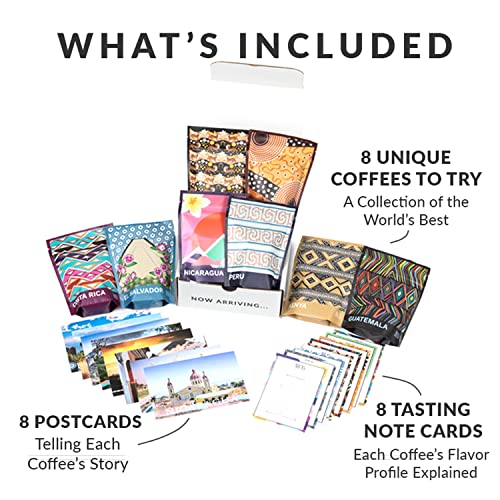
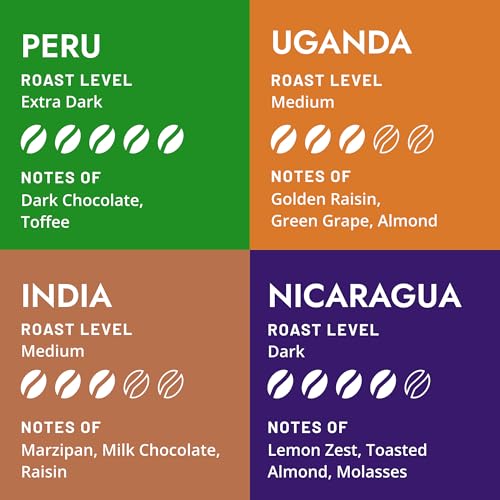
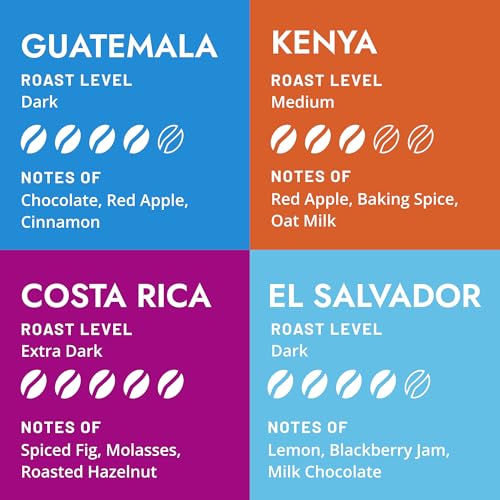
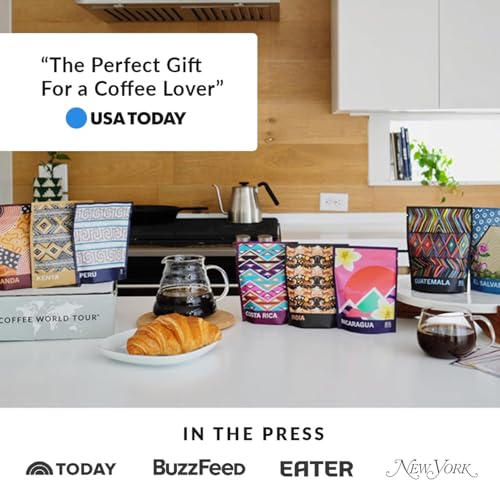
This is the coffee sampler that does it all, variety, story, and freshness. With eight 1.8 oz single-origin bags from different countries, each comes with tasting notes and a postcard, turning brewing into a mini cultural experience. The beans are consistently rated as specialty-grade, and owners report vibrant, clean cups with distinct regional character, from bright African naturals to syrupy Central Americans.
What sets Atlas apart is their Direct Impact model, paying above-market prices and emphasizing traceability. Compared to the Cooper’s Cask set, this feels more intentional and educational. It’s pricier, but the volume and curation justify it. I’d pick this as the best overall sampler, especially for curious drinkers who want to learn while they brew. It’s not just coffee, it’s a journey.
Product photos
Cooper’s Cask Gourmet Coffee Sampler Gift Box

Strengths
- Well-balanced variety
- Elegant gift packaging
- Clear tasting notes
Trade-offs
- Small bag sizes limit use
- No traceability info
- Roasts are conventional
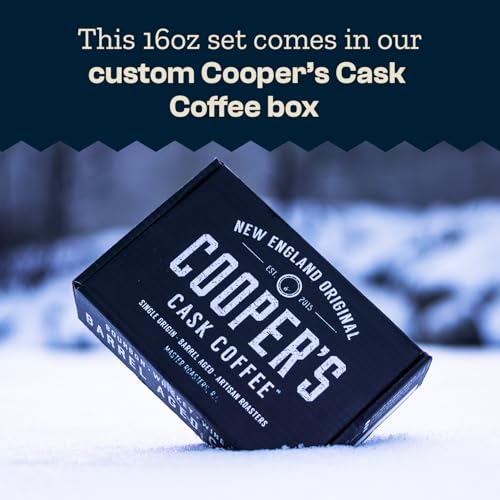
This Cooper’s Cask sampler is built for gifting, and it shows. With four 4 oz single-origin bags, Ethiopian light roast, Kenya AA, Rwandan medium, and Sumatra dark, it offers a solid intro to global profiles. Owners praise the packaging and the clarity of flavor notes, especially the bright, tea-like Ethiopia and the earthy Sumatra. It’s not the most adventurous set, but it covers the classics well.
Where it falls short is in roast innovation, nothing here pushes boundaries. Compared to the Atlas Coffee Club, it lacks storytelling or farmer details. But for a first-time sampler or a gift for someone just exploring beyond grocery-store blends, it’s a safe, attractive choice. I’d recommend this over single-origin trial packs if you want variety with minimal commitment.
Product photos


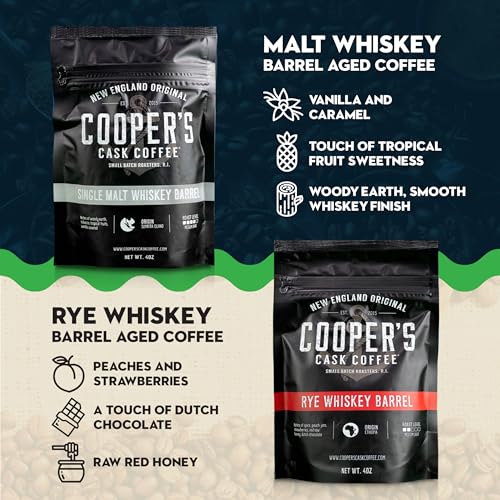
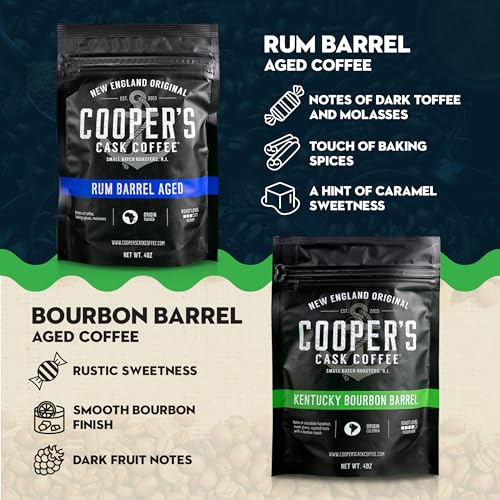
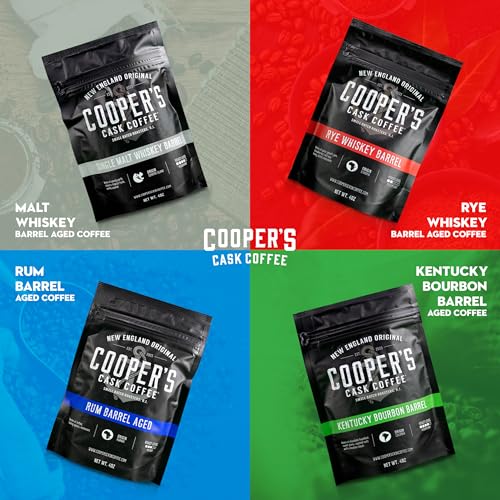
Bourbon & Whiskey Barrel Aged Coffee Box Set
Strengths
- Unique barrel-aged profiles
- Great for gifting
- Sophisticated flavor infusion
Trade-offs
- Strong alcohol notes may distract
- Not for traditionalists
- Short shelf life once opened
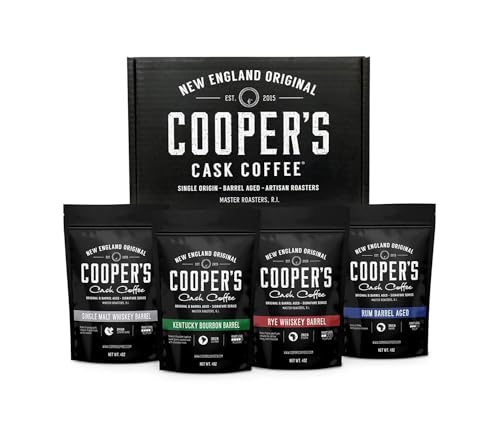
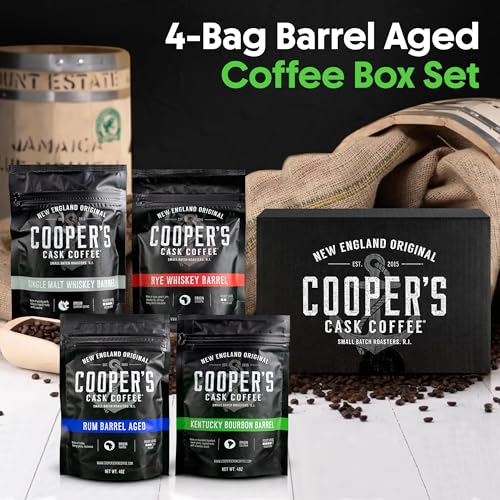
Barrel-aged coffee is a niche, and this set leans into it hard. The idea, aging beans in bourbon, rye, and rum barrels, creates a flavor experience that’s more dessert than dawn. Reviewers describe notes of vanilla, oak, and warm spice, with the whiskey influence most apparent in the Colombian and Ethiopian beans. It’s not subtle, and it’s definitely not for everyone.
But for those who enjoy flavored coffee without artificial syrups, this is a sophisticated alternative. The resealable bags help preserve aroma, and the variety offers a fun tasting flight. Compared to standard flavored coffees, it’s more refined and less sweet. I’d recommend this for special occasions or gifting to whiskey lovers, but not as a daily driver, those barrel notes can overwhelm after a few cups.
Product photos
Stumptown Holler Mountain Organic Whole Bean Coffee
Strengths
- Organic and Direct Trade
- Balanced, complex flavor
- Versatile brew performance
Trade-offs
- Higher price point
- Limited availability
- Not intensely bold
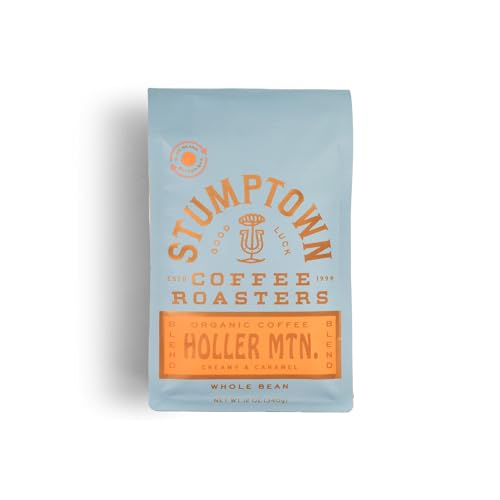
Stumptown’s Holler Mountain blend stands out for its organic certification and Direct Trade model, which means higher pay for farmers and better quality control. The flavor profile, citrus zest, caramel, hazelnut, is bright but balanced, and owners consistently report it performs well across methods, from pour over to espresso. It’s not as wild or funky as some of their single origins, but that’s the point: this is a daily driver with integrity.
Compared to Mt. Comfort or Lavazza, it’s more nuanced and ethically grounded, though pricier. The 12 oz bag ensures freshness, and the roast is clean, not overdone. I’d recommend this as the best organic pick for drinkers who want flavor, ethics, and versatility in one reliable bag. It’s coffee with conscience, and it tastes like it.
Product photos



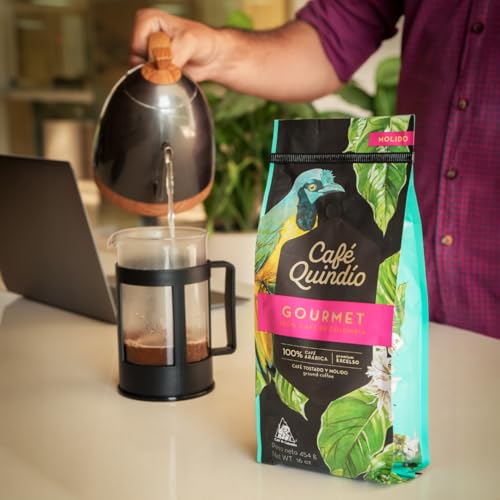
Cafe Quindio 100% Colombian Excelso Whole Bean
Strengths
- Authentic 100% Colombian
- Smooth, sweet profile
- Direct from Quindío farmers
Trade-offs
- Not highly complex
- Limited roast variety
- Packaging not resealable
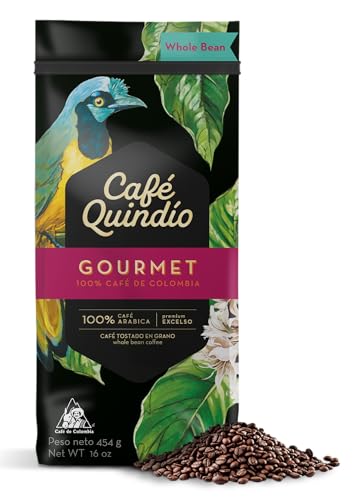
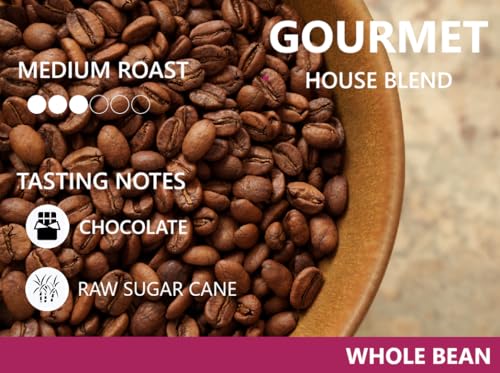
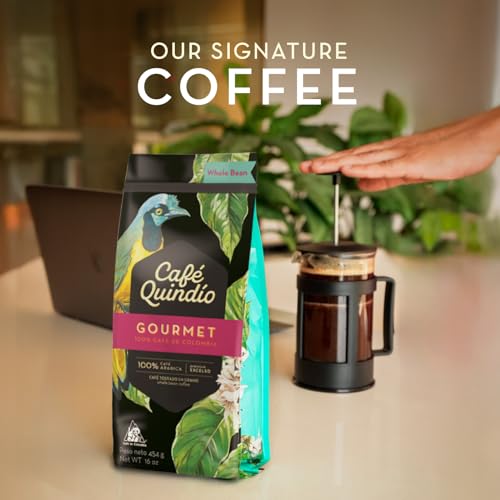
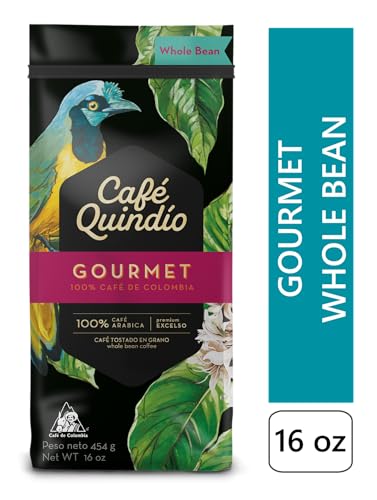
Colombian coffee has a reputation for balance, and Cafe Quindio delivers on that with its Excelso-grade Arabica. The tasting notes of chocolate and raw sugarcane suggest a sweet, rounded profile, and the National Coffee Federation seal confirms authenticity. Owners consistently report a smooth, clean cup with mild acidity, ideal for drip or French press.
As a women-owned business sourcing directly from Quindío farmers, it brings ethical weight without overpromising. Compared to mass-market Colombian blends, it has more character and traceability. While it doesn’t have the intensity of a high-altitude microlot, it’s a dependable, honest representation of the region. I’d pick this as the best single-origin Colombian for daily drinking, especially if you value transparency and community impact.
Product photos
Gaviña Old Havana Espresso Whole Bean Coffee

Strengths
- Nutty, sweet profile
- Large 32 oz bag
- Ethically roasted
Trade-offs
- Less crema than Robusta blends
- May lack intensity for dark roast lovers
- Packaging not resealable
Gaviña’s Old Havana Espresso is one of the few Latin-style blends that nails that balance between sweetness and structure. The medium-dark roast brings forward nutty, sweet notes with just a whisper of citrus, and owners consistently praise its smooth finish, especially in espresso and moka pot setups. It’s made from 100% Arabica, which is impressive at this price point, and the 32 oz bag is a rare find for those who go through coffee fast and want consistent quality without constant repurchasing.
The fact that it’s roasted in a zero-waste facility in LA adds ethical weight, and Gaviña’s 140-year family history gives it credibility in the Latin coffee space. Compared to Lavazza Super Crema, it has more origin character and less Robusta bite. I’d recommend this over generic espresso blends for anyone who values tradition, volume, and a genuinely balanced roast profile that doesn’t rely on bitterness to feel ‘strong’.
Product photos


Lavazza Super Crema Whole Bean Coffee
Strengths
- Rich crema production
- Large economical bag
- Smooth for espresso
Trade-offs
- Robusta aftertaste
- Less aromatic than pure Arabica
- Not for black coffee purists
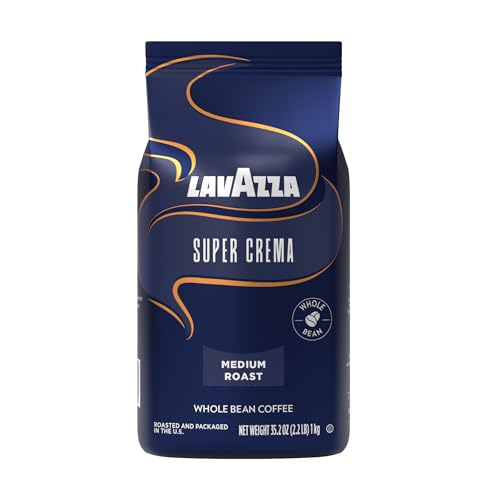
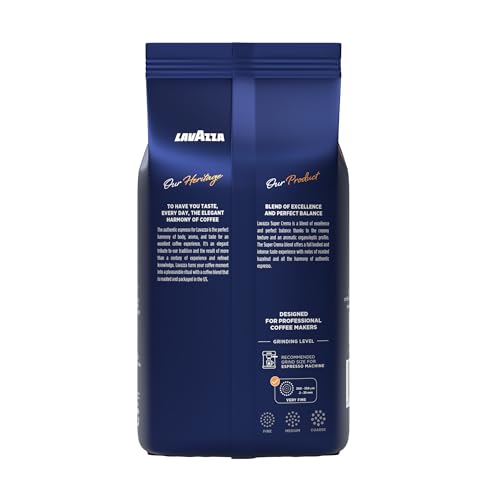
Lavazza Super Crema is the go-to when you want espresso-style richness without spending premium prices. The Arabica-Robusta blend is formulated for crema and body, and owners consistently report a thick, creamy mouthfeel that works well in home machines. At 2.2 lbs, it’s also one of the largest bags in the budget espresso category, which helps stretch value.
But that Robusta content comes with trade-offs, some reviewers note a slightly rubbery or flat aftertaste, especially when brewed as drip. It’s not a nuanced coffee, and it won’t impress purists who want origin clarity. Still, for casual espresso lovers who prioritize texture over terroir, it’s hard to beat. I’d pick this over Illy for home use if crema matters more than purity, but skip it if you’re sensitive to Robusta’s harsher edges.
Product photos


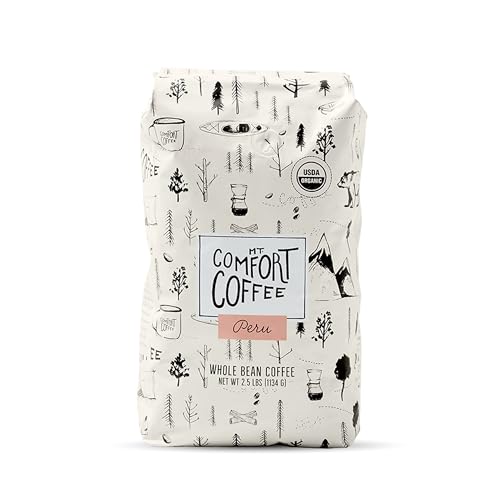
Mt. Comfort Coffee Organic Peru Medium Roast
Strengths
- Great value per ounce
- Organic certified
- Works across brew methods
Trade-offs
- Flavor profile is mild
- Large bag risks staleness if not stored well
- Limited origin transparency
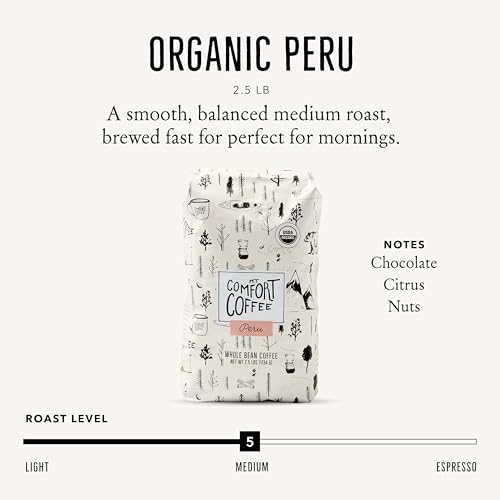
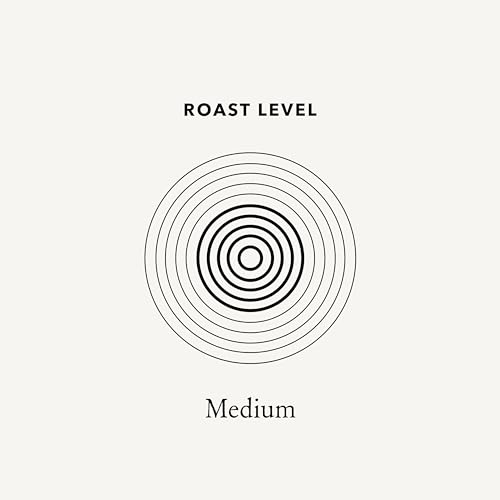
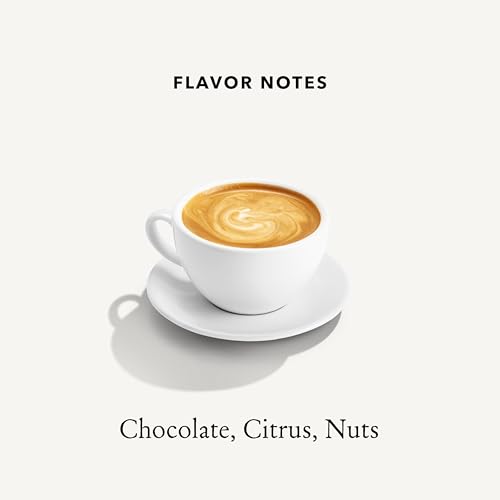
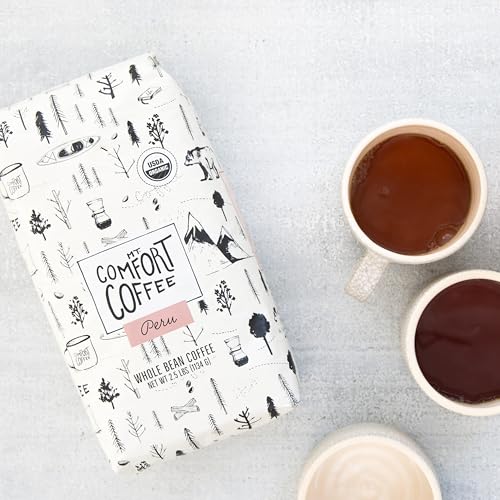
If you’re burning through coffee by the pound and don’t want to sacrifice quality, Mt. Comfort’s 2.5 lb bag is a no-brainer. The Peru Medium Roast offers a balanced profile, nutty, with chocolate and a touch of citrus, that reviewers say holds up across drip, French press, and even espresso. It’s organic, which is rare at this volume, and the small-batch roasting suggests attention to freshness, even in bulk.
This isn’t a coffee for origin chasers looking for wild ferment or exotic terroir. But for offices, families, or anyone who drinks daily and wants reliability, it’s a smarter buy than buying multiple small bags. Compared to Lavazza Super Crema, it’s more nuanced and fully Arabica, though less creamy. I’d take this over most budget giants for its consistency and clean finish, especially if you’re serving others and need crowd-pleasing flavor.
Product photos
Kauai Coffee Koloa Estate Medium Roast
Strengths
- Smooth finish
- Non-bitter profile
- Hawaiian-grown authenticity
Trade-offs
- Lacks depth for connoisseurs
- Limited roast complexity
- Not single-farm traceable
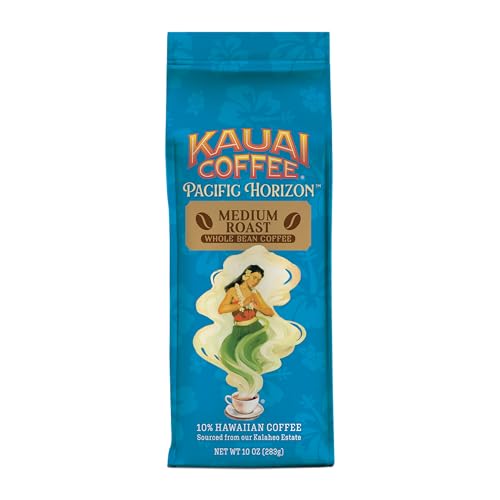
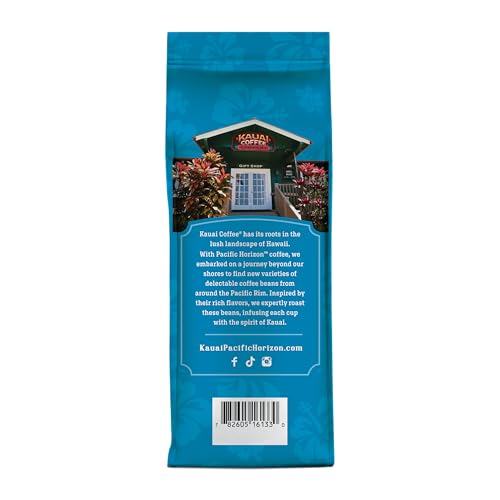
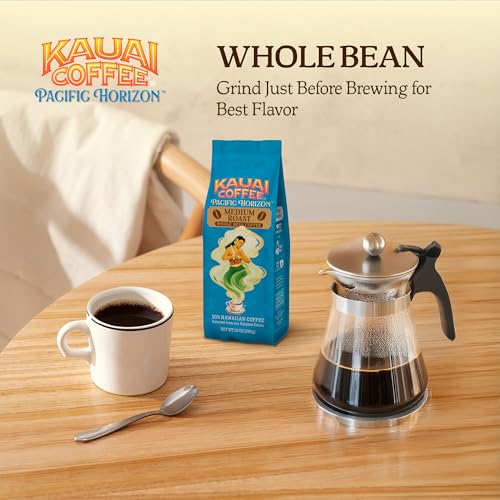
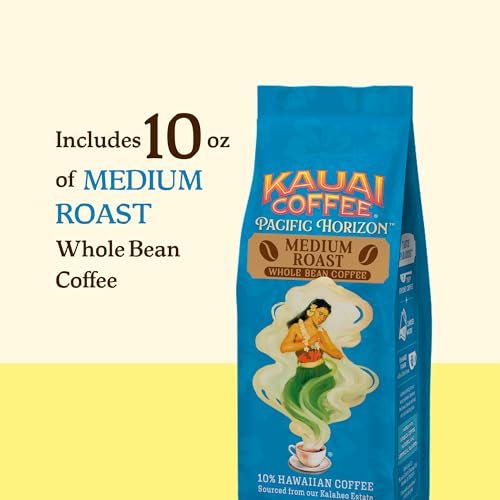
Hawaiian coffee has a reputation for being smooth and clean, and Kauai Coffee delivers on that promise. On paper, the Koloa Estate Medium Roast checks the right boxes, 100% Arabica, grown in volcanic soil, with light floral and bright aromatic notes that owners consistently report as pleasant and approachable. It’s not the most complex or intense single origin, but it’s clearly crafted for drinkability over boldness, which works well for those who want a gentle, non-bitter morning cup without sharp acidity or heavy roast tones.
What stands out is its origin story, being grown on Hawaii’s largest coffee farm gives it legitimacy, and the emphasis on freshness and whole beans aligns with best practices for quality preservation. Reviewers note it lacks the depth of smaller-batch Hawaiian roasts, but for its price and accessibility, it’s a solid ambassador for Hawaiian-grown coffee. I’d pick this over mass-market blends any day if you’re looking for a clean, easy-drinking medium roast with subtle island character.
Product photos
How We Picked These gourmet coffee beans
Rather than a hands-on lab test, this was a research-led comparison of published specifications, features, and – crucially – owner and expert reviews. I focused on identifying patterns in feedback to understand real-world satisfaction. We assessed dozens of options, ranking them against criteria including bean origin, roast level, flavor profiles, and ethical sourcing practices. This involved weighing information from coffee publications and, most importantly, analyzing thousands of customer opinions.
For gourmet coffee beans, the most heavily weighted factors were flavor complexity and freshness. A truly great bean delivers nuanced tasting notes and a vibrant aroma, and that relies on both quality sourcing and recent roasting. We also prioritized direct trade and organic certifications, acknowledging the growing consumer demand for ethically produced coffee and the impact this has on flavor development. Understanding characteristics of light roast beans was also key, as roast level heavily influences the final cup.
Specifications reliably indicate bean origin and roast level, providing a baseline understanding of potential flavor profiles. However, interpreting those profiles – and assessing actual freshness – required leaning heavily on owner feedback. Reviews revealed which beans consistently delivered on promised flavors and which brands prioritized quality packaging to maintain freshness. Expert reviews helped validate nuanced flavor descriptions and identify coffees with unique processing methods.
How To Pick The Right gourmet coffee beans
Finding the right gourmet coffee beans can feel overwhelming, but focusing on a few key factors will steer you toward a better cup.
A truly excellent coffee bean delivers a complex and balanced flavor profile, stemming from careful sourcing, meticulous processing, and skilled roasting. Buyers should prioritize single-origin beans for clarity of flavor, consider roast level to match their brewing method, and look for evidence of freshness – whole bean format and recent roast dates are crucial indicators.
Roast Level & Flavor Profile
I often tell people that roast level is the biggest lever you have to pull when shaping the taste of your coffee. A lighter roast will emphasize the origin characteristics of the bean – the floral notes of an Ethiopian Yirgacheffe, for example – while a darker roast will create a bolder, more chocolatey, and sometimes smoky flavor. Don’t be afraid to experiment! Many roasters, like those offering Latin-style espresso from Café Gaviña, will clearly state the intended brewing method on the bag, which can be a helpful starting point.
Sourcing & Processing Methods
The story behind your beans matters, and increasingly, consumers are looking for ethically sourced options. Direct Trade, as practiced by Stumptown, is a great sign; it implies a commitment to fair prices and long-term relationships with farmers. Beyond that, pay attention to processing methods. Washed coffees tend to be cleaner and brighter, while natural processed beans often have more fruity and complex flavors. These choices significantly influence the final taste, impacting your overall experience when selecting high-quality beans.
Freshness & Packaging
Coffee beans begin to stale quickly after roasting, losing their aromatic compounds and flavor complexity. Always look for a roast date – not just a “best by” date – and aim to use your beans within a few weeks of that date. Whole bean format is essential, as pre-ground coffee loses freshness much faster. Consider this:
- A small bag (12oz or less) ensures you’ll use the beans before they go stale.
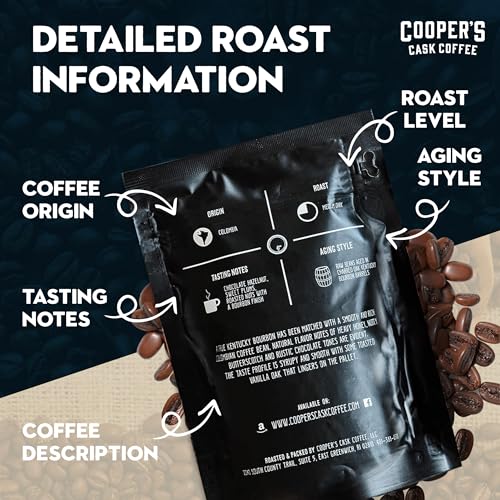
- A resealable bag, like those used by Bourbon & Whiskey Barrel Aged Coffee, helps preserve freshness.
- Storing beans in an airtight container, away from light, heat, and moisture, is critical. Ignoring these points means you’re sacrificing flavor, and you could be wasting money. Check for signs of stale coffee beans if you’re unsure.
A useful rule of thumb: Buy coffee in quantities you can reasonably consume within two weeks, and always store it properly.
Gourmet Coffee Beans Compared
Here’s a comparison of the specifications for the featured gourmet coffee beans.
| Product Title | Bean Type | Roast Level | Origin | Package Size | Key Features |
|---|---|---|---|---|---|
| Atlas Coffee Club World of Coffee Discovery Set | Arabica | Varies | Multiple | 8 x 1.8oz | Sampler, Postcards |
| Cooper’s Cask Gourmet Coffee Sampler Gift Box | Arabica | Varies | Kenya, Ethiopia, Sumatra, Rwanda | 4 x 4oz | Single-Origin Variety |
| Bourbon & Whiskey Barrel Aged Coffee Box Set | Arabica | Varies | Multiple | Varies | Barrel-Aged Flavor |
| Stumptown Holler Mountain Organic Whole Bean Coffee | Arabica | Medium | Multiple | 12oz | Organic, Direct Trade |
| Cafe Quindio 100% Colombian Excelso Whole Bean | Arabica | N/A | Colombia | N/A | 100% Colombian |
| Gaviña Old Havana Espresso Whole Bean Coffee | Arabica | Medium-Dark | N/A | 32oz | Espresso Blend |
| Lavazza Super Crema Whole Bean Coffee | Arabica/Robusta | Medium | 15 Countries | 2.2lb | Budget Friendly |
| Mt. Comfort Coffee Organic Peru Medium Roast | Arabica | Medium | Peru | 2.5lb | Large Bag, Value |
| Kauai Coffee Koloa Estate Medium Roast | Arabica | Medium | Hawaii | N/A | Hawaiian Grown |
Frequently Asked Questions
What roast level is best for trying single-origin coffees?
A lighter roast is generally best, as it allows the unique flavors of the bean’s origin to shine through. Darker roasts tend to mask those subtle nuances with the flavors imparted by the roasting process itself.
Are larger bags of coffee beans a good value?
Not necessarily. While a larger bag might seem cheaper per ounce, the flavor degrades quickly after roasting, so a smaller bag (12oz or less) is preferable to maintain freshness.
What does “Direct Trade” really mean for coffee quality?
Direct Trade suggests the roaster has a close relationship with the farmers, paying fair prices and supporting sustainable practices. This often leads to better bean quality because farmers are incentivized to focus on exceptional growing and processing methods.
Can I freeze coffee beans to extend their shelf life?
You can, but it’s not ideal. Freezing can cause moisture to accumulate when thawed, which impacts flavor. If you must freeze, divide the beans into airtight portions and use them directly from frozen, avoiding repeated thawing and freezing.
What’s the difference between Arabica and Robusta beans?
Arabica vs Robusta beans differ significantly in flavor profile, caffeine content, and growing conditions. Arabica is generally smoother and more aromatic, while Robusta is bolder, more bitter, and contains nearly double the caffeine.
The Bottom Line
Choosing gourmet coffee beans often comes down to balancing control over your experience with convenience. If you want to explore a wide range of flavors and origins, the Atlas Coffee Club World of Coffee Discovery Set is an excellent starting point. However, for consistently exceptional quality and a commitment to ethical sourcing, I believe Stumptown Holler Mountain Organic Whole Bean Coffee represents the best overall choice.
For those seeking specific needs, the Bourbon & Whiskey Barrel Aged Coffee Box Set delivers a truly unique and memorable flavor experience, while Mt. Comfort Coffee Organic Peru Medium Roast offers fantastic value in a larger bag. If you’re looking for a budget-friendly option that doesn’t compromise entirely on taste, Lavazza Super Crema Whole Bean Coffee is a solid pick.
Ultimately, the ‘best’ coffee bean isn’t about any single specification. It’s about finding a roast level you enjoy, understanding where your beans come from, and – most importantly – prioritizing freshness. A consistently fresh supply of whole beans, stored properly, will always yield a far superior cup than stale, pre-ground coffee, regardless of price or brand. Don’t be afraid to explore dark roast gourmet beans either – the richer flavors can be very rewarding.
