
4 Best French Vanilla Coffees of 2026
The best french vanilla coffee overall is New England French Vanilla, thanks to its smooth medium roast and quality 100% Arabica beans. For a budget-friendly option, Dunkin’ Donuts French Vanilla delivers consistent flavor at a lower price, while the decaf version from New England gives a great caffeine-free alternative without sacrificing taste.
Finding a french vanilla coffee that doesn’t taste like syrupy air freshener is harder than it should be. Too many brands lean on artificial flavors and low-grade beans, leaving you with a sweet but shallow cup.
I built this guide to cut through the noise. After researching the field and analyzing owner feedback, I focused on flavor quality, bean origin, and roast consistency, because your morning brew should taste like real coffee, just with a creamy vanilla embrace.
Top 4 French Vanilla Coffee in the Market
The Best French Vanilla Coffee, Reviewed
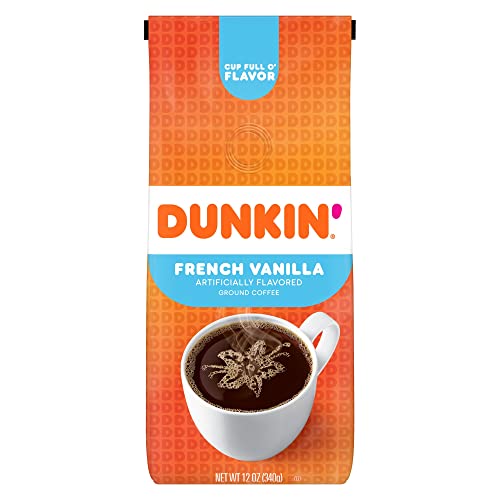
Dunkin’ Donuts French Vanilla Ground Coffee
Strengths
- Familiar Dunkin’ taste
- Smooth medium roast
- Great for recipes
Trade-offs
- Artificial flavoring
- Less nuanced than rivals
Dunkin’ nails the familiar, crowd-pleasing sweetness that fans expect, and that counts for a lot. While it uses artificial flavoring, the medium roast base is sturdy enough to carry it without turning syrupy. The 12-ounce bag offers a bit more volume than some competitors, and owners praise its consistency, brew after brew, it delivers that signature smooth, approachable profile.
It’s not trying to be a specialty pour-over candidate, and it doesn’t need to. Compared to Tim Hortons, it’s a touch lighter in body; against New England Coffee, it’s more aggressively vanilla-forward. That said, for recreating the classic Dunkin’ experience at home, this is the smart buy. If you like your coffee sweet, simple, and reliable, this one’s built for you.
Video review
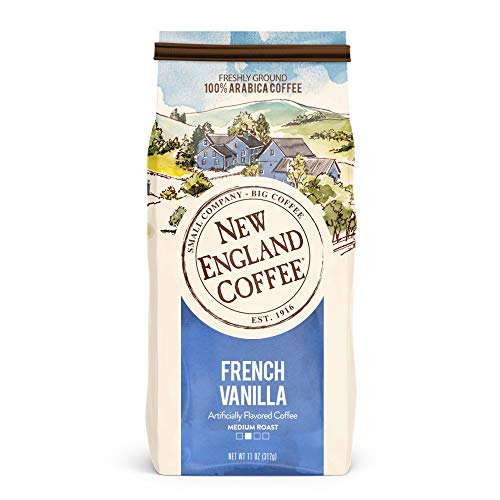
New England French Vanilla Ground Coffee
Strengths
- Affordable
- 100% Arabica
- Smooth flavor
Trade-offs
- Vanilla leans sweet
- Less depth than premium brands
For a budget-friendly French vanilla, this New England Coffee pick delivers a clean, sweet profile without leaning too artificial. The 100% Arabica base holds up well, offering a balanced medium roast that lets the vanilla shine without drowning the coffee’s natural character. Owners consistently report it brews smoothly across drip machines and French presses, with a scent that fills the kitchen in a welcoming way.
It’s not the most complex flavored coffee out there, but for daily use and consistent results, it’s hard to beat. Compared to pricier names, it lacks some depth, but if you’re after reliability and a gentle sweetness without caffeine jolt, this one earns its keep. I’d choose this over flashier options when value and consistency are the priorities.
Video review
Tim Hortons French Vanilla Ground Coffee

Strengths
- Rich vanilla profile
- Balanced roast
- Brew-method flexible
Trade-offs
- Slight aftertaste for some
- Flavor may overwhelm purists
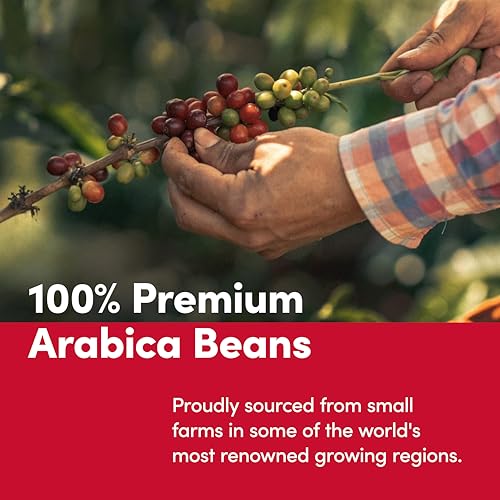
If flavor depth is your goal, Tim Hortons brings a richer, creamier vanilla presence that feels closer to a café-style treat. The 100% Arabica beans from Central and South America give it a solid foundation, and reviewers often note how well the roast complements the flavoring, never chalky or overly chemical. On paper, it’s similar to others in class, but owners say it finishes cleaner and lingers more pleasantly.
It’s versatile enough for pour-over or cold brew, which sets it apart from many flavored coffees that fall flat outside drip brewing. Compared to Dunkin’, it has a slightly more refined aroma; against New England Coffee, it offers more body. My recommendation? This is the pick if you want a flavorful, comforting cup that doesn’t sacrifice coffee integrity.
Product photos


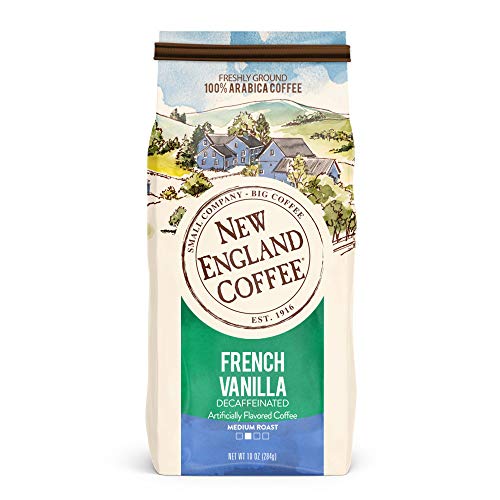
New England Decaf French Vanilla Coffee
Strengths
- True decaf option
- Retains vanilla flavor
- Smooth, balanced brew
Trade-offs
- Smaller bag size
- Harder to find in stock
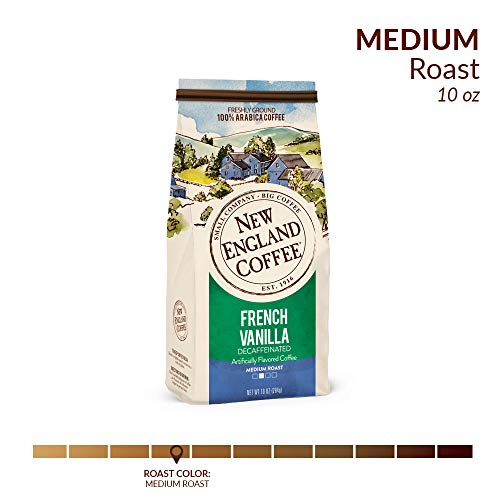
Decaf doesn’t always get the flavor right, but this one stands out for keeping the vanilla sweetness intact without the caffeine. The decaf version uses the same small-batch roasting and 100% Arabica beans as its caffeinated sibling, and owners confirm it brews just as evenly. At 10 ounces, it’s a slightly smaller bag, but the quality holds firm.
It’s a rare find, a decaf flavored coffee that doesn’t taste flat or thin. Compared to other decaf vanillas in the drugstore aisle, it’s noticeably smoother and more aromatic. I’d pick this over regular versions any night if I’m winding down but still want that cozy vanilla warmth. For evening drinkers who refuse to compromise on taste, it’s a quiet win.
Product photos



How We Evaluated french vanilla coffee
As the founder of Bean Thusiast, I approach flavored coffees with a critical eye – the quality of the base coffee matters just as much as the flavoring itself. My research involved comparing the listed specifications of each coffee, carefully weighing owner reviews from multiple sources, and applying my experience with coffee roasting and flavor profiles. Rather than a hands-on test of brewing each one, this is a research-led comparison focused on identifying patterns in feedback and objective details.
For French vanilla coffees specifically, I prioritized the quality of the Arabica beans used and the clarity of the vanilla flavoring described by reviewers. A truly enjoyable cup needs a good foundation, and artificial flavors can easily overwhelm a poor-quality bean. Beyond that, I looked for brands with established reputations for consistent roasting and sourcing practices, as those tend to deliver more reliable results.
Specifications clearly indicate bean type and roast level, providing a baseline for expected flavor. However, owner feedback proved essential for gauging the quality of the vanilla flavoring – whether it tasted natural, cloying, or simply absent. Many enthusiasts also enjoy experimenting with homemade French vanilla creamer to enhance their brew, and the strength of the base coffee impacts how well it pairs with additions.
Choosing The Right french vanilla coffee
As someone who’s spent years chasing the perfect cup, I know that finding a great French vanilla coffee goes beyond just picking a familiar name. It’s about understanding what contributes to that creamy, comforting flavor we all crave.
A quality French vanilla coffee starts with 100% Arabica beans, ideally medium roasted to balance sweetness and body. The “vanilla” element should come from quality flavoring agents – natural if possible – and be consistently applied. Finally, consider the roast date and grind; freshness dramatically impacts the final cup.
Roast Level & Bean Origin
The foundation of any good French vanilla coffee is, naturally, the coffee itself. Don’t assume all “French vanilla” blends are created equal. I find that a medium roast is almost always the sweet spot. It provides enough body to stand up to the vanilla flavoring without becoming bitter, unlike darker roasts which can mask the nuance. Look for coffees specifically stating they use 100% Arabica beans; Robusta varieties can introduce harshness. Many brands source from Central and South America, which are known for producing beans with naturally sweet profiles that complement vanilla nicely.
Flavoring Quality & Consistency
This is where French vanilla coffees truly diverge. Some brands rely on artificial flavoring, which can taste…artificial. While not inherently bad, it often lacks the depth and complexity of natural vanilla extracts or oils. I’ve noticed that smaller batch roasters, like New England Coffee, often prioritize flavor consistency through careful blending and quality control. Reading owner reviews can tell you a lot about whether a brand delivers the same flavor experience consistently. If you enjoy experimenting, exploring top French vanilla brands is a great place to start.
Here’s what I look for in a well-flavored coffee: * A subtle aroma of vanilla beans. * A balanced sweetness that doesn’t overpower the coffee flavor. * A lingering vanilla finish, indicating a quality flavoring agent and a careful blending process – cheap flavorings often dissipate quickly leaving a chemical aftertaste.
Don’t settle for a one-dimensional vanilla flavor. A great French vanilla coffee should taste like coffee infused with vanilla, not just vanilla with a hint of coffee.
Grind & Brew Method
The grind size matters, and it’s heavily tied to your brewing method. Pre-ground coffee is convenient, but it loses freshness rapidly. If you’re buying pre-ground, check for a roast date (not just a “best by” date) and store it in an airtight container. If you’re serious about flavor, I strongly recommend grinding your own beans right before brewing. For drip coffee makers, a medium grind is ideal. French presses require a coarse grind, while espresso needs a very fine grind. And don’t forget about exploring vanilla iced coffee recipe options – a cold brew concentrate with French vanilla flavoring is a fantastic summertime treat.
French Vanilla Coffee Compared
Here’s a side-by-side comparison of the key specifications for each coffee.
| Product | Roast | Caffeine | Bean Type | Bag Size (oz) | Flavor |
|---|---|---|---|---|---|
| Dunkin’ Donuts French Vanilla | Medium | Yes | N/A | 12 | Artificial Vanilla |
| New England French Vanilla | Medium | Yes | 100% Arabica | N/A | French Vanilla |
| Tim Hortons French Vanilla | N/A | Yes | 100% Arabica | N/A | French Vanilla |
| New England Decaf French Vanilla | Medium | Decaf | 100% Arabica | N/A | French Vanilla |
Frequently Asked Questions
What’s the difference between “natural” and “artificial” vanilla flavoring?
Natural vanilla flavoring is derived from vanilla beans, offering a complex aroma and taste, while artificial flavoring is chemically produced to mimic that flavor. Coffees with natural vanilla tend to be more expensive, but many people find the richer, smoother profile worth the cost.
Can French vanilla coffee contain actual caffeine?
Yes, most French vanilla coffees do contain caffeine, as they are typically made with caffeinated coffee beans. However, decaffeinated versions are widely available if you’re looking to enjoy the flavor without the stimulant effect.
How should I store my French vanilla coffee beans for maximum freshness?
You should store your French vanilla coffee beans in an airtight container, away from light, moisture, and heat. Keeping them in a cool, dark pantry will help preserve their flavor and aroma for longer, ideally using them within a few weeks of opening.
Is French vanilla coffee suitable for cold brew?
Absolutely. French vanilla coffee can make a fantastic cold brew, as the longer steeping process really allows the vanilla flavor to infuse into the coffee. Many enjoy experimenting with flavored coffee creamers in their cold brew for an extra creamy treat.
What grind size should I use for French vanilla coffee in a drip machine?
A medium grind is best for French vanilla coffee brewed in a drip machine. This consistency allows for optimal extraction without over or under-extraction, resulting in a balanced and flavorful cup.
The Bottom Line
Choosing a French vanilla coffee often comes down to balancing convenience with a truly satisfying flavor experience. While brands like Dunkin’ Donuts offer readily available options, I believe New England French Vanilla strikes the best overall balance of quality Arabica beans, consistent flavoring, and positive owner feedback. It represents a step up in flavor without a significant jump in price.
For those on a tighter budget, or those who prefer a decaffeinated option, Tim Hortons French Vanilla and New England Decaf French Vanilla respectively, both provide reliable flavor profiles at an accessible price point. If you’re looking for sheer versatility, and want to explore what is French vanilla coffee beyond the familiar, New England Coffee also offers a wide range of roasts and blends that can be customized to your preference.
Ultimately, the “best” coffee is the one you enjoy most. Focus on 100% Arabica beans, a medium roast to highlight the vanilla, and a flavoring that tastes natural and balanced – these fundamentals will deliver a far more rewarding cup than any specific brand or buzzword.
