8 Best Coffee Without Chemicals 2026
The best coffee without chemicals, based on rigorous sourcing standards and contaminant testing, is Lifeboost Medium Roast Ground Coffee. For those on a budget, Natural Force Organic Mold Free Coffee delivers unmatched transparency and purity. Java Planet Organic Colombian Beans is a strong runner-up with excellent traceability.
Most people just want a clean cup of coffee without worrying about hidden toxins or misleading labels. But between vague claims like “natural” and inconsistent certifications, it’s hard to know what’s truly safe and well-sourced.
This guide cuts through the noise. I compared top coffees using verified organic status, third-party testing for mycotoxins and heavy metals, and real user feedback on smoothness and digestibility. These picks aren’t just clean, they taste great and come from brands that prioritize transparency.
Top 8 Coffee Without Chemicals in the Market
The Best Coffee Without Chemicals, Reviewed
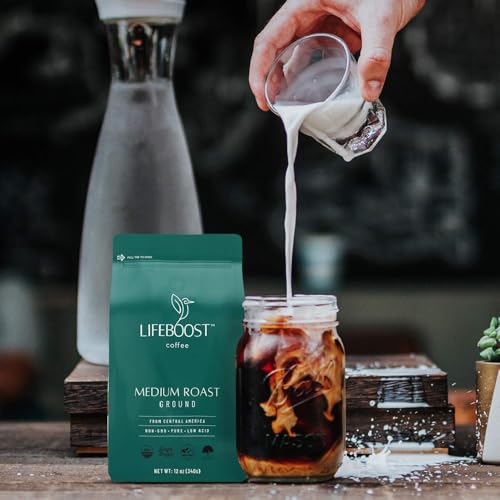
Lifeboost Medium Roast Ground Coffee

Strengths
- Third-party tested for 400+ toxins
- Low acid
- Bird Friendly
- USDA Organic
Trade-offs
- Pre-ground limits shelf life
- Slight premium over basic organic
Lifeboost checks nearly every box for the health-conscious coffee drinker. It’s USDA Organic, single-origin from Central America, shade-grown, bird-friendly, and third-party tested for mycotoxins, pesticides, heavy metals, and over 400 other toxins. Owners rave about its smoothness and lack of stomach upset, even among people who’ve quit coffee due to acid issues. The medium roast is bright but gentle, with a clean finish that suggests real care in processing.
It’s also one of the few brands that combine low acid with full traceability and lab transparency. Compared to Bulletproof or Natural Force, it feels more balanced, not just a functional beverage, but one that still delivers pleasure. The ground version loses a point for freshness, but for buyers who value purity above all, this is the most complete package.
Product photos



Natural Force Organic Mold Free Coffee

Strengths
- Lab-tested for multiple toxins
- High antioxidants
- Low acid
- USDA Organic
Trade-offs
- Small bag size
- Premium price
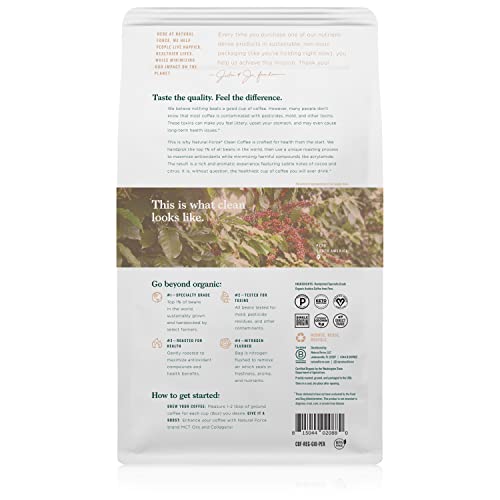
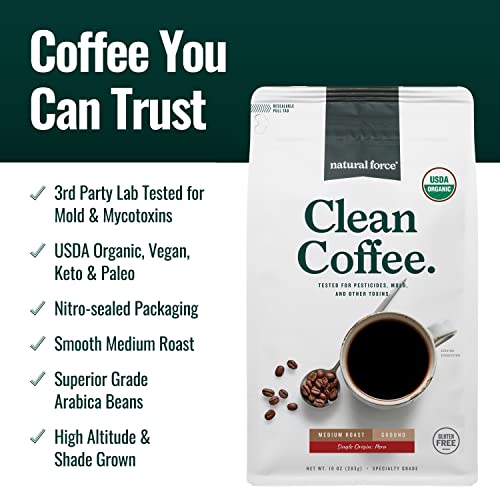
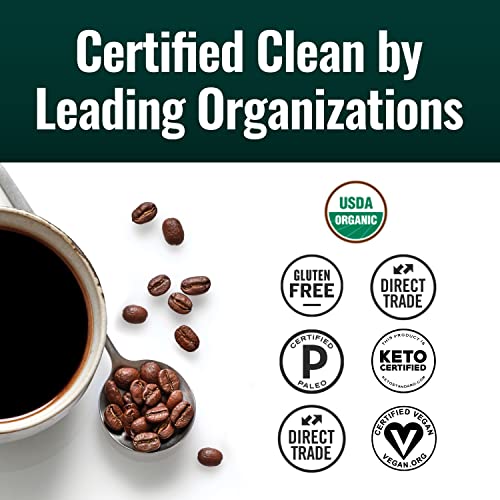
When it comes to toxin-free claims, Natural Force doesn’t leave room for doubt. This coffee is third-party tested for mold, mycotoxins, acrylamide, heavy metals, and gluten, and they publish the results. Owners consistently praise its clean taste and lack of stomach irritation, which suggests the testing isn’t just marketing. The low acidity and high CGA (chlorogenic acid) content make this a favorite among keto and paleo communities.
It’s a medium roast, ground, and only 10 ounces per bag, smaller and pricier per ounce than most. But if your priority is maximum purity and you’re sensitive to contaminants, that trade-off makes sense. Compared to Lifeboost or Bulletproof, it’s more transparent about lab results. For buyers who’ve had bad reactions to conventional coffee, this might be the safest starting point.
Product photos
Java Planet Organic Colombian Beans

Strengths
- Bird Friendly certified
- Third-party tested
- Low acid profile
- Shade grown
Trade-offs
- Limited roast options
- Slightly muted flavor for bold coffee lovers
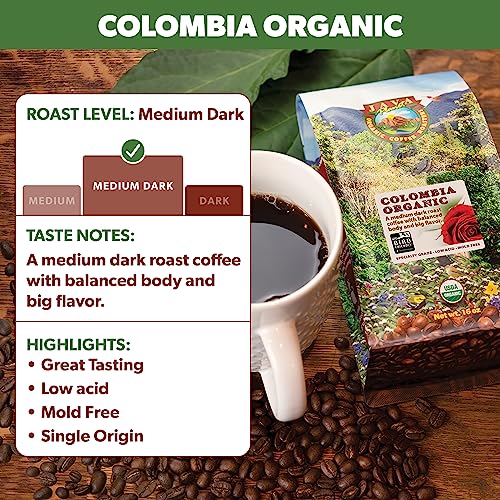
If you care about both environmental stewardship and coffee purity, Java Planet makes a strong case. This Colombian whole bean coffee is USDA Organic, shade-grown, and Bird Friendly certified by the Smithsonian, a rare combo that signals serious commitment to sustainable farming. The low-acid profile is backed by owner feedback, with drinkers noting a smooth, balanced cup without bitterness, ideal for sensitive stomachs.
What seals the deal is the third-party testing for mold, mycotoxins, and heavy metals. That level of transparency is still uncommon, even among organic brands. Compared to other “clean” coffees, Java Planet doesn’t hype extreme antioxidant levels or detox claims, it just delivers quality, straightforward coffee with verifiable integrity. I’d pick this over flashier brands that lack certified growing practices.
Product photos



VitaCup Low Acid Dark Roast

Strengths
- Smooth dark roast
- Low acid
- Third-party tested
Trade-offs
- No published lab results
- Limited origin variety
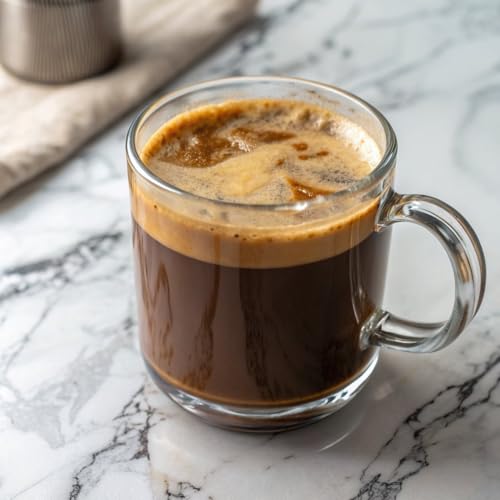
VitaCup’s dark roast stands out in a category dominated by medium roasts. Most low-acid coffees mute flavor to reduce irritation, but this single-origin Guatemalan ground coffee keeps depth, owners describe a smooth, chocolaty richness that works well in French press or drip. It’s USDA Organic, Fair Trade, and third-party tested for mycotoxins, which adds credibility to its ‘clean’ claim.
The grind is fine enough for most brewers, including reusable K-cups, which adds versatility. That said, it’s not as aggressively tested as Natural Force or Lifeboost, and it doesn’t publish full lab reports. But for a dark roast that’s gentle on the stomach and still full-flavored, it’s one of the few real options out there. I’d recommend it over standard dark roasts for anyone who loves bold coffee but pays the price with acid reflux.
Product photos
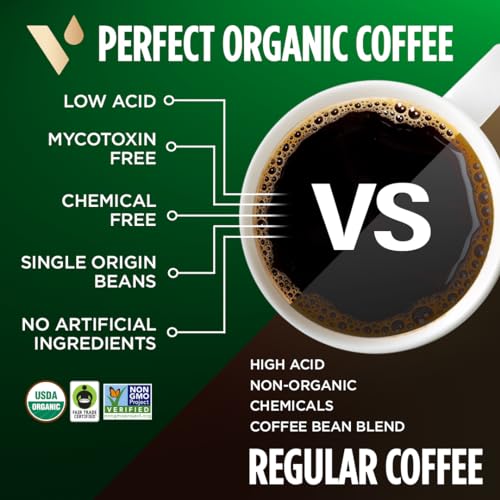

Bulletproof Original Ground Coffee

Strengths
- Toxin tested
- Rainforest Alliance certified
- Smooth flavor
Trade-offs
- Pre-ground limits freshness
- No mycotoxin lab results published
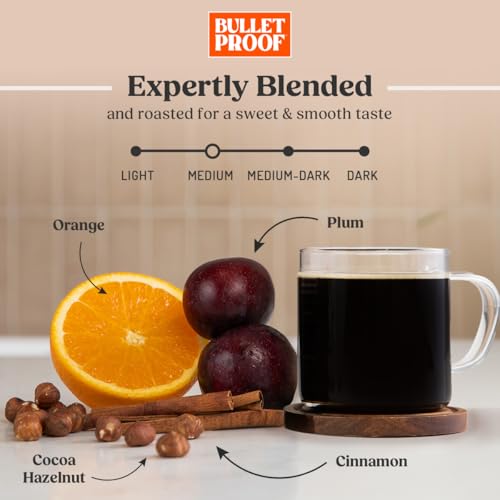
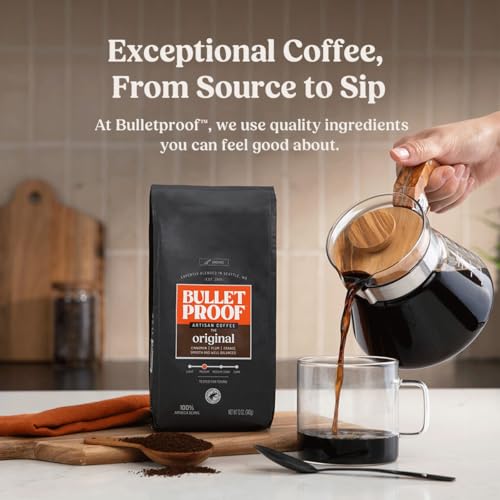
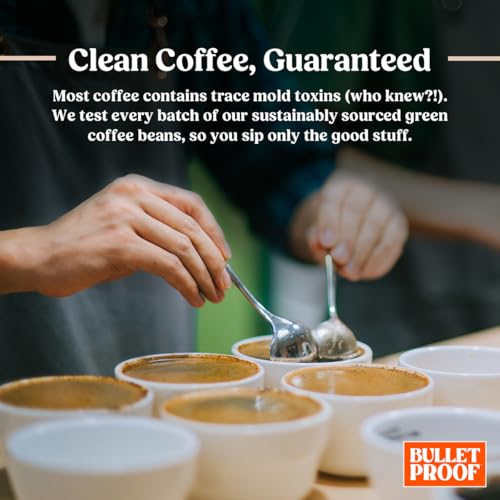
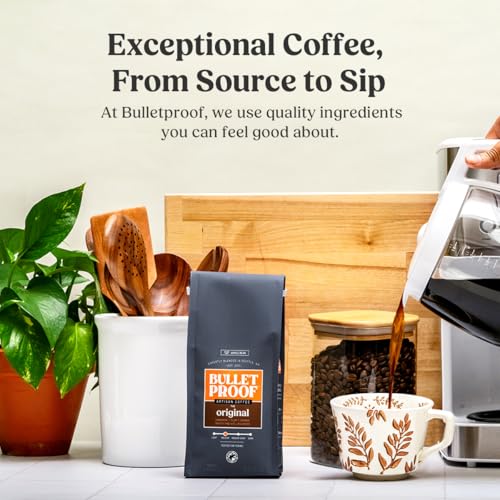
Bulletproof built its name on the idea of ‘clean’ coffee, and this ground version of their Original blend delivers on that promise, at least on paper. It’s sourced from Rainforest Alliance Certified farms and undergoes additional toxin testing on every batch of green beans, which owners say translates to a smooth, consistent cup without brain fog or jitters. The flavor profile, plum, orange, cinnamon, cocoa, sounds fancy, but most reviewers describe it as pleasantly balanced, not overly bold.
That said, it’s pre-ground, so you lose some freshness and control. If you’re already buying into the Bulletproof ecosystem, this is a convenient way to get their tested coffee without grinding it yourself. Still, the whole bean version offers better flavor retention, and for the same price, I’d go that route if freshness matters to you.
Product photos
Amazon Fresh Organic Peru Coffee
Strengths
- Affordable
- USDA Organic
- Fair Trade certified
Trade-offs
- Pre-ground only
- No third-party purity testing
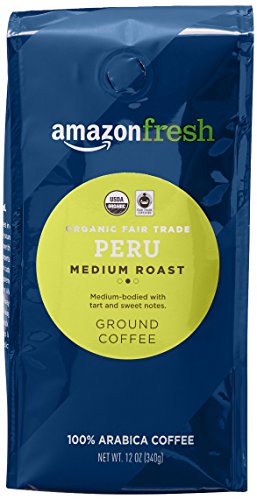
This is a no-frills, dependable organic coffee that punches above its weight for the price. On paper, it’s standard medium roast 100% Arabica from Peru, USDA Organic and Fair Trade certified, roasted in the U.S. Owners consistently report it delivers a clean, smooth cup with mild brightness and no harshness, exactly what you’d want from a morning brew when you’re avoiding chemicals and additives.
It’s pre-ground, which means you sacrifice some freshness, but for buyers who prioritize convenience and value, this hits the sweet spot. Compared to pricier toxin-tested brands, it doesn’t advertise lab results for mycotoxins or heavy metals, so if purity is your top concern, look elsewhere. But for an everyday organic option that’s ethically sourced and consistent, this Amazon Fresh pick stands out.
Product photos


Death Wish Organic Medium Roast

Strengths
- High caffeine
- Fair Trade and organic
- Smooth for its strength
Trade-offs
- Robusta blend may taste bitter to some
- Not low acid
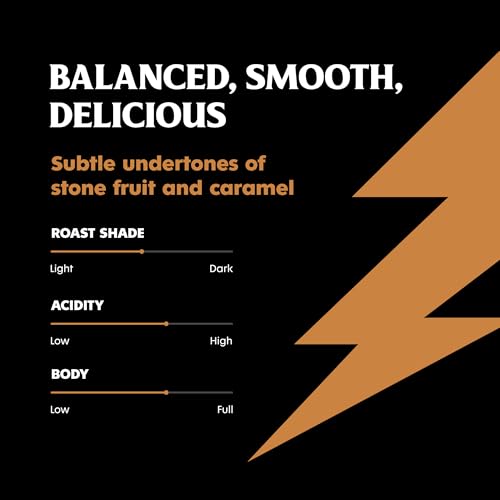
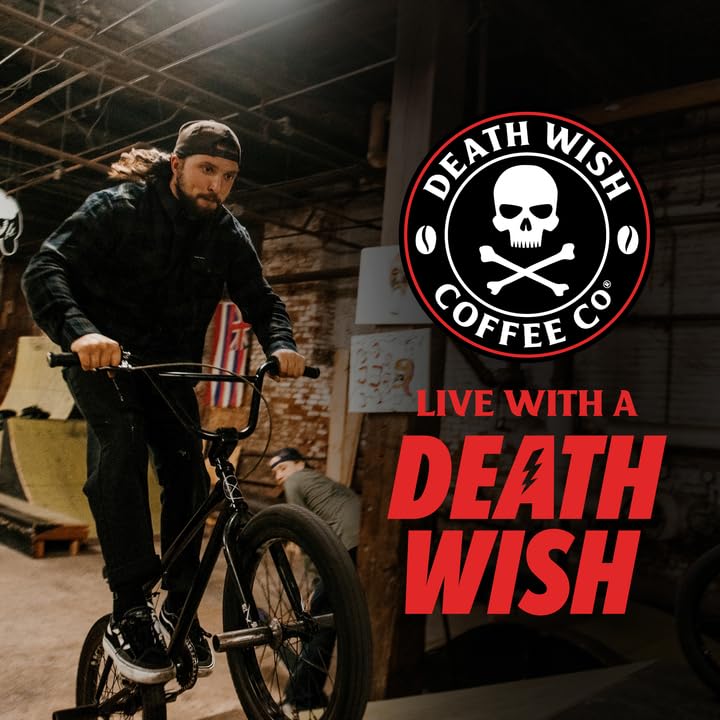
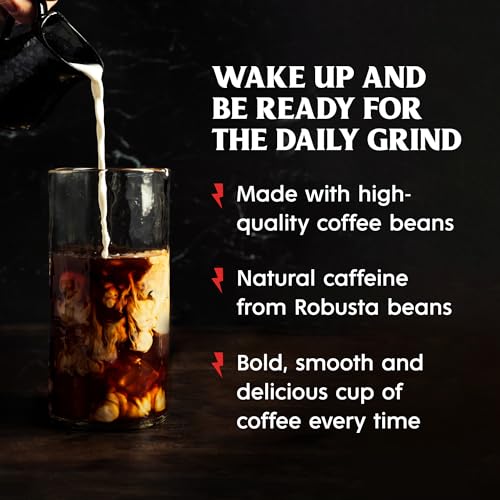
Don’t let the name fool you, this isn’t just a caffeine bomb. Death Wish’s organic medium roast blends Arabica and Robusta beans, delivering ~165mg of caffeine per 6oz cup, which is high but not extreme. What’s more impressive is its USDA Organic and Fair Trade certification, which is rare for a brand known for strength. Owners report a surprisingly smooth cup with notes of stone fruit, caramel, and roasted nuts, not the harshness you’d expect from high-caffeine coffee.
Still, the Robusta content means it’s not for everyone. If you’re chasing purity and low acidity, this won’t be your pick. But if you want bold flavor, ethical sourcing, and a clean energy boost without artificial stimulants, this stands out in a category often dominated by hype. Compared to other fair trade options, it’s more intense, both in flavor and effect.
Product photos
Bulletproof Original Whole Bean Coffee

Strengths
- Toxin tested
- Whole bean freshness
- Smooth flavor
- Rainforest Alliance
Trade-offs
- No published lab data
- Not low acid
This is the smarter choice if you’re buying Bulletproof, go whole bean and grind fresh. Like its ground sibling, it’s Rainforest Alliance Certified and tested for toxins on every batch, with a flavor profile that leans into plum, orange, and hazelnut notes. Owners note a smooth, clean cup without the fog or jitters, which aligns with the brand’s ‘upgraded’ coffee philosophy.
The real advantage over the ground version? Freshness. Grinding at home preserves aroma and oils, giving you a noticeably livelier cup. Compared to Java Planet or Lifeboost, it doesn’t publish full lab reports or carry Bird Friendly certification, but it’s still one of the more trusted names in clean coffee. If you want a hassle-free, consistently clean bean without diving into niche brands, this is a solid baseline.
Product photos
How We Chose These coffee without chemicals
When researching coffees marketed as “chemical-free” – or, more accurately, low-toxin and organic – I focused on a combination of published specifications, owner reviews, and expert assessments. Rather than a hands-on lab test, this was a research-led comparison of stated growing practices, third-party certifications, and what customers are actually saying about the taste and effects of each coffee. I weighed the claims against the brands’ reputations and overall transparency.
For this category, the most important factors were third-party testing for mycotoxins and heavy metals, and certification of organic growing practices. Coffee beans are susceptible to mold, and many consumers actively seek options minimizing these potential contaminants. Beyond purity, a smooth, low-acid profile was also heavily weighted, as it directly addresses a common concern for those sensitive to coffee’s acidity.
Specifications reliably tell you about bean origin, roast level, and certifications like USDA Organic or Fair Trade. However, owner feedback provided crucial insight into the actual smoothness and flavor profile, as well as whether drinkers experienced digestive issues or other sensitivities. Reputable coffee blogs and review sites helped corroborate claims around taste and sourcing, and I also looked for brands that freely share their testing results – a real sign of confidence. You can learn more about alternative coffee brewing techniques brew coffee without a pot.
How To Choose The coffee without chemicals
Finding truly clean coffee can feel like a real challenge. I’ve seen a lot of greenwashing in this space, and consumers deserve better than just “organic” claims.
A truly good coffee prioritizes sourcing from farms with transparent practices. Look beyond organic certification to see if the roaster provides details about mycotoxin testing, heavy metal analysis, and overall bean purity. Low acidity is a plus for many, but shouldn’t come at the expense of flavor complexity or ethical sourcing. A focus on single-origin beans often indicates greater traceability.
Bean Origin and Transparency
The first thing I look for is how forthcoming a brand is about where their beans come from. “Central America” is a start, but specifics, like a cooperative in Huehuetenango, Guatemala, are far more reassuring. This level of detail suggests a commitment to traceability and quality control. Java Planet, for example, highlights its Colombian sourcing, and also certifies its beans are mold-free. Don’t be afraid to dig into a company’s “About” page; a genuine commitment to ethical sourcing is usually prominently displayed.
Mycotoxin and Toxin Testing
This is where things get critical. Organic certification doesn’t guarantee a toxin-free cup. Mold and mycotoxins are a massive issue in coffee production, and many brands simply don’t address it. Natural Force really stands out here, proactively testing for a wide range of contaminants and sharing the results openly. If a brand doesn’t mention mycotoxin testing, that’s a red flag. Here’s what to consider:
- Testing frequency matters. A single test is less valuable than ongoing, batch-by-batch analysis.
- The scope of testing is crucial. Look for tests covering mycotoxins (like ochratoxin A and aflatoxin), heavy metals, pesticides, and acrylamide.
- Independent third-party verification adds credibility. Relying on a brand’s in-house lab isn’t as reliable as an independent assessment.
Roast Level and Brewing Method
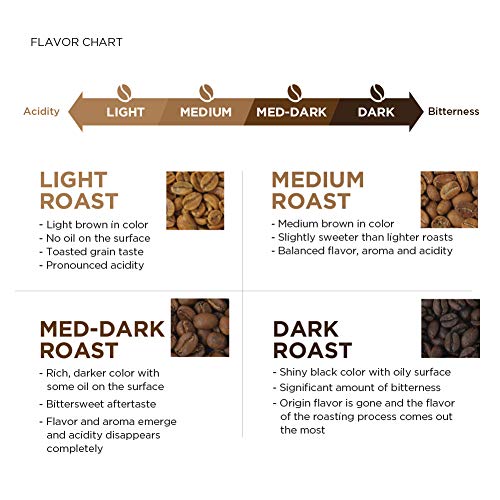
While personal preference rules here, roast level significantly impacts the final cup and how it interacts with your body. Darker roasts, like VitaCup’s dark roast, tend to be lower in acidity, but can mask some of the bean’s inherent flavors. If you’re sensitive to acidity, a darker roast is a good starting point, but don’t write off lighter roasts entirely. And remember, the best beans are wasted if brewed poorly. If you’re looking to simplify things, exploring coffee without specialized equipment like pour-over and French press methods can deliver fantastic results.
A good rule of thumb: prioritize transparency over marketing hype. A brand that openly shares information about its sourcing, testing, and roasting processes is far more trustworthy than one that relies on buzzwords and vague claims.
Coffee Without Chemicals Compared
Here is a comparison of key specifications for coffees marketed as being free of unwanted chemicals and toxins.
| Product Name | Roast Level | Organic | 3rd Party Tested | Low Acid | Fair Trade |
|---|---|---|---|---|---|
| Lifeboost Medium Roast Ground Coffee | Medium | Yes | Yes | Yes | N/A |
| Natural Force Organic Mold Free Coffee | Medium | Yes | Yes | Yes | N/A |
| Java Planet Organic Colombian Beans | Whole Bean | Yes | Yes | Yes | N/A |
| VitaCup Low Acid Dark Roast | Dark | Yes | Yes | Yes | Yes |
| Bulletproof Original Ground Coffee | Medium | N/A | Yes | N/A | Yes |
| Amazon Fresh Organic Peru Coffee | Medium | Yes | N/A | N/A | Yes |
| Death Wish Organic Medium Roast | Medium | Yes | N/A | N/A | Yes |
| Bulletproof Original Whole Bean Coffee | Medium | N/A | Yes | N/A | Yes |
Frequently Asked Questions
What level of certification guarantees the lowest chemical exposure?
USDA Organic certification is a good start, but doesn’t guarantee a toxin-free product. Look for brands that go beyond organic and actively test for mycotoxins and heavy metals, like those offering third-party tested organic coffee.
Do darker roasts actually have less acidity?
Generally, yes, darker roasts tend to be lower in acidity due to the roasting process breaking down certain acids. However, this can sometimes come at the expense of nuanced flavor notes, so consider your priorities.
Is Fair Trade certification related to chemical-free growing?
Not directly. Fair Trade focuses on ethical labor practices and fair prices for farmers, but it doesn’t specifically address chemical use. You’ll want to look for both Fair Trade and organic certifications, or brands that share detailed sourcing information.
How often should coffee be tested for mycotoxins?
Ideally, coffee should undergo batch-by-batch testing for mycotoxins. A single annual test isn’t sufficient, as contamination can vary between harvests and storage conditions. Brands offering certified mold-free organic beans demonstrate a strong commitment to purity.
Where can I find independent verification of a coffee’s testing results?
Finding publicly available, independent lab reports can be tricky. Brands serious about transparency will often display badges from accredited testing facilities or provide links to detailed reports on their website. If you can’t find verification, consider exploring organic coffee free from mold from brands known for their testing protocols.
The Bottom Line
Choosing a coffee that minimizes potential contaminants often comes down to balancing purity with your preferred flavor profile and brewing style. Based on my research, Lifeboost Medium Roast Ground Coffee consistently rises to the top, offering a strong combination of organic certification, third-party testing, and reported smoothness – a great all-around choice for most people.
For those prioritizing absolute purity and detailed transparency, Natural Force Organic Mold Free Coffee is an excellent pick. And if you prefer a darker, less acidic brew with ethical sourcing, VitaCup Low Acid Dark Roast is a solid contender. Remember, exploring manual coffee preparation can further enhance your control over the brewing process.
Ultimately, the “best” coffee without chemicals isn’t about a single specification or brand. It’s about prioritizing transparency in sourcing, seeking out robust testing for mycotoxins and heavy metals, and finding a roast level that suits your palate. A little research into a brand’s practices will go further than any marketing claim.
