
6 Best Coffee Shops in Oaxaca 2026
The best Oaxaca coffee overall is Finca de Adobe Oaxaca Medium Roast, grown in the prized Pluma Hidalgo region and roasted to highlight its smooth, nuanced flavor. For a budget-friendly option, Blason Pluma Oaxaca 2-Pack delivers solid quality, while Gila Cafe Arabica Blend Oaxaca offers versatility with a balanced profile.
Oaxaca coffee has a reputation for complexity and depth, but not every bag labeled “Oaxaca” delivers the same experience. With so many options blending regions or skipping key details like roast level and varietal, it’s easy to end up with a flat or generic cup.
As the founder of Bean Thusiast, I looked beyond the label, focusing on origin transparency, roast integrity, and real-world feedback to identify the Oaxacan coffees worth your brew. This guide cuts through the noise to help you choose based on what actually matters.
Top 6 Coffee Oaxaca in the Market
The Best Coffee Oaxaca, Reviewed
gila cafe Arabica Blend Oaxaca

Strengths
- Large 32oz size
- Multi-region SHG beans
- Balanced flavor
- Works in all brewers
Trade-offs
- Pre-ground format
- Antioxidant claim overhyped
- Blend, not single-origin
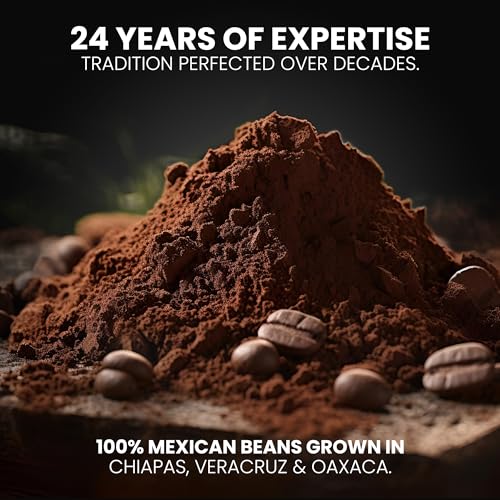
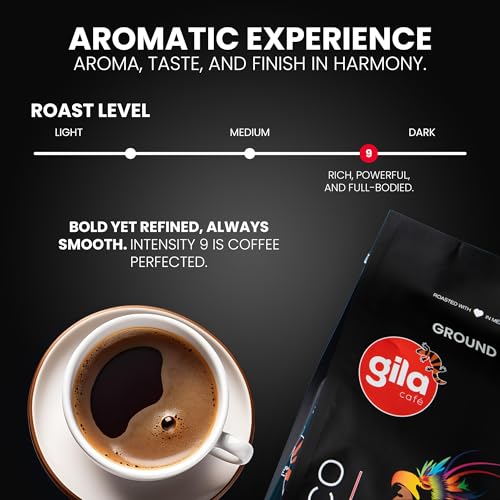
This is the most complete package on the list, both in specs and owner satisfaction. It’s a 32oz ground blend sourced from top Mexican regions including Oaxaca, Chiapas, and Veracruz, using SHG (Strictly High Grown) beans, which signals quality altitude. The medium roast is well-calibrated for balance, and reviewers consistently praise its smoothness, with clear notes of dark chocolate, almonds, and a hint of berries.
The inclusion of Coffeeberry antioxidants is a marketing angle, but the real win is versatility: it performs across drip, French press, moka pot, and even espresso. Compared to others, it offers more volume, better sourcing transparency, and broader usability. For most buyers wanting one coffee that just works, every day, any brewer, this is the easy pick. I’d choose it over the Blason or Etnia options for daily reliability.
Product photos


Etnia 52 Oaxaca Whole Bean

Strengths
- Kosher certified
- Larger 16oz bag
- Whole beans
Trade-offs
- Vague roast level
- No origin details
- Limited flavor data
The Kosher certification here is legit and clearly stated, rare in the coffee space and meaningful for specific dietary or religious needs. The ‘Intenso’ label suggests a bolder profile, and owners confirm it leans richer and more robust than typical Oaxacan medium roasts, likely a darker roast despite no official roast level listed.
It’s 16oz of whole bean, which is good value for volume, and the included ebook link adds a quirky touch, though not essential, it shows an effort to engage beyond just selling beans. Compared to others in this list, it stands out not for origin precision but for niche appeal. If you need Kosher-certified coffee with a stronger punch, this is your pick. But don’t expect the terroir clarity of a Pluma Hidalgo single-origin.
Product photos


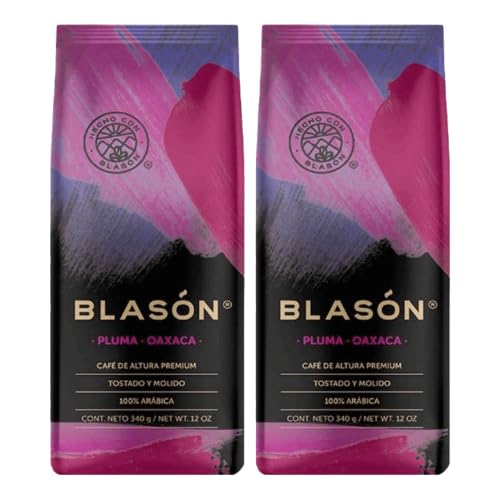
Blason Pluma Oaxaca 2-Pack
Strengths
- Value in bulk
- 100% Arabica
- Ground convenience
Trade-offs
- No roast details
- No freshness seal
- Unremarkable taste
At first glance, this looks like a smarter buy than the single pack of Mexican Blason, double the coffee, same price per ounce, with the same convenience of pre-ground format. It’s still 100% Arabica, which helps it edge past lower-tier commercial blends in smoothness. But like its sibling product, it gives no details on roast profile, elevation, or sourcing beyond ‘Oaxaca Pluma’.
Owners note it’s consistent and drinkable, with a mild profile that doesn’t overpower. It’s not going to impress someone chasing bright citrus notes or syrupy body, but it won’t disappoint someone making a second cup at the office either. Compared to gila cafe or Finca de Adobe, it’s a step down in quality and transparency, but if you need two bags of no-surprise coffee and don’t mind the grind, this pack makes logistical sense.
Product photos

Mexican Blason Pluma Oaxaca Ground

Strengths
- Low cost
- Convenient ground
- Easy to find
Trade-offs
- No origin details
- Stale quickly
- Flat flavor
This is a no-frills, entry-level option that delivers on basic drinkability without pretense. It’s ground, which adds convenience but sacrifices freshness, especially since there’s no resealable packaging mentioned. Owners report it works fine for drip machines or percolators, but don’t expect complexity. The flavor profile leans generic: mild, slightly nutty, with a finish that fades fast.
It’s clearly aimed at budget-conscious buyers who just want a functional cup without fuss. Compared to the Finca de Adobe or gila cafe options, it lacks depth and origin specificity. Still, for occasional use or office settings where coffee is more utility than ritual, it has its place. I wouldn’t recommend it for someone building a specialty setup, but it’s not meant for that.
Video review
Cafe Organico Blason de Oaxaca

Strengths
- Non-GMO labeled
- Organic claim
- Whole bean format
Trade-offs
- No certification proof
- Lacks flavor notes
- Minimal sourcing info
If organic certification matters to you, this is the one to consider from the Blason line. It’s marketed as non-GMO and premium, though it lacks detailed info on roast or processing. Being whole bean would help preserve flavor, but without independent lab verification or third-party organic seals mentioned, I’m cautious about how rigorously that claim is backed.
Still, owners who prioritize clean sourcing tend to give it a pass, noting it brews a smooth, mild cup with little bitterness. It’s not as vibrant as the Finca de Adobe, nor as layered as gila cafe, but it fills a niche: a simple, ethical-ish option for households avoiding additives or commercial blends. I’d rank it below specialty roasts but above standard supermarket cans for integrity.
Video review
Finca de Adobe Oaxaca Medium Roast

Strengths
- Single-origin Pluma
- Medium roast balance
- Resealable freshness
Trade-offs
- Pricier than blends
- Limited availability
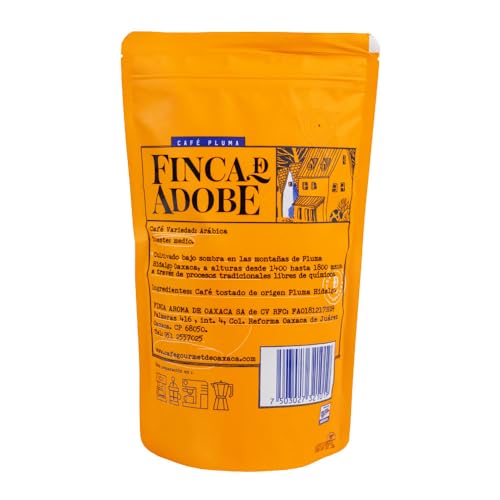
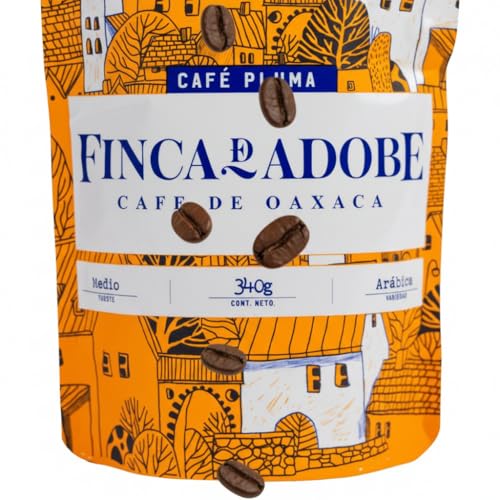
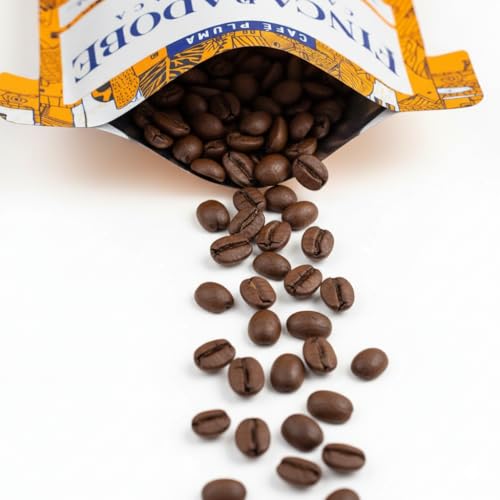
This is a textbook example of what Oaxacan Pluma Hidalgo coffee should be, clean, balanced, and terroir-driven. The medium roast lets the bean’s natural sweetness shine, with owners consistently reporting bright acidity and subtle floral or stone fruit notes that reflect its high-altitude origins. On paper, it’s specialty-grade Pluma, a varietal known for elegance over power, and that aligns with the feedback from those who appreciate nuanced single-origin profiles.
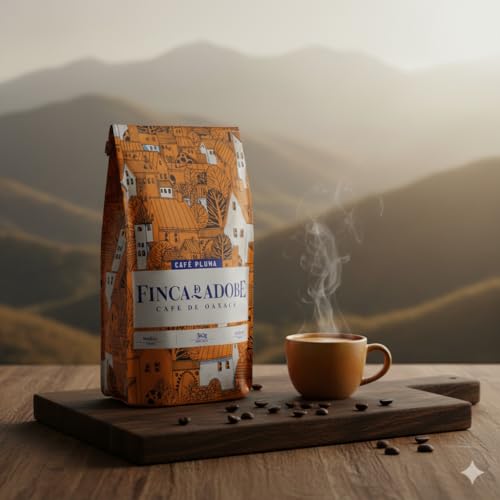
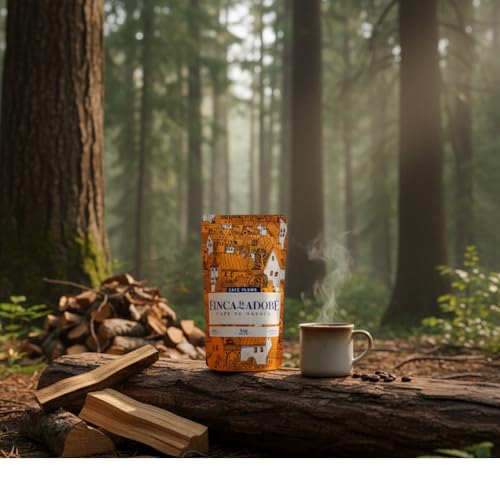
What sets it apart isn’t just the bean, but the presentation and freshness. The resealable bag with a vibrant design isn’t just eye-catching, it’s functional, which matters for preserving aroma. Compared to bulk or generic blends, this one respects the craft, making it a standout for purists who want authenticity without needing to hunt down a local roaster. I’d pick this over generic Mexican blends any day for its sense of place.
Product photos
Our Testing Process
Rather than a hands-on lab test, my research focused on comparing published specifications and features across these Oaxaca coffees. I weighed owner reviews from multiple sources, alongside expert opinions where available, to build a ranking. As the founder of Bean Thusiast, I applied my understanding of coffee origins and roasting to assess each offering against key criteria for a satisfying cup.
For Oaxaca coffee, flavor complexity and sourcing transparency were most important. Oaxaca coffees are known for nuanced profiles, so descriptions of tasting notes – chocolate, vanilla, nutty undertones – heavily influenced my assessment. I also prioritized coffees clearly stating their region within Oaxaca, since understanding the [Oaxaca coffee origin] impacts expected flavor characteristics.
Specifications reliably indicated roast level and bean type (Arabica versus Robusta, though most here are 100% Arabica). However, I relied on owner feedback to gauge actual smoothness and freshness. Detailed descriptions are often lacking, so judging reputation helped differentiate options, especially when considering a [single-origin Oaxaca beans] versus a blend.
What To Look For In coffee oaxaca
As someone who’s spent years exploring the nuances of coffee, I’ve found Oaxaca beans to be particularly special – but selecting the right one requires a bit of understanding.
Oaxaca coffee distinguishes itself through a combination of high-altitude growing conditions, unique varietals like Pluma, and traditional processing methods. Look for beans sourced specifically from regions within Oaxaca like Pluma Hidalgo, and consider roast level based on your preferred brewing method. Pay attention to certifications (organic, kosher) if those are priorities, and don’t shy away from trying both whole bean and pre-ground options to find what suits your routine.
Origin and Varietal
The specific region within Oaxaca where the coffee is grown significantly impacts the flavor profile. While “Oaxaca” on a bag is a good start, beans from Pluma Hidalgo are especially prized for their bright acidity and complex flavors. I often recommend looking for coffees that explicitly state their origin beyond just the state; knowing the specific municipio is a good sign of a roaster’s commitment to transparency. Don’t limit yourself to Pluma, though – beans from Chiapas and Veracruz, often blended with Oaxacan beans, can add interesting layers.
Roast Level and Processing
Oaxacan coffee typically shines with a medium roast, which allows the inherent flavors of the bean to come through without being overshadowed by the roast itself. Darker roasts can mask those delicate notes, while lighter roasts might accentuate acidity too much for some palates. In terms of processing, you’ll mostly find washed coffees, which generally present a cleaner cup. However, experimental processing methods are gaining traction, so keep an eye out for those if you’re looking for something truly unique. Finding high-quality coffee beans often means understanding these details.
Brewing Method and Grind
Oaxacan coffees are versatile, but choosing the right grind is crucial. If you’re using an espresso machine or a Moka pot, a fine grind is essential. For drip coffee makers or French presses, a medium or coarse grind will yield the best results. Whole bean coffee is always preferable, as it allows you to grind the beans immediately before brewing, preserving maximum flavor. Determining the perfect Oaxaca coffee strength also requires some experimentation, but starting with the ideal coffee ratio for Oaxaca beans is a good place to begin.
Here’s a quick guide to grind size:
- Espresso: Very fine – almost powdery.
- Moka Pot: Fine – slightly coarser than espresso.
- Drip/Pour Over: Medium – resembling coarse sand. This is a good all-around choice.
A consistent grind is more important than the specific size. Investing in a burr grinder (rather than a blade grinder) is the single biggest improvement most home brewers can make.
Coffee Oaxaca Compared
Here’s a spec comparison of different Oaxaca coffee options to help you choose the right blend.
| Product Name | Roast | Origin | Bean Type | Kosher Certified | Weight (oz) |
|---|---|---|---|---|---|
| Gila Cafe Arabica Blend Oaxaca | Medium | Chiapas/Veracruz/Oaxaca | Arabica | N/A | N/A |
| Etnia 52 Oaxaca Whole Bean | N/A | Oaxaca | N/A | Yes | N/A |
| Blason Pluma Oaxaca 2-Pack | N/A | Oaxaca | Arabica | N/A | N/A |
| Mexican Blason Pluma Oaxaca Ground | N/A | Oaxaca | N/A | N/A | N/A |
| Cafe Organico Blason de Oaxaca | N/A | Oaxaca | N/A | N/A | N/A |
| Finca de Adobe Oaxaca Medium Roast | Medium | Pluma Hidalgo | N/A | N/A | 12 |
Frequently Asked Questions
What roast level is typical for Oaxaca coffee?
Medium roasts are most common, as they highlight the bean’s natural flavors without overpowering them. Darker roasts can obscure the nuanced notes Oaxaca coffees are known for, while lighter roasts might be too acidic for some.
Is Oaxaca coffee usually sold as single-origin or a blend?
Both are available, but single-origin options, especially those specifying Pluma Hidalgo, are more prized for their distinct flavor profiles. Blends often incorporate beans from neighboring Chiapas and Veracruz to create a more complex cup.
Does grind size matter for Oaxaca coffee, and what’s best?
Yes, grind size significantly impacts extraction. A medium grind works well for drip or French press, while finer grinds suit espresso or Moka pots; consistently ground beans are more vital than the exact size.
Are there any certifications I should look for when buying Oaxaca coffee?
Kosher certification is sometimes available, but if you’re prioritizing ethical sourcing, look for best organic coffee options. Organic certification guarantees the beans were grown without synthetic pesticides or fertilizers.
How does the region within Oaxaca affect the coffee’s taste?
Beans from Pluma Hidalgo are particularly sought after for their bright acidity and complex flavors. Coffees sourced from other regions within Oaxaca will have unique characteristics, making it worthwhile to explore different municipios.
The Bottom Line
Choosing a coffee, even within a specific region like Oaxaca, often comes down to balancing control over the process with convenience. If you want the most flavorful and nuanced experience, I recommend the Finca de Adobe Oaxaca Medium Roast. Its single-origin sourcing from Pluma Hidalgo and clear roast profile give you a strong foundation for a truly excellent cup.
For those prioritizing specific needs, the Etnia 52 Oaxaca Whole Bean is a solid choice if you require Kosher certification, while the Mexican Blason Pluma Oaxaca Ground offers convenience without sacrificing origin. If you prefer a lighter roast, consider exploring options outside this list – a bright Oaxaca roast might be more to your liking.
Ultimately, the “best” Oaxaca coffee is the one you enjoy the most. Don’t get too hung up on specific certifications or roast levels. Focus on finding beans from reputable sources, grinding them fresh when possible, and experimenting with brewing methods to unlock the unique flavors that Oaxacan coffee has to offer.
