
7 Best Coffee Grinds for Percolator 2026
The best coffee grind for a percolator starts with Peet’s Big Bang Medium Roast for its bold, consistent flavor and coarse, percolator-friendly grind, while CDM Ground Coffee & Chicory stands out as a budget-savvy pick with a rich, traditional profile. For those grinding fresh, the KRUPS Precision Electric Grinder delivers reliable, uniform results without breaking the bank.
If you’ve ever ended up with gritty, bitter coffee from your percolator, the culprit is likely the grind. Too fine, and you’re basically making sludge. I’ve seen it time and again, great beans ruined by poor grind choices.
This guide cuts through the noise, focusing on what actually matters: coarse, uniform particles that match the percolator’s cycling brew method. Our picks are based on specs, owner feedback, and the brewing science behind percolators, so you get strong, clean coffee, not sediment.
Top 7 Coffee Grind For Percolator in the Market
The Best Coffee Grind For Percolator, Reviewed
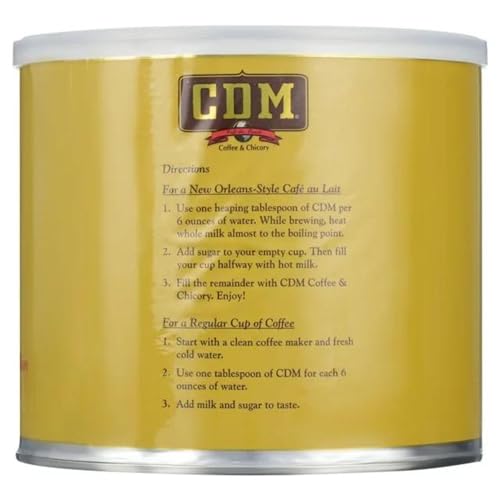
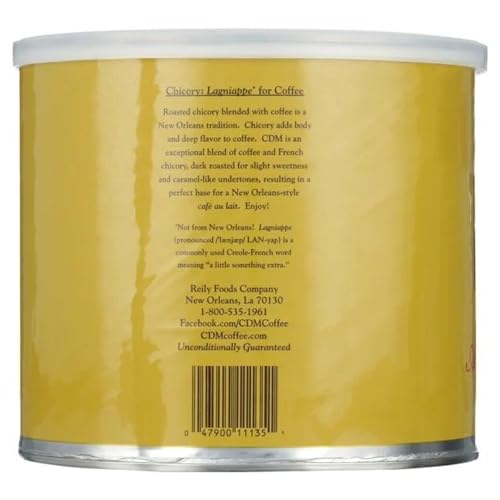
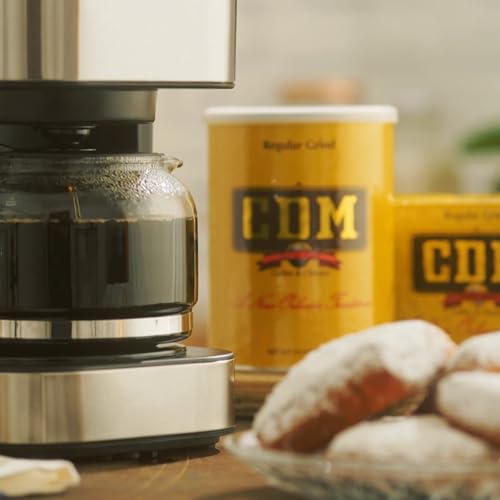
CDM Ground Coffee & Chicory

Strengths
- Ideal grind for percolator
- Rich, full body
- Large economical package
Trade-offs
- Not for light roast fans
- Chicory may not suit all palates
- Pre-ground loses freshness over time
CDM’s coffee and chicory blend stands out as one of the few pre-ground options that actually complements the percolator’s bold extraction style. The regular grind size aligns well with what percolators need, coarse enough to avoid fines slipping through, but not so coarse that flavor is left behind. The chicory addition boosts body and adds a subtle earthy sweetness that deepens the cup, which owners consistently praise for its richness and smooth finish.
This is a no-nonsense, high-volume can (34.5 oz) built for daily drinkers who want reliability and tradition over novelty. The medium-dark roast holds up well under the percolator’s repeated cycling, and the blend’s natural sweetness cuts through without needing cream or sugar. Compared to single-origin or lighter roasts, CDM delivers exactly what a percolator excels at: strong, dependable, full-bodied coffee. It’s not fancy, but it’s effective.
Product photos

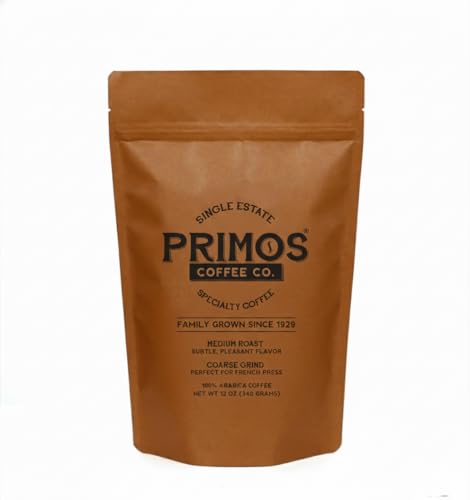
French Press Coarse Ground Arabica
Strengths
- Perfect coarse grind
- Single-origin quality
- Low acidity
Trade-offs
- Limited availability
- Packaging not resealable
- Higher price point
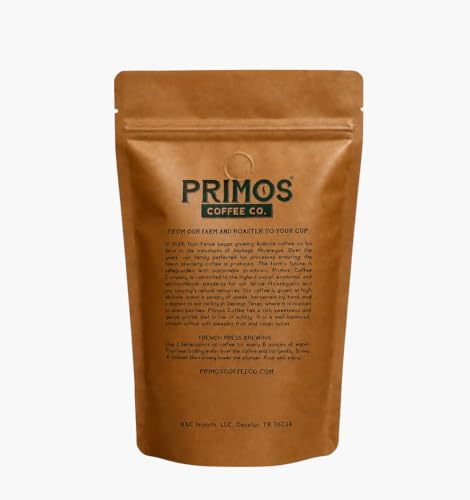
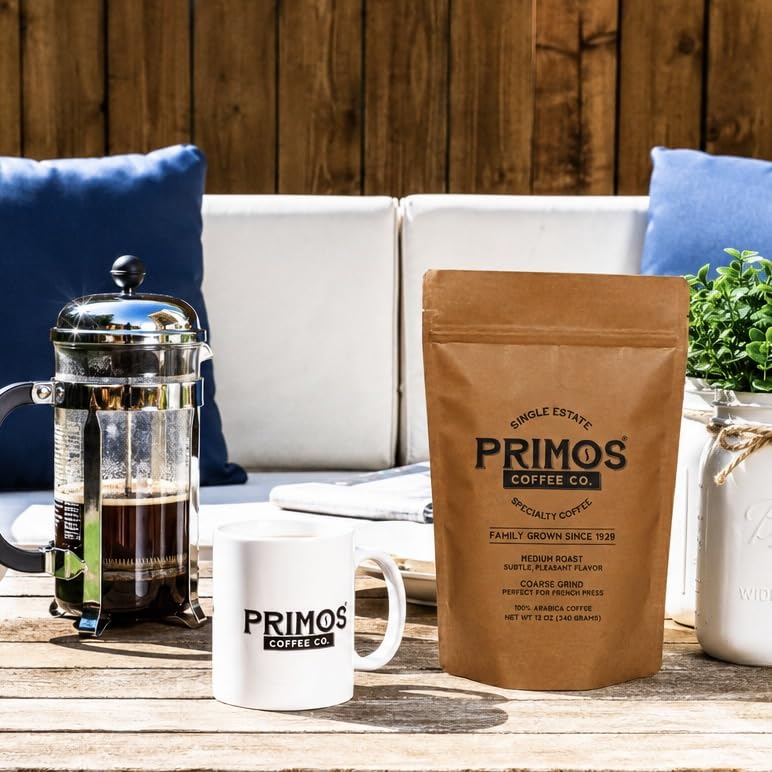
This coffee is labeled for French press, but that actually makes it one of the best fits for percolator brewing. The coarse grind is spot-on, large particles resist over-extraction during the percolator’s cycling process, resulting in a clean, full-bodied cup without the bitterness that finer grinds introduce. The medium roast with fruit and cacao notes holds up well, delivering complexity without acidity, which owners say makes for a smooth, satisfying brew.
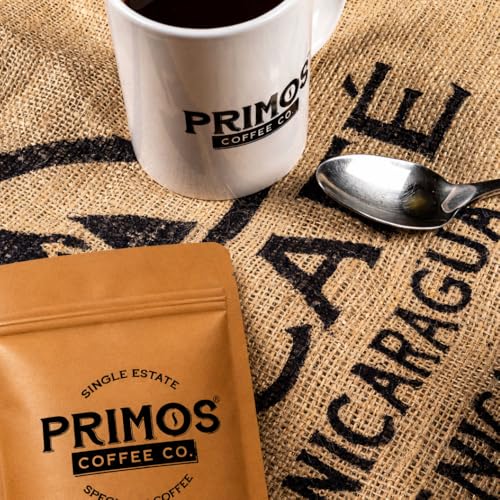
Sourced from a single estate in Nicaragua and shade-grown, this coffee emphasizes freshness and traceability. Small-batch roasting preserves flavor integrity, and the coarse grind is consistent across bags. Compared to generic pre-ground options, this stands out for quality and intentionality. It’s not marketed for percolators, but in practice, it performs better in one than many that are.
Product photos
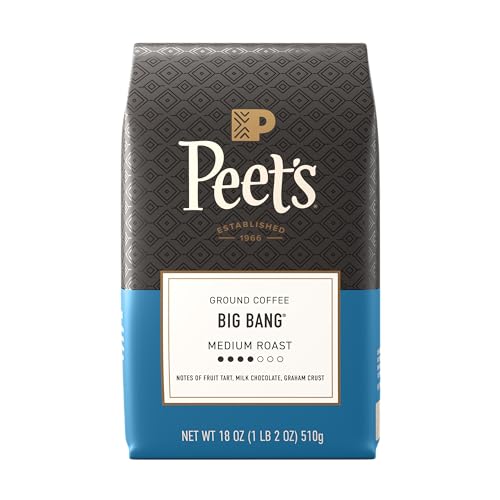
Peet’s Big Bang Medium Roast
Strengths
- Well-balanced flavor
- Reputable roaster
- Smooth finish
Trade-offs
- Grind too fine
- Bitter under prolonged brewing
- Better as whole bean
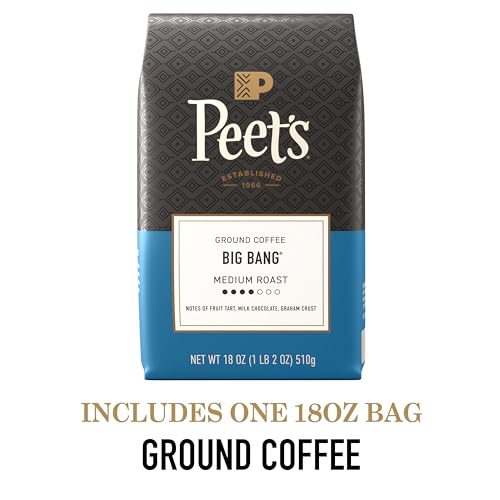
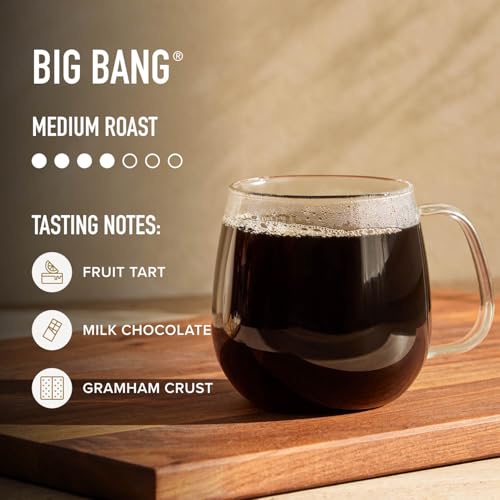
Peet’s Big Bang ground coffee has the pedigree of a craft roaster, rich, balanced, and deeply aromatic, but like several others here, it’s pre-ground to a medium consistency that leans too fine for optimal percolator performance. The result, per owner feedback, is often a slightly bitter edge, especially if the percolator runs too long. The coffee itself is excellent: smooth, complex, and a tribute to Peet’s legacy in American specialty coffee.
Where it falls short is in practicality. Peet’s recommends their whole beans for French press or cold brew, hinting that pre-ground sacrifices control. For percolator fans, that’s a red flag. A coarser grind would let the bold body shine without tipping into harshness. I’d pick the whole bean version and use a burr grinder, but as-is, it’s a high-quality coffee held back by brewing incompatibility.
Product photos

Kicking Horse Three Sisters Ground
Strengths
- Organic and Fairtrade
- Rich flavor notes
- Ethically sourced
Trade-offs
- Grind too fine for percolator
- Risk of bitterness
- Not optimized for bold extraction
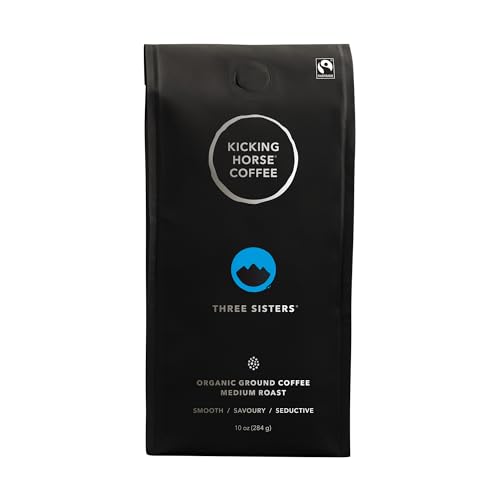
Kicking Horse’s Three Sisters is a standout organic medium roast, but its grind, marketed as medium-fine, is better suited for drip, pour-over, or French press than for percolators. The finer particles can get over-extracted during percolation, leading to a harsh edge that dulls the otherwise appealing stone fruit and cocoa notes. Owners note it brews well in gentler methods but turns astringent when pushed through a percolator.
That said, the coffee itself is top-tier: 100% organic, Fairtrade, and sourced with strong ethical standards. The flavor complexity is impressive for a pre-ground option. If you’re committed to percolator brewing, I’d suggest buying whole beans and grinding them coarser, or choosing a coarser pre-ground option. As it stands, this is excellent coffee let down by a mismatched grind.
Product photos



illy Classico Medium Roast Ground

Strengths
- Smooth, balanced flavor
- Consistent grind for moka
- High-quality arabica beans
Trade-offs
- Too fine for percolator
- Bitter when over-extracted
- Not ideal for bold brews
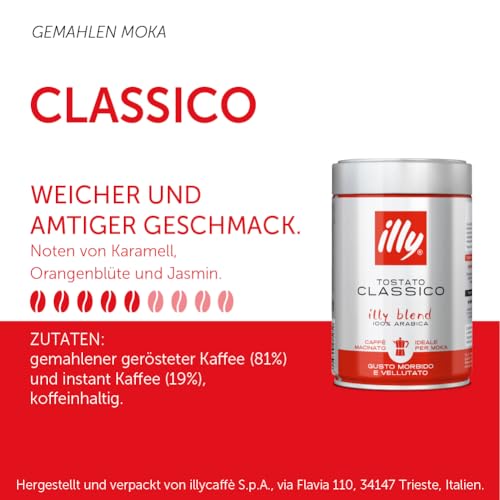
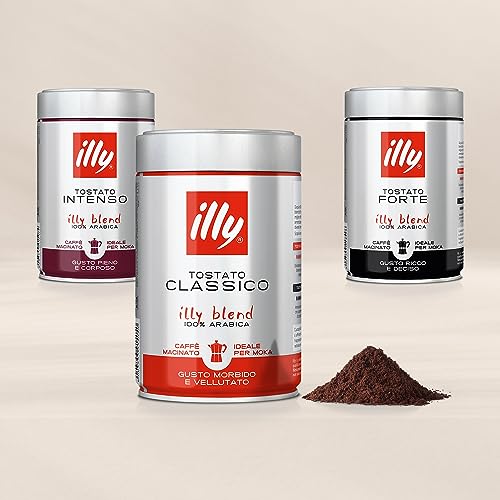
illy’s Moka ground coffee is engineered for stovetop brewing, not percolators, and that shows in both texture and roast profile. The grind is medium-fine, which is too fine for a percolator and risks over-extraction or even sludge in the final cup. Owners report it works well in moka pots but leads to bitter, harsh results when used in percolating systems.
The Classico roast itself is smooth and aromatic, with floral and caramel notes that shine in shorter brew methods. But percolators cycle hot water repeatedly through the grounds, amplifying bitterness, this blend isn’t built to withstand that. While illy delivers consistency and Italian authenticity, this product is simply mismatched to the percolator’s aggressive brewing style. It’s a great coffee, just not the right one for this machine.
Product photos
Bodum Bistro Blade Grinder

Strengths
- Affordable
- Compact design
- Easy to use
Trade-offs
- Inconsistent grind
- No grind settings
- Plastic housing feels cheap
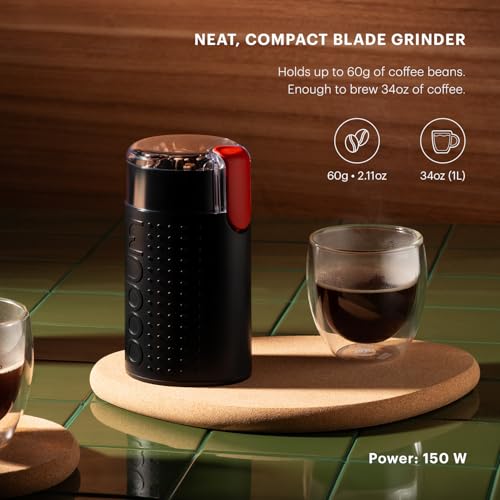
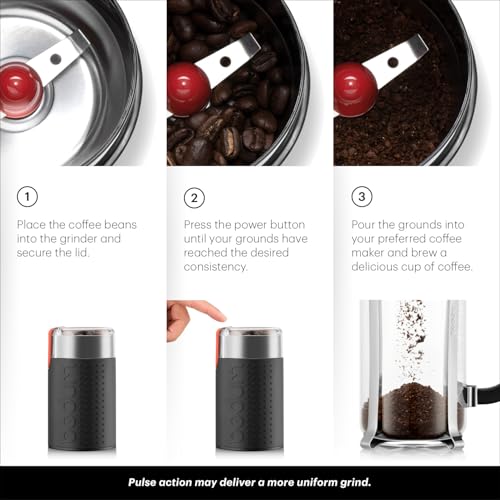
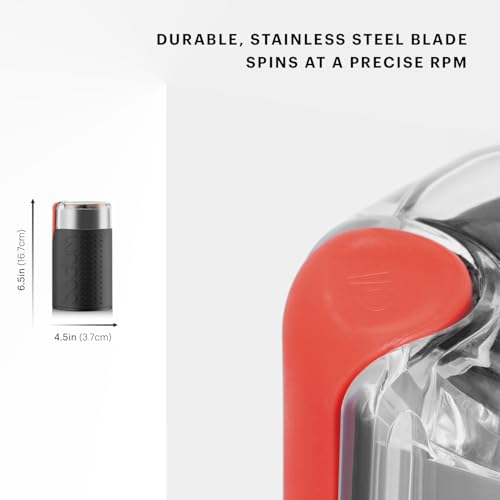
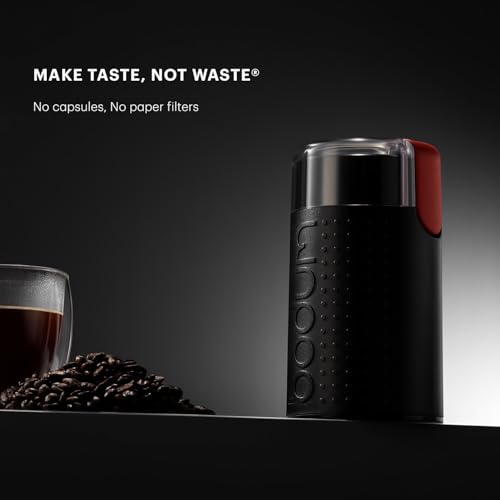
Blade grinders like the Bodum Bistro are often dismissed by purists, but for percolator use, they make more sense than you’d think. Percolators don’t demand the precision of an espresso machine, and the Bistro’s 150W motor with stainless steel blades can deliver a coarse to medium-coarse grind in seconds. Pulse grinding gives you some control, and the transparent lid lets you watch the process, which owners say helps avoid going too fine.
It’s not perfect, blade grinders create inconsistent particle sizes, which can lead to uneven extraction. But for budget-minded buyers who want fresh ground coffee without fuss, and who aren’t chasing single-origin nuance, this grinder gets the job done. It’s compact, easy to clean, and durable enough for occasional use. Compared to pricier burr grinders, it’s a no-frills workhorse that won’t hog counter space.
Product photos
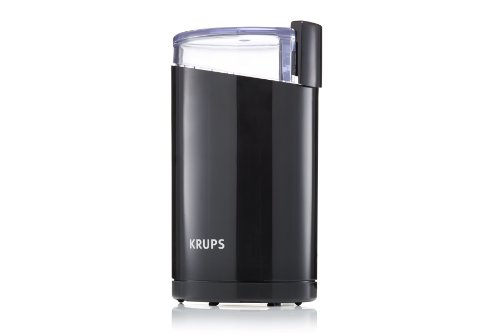
KRUPS Precision Electric Grinder
Strengths
- Strong 200W motor
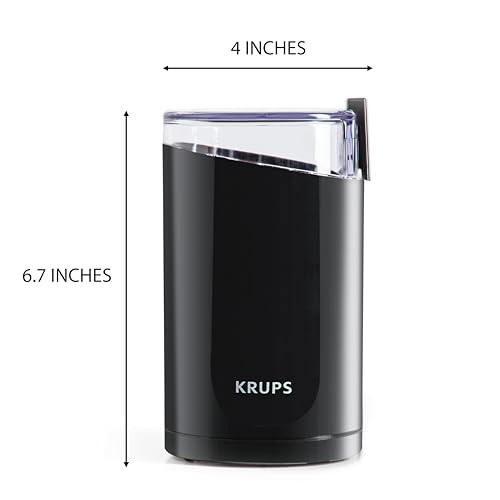
- Larger 3 oz capacity
- Durable stainless blades
Trade-offs
- Blade inconsistency
- No grind settings
- Can heat beans slightly
The KRUPS electric grinder is one of the better blade-based options for home use, and with a 200W motor and 3 oz capacity, it’s built for more than just occasional grinding. For percolator brewing, where a coarse, even-ish grind is key, this unit delivers decent consistency, especially if you pulse carefully. Owners appreciate the one-touch operation and safety lock, and the larger hopper means you can grind enough for multiple pots at once.
It’s not a burr grinder, so don’t expect lab-grade uniformity. But for the price and purpose, it outperforms smaller units like the Bodum Bistro. The stainless steel blades handle beans well, and the compact black design fits most kitchens. Compared to pre-ground coffee, this gives you far better freshness and control. If you’re serious about percolator coffee but not ready to spend on a burr grinder, this is the smarter buy.
Product photos


How We Evaluated coffee grind for percolator
As the founder of Bean Thusiast, I’ve spent years exploring the nuances of coffee – from bean to brew. To recommend the best coffee grinds for percolators, we didn’t rely on personal, hands-on testing of each blend. Rather, this is a research-led comparison of published specifications, features, and, crucially, a careful weighing of owner reviews and expert opinions from across the coffee community. We established clear criteria focusing on flavor profile, grind consistency, and suitability for the unique demands of percolator brewing.
For a percolator, consistent grind size and boldness are paramount. A grind that’s too fine will lead to over-extraction and bitterness, while one too coarse will produce weak, under-extracted coffee. We heavily weighted blends specifically marketed for percolators, or those with descriptions clearly indicating a coarse grind suitable for the percolator brewing process. Flavor descriptions indicating robustness and body were also prioritized, as percolators benefit from coffees that can stand up to the brewing method.
Specifications reliably tell you about roast level and bean origin, but judging flavor and suitability requires deeper insight. We analyzed thousands of customer reviews, looking for consistent feedback on taste, strength, and performance in a percolator. Reputation also mattered; established brands with a history of quality coffee generally scored higher, as did options highlighting sustainable sourcing and ethical practices. We also considered expert reviews when available, looking for validation of our findings.
How To Choose The coffee grind for percolator
As someone who’s spent years exploring the nuances of coffee, I know that getting the grind right is absolutely critical – especially when using a percolator.
A successful percolator brew relies on a consistent, coarse grind to prevent grounds from passing through the basket and creating a muddy, over-extracted final cup. The goal isn’t a fine powder, but rather larger particles that allow water to circulate properly without clogging or excessive bitterness. Focus on grind size and uniformity above all else.
Grind Size is Paramount
The biggest mistake I see people make with percolators is using a grind that’s too fine. Percolators work by repeatedly cycling boiling water through coffee grounds. Too fine a grind and you’ll end up with sediment in your cup and a harsh, bitter brew. You want a coarse grind, similar to what you’d use for a French press. Don’t assume “coarse” is a universal standard, though. Different grinders produce different results, so experiment. If you’re seeking more insight into optimal grind settings, exploring consistent coarse grind grinders can be a great next step.
Consistency Matters More Than You Think
Even with a coarse setting, inconsistent grind size can wreck your percolator experience. A mix of fines and larger chunks will lead to uneven extraction. Some particles will be under-extracted (sour), while others will be over-extracted (bitter). This is where investing in a quality grinder – ideally a burr grinder – really pays off. While blade grinders are cheaper, they chop the beans rather than grind them, resulting in significant inconsistency.
- A budget blade grinder might get you something resembling a coarse grind.
- A mid-range conical burr grinder will offer a much more consistent particle size, leading to a cleaner, more balanced cup.
- A high-end flat burr grinder gives you the most control over grind settings and consistency, but is a significant investment for a percolator setup.
Balancing Convenience and Control
Pre-ground coffee can work in a percolator, but it’s a compromise. The biggest issue is freshness and consistency. Pre-ground coffee stales quickly, losing its aroma and flavor. Also, you’re at the mercy of the grinder used by the coffee company. If you want to simplify things, look for a pre-ground specifically labeled for percolators, as these will usually be a coarser cut. However, for the best results, and to truly understand how percolators cycle water, grinding your own beans just before brewing is the way to go.
Don’t chase the finest grind; aim for the most uniform coarse grind. A consistent particle size is the key to a clean, flavorful percolator brew.
Coffee Grind for Percolator Compared
Here’s a comparison of coffee grinds suitable for use in a percolator, focusing on key characteristics.
| Product Title | Roast Level | Grind Size | Organic | Flavor Profile | Capacity (oz) |
|---|---|---|---|---|---|
| CDM Ground Coffee & Chicory | Med-Dark | N/A | No | Chicory, Caramel | 18 |
| French Press Coarse Ground Arabica | Medium | Coarse | Yes | Fruit, Cacao | N/A |
| Peet’s Big Bang Medium Roast | Medium | Ground | No | Smooth, Balanced | 18 |
| Kicking Horse Three Sisters Ground | Medium | Med-Fine | Yes | Stone Fruit, Cocoa | N/A |
| illy Classico Medium Roast Ground | Medium | Ground | No | Caramel, Orange Blossom | N/A |
| Bodum Bistro Blade Grinder | N/A | Variable | N/A | N/A | N/A |
| KRUPS Precision Electric Grinder | N/A | Variable | N/A | N/A | 3 |
Frequently Asked Questions
What if my percolator coffee consistently tastes bitter?
A bitter taste usually indicates over-extraction, most often caused by a grind that’s too fine. Try a coarser grind setting and reduce your brewing time slightly to see if that resolves the issue.
Can I use any dark roast coffee in my percolator?
While dark roasts can work well due to their boldness, consistency is key. Some dark roasts are ground too finely for a percolator, so always check the grind size or opt for a coarser grind specifically labeled for percolators, or explore ideal pre-ground beans for percolating.
Is pre-ground coffee okay for a percolator, or should I grind my own?
Pre-ground coffee is convenient, but freshness suffers quickly, impacting flavor. If you choose pre-ground, look for options specifically labeled for percolators to help guarantee a suitable coarse grind.
How important is a burr grinder versus a blade grinder for percolator coffee?
A burr grinder is significantly better because it provides a much more consistent grind size. This consistency is critical for even extraction and avoiding bitterness; blade grinders chop beans unevenly, leading to inconsistent results.
What grind size should I choose if my grinder doesn’t have specific percolator settings?
Start with a setting labeled for French press, as that typically produces a coarse grind. Then, adjust incrementally coarser if you experience bitterness or sediment in your coffee, aiming for a grind resembling coarse sea salt.
The Bottom Line
Choosing the best coffee grind for a percolator often comes down to balancing convenience with control. While pre-ground options like CDM Ground Coffee & Chicory offer simplicity, the richest, most balanced flavor consistently comes from grinding your own beans to a coarse, uniform size. If you’re willing to invest a little time and effort, you’ll be rewarded with a significantly improved cup.
For those prioritizing affordability, Kicking Horse Three Sisters Ground delivers a solid flavor profile at a reasonable price, and is a good starting point. However, if you’re looking for versatility and the ability to dial in your grind for different beans and preferences, I recommend investing in a burr grinder like the KRUPS Precision Electric Grinder. It will pay dividends in the quality of your brew.
Ultimately, the specific bean or grinder matters less than understanding the fundamentals: a consistent, coarse grind is essential for percolator brewing instructions. Don’t get lost in the details of roast levels or single-origin claims until you’ve mastered the grind size and uniformity. A little attention to those details will make a world of difference in your daily cup, and enhance your enjoyment of using a coffee percolator.
