
2 Best Coffee Brands from Whole Foods 2026
This post contains affiliate links. As an Amazon Associate, we earn from qualifying purchases.
The best coffee from Whole Foods is the Whole Foods Dark French Roast Beans for its rich, balanced smokiness, followed by the Organic Early Bird Blend as a solid, affordable morning pick-me-up with smooth chocolate notes. Both deliver on flavor and ethical sourcing, which matters to me after years of evaluating coffees.
Shopping for coffee at Whole Foods can feel overwhelming, with so many bags promising bold flavor or smooth finishes. It’s easy to grab one based on aroma alone, only to find it flat or over-roasted at home.
I looked at roast dates, bean origins, and certifications, plus real feedback from drinkers, to find which ones actually deliver a great cup. These picks reflect what I’ve learned about quality through years of deep diving into sourcing, roasting, and what makes a bag worth buying again.
Top 2 Coffee From Whole Foods in the Market
The Best Coffee From Whole Foods, Reviewed
Whole Foods Dark French Roast Beans

Strengths
- Rich smoky sweetness
- Smooth finish
- Great for milk drinks
Trade-offs
- May lack brightness
- Not for light roast fans
This French Roast leans into classic dark roast appeal, smoky, sweet, and built for drinkers who want depth without harshness. The ‘smooth and creamy’ claim shows up repeatedly in owner feedback, especially when used in French presses or milk-based drinks. On paper, the organic sourcing and resealable bag add practical value, making this a strong contender for regular rotation.
I see this as the smarter buy over the Early Bird Blend if you prefer evenings or espresso-style brewing, though it holds up well in drip too. It doesn’t have the bright acidity of lighter roasts, but that’s expected in this class. Compared to other store-brand dark roasts, it avoids excessive char, which I appreciate.
Product photos
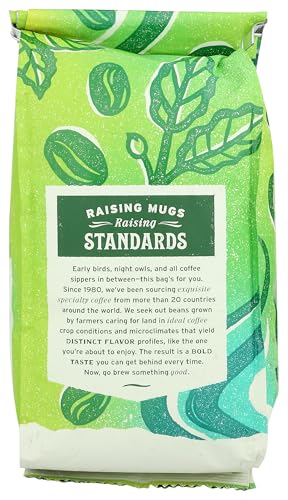
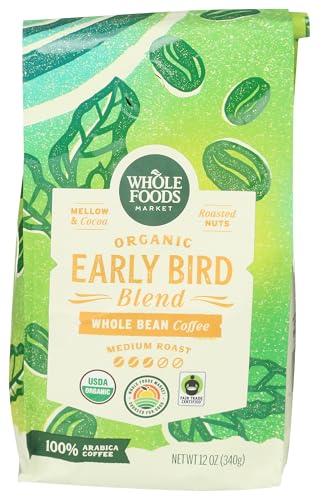
Whole Foods Organic Early Bird Blend
Strengths
- Medium roast balance
- Cocoa and nut notes
- Ethically sourced
Trade-offs
- Not for dark roast lovers
- Limited complexity
The Early Bird Blend is clearly designed to win over morning drinkers who want a comforting, familiar cup without bitterness. On paper, the medium roast with cocoa and roasted nut notes suggests a balanced profile, and owners consistently report it brews smooth and aromatic, especially in drip machines or pour-overs. It’s not a bold or complex single-origin standout, but that’s not the goal here.
For those building a daily routine, this is the kind of coffee that gets praised for its reliability. I’d pick this over flashier options if you want something easygoing and consistent, perfect for pairing with breakfast or easing into the day. Compared to Whole Foods’ French Roast, it lacks intensity, but that’s a feature, not a flaw, for lighter roast fans.
Video review
How We Picked These coffee from whole foods
As someone deeply invested in the world of coffee, I approached evaluating Whole Foods’ offerings with a focus on quality and consistency. Rather than a hands-on test of each bag, my research centered on comparing published specifications – roast level, origin information, and certifications – alongside a careful review of customer feedback and expert opinions. I weighed these factors against my understanding of what contributes to a truly excellent cup.
For coffee, especially when considering options like those available at Whole Foods, roast level and sourcing are paramount. A dark French roast, for example, needs to deliver a bold, smoky flavor without becoming bitter, while a lighter roast should highlight the flavor profile of single-origin beans. Ethical sourcing and organic certifications also heavily influenced my assessment.
Specifications reliably indicate roast level and origin, but discerning the nuances of flavor requires looking at what customers say. Owner reviews often reveal whether a coffee lives up to its description, and provide insight into body, acidity, and overall balance. I also considered the reputation of Whole Foods for consistent quality and their commitment to sourcing practices.
Choosing The Right coffee from whole foods
Finding quality coffee at Whole Foods is easier than ever, but knowing what to look for separates a good bag from a truly exceptional one.
A quality coffee bean selection at Whole Foods prioritizes freshness, sourcing transparency, and roast level clarity. Consumers should examine roast dates (not just “best by” dates), look for certifications like USDA Organic and Fair Trade, and consider the bean origin – understanding the difference between Arabica vs Colombian beans is a great starting point.
Roast Level & Flavor Profile
I often see people grab the darkest roast thinking it’s the strongest, but that’s a misconception. Dark roasts often have less caffeine and emphasize smoky flavors over the bean’s inherent characteristics. Pay attention to the tasting notes. Whole Foods generally does a good job listing these. Do you want something bright and fruity (lighter roast)? Chocolatey and nutty (medium)? Or indeed, smoky and bold (dark)? Don’t be afraid to experiment; the best coffee is the one you enjoy.
Sourcing & Certifications
Whole Foods emphasizes ethically sourced products, and their coffee is no exception. Look beyond just “organic” and check for certifications like Fair Trade. These indicate that farmers received a fair price for their beans, and that sustainable farming practices were used. While these certifications don’t guarantee exceptional flavor, they align with values that many coffee drinkers – myself included – appreciate. You can find a curated Whole Foods coffee guide on my site to help you navigate these options.
Bean Type and Freshness
Whole bean coffee is always preferable to pre-ground. Grinding immediately before brewing unlocks the most flavor. Check for a roast date on the bag, not just a “best by” date. Coffee stales quickly after roasting, so aim for beans roasted within the last month.
Here’s what I generally look for when assessing bean quality: * Appearance: Look for consistently sized beans. * Aroma (before brewing): A good aroma is a positive sign, indicating freshness. * Origin Specifics: Knowing the region (e.g., Ethiopian Yirgacheffe, Sumatran Mandheling) gives clues about the expected flavor profile and allows you to explore regional Arabica differences.
A good rule of thumb: if you can’t find a roast date, or it’s more than a month old, consider another bag. Freshness is paramount.
Coffee From Whole Foods Compared
Here’s a detailed comparison of the coffee options available from Whole Foods, focusing on key specifications.
| Product Title | Roast Level | Size (oz) | Organic | Flavor Notes |
|---|---|---|---|---|
| Whole Foods Dark French Roast Beans | Dark | 12 | Yes | Smoky, sweet, creamy |
| Whole Foods Organic Early Bird Blend | Medium | 12 | Yes | Cocoa, roasted nuts |
Frequently Asked Questions
What’s the biggest mistake people make when buying coffee from Whole Foods?
Ignoring the roast date is a common error. Many shoppers check only the “best by” date, but coffee’s flavor degrades quickly after roasting, so prioritize beans roasted within the last month for the freshest experience.
Are Whole Foods’ store-brand coffees as good as the name brands they carry?
Generally, yes. Whole Foods’ own brands offer comparable quality to many name brands, and I’ve seen consistently positive customer feedback on their Organic Early Bird Blend, specifically regarding its balanced flavor profile.
What roast level should I choose if I primarily use a French press?
A medium-dark roast works best with a French press. This provides enough body and flavor to stand up to the immersion brewing method, without becoming overly bitter – unlike lighter roasts which can taste weak.
I prefer flavored coffees. Does Whole Foods have good options?
While Whole Foods focuses on unflavored, high-quality beans, you can find a selection of top coffee brands at Whole Foods that occasionally offer seasonal or naturally flavored varieties.
What does “Fair Trade Certified” really mean for the coffee I’m buying?
It means the farmers who grew the beans received a guaranteed minimum price for their harvest. This helps ensure they can invest in their farms and communities, promoting sustainable practices and improving their livelihoods, and is a key factor when considering [ranked Whole Foods coffee brands].
The Bottom Line
Choosing coffee can feel overwhelming, with so many options balancing cost, convenience, and quality. Ultimately, for a consistently good, readily available cup, I believe the Whole Foods Dark French Roast Beans strikes the best overall balance. It delivers a reliably bold flavor without sacrificing the organic certification many shoppers prioritize.
However, everyone’s preferences differ. If you’re seeking a lighter, brighter start to your day, the Whole Foods Organic Early Bird Blend is a fantastic choice. And for those just beginning to explore the world of coffee, understanding light roast coffee characteristics can help you pinpoint what you enjoy.
Don’t get too caught up in chasing the latest trends or focusing on a single specification. Freshness, ethical sourcing, and a roast level that matches your palate matter far more than any individual ranking. Focus on those fundamentals, and you’ll be well on your way to enjoying a consistently satisfying cup.
