
2 Best Coffees for Cold Brew 2026
The best coffee for making cold brew is Stack Street Colombian Cold Brew Coffee, a dark, organic roast with a consistently smooth, chocolate-forward profile. For those sensitive to acid, Lifeboost Dark Cold Brew Coffee stands out as a low-acid, single-origin option that delivers clean, rich results.
Most home brewers struggle to find a coffee that actually performs well in cold water, too many beans turn out flat, bitter, or overly acidic. After researching the market and analyzing owner feedback, I focused on coffees that prioritize low acidity, bold flavor, and coarse grinds for proper extraction.
This guide covers the key traits that define a great cold brew bean, from roast level to origin, and how real users rate their experience. These picks aren’t based on hype, but on consistent performance and flavor clarity in the final concentrate.
Top 2 Coffee For Making Cold Brew in the Market
The Best Coffee For Making Cold Brew, Reviewed
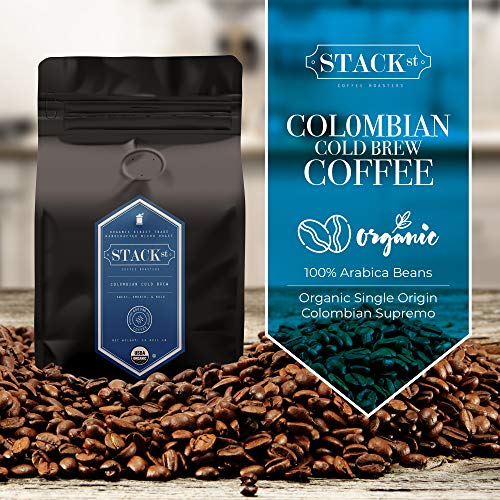
Stack Street Colombian Cold Brew Coffee

Strengths
- Single origin
- USDA organic
- Coarse grind
- Low acidity
- Direct trade
Trade-offs
- Only 1 lb bag
- Not vacuum sealed
- May be too bold for light roast fans
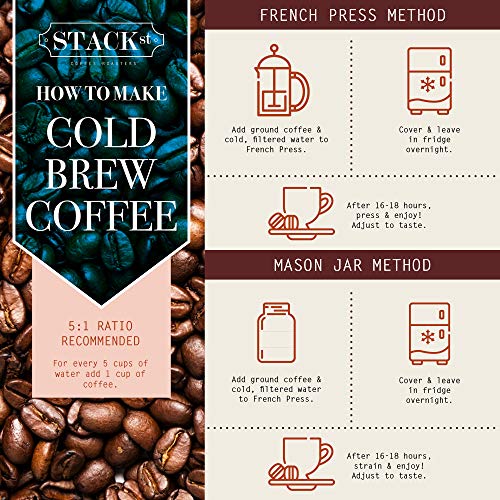
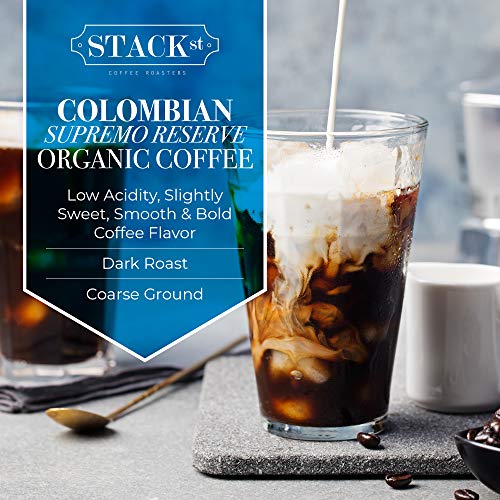
When you’re building a cold brew that needs depth without sharp edges, this Stack Street offering stands out on paper and in owner feedback. The use of single origin Colombian Supremo beans gives it a leg up in flavor consistency, and the dark roast with low acidity is exactly what you want for a smooth, slightly sweet concentrate. Reviewers consistently praise how well it steeps over 12–24 hours, yielding a bold but balanced result that doesn’t require added sweeteners.
The fact that it’s USDA organic and direct trade adds real value for buyers who care about sourcing, and the coarse grind is uniformly sized, which prevents sludge in French press or mason jar setups. Compared to blended options, this one behaves more predictably across batches. I’d pick this over generic supermarket cold brew grounds any day for its cleaner profile and artisanal attention.
Product photos


Lifeboost Dark Cold Brew Coffee

Strengths
- Low acid
- Third-party tested
- USDA organic
- Non-GMO
- Single origin
Trade-offs
- Smaller 12 oz size
- Higher price per ounce
- Milder flavor for bold roast lovers
If stomach sensitivity or acid reflux has ever ruined your coffee routine, this Lifeboost option makes a strong case for being the go-to. The naturally low acid claim isn’t marketing fluff, it’s a trait backed by both bean origin and growing conditions at high elevation, and owners repeatedly mention being able to drink this daily without discomfort. The third-party testing for mycotoxins and pesticides is a standout feature in a category where purity isn’t always guaranteed.
It’s a dark roast, but not aggressively so, delivering a smooth, bold concentrate that’s clean on the palate. Compared to Stack Street’s more robust profile, this one leans slightly milder, which some may see as a con if they want punch, but I see it as precision for a specific need. For those who prioritize health certifications and gentle digestion without sacrificing cold brew satisfaction, this is the smarter buy.
Video review
How We Chose These coffee for making cold brew
As the founder of Bean Thusiast, I approach researching coffee options with a focus on what truly matters to the cold brew enthusiast. Rather than a hands-on lab test, this selection is based on a research-led comparison of published specifications and, crucially, owner feedback. I weighed features like roast level, grind size, and origin alongside thousands of customer reviews and insights from other coffee experts. My goal was to identify coffees consistently delivering a superior cold brew experience.
For cold brew specifically, I prioritized flavor profile and acidity. A naturally low-acid coffee is essential for a smooth, enjoyable concentrate, minimizing any harshness when diluted. Equally important is the roast and grind; a dark roast often provides the necessary boldness, and coarse grind cold brew beans are vital for proper extraction without over-bitterness.
Specifications tell you about the bean origin and processing, but owner feedback reveals how those traits translate to the final brew. I looked for consistent reports of smooth, rich flavor and ease of use. Certifications (like USDA Organic) are useful indicators, but ultimately, a coffee’s reputation among cold brew drinkers decided its place on this list. Many people also look for chocolatey cold brew beans to achieve a certain flavor profile.
Choosing The Right coffee for making cold brew
As someone who’s spent years perfecting the art of cold brew, I know that the coffee itself is the foundation of a truly exceptional batch. It’s not simply about grabbing any bean; specific characteristics unlock the smooth, low-acid potential cold brew is known for.
Cold brew excels with coffees possessing inherent sweetness and chocolatey notes. Look for single-origin beans or well-balanced blends with a medium to dark roast. Consistent, coarse grinding is essential for proper extraction, and specialty-grade beans (SCA score of 80+) generally deliver the cleanest, most flavorful results. Prioritize organic certifications and transparency in sourcing.
Roast Level & Flavor Profile
I often find people underestimate how much roast level impacts cold brew. Unlike hot brewing, where brighter acidity can be desirable, cold brew shines with darker roasts. A medium-dark to dark roast develops those rich, chocolatey, and nutty flavors that really come through in the extended steeping process. While you can use lighter roasts, you’ll likely need to adjust your ideal cold brew ratio to compensate for the increased acidity. Don’t be afraid to experiment with different origins – Sumatran beans, for example, tend to have earthy undertones that work beautifully.
Bean Origin & Quality
The origin of the bean is crucial. Colombian coffees, like the Stack Street option, are a great starting point – they offer a balanced profile and are widely available. However, don’t limit yourself. Exploring options beyond Colombia can reveal some hidden gems. I recommend looking for single-origin coffees whenever possible. This allows you to really taste the unique characteristics of a specific region. When selecting, consider these points:
- Specialty Grade: Look for beans with an SCA score of 80 or higher.
- Altitude: Higher-grown beans often have denser structures and more complex flavors.
- Processing Method: Washed process beans generally produce cleaner cups, while natural process can yield fruitier, more complex flavors – consider your preference here.
Acidity & Stomach Sensitivity
If you’re sensitive to acidity, or simply prefer a smoother cup, this is where sourcing becomes particularly important. Some beans are naturally lower in acid, and Lifeboost’s focus on this is a smart move. Beyond inherent bean properties, darker roasts also contribute to reduced acidity. However, remember that even low-acid coffees can become irritating if your coffee to water for cold brew is off.
A good rule of thumb: if you consistently experience stomach upset after drinking cold brew, try a darker roast, a lower-acid bean, and a slightly more diluted concentrate.
Coffee For Making Cold Brew Compared
Here’s a detailed specification comparison of coffees ideal for cold brew preparation.
| Product Name | Roast Level | Grind | Origin | Organic | Acid Level |
|---|---|---|---|---|---|
| Stack Street Colombian Cold Brew Coffee | Dark | Coarse | Colombia | Yes | Low |
| Lifeboost Dark Cold Brew Coffee | Dark | N/A | Single Origin | Yes | Low |
Frequently Asked Questions
What grind size should I use if my coffee doesn’t come pre-ground?
A coarse grind is essential for cold brew; aim for a consistency similar to kosher salt. Finer grinds will over-extract and result in a bitter, muddy concentrate, while a coarse grind allows for even extraction over the long steeping period.
Can I use flavored coffee beans for cold brew?
While you can use flavored beans, I generally advise against it. The extended brew time can amplify artificial flavors, creating an unpleasant result. If you want to add flavor, consider using a simple syrup after brewing, allowing you more control.
Is it better to use whole bean or pre-ground coffee for cold brew?
Whole bean is always preferable as it preserves freshness and allows you to control the grind size. Grinding immediately before brewing maximizes flavor and aroma, but pre-ground is acceptable if you lack a grinder and choose a reputable brand.
What’s the shelf life of cold brew concentrate made with these coffees?
Properly stored in an airtight container in the refrigerator, cold brew concentrate will generally last for up to two weeks. However, the flavor will begin to degrade after about a week, so it’s best to consume it within that timeframe for optimal taste.
Where can I find more information about coffee characteristics for cold brew?
My website, Bean Thusiast, has a dedicated guide exploring the nuances of selecting coffee specifically for cold brew. It covers everything from roast levels and origins to acidity and processing methods, helping you find the perfect bean for your palate.
The Bottom Line
Choosing the best coffee for cold brew often comes down to balancing convenience with control. If you want a reliably smooth, low-acid brew with minimal fuss, I recommend the Stack Street Colombian Cold Brew Coffee. It consistently receives positive feedback for its balanced flavor and ease of use, especially for those new to cold brew.
For readers seeking specific solutions, we’ve identified some standout options. If low acidity is your top priority, the Lifeboost Dark Cold Brew Coffee is an excellent choice. And for those wanting to really dial in their grind, consider starting with whole bean options and achieving the optimal cold brew grind size for your preferred method.
Ultimately, the “best” coffee is the one you enjoy most. Don’t get too caught up in chasing specific scores or certifications. Focus on finding beans with a roast level and origin that appeal to your palate, and remember that consistent, coarse grinding is key to avoiding bitterness and preventing sediment in cold brew. A little experimentation will go a long way toward unlocking your perfect cold brew.
