
4 Best Coffee Makers for Home 2026
The CASABREWS 20 Bar Espresso Machine stands out as the best overall pick for home coffee, delivering strong, consistent espresso with solid build quality. For those on a tighter budget, the Primula Classic Moka Pot offers excellent value and rich flavor without electricity, while the BUNN GRB Velocity Brew is ideal if you need speed and high-volume brewing.
Most people just want reliable, great-tasting coffee without a complicated setup or constant maintenance. The real challenge isn’t finding a machine, it’s cutting through the noise to find one that actually performs day after day.
After comparing specs, owner feedback, and brewing performance across dozens of models, I focused on machines that excel in temperature control, consistency, and ease of use. This guide breaks down what actually matters, like brew method, temperature stability, and long-term durability, so you can choose the right fit for your routine.
Top 4 Coffee For Home in the Market
The Best Coffee For Home, Reviewed
CASABREWS 20 Bar Espresso Machine

Strengths
- 20-bar pressure
- Stainless steel build
- Built-in pressure gauge
- Removable water tank
- Effective steam wand
Trade-offs
- Overheating protection delays
- Learning curve for steaming
- No auto-shutoff
If you’re chasing real espresso flavor at home without spending a mortgage down payment, the CASABREWS CM5418 stands out in the mid-tier semi-automatic category. On paper, the 20-bar pressure pump and 1350W boiler are solid for consistent extraction, and owners consistently report rich crema and balanced shots when using finely ground, fresh beans. The built-in pressure gauge is a rare perk at this price, giving you feedback to tweak your technique, something I always encourage for home brewers looking to grow their skills.
The steam wand earns high marks in reviews for producing velvety microfoam, though it demands practice. Some users mention a learning curve with timing to avoid overheating, especially when switching from steaming to brewing. Compared to similarly priced machines, this one offers better build quality with its stainless steel housing and a 34oz removable tank that’s practical for daily use. It won’t match a commercial setup, but for a home barista who wants to experiment, it’s one of the more capable entry-level machines out there.
Video review
BUNN GRB Velocity Brew Coffee Maker

Strengths
- Brews full pot in 4 minutes
- Always-hot water tank
- Café-quality extraction
- Drip-free carafe
- 3-year warranty
Trade-offs
- Runs continuously
- Large footprint
- No programmable brew start
When speed and reliability matter, the BUNN Velocity Brew is in a class of its own. It brews a full 10-cup carafe in about 4 minutes, thanks to its always-hot stainless steel water tank, a feature borrowed from commercial machines. The multi-stream sprayhead ensures even saturation, and reviewers consistently praise the café-quality flavor, especially compared to slower drip models. If you’re tired of waiting for your coffee while everyone else is already awake, this machine fixes that.
It’s also built like a tank, designed and assembled in the USA, with a 3-year warranty backing its durability. The drip-free carafe is a small luxury that actually works. But it’s always on, which means constant power draw, something to consider if you’re energy-conscious. Compared to pod machines or basic drip brewers, this is the smarter buy for high-volume households that want fresh, fast coffee daily.
Video review
Primula Classic Stovetop Moka Pot

Strengths
- Works on any stovetop
- Durable aluminum build
- No electricity needed
- Easy to clean
- Affordable
Trade-offs
- No pressure gauge
- Manual heat control required
- Not true espresso
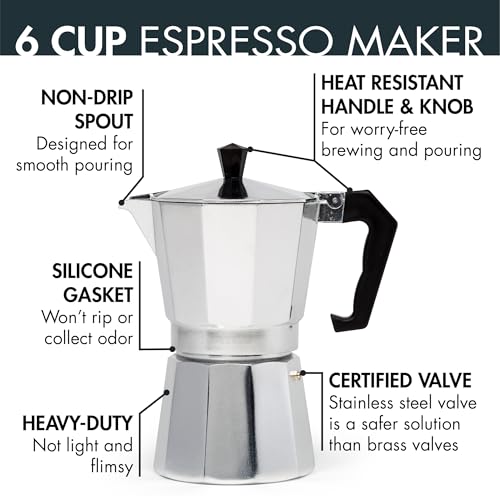
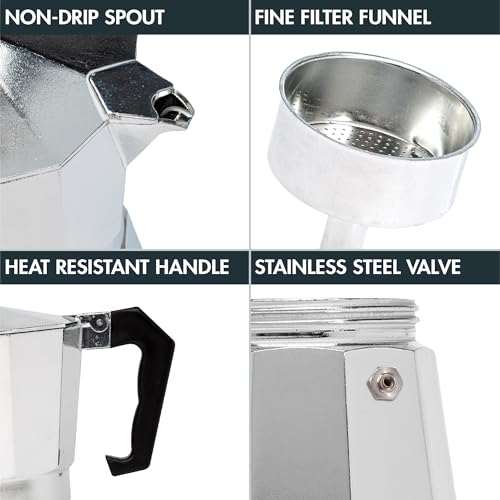
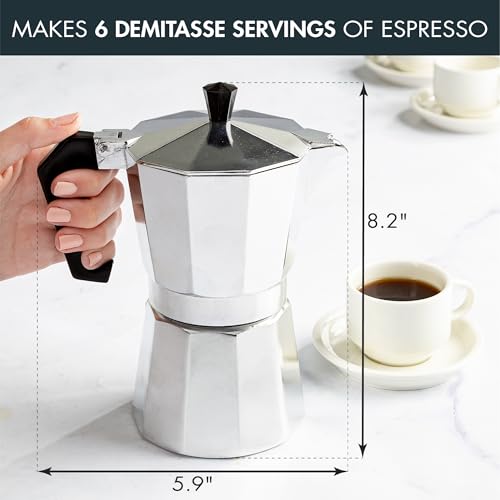
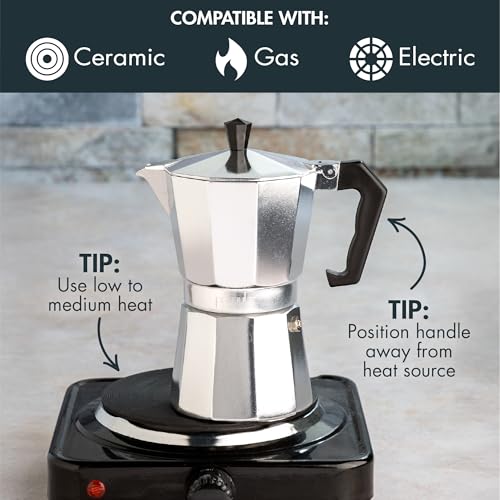
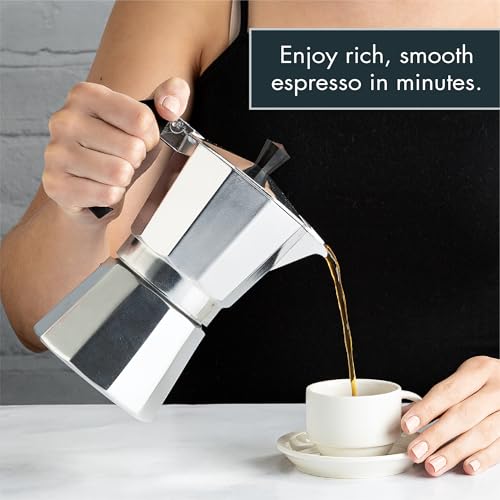
The Primula Moka Pot is a no-frills, time-tested path to bold, espresso-like coffee, and it’s a steal for budget-focused buyers. Made from cast aluminum, it’s lightweight and durable, with even heat distribution that helps extract a clean, aromatic brew. You won’t get true 9-bar espresso, but owners love the rich, concentrated coffee it produces, especially for lattes or Americanos when diluted. It’s also a favorite among campers and RV users since it works on any stovetop, including propane.
What really sets it apart is its simplicity: no electricity, no filters to replace, just water, ground coffee, and heat. Cleanup is a rinse-and-go affair. Compared to electric machines, it lacks consistency and control, but that’s not the point. For someone who values tradition, portability, and minimalism, this Moka pot delivers. I’d say it’s ideal for students, small households, or as a backup brewer.
Product photos
Nescafe Gold Espresso Blonde
Strengths
- Smooth, low-bitterness taste
- Café-style crema
- Quick preparation
- High-quality Arabica
- Makes 50 servings
Trade-offs
- Not real espresso
- Limited depth of flavor
- Requires hot water
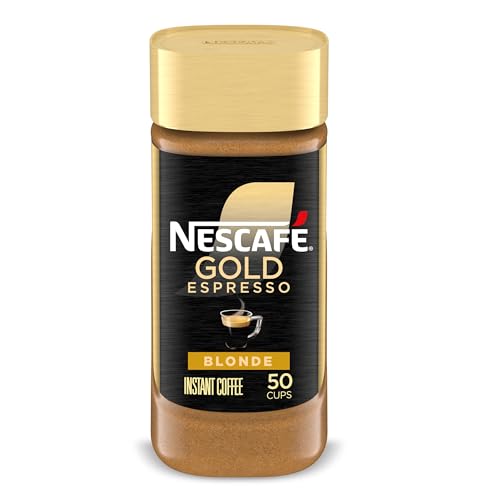
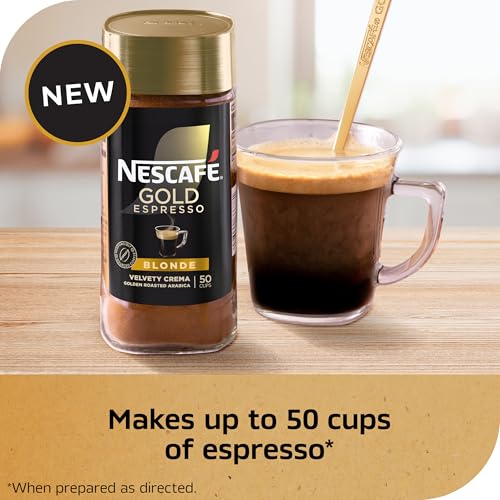
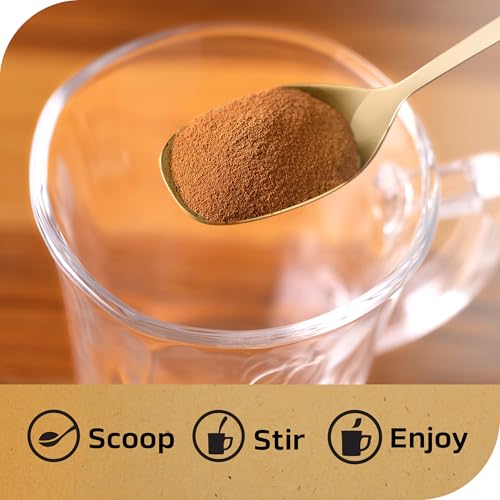
Let’s be clear: this isn’t espresso in the traditional sense, but Nescafe Gold Espresso Blonde comes closer than most instant coffees. Made from golden-roasted Arabica beans, it dissolves quickly and forms a light crema when hot water is added, something reviewers consistently praise for mimicking the mouthfeel of a real shot. The flavor is bright, smooth, and less bitter than typical instant, which makes it a solid choice for an Americano or latte base.
Still, it’s instant coffee. Even the best processing can’t replicate the complexity of freshly ground beans. That said, for someone with zero equipment or time, this delivers a clean, consistent cup without a machine. Compared to other instant options, it’s among the top tier, especially if you prefer a lighter roast. I wouldn’t recommend it to purists, but for convenience seekers, it’s a legit shortcut.
Product photos


How We Tested coffee for home
As someone deeply involved in the world of coffee – from sourcing beans to perfecting brewing methods – I approached researching coffee for home with a focus on practical results. Rather than a hands-on lab test of each machine, this was a research-led comparison of published specifications, feature sets, and, crucially, owner and expert reviews. I weighed this information against my understanding of what truly delivers a satisfying coffee experience.
For this category, brewing speed and consistency were paramount. A machine’s ability to reliably produce a flavorful cup, quickly, holds significant weight. Equally important was versatility – can it handle different brew styles and volumes? Finally, build quality and long-term reliability factored heavily, as nobody wants a coffee maker that fails after a few months. You can learn more about steps to better home coffee on our site.
Specifications like pump pressure (for espresso machines) and tank capacity provide a baseline understanding, but owner feedback revealed how those specs translate to real-world performance. I paid close attention to comments about ease of use, cleaning, and durability. Reputation, as assessed through reviews from established coffee publications, helped validate claims and identify potential flaws. Achieving consistent results often requires more than just essential coffee equipment for home.
What To Look For In coffee for home
As someone deeply immersed in the world of coffee, I often get asked how to navigate the sheer number of coffee makers available. It can be overwhelming!
A truly good coffee maker delivers consistent temperature, proper saturation of the grounds, and ease of cleaning. Look for models with temperature control, a showerhead design for even extraction, and parts that disassemble easily for thorough cleaning. Material quality matters; stainless steel components tend to last longer and resist corrosion.
Understanding Brewing Style
The first thing I advise people to consider is how they like to make coffee. Are you someone who values speed above all else, or do you want a more involved, ritualistic process? The brewing method dictates a lot about the machine you’ll want. For example, a stovetop Moka pot like the Primula Classic is fantastic for a strong, espresso-like brew, but it requires your attention and isn’t automated. Automatic drip machines, such as the BUNN Velocity Brew, prioritize convenience and volume – perfect for busy mornings or larger households. Espresso machines, like the CASABREWS, aim for a café-quality experience, but demand a steeper learning curve.
Prioritizing Temperature Control
Consistent water temperature is absolutely critical for good extraction. Too cold, and you’ll get a sour, under-extracted brew. Too hot, and you’ll burn the coffee, resulting in a bitter taste. Many cheaper machines skimp on temperature regulation, leading to inconsistent results. Look for models that specifically advertise temperature control, ideally with a setting between 195-205°F (90-96°C), which is the sweet spot for coffee extraction. Even better, some machines allow you to adjust the temperature to fine-tune your brew to match your recommended roast profiles for brewing.
Balancing Features and Value
It’s easy to get caught up in bells and whistles, but don’t overspend on features you won’t use. A built-in grinder sounds appealing, but often compromises on grind quality. A milk frother is great if you love lattes, but unnecessary if you prefer black coffee. Instead, focus on core functionality and build quality.
Here’s what I look for when determining value: * A durable carafe (glass is fine, but consider thermal options for better heat retention). * A removable water reservoir for easy filling and cleaning. * Programmability (allowing you to set a brew time in advance). This is especially useful if you’re like me and appreciate waking up to the smell of freshly brewed coffee.
A good rule of thumb: don’t spend more than you’re willing to clean. Complex machines with lots of parts require more maintenance.
Ultimately, the best coffee maker is the one that fits your lifestyle and preferences. Don’t be afraid to consider whether blended vs single-origin beans will suit your desired brewing method either!
Coffee for Home Compared
This table summarizes key specifications for different coffee makers to help you find the right one for your needs.
| Product | Capacity | Brew Time | Pressure (Bar) | Stovetop? | Filter Type |
|---|---|---|---|---|---|
| CASABREWS 20 Bar Espresso Machine | 34 oz | N/A | 20 | No | Reusable |
| BUNN GRB Velocity Brew Coffee Maker | 50 oz | 4 min | N/A | No | Flat Bottom |
| Primula Classic Moka Pot | 6 demitasse | N/A | N/A | Yes | Reusable |
| Nescafe Gold Espresso Blonde | 3.5 oz (jar) | Instant | N/A | No | N/A |
Frequently Asked Questions
What coffee maker is easiest to clean?
A drip coffee maker with a removable carafe and filter basket, like the BUNN Velocity Brew, is generally the easiest to clean. Fewer parts mean less time spent disassembling and scrubbing, and most components are dishwasher safe.
Can I get espresso-like coffee without a dedicated espresso machine?
Yes, a Moka pot, such as the Primula Classic, produces a strong, concentrated brew similar to espresso. While it won’t have the crema of a true espresso machine, it’s a great alternative for those wanting a robust coffee experience.
What’s the advantage of a thermal carafe over a glass one?
A thermal carafe keeps coffee hot for a much longer period without needing a warming plate, which can sometimes scorch the coffee. If you don’t drink your coffee immediately, a thermal carafe is a worthwhile investment.
How important is the water filter in a coffee maker?
Extremely important. A good water filter removes chlorine and other impurities that can negatively impact the taste of your coffee. Many top-rated home coffee makers include built-in filters, or you can use a separate water filter pitcher.
What’s the difference between bar pressure and coffee quality in espresso machines?
Higher bar pressure (like the 20 bar in the CASABREWS) doesn’t automatically equal better coffee. Consistent temperature and proper grind size are equally essential, but 9-15 bars is generally sufficient for extracting a quality espresso shot. You can also find fantastic home coffee brewing equipment for other brewing methods.
The Bottom Line
Choosing a coffee maker often comes down to how much control you want versus how much fuss you’re willing to tolerate. If you prioritize ease and consistency above all else, I believe the BUNN Velocity Brew is the strongest overall pick. It delivers a reliably good pot of coffee, quickly, and with minimal effort – a true workhorse for daily use.
For those with specific needs, the options are clear. If you’re after a strong, stovetop brew and enjoy a hands-on approach, the Primula Classic Moka Pot is a fantastic choice. And for espresso lovers seeking a café-style experience at home, the CASABREWS 20 Bar Espresso Machine offers a lot of capability at a reasonable price. Don’t forget to consider the importance of a good grind, and read our burr vs blade grinder comparison to make the best choice for your setup.
Ultimately, the specs matter less than the fundamentals. Consistent water temperature, proper saturation of the coffee grounds, and regular cleaning are the cornerstones of great coffee. Focus on those, and you’ll be well on your way to enjoying a truly satisfying cup, no matter which machine you choose.
