
5 Best Coffee Creamers for Low Carb Diet 2026
The best low carb coffee creamer overall is Javvy Hazelnut Protein Creamer, it’s packed with protein and collagen while staying sugar-free. For a budget-friendly option, Walden Farms Sweet & Creamy Creamer delivers zero net carbs without the cost. If you want added functional benefits, Veltracha Cinnamon Collagen Creamer brings MCT oil and adaptogens into the mix.
If you’re cutting carbs, the wrong creamer can derail your progress before you even finish your first cup. Many products labeled “low carb” still contain hidden sugars or artificial junk that don’t align with a clean keto or low-carb lifestyle.
I researched the top options by analyzing nutritional profiles, ingredient quality, and real user feedback to find creamers that actually perform. These picks balance minimal net carbs, clean sourcing, and great taste, so your coffee stays delicious without the guilt.
Top 5 Coffee Creamer For Low Carb Diet in the Market
The Best Coffee Creamer For Low Carb Diet, Reviewed
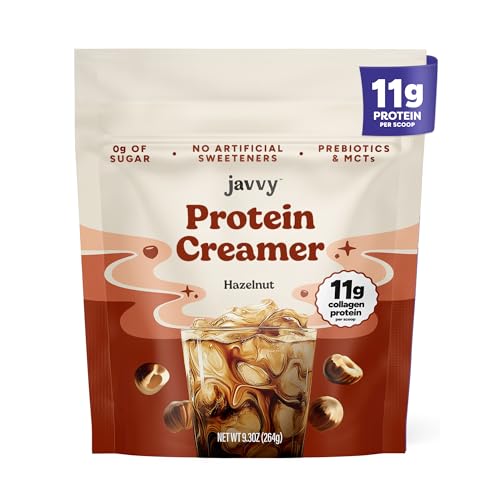
Javvy Hazelnut Protein Creamer
Strengths
- 11g collagen per serving
- Smooth mix
- Clean ingredients
Trade-offs
- Contains dairy derivatives
- Limited flavor variety
- Slight aftertaste in black coffee
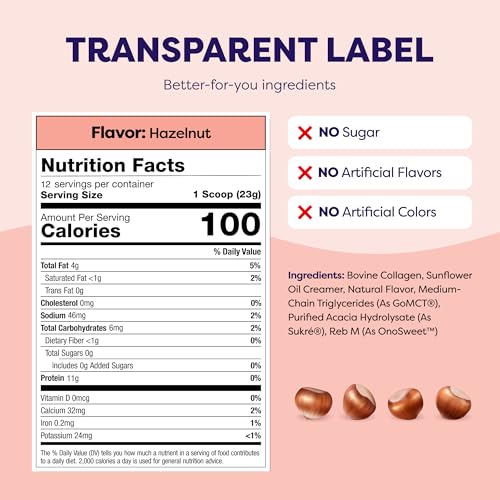
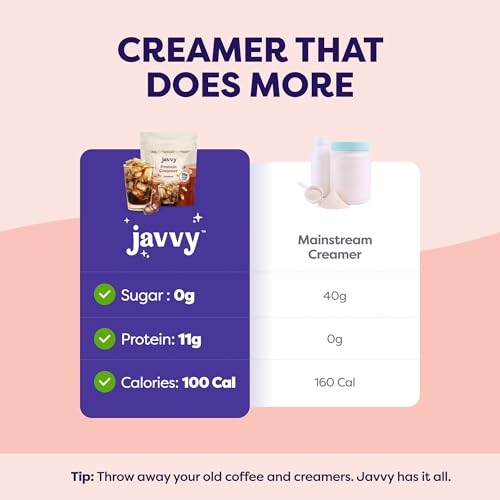
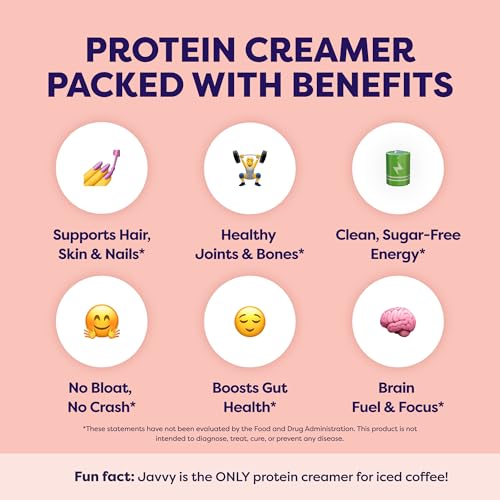
Javvy hits a sweet spot between taste and function. With 11g of collagen per serving and MCT oil, it’s clearly designed for people who want more than just creaminess from their coffee. Reviewers highlight how smoothly it dissolves, no clumping, even in iced coffee, and praise the clean flavor profile, free of artificial sweeteners or fillers. The hazelnut variant strikes a balance between sweetness and richness without sugar, making it a favorite among those who miss flavored creamers but can’t afford the carbs.
It’s more versatile than Walden Farms or basic MCT powders because it delivers both protein and healthy fats. Compared to Veltracha, it lacks adaptogens and L-theanine, but it’s more straightforward and less expensive. My recommendation? This is the smarter buy for most low-carb users who want a daily creamer with real nutritional upside and great mixability.
Product photos

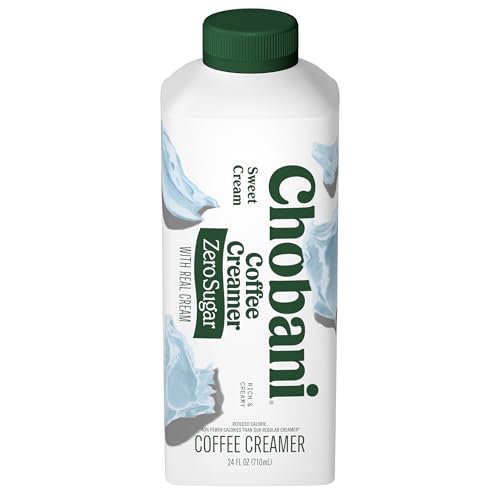
Chobani Zero Sweet Cream Creamer
Strengths
- Real cream
- Rich texture
- No artificial flavors
Trade-offs
- Contains dairy
- Not keto-focused
- Limited functional benefits
This creamer stands out in a crowded field because it actually uses real cream, which is rare for a zero-sugar product. On paper, that means a richer mouthfeel and more natural flavor, owners consistently report it pours smoothly and blends well into both hot and iced coffee without leaving an artificial aftertaste. It’s non-GMO and free of artificial flavors, which aligns with clean-label preferences, though it’s not dairy-free, so it won’t work for everyone on a strict low-carb or keto diet who’s also avoiding lactose.
Compared to powdered MCT-based options, this one trades some metabolic perks for authenticity in taste and texture. If you’re okay with dairy and want something that tastes like traditional creamer but without the sugar, this is a solid pick. I’d recommend it to purists who prioritize flavor over functional additives.
Product photos
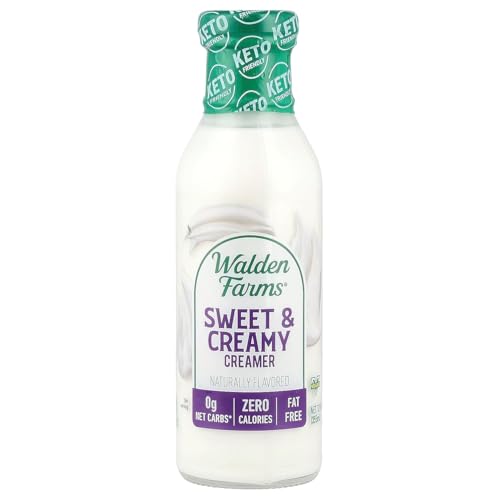
Walden Farms Sweet & Creamy Creamer
Strengths
- Zero calories
- Zero sugar
- Dairy free
Trade-offs
- Artificial texture
- Lacks satiety
- No fat for energy
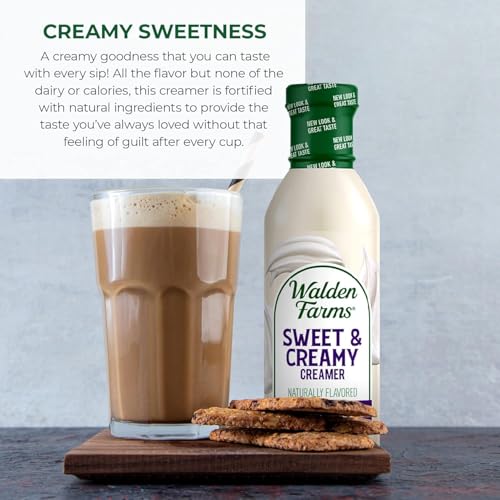
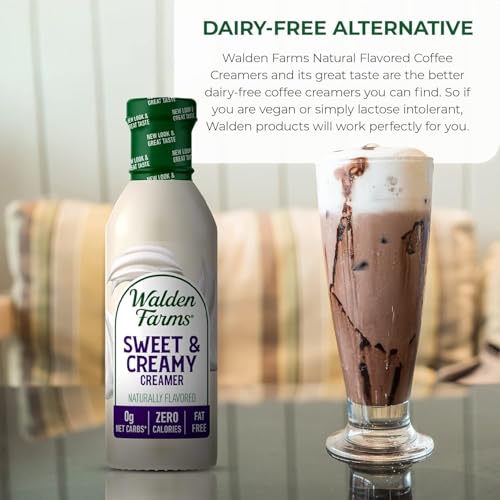
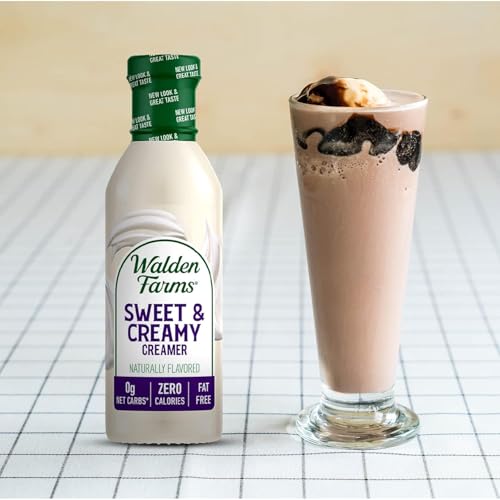
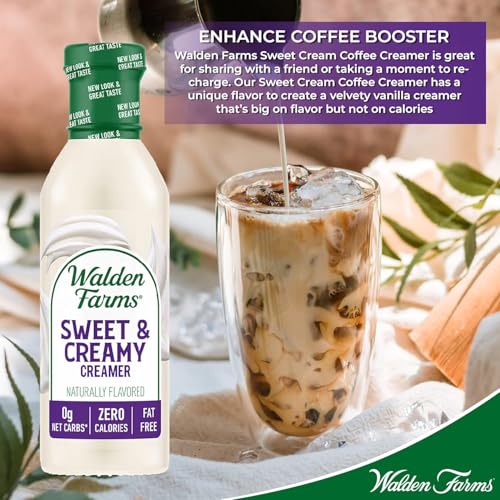
Zero calories, zero sugar, zero fat, this creamer is the ultimate guilt-free pour. It’s made for people who want sweetness and creaminess without any metabolic cost, and in that role, it delivers. The flavor is often described as similar to classic sweet cream, and it works in lattes, iced coffee, and even protein shakes. But there’s a trade-off: because it’s fat-free and uses artificial thickeners like xanthan gum, the mouthfeel is thinner than real cream, and some users report a slight chemical aftertaste.
It’s the only product here that’s completely fat-free, which makes it an outlier in the keto space. While it fits a diabetic or ultra-low-calorie diet, it won’t support ketosis like MCT-based options. I wouldn’t recommend it for serious keto followers, but for those cutting calories more than carbs, it’s a decent option.
Product photos
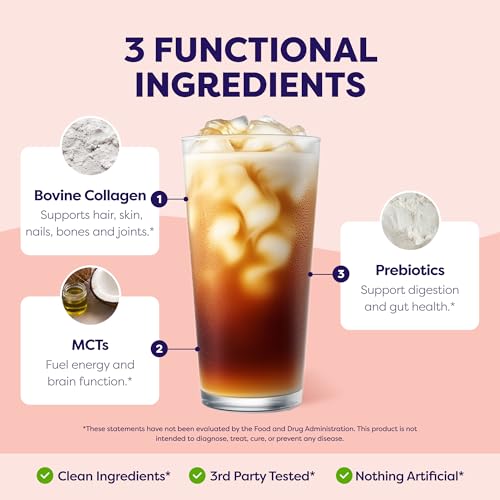
Keto MCT Oil Powder Creamer

Strengths
- High in MCTs
- Supports ketosis
- Low calorie per serving
Trade-offs
- Powdery texture
- Coconut aftertaste
- Less creamy than liquid options
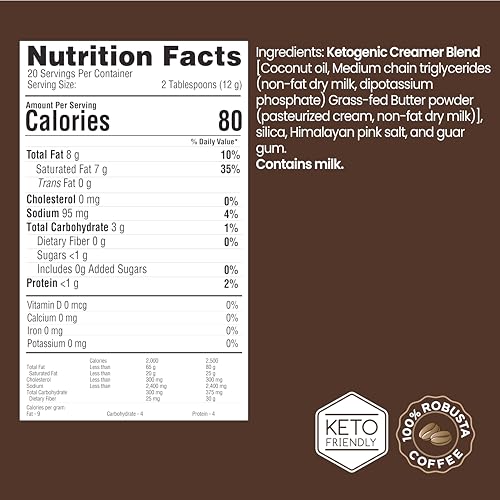
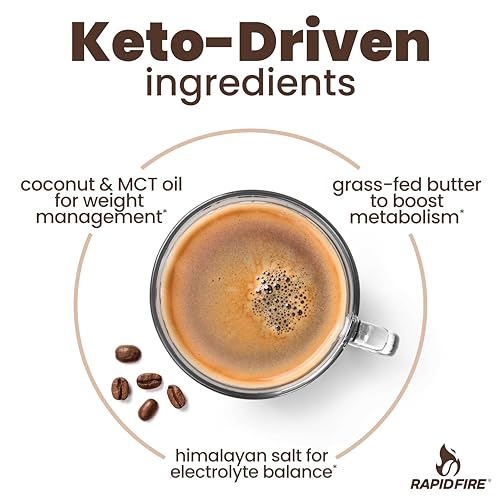
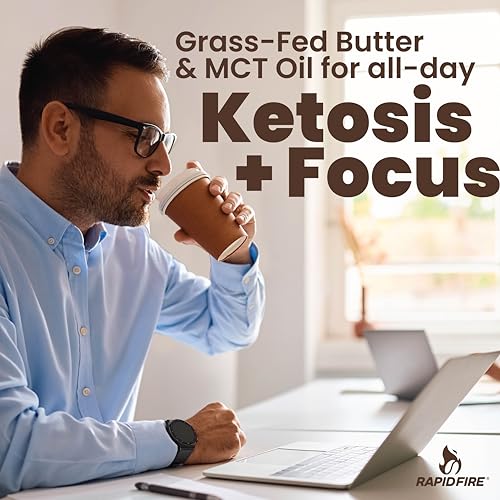
This powdered creamer is built for one thing: supporting ketosis. With MCT oil as the star ingredient, it delivers fast-metabolizing fats that owners say help curb appetite and sustain energy, key for anyone managing weight or following a strict keto protocol. The addition of pink Himalayan salt adds electrolytes, which many keto dieters appreciate during adaptation phases. It mixes well into both coffee and tea, though some reviewers note a slight coconut flavor from the MCT source, which isn’t for everyone.
It’s not trying to mimic traditional creaminess, and it doesn’t. Compared to Chobani’s dairy-based option, this one skips the richness but wins on function. I’d pick this over others if your main goal is staying in ketosis and boosting fat intake without adding carbs. It’s a no-frills, effective tool for a specific diet.
Product photos


Veltracha Cinnamon Collagen Creamer
Strengths
- Adaptogenic mushrooms
- L-theanine included
- Supports gut and focus
Trade-offs
- Not vegan
- Complex flavor not for all
- Higher price point
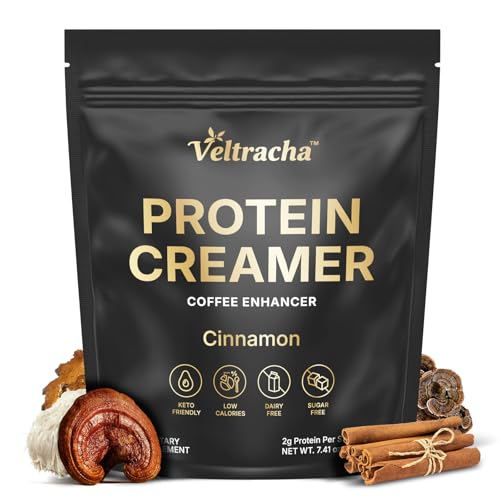
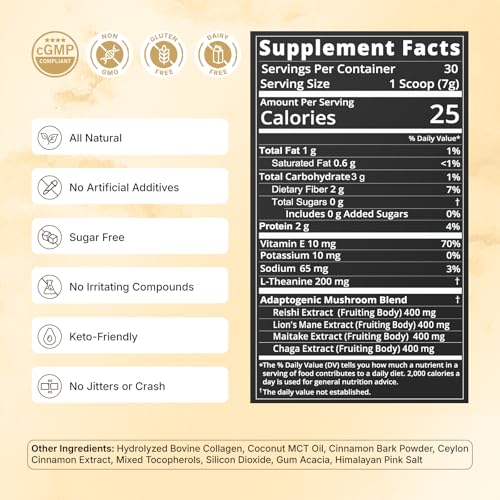
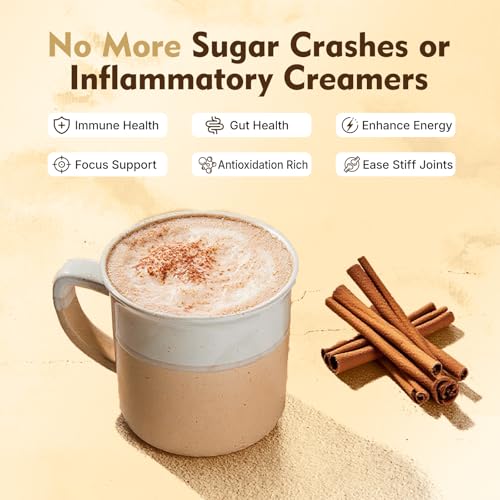
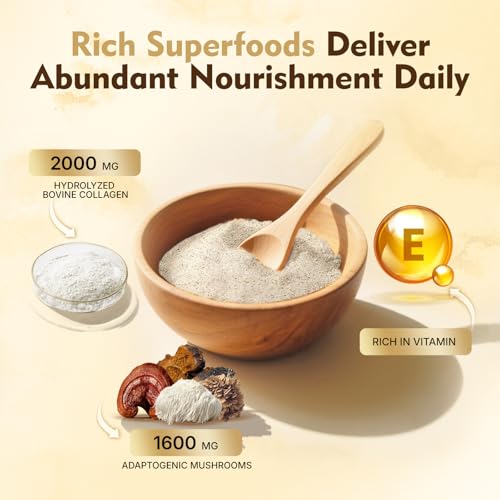
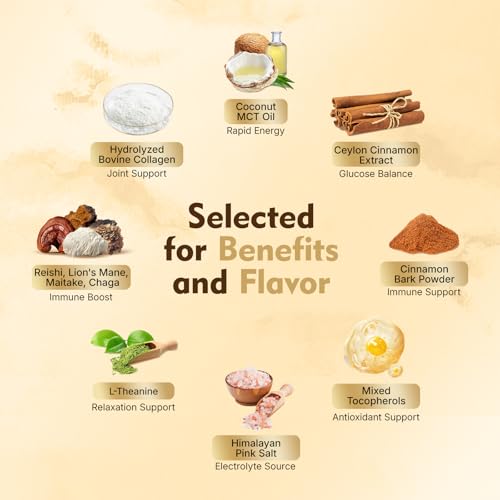
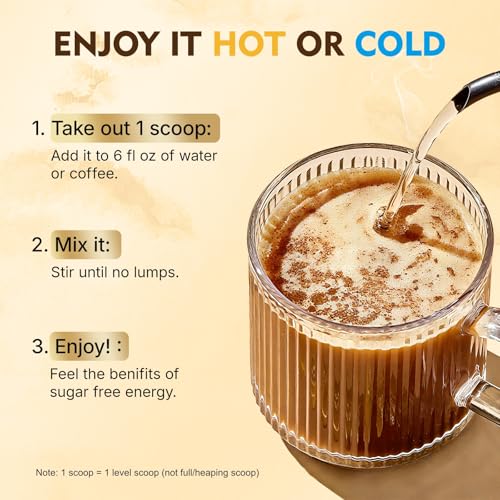
This isn’t just a creamer, it’s a functional supplement disguised as one. With collagen, MCT oil, four adaptogenic mushrooms, L-theanine, and cinnamon, it’s designed to do more than flavor your coffee. Owners consistently report feeling more focused and less jittery, which lines up with the L-theanine’s known calming effect when paired with caffeine. The cinnamon flavor is warm and natural, not candy-like, and the addition of pink salt adds complexity without overpowering.
It dissolves instantly in hot or cold liquids, and the 30-serving pouch is convenient for daily use. Compared to Javvy, it offers broader wellness benefits but at a higher price and with a more niche flavor profile. The bovine collagen means it’s not vegan, a label error the brand has acknowledged, so that’s a hard stop for some. Still, if you want your coffee to double as a wellness ritual, this is the most complete option on the list.
Product photos
How We Tested coffee creamer for low carb diet
As the founder of Bean Thusiast, I’ve always been fascinated by the subtle ways to elevate a cup of coffee. When looking at coffee creamers specifically for a low-carb diet, my research focused on a comparison of published nutritional information and ingredient lists. I also weighed owner reviews from across multiple retailers, and cross-referenced them with assessments from food and beverage review sites. This wasn’t about personal preference, but about identifying products that genuinely delivered on their promises.
For this category, the most important factors were net carbohydrate content, the quality of ingredients used to achieve sweetness and creaminess, and the added functional benefits. A low-carb lifestyle demands minimal impact on blood sugar, so carbohydrate counts were paramount. Beyond that, I prioritized creamers utilizing cleaner ingredients over artificial additives, and those offering benefits like protein or healthy fats offered additional value.
Specifications reliably show carbohydrate and fat content, but judging texture, mixability, and flavor required a close look at owner feedback. Reputable reviews helped me assess the truth behind claims of “smooth” or “creamy” textures, and whether a creamer truly dissolved well. Ultimately, a combination of objective data and subjective reports helped determine the top performers, and I’ve linked to resources about making healthy creamer choices if you’re concerned about sugar in coffee creamer or artificial ingredients creamer.
How To Pick The Right coffee creamer for low carb diet
Finding the right coffee creamer when you’re watching your carbohydrate intake can feel surprisingly complex. There are a lot of options claiming to be low carb, but quality and effectiveness vary considerably.
A quality low carb coffee creamer should prioritize minimizing net carbs and sugar while maximizing flavor and texture. Look for options utilizing sugar alternatives like stevia or monk fruit, healthy fats like MCT oil, and protein sources to support satiety. Avoid artificial ingredients and fillers, and consider the overall ingredient profile for potential allergens or sensitivities.
Sweetener Systems & Carb Counts
The most obvious factor is, of course, the carbohydrate content. However, simply looking at “total carbs” isn’t enough. Pay close attention to net carbs (total carbs minus fiber and sugar alcohols). Many brands use sugar substitutes, and the type matters. Stevia and monk fruit are generally well-regarded, while some sugar alcohols can cause digestive upset in sensitive individuals. I’ve found that focusing on products with less than 2g of net carbs per serving is a good starting point, but don’t be afraid to experiment.
Fat Source & Functionality
Beyond sweetness, the type of fat used is crucial, especially if you’re following a ketogenic diet. Coconut oil is a popular choice, and for good reason – it’s a source of medium-chain triglycerides (MCTs) which are rapidly metabolized for energy. You can learn more about coconut oil as creamer and how it fits into a low-carb lifestyle. But don’t limit yourself to coconut; some creamers use avocado oil or other healthy fats. Consider whether you want a creamer focused purely on flavor, or one with added functional benefits like sustained energy.
Ingredient Quality & Additives
Ultimately, the best low carb coffee creamer is one you enjoy and feel good about consuming. That means scrutinizing the ingredient list. Many conventional creamers are packed with artificial flavors, colors, and preservatives. Look for brands that prioritize cleaner ingredients and transparency.
- A short ingredient list is always a positive sign.
- Consider whether you need dairy-free options; many excellent almond or coconut-based creamers are available.
- Some creamers go beyond basic flavoring and include collagen, adaptogens, or other functional ingredients. Veltracha’s Cinnamon Collagen Creamer, for example, includes mushrooms and collagen for a boost of nutrients, but this also means a longer ingredient list to review.
I generally recommend starting with a simpler formulation and adding other supplements as needed, rather than relying on a creamer to do everything. If you are looking for a thorough guide to top low carb options, you’ll find a lot of helpful information there.
A good rule of thumb: if you can’t pronounce an ingredient, or don’t know what it is, it’s probably best to avoid it.
Coffee Creamer for Low Carb Diet Compared
Here’s a comparison of specifications for various low-carb coffee creamers to help you choose the right one.
| Product Name | Sugar (g) | Net Carbs (g) | Protein (g) | Collagen (g) | MCT Oil |
|---|---|---|---|---|---|
| Javvy Hazelnut Protein Creamer | 0 | N/A | 11 | 11 | Yes |
| Chobani Zero Sweet Cream Creamer | 0 | N/A | N/A | N/A | N/A |
| Walden Farms Sweet & Creamy Creamer | 0 | 0 | N/A | N/A | N/A |
| Keto MCT Oil Powder Creamer | N/A | N/A | N/A | N/A | Yes |
| Veltracha Cinnamon Collagen Creamer | 0 | N/A | N/A | N/A | Yes |
Frequently Asked Questions
What’s the biggest difference between total carbs and net carbs in a coffee creamer?
Net carbs are the number you should focus on when following a low-carb diet; they’re calculated by subtracting fiber and sugar alcohols from total carbohydrates, as these have minimal impact on blood sugar. Fiber and sugar alcohols aren’t fully digested by the body.
Are powdered creamers generally lower in carbs than liquid ones?
Powdered creamers often have lower carbohydrate counts because the water content in liquid creamers adds to the overall carb total without contributing to flavor or creaminess. However, always check the nutrition label as formulations vary widely.
Can I use plain MCT oil as a coffee creamer substitute?
You can, but it won’t provide the same creamy texture as a formulated creamer; blending it with a small amount of unsweetened nut milk can improve the consistency and flavor, and you can find resources for keto coffee creamer options with MCT oil already included.
What should I do if a low-carb creamer causes digestive issues?
Some sugar alcohols, like erythritol or xylitol, can cause bloating or diarrhea in sensitive individuals. Try a different creamer sweetened with stevia or monk fruit, or reduce the amount you use to see if symptoms subside.
Do collagen creamers actually offer health benefits beyond just flavoring my coffee?
Collagen provides protein and may support skin, hair, and joint health, though more research is still being done. While a creamer isn’t a replacement for a dedicated collagen supplement, it is a convenient way to add a small amount to your daily routine, and there are several top keto creamer brands that include it.
The Bottom Line
Choosing a low-carb coffee creamer often comes down to balancing convenience with control. While some options offer a simple, straightforward way to cut carbs, you’ll often find those rely on ingredients you might prefer to avoid. For an excellent all-around pick that delivers on flavor and minimizes impact on your diet, I recommend Javvy Hazelnut Protein Creamer.
If you have specific needs, there are excellent choices to suit them. For those prioritizing simplicity and a neutral flavor profile, Chobani Zero Sweet Cream Creamer is a solid choice. And if you’re looking for an easy way to incorporate MCT oil energy benefits into your morning routine, Keto MCT Oil Powder Creamer is a great option.
Ultimately, the best coffee creamer is one that fits your individual preferences and dietary goals. Don’t get too caught up in chasing the lowest carb count; prioritize real ingredients, a flavor you enjoy, and a product that supports your overall wellness. It’s about finding a sustainable addition to your routine, not just a temporary fix.
