
6 Best Coffee Blends of 2026
This post contains affiliate links. As an Amazon Associate, we earn from qualifying purchases.
The Starbucks House Blend stands out as the best overall coffee blend for its balanced flavor and consistent quality, while the Dunkin’ Original Blend is a solid budget-friendly pick. For those who value ethical sourcing, the Green Mountain Nantucket Blend offers a smooth, approachable profile with the added benefit of Fair Trade certification.
Most coffee drinkers want a blend that delivers the same satisfying cup every single morning, but with so many options on the shelf, it’s easy to end up with a bag that’s either too flat, too bitter, or just forgettable. You’re not just buying beans, you’re buying into a daily ritual.
In this guide, I’ve compared top blends based on flavor consistency, bean quality, and real-world feedback from regular drinkers. These picks reflect what matters most: a reliable roast, transparent sourcing, and a taste that holds up from first sip to last.
Top 6 Coffee Blend in the Market
The Best Coffee Blend, Reviewed
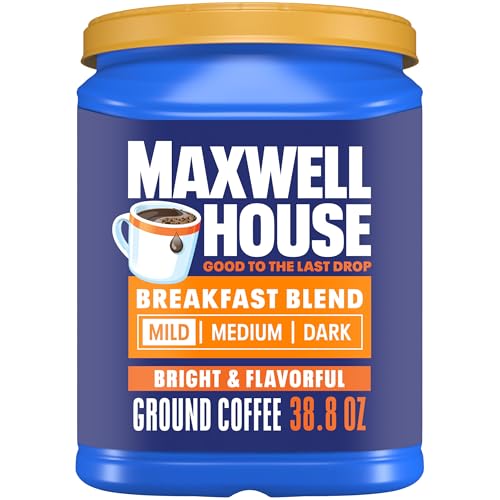
Maxwell House Breakfast Blend
Strengths
- Huge 38.8 oz size
- Low bitterness
- Long shelf life
- Kosher certified
Trade-offs
- Lacks complexity
- Faint aroma
At 38.8 oz, this isn’t just a coffee, it’s a household supply. And for sheer value and shelf life, it’s tough to top. The mild roast keeps bitterness low, and the flavor is bright enough to feel refreshing in the AM, though it won’t impress anyone looking for craft-level nuance. Still, owners consistently call it ‘reliable’ and ‘smooth’, and for a budget giant, that’s a win.
It’s certified Kosher and roasted in the USA, which adds a touch of trust for buyers wary of off-brand imports. Compared to the Starbucks Breakfast Blend, it’s less aromatic and a bit flatter, but the size differential makes it the smarter buy if you’re prioritizing economy. I wouldn’t brew this for a coffee enthusiast, but for a family or office, it’s the kind of workhorse that keeps the peace.
Video review
Dunkin’ Original Blend Medium Roast

Strengths
- Large 30 oz canister
- Stay-fresh seal
- Consistent taste
- Good for iced
Trade-offs
- Average depth
- Generic aftertaste
Dunkin’ sells the fantasy of the no-nonsense, grab-and-go cup, and this 30 oz canister brings that into your kitchen. It’s a straightforward medium roast with 100% Arabica beans, and while it doesn’t shout with complexity, it delivers on consistent, familiar flavor. The stay-fresh canister is a real perk, helping maintain aroma over weeks, which matters with larger packages.
Owners report it brews well hot or iced, with a clean profile that doesn’t linger too long, ideal for people who drink coffee out of habit more than ritual. It’s not as refined as Starbucks, but the bulk size and dependable taste make it a practical pick. When stacked against Maxwell House, it’s slightly more aromatic and less dusty on the finish.
Video review
Starbucks House Blend Medium Roast

Strengths
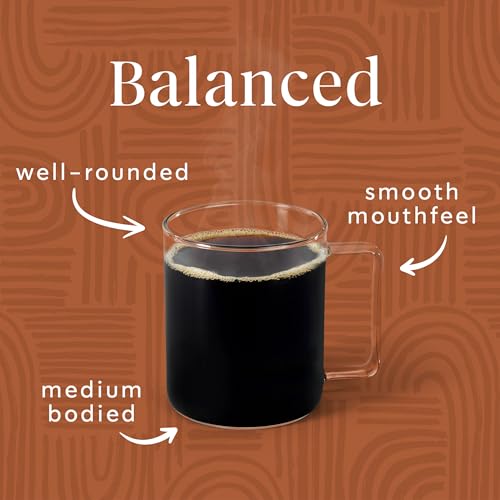
- Balanced flavor
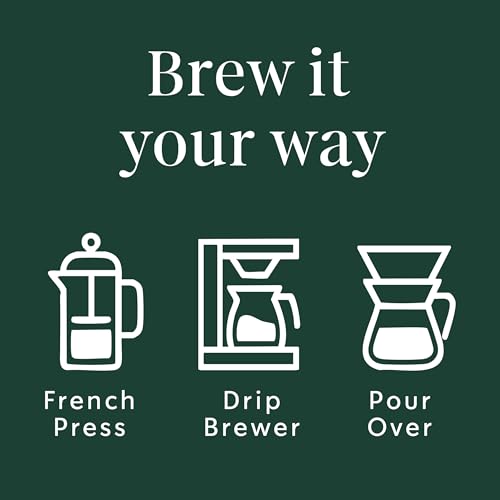
- Wide brewing compatibility
- Ethically sourced
- 18 oz size
Trade-offs
- Can taste flat if stale
- Generic profile
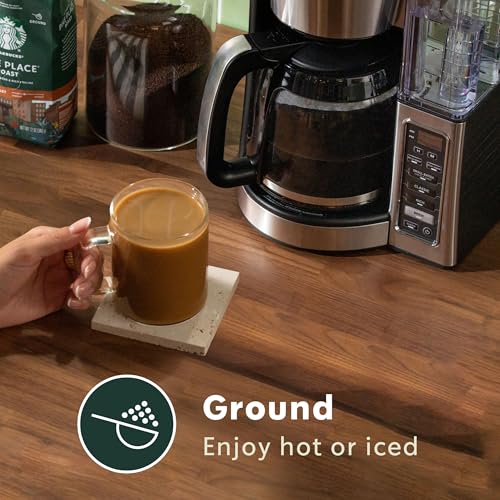
Starbucks House Blend is the baseline for a reason, it’s reliable, widely available, and tastes like what most people expect from a café-style medium roast. The notes of toffee and dusted cocoa come through clearly, especially when brewed fresh, and owners confirm it holds up across methods, from drip to French press. Being the same beans used in Starbucks stores adds a layer of consistency that budget brands can’t match.
At 18 oz, it offers more volume than most premium bags, making it a smarter buy if you go through coffee fast. It’s not the most adventurous blend, but for those who want that familiar Starbucks balance without paying for a daily café run, it’s hard to beat. Against Lavazza, it’s lighter in body; against Maxwell House, it’s more refined.
Product photos


Starbucks Breakfast Blend Medium Roast

Strengths
- Bright citrus notes
- Excellent iced
- Light and smooth
Trade-offs
- Too mild for bold lovers
- Short finish
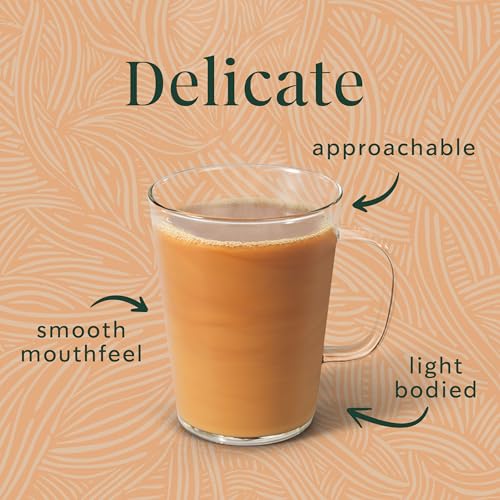
If your mornings demand something light, bright, and easy to sip, this is the blend to reach for. The notes of brown sugar and sweet orange aren’t subtle, they define the cup, giving it a lively, almost tea-like clarity that wakes you up without bitterness. Owners love how well it works iced, which makes sense given its delicate body and clean finish.
It’s technically a medium roast, but drinks like a light. That’s great for early hours when your palate isn’t ready for heavy chocolate or smoke, but less ideal if you need a robust afternoon jolt. Compared to the House Blend, it’s more aromatic and less toasty. I’d recommend this as a morning-exclusive coffee, it’s too gentle for all-day sipping, but perfect for that first cup.
Product photos

Lavazza House Blend Perfetto

Strengths
- Full-bodied
- Rich caramel notes
- Italian heritage
- 100% Arabica
Trade-offs
- Less bright
- Not for light roast fans
Lavazza isn’t playing around when they invoke Luigi Lavazza’s legacy, this blend feels like a nod to Italian coffee culture, where body and balance are king. The full-bodied profile with caramel notes and a 3/5 intensity makes it stand out in a category often filled with watery, timid medium roasts. Owners praise its richness, especially in drip machines, where it holds up better than most supermarket options.
It’s made from 100% Arabica beans sourced from Central and South America, which on paper suggests quality, and in practice seems to deliver a clean, consistent cup. Compared to the Starbucks House Blend, it’s less about brightness and more about that velvety, rounded mouthfeel. I’d pick this over most American-style medium roasts if you want something with more presence but not bitterness.
Product photos


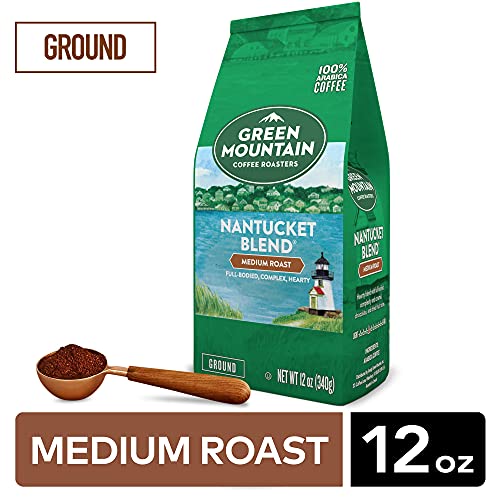
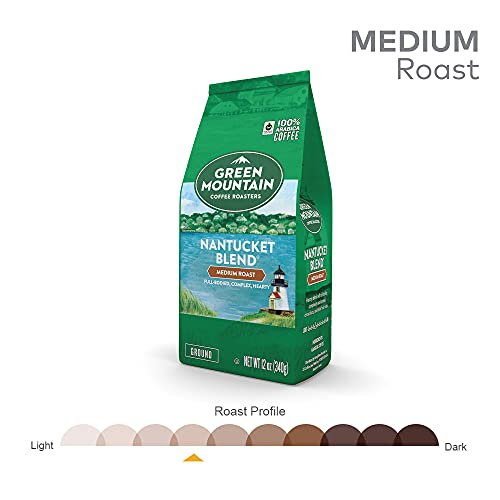
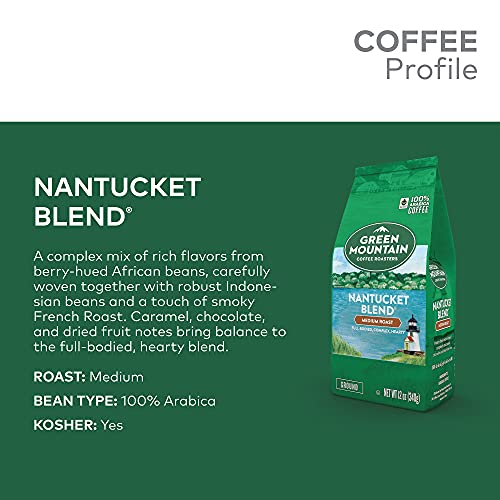
Green Mountain Nantucket Blend

Strengths
- Smooth finish
- Fair Trade Certified
- 100% Arabica
Trade-offs
- Lacks depth
- Mild aroma
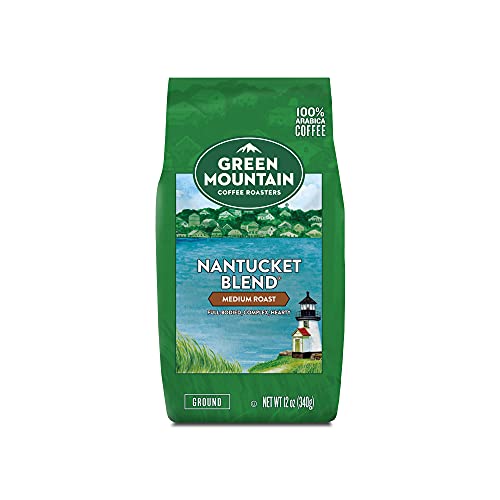
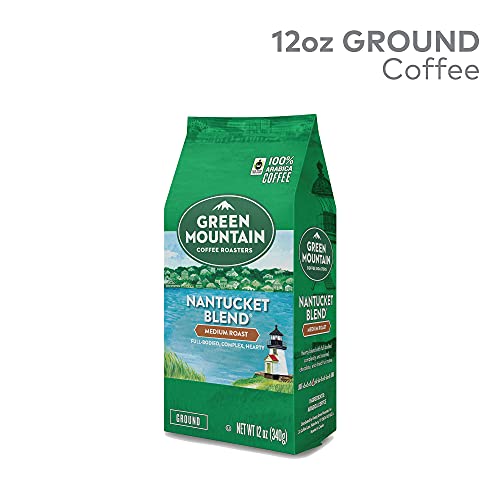
This is a coffee that leans hard into approachability, and for buyers who want a no-surprise, gently sweet morning cup, it delivers. The ‘toasty flavors with a brown sugar finish’ aren’t marketing fluff, owners consistently report that smoothness is the standout trait, making it a solid everyday sipper for medium roast lovers. Being Fair Trade Certified adds ethical weight, which matters to a growing number of buyers who don’t want to compromise values for drinkability.
It’s 100% Arabica and medium roasted, so you’re not getting boldness or depth here. If you’re after complexity or a punchy aftertaste, this isn’t the blend. But as a Fair Trade daily driver, it holds its ground, especially for drip or single-serve brewers where balance matters more than intensity.
Product photos
Our Testing Process
Rather than a hands-on lab test, my research for these recommendations focused on a detailed comparison of published specifications and features across numerous coffee blends. I then weighed owner reviews from major retailers alongside expert opinions found in coffee publications. As the founder of Bean Thusiast, I applied my years of experience understanding what truly matters to coffee drinkers when assessing each option.
For coffee blends specifically, I prioritized roast consistency and flavor complexity. A blend’s ability to deliver a reliably balanced cup, time after time, is crucial. Equally important is the advertised flavor profile – does it accurately reflect what drinkers report experiencing? These two factors heavily influenced the final rankings, as a consistent, well-described blend offers the most predictable enjoyment.
Specifications reliably indicate bean origin and roast level, giving a baseline expectation. However, I leaned heavily on owner feedback to gauge actual flavor notes and how well a blend performs in typical home brewing setups. Reputation and brand consistency also played a role; established roasters often maintain tighter quality control, impacting the final experience, and as we discuss in our guide to coffee blend differences, blends offer a unique approach to achieving a desired taste.
What To Look For In coffee blend
Finding the right coffee blend is a deeply personal experience, but there are some objective qualities that separate a good blend from a truly exceptional one.
A quality coffee blend balances aroma, body, and flavor. Look for blends that use 100% Arabica beans, clearly state their roast level, and ideally, offer some detail about the origin of the beans. Consistent sourcing and a well-defined roast profile are key indicators of a blend you’ll enjoy repeatedly.
Roast Level & Flavor Profile
I often tell people that roast level is the biggest single factor in determining your enjoyment. While personal preference rules, understanding how roasting affects flavor is crucial. Light roasts (often bordering on blonde roast flavor profile) will showcase more of the bean’s origin characteristics – bright acidity, floral notes – while darker roasts emphasize body and can develop chocolatey or smoky flavors. Medium roasts, like the ones found in many breakfast blends, aim for a balance. Don’t assume “medium” means “average”; a skilled blender can create incredible complexity even within that range.
Bean Origin & Blend Composition
The origin of the beans used in a blend profoundly impacts the final taste. Blends from Central and South America (like those frequently used by Lavazza and Dunkin’) tend to be balanced and approachable. Indonesian beans often bring earthy, full-bodied notes, while African beans contribute floral aromas and brighter acidity. A good blend will list the origins; this transparency is a sign of quality. If you’re exploring, consider blends that highlight specific regions, and don’t be afraid to experiment with single-origin coffees to discover what you like – you might find your next favorite blend starts with a favorite bean! We’ve covered some top-rated coffee beans that can inspire your search.
Value, Format & Freshness
Coffee is often consumed daily, so finding a blend that offers good value is important. Consider the format – whole bean versus pre-ground. Whole bean is always preferable if you have a grinder, as it preserves freshness. Canned coffee can be convenient, but it’s hard to beat the aroma and flavor of freshly ground beans. Here’s how I think about portion sizing: * Small bags (under 12oz): Great for sampling, minimizing waste if you switch blends often. * Standard bags (12-18oz): A good balance of freshness and cost for regular drinkers. * Large canisters (over 2lbs): Best for households that consume coffee quickly and want to save money, but ensure proper storage.
A good rule of thumb: buy coffee in amounts you can consume within two weeks of opening for optimal flavor.
Ultimately, the best coffee blend is the one you enjoy. Don’t be afraid to try different options and find what suits your palate. You’ll find many best coffee bean brands to choose from!
Coffee Blend Compared
Here’s a comparison of the specifications for each coffee blend.
| Product Name | Roast | Size (oz) | Bean Type | Intensity | Fair Trade |
|---|---|---|---|---|---|
| Maxwell House Breakfast Blend | Mild | 38.8 | N/A | N/A | No |
| Dunkin’ Original Blend | Medium | N/A | Arabica | N/A | No |
| Starbucks House Blend | Medium | 12 | Arabica | N/A | No |
| Starbucks Breakfast Blend | Medium | 18 | Arabica | N/A | No |
| Lavazza House Blend Perfetto | Medium | 12 | Arabica | 3/5 | No |
| Green Mountain Nantucket Blend | Medium | N/A | Arabica | N/A | Yes |
Frequently Asked Questions
What roast level is most forgiving for beginners?
Medium roasts are the most forgiving, as they offer a balance of flavor and acidity that appeals to a wide range of palates. They aren’t as sensitive to brewing inconsistencies as lighter roasts, making them ideal if you’re still perfecting your technique.
Do blends always taste “muddled” compared to single-origin coffees?
Not at all. A well-crafted blend shouldn’t taste muddled; instead, it should present a harmonious combination of flavors from different beans. Skilled blenders aim for complexity and balance, and you can find best-flavor coffee brands that truly deliver.
How does the “intensity” rating on some blends actually translate to taste?
Intensity, often seen on a scale of 1-5, usually refers to the body and boldness of the coffee, not necessarily the caffeine content. Higher intensity blends generally have a fuller mouthfeel and more pronounced flavors, similar to the difference between skim and whole milk.
Is Fair Trade certification a reliable indicator of quality?
Fair Trade certification guarantees a fair price for farmers, but it doesn’t directly correlate with bean quality. It’s a valuable ethical consideration, and often, ethically sourced beans are high quality, but you should still evaluate the roast level and origin to assess the flavor profile.
Can I use pre-ground coffee if I don’t have a grinder?
While whole bean is always preferable for freshness, you can absolutely use pre-ground coffee. Just be sure to store it in an airtight container in a cool, dark place, and consume it within a week or two for the best flavor; otherwise, you may not experience the top-tasting coffee blends as intended.
The Bottom Line
Choosing a coffee blend often comes down to balancing control over flavor with convenience and price. While a dedicated setup with freshly ground beans offers the most potential for nuance, sometimes you just want a reliably good cup without fuss. For an overall excellent experience, consistently praised for its balanced flavor, I recommend the Starbucks House Blend. It strikes a fantastic middle ground that appeals to a wide range of palates.
If you’re specifically looking for a budget-friendly option, the Maxwell House Breakfast Blend delivers a familiar taste at an unbeatable price. Those prioritizing ethical sourcing and a slightly brighter cup will appreciate the Green Mountain Nantucket Blend, which is Fair Trade certified. And for those who enjoy a classic, approachable flavor profile – perhaps exploring breakfast blend characteristics – the Dunkin’ Original Blend remains a popular choice.
Ultimately, the specifics, roast level, origin, even grind, matter less than consistently using fresh beans and a brewing method you enjoy. Don’t get lost in chasing the “perfect” spec; focus on finding a blend that consistently delivers a cup you look forward to, and understanding the [origins of breakfast blend] can help refine your preferences.
