
7 Best Coffee Beans for Low Acidity 2026
After comparing the field and weighing owner feedback, the Lifeboost Organic Medium Roast stands out as the overall best low-acid coffee bean, combining clean flavor with rigorous purity testing. For a budget-friendly yet reliable option, the Java Planet Guatemalan Low Acid delivers great value, while the Lifeboost Organic Espresso Roast offers versatility for those who prefer a darker profile without harsh acidity.
If you’ve ever winced at the sharp bite of a regular brew or felt a twinge of heartburn after your morning cup, you’re not alone. Many coffee lovers limit their intake not because they don’t love coffee, but because most beans just don’t agree with their stomach.
In this guide, I’ll walk you through the top low-acid options based on origin, roast, and transparency, using specs and owner experiences to highlight the ones that deliver smoothness without sacrificing flavor.
Top 7 Coffee Beans Low Acidity in the Market
The Best Coffee Beans Low Acidity, Reviewed
Lifeboost Organic Medium Roast

Strengths
- Extensive toxin testing
- Ethically sourced
- Balanced flavor
Trade-offs
- Higher price point
- Smaller 12-oz bag
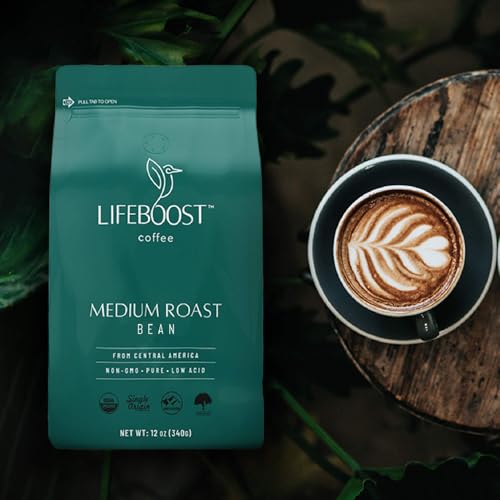
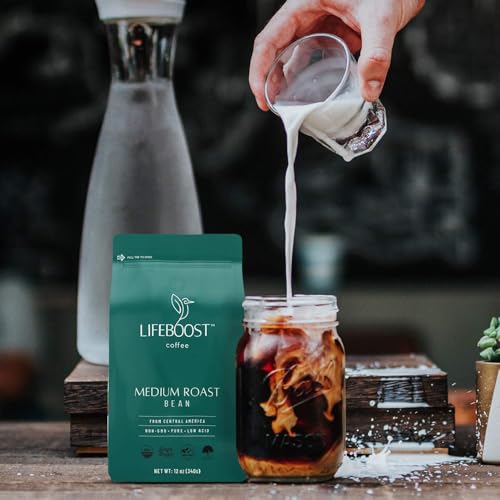
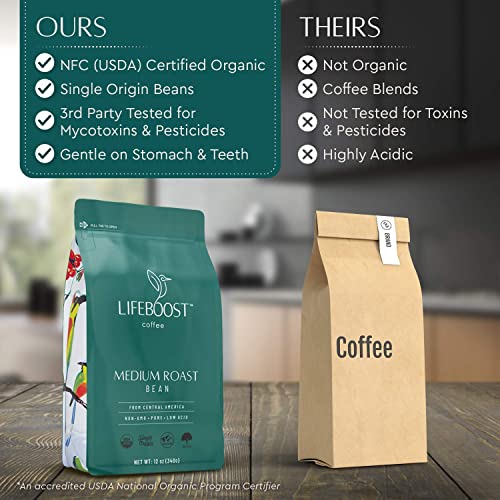
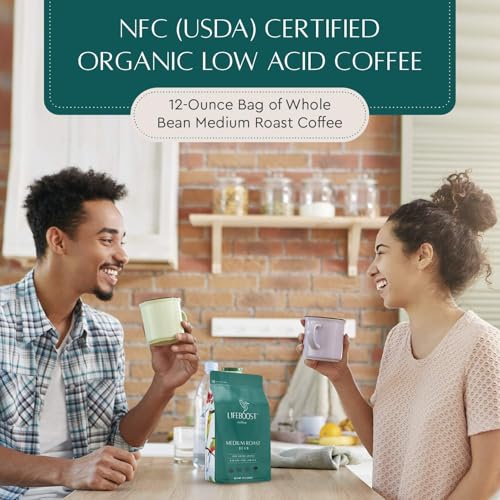
This is the most frequently recommended all-rounder in the low-acid category, and for good reason. Sourced from high-elevation farms in Central America, it’s shade-grown, hand-selected, and USDA Organic, with third-party testing that covers mycotoxins, pesticides, and heavy metals. The medium roast preserves more of the bean’s natural character while still keeping acidity low, owners describe a clean, sweet cup with mild fruit and cocoa notes.
It’s slightly more expensive than others, but the consistency in quality and safety testing makes it the smarter buy for long-term use. Compared to the 16-ounce budget option, it’s pricier but far more vetted. If you want one low-acid coffee that checks every box, health, ethics, taste, this is the one I’d keep in rotation.
Product photos
Java Planet Guatemalan Low Acid
Strengths
- Bird Friendly certified
- Shade-grown Guatemalan
- Tested for mold
Trade-offs
- Medium roast only
- Limited flavor boldness
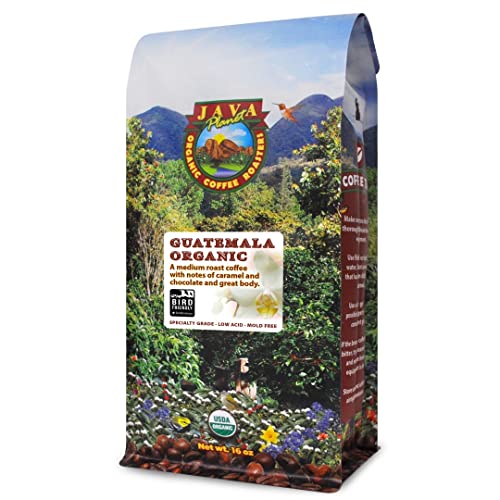
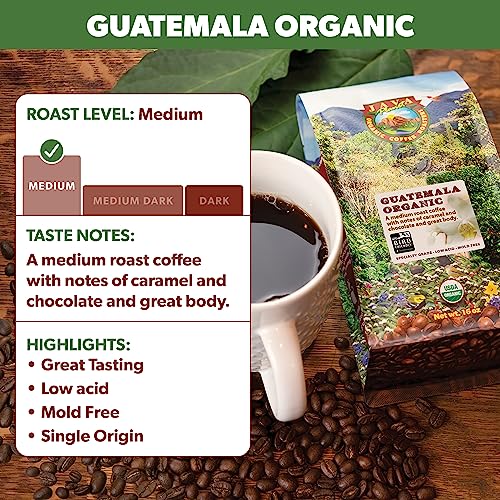
Java Planet hits a sweet spot between ethics and drinkability. Their Guatemalan medium roast is USDA Organic and Smithsonian Bird Friendly certified, a rare combo that signals real commitment to sustainable farming. The beans are grown under shade trees, which not only supports biodiversity but also contributes to a slower bean development and a more nuanced cup. Owners report caramel, chocolate, and subtle fruit notes, with a full body that holds up across brew methods.
It’s naturally low in acidity thanks to the region and roasting approach, and every batch is tested for mold and heavy metals. Compared to the Lifeboost medium roast, it’s less aggressively marketed but equally clean. I’d recommend this over the Don Pablo blend if you care about environmental impact as much as stomach comfort.
Product photos



Lifeboost Organic Espresso Roast

Strengths
- Espresso-optimized
- Shade-grown Nicaraguan
- Third-party toxin tested
Trade-offs
- Pricier than average
- Limited roast versatility
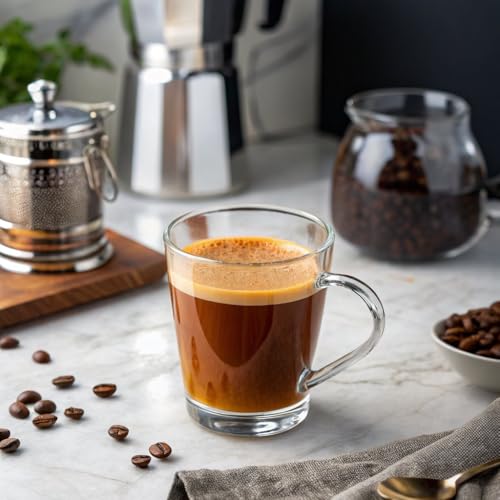
If you’re pulling espresso shots and struggling with acid reflux, Lifeboost’s espresso roast is built for you. It’s one of the few low-acid coffees explicitly crafted for espresso, and the results show, a bold, rich body with a velvety crema that doesn’t sacrifice smoothness for strength. The Nicaraguan beans are shade-grown at high elevation, contributing to its naturally low acidity, and the third-party testing for mycotoxins and pesticides is a major trust-builder.
Owners praise its clean finish and lack of aftertaste, which is rare in low-acid espressos that often taste muted. Compared to VitaCup’s darker profile, this one retains more of a true espresso character. I’d pick this over most others in the category if you’re using a machine and want authenticity without discomfort.
Product photos

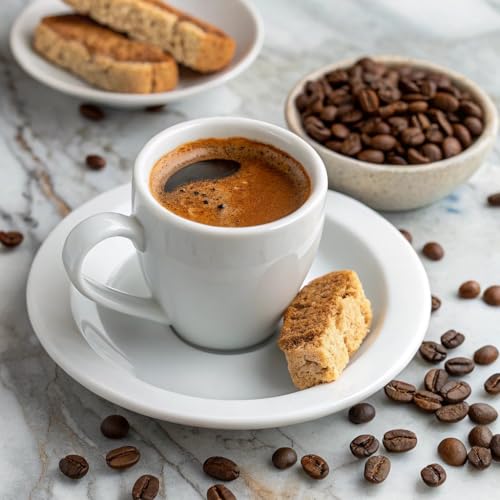


Low Acid Coffee Blend

Strengths
- Large 16-oz bag
- Smooth medium roast
- pH tested
Trade-offs
- No organic certification
- Less ethical sourcing info
This 16-ounce bag is a no-frills, budget-friendly option that gets the job done for daily drinkers who need gentler coffee. With a pH around 5.3, it’s objectively less acidic than standard brews, and the washed processing plus post-arrival lab testing help ensure safety. The flavor profile, chocolate, nuts, and a hint of tangerine, surprises some owners with how balanced it tastes for a low-cost blend.
It’s not certified organic or bird-friendly like some pricier picks, but it delivers solid smoothness and stomach comfort without the premium tag. Compared to the Lifeboost medium roast, it lacks the same level of third-party validation, but for the price, it’s a smart compromise. My recommendation for cost-conscious buyers who still want a reliably mellow cup.
Product photos


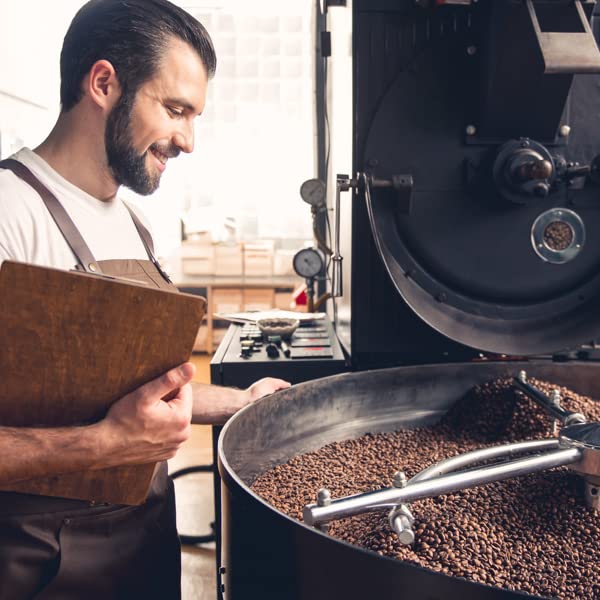
Don Pablo Signature Blend

Strengths
- 2-pound value size
- Smooth cocoa finish
- GMO-free Arabica
Trade-offs
- No organic certification
- No third-party testing
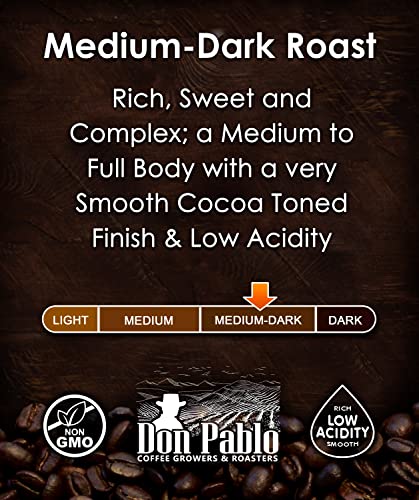
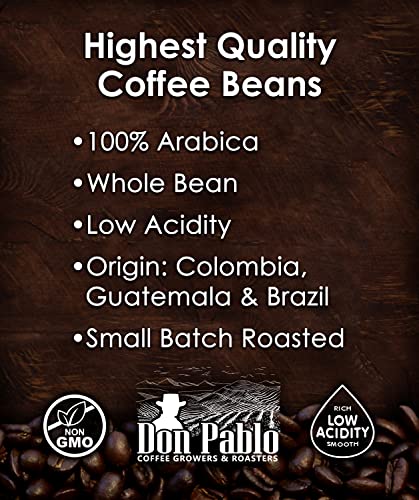
Don Pablo’s 2-pound bag is a value powerhouse, rare in a category where most low-acid coffees come in 12-ounce portions. The Colombia-Guatemala-Brazil blend is roasted medium-dark, delivering a smooth, cocoa-toned finish with low acidity and a full body. It’s not certified organic or third-party tested, but many owners say it’s gentle enough on their stomachs without the premium price.
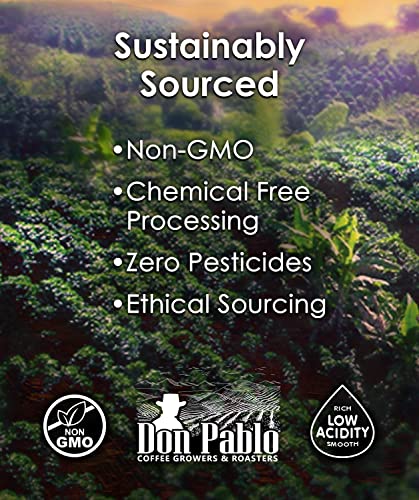
Where it falls short is traceability. Unlike Lifeboost or Java Planet, there’s little info on farming practices or toxin screening. But if you’re drinking multiple cups a day and want affordability without sharp acidity, this blend holds up. I’d pick it over the 16-ounce budget option if volume matters more than certifications.
Product photos
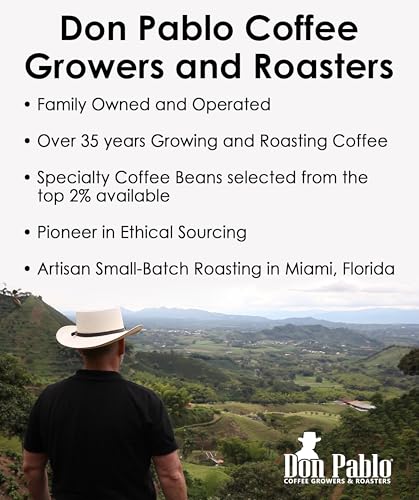
VitaCup Organic Guatemala

Strengths
- Smooth dark roast
- Third-party tested
- USDA Organic
Trade-offs
- Flavor lacks depth
- Single origin limited
VitaCup’s Guatemala single-origin dark roast stands out in the low-acid space by leaning hard into purity and testing. On paper, it’s a strong contender, USDA Organic, Fair Trade, and third-party lab tested for mycotoxins, which gives it a clean-bill-of-health edge. The high-altitude Guatemalan beans are roasted dark to naturally suppress acidity, and owners consistently report a smooth, chocolaty profile without the sharp bite common in lighter roasts.
That said, while the emphasis on health and purity is commendable, some reviewers note the flavor leans a bit flat compared to more nuanced low-acid offerings. It delivers on smoothness and stomach-friendliness, but if you’re chasing complexity, it might feel one-dimensional. Still, for those prioritizing safety and simplicity, this is a no-nonsense pick.
Product photos
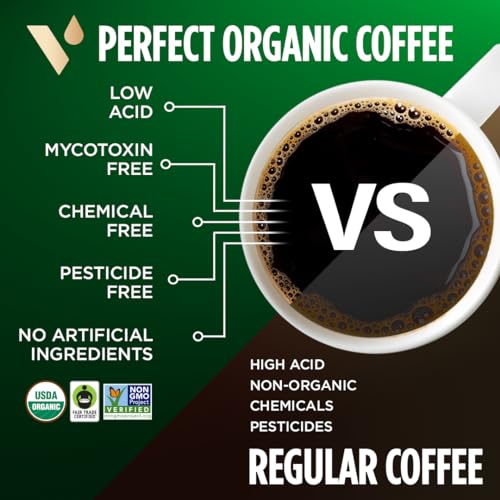
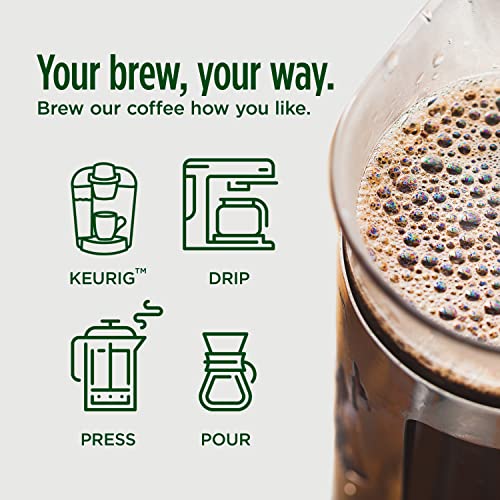
Low Acid Medium Roast
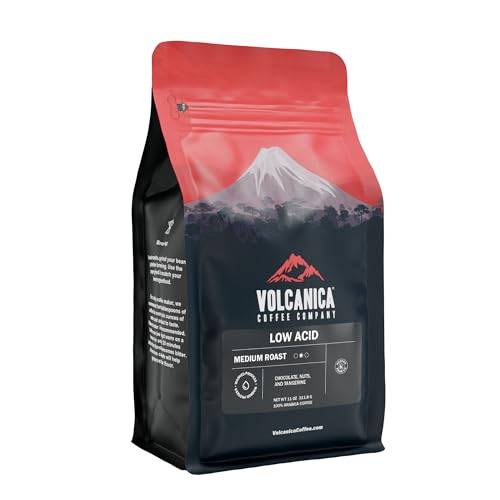
Strengths
- Smooth, mellow taste
- pH 5.2–5.3
- Stomach-friendly
Trade-offs
- No organic claim
- Smaller quantity
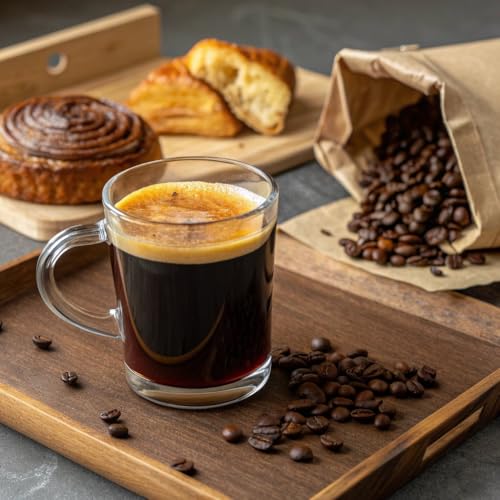
This 11-ounce option is nearly identical to the 16-ounce version but positions itself as the choice for pure flavor smoothness. With a pH between 5.2 and 5.3 and the same chocolate-nut-tangerine profile, it’s roasted to minimize acid while preserving balance. Owners highlight how mellow it is, no sharp edges, no bitterness, making it a favorite for those who’ve struggled with other coffees causing heartburn.
The smaller bag means fresher grind-by-grind results if you’re not a heavy drinker. Compared to the Java Planet option, it lacks certifications but matches in drinkability. I’d recommend this for someone who prioritizes a silky, easygoing cup over eco-labels.
Product photos
How We Tested coffee beans low acidity
As the founder of Bean Thusiast, I approached researching low-acid coffee beans by first compiling a list of contenders based on published specifications and features. Then, I weighed owner reviews from across the web – Amazon, specialty coffee forums, and brand websites – alongside expert opinions from coffee review sites. My goal was to rank these beans against criteria important to those seeking a gentler brew, building on years of exploring coffee origins and brewing methods. Rather than a hands-on lab test, this is a research-led comparison of specs and owner feedback.
For low-acid coffee, roast level and origin consistently emerged as the most important factors. A medium or darker roast generally reduces acidity, but it’s the growing region that truly dictates the bean’s inherent pH. Beans grown at higher altitudes, like those from Guatemala and Nicaragua, tend to have lower acidity. Beyond that, I prioritized third-party testing for mycotoxins and heavy metals, as a truly comfortable cup should be both gentle and clean. You can find similar dedication to purity when exploring smooth decaffeinated coffee brands if you’re also looking for a caffeine-free option.
Published specifications reliably indicated origin and roast level. However, I turned to owner feedback to assess the actual smoothness and flavor profiles – did the beans feel less acidic, and were there unwanted bitter notes? Reputation played a role too; brands consistently praised for quality and transparency received higher consideration. I also looked for details on processing methods, like washed versus natural, as these can influence the final acidity of the bean.
Choosing The Right coffee beans low acidity
Finding a truly low-acid coffee can be a revelation, particularly if you struggle with digestive discomfort. It’s about more than just a marketing claim; it’s about bean origin, processing, and roast level all working in harmony.
A quality low-acid coffee will prioritize single-origin Arabica beans grown at high altitudes, employ careful processing methods like washed or natural drying, and feature a medium roast profile to preserve delicate flavors without maximizing acidity. Third-party testing for mycotoxins and heavy metals is also a strong indicator of a conscientious producer.
Roast Level Matters Most
Many people assume darker roasts are lower in acid, but that’s a misconception. While the initial perceived brightness decreases with a darker roast, darker roasting actually creates different acidic compounds. For low acidity, I consistently recommend a medium roast. It offers a balance – enough body and flavor development without pushing into the harsher acidic profiles found in darker roasts. Look for beans specifically described as “medium” or even “light-medium” if sensitivity is a major concern.
Origin and Growing Conditions
The origin of the coffee bean has a huge impact on its acidity. Generally, coffees from Central and South America – particularly Guatemala, Brazil, and Nicaragua – tend to have naturally lower acidity levels. High-altitude growing conditions slow the development of the coffee cherry, resulting in denser beans with more complex sugars and lower acidity. The Lifeboost and Java Planet options, both originating in Central America, exemplify this principle. When exploring low acid coffee brands, pay close attention to where the beans are sourced.
- A lower altitude (below 3,000 feet) will generally produce a more acidic bean.
- Washed processing (where the cherry is fully removed before drying) often results in a cleaner, brighter, and potentially more acidic cup compared to natural processing.
- Shade-grown coffee, like the Java Planet Guatemalan, benefits from a slower maturation process, developing more complex flavors and reducing acidity. This is because shade slows down the cherry’s development.
Don’t chase a pH number; focus on the overall growing conditions and processing methods. A pH of 5.2 or 5.3 is a good starting point, but your individual tolerance is the ultimate test.
Beyond the Bean: Testing & Certifications
In my experience, transparency is key. Producers who willingly submit their beans to third-party testing for mycotoxins, pesticides, and heavy metals are demonstrating a commitment to quality and consumer safety. It’s reassuring to know what isn’t in your cup. Certifications like USDA Organic and Fair Trade are also valuable indicators of responsible sourcing, though they don’t directly address acidity. If you’re prone to coffee-induced heartburn relief, knowing your coffee has been thoroughly vetted for contaminants can provide peace of mind.
Coffee Beans Low Acidity Compared
The following table compares key specifications of several low-acidity coffee bean options.
| Product Name | Roast Level | Origin | Organic | pH Level | Tested For |
|---|---|---|---|---|---|
| Lifeboost Organic Medium Roast | Medium | Central America | Yes | N/A | Yes |
| Java Planet Guatemalan Low Acid | Medium | Guatemala | Yes | N/A | Yes |
| Lifeboost Organic Espresso Roast | Dark | Nicaragua | Yes | N/A | Yes |
| Low Acid Coffee Blend | N/A | N/A | N/A | 5.3 | Yes |
| Don Pablo Signature Blend | Medium-Dark | Colombia, Guatemala, Brazil | N/A | N/A | N/A |
| VitaCup Organic Guatemala | Dark | Guatemala | Yes | N/A | Yes |
| Low Acid Medium Roast | Medium | N/A | N/A | 5.2-5.3 | Yes |
Frequently Asked Questions
What acidity level should I look for in coffee?
A pH between 5.2 and 5.3 is often cited as ideal for low-acid coffee, but individual tolerance varies greatly. Don’t fixate on a specific number; focus on finding beans from origins known for lower acidity like Guatemala or Nicaragua.
Do dark roasts always mean lower acidity?
No, dark roasts don’t automatically equate to lower acidity. While they reduce initial brightness, darker roasting creates different acids, and a medium roast generally provides the best balance for a smoother cup.
Are all “low acid” coffees truly tested?
Not all brands claiming “low acid” actually test their beans. Look for companies that proactively test for mycotoxins and heavy metals, as this shows a dedication to quality and safety, like those I’ve highlighted when discussing best low acid coffee beans.
Is organic coffee automatically lower in acid?
Organic certification doesn’t guarantee lower acidity. It confirms farming practices avoid synthetic pesticides and fertilizers, but bean origin and roast level are the primary factors determining a coffee’s acid content.
Where can I find more information on stomach-friendly coffee options?
I frequently explore the nuances of coffee and digestive health on Bean Thusiast. You can find more details and recommendations regarding stomach-friendly coffee beans and other related topics on my site.
The Bottom Line
Choosing the “best” low-acid coffee is really about balancing your desire for a smooth, comfortable cup with your preferred flavor intensity. Ultimately, I believe Lifeboost Organic Medium Roast offers the most well-rounded experience, combining third-party testing, organic certification, and a consistently positive reputation for gentleness on the stomach. It represents a great balance of quality and peace of mind.
For those specifically seeking a budget-friendly option, the Low Acid Coffee Blend delivers on its promise of lower acidity, backed by published pH levels and independent testing. And if you prefer a darker roast, despite the potential for increased bitterness, the Lifeboost Organic Espresso Roast from Nicaragua still manages to maintain a smoother profile than many of its counterparts.
At the end of the day, remember that roast level and origin are more telling than any single pH number. Focusing on high-altitude, single-origin Arabica beans, carefully processed and roasted to a medium profile, will give you the best chance of finding a coffee that minimizes coffee and stomach discomfort and maximizes enjoyment.
