
9 Best Coffee Beans for Brewing 2026
The best coffee beans for brewing start with Groundwork B*tches Brew for its bold, organic dark roast, followed by Stumptown Holler Mountain for versatility and bright, balanced flavor, and Amazon Fresh Colombia as a solid budget pick with reliable 100% Arabica quality.
Most people don’t realize how much roast level, freshness, and sourcing affect their daily cup. It’s easy to grab whatever’s on sale, but that bag could be months old or loaded with low-grade beans.
After researching dozens of brands, reading owner reviews, and applying my experience from years of evaluating roasts at Bean Thusiast, I focused on beans with clear roast dates, transparent sourcing, and consistent feedback. This guide breaks down what actually matters so you can choose with confidence.
Top 9 Coffee Beans For Brewing in the Market
The Best Coffee Beans For Brewing, Reviewed
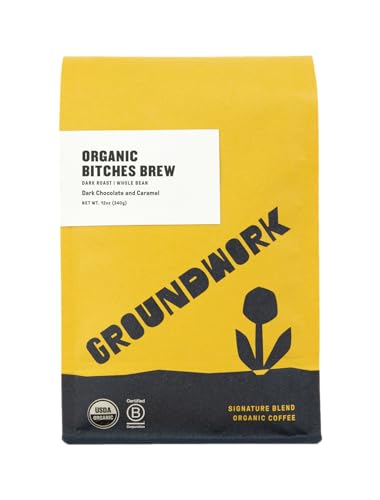
Groundwork B*tches Brew Dark Roast
Strengths
- Deep dark chocolate notes
- Organic and ethical
- Bold, smoky profile
- Small batch roasted
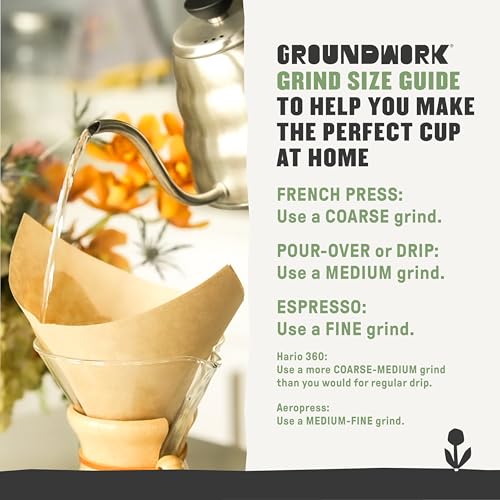
- Great for French press
Trade-offs
- Overpowering for mild palates
- Smoky finish not for everyone
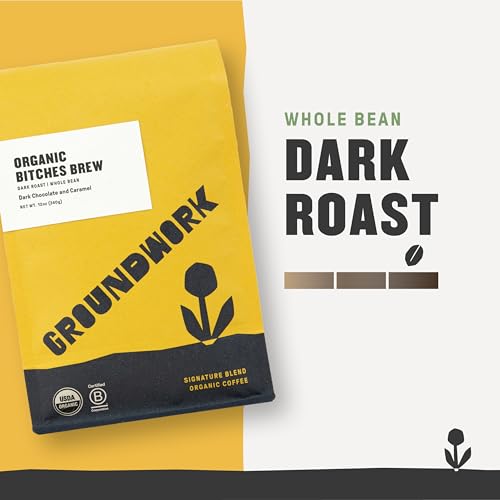
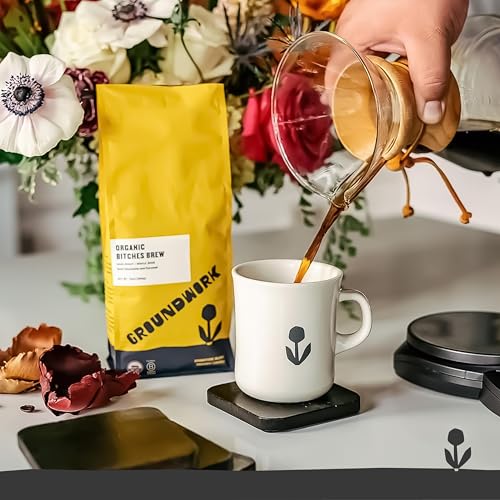
GROUNDWORK’s Btches Brew lives up to its name, this is a dark, electric* roast with serious attitude. The flavor profile leans into dark chocolate and fleur de sel caramel, delivering a smoky, almost savory depth that fans of bold coffee will love. It’s USDA Organic and small-batch roasted, which helps preserve its intensity without veering into burnt territory.
Owners consistently note its richness in French press and espresso, and the organic, Directly Traded sourcing adds ethical weight. Compared to Peet’s or Lavazza, it’s more intense and less balanced, but that’s the point. If you want jazz-dark, this is your blend.
Product photos

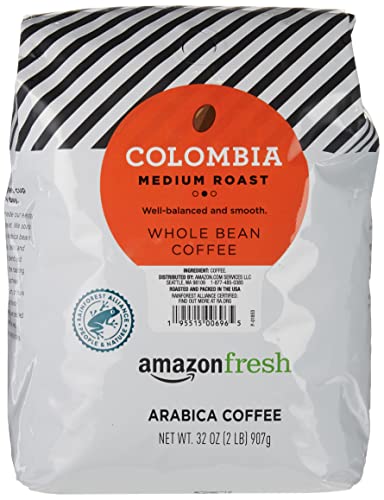
Amazon Fresh Colombia Medium Roast
Strengths
- Excellent value
- Large 32 oz bag
- Smooth medium roast
- 100% Arabica
- Consistently fresh
Trade-offs
- Lacks complexity
- Generic flavor profile
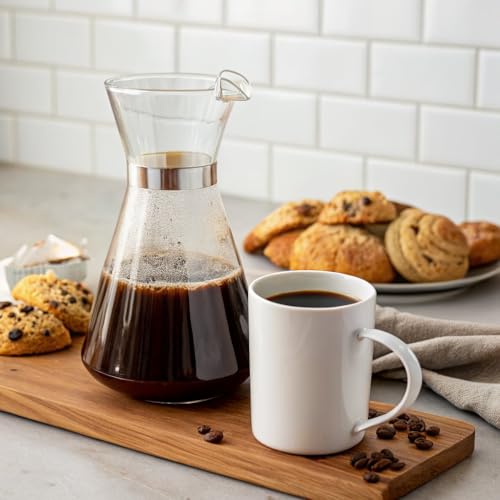
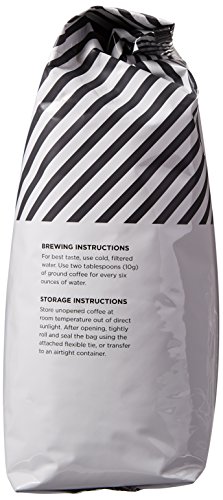
Amazon Fresh’s Colombia Medium Roast is the smart budget pick for those who want a solid, no-frills 100% Arabica coffee in bulk. At 32 ounces, it’s one of the largest bags here, and the price reflects its value focus. The roast is balanced and smooth, with a clean finish, nothing flashy, but reliable for drip or pour-over.
It won’t impress connoisseurs chasing nuanced single origins, but owners consistently report it outperforms its price. Compared to premium small-batch roasts, it’s simpler, but it’s a great option for households that go through coffee fast. Roasted in the USA, it’s also fresher than many store-brand alternatives.
Product photos



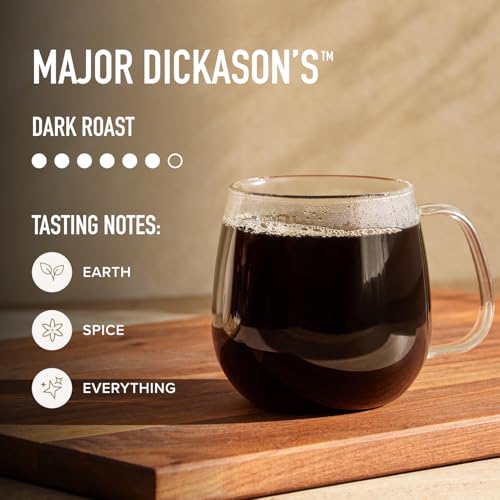
Peet’s Major Dickason’s Dark Roast
Strengths
- Classic dark roast flavor
- Rich and complex
- 100% Arabica
- Great for drip and French press
- Consistent quality
Trade-offs
- Small bag size
- Bitter edge may not suit all
- Not for light roast fans
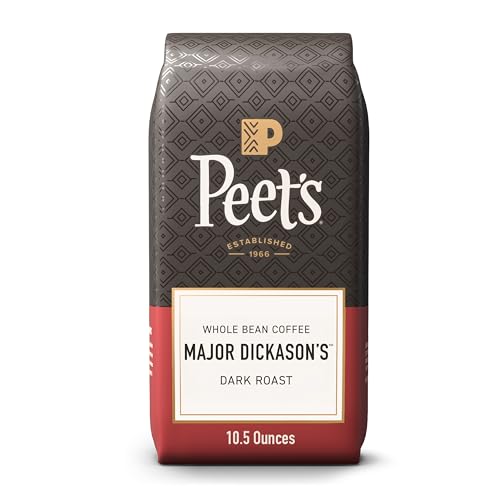
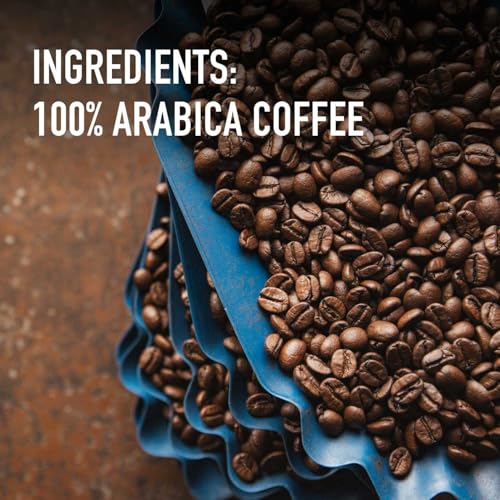
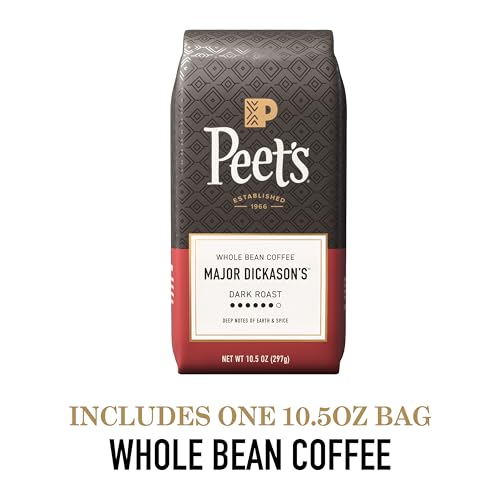
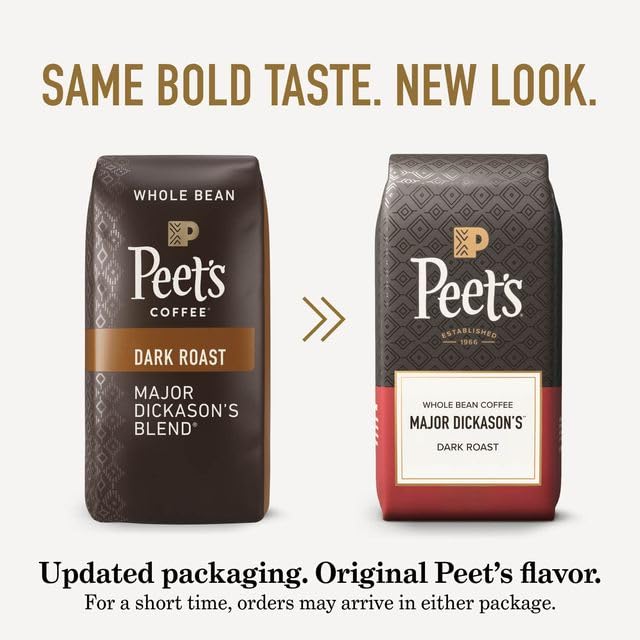
Peet’s Major Dickason’s Blend is the original American dark roast, and it still holds up. This 100% Arabica blend is rich, robust, and full-bodied, with a complexity that avoids the flatness some dark roasts fall into. It’s been a staple for decades, and owners praise its consistency, especially in drip and French press.
The roast brings out deep, earthy tones with a slight bitterness that works in its favor, it’s not trying to be delicate. Compared to softer medium roasts, it’s a punchier, more assertive choice. Just know the bag is small at 10.5 ounces, so it’s better for individuals or light drinkers.
Product photos
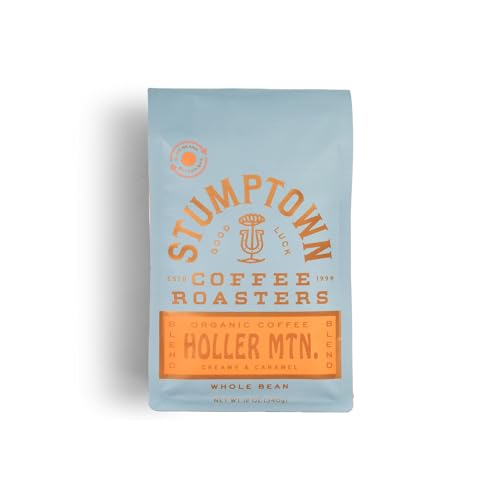
Stumptown Holler Mountain Organic
Strengths
- Balanced flavor
- Citrus and caramel notes
- Direct Trade certified
- Great for drip or espresso
- Organic
Trade-offs
- Not bold enough for dark roast fans
- Slight acidity may not suit all
Stumptown’s Holler Mountain is a versatile organic medium roast that walks the line between approachable and complex. With flavor notes of citrus zest, caramel, and hazelnut, it works as both a morning drip coffee and a surprisingly good espresso, owners report balanced shots with a sweet, rounded edge. The 100% Arabica beans are Direct Trade certified, which matters if you care about ethical sourcing and long-term grower relationships.
It’s not the darkest or the brightest roast out there, but that’s its strength. Compared to more aggressive blends, it’s a daily driver, reliable, flavorful, and flexible across brew methods. For those dipping into specialty coffee, this is a smart entry point.
Product photos



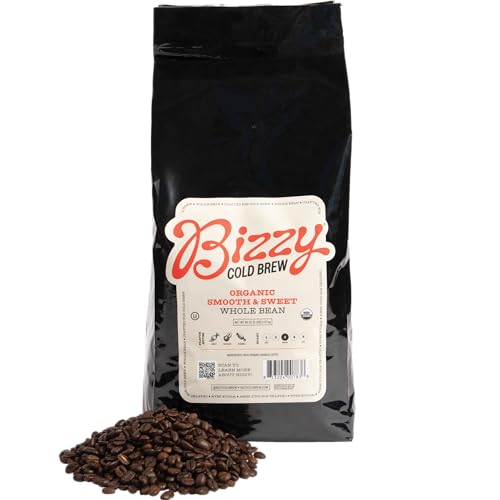
Bizzy Organic Cold Brew Blend
Strengths
- Optimized for cold brew
- Smooth, sweet flavor
- Large 5 lb bag
- USDA Organic
- 100% Arabica
Trade-offs
- Overkill for small households
- Not ideal for espresso
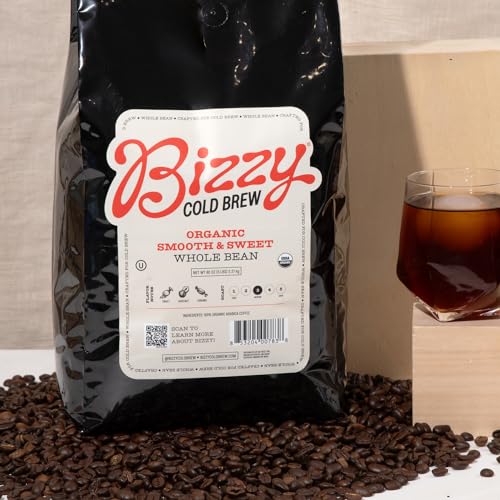
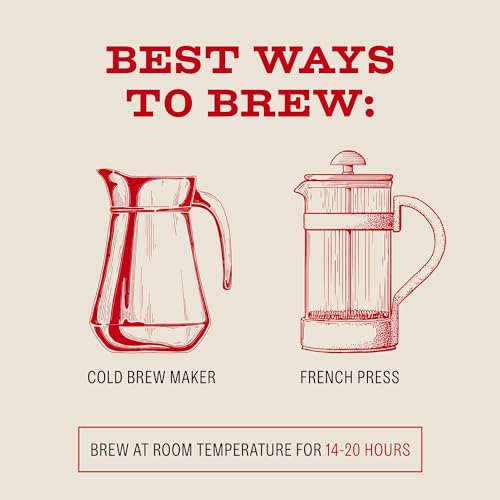
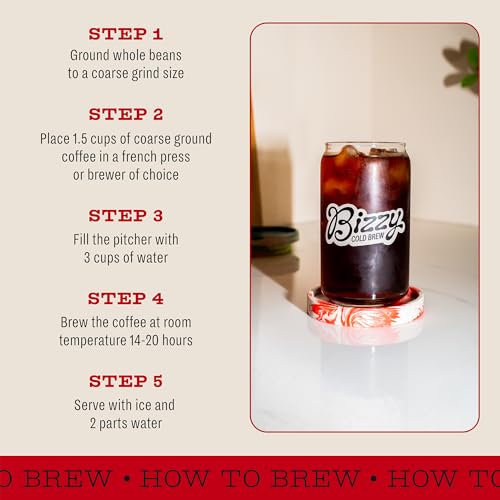
If you’re serious about cold brew, Bizzy’s 5-pound bag of organic whole bean coffee is a no-brainer. This blend, built specifically for cold water extraction, delivers a smooth, naturally sweet cup with minimal bitterness, exactly what you want from a dedicated cold brew bean. The flavor profile leans into caramel and hazelnut, and owners consistently report it brews up clean and balanced, even at high concentrations.
Sourced from 100% Arabica beans from Central America and USDA Organic certified, it’s a solid pick for those who prioritize clean sourcing without sacrificing performance. While it can work in other methods, its real strength lies in cold brew, where its mellow, syrupy body really shines.
Product photos

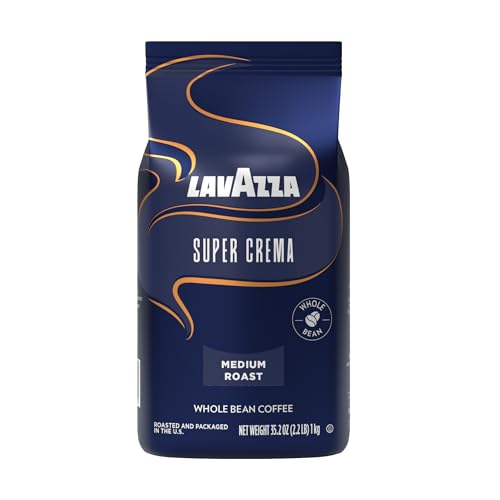
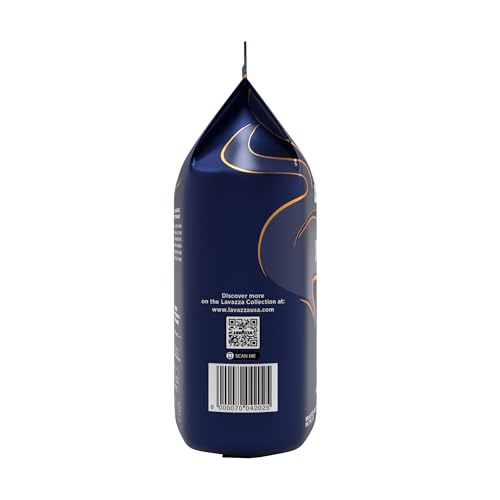
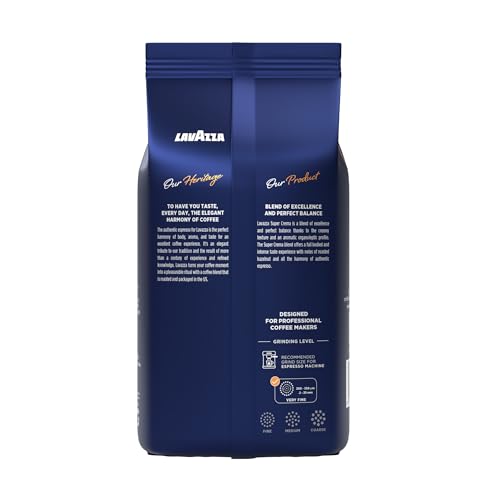
Lavazza Super Crema Espresso Blend
Strengths
- Excellent crema
- Creamy, smooth finish
- Consistent shot after shot
- Ideal for espresso
- Robusta adds body
Trade-offs
- Robusta may taste harsh to some
- Less origin character
- Not for filter purists
Lavazza Super Crema is one of those rare blends that lives up to the espresso hype. The mix of Arabica and Robusta gives it that signature creamy mouthfeel and bold crema, something reviewers consistently praise when pulling shots at home. The medium roast strikes a balance: rich and full-bodied without tipping into harshness, with a finish that’s more velvety than sharp.
On paper, the global sourcing from 15 countries might sound scattered, but it actually contributes to its consistency. That’s key for espresso, where you want reliability over surprise. Compared to 100% Arabica dark roasts, it lacks some complexity, but makes up for it in texture and ease of use.
Product photos


Copper Moon Sumatra Dark Roast

Strengths
- Earthy, bold flavor
- Smooth mouthfeel
- Great with milk
- Dark cacao notes
- Full-bodied
Trade-offs
- Smoky finish may overwhelm
- Not for bright, acidic fans
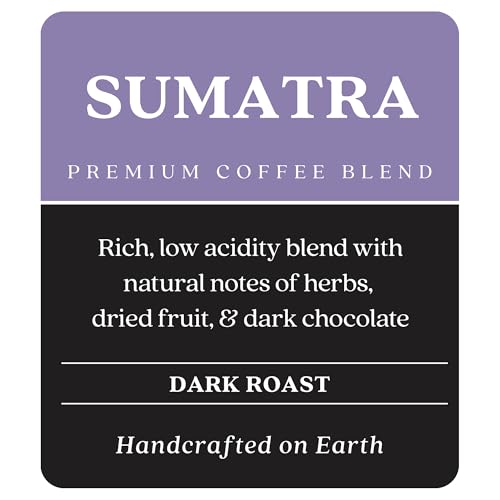
Copper Moon’s Sumatra Blend is built for lovers of bold, earthy coffee. With flavor notes of dark cherry, cacao, and a smoky finish, it’s a dark roast that leans into the terroir of its volcanic Indonesian origins. The body is full and smooth, almost syrupy, ideal for French press or espresso.
Owners praise its intensity and how it holds up with milk, making it a solid breakfast companion. It’s not as refined as some single-origin Sumatras from specialty roasters, but for the price, it delivers a convincing bold experience. Compared to lighter blends, it’s less bright but more grounding.
Product photos


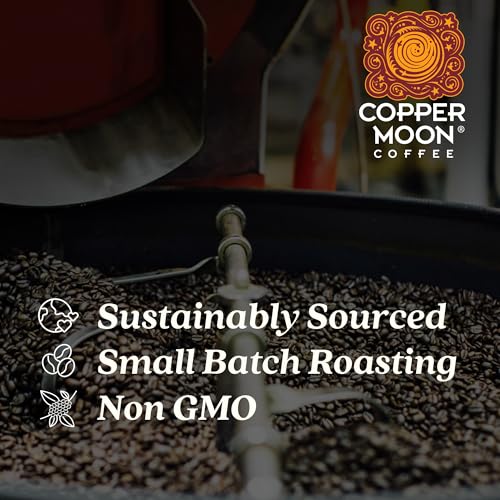

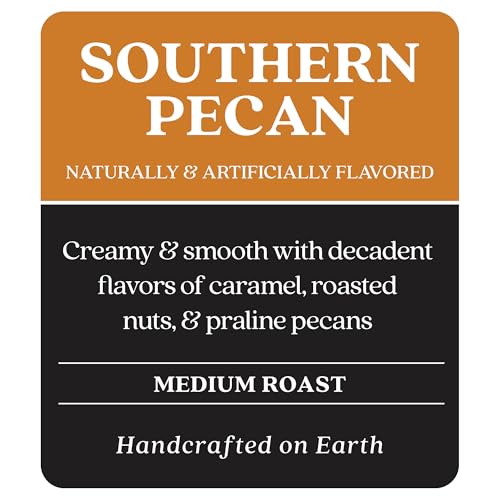
Copper Moon Southern Pecan

Strengths
- Natural pecan flavor
- Smooth, dessert-like profile
- Allergen-free
- Kosher and non-GMO
- Great for seasonal drinking
Trade-offs
- Flavored beans aren’t for purists
- Can taste sweet for some
Copper Moon’s Southern Pecan is the go-to if you love flavored coffee done right. Instead of tasting artificial, it delivers a warm, nutty profile with hints of caramel and vanilla, like pecan pie in a cup, but not cloying. The medium roast keeps the base coffee drinkable, and the flavor infusion is subtle enough that it doesn’t mask the bean entirely.
Owners appreciate that it’s allergen-free, kosher, and non-GMO, rare for flavored beans. While purists may turn up their nose, this is a crowd-pleaser for holiday mornings or casual sipping. Compared to unflavored blends, it’s less complex, but that’s not the goal here.
Product photos

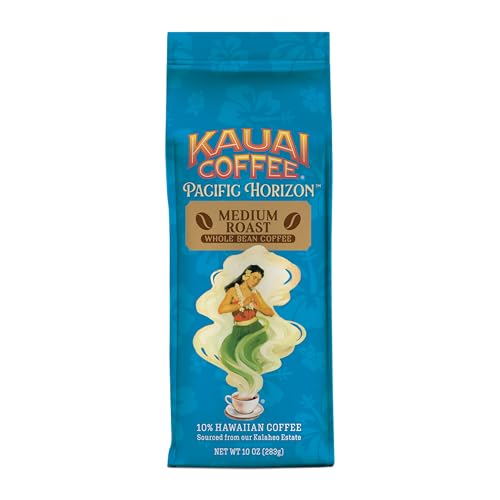
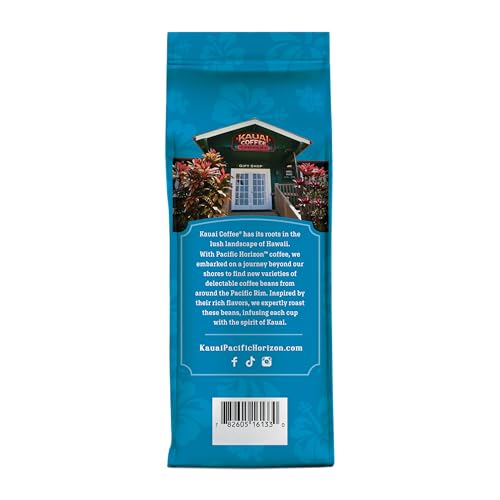
Kauai Koloa Estate Medium Roast
Strengths
- Distinctive floral notes
- Smooth, non-bitter
- True single-origin
- Grown in volcanic soil
- Light, bright profile
Trade-offs
- Small bag size
- Limited availability
- Not bold enough for dark roast lovers
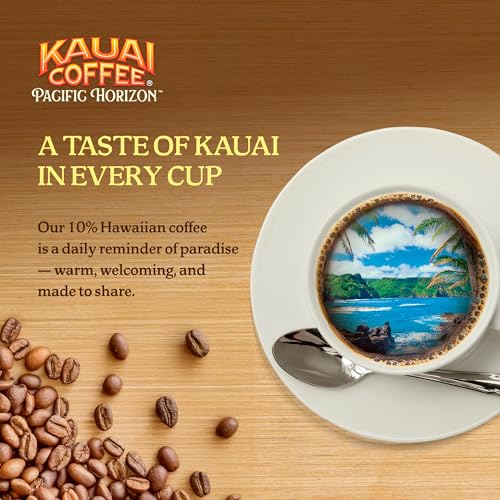
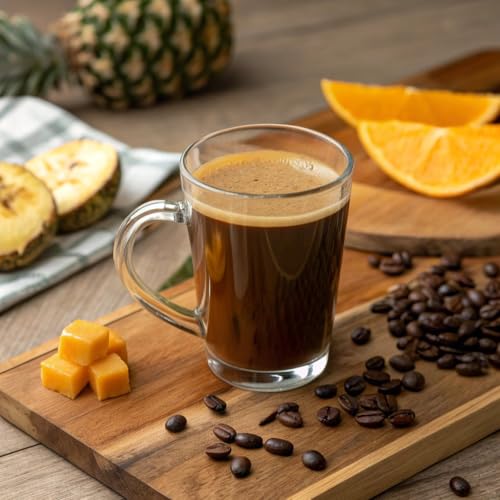
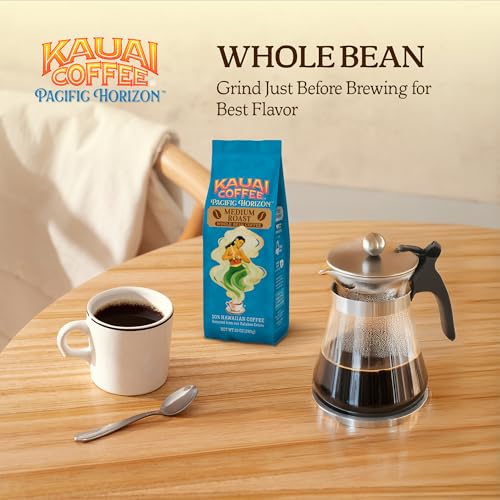
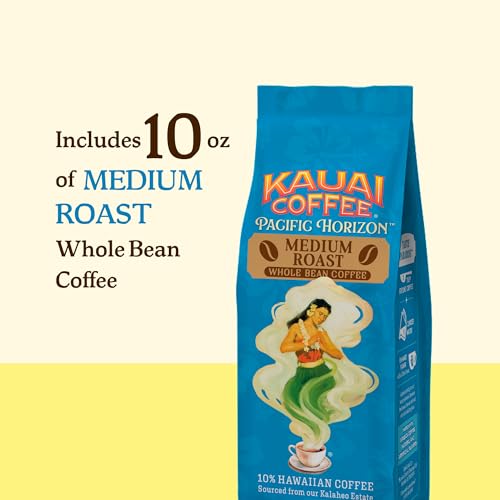
There’s a quiet elegance to Kauai Coffee’s Koloa Estate blend that stands out in a market flooded with bold, dark roasts. This 100% Hawaiian Arabica is grown in volcanic soil, and you can taste the terroir, light floral notes, a bright aroma, and a clean, smooth finish that avoids bitterness. It’s a true single-origin experience, and owners love how it transforms a morning cup into something meditative.
At 10 ounces, the bag is small and priced accordingly, but the quality justifies it. It’s not a powerhouse espresso bean, but in a pour-over or drip brewer, it sings. Compared to mainland blends, it’s more delicate, but that’s the point.
Product photos
How We Tested coffee beans for brewing
Rather than a hands-on lab test, my research for these recommendations focused on a detailed comparison of published specifications and features across dozens of brands. I weighed owner reviews from multiple sources – Amazon, specialty coffee forums, and retailer sites – alongside expert opinions from publications like Coffee Review and Serious Eats. As the founder of Bean Thusiast, I applied my years of experience exploring coffee origins and roasting styles to identify beans likely to deliver exceptional results.
For coffee beans, freshness, origin, and roast level are paramount. I prioritized beans with clear sourcing information and recent roast dates, as these significantly impact flavor. Roast level was also heavily weighted; different brewing methods benefit from different roasts, and I aimed to include options catering to diverse preferences. Understanding your preferred brewing method is key, and sometimes exploring light roast coffee beans can open up new flavor profiles.
Specifications reliably indicate bean type (100% Arabica is generally preferred), processing method (washed, natural, etc.), and elevation. However, flavor notes are subjective. I heavily relied on owner feedback to assess how those advertised flavors translate to the actual cup experience. Reputation also played a role; established roasters with a consistent track record for quality were given greater consideration.
How To Choose The coffee beans for brewing
Finding the right coffee beans can feel overwhelming, but a few key considerations will get you closer to your ideal cup.
Quality coffee beans start with 100% Arabica sourcing, ideally from single-origin estates or carefully curated blends. Roast level significantly impacts flavor – lighter roasts showcase origin characteristics, while darker roasts develop bolder, smoky notes. Freshness is paramount; whole bean coffee, ground immediately before brewing, delivers the most vibrant experience. Look for roast dates, not just “best by” dates.
Roast Level & Flavor Profile
I often tell people that roast level is the most impactful decision you’ll make. It’s so much more important than origin, honestly. A light roast will highlight the bean’s inherent qualities – floral aromas, bright acidity, and subtle fruit notes. Expect a more complex, nuanced cup. As you move to medium roasts, those characteristics mellow out, offering a balanced flavor profile with more body. Dark roasts, like you find in Peet’s Major Dickason’s, trade those subtleties for boldness, smokiness, and a heavier mouthfeel. Don’t be afraid to experiment, but understand that a dark roast will almost always obscure the origin flavors.
Bean Form & Freshness
Whole bean coffee is absolutely the way to go, if you’re serious about flavor. Pre-ground coffee stales incredibly quickly, losing volatile aromatic compounds. Grinding immediately before brewing unlocks the full potential of the bean. If you aren’t ready to jump into a grinder, look for beans with a roast date clearly visible on the bag. Avoid “best by” dates, as those don’t tell you when the beans were actually roasted.
Here’s what I recommend when prioritizing freshness: * A recent roast date is critical (within the last 2 weeks is ideal). * Look for packaging that protects against oxygen and light (valved bags are best). * Buy smaller quantities more frequently – it’s better to use up a smaller bag quickly than let a larger one sit around for months.
Sourcing & Ethical Considerations
Increasingly, coffee drinkers are interested in where their beans come from and how they’re produced. Direct Trade relationships, like those practiced by Stumptown, are a great sign, ensuring farmers receive fair prices and have collaborative partnerships with roasters. Organic certification (as seen in Groundwork and Bizzy blends) guarantees the beans were grown without synthetic pesticides or fertilizers. Beyond that, look for brands that are transparent about their sourcing practices and committed to sustainability. If you’re looking for more information, you can find a high-quality coffee bean guide with more details.
A good rule of thumb: don’t chase the trendiest bean; instead, focus on finding a roaster that prioritizes quality, freshness, and ethical sourcing, even if it means sticking with a slightly less exotic origin.
Coffee Beans for Brewing Compared
Here’s a comparison of the specifications for various coffee beans available for home brewing.
| Product Name | Roast Level | Origin | Bean Type | Bag Size (oz) | Key Features |
|---|---|---|---|---|---|
| Groundwork B*tches Brew | Dark | N/A | Arabica | N/A | Organic, Dark Chocolate |
| Amazon Fresh Colombia | Medium | Colombia | Arabica | 32 | 100% Arabica |
| Peet’s Major Dickason’s | Dark | N/A | Arabica | 10.5 | Full-Bodied |
| Stumptown Holler Mountain | Medium | N/A | Arabica | 12 | Organic, Citrus & Berry |
| Bizzy Organic Cold Brew | Medium | Guatemala/Peru/Nicaragua | Arabica | N/A | Cold Brew Optimized |
| Lavazza Super Crema | Medium | Multiple | Arabica/Robusta | 2.2 lbs | Espresso Blend |
| Copper Moon Sumatra | Dark | Sumatra | Arabica | N/A | Bold & Earthy |
| Copper Moon Southern Pecan | Medium | N/A | Arabica | N/A | Flavored (Pecan) |
| Kauai Koloa Estate | Medium | Hawaii (Kauai) | Arabica | N/A | Single Origin Hawaii |
Frequently Asked Questions
What’s the difference between Arabica and Robusta beans?
Arabica beans generally offer a smoother, more aromatic flavor profile with higher acidity, while Robusta beans have a bolder, more bitter taste and higher caffeine content. Most specialty coffee beans for home brewing are 100% Arabica, though some blends include Robusta for added strength.
How does the roast level affect the caffeine content?
Contrary to popular belief, roast level doesn’t significantly impact caffeine content. Lighter roasts actually retain slightly more caffeine by weight, but the difference is minimal(around 5-10%). Density changes during roasting are the key factor, and darker beans are less dense.
What does “single-origin” really mean?
Single-origin coffee comes from a single farm, region, or cooperative, allowing you to experience the unique characteristics of that specific terroir. This contrasts with blends, which combine beans from multiple sources, aiming for a consistent flavor profile.
How long do whole bean coffee beans stay fresh?
Whole bean coffee is best used within 2-3 weeks of the roast date for optimal flavor, though it’s still usable for up to a month or two if stored properly. Oxygen, light, heat, and moisture are the enemies of freshness, so store beans in an airtight container in a cool, dark place.
Is flavored coffee considered high quality?
Flavored coffees, like Copper Moon’s Southern Pecan, often use added oils and flavorings that can mask the bean’s natural characteristics. While they can be enjoyable, they are typically not considered as high quality as unflavored, specialty-grade beans ideal for home brewers.
The Bottom Line
Choosing coffee beans ultimately comes down to balancing control over the flavor with the convenience you’re after. While there’s a lot to consider, I consistently find that Stumptown Holler Mountain strikes the best balance of quality, sourcing transparency, and broad appeal for most brewing methods. It’s a fantastic place to start, offering a reliably excellent cup that showcases the potential of well-roasted Arabica beans.
For those on a tighter budget, Amazon Fresh Colombia delivers a surprisingly good experience for the price. And if you’re specifically after a bold, dark roast, exploring Peet’s Major Dickason’s – or other dark roast coffee beans – will satisfy that craving. But remember that the intensity can sometimes mask the bean’s origin characteristics.
Ultimately, the specs matter less than freshness and a roaster you trust. Prioritize whole bean coffee with a recent roast date, and don’t be afraid to experiment to find what you enjoy. A carefully sourced bean, skillfully roasted, will always deliver a more rewarding cup than chasing the latest trend or obsessing over a single number.
