
8 Best Coarse Ground Coffees for French Press 2026
This post contains affiliate links. As an Amazon Associate, we earn from qualifying purchases.
The best coarse ground coffee for French press is the STONE COLD JO 2 lb Dark Roast, thanks to its consistent coarse grind, bold flavor, and certified organic and Fair Trade beans. For a budget-friendly option, the Nicaraguan Dark Roast Coarse Ground delivers solid taste and performance. If you prefer single-origin clarity, the Gevalia Guatemala stands out with clean, balanced notes.
Most people don’t realize how much grind consistency affects their French press coffee, it’s the difference between a smooth, rich cup and a muddy, bitter mess. Too many pre-ground coffees are either too fine or uneven, ruining the brew before you even start.
As the founder of Bean Thusiast, I’ve spent years studying how origin, roast, and grind impact flavor. This guide cuts through the noise, using specs, owner feedback, and roasting best practices to highlight coffees that truly work for French press brewing. We looked at grind quality, roast level, freshness, and ethical sourcing to find the ones worth your morning routine.
Top 7 Coarse Ground Coffee For French Press in the Market
The Best Coarse Ground Coffee For French Press, Reviewed
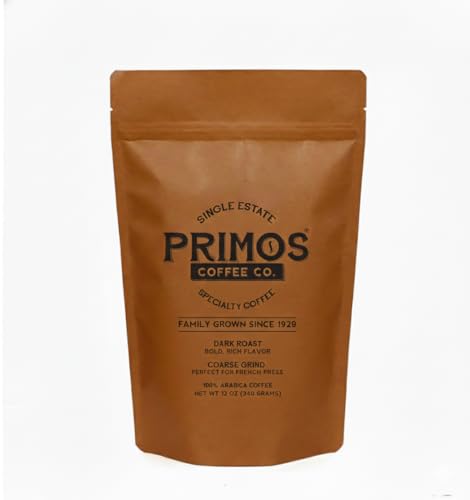
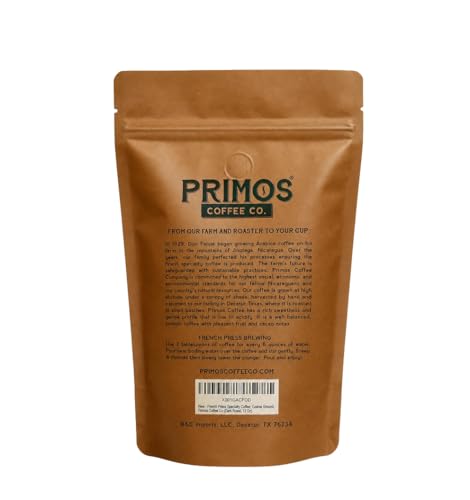
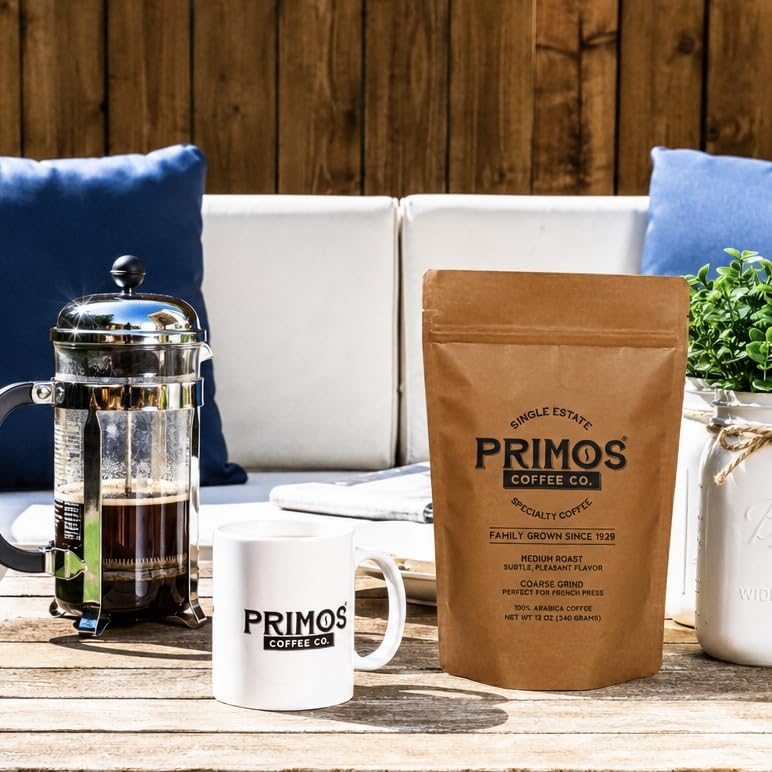
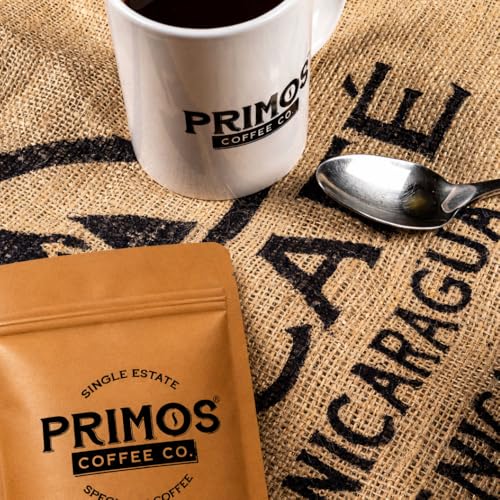
Nicaraguan Dark Roast Coarse Ground
Strengths
- Bold yet smooth
- Single estate origin
- Low acidity
Trade-offs
- Smaller bag size
- Limited roast variety
This Nicaraguan single-estate dark roast stands out in a crowded field by balancing boldness with smoothness, no small feat for a dark roast meant for French press. On paper, the specs are strong: small-batch roasted, shade-grown, hand-harvested, and coarsely ground with this brew method in mind. Owners consistently report a cup that’s rich and full-bodied without tipping into ashy bitterness, which many dark roasts struggle with. The notes of dark chocolate and caramel come through cleanly, and the low acidity makes it easy on the stomach, even for those sensitive to heavier roasts.
What really sets it apart is traceability. Being from a single family farm adds a layer of authenticity and consistency that blended coffees can’t match. Compared to other dark roasts in this list, it doesn’t just aim to be strong, it aims to be meaningful. I’d pick this over generic blends any day for French press, especially if you want depth without harshness.
Product photos
Honduras Dark Roast Coarse Ground

Strengths
- Air roasted for clarity
- High cupping score
- Roasted to order
Trade-offs
- Limited availability
- Slightly niche flavor
Canopy Point’s air-roasted Honduran dark roast is a standout for its method: fluidized bed (air) roasting reduces burnt flavors and lets the bean’s natural sweetness come forward. This isn’t just marketing, owners note a cleaner, smoother cup compared to drum-roasted dark coffees, with distinct dark chocolate and orange blossom notes. Roasted to order means peak freshness, and the 86+ cupping score signals specialty-grade quality. It’s versatile, working well in French press, cold brew, or even AeroPress.
The air-roast process is rare at this price tier, giving it an edge over competitors relying on traditional gas roasters. I’d choose this over others if you want a modern roast profile that avoids the charred notes common in dark roasts.
Video review
STONE COLD JO 2 lb Dark Roast

Strengths
- Large 2 lb size
- Organic & Fair Trade
- Smooth dark roast
Trade-offs
- Blend lacks origin story
- Less freshness per bag
If you go through coffee fast and want quality without constantly reordering, this 2-pound bulk option from Jo Coffee is a smart play. It’s the same dark roast blend as their 12 oz version but priced to reward volume buyers, ideal for households or offices. The USDA Organic and Fair Trade certifications matter to ethically minded drinkers, and reviewers note the low acidity and smooth finish hold up whether you’re making cold brew or pressing hot coffee. The toffee, caramel, and chocolate notes are subtle but present, never artificial-tasting.
While it doesn’t offer single-origin storytelling like some competitors, it delivers consistency across batches. Compared to the smaller B07D9VDFWB version, this one’s best when you know you like the blend and want to save long-term. I’d recommend this as the go-to bulk buy for French press users who also dabble in cold brew.
Product photos




STONE COLD JO 12 oz Dark Roast

Strengths
- Organic & Fair Trade
- Smooth low-acid profile
- Great for cold or hot brew
Trade-offs
- Blend lacks origin uniqueness
- Average shelf life
This 12 oz version of Jo Coffee’s dark roast blend is the entry point to their organic, Fair Trade line, and it’s a strong one. The silky smoothness and low acidity are consistent with what reviewers highlight across both sizes. The blend is built for cold brew but performs just as well in a French press, delivering a rounded cup with hints of toffee, caramel, and grape. Being micro-roasted in small batches adds to the freshness claim, and the resealable bag helps.
Compared to the 2 lb version, this is better for testing the blend or for lighter drinkers. I’d pick this over the bulk option if you’re unsure about long-term preference or want to rotate beans. It’s not flashy, but it’s dependable.
Video review
Bizzy Organic Coarse Ground

Strengths
- Micro-sifted for smoothness
- Organic & specialty grade
- Great for cold brew
Trade-offs
- Less vibrant when hot brewed
- Flavor leans sweet, not bold
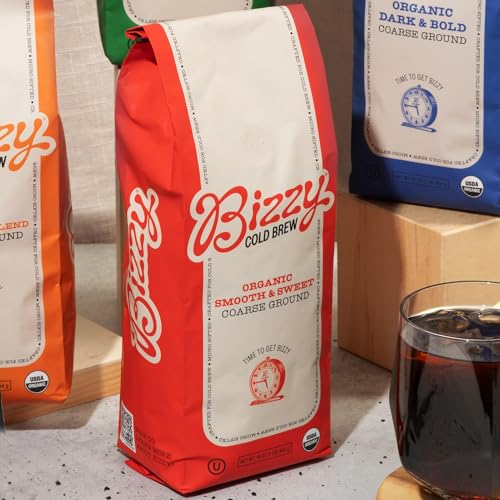
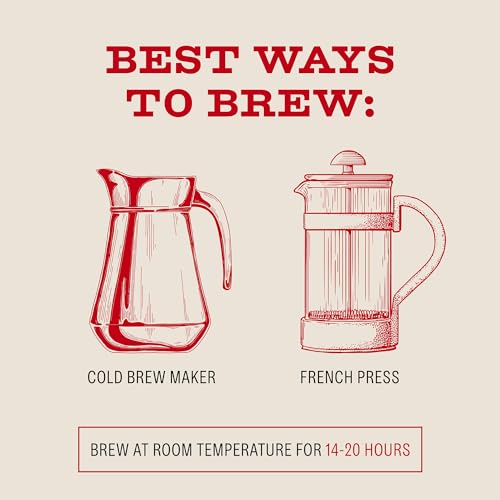
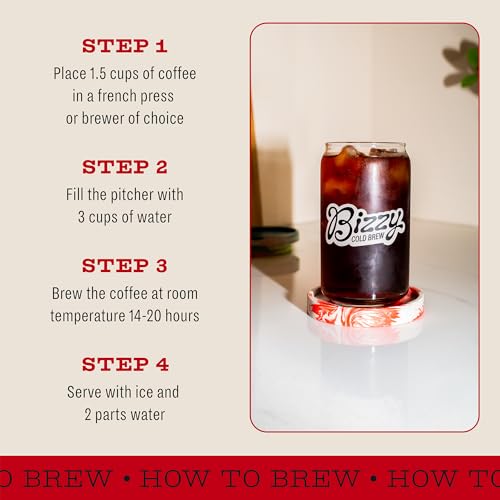
Bizzy is built for cold brew, and that shows in every spec: micro-sifted to reduce sediment, coarsely ground for slow extraction, and made from 100% organic Arabica. The 1 lb bag offers solid value, and the medium roast brings out sweet notes of caramel and hazelnut without added flavors. Owners who use French press for cold brew praise its smoothness and low bitterness, few report the gritty mouthfeel that plagues poorly sifted grounds.
But here’s the catch: it’s optimized for cold brew, not hot. When used in a traditional French press with hot water, it can lack the aromatic punch of hot-brew-specific roasts. Compared to Canopy Point or the Nicaraguan single estate, it’s less complex in hot prep. I’d recommend it only if cold brew is your primary method.
Product photos


Fabula Organic French Press Coffee
Strengths
- Lab-tested clean
- Low acid
- Organic & non-GMO
Trade-offs
- Mild flavor profile
- Shorter shelf life once opened
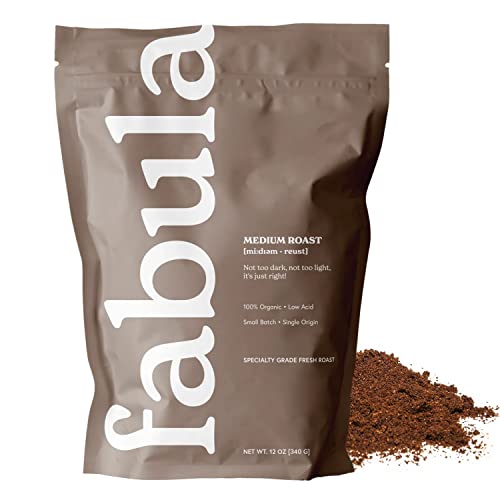
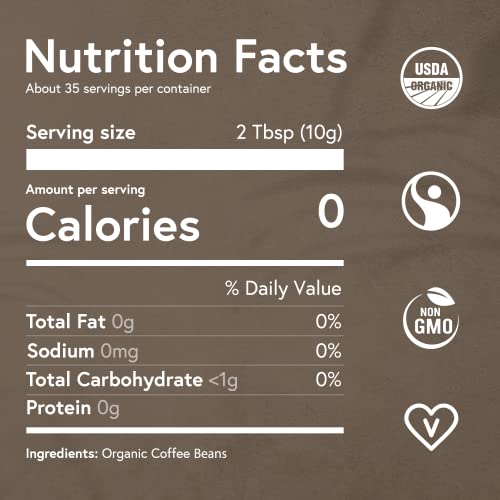
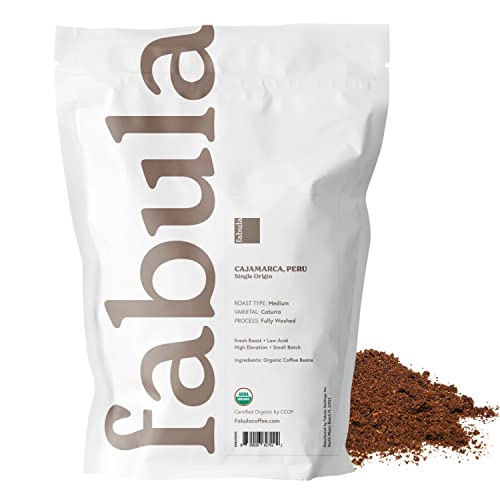
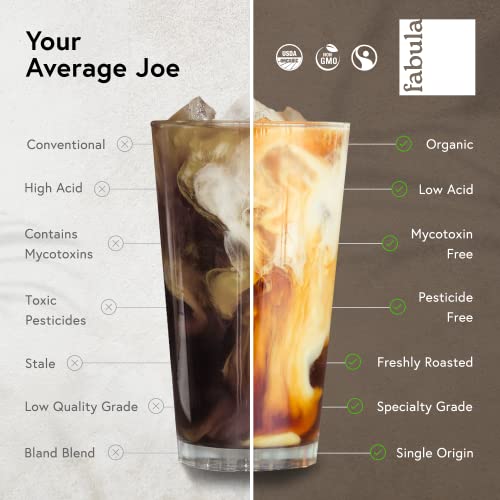
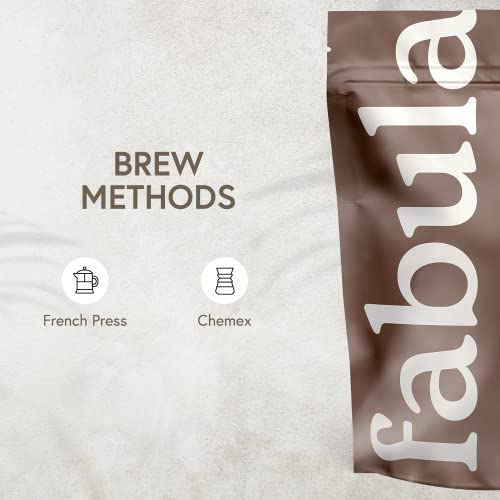
Fabula zeroes in on a specific need: low-acid, clean coffee for people who react badly to standard brews. The emphasis on being mold-free, mycotoxin-tested, and pesticide-free isn’t just marketing fluff, owners with sensitivities report fewer digestive issues and no post-coffee jitters. The single-origin sourcing and high-altitude shade growing support both flavor and health claims. On paper, it’s a medium roast, but the real story is in its gentleness. It won’t wow you with boldness, but it delivers a clean, smooth cup with mild sweetness.
Compared to other low-acid options, Fabula’s testing transparency gives it an edge. I wouldn’t pick it for a punchy morning jolt, but for someone with acid reflux or a sensitive gut, it’s a solid, trustworthy choice.
Product photos

Gevalia Guatemala Single Origin

Strengths
- Earthy, balanced flavor
- Rainforest Alliance Certified
- Resealable freshness
Trade-offs
- Smaller quantity
- Milder body than expected
Gevalia brings a polished, consistent product to the table with this Guatemalan single-origin medium roast. The beans are sourced from high-altitude farms and slow-roasted with snap cooling, a process that helps preserve aromatic compounds. Owners praise the earthy, smoky depth with a touch of cocoa, calling it comforting and aromatic. It’s Rainforest Alliance Certified, which adds ethical weight, and the resealable tin-tie bag helps maintain freshness.
At 10 oz, it’s smaller than most competitors, and the medium body won’t satisfy those wanting a heavier French press experience. Compared to the Nicaraguan single-estate options, it lacks some of that artisanal storytelling, but it’s more accessible and reliably good. I’d recommend it as a dependable, no-fuss choice for traditionalists who like a grounded, rustic cup.
Product photos


Our Testing Process
As the founder of Bean Thusiast, I approach coffee with a focus on the details – from origin to grind size. Rather than a hands-on lab test of each coffee, this selection is a research-led comparison of published specifications, features, and, crucially, owner and expert reviews. I weighed information from roasters, coffee publications, and hundreds of customer experiences to build a ranking based on what truly matters for French press brewing.
For this category, roast level and grind consistency were paramount. A truly excellent French press coffee needs a coarse, even grind to avoid sediment and bitterness. Beyond that, I prioritized single-origin options and certifications (like organic and Fair Trade) as indicators of quality and ethical sourcing. Understanding the ideal coffee-to-water ratio is also vital for a balanced brew, and I considered how each coffee’s profile would lend itself to that.
Specifications reliably tell us about roast level, origin, and processing methods. However, flavor descriptions are often subjective. Therefore, I heavily weighted owner feedback regarding taste notes, smoothness, and acidity. Reputation also played a part; brands known for quality roasting and sourcing practices naturally ranked higher. Ultimately, the goal was to identify coffees consistently praised for delivering a satisfying French press experience.
How To Choose The coarse ground coffee for french press
Finding the right coarse ground coffee is essential for a truly satisfying French press experience.
A quality coarse ground coffee for French press should exhibit a consistent particle size, avoiding both fines (dust-like particles) and boulders (too large pieces). The roast level should complement the intended flavor profile, with single-origin options offering traceability and unique characteristics. Freshness, indicated by a recent roast date, is paramount for optimal aroma and flavor extraction.
Grind Consistency Is Paramount
A consistent grind is, without question, the most important factor. French press brewing relies on a longer steeping time, and inconsistent grounds lead to both over-extraction (bitterness from the fines) and under-extraction (sourness from the boulders). Look for coffees specifically labeled as “coarse ground for French press” – these brands generally understand the requirement. Don’t assume all “coarse” grinds are created equal; some are still too fine. If you’re willing to put in the effort, grinding your own beans right before brewing is always preferable, but for convenience, a quality pre-ground option is a solid starting point.
Roast Level & Flavor Profile
The roast level dictates much of the final flavor. Darker roasts, like the Nicaraguan Dark Roast we’ve looked at, tend to have bolder, more chocolatey notes with lower acidity. These are great if you prefer a robust cup. Lighter or medium roasts, such as the Nicaraguan Medium Roast, will showcase brighter acidity and more nuanced flavors, often with fruity or floral characteristics. I find that experimenting with different roast levels is a fantastic way to discover your personal preference.
Here’s how to think about roast levels and their impact: * Light Roast: More caffeine, higher acidity, delicate flavors. * Medium Roast: Balanced flavor, moderate acidity, good for everyday drinking. * Dark Roast: Bold flavor, low acidity, often chocolatey or smoky notes. It’s a matter of taste, but darker roasts can sometimes mask the origin characteristics of the bean.
Freshness & Ethical Sourcing
Freshly roasted coffee is dramatically better. Look for a roast date on the bag, not just a “best by” date. Coffee begins to stale almost immediately after roasting, losing its volatile aromatic compounds. While a bit more expensive, opting for smaller bags ensures you’ll use the coffee before it loses its prime flavor. Beyond freshness, consider ethical sourcing. Brands like STONE COLD JO highlight certifications like USDA Organic and Fair Trade, ensuring the coffee is produced sustainably and with fair labor practices. I’ve also found that single-origin coffees, like the Gevalia Guatemala, often offer greater transparency about the coffee’s origin and quality. You can learn more about recommended ground coffee for French press on our site.
A good rule of thumb: aim to use your coffee within two weeks of the roast date for peak flavor. Store it in an airtight container, away from light, heat, and moisture.
Coarse Ground Coffee for French Press Compared
Here’s a comparison of key specifications for coffees designed for French press brewing.
| Product Title | Roast Level | Origin | Organic | Fair Trade | Best Use |
|---|---|---|---|---|---|
| Nicaraguan Dark Roast Coarse Ground | Dark | Nicaragua | No | No | French Press |
| Nicaraguan Medium Roast Coarse Ground | Medium | Nicaragua | No | No | French Press |
| Honduras Dark Roast Coarse Ground | Dark | Honduras | No | No | French Press/Cold Brew |
| STONE COLD JO 2 lb Dark Roast | Dark | Worldwide | Yes | Yes | French Press/Cold Brew |
| STONE COLD JO 12 oz Dark Roast | Dark | Worldwide | Yes | Yes | French Press/Cold Brew |
| Bizzy Organic Coarse Ground | Medium | Central/South America | Yes | No | Cold Brew |
| Fabula Organic French Press Coffee | N/A | N/A | Yes | No | French Press |
| Gevalia Guatemala Single Origin | Medium | Guatemala | No | No | French Press |
Frequently Asked Questions
What grind size is too coarse for a French press?
A grind that’s too coarse will result in under-extraction, leading to a weak and sour cup. Generally, anything larger than about 2.25mm is too coarse; you’ll notice very large, noticeable chunks in your brew if that’s the case.
Can I use pre-ground coffee if I don’t have a grinder?
Yes, absolutely. While grinding your own beans immediately before brewing is ideal, a quality pre-ground coffee specifically labeled for French press is a very convenient alternative. You can find some premium pre-ground French press coffee options available.
How does roast level affect the body of the coffee?
Darker roasts generally produce a heavier, fuller-bodied coffee due to the breakdown of sugars during the roasting process. Lighter roasts tend to have a lighter body and brighter acidity, offering a more delicate mouthfeel.
Is organic coffee always better tasting?
Not necessarily. Organic certification guarantees the coffee was grown without synthetic pesticides and fertilizers, but it doesn’t directly correlate with flavor. Taste is much more dependent on bean origin, roast level, and freshness.
What should I look for in terms of freshness when buying coarse ground coffee?
Always check for a roast date on the bag, rather than a “best by” date. As a general rule, I recommend using the coffee within two weeks of the roast date for the most flavorful cup; you can also find top-rated French press ground coffee options that emphasize freshness.
The Bottom Line
Choosing a coarse ground coffee for your French press often comes down to balancing convenience with control over flavor. While grinding your own beans is always ideal, the STONE COLD JO 2 lb Dark Roast stands out as the strongest overall pick, delivering certified organic and Fair Trade coffee with a rich, bold flavor profile suited to French press brewing – and it’s available pre-ground to the right consistency.
For those on a budget, the Nicaraguan Dark Roast Coarse Ground provides a solid, flavorful experience without breaking the bank. If you prioritize versatility and want a coffee equally good in a cold brew maker, the Honduras Dark Roast Coarse Ground is an excellent choice. But remember, even with the best coffee, achieving the recommended steeping time is crucial.
Ultimately, the most important factors aren’t listed on the bag. Freshness, a consistent coarse grind, and a roast level that suits your palate will have a far greater impact on your enjoyment than any single origin or certification. Focus on those fundamentals, and you’ll be well on your way to consistently brewing exceptional French press coffee.
