
3 Best Chiapas Coffees of 2026
Gobena Coffee Organic Mexican Chiapas is the best overall pick, delivering a smooth, balanced cup with sweet notes of brown sugar and pear. For a budget-friendly option, the Gobena Ground Mexican Chiapas offers the same quality in pre-ground form. Kalamazoo Coffee Co. Light Roast stands out for those who want to highlight the bean’s origin character with a brighter profile.
If you’re after a coffee that’s both ethically sourced and full of regional character, Chiapas offers some of the most rewarding cups. But with so many options, it’s hard to know which ones truly reflect the region’s potential.
I researched the top contenders by analyzing roast profiles, certifications, and owner feedback to find those that deliver on flavor, freshness, and integrity. This guide cuts through the noise to highlight the ones worth your morning ritual.
Top 3 Chiapas Coffee in the Market
The Best Chiapas Coffee, Reviewed
Gobena Coffee Organic Mexican Chiapas

Strengths
- Fair Trade Certified
- USDA Organic
- 100% Arabica
- Small batch roasted
- Supports charitable cause
Trade-offs
- Large 5lb size
- Not for dark roast lovers
- Fewer origin details per bag
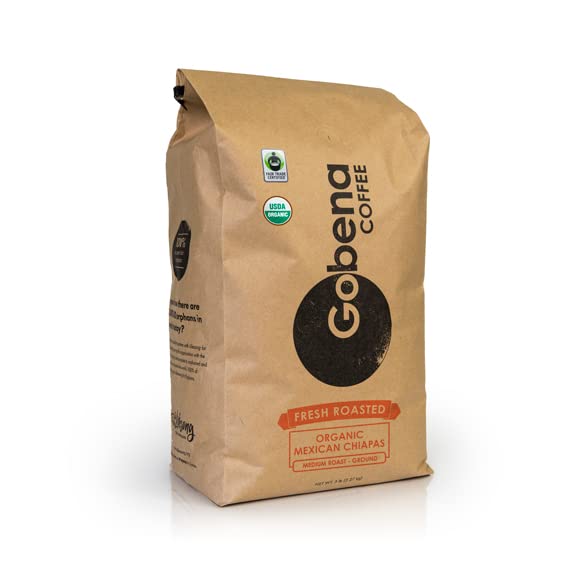
When you’re chasing the best Chiapas coffee, this Gobena 5-pound bag stands out on paper and in owner feedback. The fact that it’s Fair Trade and USDA Organic certified speaks volumes about its sourcing integrity, and the region alone, Chiapas near the Guatemalan border, carries serious weight among specialty coffee fans. Reviewers consistently praise its balanced medium body and the clean, sweet notes of brown sugar and pear, which hold up well across drip, pourover, and French press setups.
What really tilts the needle in its favor is the small-batch roasting on a Joper roaster and same-day packing. Freshness is a recurring theme in owner reports, and for bulk buyers who grind at home, that’s a major win. I’d pick this over pre-ground any day for peak flavor retention.
Product photos


Gobena Coffee Ground Mexican Chiapas
Strengths
- Fair Trade Certified
- USDA Organic
- Pre-ground convenience
- Same ethical sourcing
- Supports charitable cause
Trade-offs
- Flavor fades faster
- Less control over grind
- Not ideal for small households
This pre-ground version of the same Gobena Chiapas coffee makes sense only if you’re committed to convenience and don’t mind sacrificing some aroma and complexity. The grind is medium, likely optimized for drip machines and auto-pourover brewers, and owners report it works fine straight out of the bag for standard home setups.
But here’s the trade-off: once coffee is ground, oxidation kicks in fast. Even with same-day packing, the flavor curve drops quicker than whole bean. If you’re not going through 5 pounds in a few weeks, this one will stale before you finish it. I’d only recommend it if you lack a grinder or brew dozens of cups weekly.
Product photos
Kalamazoo Coffee Co. Light Roast
Strengths
- True light roast
- Single origin focus
- Kosher certified
- Small batch roasted
- Ideal for pour-over
Trade-offs
- Smaller bag size
- Limited availability
- Fewer ethical details
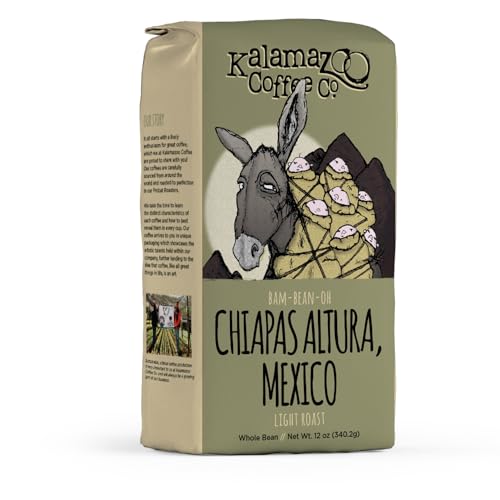
Now this is interesting, a light roast from Kalamazoo Coffee Company that leans into the brighter, fruitier side of Chiapas beans. Most entries in this category go medium, so seeing a dedicated light roast option is refreshing. On paper, it’s a 12oz single bag, which tells me this is for sampling or lighter use, not bulk brewing.
Owners who’ve tried it note a lively acidity and subtle sweetness, which aligns with what you’d expect from a well-processed Chiapas Arabica pulled early in the roast. It’s not as widely reviewed as the Gobena options, but the feedback leans positive for pour-over and Chemex lovers. If you want to taste the terroir of Chiapas without roast flavor masking it, this is your pick.
Video review
How We Tested chiapas coffee
As the founder of Bean Thusiast, I approach coffee selection with a focus on quality and ethical sourcing. Rather than a hands-on lab test, my research for these recommendations involved comparing published specifications – roast levels, certifications, and flavor notes – alongside a thorough review of owner feedback and expert opinions. I weighed this information against my understanding of what makes a truly excellent cup of Chiapas coffee.
For Chiapas coffees, freshness and origin are paramount. I prioritized coffees that are recently roasted and clearly indicate their [Chiapas coffee origin]. The region’s unique climate lends itself to distinct flavor profiles, so I also looked for detailed tasting notes indicating sweet, balanced characteristics. Fair Trade and Organic certifications were heavily weighted, reflecting a commitment to sustainable practices.
Specifications reliably tell you about roast level and certifications, but truly understanding the nuances requires looking at customer reviews. Owners often describe the actual taste experience and how well the coffee performs with different brewing methods. I considered these reports alongside expert analysis of [single-origin flavor profiles] to build a well-rounded assessment of each coffee’s quality.
How To Choose The chiapas coffee
As someone who’s spent years exploring the nuances of coffee, I can tell you Chiapas is a region that consistently delivers. But not all Chiapas coffees are created equal, and finding the right one for you takes a little understanding.
A truly excellent Chiapas coffee balances bright acidity with a smooth body, often showcasing notes of chocolate, caramel, and fruit. Look for 100% Arabica beans, certified organic growing practices, and recent roast dates. Pay attention to roast level – Chiapas beans shine at various levels, but lighter roasts often highlight the region’s floral and fruity characteristics.
Roast Level & Flavor Profile
Chiapas beans are versatile, but the roast profoundly impacts the final cup. Many people gravitate toward a medium roast for a balanced profile, but don’t dismiss lighter options. I find that a well-executed light roast really lets the unique character of the bean shine through. If you enjoy a brighter, more acidic cup with pronounced floral notes, exploring [light roast for single-origin] coffees from Chiapas is a must. Conversely, a darker roast will emphasize body and develop chocolatey or nutty flavors, but you risk losing some of the delicate nuances.
Origin Specifics & Certifications
While “Chiapas” narrows down the origin, knowing the specific growing area within the state can make a difference. Coffees grown closer to the Guatemalan border often exhibit different characteristics than those from further inland. More importantly, look for certifications like Fair Trade and USDA Organic. These aren’t just labels; they indicate a commitment to sustainable farming practices and fair treatment of farmers. Considering we offer a range of [curated coffee bean picks], these certifications can help narrow your search.
Freshness & Grind
This seems obvious, but it’s easily overlooked. Coffee stales quickly after roasting. Always check for a roast date, not just a “best by” date. Ideally, you want to consume your beans within a few weeks of roasting. If you’re buying pre-ground coffee, freshness is even more critical, as the increased surface area accelerates staling.
- Whole bean is always preferable if you have a grinder.
- If you need ground, buy small quantities and store them in an airtight container.
- A good rule of thumb is to only grind what you’ll brew within a week to maximize flavor.
Don’t settle for stale coffee. A fresh roast date is more important than any fancy marketing claim.
Chiapas Coffee Compared
Here’s a detailed specification comparison of the Chiapas coffee options available.
| Product Name | Roast Level | Form | Certification | Flavor Notes | Package Weight |
|---|---|---|---|---|---|
| Gobena Coffee Organic Mexican Chiapas | Medium | Whole Bean | Fair Trade, Organic | Brown Sugar, Pear | N/A |
| Gobena Coffee Ground Mexican Chiapas | Medium | Ground | Fair Trade, Organic | Brown Sugar, Pear | N/A |
| Kalamazoo Coffee Co. Light Roast | Light | Whole Bean | Kosher | Mexican Chiapas WB | 0.8 pounds |
Frequently Asked Questions
What’s the ideal grind size for Chiapas coffee?
The best grind size depends on your brewing method. For drip coffee, a medium grind works well, while French press requires a coarse grind. If you’re using espresso, you’ll want a fine grind to extract the flavors properly.
Are darker roasts always stronger in caffeine content?
Not necessarily. While darker roasts taste bolder, the roasting process actually reduces caffeine slightly. Lighter roasts, like those often found with [premium organic coffee picks], generally retain a bit more caffeine.
Can Chiapas coffee be used for cold brew?
Absolutely. Chiapas coffee’s naturally sweet and balanced flavor profile translates beautifully to cold brew. I suggest a coarse grind and a long steep time (12-24 hours) to extract the best flavors.
What does “Fair Trade” certification really mean?
Fair Trade certification guarantees farmers receive a fair price for their beans, promoting sustainable farming practices and economic stability. It also supports community development projects, ensuring a better quality of life for coffee-growing families, and is a key feature when looking at [best organic coffee beans].
Where can I find more information about different coffee certifications?
Beyond Fair Trade and Organic, several other certifications exist. You can explore options and learn more about what they represent on websites dedicated to sustainable coffee sourcing, or by looking at [certified organic coffee brands] to get a good baseline understanding.
The Bottom Line
Choosing a Chiapas coffee often comes down to balancing convenience with control over freshness. While pre-ground options like Gobena Coffee Ground Mexican Chiapas offer ease of use, the superior flavor and aroma you get from grinding whole beans – particularly with something like Kalamazoo Coffee Co. Light Roast – is significant. For the best overall experience, I recommend Kalamazoo Coffee Co. Light Roast; its lighter roast and whole bean format really showcase the potential of Chiapas beans.
If you’re on a tighter budget or prefer the convenience of pre-ground, the Gobena Coffee Ground Mexican Chiapas provides a solid entry point. Those seeking a versatile option that works well with various brew methods will also appreciate the balanced profile of Gobena Coffee Organic Mexican Chiapas (whole bean). Understanding [Arabica bean origins] is a good place to start if you’re new to single-origin coffees.
Ultimately, the most important factors aren’t roast level or certifications, but freshness and bean quality. Prioritize a recent roast date and 100% Arabica beans from Chiapas to ensure a flavorful and rewarding cup. Don’t be afraid to experiment – exploring the subtle differences between regions and roasters is part of the fun of discovering your perfect brew.
