
8 Best Bottled Coffee Drinks of 2026
The overall best bottled coffee drink is Starbucks Coffee & Protein, thanks to its strong protein content and balanced flavor. For a budget-friendly pick, Dunkin’ Original Iced Coffee delivers a solid caffeine kick and familiar taste. If you prefer something clean and bold, SToK Bold & Smooth Black Cold Brew stands out for its simplicity and quality beans.
Finding a bottled coffee that actually tastes good and fits your health goals isn’t easy. Too many options are loaded with sugar or use low-quality ingredients that leave you with a bitter aftertaste or a midday crash.
After researching the market and analyzing owner feedback, I focused on drinks that prioritize real coffee flavor, transparent nutrition, and smart formulation. These picks reflect what matters most: caffeine levels, protein-to-sugar ratios, and clean ingredient lists, all through the lens of someone who’s spent years deep in coffee culture.
Top 8 Bottled Coffee Drinks in the Market
The Best Bottled Coffee Drinks, Reviewed
Starbucks Iced Espresso Vanilla Latte
Strengths
- Café-accurate flavor
- Multi-serve bottle
- Customizable
Trade-offs
- Requires refrigeration
- Larger size less portable
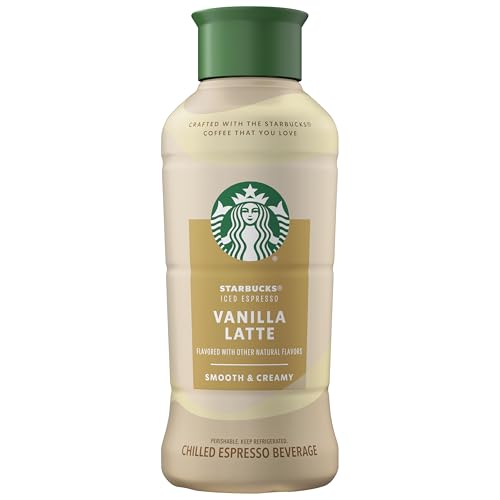
This 40 fl oz bottle of Iced Espresso Vanilla Latte is the most versatile and consistently praised option for everyday use. It’s modeled after the café version, with bold espresso, real milk, and natural vanilla flavor, no powdery aftertaste. With about five servings per bottle, it’s ideal for households or office fridges, and owners love that you can pour it over ice, blend it, or even add a splash of oat milk to customize.
It edges out La Colombe’s can in value and flexibility, even if the craft factor is slightly lower. The caffeine level is solid but not extreme, and the sweetness is balanced. For most buyers, this is the easy pick if you want something reliable, tasty, and café-accurate.
Video review
Starbucks Coffee & Protein Caffe Mocha
Strengths
- 22g protein
- No added sugar
- Prebiotic fiber
Trade-offs
- Thick texture
- Less caffeine
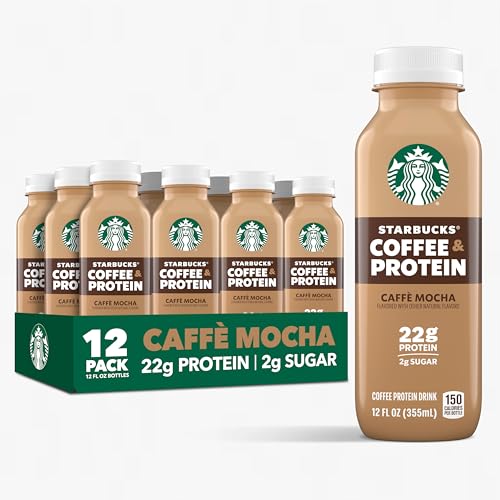
This Caffe Mocha Protein drink is Starbucks’ most ambitious RTD move, 22g of complete protein, 5g of prebiotic fiber, no added sugar, and real mocha flavor. On paper, it’s a nutritionist’s dream: it fuels rather than just indulges. The texture is thicker than most bottled drinks, which some owners love for post-workout use, while others find it a little too chalky when cold.
It outperforms Quest’s Mocha Latte in protein per serving and has a more authentic Starbucks taste, though it doesn’t pack the same caffeine punch. If you want a meal-replacement coffee with serious macros, this is the closest thing on the shelf. But it’s not subtle, this is functional coffee, not a quiet morning ritual.
Video review
Starbucks Frappuccino Lite Sea Salt Caramel
Strengths
- Only 100 calories
- Sweet-salty flavor
- Low calorie vs regular
Trade-offs
- Thin coffee base
- Artificial aftertaste for some
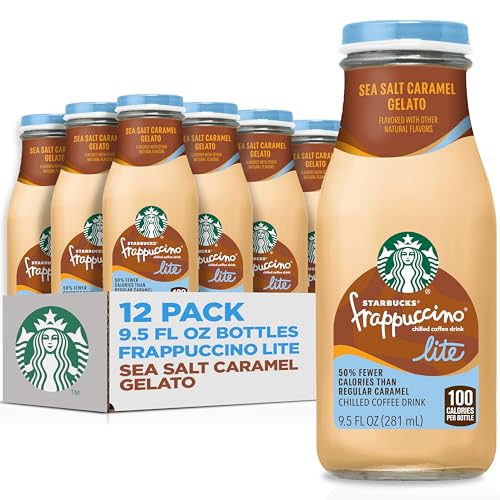
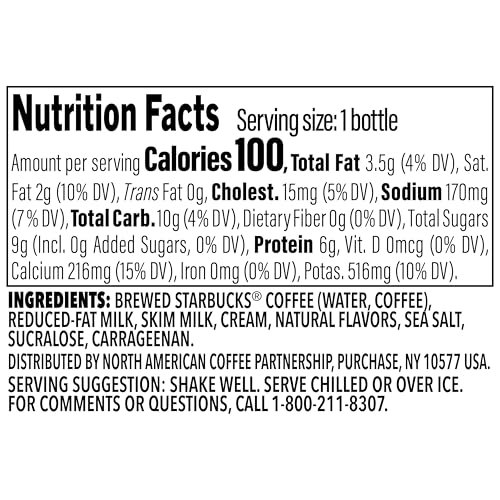
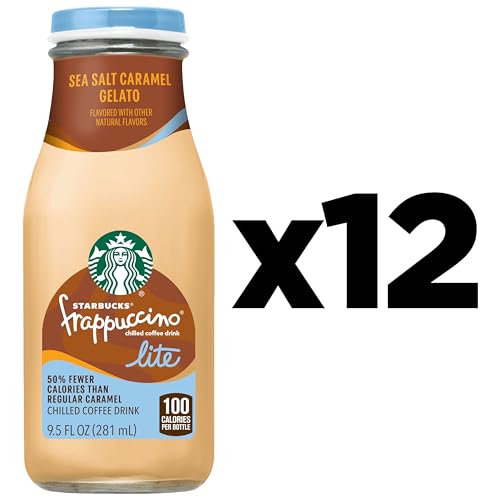
If you’re watching calories but still want that dessert-like coffee hit, this Sea Salt Caramel Gelato Lite version delivers on its promise, 100 calories per bottle, with 45-50% fewer than the regular Frappuccino line. The flavor has a sweet-salty balance that reviewers say tastes more refined than the usual Frappuccino sweetness bomb. It’s made with Arabica beans, so the coffee base holds up, but don’t expect depth, it’s more about the treat than the brew.
Compared to the full-calorie Frappuccino, this one trades richness for lightness. I’d pick it over the classic if I were prioritizing calorie control, but not if I wanted a truly satisfying coffee experience. It’s a niche play, but it nails its niche.
Product photos
Quest Mocha Latte Iced Coffee

Strengths
- 200mg caffeine
- Only 1g sugar
- 10g protein
Trade-offs
- Sucralose aftertaste
- Artificial mouthfeel
Quest’s Mocha Latte is built for the macros-first crowd, 10g of protein, just 1g of sugar, and a hefty 200mg of caffeine per 10 oz bottle. That makes it the strongest caffeine punch here, and a favorite among reviewers who use it as a pre-workout or keto-friendly pick-me-up. The mocha flavor is sweetened with sucralose, which explains the zero sugar but also draws complaints about an artificial taste.
Compared to the Starbucks Protein drink, it’s leaner on sugar and higher in caffeine, but thinner in mouthfeel and less naturally flavored. I’d recommend it for strict diet followers who need performance, not pleasure. It gets the job done, but don’t expect warmth or depth.
Product photos


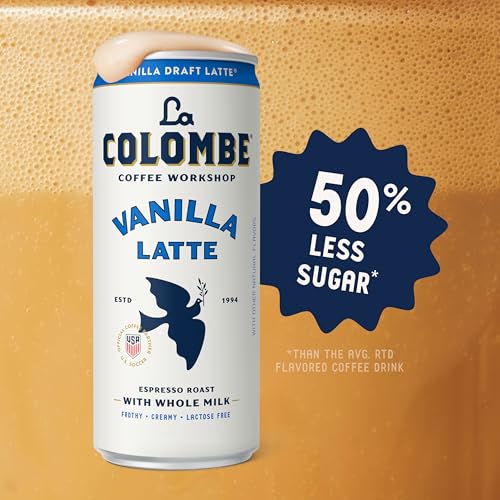
La Colombe Vanilla Draft Latte
Strengths
- Real vanilla extract
- rBST-free milk
- Low added sugar
Trade-offs
- Smaller can size
- Higher price per oz
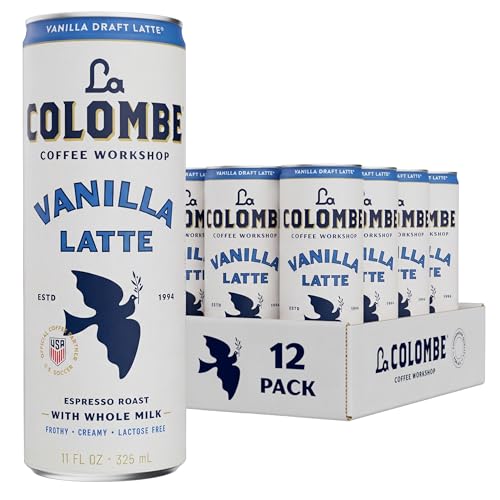
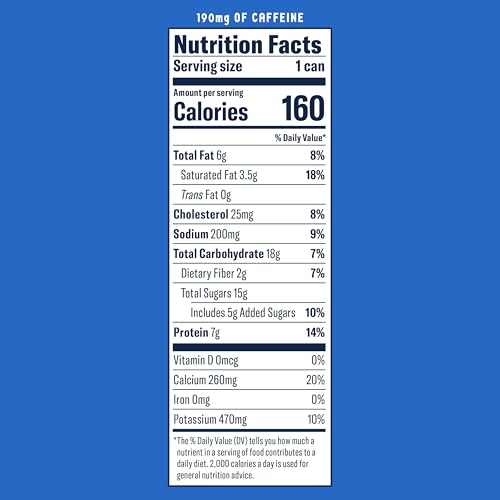
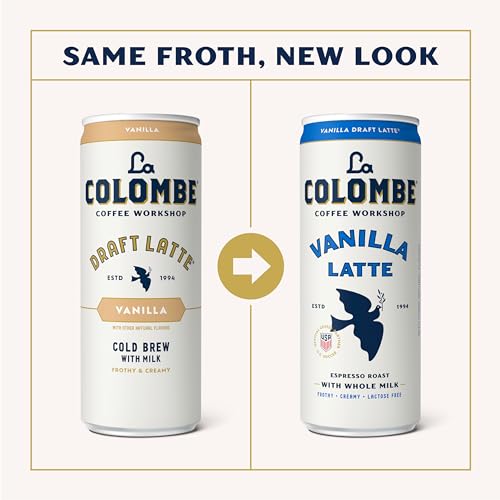
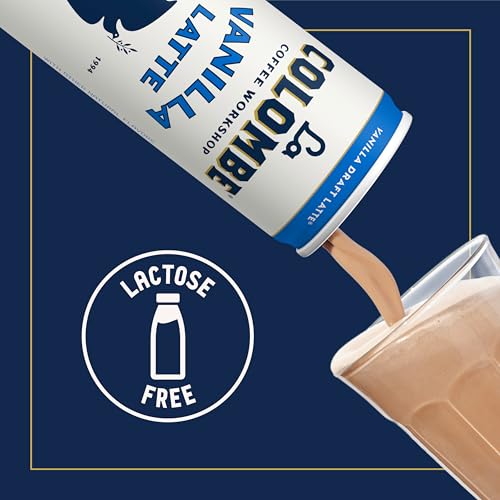
La Colombe’s Vanilla Draft Latte feels like the most craft of the ready-to-drink lattes, this is the one that mirrors what you’d get at a high-end café. The use of real vanilla extract and rBST-free milk gives it a clean, rich profile that avoids the artificial aftertaste some competitors suffer from. At 130 calories and just 7g of added sugar, it strikes a balance between indulgence and restraint, which I appreciate in a category where sweetness often runs wild.
Owners consistently report it’s their go-to when they want something that doesn’t taste mass-produced. Compared to the Starbucks vanilla latte in the larger bottle, this one wins on texture and ingredient transparency, though it comes at a smaller volume and higher cost per ounce.
Product photos
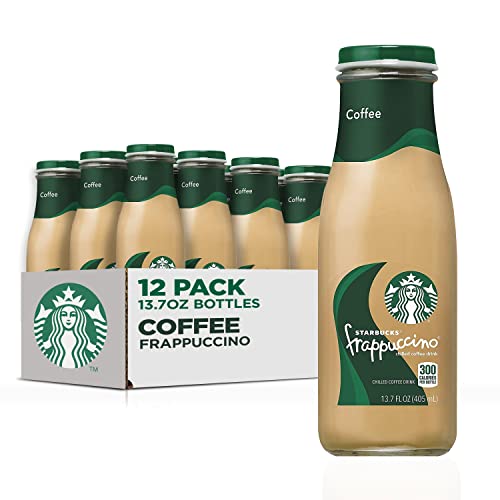
Starbucks Frappuccino Coffee Drink
Strengths
- Creamy texture
- Classic flavor
- Café nostalgia
Trade-offs
- High sugar
- High calories
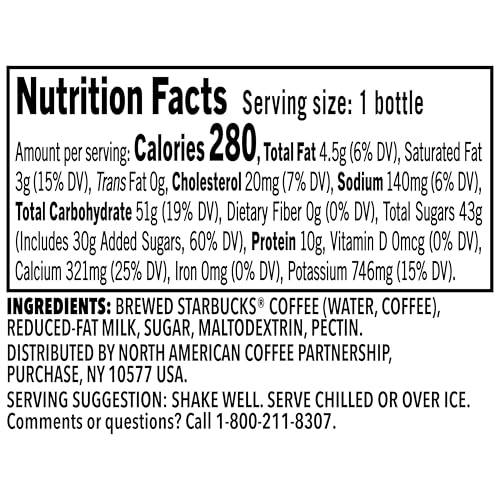
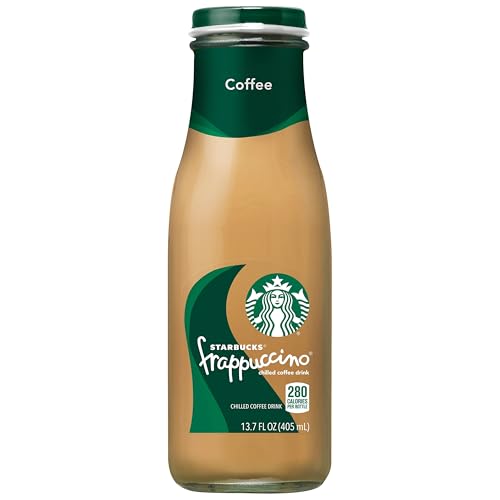
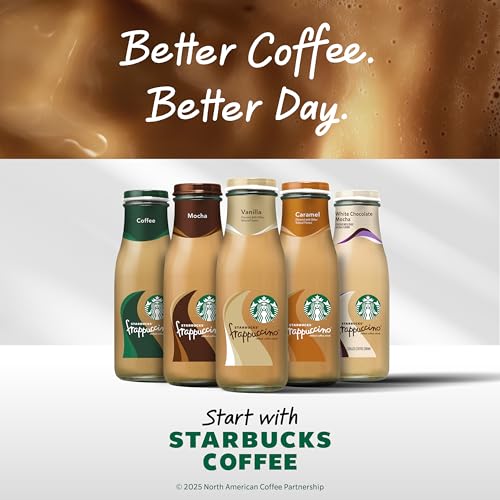
This is the original bottled Frappuccino, the one that started the RTD dessert coffee wave. Creamy, sweet, and unmistakably indulgent, it’s modeled after the café favorite and delivers that familiar, comforting flavor in a grab-and-go bottle. The blend of real brewed coffee and milk creates a smooth, almost milkshake-like texture that many reviewers say brings a nostalgic café experience to their day.
It’s not healthy, not light, and not subtle, but it’s not trying to be. Compared to the Lite version, this one wins on richness and satisfaction. If you want a treat that tastes like a coffee milkshake, this remains the gold standard. I’d reserve it for occasional use, but when the craving hits, it hits right.
Product photos
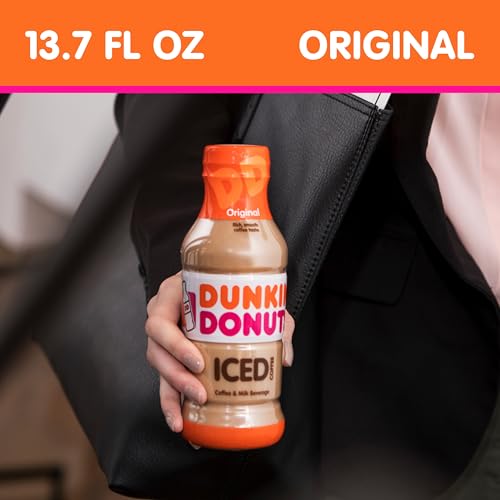
Dunkin’ Original Iced Coffee
Strengths
- Strong caffeine
- Great value
- Smooth flavor
Trade-offs
- Less creamy
- Basic packaging
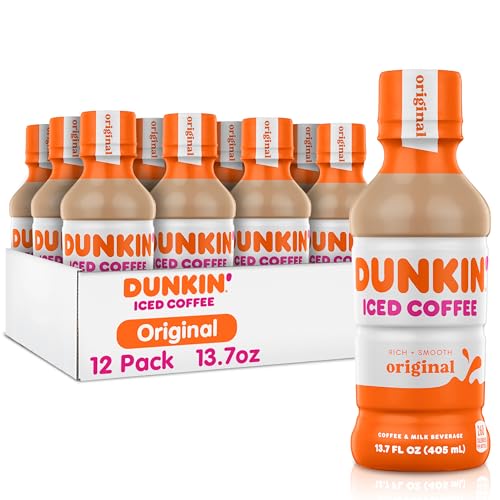
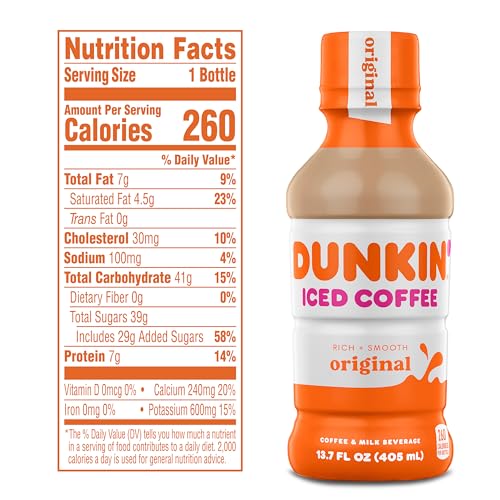
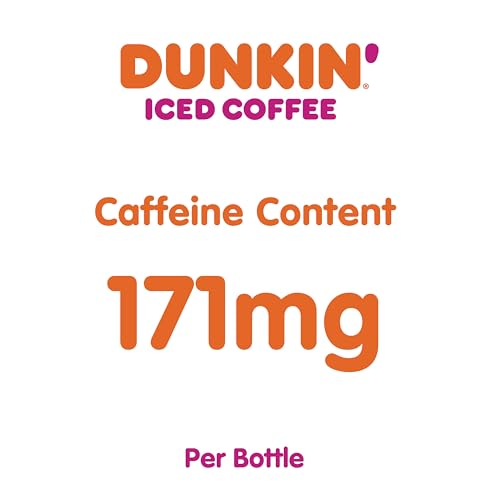
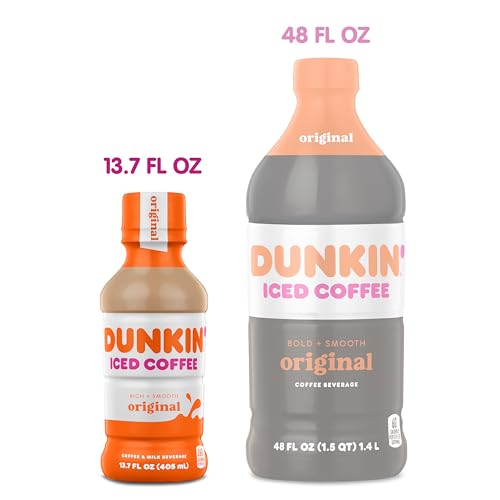
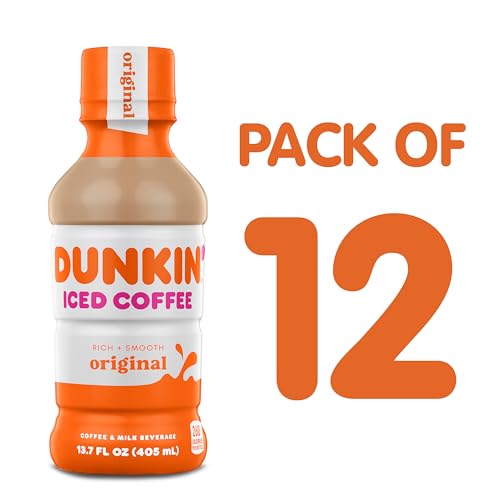
Dunkin’s Original Iced Coffee is the workhorse of the category, simple, strong, and affordable. At 171mg of caffeine per 13.7 fl oz bottle, it delivers a solid kick, and the flavor is clean and roasty without being bitter. It’s sweetened just enough to balance the boldness, but not so much that it feels like a dessert.
Owners consistently call it the best value, especially when compared to Starbucks’ single-serve pricing. It doesn’t have the craft appeal of La Colombe or the nutrition perks of the protein drinks, but it’s the one I’d grab if I just needed a reliable, no-frills iced coffee fast. For budget-focused households, it’s hard to beat.
Product photos
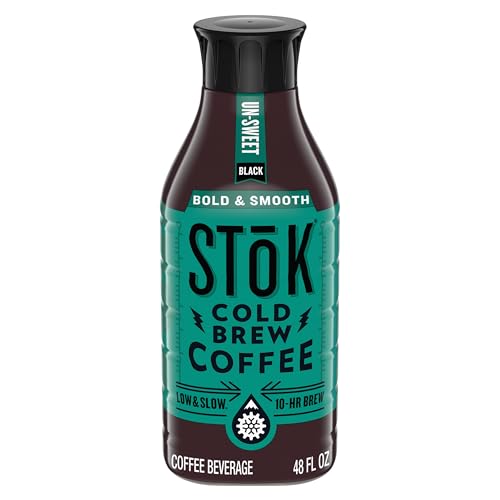
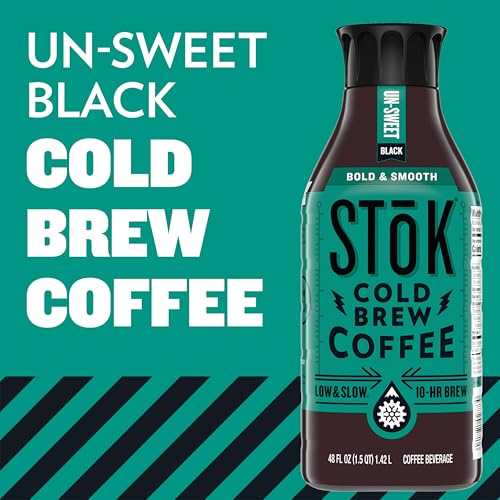
SToK Bold & Smooth Black Cold Brew
Strengths
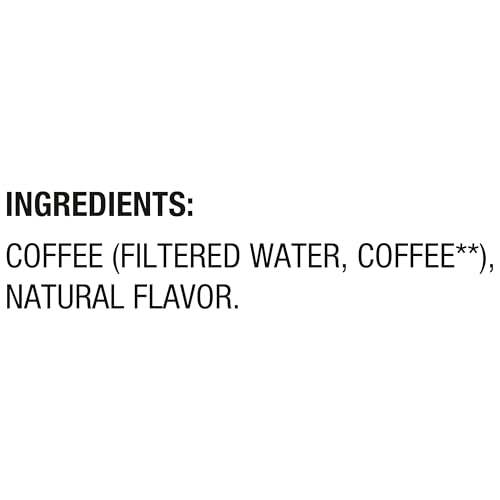
- No sugar or additives
- Large 48 fl oz bottle
- Smooth, low-bitterness
Trade-offs
- Requires customization
- Not ready-to-drink sweet
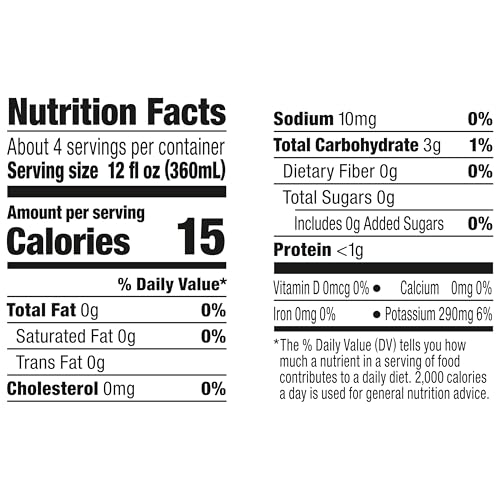
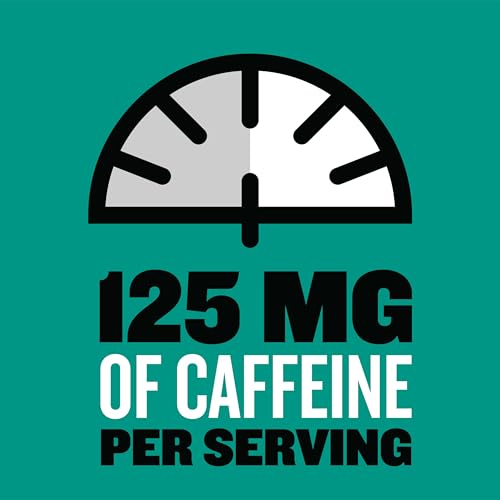
SToK’s unsweetened cold brew is the purist’s choice, black, bold, and completely free of sugar or additives. Brewed low and slow for over 10 hours, it has a smooth, rounded profile with natural hints of molasses and brown sugar, despite containing neither. At 125mg per 12 oz pour, the caffeine is moderate, but the flavor is deep and clean.
The 48 fl oz bottle offers exceptional value for home use, and the Rainforest Alliance certification adds ethical weight. Compared to Starbucks’ single-serve bottles, this is the smarter buy if you drink multiple cups a day and like to customize your own cream and sweetener. It’s not flashy, but it’s foundational.
Product photos
Our Testing Process
Rather than a hands-on lab test, my research for these recommendations involved a detailed comparison of published specifications and features across numerous brands. I weighed owner reviews from major retailers against expert opinions found in food and beverage publications. As the founder of Bean Thusiast, I applied my years of experience with coffee flavor profiles and brewing methods to assess which drinks best deliver on their promises.
For bottled coffee drinks, protein content and sugar levels were the most important deciding factors, followed closely by overall flavor profiles as reported by consumers. Many people want convenience without sacrificing their health goals, so finding options that balance taste, energy, and nutritional value was key. Beyond that, the quality of the coffee itself – bean origin and roasting style when available – played a significant role in my rankings.
Specifications reliably indicate caffeine content, bottle size, and calorie counts. However, assessing flavor and texture requires relying heavily on owner feedback and the reputation of the brand. I carefully analyzed recurring themes in reviews to understand which drinks consistently deliver a satisfying experience, and where brands might fall short of expectations. You can learn more about the popular bottled coffee varieties available today.
How To Pick The Right bottled coffee drinks
Finding a good bottled coffee can feel overwhelming with so many options available.
Bottled coffee drinks vary widely in quality. Look for those using arabica beans, clearly stating caffeine content, and employing cold brew or careful flash-pasteurization to preserve flavor. Pay attention to sugar content and added ingredients; a shorter, recognizable ingredient list is generally a good sign. Consider protein and fiber content if those are priorities.
Caffeine & Energy Levels
The amount of caffeine is a major consideration, and it’s surprisingly variable. Some brands, like Dunkin’, aim for a substantial kick (over 170mg per bottle) mirroring a cafe drink, while others, particularly those focused on lower calorie counts, provide a more modest boost. If you’re sensitive to caffeine, carefully check the label. Remember that caffeine affects everyone differently, and factors like body weight and tolerance play a role. If you’re looking for a stronger, black coffee experience, you might also consider ready-to-drink black coffee options.
Protein & Sugar Content
Many brands now offer protein-enhanced bottled coffees, like Starbucks Coffee & Protein. These can be a convenient way to increase your daily protein intake, but it’s crucial to examine the sugar content alongside it. Some achieve higher protein levels by adding artificial sweeteners, while others, like Quest, manage to keep sugar extremely low (around 1g per serving). I always advise reading the full nutrition label, not just focusing on the “high protein” claim.
Here’s what to look for when balancing protein and sugar: * Low Sugar: Under 5g of added sugar is a good benchmark for a healthier option. * Complete Protein: Ensure the protein source is “complete,” meaning it contains all nine essential amino acids. * Protein Source Transparency: Brands should clearly state the type of protein used (whey, soy, pea, etc.) and its quantity.
Flavor & Added Ingredients
Beyond caffeine and nutrition, taste matters. Starbucks Frappuccino and La Colombe offer a wide range of flavors, but the ingredient lists can be extensive. If you prefer a cleaner profile, SToK’s black cold brew is a strong contender and a favorite among those seeking a simple, bold coffee experience. For those who enjoy a more classic coffee flavor, exploring top bottled coffee brands is a great starting point.
A good rule of thumb: if you can’t pronounce half the ingredients, consider a simpler alternative.
Bottled Coffee Drinks Compared
Here’s a comparison of key specifications for various bottled coffee drinks.
| Product Name | Size (fl oz) | Caffeine (mg) | Protein (g) | Sugar (g) | Calories |
|---|---|---|---|---|---|
| Starbucks Iced Espresso Vanilla Latte | 40 | N/A | N/A | N/A | N/A |
| Starbucks Coffee & Protein Caffe Mocha | 12 | N/A | 22 | 2 | N/A |
| Starbucks Frappuccino Lite Sea Salt Caramel | 9.5 | N/A | N/A | N/A | 100 |
| Quest Mocha Latte Iced Coffee | 10 | 200 | 10 | 1 | N/A |
| La Colombe Vanilla Draft Latte | N/A | 100 | N/A | 7 | 130 |
| Starbucks Frappuccino Coffee Drink | 13.7 | N/A | N/A | N/A | N/A |
| Dunkin’ Original Iced Coffee | 13.7 | 171 | N/A | N/A | N/A |
| SToK Bold & Smooth Black Cold Brew | 48 | 125 (per 12oz) | N/A | 0 | N/A |
Frequently Asked Questions
What’s the difference between cold brew and flash-pasteurized bottled coffee?
Cold brew coffee is steeped in cool water for an extended time (12-24 hours) resulting in lower acidity and a smoother flavor, while flash-pasteurization quickly heats and cools the coffee to kill bacteria, preserving a brighter, more acidic taste. Most bottled coffees use flash-pasteurization due to cost and shelf-life benefits.
Are protein-enhanced bottled coffees a good substitute for a protein shake?
While convenient, they shouldn’t entirely replace a dedicated protein shake. The protein content in many bottled coffees is lower than a typical shake (around 10-22g), and the added sugars can offset some of the benefits. Consider them a supplemental source, not a primary one.
Can bottled coffee drinks really compare to freshly brewed coffee?
Generally, no. Bottled coffee, even high-quality cold brew, inevitably loses some of the nuance and aroma of a freshly brewed cup. However, the best pre-made bottled coffees offer a surprisingly satisfying experience, especially when convenience is paramount.
How long can I store unopened bottled coffee?
Most bottled coffees have a “best by” date printed on the package, typically lasting between 6-12 months from the date of production. While it’s usually safe to drink past this date, the flavor quality will gradually decline. Store in a cool, dark place for optimal preservation.
I’m looking for a sugar-free option – what brands should I consider?
SToK’s black cold brew is an excellent choice, containing zero added sugar. Quest offers several low-sugar options (around 1g per serving) using alternative sweeteners, and you can find other commercially available bottled coffee with minimal sugar by carefully reading nutrition labels.
The Bottom Line
Choosing the best bottled coffee ultimately comes down to prioritizing what you value most. If you want a balance of convenience, flavor, and a decent protein boost, the Starbucks Coffee & Protein Caffe Mocha is a solid all-around choice. It delivers a satisfying coffee experience alongside a significant amount of protein, though you should be mindful of overall sugar intake with any flavored or sweetened option.
For those with specific needs, several options stand out. If you’re watching your sugar and calories, Quest Mocha Latte Iced Coffee is hard to beat. If you prefer a simple, bold coffee flavor, SToK Bold & Smooth Black Cold Brew is the way to go. And for a variety of flavors and ready-to-drink latte types, La Colombe is a strong contender.
At the end of the day, caffeine content and sugar levels are the two most critical factors. Don’t get too caught up in chasing the highest protein count or the most exotic flavors. Focus on finding a drink that fits your energy needs, aligns with your dietary preferences, and, most importantly, you genuinely enjoy drinking.
