
4 Best Bolivian Coffees of 2026
The best Bolivian coffee we found is Montuno Bolivian Golden Pearl, a standout for its bright tangerine and vanilla notes from high-altitude Caranavi beans. For a budget-friendly pick, Trader Joe’s Organic Bolivian Coffee delivers solid flavor at a low price. Cayubo offers a strong versatility option with its single-origin, jungle-grown profile from Siquilini Farm.
Bolivian coffee has a reputation for bright acidity and layered flavors, but not every bag lives up to the region’s potential. With inconsistent labeling and variable roast quality, it’s easy to end up with a dull or unbalanced brew.
After comparing the field and reviewing owner feedback, I focused on origin transparency, roast level, and flavor consistency. These picks represent the clearest expression of what Bolivian coffee can be, distinctive, vibrant, and worth seeking out.
Top 4 Bolivian Coffee in the Market
The Best Bolivian Coffee, Reviewed
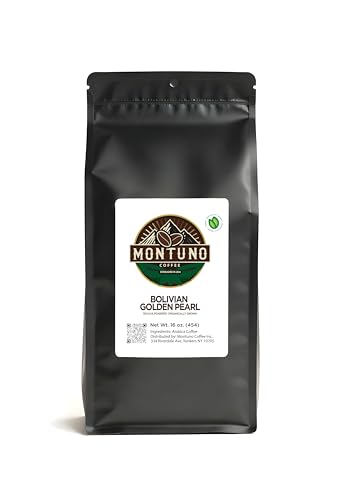
Montuno Bolivian Golden Pearl Coffee
Strengths
- Premium peaberry beans
- Complex flavor profile
- High-elevation micro-lots
Trade-offs
- Higher price point
- Peaberry not for all palates
- Limited availability
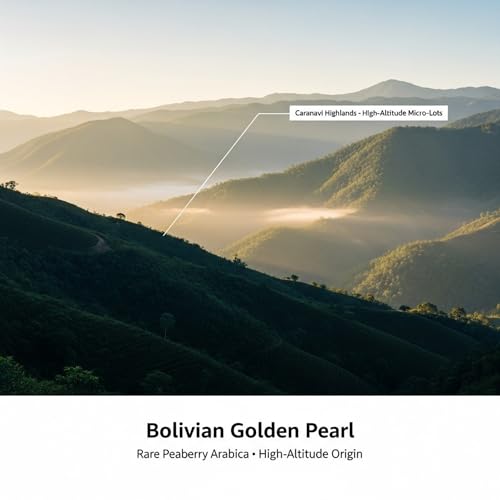
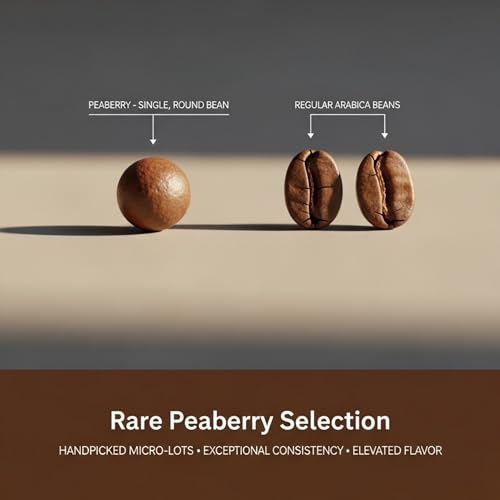
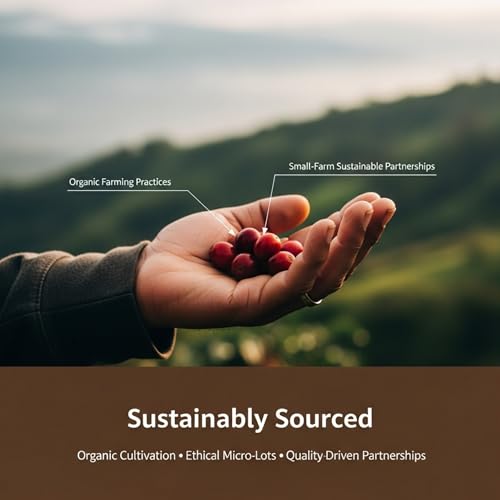
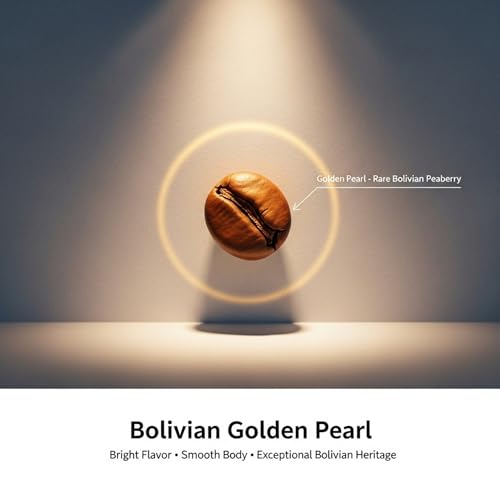
If you want to understand why Bolivian coffee is having a moment, start here. Montuno’s Golden Pearl is 100% organic peaberry from Caranavi, one of Bolivia’s most respected growing zones. Peaberries are denser, often more flavorful, and this one shows it: owners consistently report a bright, layered cup with tangerine lift, vanilla sweetness, and a nutty finish. The 16-ounce bag is generous, and the beans are hand-sorted from micro-lots, this is specialty-grade attention.
The medium roast is expertly judged. It doesn’t bury the bean’s natural complexity, which is where Parisi or Trader Joe’s fall short. Compared to Cayubo, this is less about myth and more about meticulous farming and roasting. This is the coffee I’d choose for a pour-over morning, where clarity and balance matter. It’s my pick for best overall, no question.
Product photos

Cayubo Single Origin Bolivian Coffee
Strengths
- Unique Death Road origin
- High-altitude roasting
- Strong storytelling and terroir
Trade-offs
- Roast may be too dark for some
- Limited batch transparency
- Smaller 12 oz package
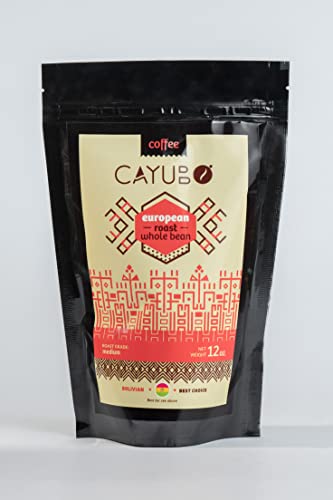
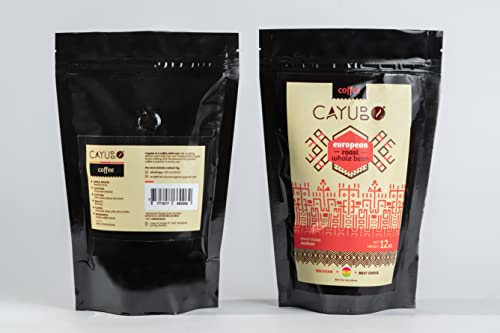
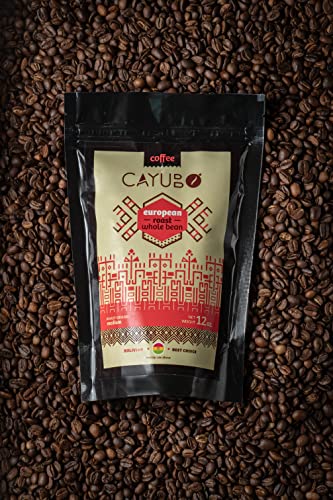
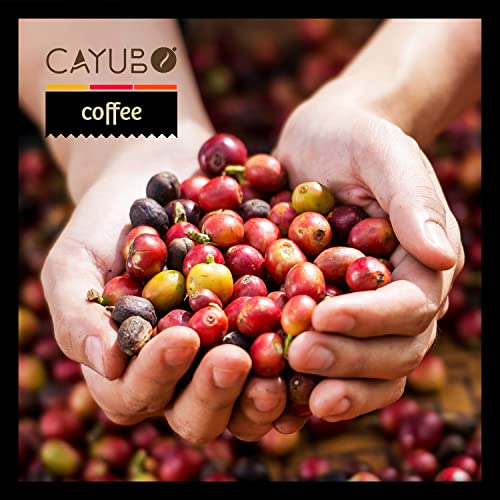
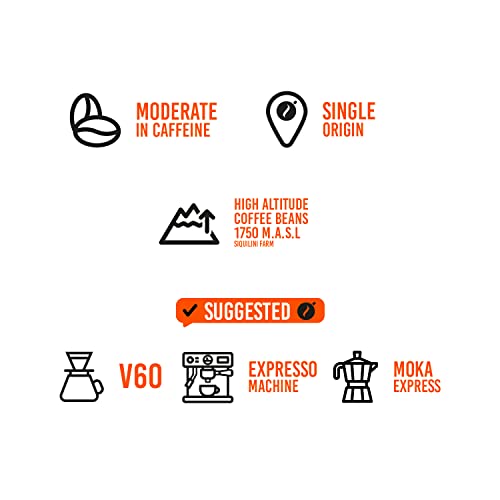
Cayubo leans hard into the romance of Bolivian coffee, and honestly, it works. The beans come from Siquilini Farm near Death Road, grown at 1,750 meters, then roasted in La Paz, the world’s highest capital. That high-altitude roasting claim is interesting: low oxygen and humidity can slow the roast, potentially preserving more delicate acids and aromatics.
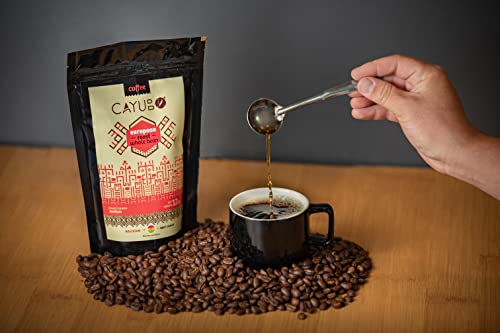
Owners describe a lively cup with floral hints and a clean finish, which tracks with high-elevation Arabica. The “adventure coffee” branding isn’t just marketing fluff, it reflects a genuine niche: beans tied to place and story. That said, the roast is labeled “European medium,” which can lean darker than American preferences. If you like a slightly deeper profile with fruit and chocolate tones, this delivers. But it’s not as precisely dialed as Montuno’s peaberry offering.
Product photos
Trader Joe’s Organic Bolivian Coffee
Strengths
- Fair Trade certified
- Ethically sourced
- Trusted brand consistency
Trade-offs
- Blend masks origin character
- No farm or elevation data
- Smaller bag size
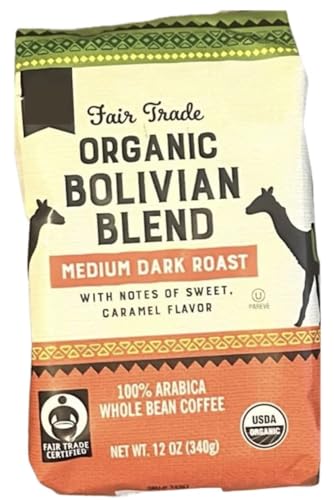
Trader Joe’s has a reputation for accessible, responsibly sourced coffee, and this 12-ounce Bolivian blend fits the mold. It’s certified organic and Fair Trade, which tells you a lot about its sourcing ethics, small-scale farms, fair wages, and environmental standards. The medium roast is designed to be approachable, and owner feedback consistently describes it as smooth with a balanced body, maybe a touch of nuttiness.
It’s not a flashy coffee, but it’s dependable. You won’t find estate-level detail or altitude specs here, and it’s a blend rather than single-origin, so terroir expression is muted. Still, for the price and ethical backing, it outperforms many grocery-store competitors. I’d recommend it over Parisi for those who value trade practices as much as taste.
Video review
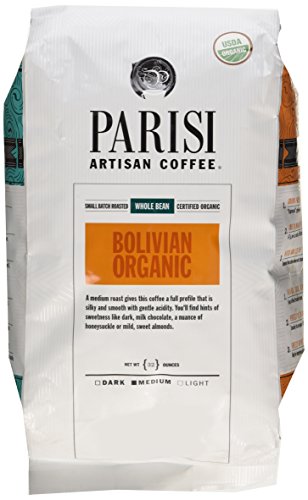
Parisi Artisan Bolivian Organic Coffee
Strengths
- Large 32 oz bag
- Organic certified
- Affordable per ounce
Trade-offs
- Limited origin details
- Generic roast profile
- Less freshness tracking
This 32-ounce bag stands out for one reason: volume. If you’re a daily drinker who wants to minimize how often you reorder, this is a practical play. The listing confirms it’s organic and 100% Bolivian Arabica, which suggests a clean, mild cup with moderate acidity, typical of the region’s washed-process beans.
Still, the lack of detailed origin info or roast profile gives me pause. Owners report it’s a consistent, no-surprises medium roast, but without specifics on elevation or farm sourcing, it feels more like a bulk utility pick than a coffee to savor. Compared to single-origin specialists like Montuno or Cayubo, it doesn’t offer that traceability or crafted flavor story.
Product photos


How We Chose These bolivian coffee
As the founder of Bean Thusiast, I approached researching Bolivian coffees by comparing published specifications – roast level, altitude, processing details – alongside a careful review of owner feedback and expert opinions. Rather than a hands-on lab test, this is a research-led comparison focused on identifying consistent qualities and standout features across different offerings. My goal was to pinpoint coffees representing the breadth of what Bolivia has to offer.
For Bolivian coffee, I weighted flavor profile and origin transparency most heavily. Bolivia’s diverse microclimates yield incredibly distinctive flavors, and a clear understanding of where the beans come from is crucial. Beyond that, roast level matters. A well-executed medium roast, as seen in several options, best showcases the inherent qualities of these single-origin Bolivian beans.
Specifications reliably indicate roast level and growing altitude, influencing potential flavor characteristics. However, nuances like “bright” or “smooth” are best understood through owner reviews. I paid close attention to recurring themes in feedback, looking for coffees consistently praised for a particular distinctive single-origin flavor or a positive single-origin coffee profile.
How To Pick The Right bolivian coffee
As someone who’s spent years exploring the nuances of coffee, I’ve found Bolivian beans consistently deliver a unique and enjoyable experience. But with increasing availability, knowing what separates a truly exceptional bag from an average one can be tricky.
Bolivian coffee excels at medium roast levels, showcasing bright acidity and complex flavors like chocolate, caramel, and fruit. Look for beans sourced from high-altitude regions like Caranavi or Yungas, and prioritize whole bean options to maximize freshness. Roast date is crucial; aim for coffee roasted within the last two weeks.
Origin & Altitude Matter
Bolivia’s coffee-growing regions, particularly the Yungas and Caranavi, benefit from high altitudes and unique microclimates. These factors significantly impact bean density and flavor development. While “Bolivian” is a good start, knowing where within Bolivia the beans come from tells you a lot. The Caranavi region is known for peaberry beans (like the Montuno Golden Pearl) which many consider superior. The Yungas area (as seen in Cayubo’s offerings) offers a distinct jungle-grown character. Don’t simply settle for “Bolivian coffee”; investigate the specific growing region.
Roast Level & Flavor Profile
A medium roast is almost always the sweet spot for Bolivian beans. It allows the inherent flavors – often bright citrus alongside chocolate and nutty notes – to shine without being masked by darker, bolder roasts. I’ve noticed that lighter roasts can sometimes highlight an undesirable grassy flavor, while darker roasts tend to lose the delicate complexity that makes Bolivian coffee special. Exploring premium coffee bean selections can help you discern the difference between roast levels.
Quantity, Freshness & Value
Buying coffee is a balancing act. A large bag (like the Parisi Artisan offering) can be economical, but only if you can consume it quickly. Freshness is paramount; whole bean coffee retains flavor much longer than pre-ground. Consider how quickly you’ll use the coffee and choose a bag size accordingly. If you’re a daily drinker, a larger bag might make sense. However, if you prefer to sample different varieties, smaller bags are the way to go. Here’s what I look for:
- Small Bag (12oz or less): Ideal for trying new origins or roasts.
- Medium Bag (1lb/454g): A good balance between cost and freshness for regular drinkers.
- Large Bag (2lbs+): Best for those who drink coffee constantly and have proper storage.
A roast date, not just a “best by” date, is your friend. Aim to brew within 2-3 weeks of the roast for peak flavor.
Finding the ideal coffee-to-water balance is also key to enjoying your Bolivian coffee to the fullest.
Bolivian Coffee Compared
Here’s a spec comparison of several Bolivian coffee options to help you choose the right one.
| Product Name | Roast Level | Origin | Altitude (ft) | Bag Size (oz) | Flavor Notes |
|---|---|---|---|---|---|
| Montuno Bolivian Golden Pearl Coffee | Medium | Caranavi | N/A | 16 | Tangerine, Vanilla, Almond |
| Cayubo Single Origin Bolivian Coffee | Medium | Siquilini Farm | 5,741 | N/A | Fruity, Chocolate |
| Trader Joe’s Organic Bolivian Coffee | Medium | N/A | N/A | 12 | N/A |
| Parisi Artisan Bolivian Organic Coffee | N/A | N/A | N/A | N/A | N/A |
Frequently Asked Questions
What makes Bolivian coffee different from other South American coffees?
Bolivian coffee stands out due to its unique growing conditions(high altitudes and varied microclimates) which often result in a bright, fruity acidity and complex chocolate notes not always found in other South American varieties. It’s a less-explored origin, offering distinct flavor profiles.
Is peaberry Bolivian coffee really superior?
Yes, peaberry beans like those from the Caranavi region are often considered higher quality. This is because the single bean develops more concentrated flavors within the cherry, leading to a sweeter, more complex cup than standard flat-bean coffees.
How can I tell if a bag of Bolivian coffee is truly fresh?
Always check for a roast date on the bag, not just a “best by” date. Ideally, you want to brew your coffee within 2-3 weeks of the roast date to experience its peak flavor and aroma; this ensures you’re getting one of the best-flavor coffee roasts.
I prefer dark roasts. Will I enjoy Bolivian coffee?
While Bolivian coffee generally shines at medium roasts, you may still enjoy a darker roast if that’s your preference. However, be aware that darker roasting can mask the delicate nuances and bright acidity that make Bolivian coffee special, potentially reducing its exceptional taste profile coffees.
Where can I find more information about different coffee origins?
Exploring different origins is a fantastic way to expand your palate. I regularly update Bean Thusiast with detailed guides and reviews, covering everything from flavor profiles to growing regions, and sharing information about coffees with rich flavor notes and most flavorful coffee brands.
The Bottom Line
Choosing a Bolivian coffee often comes down to how much control you want over the experience versus how much fuss you’re willing to tolerate. For the best overall introduction to what Bolivia offers, I confidently recommend the Montuno Bolivian Golden Pearl Coffee. Its clear origin (Caranavi) and detailed flavor notes make it a standout, and the peaberry beans are a real treat.
If you’re on a tighter budget, the Trader Joe’s Organic Bolivian Coffee is a solid starting point. For those wanting versatility and a larger quantity, the Parisi Artisan Bolivian Organic Coffee is a good choice (though details on origin and roast are less clear). And if you’re seeking a distinctly fruity profile from a well-regarded farm, the Cayubo Single Origin Bolivian Coffee delivers.
Ultimately, the specific flavor notes and roast level are important factors, but don’t get lost in the details. Focusing on fresh, whole bean coffee from a high-altitude Arabica bean quality is the most reliable path to a satisfying cup. A roast date within the last few weeks will always be more impactful than chasing a specific altitude number.
