
2 Best Biodegradable Coffee Pods of 2026
The Cameron’s Coffee Breakfast Blend Pods are the best overall for reliable brew quality and verified industrial compostability, while the Happy Belly Medium Roast Compostable Pods stand out as a smart budget-friendly pick that still delivers solid flavor and environmental benefits.
Most coffee drinkers switching to biodegradable pods want to feel good about their environmental impact without sacrificing taste or convenience. Too often, though, vague labeling and unverified claims make it hard to know which pods will actually break down and which will just clog a landfill.
After researching materials, certifications, and owner feedback, I focused on pods that are fully compostable under real-world conditions and deliver a consistent, satisfying brew. This guide cuts through the greenwashing to highlight options that balance sustainability, performance, and value.
Top 2 Biodegradable Coffee Pods in the Market
The Best Biodegradable Coffee Pods, Reviewed
Cameron’s Coffee Breakfast Blend Pods
Strengths
- Real paper filter
- Rich, balanced flavor
- Certified compostable
Trade-offs
- Requires industrial composting
- Not widely available
- Slight compatibility hiccup with some Keurig 2.0 units
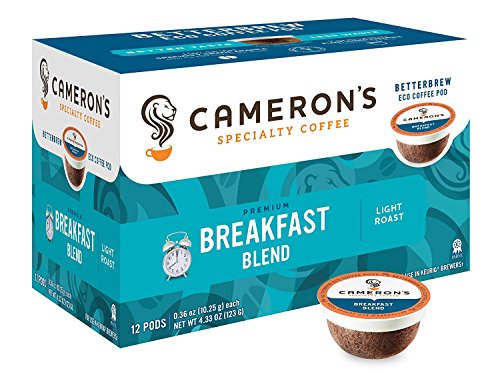
Cameron’s Breakfast Blend stands out in the compostable pod space not just for taste, but for construction. The use of a real paper filter instead of a plastic cup is a meaningful step toward sustainability, and it shows in the cleaner extraction. The blend, sourced from Central and South America and slow-roasted, delivers a richer, more balanced cup than most in this category, with noticeable sweetness and body.
Reviewers often call this one of the few compostable pods that doesn’t sacrifice flavor for eco-credentials. The industrial compostability is a plus, but it’s worth noting that access to proper facilities is spotty across regions, so ‘compostable’ may mean ‘landfill-bound’ for many users. Still, for those with local composting access or a backyard bin, this is a genuinely greener option. I’d pick this over Happy Belly any day if you value both taste and environmental impact.
Video review
Happy Belly Medium Roast Compostable Pods
Strengths
- Affordable per pod
- 100% Arabica beans
- Rainforest Alliance Certified
Trade-offs
- Brew issues with some Keurig models
- Basic flavor profile
- Limited roast variety
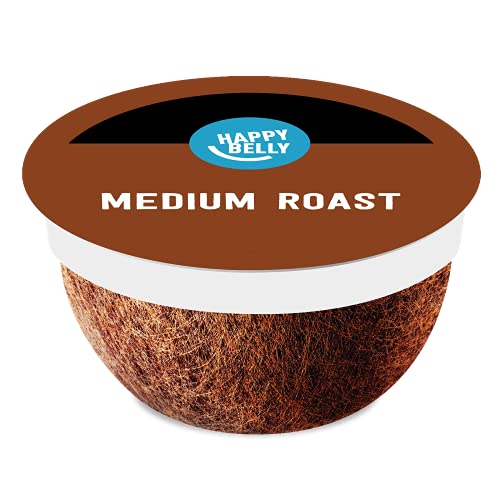
For budget-focused buyers who still care about sustainability, the Happy Belly compostable pods deliver a solid baseline experience. The use of 100% Arabica beans is a plus at this price point, and the Rainforest Alliance certification adds a layer of ethical sourcing credibility. On paper, it’s a no-brainer for cost-conscious households running high volumes of single-serve brews.
Owners consistently report a clean, smooth cup with mild acidity and a straightforward medium roast profile, nothing complex, but reliable for a morning pick-me-up. That said, the compostable design doesn’t always play well with Keurig 5.0 and K Supreme models, where puncture issues can lead to under-extraction. If you’re on older hardware, this could be a real annoyance.
Video review
How We Evaluated biodegradable coffee pods
As the founder of Bean Thusiast, I know many coffee lovers are seeking options that align with their values. Rather than a hands-on lab test, my research focused on comparing published specifications – like compostability certifications and material composition – across various brands. I also weighed owner reviews and insights from reputable coffee publications to understand real-world performance and satisfaction. Ultimately, I ranked pods against criteria including flavor reports, ease of use, and verified environmental claims.
For biodegradable coffee pods, the most important factors came down to verifiable compostability and consistent brew quality. A pod’s eco-credentials matter little if it doesn’t actually break down in a composting environment. Similarly, a compostable pod that delivers a weak or unpleasant brew isn’t a worthwhile compromise. I placed significant weight on certifications and detailed information about compostable filter materials.
Specifications reliably indicate whether a pod can be composted (look for certifications!), but owner feedback reveals whether that process is truly effective and if the pods work well with different Keurig models. Reputation matters too; brands committed to sustainable coffee practices are more likely to deliver on their environmental promises and maintain consistent quality in their brewing experience and eco-friendly coffee brewing.
How To Pick The Right biodegradable coffee pods
Finding truly earth-friendly single-serve coffee isn’t always straightforward; a lot depends on understanding what “biodegradable” actually means in this context.
A good biodegradable coffee pod balances brew quality with genuine environmental responsibility. Key factors include the pod material – look beyond marketing claims to verify certifications like OK Compost INDUSTRIAL or TUV Austria certified pods. Consider filter composition, ensuring it’s not just the outer shell that breaks down, and research the availability of appropriate composting facilities in your area.
Decoding Compostability Claims
The biggest pitfall with biodegradable coffee pods is confusing compostable with biodegradable. Many pods are labeled as biodegradable, but that simply means they’ll eventually break down…somewhere. True compostability requires specific conditions – high heat and a controlled environment – found only in commercially compostable coffee pods. Don’t assume your home compost pile can handle them. Look for certifications (like those from TUV Austria or OK Compost INDUSTRIAL) that guarantee breakdown in industrial facilities.
Understanding Pod Construction
It’s not enough for just the outer shell to be compostable; the filter inside matters too. Many “biodegradable” pods still use a plastic filter, defeating the purpose. Ideally, you want a pod constructed entirely of plant-based materials. Pay attention to what the manufacturer says about the filter material. If it’s vague, it’s a red flag. Beyond that, consider the seal. A poorly sealed pod will lead to a weak, watery brew, regardless of how eco-friendly it is.
- A simple paper-based pod will likely brew a weaker cup.
- A pod with a fully compostable filter and a tight seal represents a good balance.
- Some brands use a very thin, plant-based film for sealing; these are better than plastic, but still require industrial composting and might not hold up well during shipping if the packaging isn’t protective.
Balancing Cost and Convenience
Let’s be realistic: convenience is a major draw of single-serve coffee. However, truly compostable options often come at a premium. While you can find affordable options like the Happy Belly pods, I’ve found that sometimes sacrificing a little on cost delivers a better overall experience, especially if it means supporting brands genuinely committed to sustainability. Plus, don’t forget to think about what you’ll do with repurposing used coffee grounds – extending the lifecycle of the coffee itself adds to the environmental benefit.
A pod isn’t truly sustainable if it ends up in a landfill. Check your local regulations to confirm access to industrial composting facilities before fully committing to a specific brand.
Biodegradable Coffee Pods Compared
Here’s a side-by-side comparison of key specifications for these biodegradable coffee pod options.
| Product | Roast | Pod Count | Certification | Compatibility | Material |
|---|---|---|---|---|---|
| Cameron’s Coffee Breakfast Blend Pods | Breakfast Blend | N/A | Industrial Compostable | Keurig 2.0 | Coffee Filter |
| Happy Belly Medium Roast Compostable Pods | Medium Roast | 96 | Rainforest Alliance | Keurig 1.0/2.0 | N/A |
Frequently Asked Questions
What if my city doesn’t have industrial composting facilities?
Truly compostable pods require those facilities to break down effectively. If your local area lacks them, the pods will likely end up in a landfill, diminishing their environmental benefit; consider switching to reusable pods or exploring best organic K-Cup alternatives instead.
Are all “biodegradable” pods actually compostable?
No, many pods labeled as biodegradable only break down under very specific conditions. Look for certifications like OK Compost INDUSTRIAL or TUV Austria to verify they are designed for commercial composting, not your backyard pile.
Can I compost the coffee grounds inside the pods along with the pod itself?
Yes, the coffee grounds are a valuable addition to compost. However, ensure your composting setup can handle the pod material as well; if not, separate the grounds and compost those independently, sending the pod to an industrial facility if possible.
What’s the difference between compostable and biodegradable plastic in these pods?
Compostable plastics are designed to break down in commercial composting facilities, while biodegradable plastics may take years to decompose and often require specific conditions. Choosing pods with a fully compostable filter is key, and seeking out certified organic coffee pods further supports sustainable practices.
Will a biodegradable pod work with all Keurig models?
Most pods are designed for Keurig 1.0 and 2.0 brewers, but compatibility can vary. Always check the manufacturer’s specifications to confirm it will function correctly with your specific machine, especially if you own an older model or use eco-friendly organic coffee pods.
The Bottom Line
Choosing the right biodegradable coffee pod often comes down to balancing your desire for convenience with a commitment to reducing waste. While there’s a cost increase with genuinely compostable options, the Cameron’s Coffee Breakfast Blend Pods strike a strong balance – offering certified industrial compostability alongside consistently positive brew reports. For many, that peace of mind and reliable flavor are worth the slight premium.
If you’re on a tighter budget or simply want to experiment, the Happy Belly Medium Roast Compostable Pods are a good starting point, though understanding their limited compostability information is key. For those prioritizing versatility and wanting to explore different roast profiles, I’d also point you towards researching options that align with your preferred single-serve coffee pods. It’s also worth noting the importance of understanding [coffee pod composition] for informed decision-making.
Ultimately, the “best” pod isn’t about a single feature or certification. It’s about finding a product that fits your brewing setup, your taste preferences, and your values. Don’t get too caught up in chasing the latest technology or highest number; focus instead on a reliable, certified compostable pod, and always verify access to industrial composting facilities in your area.
