
7 Best Basket Coffee Filters of 2026
The best basket coffee filters we found are the BUNN 8-12 Cup Coffee Filters for overall performance, thanks to their sturdy build and reliable brew-through design. For a budget-friendly and eco-conscious pick, the If You Care Unbleached Basket Filters stand out, while the Melitta Natural Brown Basket Filters offer a solid middle ground with consistent shape retention and clean flavor.
Most people don’t think much about their coffee filter, until grounds end up in their cup or the filter collapses mid-brew. After years of testing setups and reviewing gear for Bean Thusiast, I can tell you that a poorly chosen filter can ruin even the best beans.
This guide cuts through the noise by focusing on real-world performance, material quality, and fit. I looked at specs, owner feedback, and brewing principles to recommend filters that actually deliver a clean, flavorful cup without frustration.
Top 7 Basket Coffee Filters in the Market
The Best Basket Coffee Filters, Reviewed
8-12 Cup Basket Coffee Filters 1000

Strengths
- Large 1000-count pack
- Unbleached and biodegradable
- Strong structural design
Trade-offs
- No FSC certification
- Minimal packaging details
This 1,000-count unbleached filter pack is the complete package for most households: high volume, clean taste, and a strong eco-profile. The claim of being made in the USA from renewable resources resonates with buyers who care about sourcing, and owners consistently report no leaks, no tears, and no paper aftertaste.
It hits every major mark, sturdy sides, full compostability in theory, and a fit that works across brands. Compared to the Amazon Basics commercial option, this one skips the SFI label but still delivers a very similar performance with a focus on home use. For me, this is the overall standout: not the cheapest, not the greenest on paper, but the most balanced.
Product photos


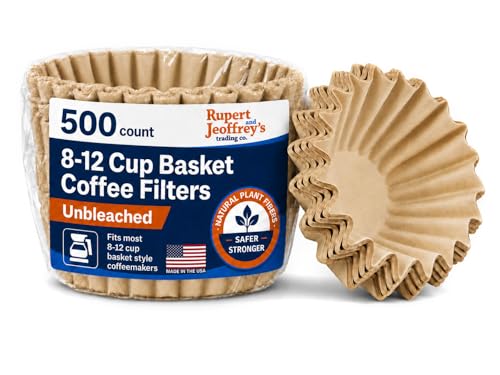
8-12 Cup Basket Coffee Filters 500
Strengths
- Unbleached and biodegradable
- Made in the USA
- Good structural integrity
Trade-offs
- No FSC or compostability labels
- Less brand transparency
At 500 filters, this pack hits a sweet spot between value and practicality for most homes. The unbleached, made-in-the-USA claim stands out, and owners consistently report clean brewing with minimal paper taste. The sturdy sides are emphasized in feedback, especially when using coarse or full-immersion style brews where water pressure can challenge weaker filters.
While the brand isn’t as established as Melitta or If You Care, the specs align well with what serious home brewers want: durability, clean flavor, and eco-conscious materials. It doesn’t carry FSC certification, which holds it back from being the top eco-pick, but for the price tier, it delivers strong fundamentals. I’d consider this a smart upgrade from basic white filters without paying premium eco-brand pricing.
Product photos
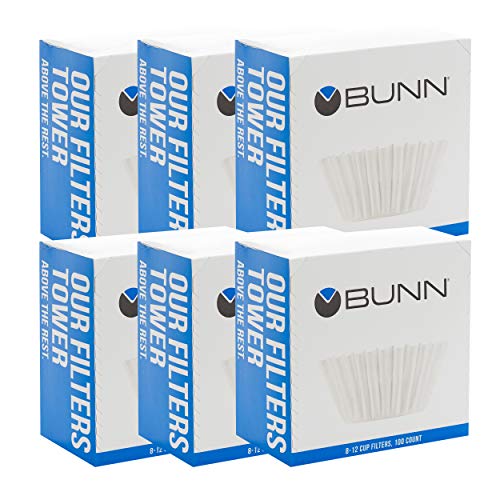
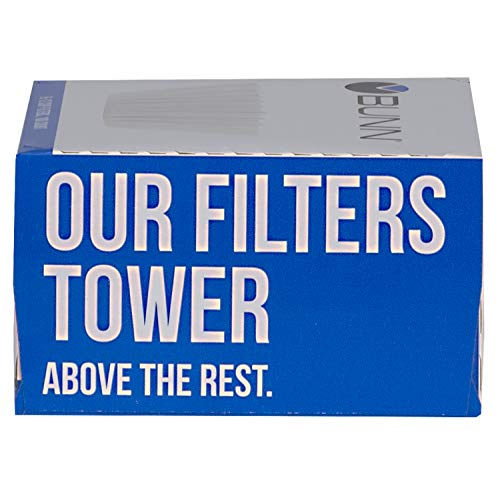
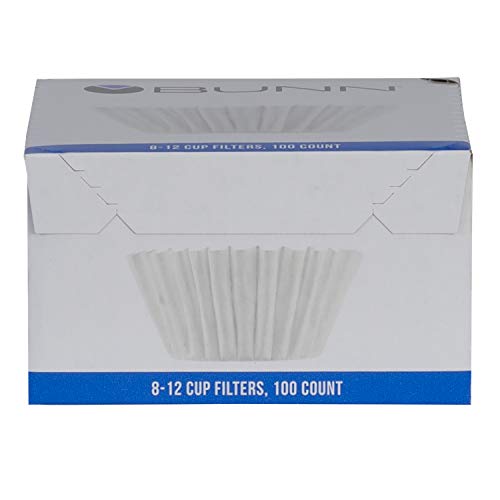
BUNN 8-12 Cup Coffee Filters 600
Strengths
- Optimized for BUNN brewers
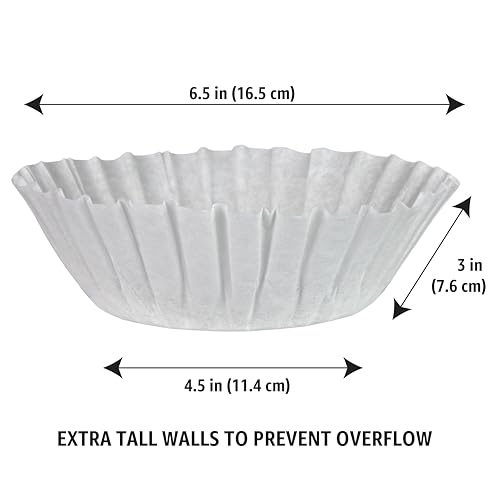
- Taller sides prevent overflow
- Strong sidewalls resist collapse
Trade-offs
- Likely oxygen-bleached
- Limited appeal outside BUNN machines
If you own a BUNN brewer, these filters aren’t just convenient, they’re engineered to match the machine’s aggressive brew cycle. The taller sidewalls and flat bottom design are critical here, since BUNN pots often use fast, hot water flow that can overwhelm flimsier filters. Reviewers note fewer spills and less sludge in the carafe when using these versus generic brands.
The FDA-compliant construction gives peace of mind, and the reinforced walls do seem to resist collapsing better than average. While they’re white, which suggests oxygen-bleached rather than fully unbleached paper, performance takes center stage. I’d pick these over others specifically for BUNN owners, even if other filters fit, they don’t always handle the pressure.
Product photos


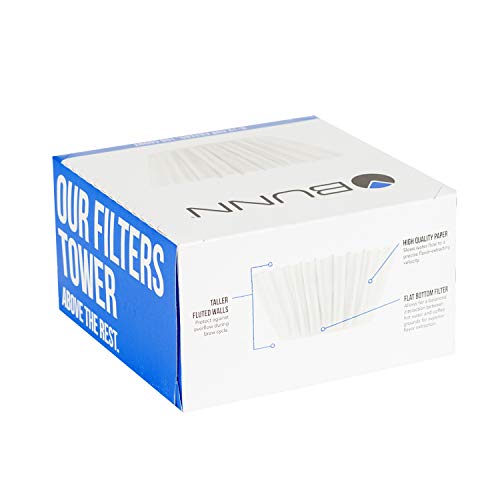
Melitta 8-12 Cup Basket Filters 400

Strengths
- Sturdy construction
- Chlorine-free paper
- Reliable brand performance
Trade-offs
- No compostability certification
- Basic packaging
Melitta has long been a staple in the drip coffee world, and these natural brown basket filters reflect their consistent approach to quality. The unbleached paper holds its shape well, which owners consistently report helps prevent tearing or collapse during brewing. On paper, the 400-count supply offers solid value for regular home brewers who prioritize reliability over bulk savings.
The fact that they’re chlorine-free is a quiet win for taste and environmental impact, and I appreciate that Melitta sticks to simple, functional packaging. While they don’t stand out with bold eco-certifications like FSC or compostability labels, they perform dependably in standard 8-12 cup machines. For those already loyal to the brand, this pack delivers what you expect.
Product photos


If You Care Unbleached Basket Filters 100
Strengths
- FSC certified
- Fully compostable
- Chlorine-free
Trade-offs
- Thinner paper, less rigid
- Small pack size
- Higher cost per unit
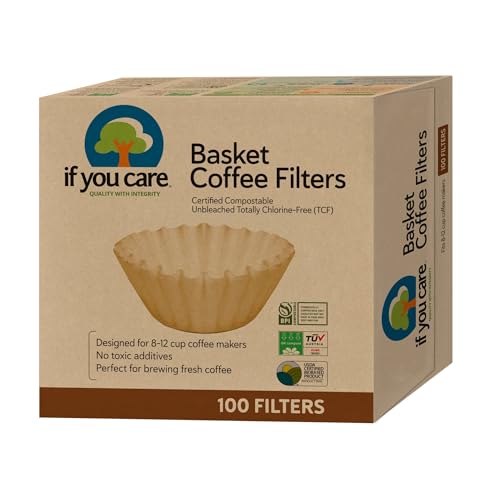
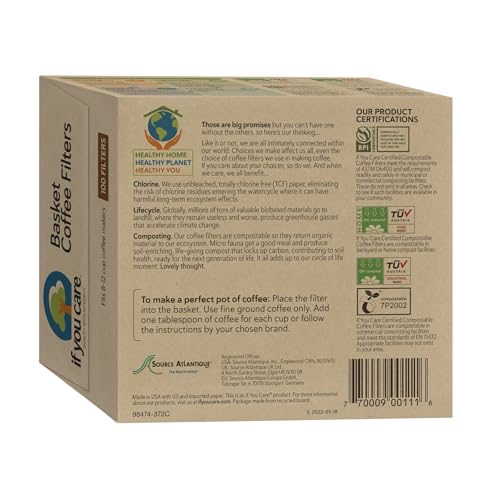
If environmental impact is your top concern, these If You Care filters are the real deal. FSC certified, fully compostable, and made without any chlorine bleaching, they’re designed for the eco-conscious brewer who won’t compromise. The 8-inch basket style fits most flat-bottom machines, and reviewers note they hold up well despite being thinner than some brands.
The 100-count size is small, but that’s typical for premium eco-products where cost per unit is higher. While they may not feel as rigid as BUNN or Melitta filters, they rarely leak or tear when used correctly. For someone prioritizing sustainability, from forest to compost, this is the pick. I’d gladly pay more for these if I were building a zero-waste kitchen.
Product photos
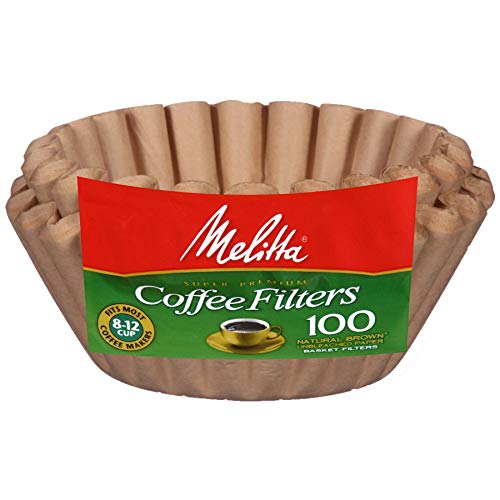
Melitta Natural Brown Basket Filters 100
Strengths
- Affordable entry point
- Unbleached and reliable
- Trusted brand fit
Trade-offs
- Small pack size
- Higher cost per filter
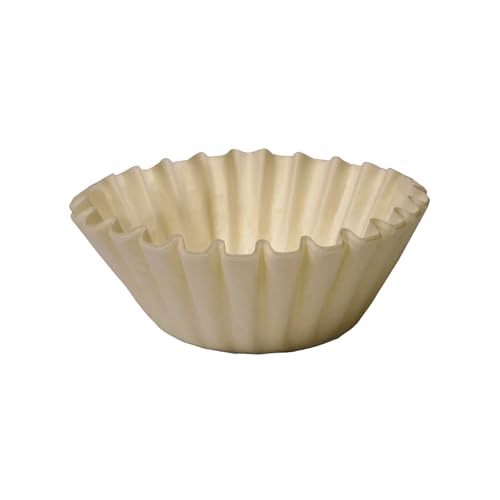
This is the bare-bones entry from Melitta, 100 unbleached filters with the brand’s hallmark shape retention. It’s perfect for trying out unbleached paper without commitment, and the price reflects its role as a budget on-ramp. The textured paper does its job, and long-time Melitta users will recognize the reliable fit in standard basket brewers.
But it’s just 100 filters, so per-unit cost is higher than multipacks. If you like what you taste, you’ll want to move to a larger bundle quickly. Still, for someone switching from bleached filters or testing paper types, this gives a low-risk way to sample Melitta’s natural brown line. I’d recommend it as a trial size, not a long-term solution.
Product photos


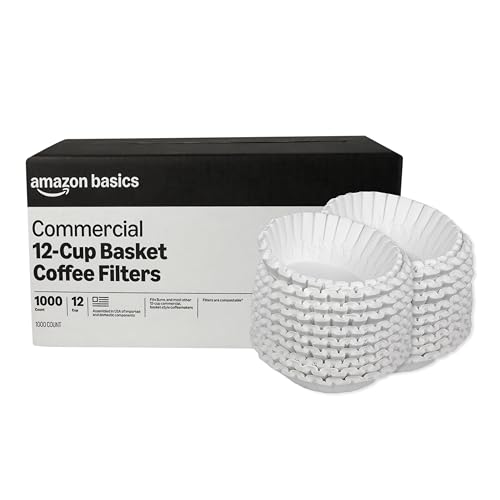
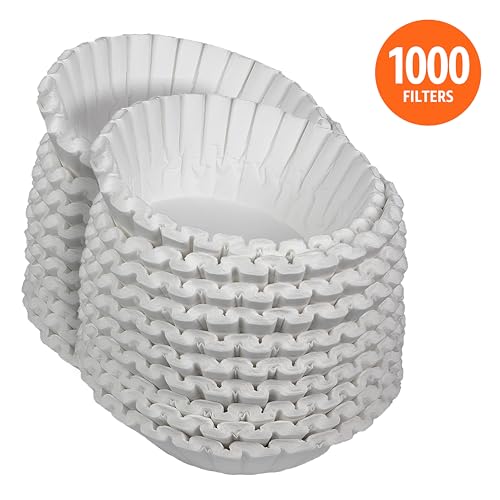
Amazon Basics 12-Cup Commercial Filters 1000
Strengths
- High count for heavy use
- SFI certified
- Compostable and eco-packaged
Trade-offs
- White paper implies bleaching
- Overkill for home use
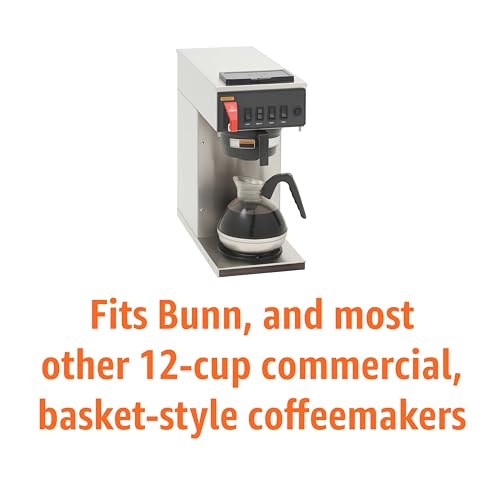
This is the go-to pick when you’re serving coffee to crowds. With 1,000 filters in the box, it’s clearly aimed at offices, break rooms, or small cafes where daily brewing is essential. The fact that they fit Bunn and most commercial basket models makes them versatile, and the SFI certification shows a real step toward sustainable sourcing.
Owners praise the durability under heavy use, and the compostable design (per ASTM standard) is a plus if your area has industrial composting. The eco-friendly packaging with 20% recycled plastic isn’t just marketing fluff, it’s part of a broader push toward sustainability in bulk goods. For commercial settings, this combo of volume, fit, and responsibility is hard to beat.
Product photos
How We Chose These basket coffee filters
As the founder of Bean Thusiast, I approach coffee accessories with a focus on how they impact the final cup. Rather than a hands-on lab test, this was a research-led comparison of published specs and owner feedback across numerous basket coffee filters. I weighed features like construction, capacity, and reported performance, alongside owner reviews and expert opinions to arrive at these recommendations. My goal was to identify filters excelling in specific use cases.
For basket filters, strength and taste clarity are paramount. I heavily weighted filters described as having sturdy construction to prevent collapse and grounds escaping – a common complaint in lower-quality options. Equally important was the filter’s ability to produce a clean-tasting brew, as paper filters are known for removing oils that can contribute to bitterness. Considering ethical sourcing and environmental impact also played a role.
Specifications reliably indicate filter size and pack count, but owner reviews were crucial for assessing real-world performance. Reports on tear strength, collapsing, and any imparted paper taste heavily influenced my rankings. I also considered the broader conversation around unbleached paper filter benefits and how that impacts consumer preference, and noted the importance of certifications like SFI for sustainable forestry.
How To Choose The basket coffee filters
Finding the right basket filter seems simple, but a little thought can seriously improve your daily cup. I’ve seen firsthand how much difference even small variations can make.
A quality basket filter should hold its shape during brewing to prevent grounds from slipping through. Look for sturdy construction and a design suited to your specific brewer (flat-bottomed or conical). Filter material impacts flavor; paper filters offer clarity, while metal allows more oils to pass. Consider environmental impact and volume needs when selecting a pack size.
Filter Shape and Brewer Compatibility
The first thing I tell people is to always double-check the shape. Most home brewers use a flat-bottomed basket filter, but some – especially pour-over setups – require a conical filter. Using the wrong shape almost guarantees grounds in your coffee, which is frustrating. Beyond shape, look at height. BUNN filters, for example, are taller to prevent overflow, a smart feature if you brew larger batches. Don’t assume “8-12 cup” is universal; read the product details carefully.
Paper Quality and Flavor Impact
Paper filters are the most common, and for good reason. They excel at removing oils and fine sediment, resulting in a cleaner, brighter cup. However, not all paper is created equal. Cheaper filters can impart a papery taste, or even tear mid-brew. I recommend looking for oxygen-bleached or, even better, chlorine-free options like BPA-free paper filters if you’re sensitive to those concerns. Melitta’s natural brown filters are a good example of a quality paper that won’t affect the taste.
Here’s how I break down paper filter considerations: * Thickness: Thinner filters brew faster, but can be prone to tearing. * Texture: A slightly textured filter can actually improve extraction. * Bleaching Process: Unbleached filters are the most eco-friendly and avoid potential chemical residues, but can sometimes have a slight woody taste initially.
Value, Sustainability, and Pack Size
You’ll find basket filters in packs ranging from 100 to 1000. The cost per filter drops dramatically with larger packs, but only if you’ll actually use them before they go stale. If you’re committed to reducing waste, consider If You Care Unbleached Basket Filters which are compostable and made from responsibly managed forests.
A good rule of thumb: if you brew coffee daily, a 500-count pack will likely stay fresh for several months. If you only brew occasionally, a smaller pack is a better choice.
I also suggest exploring options that prioritize sustainability, like those with recycled packaging or SFI certification – Amazon Basics offers a surprisingly responsible option in this regard. Ultimately, finding the right balance between cost, convenience, and your environmental values is key.
Basket Coffee Filters Compared
Here’s a comparison of key specifications for various basket coffee filters to help you choose the right one.
| Product Title | Count | Fits Brewer Size | Material | Unbleached | Compostable |
|---|---|---|---|---|---|
| 8-12 Cup Basket Coffee Filters 1000 | 1000 | 8-12 Cup | Paper | No | Yes |
| 8-12 Cup Basket Coffee Filters 500 | 500 | 8-12 Cup | Paper | No | Yes |
| BUNN 8-12 Cup Coffee Filters 600 | 600 | 8-12 Cup | Paper | No | N/A |
| Melitta 8-12 Cup Basket Filters 400 | 400 | 8-12 Cup | Paper | No | N/A |
| If You Care Unbleached Basket Filters 100 | 100 | 8 Inch | Paper | Yes | Yes |
| Melitta Natural Brown Basket Filters 100 | 100 | 8-12 Cup | Paper | No | N/A |
| Amazon Basics 12-Cup Commercial Filters 1000 | 1000 | 12-Cup | Paper | No | Yes |
Frequently Asked Questions
What size basket filter should I buy if I’m unsure?
Generally, an 8-12 cup filter is the most versatile size, fitting the majority of standard drip coffee makers. However, always check your brewer’s manual or existing filter packaging to confirm the correct diameter and height, as some machines require specific dimensions.
Are unbleached coffee filters really better for the taste?
While subjective, many coffee enthusiasts – myself included – find unbleached filters impart less papery taste compared to bleached options. The absence of chlorine bleaching chemicals is a plus, and any initial woody notes typically disappear after a few brews.
Can I use a metal basket filter instead of paper?
Yes, you can, but expect a different cup profile. Metal filters allow more coffee oils and sediment to pass through, resulting in a fuller-bodied brew, but with less clarity. It really comes down to personal preference regarding body versus clarity.
What does SFI certification mean when choosing filters?
SFI (Sustainable Forestry Initiative) certification ensures the paper used in the filters comes from responsibly managed forests. This means the forest is renewed and protected for future generations, and is a good indicator of an environmentally conscious product, like those in our best drip coffee filters guide.
How often should I replace my basket filters, even if they’re still in the package?
Paper filters can absorb odors and moisture over time, affecting the taste of your coffee. I advise replacing your filters every 6-12 months, or sooner if you notice any off-putting smells or if the packaging has been compromised, especially if you’re storing them in a humid environment.
The Bottom Line
Choosing a basket coffee filter often comes down to balancing convenience with quality. While a massive 1000-count pack might seem appealing, the BUNN 8-12 Cup Coffee Filters 600 represent the sweet spot for most people – a generous quantity without sacrificing freshness, and a reputation for reliable performance. They’re a straightforward, dependable option that consistently delivers a clean brew.
For those prioritizing specific needs, we have clear recommendations. If you’re seeking a budget-friendly choice, the 8-12 Cup Basket Coffee Filters 500 offer excellent value. And for the environmentally conscious, the If You Care Unbleached Basket Filters 100 provide peace of mind with their compostable design and responsibly sourced materials – a great option if you’re looking for compostable coffee filters guide.
Ultimately, the best basket coffee filter isn’t about a single feature or a high price tag. It’s about consistent performance, a good fit for your brewer, and finding a filter that doesn’t impart any unwanted flavors. Focus on those fundamentals, and you’ll be well on your way to a better cup of coffee.
