
8 Best Bags of Coffee of 2026
The best bag of coffee overall is Starbucks Pike Place Roast for its consistent, balanced flavor and wide availability, while Amazon Fresh Colombia Ground stands out as a solid budget-friendly pick with genuine single-origin quality. For something more indulgent, Kauai Coconut Caramel Crunch delivers a fun, dessert-like twist.
Most of us have bought a bag of coffee only to brew a cup that’s flat, bitter, or just plain dull. The problem often isn’t your machine or technique, it’s the beans you’re using and how they’re roasted, sourced, and packaged.
As the founder of Bean Thusiast and someone who’s spent years studying coffee from farm to cup, I compared roasts, origins, and owner feedback to find bags that deliver real flavor and value. This guide cuts through the noise, focusing on what actually matters: freshness, roast clarity, and honest sourcing.
Top 8 Bag Of Coffee in the Market
The Best Bag Of Coffee, Reviewed
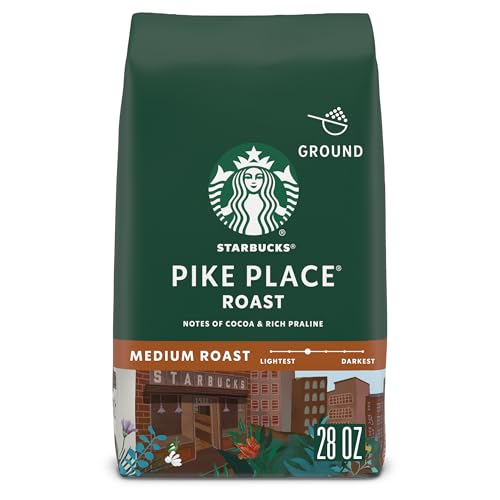
Starbucks Pike Place Roast
Strengths
- Large 28 oz bag
- Smooth hot or iced
- Balanced body
Trade-offs
- Roast dominates origin
- Not for dark roast fans
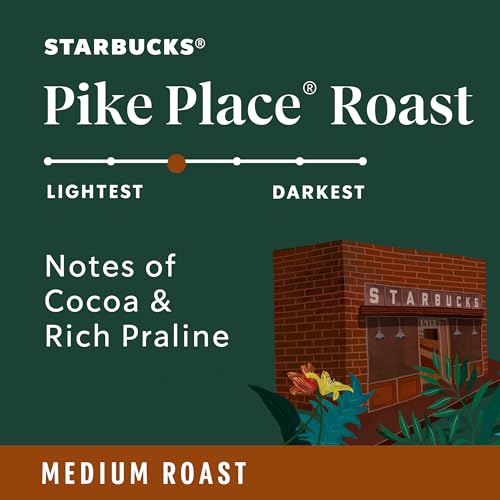
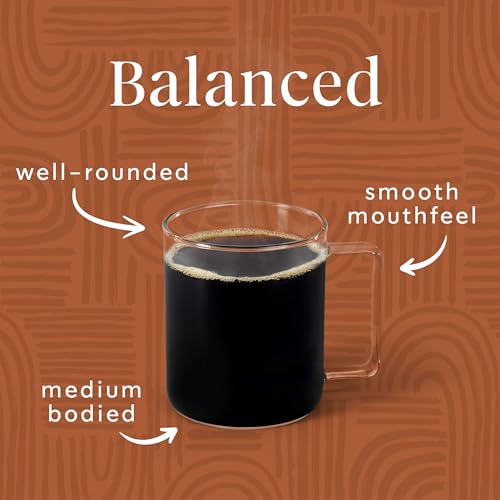
Pike Place Roast is Starbucks’ answer to the “just a regular cup of coffee” request, but elevated. With subtly rich notes of cocoa and praline, it’s a medium roast that’s smooth, balanced, and built for repetition. The 28 oz bag is the largest here, making it the most cost-effective per ounce among premium brands. And unlike their darker roasts, this one doesn’t rely on char to carry flavor.
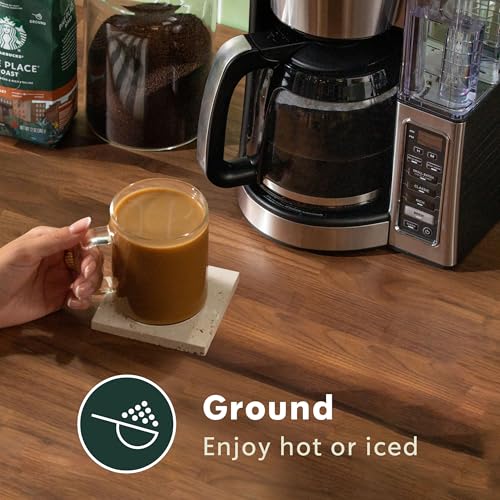
It’s explicitly designed for both hot and iced brewing, and owners confirm it transitions well, no bitterness when chilled. Compared to House Blend, it’s more rounded and slightly sweeter, with better clarity. For most buyers, this is the easy pick if you want café quality at home without fuss. It’s not exotic, but it’s consistently good.
Product photos
Amazon Fresh Colombia Ground
Strengths
- Excellent value
- Large quantity
- Smooth body
Trade-offs
- Basic flavor
- Generic packaging
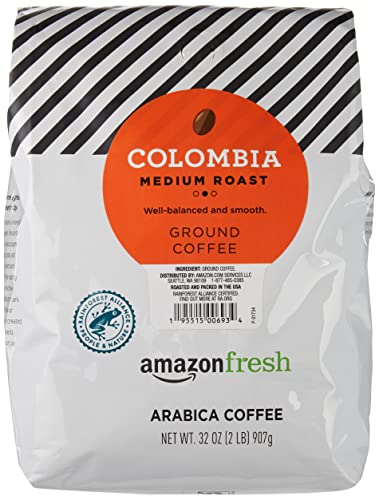
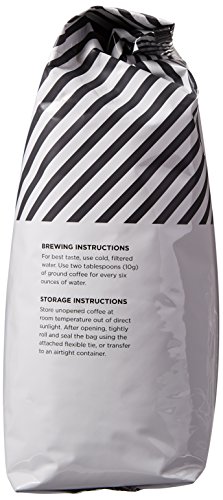
When value and volume are the priorities, Amazon Fresh Colombia stands out immediately, a 32 oz bag of 100% Colombian Arabica for the price of two smaller bags? That’s hard to ignore. The roast is medium, balanced, with a smooth finish that avoids harshness. It’s not complex, but it doesn’t pretend to be.
Reviewers note it tastes fresher than expected for a store brand, and the U.S. roasting adds a layer of consistency. Against New England Breakfast Blend, it’s bolder and more full-bodied, though less aromatic. For a budget pick, it punches above its weight, especially for high-volume households or offices. You won’t mistake it for a specialty single-origin, but you also won’t regret it.
Product photos



New England Breakfast Blend
Strengths
- Consistent flavor
- Family legacy
- Clean finish
Trade-offs
- Smaller bag
- Less body
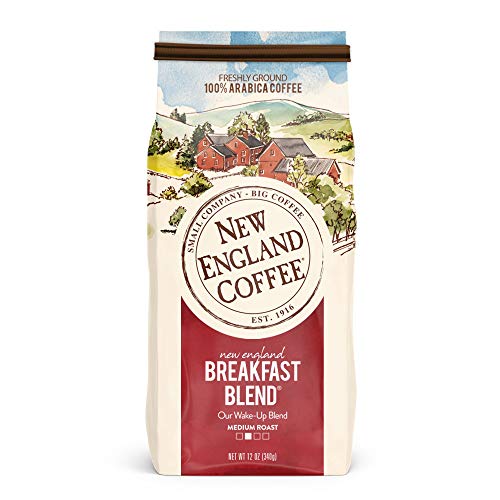
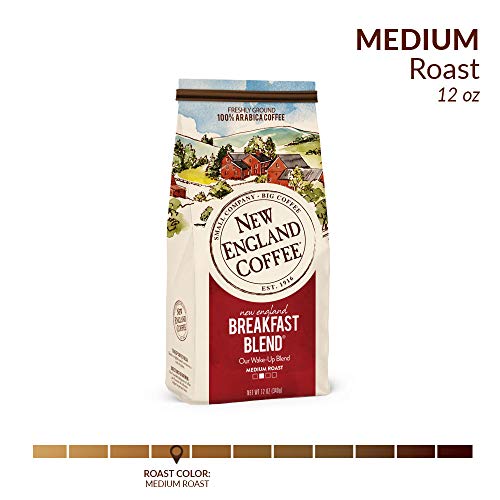
There’s something comforting about a coffee that’s been roasted the same way for over a century. New England Coffee’s Breakfast Blend leans on its legacy, and the result is a hearty, no-surprises medium roast that does exactly what it promises, wakes you up. The blend of African, Central, and South American beans delivers a rounded aroma and a clean, robust taste that holds up well in larger batches.
It’s small-batch roasted, which owners say translates to better freshness retention compared to mass-produced bags. The Kosher and gluten-free labels make it accessible, and the 12 oz size suits casual drinkers. Against Amazon Fresh Colombia, it’s less bold but more aromatic. This is the kind of coffee your parents brewed every morning, not flashy, but always there.
Product photos



Starbucks Italian Roast Dark

Strengths
- Bold flavor
- Consistent roast
- Versatile brew
Trade-offs
- Lacks origin nuance
- Can taste flat black
If you’re after a dark roast with real presence, this Italian Roast from Starbucks delivers on its promises. The profile leans hard into dark cocoa and toasted marshmallow, which sounds sweet but plays out as deep, almost smoky richness in the cup. It’s not subtle, and it’s not meant to be, this is a bold, no-nonsense dark roast that holds up well under milk or sugar if that’s your habit.
Owners consistently report it brews strong and consistent across drip machines and French presses, and the 18 oz bag gives decent value for regular drinkers. Compared to other dark roasts in the mainstream space, it stands out for its uniformity, no batch surprises. That said, if you’re chasing nuanced origin character, this isn’t the bag for you. It’s designed for reliability, not revelation.
Product photos



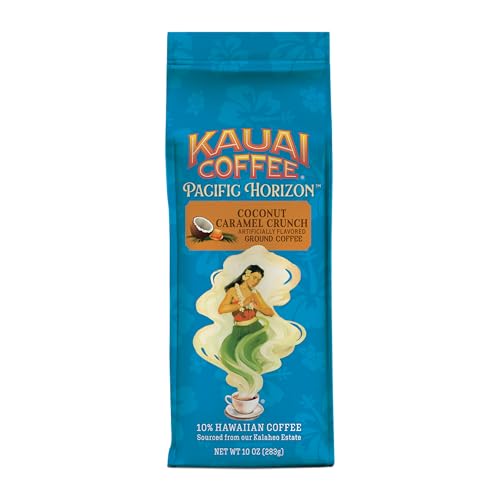
Kauai Coconut Caramel Crunch
Strengths
- Distinct tropical flavor
- Smooth no bitterness
- Estate-grown origin
Trade-offs
- Strong flavoring
- Smaller bag size
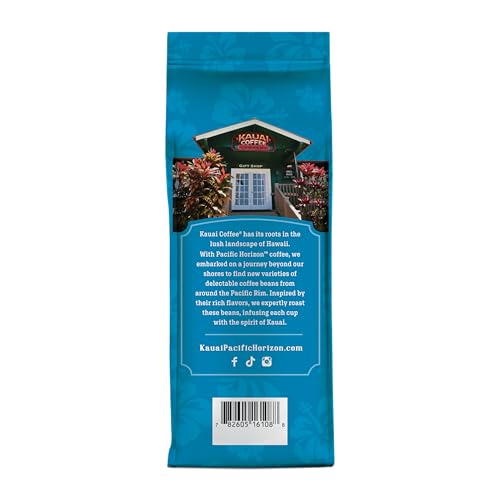
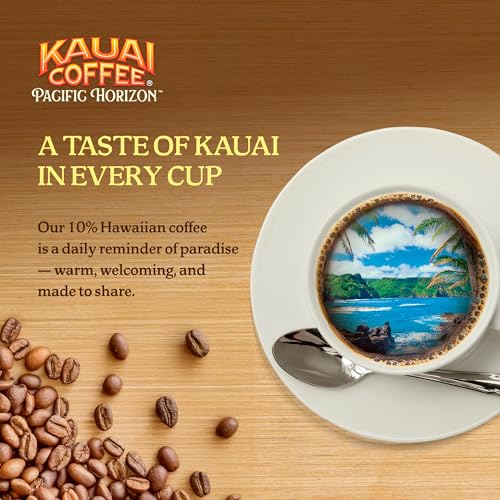
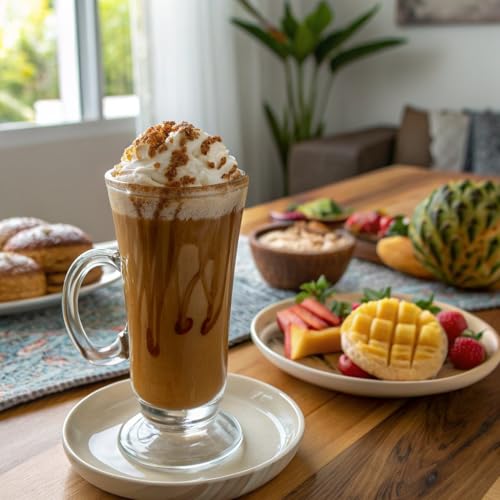
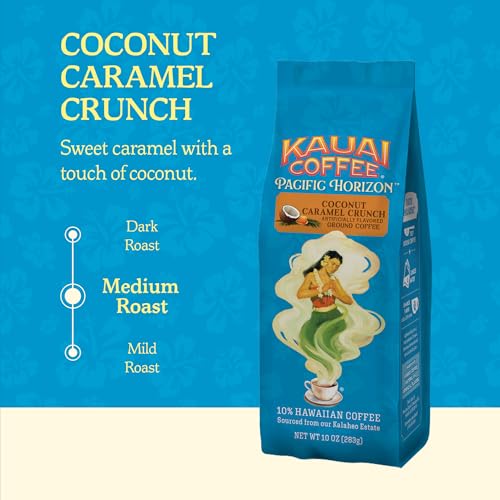
Flavored coffee walks a fine line between gimmicky and glorious, and Kauai Coffee’s Coconut Caramel Crunch mostly lands on the right side. The blend of nutty caramel and tropical coconut is unmistakable, evoking a vacation in a cup, without tasting like dessert syrup. What sets it apart is the base: 10% Hawaiian Arabica beans grown in volcanic soil, which reviewers say contribute a smooth, clean backdrop that keeps the flavoring from overwhelming.
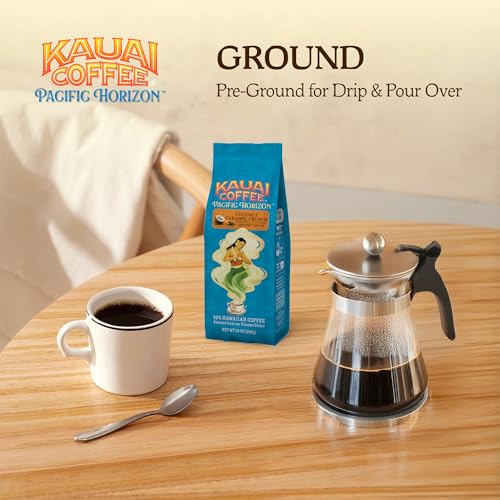
It’s a medium roast, so it doesn’t get buried under the additives, and the grind works fine for drip or French press. Compared to mass-market flavored coffees, this one feels more intentional. But if you’re skeptical of flavored beans at all, this won’t change your mind, it’s still a sweet profile, not a stealthy one.
Product photos
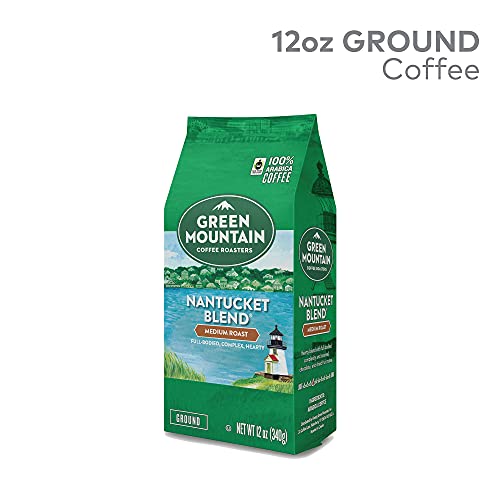
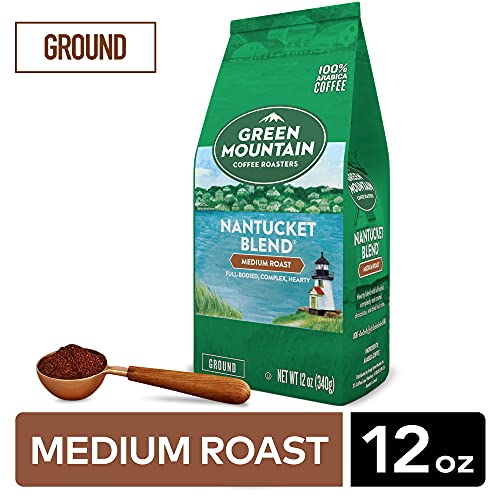
Green Mountain Nantucket Blend

Strengths
- Smooth finish
- Fair Trade certified
- Low acidity
Trade-offs
- Mild flavor
- Less aromatic
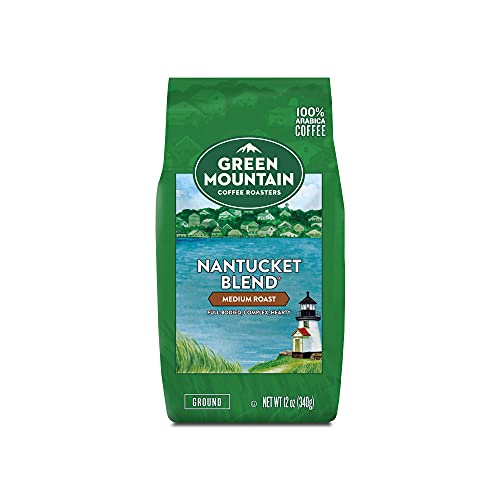
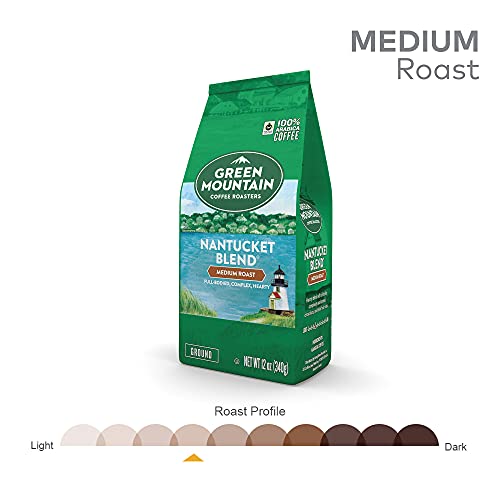
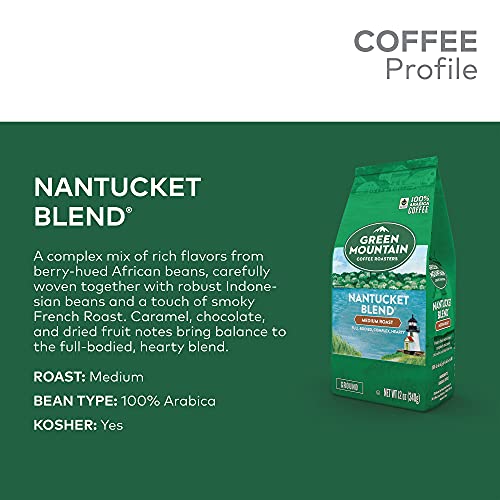
Green Mountain’s Nantucket Blend is the quiet achiever of medium roasts, toasty, balanced, and gently sweet with that brown sugar finish they advertise. It’s not flashy, but it doesn’t need to be. This is the kind of coffee that works in any office, any kitchen, any mood. The Fair Trade and Kosher certifications add ethical and dietary flexibility without inflating the price.
On paper, it’s simple: 100% Arabica, medium roast, no frills. But owners consistently praise its smoothness and lack of acid bite, which makes it a go-to for sensitive stomachs. Compared to Starbucks House Blend, it’s a touch lighter and less roasty, more focused on grain-like sweetness than cocoa. It’s not the most exciting bag on the shelf, but it’s one of the most reliable.
Product photos
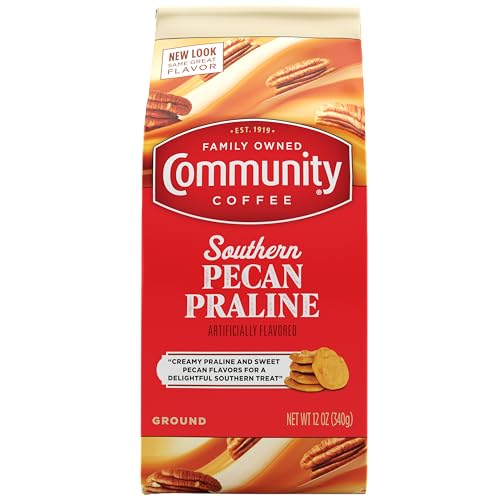
Community Southern Pecan Praline
Strengths
- Rich praline taste
- Well-balanced body
- Great for iced coffee
Trade-offs
- Overpowering for some
- Flavoring dominates
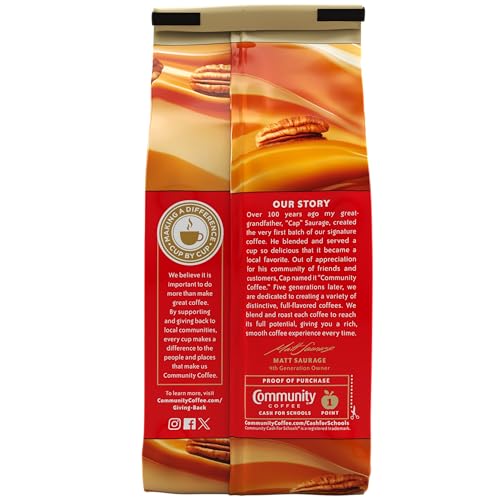
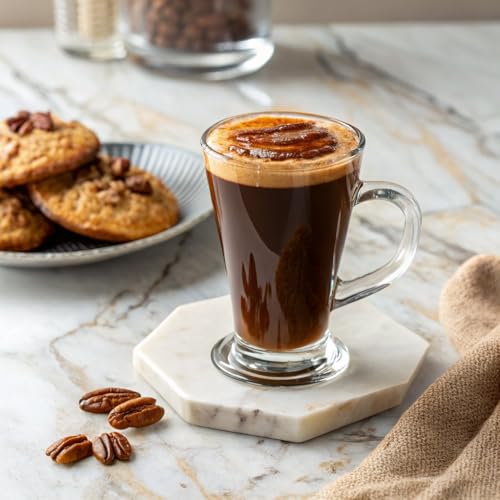
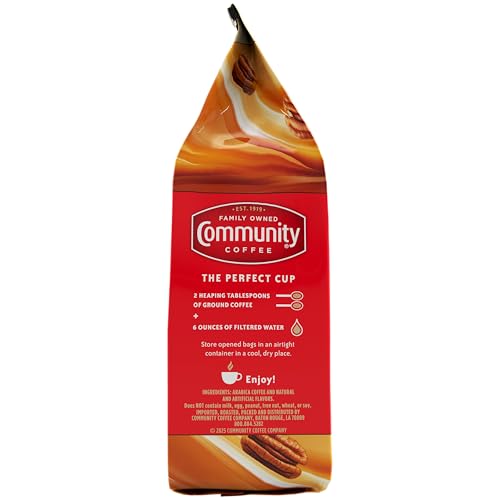
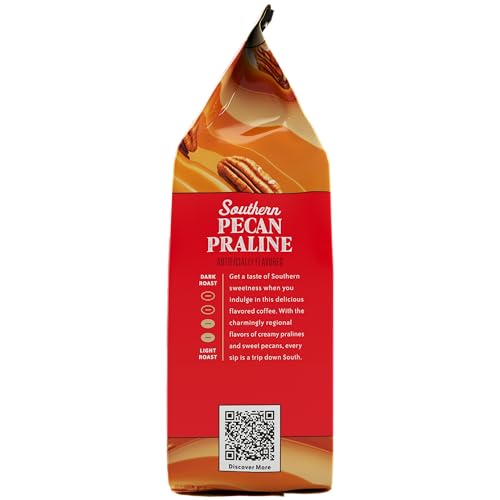
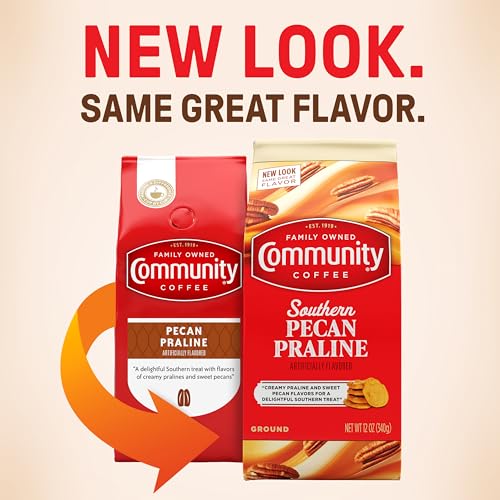
This one’s a niche player with broad appeal, Southern Pecan Praline leans into its regional identity with a creamy, sweet profile that tastes like a pecan pie in liquid form. The medium body and brightness keep it from being cloying, and the 100% Arabica base ensures it doesn’t dissolve into artificiality. Owners note the flavor holds up well in both hot and iced brews, making it a solid choice for warmer months or sweet iced coffee lovers.
It’s not subtle, and it’s definitely not a “starter” flavored coffee, but if you like desserts in your mug, it beats most vanilla or hazelnut options for originality. Against other flavored bags, it stands out for its richness, though it can overpower delicate brewing methods like pour-over.
Product photos
Starbucks House Blend Medium

Strengths
- Balanced flavor
- Large bag size
- Wide availability
Trade-offs
- Generic profile
- Roast-forward
Starbucks House Blend is the definition of a balanced middle ground, toffee and dusted cocoa notes, medium roast, and a clean finish that works black or with cream. It’s not as aggressive as their darker offerings, and it holds up across brewing methods, from drip to French press. The 18 oz bag gives more value than most 12 oz competitors, and the grind is uniform enough for consistency.
Owners report it’s their “default” bag when they don’t want to think too hard. Compared to Pike Place, it’s slightly less rounded and a bit more roasty, but still approachable. If you’re new to home brewing or just want something dependable, this is a safe starting point. But if you’ve already explored beyond chain coffee, it might feel a little safe, almost too familiar.
Product photos


How We Tested bag of coffee
Rather than a hands-on lab test, my research for these recommendations involved a detailed comparison of published specifications and features across numerous brands. I weighed owner reviews from major retailers alongside expert opinions found in coffee publications and blogs. As the founder of Bean Thusiast, I applied my years of experience understanding what qualities contribute to a satisfying cup, ranking options against a set of clear criteria.
For a bag of coffee, I focused most heavily on roast level and origin information, as these strongly influence the final flavor. A clearly stated origin allows you to explore single-origin flavor profiles and understand the nuances of different growing regions. Beyond that, I prioritized descriptions indicating balance and smoothness, recognizing that most coffee drinkers want a reliably enjoyable experience.
Specifications reliably reveal roast date and grind type – important for freshness and brewing method. However, I placed greater weight on owner feedback regarding actual flavor experiences and consistency. Reputation matters; brands known for quality control and ethical sourcing consistently ranked higher, and comments about bitterness or staleness were carefully considered in the final assessments.
How To Choose The bag of coffee
Finding the right bag of coffee can feel overwhelming, but a few key things separate a truly enjoyable cup from a disappointing one.
A quality coffee experience hinges on bean origin, roast level, and grind consistency. Evaluate these factors alongside personal preference for flavor profile (acidity, body, aroma) and brewing method. Freshness, indicated by a roast date rather than a “best by” date, is also crucial for optimal flavor extraction.
Roast Level & Flavor
Many people gravitate toward a specific roast level without realizing why. It’s not just about how dark or light the beans appear; it fundamentally changes the flavor compounds. Lighter roasts, like those found in many blonde roast coffee beans, retain more of the bean’s original characteristics, offering brighter acidity and more floral or fruity notes. Darker roasts, conversely, develop bolder, smokier flavors and less acidity. Medium roasts strike a balance, often exhibiting notes of chocolate, caramel, or nuts. Don’t be afraid to experiment; your ideal roast is a matter of personal taste, but understand what each one brings to the table.
Grind Consistency & Freshness
Pre-ground coffee loses flavor rapidly. The moment those beans are ground, oxidation begins to steal away the aromatic compounds that make coffee special. If you aren’t grinding your own beans, look for bags with a recent “roasted on” date – not just a “best by” date. Beyond that, consistent grind size is critical for even extraction. A burr grinder is far superior to a blade grinder because it crushes the beans to a uniform size, whereas a blade grinder chops them unevenly, leading to bitter and weak spots in your brew.
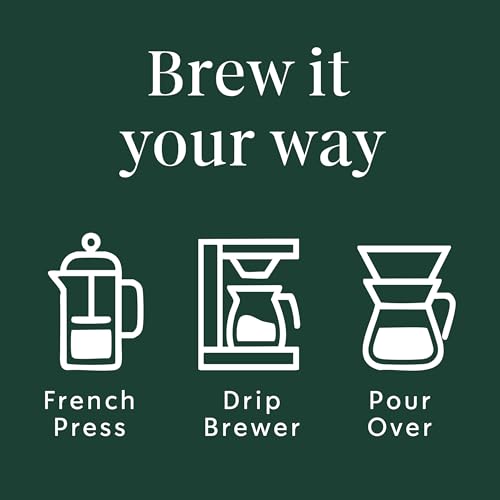
- A coarser grind is best for French press, allowing for a longer steeping time without over-extraction.
- A medium grind works well for drip coffee makers, offering a balance between extraction speed and flavor.
- A fine grind is essential for espresso machines, packing the grounds tightly to create the necessary pressure for a concentrated shot. The right grind ensures you’re getting the full flavor potential from your top-rated coffee beans.
Sourcing & Ethical Considerations
The origin of the beans profoundly impacts the final flavor. Single-origin coffees, like those from Ethiopia or Colombia, showcase distinct regional characteristics. While blends can offer a more consistent flavor profile, they often sacrifice the nuance of a single origin. Increasingly, coffee drinkers also prioritize ethical sourcing. Look for certifications like Fair Trade or Rainforest Alliance, which indicate that farmers receive a fair price for their beans and that environmentally sustainable practices are employed. Consider supporting brands that are transparent about their supply chain and demonstrate a commitment to social responsibility.
A simple rule of thumb: if a coffee doesn’t list a roast date, assume it’s not particularly fresh. Prioritize freshness above all else.
Bag of Coffee Compared
Here’s a comparison of the specs for each bag of coffee.
| Product Name | Roast Level | Bag Size (oz) | Coffee Type | Flavor Notes | Origin |
|---|---|---|---|---|---|
| Starbucks Pike Place Roast | Medium | 28 | Arabica | Cocoa, Praline | Latin America |
| Amazon Fresh Colombia Ground | Medium | 32 | Arabica | Smooth | Colombia |
| New England Breakfast Blend | Medium | N/A | Arabica | Rich, Aromatic | Africa/C. & S. America |
| Starbucks Italian Roast Dark | Dark | 18 | Arabica | Dark Cocoa, Marshmallow | N/A |
| Kauai Coconut Caramel Crunch | N/A | N/A | 10% Hawaiian Arabica | Coconut, Caramel | Hawaii |
| Green Mountain Nantucket Blend | Medium | N/A | Arabica | Toasty, Brown Sugar | N/A |
| Community Southern Pecan Praline | N/A | N/A | Arabica | Pecan Praline | N/A |
| Starbucks House Blend Medium | Medium | 12 | Arabica | Toffee, Dusted Cocoa | N/A |
Frequently Asked Questions
What grind size should I choose if I don’t have a grinder?
Generally, you should select a medium grind if you’re buying pre-ground coffee. This is the most versatile option and works well with standard drip coffee makers, though it won’t deliver the full flavor potential of [best whole bean coffee].
How long does a bag of coffee stay fresh after opening?
An opened bag of coffee will ideally be used within one to two weeks. After that, the beans start to lose their aroma and flavor significantly, even if stored in an airtight container.
What’s the difference between Arabica and Robusta beans?
Arabica beans are known for their smoother, more aromatic flavor profiles and lower acidity, while Robusta beans have a bolder, more bitter taste and higher caffeine content. Most specialty coffee focuses on Arabica beans, but blends sometimes include Robusta for added strength.
Why is the roast date more important than the “best by” date?
The roast date tells you when the beans were actually roasted, which is the key indicator of freshness. A “best by” date is often just an estimate and doesn’t accurately reflect when the coffee will lose its peak flavor. You can find some [fresh whole bean picks] with clearly marked roast dates.
Are ethically sourced coffees more expensive?
Ethically sourced coffees sometimes have a slightly higher price point, but the added cost supports fair wages for farmers and promotes sustainable growing practices. For many, the benefits of supporting responsible sourcing make it a worthwhile investment, and you can still find excellent [premium whole bean brands] that prioritize ethics.
The Bottom Line
Choosing a bag of coffee often comes down to balancing convenience with quality. If you want a reliably good, widely available option that won’t let you down, I recommend the Starbucks Pike Place Roast. It consistently receives positive feedback for its balanced flavor and accessibility, making it a solid all-around performer.
For those with specific needs, several other bags stand out. If you’re on a budget, the Amazon Fresh Colombia Ground offers a surprisingly smooth cup for the price. Those seeking a unique experience will appreciate the Kauai Coconut Caramel Crunch, though it’s a departure from traditional coffee flavors. And for those looking to explore the nuances of Arabica bean types, the New England Breakfast Blend provides a pleasant, aromatic experience.
Ultimately, the best bag of coffee is the one you enjoy most. Don’t get too caught up in roast levels or origins; focus instead on finding a fresh bag from a reputable source and experimenting until you discover flavors that truly resonate with your palate. A recent roast date and consistent grind are far more impactful than any single specification.
