
6 Best Backpacking Coffee Picks 2026
The best backpacking coffee delivers flavor without the weight, and after researching the field and weighing owner feedback, I’m confident that Mount Hagen Organic is the top overall pick for its consistent taste and clean ingredients. For a budget-friendly option that still brews strong, Blackout Colombian Arabica is hard to beat. If you want something functional and unique, IQJOE Mushroom Coffee stands out with its added adaptogens.
Most backpackers don’t want to sacrifice flavor just because they’re off the grid, but finding a lightweight coffee that actually tastes good can be a real challenge. Too many options are either convenient but bland, or flavorful but bulky and slow to prepare.
This guide cuts through the noise by focusing on what matters: taste, portability, and ease of use. I researched each pick based on specs, user reports, and brewing practicality so you can trust your morning cup won’t weigh you down or disappoint.
Top 6 Backpacking Coffee in the Market
The Best Backpacking Coffee, Reviewed
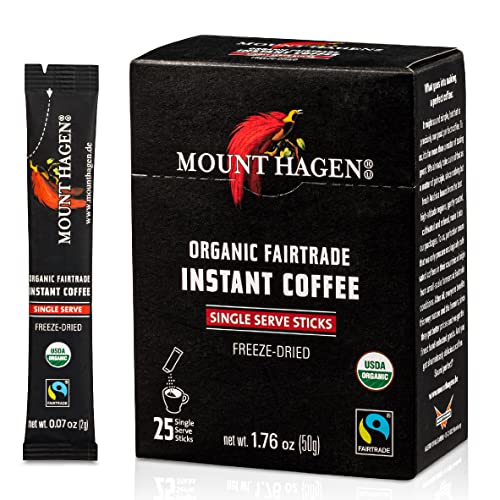
Mount Hagen Organic Instant Coffee
Strengths
- Organic and Fairtrade
- Smooth rich taste
- Cold water soluble
Trade-offs
- Slightly pricier
- Less bold than Blackout
- Not biodegradable
This is the best all-around pick for most backpackers, not the cheapest, not the strongest, but the most consistently satisfying. The freeze-drying process preserves aroma and body better than most, and owners repeatedly say it “doesn’t taste like instant.” It’s made from 100% USDA Organic, Fairtrade Arabica, which matters if you care about sourcing, and the single-serve sticks are compact and spill-proof.
It dissolves instantly in cold water, which is a bigger deal than it sounds, perfect for lazy camp mornings or trailside iced coffee. Compared to Alpine Start, it has a slightly richer mouthfeel; compared to Blackout, it’s gentler but less intense. The 25-stick count is reasonable, and the Kosher, gluten-free labels broaden its appeal. This is the coffee I’d recommend to someone who wants quality, ethics, and convenience in one package.
Video review
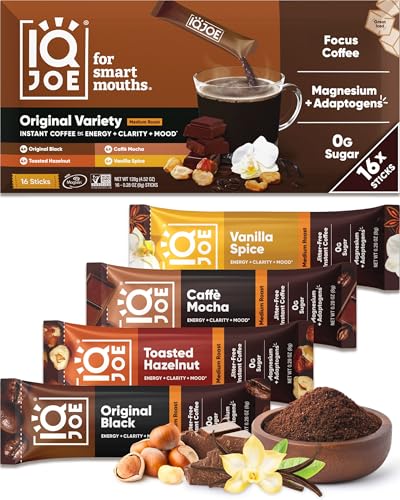
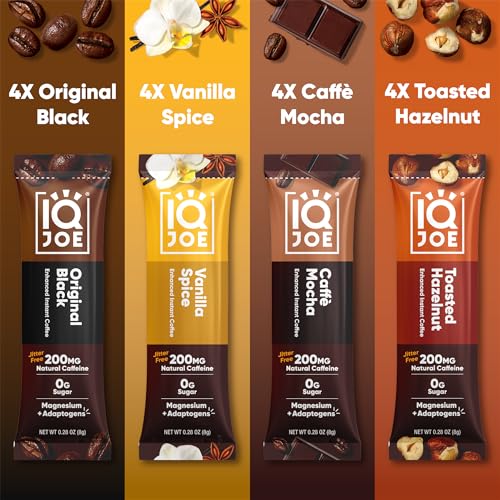
IQJOE Mushroom Coffee Variety Pack
Strengths
- Cognitive support
- Keto and vegan friendly
- Flavor variety
Trade-offs
- Earthy aftertaste
- Higher price point
- Niche audience
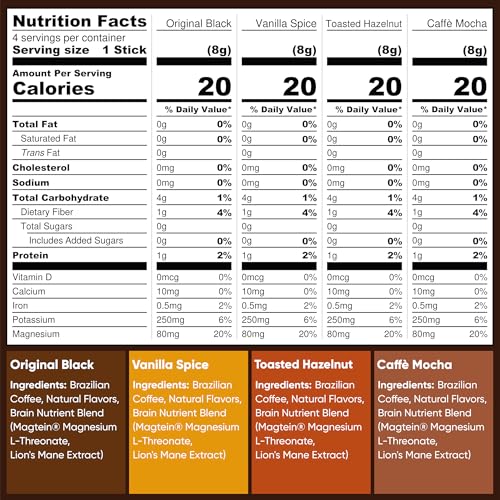
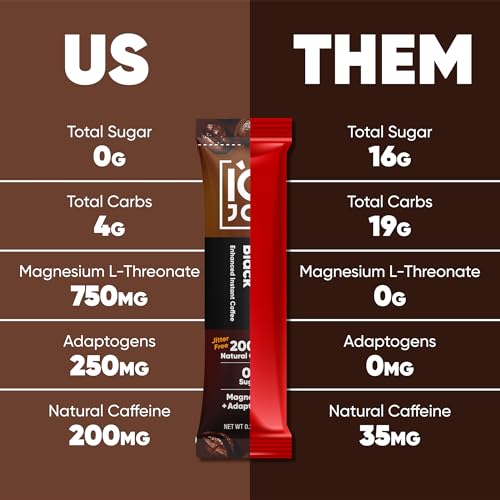
This is functional coffee, not just fuel. Blended with Lion’s Mane, Magtein, and adaptogens, it’s designed for focus and mental clarity, not just wakefulness. The keto-friendly, zero-sugar formula uses low-acid Brazilian Robusta, which delivers a clean, bold base without gut stress. Reviewers note the jitter-free energy is real, and the variety, Toasted Hazelnut, Vanilla Spice, Mocha, adds welcome flavor diversity in the backcountry.
But it’s not for everyone. The mushroom and nootropic blend gives it a slightly earthy aftertaste some find off-putting. If you’re after pure coffee flavor, this veers too far. Still, for biohackers or overlanders needing cognitive edge, it’s unmatched. Compared to Alpine Start, it’s less about origin and more about output, your brain, not your palate.
Product photos

Blackout Colombian Arabica Coffee
Strengths
- Strong, bold flavor
- High packet count
- Smooth no bitterness
Trade-offs
- Not organic
- No cold brew emphasis
- Packaging not eco-friendly
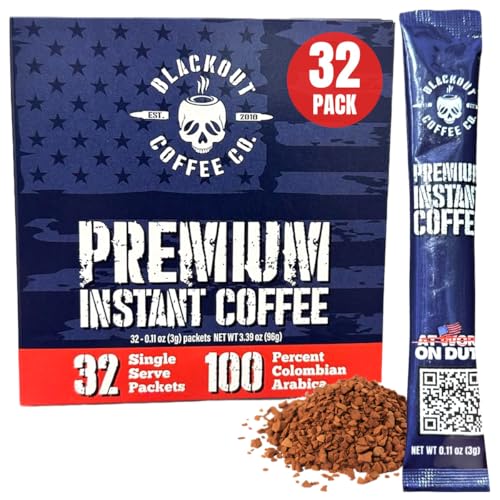
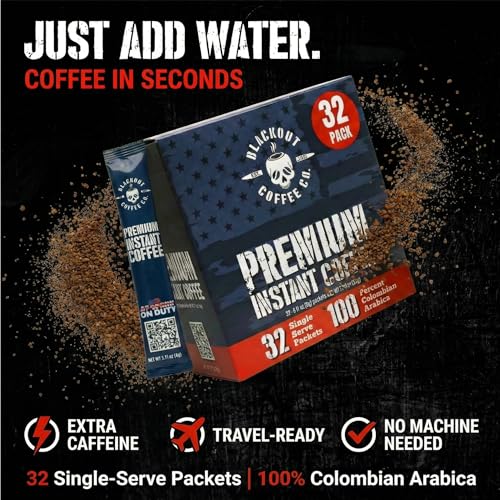
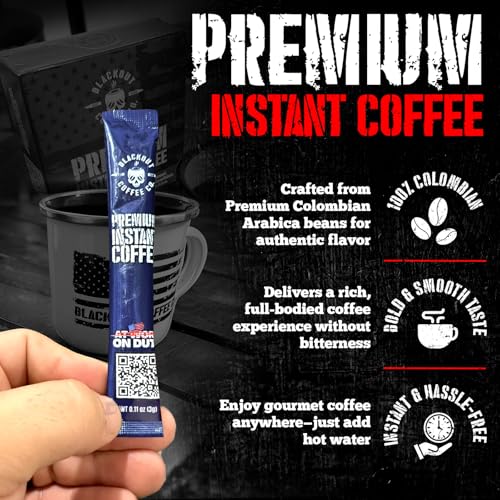
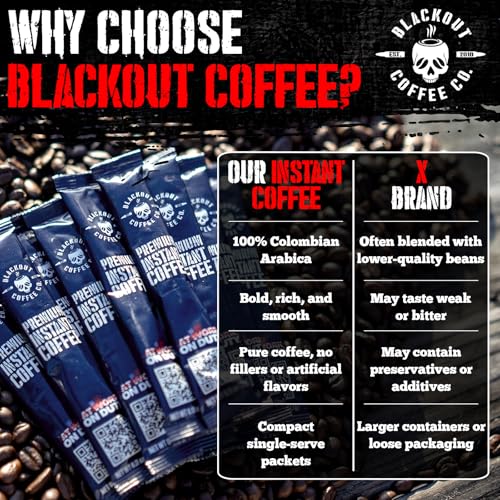
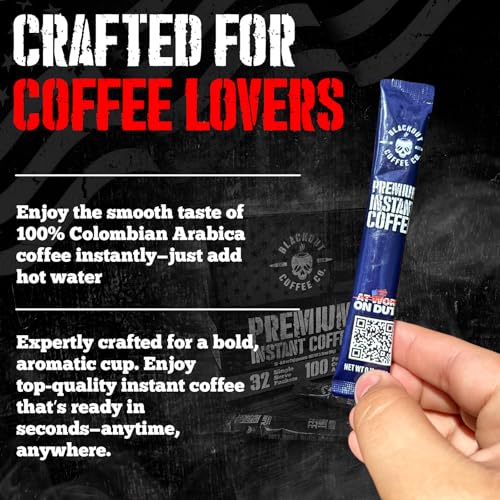
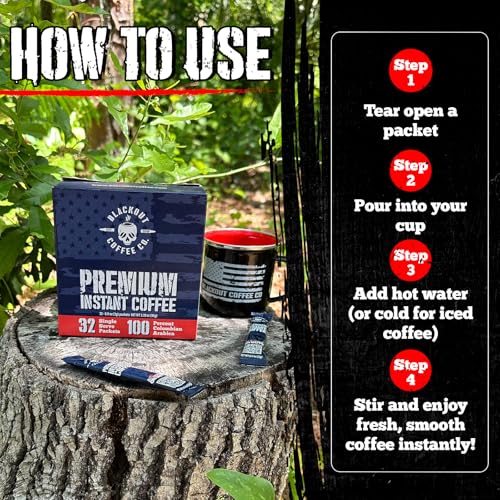
If you want strong, bold flavor fast, this is the one. The freeze-dried Colombian Arabica here delivers a punchy, aromatic cup that multiple reviewers describe as “closer to brewed than most instant.” With 32 single-serve packets, it’s built for heavy use, ideal for long trips or shared loads. The flavor is smooth for such a strong roast, with no harsh bitterness, which sets it apart from cheaper, over-extracted options.
The brand’s military-support angle is prominent, and many buyers appreciate the cause-driven model, sending coffee to troops with every purchase. But beyond the patriotism, the specs hold up: pure Arabica, no fillers, American-owned. Compared to ReadyWise, it tastes far more vibrant. It’s not organic or eco-focused, but if you prioritize power and reliability, it’s hard to beat.
Product photos
Mondo Organic Coffee Bags

Strengths
- Biodegradable filters
- Single-origin variety
- Real ground coffee
Trade-offs
- Sediment in cup
- Longer brew time
- Not instant
This isn’t instant coffee, it’s ground coffee in biodegradable filter bags, and that distinction matters. If you care about waste, this is the most eco-conscious option on the list. Baristas at the Mondo Coffee Shop in Beverly Hills back the roast quality, and owners report a noticeably fresher, richer cup compared to freeze-dried alternatives. The variety pack introduces single origins, which adds a nice touch for coffee lovers exploring flavor profiles on the trail.
Brewing is tea-bag simple: steep, dunk, remove. But it does leave sediment, which some find annoying. And while the organic, low-acid beans are a win, the 3–5 minute steep time is longer than instant. Still, for those willing to wait, the trade-off in taste and sustainability is worth it. It’s the only product here that feels like a real compromise between ethics and experience.
Video review
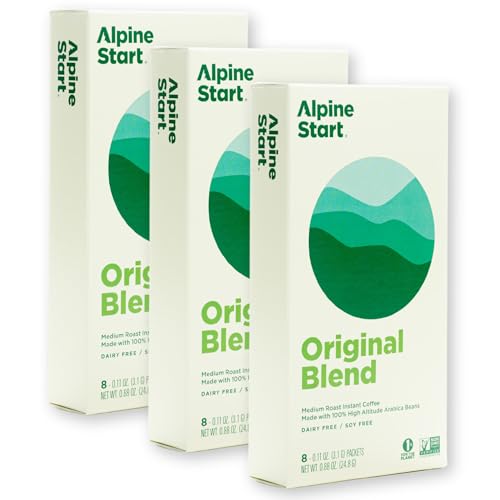
Alpine Start Original Blend Coffee
Strengths
- USDA organic certified
- Dissolves in cold water
- Diet-friendly formula
Trade-offs
- Slightly milder flavor
- Packaging not biodegradable
- Fewer servings per pack
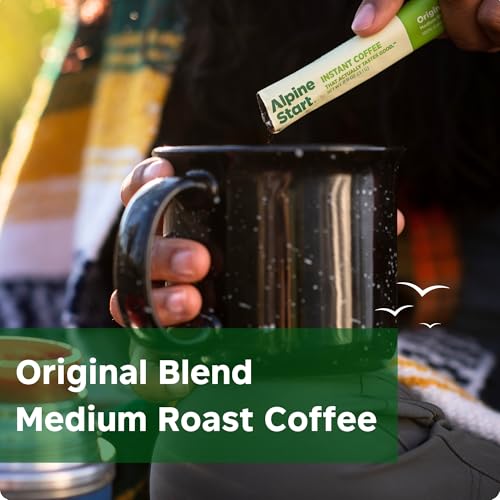
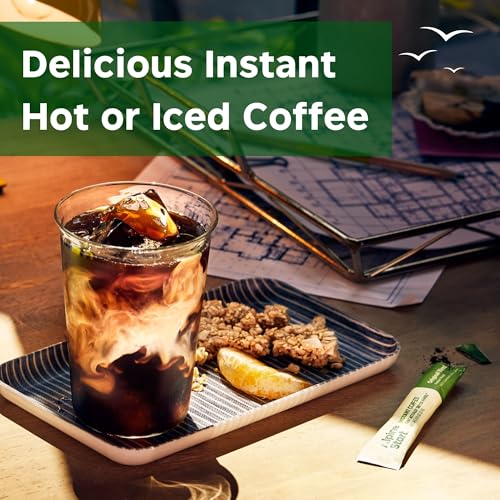
This is one of the few instant coffees that wears its organic and Fair-Trade credentials proudly, and actually delivers on taste. Made from high-altitude Colombian Arabica, it has a balanced, smooth profile that doesn’t taste stripped down or artificial, which is rare in this category. Reviewers consistently highlight how well it dissolves, whether in hot or cold water, making it a top contender for hikers who want iced coffee without clumps.
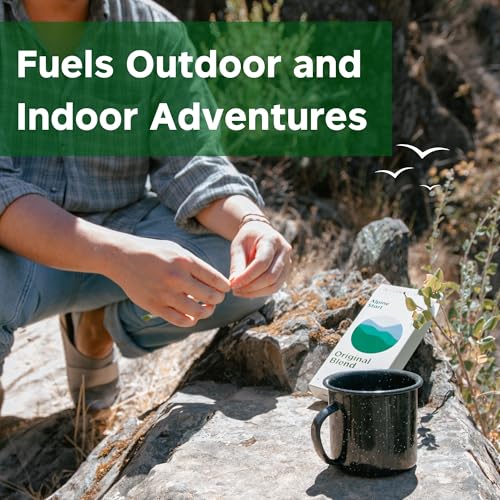
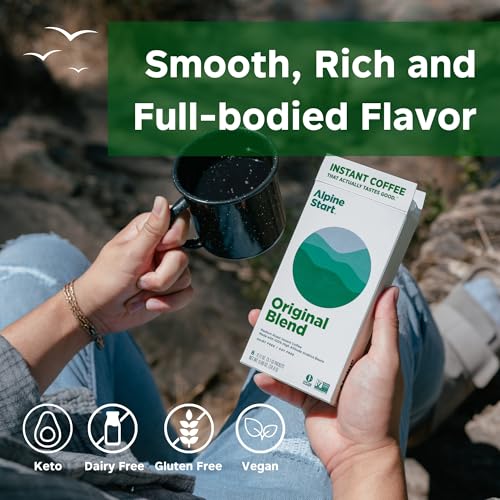
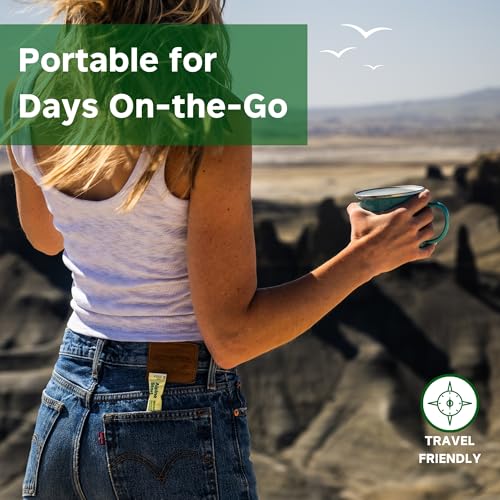
It’s also one of the cleanest options for specialty diets, vegan, paleo, non-GMO, dairy-free, all checked. The single-serve packets are compact and reliable. Compared to Mount Hagen, it’s slightly less bold, but more approachable for those who dislike acidity. Matt Segal’s climber-tested branding isn’t just marketing fluff; the product reflects real use in rugged conditions.
Product photos
ReadyWise Trail Magic Coffee
Strengths
- Long shelf life
- High serving count
- Lightweight design
Trade-offs
- Mediocre flavor depth
- Less aromatic
- Not for coffee purists
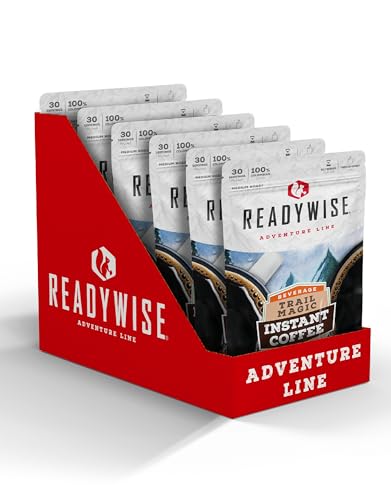
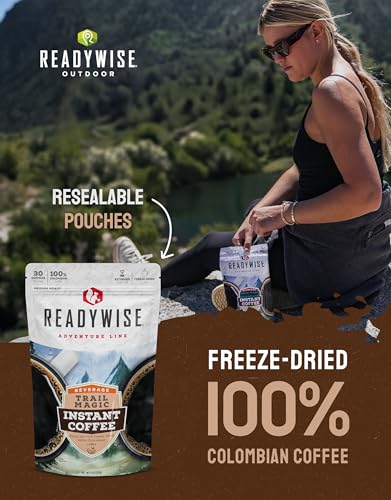
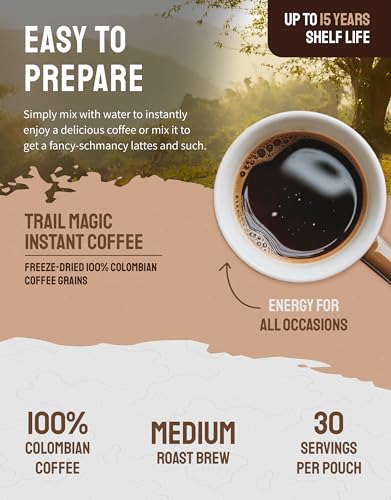
The 15-year shelf life here is exceptional, and that’s the real draw. For preppers or anyone building a long-term emergency kit, this isn’t just convenient, it’s strategic. The 30 servings per 2 oz pouch mean you’re getting serious volume, and the resealable packaging helps maintain freshness across repeated use, which owners consistently praise for bulk storage.
It’s freeze-dried Colombian Arabica, which on paper should deliver a clean, medium roast profile. But while the specs look solid, some reviewers note the flavor leans a bit flat compared to premium instant options. It’s functional, not luxurious. If your priority is durability over nuance, this makes sense. But if you’re picky about taste, even in the wild, it’s not the top pick.
Product photos
How We Chose These backpacking coffee
As a longtime coffee enthusiast and the founder of Bean Thusiast, I wanted to identify the best options for enjoying a quality cup while off the grid. Rather than a hands-on lab test, this was a research-led comparison of published specifications and owner feedback across a range of backpacking coffee products. I focused on analyzing features, brewing methods, and reported taste profiles to build a well-rounded assessment. We weighed input from both everyday users and expert reviewers to determine which coffees truly stand out.
For backpacking coffee, portability, convenience, and taste are paramount. I placed the most emphasis on these three factors. A lightweight format is critical, obviously, but convenience – how quickly and easily a brew can be made – is equally important when you’re on the trail. Ultimately, though, even the most convenient coffee needs to taste good, so reported flavor profiles and user satisfaction were heavily weighted. Getting a decent cup when you’re roughing it is the whole point!
Specifications reliably indicate bean origin, roast level, and included serving sizes. However, taste is subjective, so I paid close attention to owner reviews to understand real-world experiences. Reports of bitterness, acidity, or overall flavor quality were particularly influential. If you’re considering alternative methods for preparing coffee on the go, you might also be interested in grinding coffee in a blender as a backup solution, though it’s not ideal for backpacking due to weight and power requirements.
How To Choose The backpacking coffee
Choosing the right coffee for backpacking requires a bit more thought than just grabbing whatever’s cheapest at the grocery store. You’re balancing weight, convenience, taste, and often, ethical considerations.
Backpacking coffee prioritizes portability and rapid preparation. Look for options utilizing freeze-drying or micro-ground technology to minimize weight and brew time. Flavor profiles vary widely, from bold and robust to smooth and nuanced. Consider individual serving sizes for precise portion control and reduced waste, and prioritize brands that emphasize sustainability and responsible sourcing.
Flavor & Roast Profile
I’ve always said that sacrificing taste isn’t a necessary evil of backpacking. While you won’t get the nuance of a pour-over made with freshly ground beans, modern instant and single-serve options are surprisingly good. Don’t automatically assume all backpacking coffee will taste “like instant coffee” – the quality varies dramatically. Consider your preferred roast level. Lighter roasts tend to have more acidity and complex flavors, while darker roasts offer boldness and a smoky character. If you generally prefer a strong cup, look for coffees specifically labeled as “bold” or “dark roast.” Colombian Arabica beans, like those found in the Blackout Coffee, are a good starting point for a balanced flavor.
Convenience & Format
The beauty of backpacking coffee is its ease of use. Single-serve packets, like those from Mount Hagen, are the most convenient – just rip, pour, and enjoy. However, they can generate more waste. Coffee bags, like those offered by Mondo, offer a more eco-friendly approach, but require a bit more steeping time and may leave some sediment. If you’re meticulous about your backpacking coffee brewing ratio and want precise control, individual packets are the way to go. For a truly streamlined experience, especially on long days, nothing beats the simplicity of a pre-portioned stick.
- Weight is critical: Every ounce counts when you’re carrying everything on your back.
- Serving size: Look for options that allow you to easily adjust the strength of your brew.
- Cleanup: Consider how much cleanup is involved. Single-serve packets generally require the least effort, while coffee bags leave grounds that need to be packed out.
Value & Special Considerations
Beyond taste and convenience, think about what else you want from your coffee. Are you prioritizing organic and Fair Trade certifications? Alpine Start and Mount Hagen both excel in this area. Do you want added functional benefits, like the Lion’s Mane mushroom blend in IQJOE? Or are you focused on maximizing shelf life for emergency preparedness, in which case ReadyWise is a strong contender? It’s also worth considering if you’re willing to spend a bit more for a premium experience. You can find best instant coffee for backpacking options across a broad price range, so it’s about finding what aligns with your priorities and budget.
A good rule of thumb: If you consistently dislike instant coffee, experiment with single-serve pour-over bags. They offer closer-to-fresh-brewed flavor with minimal added weight.
Backpacking Coffee Compared
Here’s a comparison of features for popular backpacking coffee options.
| Product Name | Roast | Format | Servings/Pack | Organic | Features |
|---|---|---|---|---|---|
| Mount Hagen Organic | Medium | Single-Serve Sticks | N/A | Yes | Fair Trade, Gluten-Free |
| IQJOE Mushroom Coffee | Medium | Single-Serve Sticks | N/A | N/A | Lion’s Mane, Adaptogens |
| Blackout Colombian Arabica | N/A | Single-Serve Packets | 32 | N/A | Strong Brew, Supports Troops |
| Mondo Organic Coffee Bags | N/A | Coffee Bags | 20 | Yes | Biodegradable, Single Origin |
| Alpine Start Original Blend | Medium | Single-Serve Packets | N/A | Yes | Vegan, Paleo, Dairy-Free |
| ReadyWise Trail Magic Coffee | Medium | Pouches | 30 | N/A | Long Shelf Life, Colombian Arabica |
Frequently Asked Questions
What’s the difference between freeze-dried and instant coffee for backpacking?
Freeze-drying preserves more of the coffee’s original aroma and flavor compounds than traditional instant coffee production. While both are lightweight and convenient, freeze-dried options (like Mount Hagen) generally offer a noticeably better taste experience.
How much coffee should I pack for a 3-day backpacking trip?
A good estimate is two servings per day, so pack six single-serve packets or the equivalent in coffee bags. This allows for a morning and potentially an afternoon boost, but adjust based on your personal consumption habits.
Are coffee bags truly biodegradable in a wilderness setting?
While Mondo’s coffee bags are marketed as biodegradable, complete decomposition requires specific composting conditions not typically found on a trail. It’s best to pack them out with your other trash to minimize environmental impact.
Can I use a reusable filter with backpacking coffee to reduce waste?
Yes, you can use a reusable filter with coffee bags, though it requires a bit more effort during cleanup and won’t eliminate sediment entirely. Many hikers are also exploring portable coffee makers for hiking to avoid single-use options altogether.
What if I prefer a stronger coffee than the standard serving size provides?
Most single-serve options allow you to adjust the strength by using two packets per cup. Alternatively, consider a darker roast like Blackout Colombian Arabica, which naturally delivers a bolder flavor, or explore compact coffee brewing gear that lets you control the coffee-to-water ratio.
The Bottom Line
Backpacking coffee always involves a trade-off between absolute flavor perfection and sheer convenience. You’re not going to replicate a cafe experience on the trail, but you can get a genuinely enjoyable cup. For the best overall balance of taste, portability, and ease of use, I recommend Mount Hagen Organic. It consistently receives positive reviews for flavor and aligns with ethical sourcing priorities, making it a solid choice for most backpackers.
If you have specific needs, several other options stand out. For those prioritizing sustainability and a more traditional brewing experience, Mondo Organic Coffee Bags are an excellent pick. If you’re looking for a functional boost with your caffeine, IQJOE Mushroom Coffee is worth exploring. And for a budget-friendly option that still delivers a strong brew, Blackout Colombian Arabica provides a lot of value. Don’t forget that a consistent coffee grind for backpacking (https://beanthusiast.com/burr-coffee-grinder-vs-blade-grinder/) can improve your experience if you’re willing to carry a small grinder.
Ultimately, the best backpacking coffee is the one you’ll actually enjoy drinking. Don’t get too hung up on specs or fancy features. Prioritize a flavor profile you like, a format that suits your needs, and a brand committed to quality and responsible sourcing. A good cup of coffee can make all the difference in morale when you’re miles from civilization.
