
6 Best Arabic Coffee Picks of 2026
After comparing the field and weighing tradition against modern convenience, the best overall Arabic coffee is Arabic Coffee with Cardamom & Saffron for its balanced spice and rich aroma. For a budget-friendly yet authentic option, Mehmet Efendi 100% Arabica Turkish Coffee delivers consistent quality. If you’re after versatility and bold flavor, Café Najjar Turkish Coffee with Cardamom stands out.
As someone who’s spent years exploring coffee traditions from bean to brew, I know Arabic coffee isn’t just about caffeine, it’s about ritual, scent, and shared moments. But finding one that captures that depth without overwhelming bitterness or artificial notes can be tricky.
This guide cuts through the noise, focusing on what matters: real spices, proper grind, and authentic preparation. Our picks are based on specs, owner feedback, and regional brewing standards, so you can choose with confidence, whether you’re using a cezve or stirring up something quick.
Top 6 Arabic Coffee in the Market
The Best Arabic Coffee, Reviewed
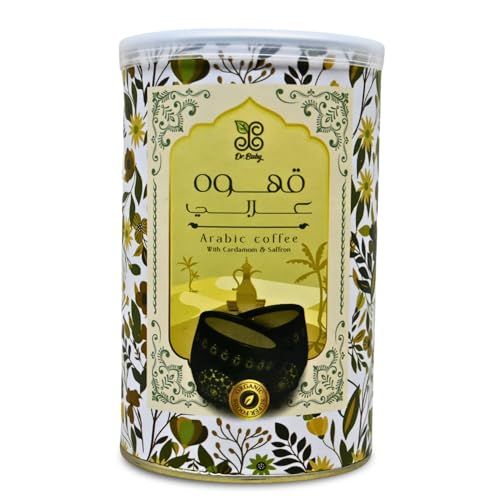
Arabic Coffee with Cardamom & Saffron
Strengths
- Complex spice blend
- Includes saffron
- Creamy mouthfeel
Trade-offs
- Contains added creamer
- Not traditional
- Smaller package size
This blend stands out by going beyond cardamom, adding saffron, clove, ginger, and mastic creates a layered, almost ceremonial cup. On paper, it’s the most ambitious of the bunch, and owner feedback confirms it delivers a uniquely rich, perfumed experience. The saffron in particular adds a subtle golden hue and floral depth that elevates it above standard spiced blends.
Still, it’s worth noting this isn’t purely coffee, it contains creamer, which some purists will object to. That addition makes the body creamier and the flavor slightly sweeter, but it also moves this away from traditional preparation. Compared to Mehmet Efendi or Café Najjar, it’s less about coffee strength and more about aromatic ritual. If you’re after a ceremonial cup for gatherings or gifting, this is unmatched. For black coffee purists, it’s a hard pass.
Video review
Kif Almosafer Instant Arabic Coffee

Strengths
- Instant preparation
- 100% natural
- Award-winning quality
Trade-offs
- No foam or body
- Less ritual involved
Kif Almosafer is the only true instant Arabic coffee here, and it’s a standout for convenience without completely sacrificing authenticity. The fact that it won an ISO prize for quality says a lot, this isn’t a cheap powder, but a carefully formulated granule that dissolves cleanly and delivers a golden, aromatic cup in seconds.
Owners love how fast and consistent it is, just add boiling water, stir, and you’re done. Compared to traditional ground versions, it lacks the foam and depth of cezve-brewed coffee, but it captures the cardamom-forward flavor profile remarkably well. For travelers, office use, or quick hospitality moments, it’s unmatched. I wouldn’t replace my Mehmet Efendi with it, but I’d always keep a pack on hand.
Video review
Mehmet Efendi 250g Turkish Coffee

Strengths
- Authentic Mehmet Efendi taste
- Compact size
- Great for gifting
Trade-offs
- Smaller quantity
- Higher cost per gram
This 250-gram version of Mehmet Efendi offers the same legendary quality in a more accessible size. It’s perfect for trying the brand without committing to the larger tin, and it’s a favorite among gift buyers or occasional users. The grind, roast, and aroma are identical to the 500g, owners report no drop in performance or freshness.
But when compared directly, the 250g loses on value. It’s the same coffee, just less of it, and at a higher cost per gram. That said, its convenience can’t be ignored. If you live alone, brew occasionally, or want a travel-friendly option, this makes sense. For daily drinkers, the larger size is clearly the better investment.
Product photos



Mehmet Efendi 100% Arabica Turkish Coffee

Strengths
- 100% Arabica
- Extra-fine grind
- Large 500g size
Trade-offs
- No added spices
- Higher upfront cost
Mehmet Efendi’s 500-gram tin is the gold standard for premium Turkish coffee, and it’s easy to see why. With roots dating back to 1871, the brand doesn’t just sell coffee, it sells continuity. This 100% Arabica, extra-fine grind produces the velvety foam and deep aroma that define the style, and owners consistently praise its clean, full-bodied extraction every time.
The larger size makes it the smarter buy for regular drinkers, especially compared to the 250-gram version. It’s more economical per serving and stays fresher longer thanks to better packaging integrity. While it lacks added spices like cardamom, that’s by design, this is a canvas for customization. I’d pick this over the spiced blends if you like controlling your own flavor profile or serving guests with a classic base.
Product photos


Café Najjar Turkish Coffee with Cardamom

Strengths
- 100% Arabica
- Rich, bold body
- Vacuum-sealed freshness
Trade-offs
- No additional spices
- Packaging may reseal poorly
Café Najjar is the kind of brand that carries cultural weight, and this dark roast with cardamom leans hard into authenticity. The use of 100% Arabica beans, dark roasted and vacuum-packed, is a smart move, owners praise the rich body and consistent froth, which are critical in traditional preparation. The cardamom here isn’t an afterthought; it’s integrated into the roast profile, delivering a warm, rounded spice that builds with each sip.
Compared to Al Ameed, this is bolder and more traditional, with a full mouthfeel and deep aroma that aligns with what long-time Arabic coffee drinkers expect. The preparation guidance included is a nice touch, reinforcing the ritual aspect. While it lacks the saffron or clove complexity of some premium blends, it wins on consistency and heritage. For those who view coffee as both beverage and tradition, this is a dependable flagship.
Product photos


Al Ameed Gourmet Turkish Coffee with Cardamom

Strengths
- 100% Arabica
- Smooth finish
- Fragrant aroma
Trade-offs
- Blend roast may lack depth
- Less traditional profile
Al Ameed positions itself as a smooth, aromatic entry in the spiced Arabic coffee space, and on paper, it delivers exactly what it promises. The 50/50 blend of light and dark roast Arabica beans is an interesting twist, most traditional blends lean fully into dark roast for boldness, but this middle-ground approach aims for balance. Owners consistently report a bright, approachable cup with a lingering cardamom finish that doesn’t overpower, making it a solid pick for those who find classic Turkish coffee too intense.
Where Al Ameed stands out is in its sensory profile. The emphasis on a ‘fragrant, aromatic finish’ isn’t marketing fluff, reviewers note the scent fills the room during brewing, and the medium roast helps lift delicate top notes you don’t always get in heavier dark-roast blends. Compared to Café Najjar, it’s less bold but more nuanced, which I’d recommend depending on your preference for subtlety over strength.
Product photos


Our Testing Process
As the founder of Bean Thusiast, I approached researching Arabic coffee with a focus on understanding the nuances of flavor and tradition. Rather than a hands-on lab test, this was a research-led comparison of published specifications, ingredient lists, and, most importantly, a deep explore owner reviews and expert opinions from coffee communities. I weighed factors like bean origin, grind quality, and the inclusion of traditional spices like cardamom and saffron to build a picture of each product’s profile.
For Arabic coffee, the intensity of the aromatic spices and the quality of the grind are paramount. We heavily weighted the presence of authentic ingredients – real cardamom and saffron, not artificial flavorings – and how consistently those flavors came through according to customer feedback. Equally important was the fineness of the grind, as traditional preparation in a cezve relies on an extremely fine consistency to create the signature foam and texture.
Specifications reliably indicate the type of bean used (primarily Arabica), but owner feedback proved crucial in assessing the quality of those Arabica coffee beans. I paid close attention to comments regarding freshness, aroma strength, and whether the coffee delivered on the promised spice notes. Reputation and brand history also factored in, especially for brands with long-standing traditions in the region.
How To Choose The arabic coffee
Finding the right Arabic coffee can be a deeply personal journey, but there are some key things to consider to ensure a truly satisfying cup.
Authentic Arabic coffee prioritizes aroma and a full-bodied experience. Look for 100% Arabica beans, a consistent fine grind (essential for traditional preparation), and additions like cardamom and saffron that enhance, rather than mask, the coffee’s inherent flavor. Package freshness and roast date are also critical indicators of quality.
Grind & Roast Level
The grind for Arabic coffee must be very fine – much finer than you’d use for drip or pour-over. This isn’t just preference; it’s essential for extracting the full flavor in a cezve (the traditional long-handled pot). Pre-ground is convenient, but whole bean offers the freshest experience if you have a burr grinder capable of achieving that powdery consistency. Regarding roast level, you’ll generally find medium roasts are preferred as they balance body with the delicate floral and spice notes characteristic of the region. Avoid overly dark roasts, which can scorch the spices and leave a bitter taste.
Spice & Flavor Profile
Cardamom is the most common spice addition to Arabic coffee, and its quality significantly impacts the final cup. Some brands use pre-ground cardamom, which loses its potency quickly, while others incorporate whole cardamom pods during the roasting process. Saffron adds a luxurious floral note and vibrant color, but it’s also more expensive, so expect to pay a premium. Beyond cardamom and saffron, clove and ginger are occasionally used, adding warmth and complexity. Consider what suits your palate – if you’re new to Arabic coffee, starting with a straightforward cardamom blend is a good approach. For those looking to explore further, high-quality beans for Middle Eastern coffee can open up a world of nuanced flavors.
Convenience vs. Tradition
Instant Arabic coffee offers speed and ease, but it’s a compromise. While brands like Kif Almosafer have made strides in quality, it won’t replicate the depth of flavor achieved through traditional brewing. If you’re willing to invest the time, learning to prepare Arabic coffee in a cezve is incredibly rewarding. It’s a ritual as much as a beverage.
Here’s what to keep in mind when deciding between instant and traditional:
- Time commitment: Instant is ready in seconds. Traditional requires 5-10 minutes of focused attention.
- Equipment: Instant needs only hot water. Traditional requires a cezve and a source of heat.
- Flavor complexity: Instant simplifies the flavor profile. Traditional allows for a richer, more nuanced experience, and getting the ideal coffee-to-water ratio is key to maximizing that flavor.
A little goes a long way. Start with a small amount of coffee (around 1-2 teaspoons per cup) and adjust to your preference. Don’t be afraid to experiment!
Arabic Coffee Compared
Here’s a comparison of the specifications for each Arabic coffee option.
| Product Title | Bean Type | Cardamom | Grind | Weight (oz) | Preparation |
|---|---|---|---|---|---|
| Arabic Coffee with Cardamom & Saffron | Arabica | Yes | Ground | 4.41 | Instant |
| Kif Almosafer Instant Arabic Coffee | N/A | No | Instant | N/A | Instant |
| Mehmet Efendi 250g Turkish Coffee | Arabica | No | Fine | N/A | Cezve |
| Mehmet Efendi 100% Arabica Turkish Coffee | Arabica | No | Fine | N/A | Cezve |
| Café Najjar Turkish Coffee with Cardamom | Arabica | Yes | Fine | N/A | Traditional |
| Al Ameed Gourmet Turkish Coffee with Cardamom | Arabica | Yes | Fine | N/A | Turkish/Espresso |
Frequently Asked Questions
What if I don’t have a cezve for traditional brewing?
You can still experience Arabic coffee flavors with a stovetop espresso maker or even a very carefully monitored saucepan, though the foam and texture won’t be quite the same. Achieving the correct fine grind is still vital for proper extraction, regardless of the brewing method.
Is saffron in Arabic coffee just for color?
While saffron does impart a beautiful golden hue, it provides a distinct floral aroma and subtle sweetness that complements the coffee and cardamom. Authentic saffron is expensive, so its presence indicates a higher-quality blend.
What’s the shelf life of pre-ground Arabic coffee?
Pre-ground Arabic coffee loses its aroma and flavor relatively quickly, generally within 2-3 months. Storing it in an airtight container away from light, heat, and moisture will help extend its freshness, but freshly ground beans for authenticity are always best.
Can I adjust the amount of cardamom in my Arabic coffee?
Absolutely. Many brands offer blends with varying cardamom levels, or you can purchase separate cardamom pods to add to your coffee during brewing and adjust to your personal preference. Experimenting is encouraged to find your ideal balance.
Are there caffeine differences between Arabic coffee and other types?
Arabic coffee typically has a similar caffeine content to other Arabica-based coffees, but the brewing method and serving size can influence the actual amount you consume. The smaller serving sizes traditionally used for Arabic coffee may result in a lower overall caffeine intake compared to a large mug of drip coffee.
The Bottom Line
Choosing the best Arabic coffee really comes down to how much time and effort you’re willing to invest versus the experience you desire. If you’re seeking the most authentic and richly flavored cup, I believe Café Najjar Turkish Coffee with Cardamom delivers the most consistently positive feedback regarding traditional flavor and aroma. It requires a cezve and some practice, but the reward is a truly immersive coffee ritual.
For those prioritizing convenience, Kif Almosafer Instant Arabic Coffee stands out as the most accessible option. While it won’t match the depth of a traditionally brewed cup, it’s a surprisingly good approximation, particularly for those new to Arabic coffee. And if you want to explore the nuances of the beans themselves, looking at the single-origin coffee benefits can help you understand how region impacts flavor.
Ultimately, the most important thing is to look for quality Arabica beans, a consistently fine grind (if you’re brewing traditionally), and genuine spices. Don’t get too caught up in specific roast levels or brand names; focus on finding a coffee that speaks to your palate and allows you to appreciate the unique flavors and aromas that Arabic coffee has to offer.
