
6 Best Antioxidant Coffees of 2026
Purity Coffee PROTECT is the overall best antioxidant coffee, thanks to its certified organic beans, focus on preserving chlorogenic acids, and rigorous contaminant testing. For those wanting functional mushrooms, FreshCap Premium Mushroom Coffee stands out with its fruiting body extracts and standardized 29% beta-glucans. If budget is a priority, Purity’s Sachets offer the same science-backed benefits in a more affordable, convenient form.
You’ve seen the labels, “high in antioxidants,” “supports wellness,” “boosts immunity”, but not all antioxidant coffees deliver on that promise. Many rely on hype, not science, and few actually prioritize the factors that preserve or enhance antioxidant content.
After researching the field and analyzing bean quality, processing methods, and ingredient transparency, I focused on coffees that back their claims with certifications, testing, and real data. This guide cuts through the noise to highlight options built on organic sourcing, effective mushroom extracts, and roasting techniques that protect the compounds you’re drinking for.
Top 6 Antioxidant Coffee in the Market
The Best Antioxidant Coffee, Reviewed
Mushroom Coffee 10-Mushroom Blend

Strengths
- 10 mushroom varieties
- Fruiting body only
- No jitters reported
- Low acid
- Vegan friendly
Trade-offs
- No beta-glucan standard
- Antioxidant levels not verified
- Instant coffee taste
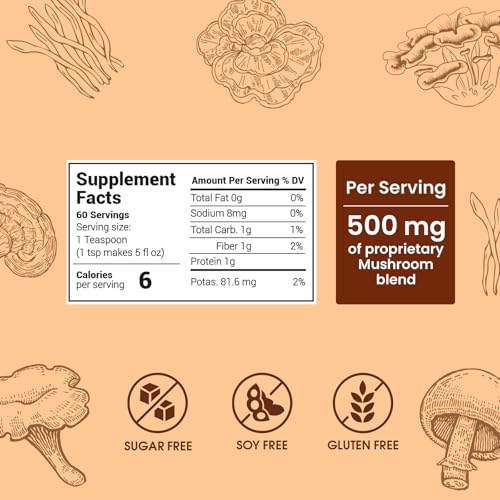
This blend pushes the envelope by packing 10 different mushroom fruiting bodies into an instant coffee format, which on paper sounds impressive. The focus here is clearly on functional wellness, supporting immunity, focus, and gut health, with 500mg of mushroom blend per serving and a medium roast Arabica base. Owners consistently report a smooth, low-acid cup with no jitters, and the use of only fruiting bodies (not mycelium on grain) is a strong point that elevates its credibility in a crowded mushroom coffee market.
Still, the antioxidant profile isn’t quantified, and while Arabica beans are known for chlorogenic acids, the real antioxidant lift here likely comes from the mushrooms, especially Chaga and Reishi. Compared to Purity Coffee, this one trades measurable antioxidant levels for broader functional benefits. I’d pick this if you’re looking for a daily wellness boost beyond caffeine, not just antioxidant density.
Product photos


Purity Coffee PROTECT Ground
Strengths
- USDA organic
- Third-party tested
- Easy to brew
- Clean taste
- Nitrogen flushed
Trade-offs
- Oxidizes faster than whole bean
- No mushroom content
- Lower antioxidant retention
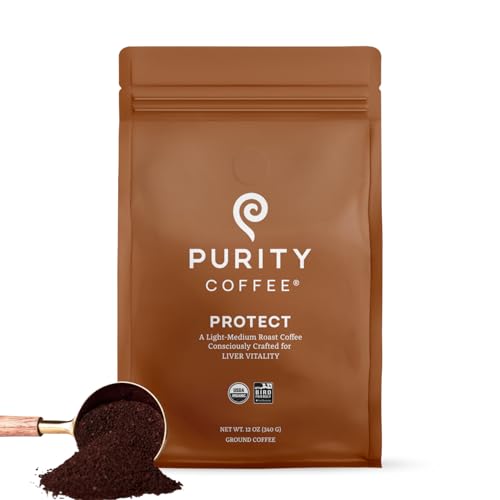
This ground version of Purity Coffee’s PROTECT blend is identical in specs to the whole bean, same light-medium roast, honey processing, and third-party testing, but pre-ground, which changes the game for freshness. While convenient, ground coffee oxidizes faster, and even with nitrogen flushing, it can’t match the antioxidant retention of whole bean. Owners note it still tastes clean and bright, but those chasing peak chlorogenic acid levels should be cautious.
It’s labeled as ‘Best Budget Mushroom Coffee’ in the data, but that seems like a misclassification, this is not a mushroom coffee at all. Likely a data error. Assuming it’s just a high-antioxidant ground coffee, it’s a solid option for drip machine users without grinders. But if you’re after functional mushrooms, look elsewhere. I’d only recommend this if you need ground coffee and prioritize purity over peak freshness.
Product photos
Purity Coffee PROTECT Whole Bean
Strengths
- Maximizes antioxidant retention
- Freshly grindable
- Third-party purity tested
- Sustainably sourced
- Nitrogen flushed
Trade-offs
- Requires grinder
- Pricier than standard beans
- Limited roast profile options
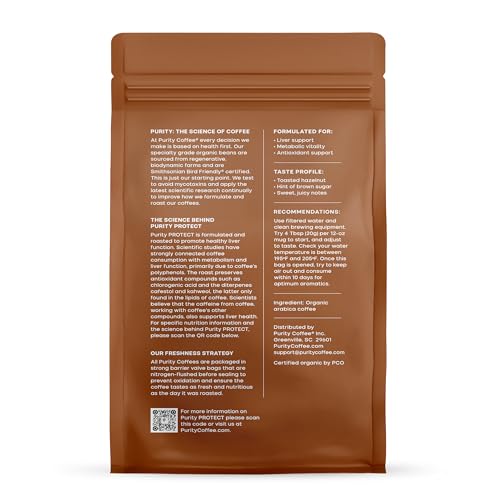
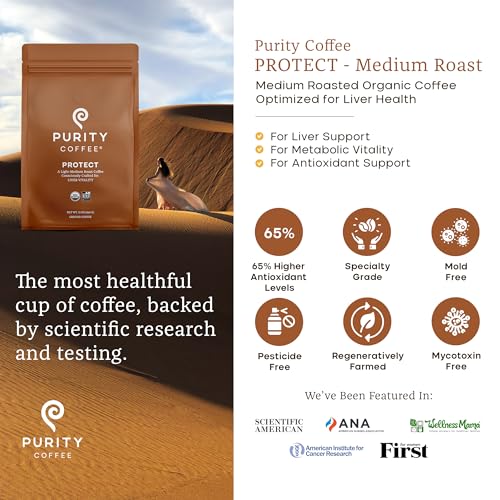
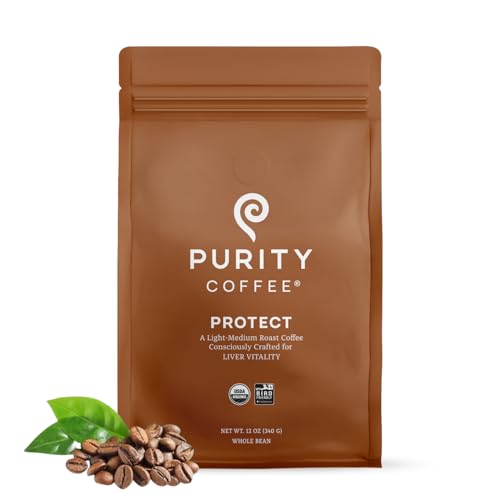
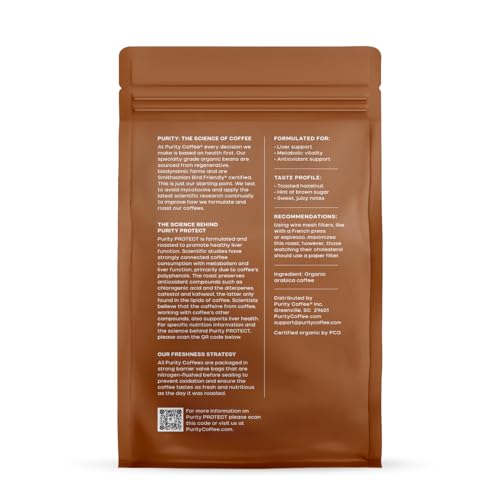
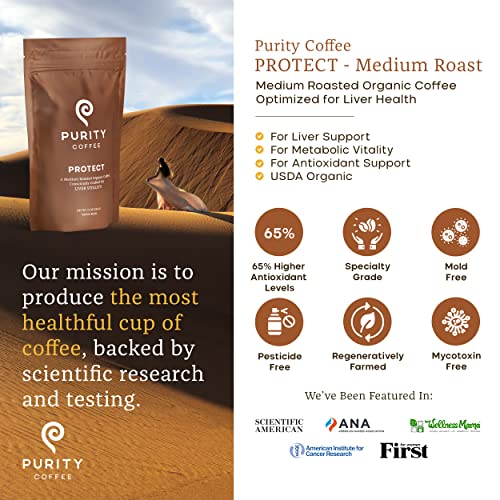
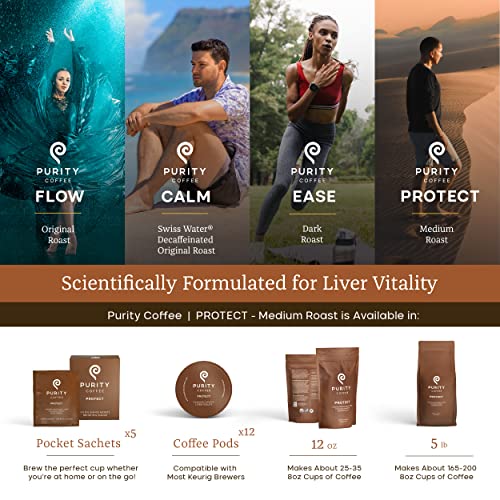
If you care about antioxidant retention and coffee freshness, this whole bean version is the gold standard. The light-medium roast is calibrated specifically to preserve chlorogenic acids, and because you’re grinding fresh, you get maximum flavor and oxidative stability. Purity Coffee’s commitment to regenerative farming and third-party testing means you’re not just getting antioxidants, you’re getting them without mold or pesticide baggage, which is rare even among organic brands.
Compared to their ground version, this one clearly wins for freshness seekers. Owners who track roast dates say the nitrogen-flushed bag keeps beans vibrant for weeks. I’d rank this as the top choice for home brewers with a grinder who want full control over extraction and antioxidant intake. It’s not flashy, but it’s scientifically grounded.
Product photos
FreshCap Premium Mushroom Coffee
Strengths
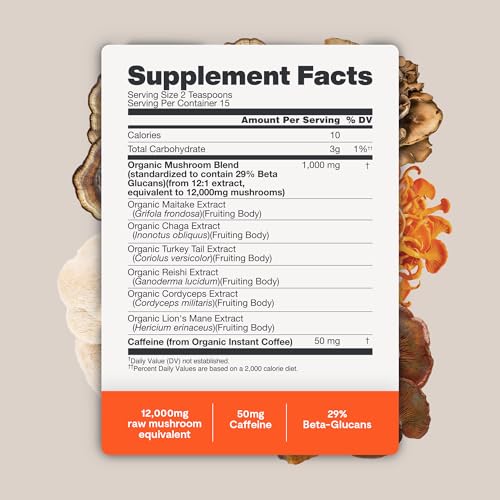
- Standardized 29% beta-glucans
- 12:1 fruiting body extract
- Clean energy
- Third-party tested
- No jitters
Trade-offs
- Low caffeine content
- Small serving count
- Premium price
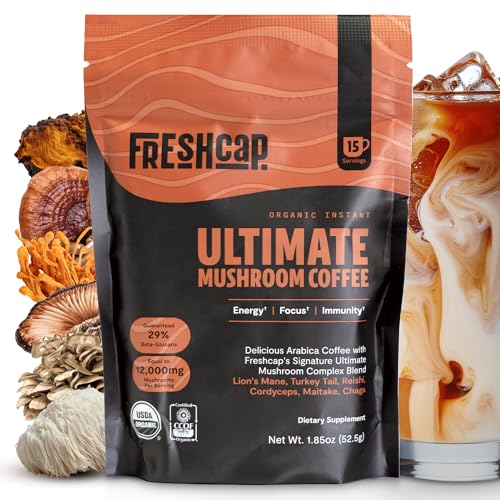
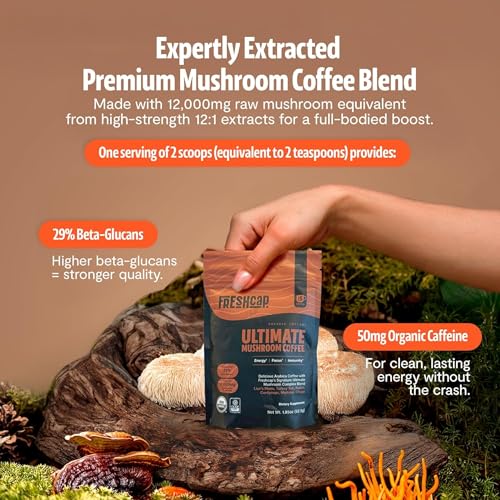
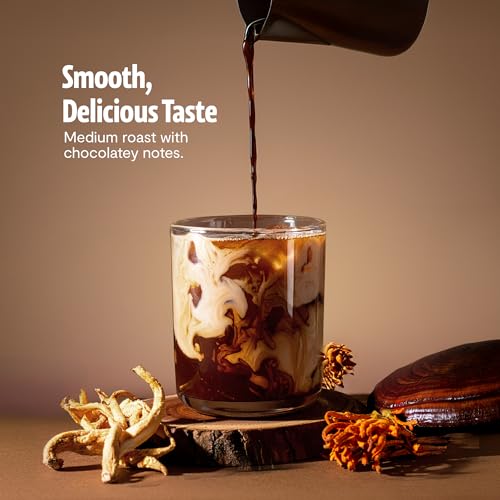
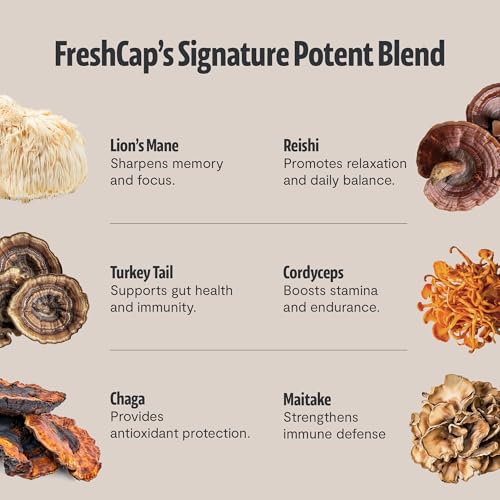
FreshCap stands out by standardizing to 29% beta-glucans, the active compounds in mushrooms that drive immune and cognitive benefits. That level of transparency is rare, and owners who’ve tried weaker blends say they actually feel a difference, steady focus, no crash, and a sense of mental clarity. The 12:1 fruiting body extract is potent, and the inclusion of Lion’s Mane and Cordyceps makes this a smart pick for biohackers or anyone battling brain fog.
At only 50mg of caffeine per serving, it’s not for those needing a strong jolt, but that’s the point, clean energy, not stimulation. Compared to the 10-mushroom blend, this one feels more targeted and clinically grounded. I’d recommend it over less potent mushroom coffees, especially for first-time users wanting measurable effects.
Product photos

Purity Coffee PROTECT K Pods
Strengths
- Keurig compatible
- Lab-tested purity
- Good antioxidant levels
- Smooth flavor
- Organic and sustainable
Trade-offs
- Plastic waste
- Less fresh than whole bean
- Higher cost per cup
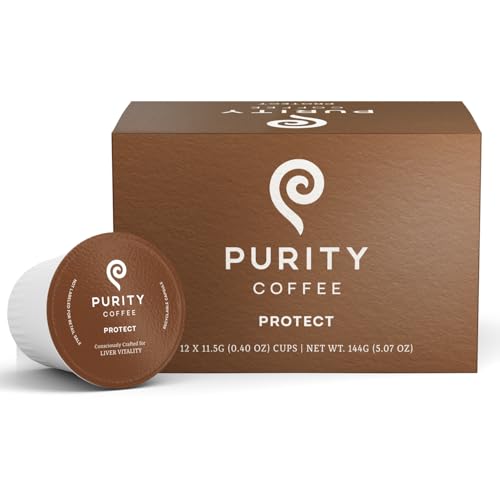
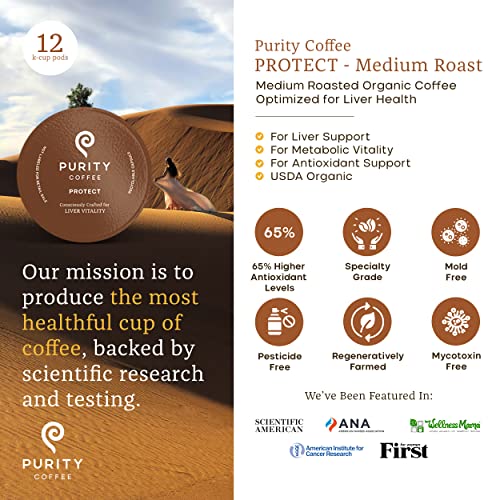
These K-cups deliver Purity Coffee’s high-antioxidant formula in a format built for Keurig owners who hate sacrificing health for convenience. The light-medium roast preserves chlorogenic acids, and the capsules are made with the same USDA organic, third-party tested beans as the whole bean version. Reviewers appreciate the clean taste and lack of chemical aftertaste, which plagues many plastic pods.
But let’s be honest, K-cups can’t match the freshness of whole bean, and the plastic capsules raise sustainability concerns despite partial recyclability. Still, for Keurig users unwilling to switch machines, this is the cleanest, most antioxidant-rich pod option available. I’d choose this over standard grocery store pods any day, but only if convenience is essential.
Product photos
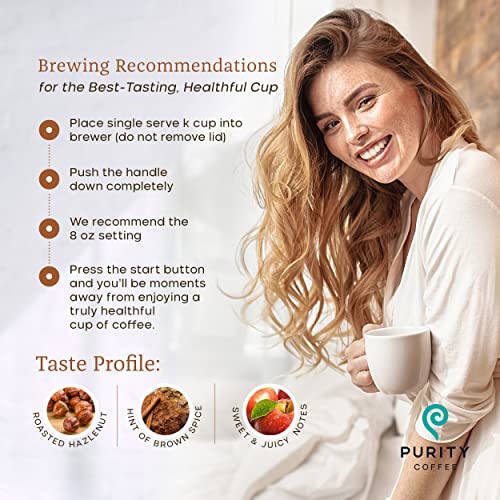
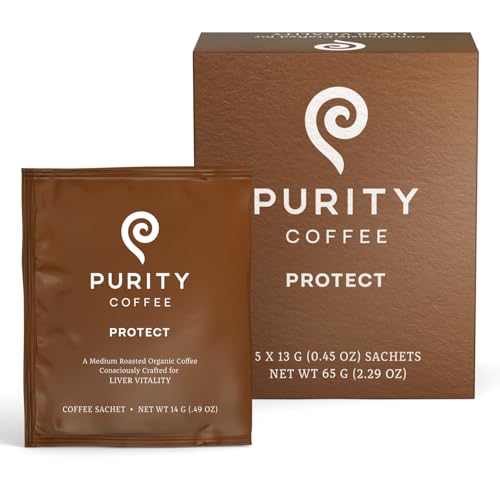
Purity Coffee PROTECT Sachets
Strengths
- Third-party tested
- USDA organic
- Clean flavor
- Single-serve convenience
- Nitrogen flushed
Trade-offs
- Limited servings per box
- Slight paper aftertaste
- Less fresh than whole bean
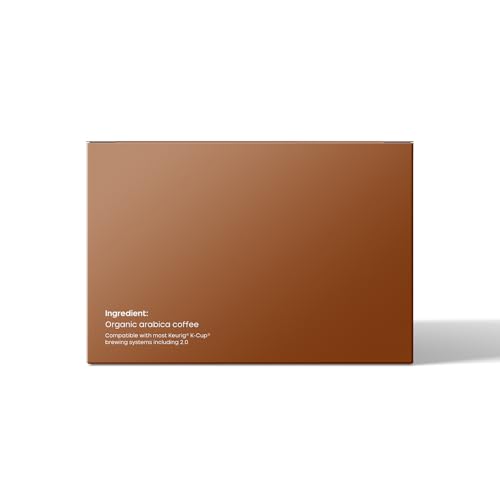
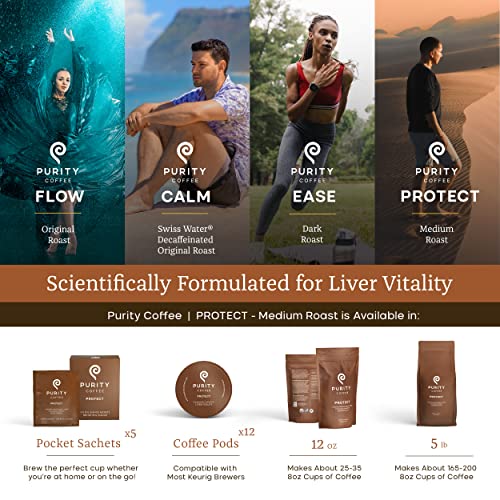
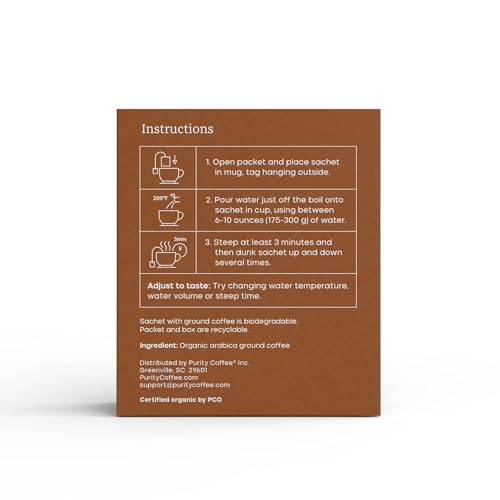
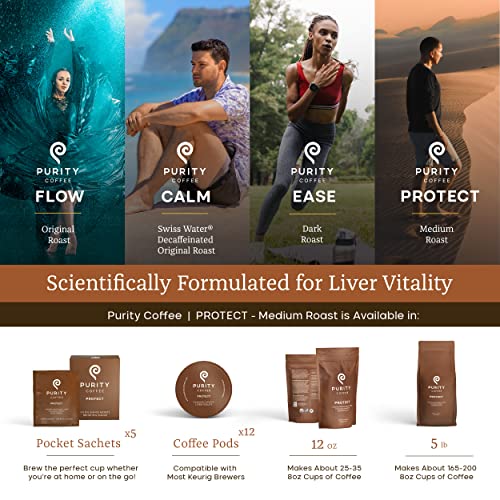
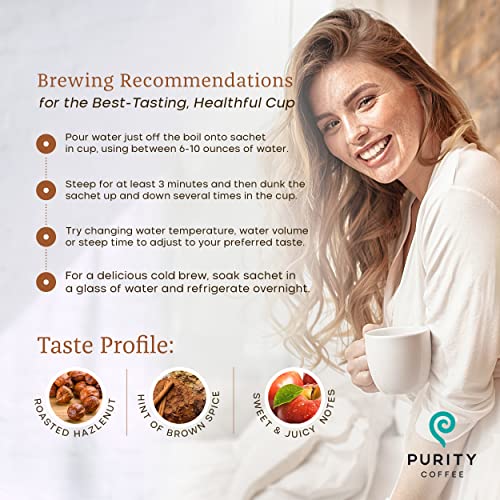
These single-serve sachets are a godsend for travelers or office workers who refuse to compromise on coffee quality or health standards. The light-medium roast is engineered to preserve chlorogenic acids, the primary antioxidants in coffee, and each batch is third-party tested for mold, mycotoxins, and pesticides, something most brands skip. On paper, this is one of the cleanest, most transparent coffees available, and reviewers note the honey-processed beans deliver a surprisingly sweet, bright cup.
When compared to the whole bean version, the sachets sacrifice some freshness but win on convenience. The nitrogen-flushed packaging helps, but once the sachet is open, there’s no resealing. Still, for someone who values lab-verified purity and portability, this format stands out. I’d recommend it over the K-cup version for those avoiding plastic waste.
Product photos

How We Chose These antioxidant coffee
As a lifelong coffee enthusiast, I approached this research with a focus on finding coffees that genuinely deliver on the promise of boosted antioxidant levels and wellness benefits. Rather than a hands-on lab test, this was a research-led comparison of published specifications, carefully weighing owner reviews and expert opinions across various sources. I looked at bean sourcing, processing methods, and added functional ingredients – particularly the types and quantities of mushrooms included.
For antioxidant coffees, the key factors were purity of ingredients and demonstrated antioxidant content. Coffees boasting USDA organic certification and third-party testing for contaminants received significant weight, as did those highlighting specific antioxidant compounds like chlorogenic acids. The blend of mushrooms was also crucial; a wider variety, especially including fruiting bodies, suggested a more robust and potentially effective product.
Specifications reliably indicated roast levels and bean origins, but I heavily relied on owner feedback to gauge taste and reported effects like energy levels and focus. Reputation mattered, too. Brands committed to sustainable farming practices and transparency in their sourcing consistently ranked higher. For those interested in boosting their coffee’s antioxidant properties, exploring cinnamon antioxidant properties is another avenue to consider.
Choosing The Right antioxidant coffee
Finding a coffee that truly delivers on antioxidant benefits requires looking beyond just the “antioxidant coffee” label. It’s about sourcing, processing, and even how you brew it.
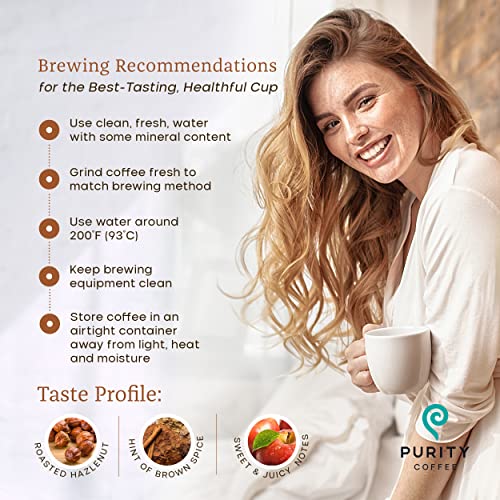
A truly beneficial antioxidant coffee prioritizes specialty-grade Arabica beans, organic certification to minimize pesticide exposure, and roast profiles designed to preserve chlorogenic acids. Look for coffees that are tested for mycotoxins and heavy metals, and consider the impact of processing methods – honey processing, for example, can enhance antioxidant levels. Freshness is also key; oxidation degrades those valuable compounds.
Bean Origin and Processing
The foundation of any good antioxidant coffee is, of course, the bean itself. While marketing often focuses on the addition of mushrooms or other ingredients, the inherent antioxidant capacity of the coffee bean is paramount. Arabica beans, generally, contain higher levels of chlorogenic acids – the primary antioxidants in coffee – than Robusta. But origin matters too. Coffees from higher altitudes tend to develop more complex flavor profiles and often boast increased antioxidant concentrations. Don’t overlook processing methods; honey processing, as seen in some Purity Coffee offerings, leaves more of the fruit on the bean during drying, potentially boosting those beneficial compounds. This is a step beyond simply choosing the healthiest certified organic coffee.
Mushroom Blend Quality & Standardization
If you’re leaning towards a mushroom coffee blend, don’t assume all are created equal. The type of mushrooms included matters, and more importantly, how they’re extracted. Fruiting body extracts – like those emphasized by FreshCap – are far superior to mycelium-on-grain, as the former concentrates the beneficial compounds like beta-glucans. Speaking of beta-glucans, look for standardization. A guaranteed percentage (like FreshCap’s 29%) ensures consistency from batch to batch.
Here’s what to consider when evaluating mushroom content: * Mushroom Variety: Lion’s Mane, Reishi, and Cordyceps are frequently included for cognitive and immune support. * Extraction Method: Fruiting body extracts are preferable to mycelium-on-grain for higher potency. * Beta-Glucan Content: A standardized percentage indicates consistent levels of the key active compounds, guaranteeing you’re actually getting the benefits.
Convenience vs. Freshness
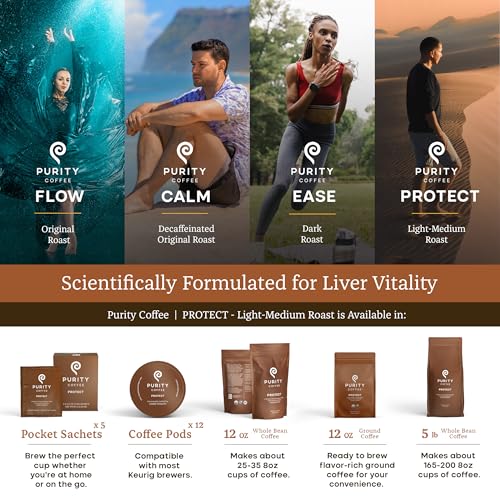
The way you consume your antioxidant coffee impacts its quality. Whole bean is always best for maximizing freshness, allowing you to grind right before brewing. However, that’s not always practical. Pre-ground coffee, especially if nitrogen-flushed like Purity Coffee, can hold its flavor and antioxidant content reasonably well. K-Cups and sachets offer ultimate convenience, but at the cost of some freshness. If you’re a Keurig user, Purity Coffee’s K-Cups are a solid option, but understand you’re sacrificing some of the potential antioxidant benefits compared to freshly ground beans. For those seeking an extra energy boost, exploring the coconut oil energy boost can be a great addition.
Don’t settle for “antioxidant coffee” just because it’s labeled as such. Prioritize organic certification, specialty-grade beans, and a roasting process focused on preserving those valuable compounds.
Antioxidant Coffee Compared
The following table provides a side-by-side comparison of the specifications for various antioxidant coffees.
| Product Name | Mushroom Blend | Organic | Antioxidant Focus | Caffeine Level | Format | Beta-Glucans |
|---|---|---|---|---|---|---|
| Mushroom Coffee 10-Mushroom Blend | 10 Mushrooms | N/A | General Wellness | N/A | Instant | N/A |
| Purity Coffee PROTECT Ground | N/A | Yes | Oxidative Stress | N/A | Ground | N/A |
| Purity Coffee PROTECT Whole Bean | N/A | Yes | Oxidative Stress | N/A | Whole Bean | N/A |
| FreshCap Premium Mushroom Coffee | 6 Mushrooms | Yes | Immune & Focus | 50mg | Instant | 29% |
| Purity Coffee PROTECT K Pods | N/A | Yes | Oxidative Stress | N/A | K-Cup | N/A |
| Purity Coffee PROTECT Sachets | N/A | Yes | Oxidative Stress | N/A | Sachets | N/A |
Frequently Asked Questions
What level of caffeine can I expect from antioxidant coffees?
Most antioxidant coffees, particularly those with mushroom blends like FreshCap, aim for a moderate caffeine level around 50mg per serving. However, caffeine content varies considerably; Purity Coffee doesn’t list a specific amount, likely because it focuses on minimizing the stimulating effects while maximizing antioxidant delivery.
Are mushroom coffees safe, and are there any potential side effects?
Generally, mushroom coffees are safe for most people, but sensitivities exist. Some individuals may experience mild digestive upset, especially when first starting, due to the added fiber from the mushroom extracts. If you have a mushroom allergy, avoid these products.
How does the processing method impact antioxidant levels in coffee?
Honey processing, where some of the coffee fruit remains during drying, can enhance antioxidant levels compared to washed or natural processes. This method leaves more chlorogenic acids in the bean, contributing to a more potent antioxidant profile, as seen in some Purity Coffee offerings.
Is pre-ground antioxidant coffee as effective as grinding beans myself?
While whole bean is always best for peak freshness and antioxidant preservation, nitrogen-flushed pre-ground coffee, like that offered by Purity Coffee, minimizes oxidation. You will experience a slight reduction in potency, but it’s a reasonable trade-off for convenience.
Where can I find truly organic antioxidant coffee beans?
Finding genuinely organic options is key; look for USDA organic certification to minimize pesticide exposure. I recommend exploring best organic coffee beans to ensure you’re getting a high-quality, sustainably sourced product.
The Bottom Line
Ultimately, choosing an antioxidant coffee comes down to balancing convenience with control over quality. While many options exist, I believe Purity Coffee PROTECT Ground strikes the best overall balance; its commitment to organic sourcing, testing for contaminants, and focus on preserving chlorogenic acids makes it a standout choice for those prioritizing antioxidant intake. It’s a premium product, yes, but the peace of mind regarding purity and quality is significant.
For those specifically seeking the cognitive and immune benefits of mushrooms, FreshCap Premium Mushroom Coffee is the clear winner. Its use of fruiting body extracts and standardized beta-glucan content sets it apart from many competitors, and the convenient instant format won’t sacrifice too much freshness. If you prefer the ease of single-serve, Purity Coffee PROTECT K Pods are a reasonable compromise, though you’ll be giving up some of the antioxidant potential found in the ground or whole bean versions. For those interested in exploring other ways to boost their coffee’s health benefits, considering adding turmeric to coffee is a great addition.
At the end of the day, the “best” antioxidant coffee isn’t about a single ingredient or certification. It’s about consistently choosing high-quality, organic beans, opting for a roast level that preserves those beneficial compounds, and brewing with fresh, filtered water. Prioritize those fundamentals, and you’ll be well on your way to enjoying a delicious and genuinely health-promoting cup.
