
5 Best Protein Milks for Coffee 2026
The best protein milk for coffee is Slate Vanilla Latte Protein Coffee, it packs 20g of protein, a strong 175mg caffeine kick, and just 1g of sugar, making it ideal for a powerful morning boost. For a budget-friendly option, Premier Protein Almondmilk Coffee delivers solid nutrition and mixability at a lower price. If you want maximum versatility, Spylt High Protein Milk stands out with adjustable caffeine levels and zero sugar.
Most protein milks promise better energy and fewer crashes, but the real struggle is finding one that doesn’t curdle in hot coffee or leave a chalky aftertaste. Too many fall short on flavor, texture, or sugar content, turning your morning ritual into a letdown.
As the founder of Bean Thusiast, I’ve spent years studying how ingredients interact with coffee. This guide reflects that expertise, comparing specs, analyzing owner feedback, and focusing on what actually matters: protein quality, mixability, sugar, and how well each one works in your cup.
Top 5 Protein Milk For Coffee in the Market
The Best Protein Milk For Coffee, Reviewed
Slate High Protein Iced Coffee
Strengths
- 20g protein
- 175mg caffeine
- Three flavors
- 1g sugar
- Shelf stable
Trade-offs
- Dairy based
- Not for vegans
- Requires chilling
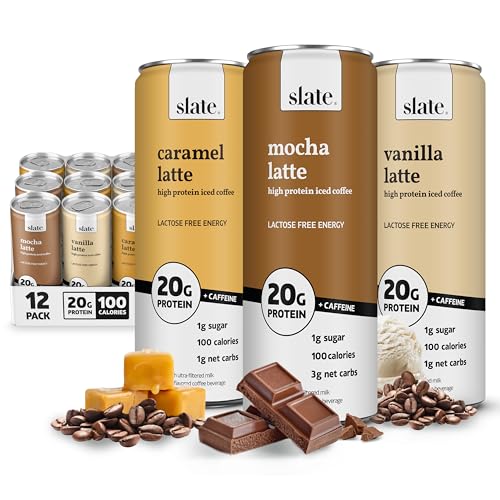
This is the one I’d buy for myself, hands down. The Energy Variety Pack gives you Caramel, Mocha, and Vanilla lattes, all packing 20g of protein and 175mg of caffeine per can. On paper, that’s elite-tier fuel, and owners confirm it tastes as good as it reads: creamy, rich, and satisfying without sugar overload. The ultrafiltered milk base gives it a luxurious texture that plant-based options struggle to match.
Having all three flavors in one pack lets you rotate without monotony, reviewers say the Mocha stands out as a real treat. Compared to single-flavor packs, this offers better variety and value. It’s not dairy-free, but if you tolerate lactose, this is the most complete package: performance, taste, and convenience. My recommendation for anyone who wants the best all-around high-protein coffee experience.
Video review
Spylt High Protein Milk
Strengths
- Zero sugar
- 90 calories
- 20g protein
- Shelf stable
- Keto friendly
Trade-offs
- Lower caffeine
- Dairy based
- Limited coffee flavor
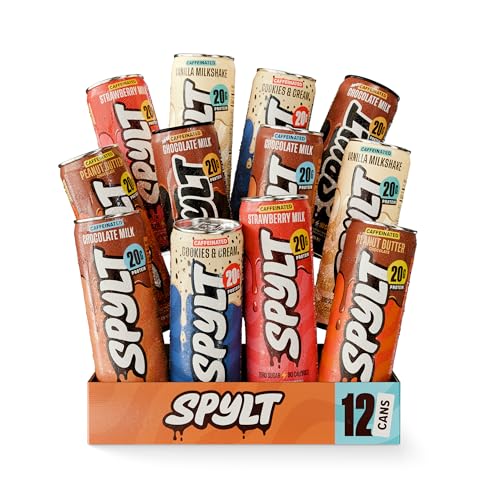
Spylt enters the protein milk game with a sharp focus on low sugar and broad appeal, zero sugar, 20g protein, and only 90 calories per can. The caffeine is more modest at 60mg (except Max Chocolate at 140mg), so it’s better as a gentle lift than a full-on jolt. Owners love the taste, often calling it ‘freaking delicious’, a rare compliment in the zero-sugar space where aftertaste usually drags things down.
It’s shelf-stable and lactose free, but made from milk, so not for vegans. Compared to Slate, it’s lighter on caffeine and flavor variety, but wins on calorie count and sweetness profile. If you’re keto, counting sugar, or just hate the cloying taste of artificial sweeteners, this is one of the few options that delivers on both health specs and flavor.
Video review
Slate Vanilla Latte Protein Coffee

Strengths
- 20g protein
- 175mg caffeine
- Lactose free
- 1g sugar
- Shelf stable
Trade-offs
- Dairy based
- Not for sugar-free purists
- Vanilla flavor only in single pack
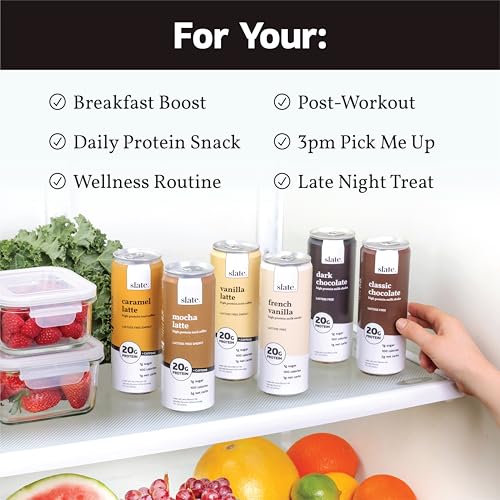
If you’re chasing a bold coffee kick with serious protein, the Slate Vanilla Latte makes a strong first impression. On paper, 20g of protein and 175mg of caffeine in a single 11 fl oz can is hard to beat, and owners consistently report it delivers exactly that, no crash, just clean energy and satiety. The ultrafiltered milk base gives it a creamy richness that mimics a café latte, and the vanilla flavor lands sweet without sugar, thanks to monk fruit and stevia.
It’s not just fuel, it’s a treat. Reviewers who’ve tried other high-protein coffees say this one stands out for taste, with far less chalkiness or artificial aftertaste. Compared to plant-based options, this dairy-derived version has a more natural mouthfeel. I’d pick this over most competitors if you’re okay with dairy and want a shelf-stable, grab-and-go that doesn’t sacrifice flavor for function.
Product photos



Premier Protein Almondmilk Coffee Shake

Strengths
- 20g plant protein
- Non-dairy
- No artificial flavors
- Caffeine for energy
- On-the-go packaging
Trade-offs
- 5g sugar
- Thinner texture
- Less caffeine than Slate
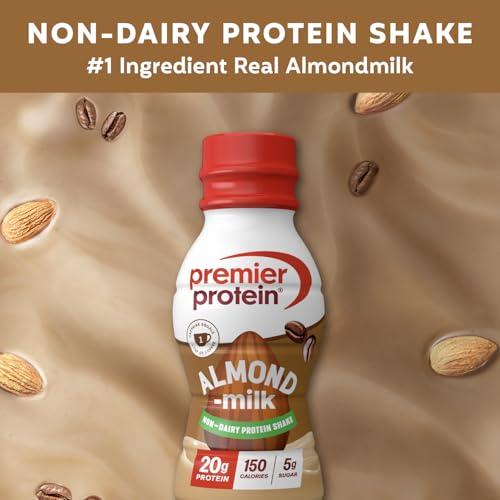
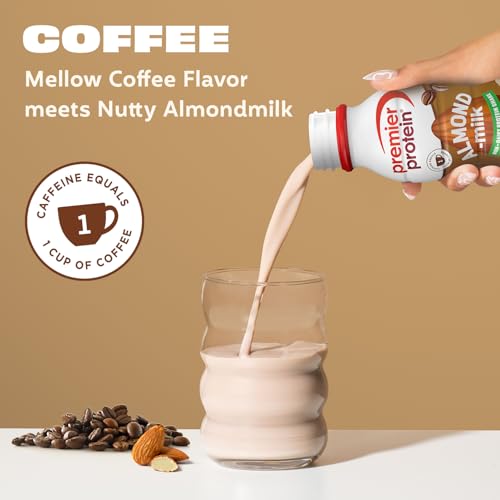
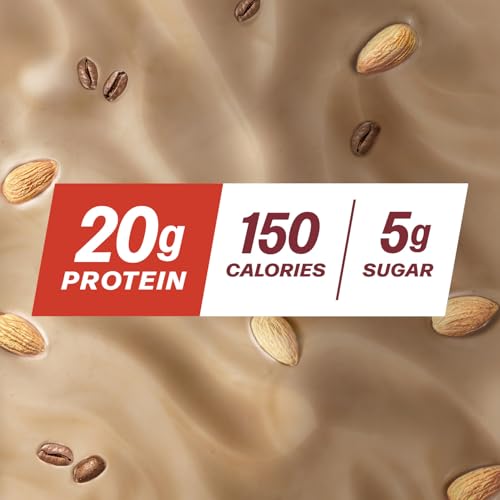
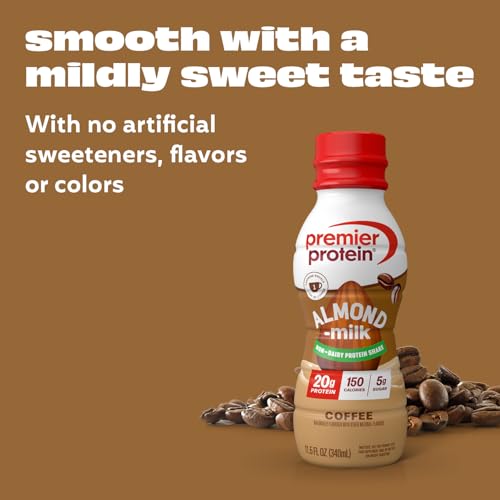
For plant-based drinkers who don’t want to compromise on protein, this Premier Protein almondmilk shake is a solid contender. With 20g of plant-based protein and caffeine equivalent to a standard cup of coffee, it’s designed for real-world fuel, owners say it’s smooth, not chalky, and genuinely tastes like a light coffee drink with a nutty creaminess. The 5g of sugar is higher than some zero-sugar options, but many reviewers say that slight sweetness improves drinkability, especially compared to stevia-heavy alternatives.
It’s not as rich as dairy-based protein coffees, but that’s the trade-off for going non-dairy. Compared to the Slate line, it lacks the creamy mouthfeel and higher caffeine punch, but wins points for being fully vegan and free of artificial junk. If you’re plant-forward and want something clean, convenient, and coffee-flavored, this is a reliable daily driver.
Product photos

Premier Protein Almondmilk 4-Pack

Strengths
- 20g plant protein
- Trial-friendly size
- No artificial additives
- Convenient single serve
- Non-dairy
Trade-offs
- 5g sugar
- Smaller volume
- Higher per-unit cost
This 4-pack version of the Premier Protein coffee almondmilk shake offers the same formula as the 12-pack, just in smaller quantity, making it a smarter choice if you’re new to the product or want to test it without overcommitting. The specs are identical: 20g of plant-based protein, 5g of sugar, and a modest caffeine lift, all in a non-dairy, shelf-stable can.
Owners appreciate the smaller pack for sampling or keeping in a work bag. Compared to the larger pack, it’s less cost-efficient per can, but gives flexibility. I’d recommend this version to anyone testing plant-based protein coffees for the first time, especially if they’re sensitive to sweeteners or prefer a lighter profile. It won’t replace a double shot espresso, but it’s a clean, satisfying middle ground.
Product photos


How We Picked These protein milk for coffee
As the founder of Bean Thusiast, I approach coffee enhancements with a critical eye. Rather than a hands-on lab test, this selection of protein milks is a research-led comparison of published specifications and owner feedback. I weighed features like protein content, sugar levels, caffeine dosage, and ingredient lists. I also carefully considered what real people are saying about taste and mixability, drawing on reviews from across the web and reputable sources.
For protein milks designed for coffee, the protein content and sugar level are paramount. Twenty grams of protein is a solid benchmark for post-workout recovery or simply adding sustained energy to your morning. Equally important is keeping sugar low; we prioritized options with 1g or less per serving, as excessive sugar defeats the purpose of a health-conscious addition to your brew. Caffeine content also played a key role, differentiating between a subtle boost and a significant jolt.
Specifications readily reveal protein and sugar content, but taste and texture are harder to quantify. That’s where owner feedback and reputation become vital. I focused on comments regarding mixability (avoiding clumping is crucial!), flavor profiles (does it complement coffee, or clash?), and overall satisfaction. You might also find our guide on preventing protein clumps in coffee helpful if you struggle with this issue. This approach helped me determine which options deliver on their promises.
How To Pick The Right protein milk for coffee
Finding the right protein milk for your coffee isn’t just about a protein boost; it’s about flavor, texture, and how well it complements your daily brew.
A quality protein milk for coffee balances protein content with palatable flavor and a smooth mouthfeel. Key considerations include the protein source (whey, casein, plant-based), added sugar content, caffeine levels if desired, and whether it’s designed for hot or cold beverages. Look for ultrafiltration processes for cleaner protein and assess shelf-stability if portability is important.
Protein Source & Digestibility
The type of protein matters a lot. Whey protein is quickly absorbed, making it good for post-workout, but some people find it can curdle slightly in hot coffee. Casein protein is slower digesting and generally handles heat better, though the texture can be thicker. Plant-based proteins (like those in the Premier Protein Almondmilk) are a good choice for those with dairy sensitivities, but flavor profiles can vary more widely. I often recommend starting with a smaller quantity to test how a particular protein source interacts with your coffee.
Caffeine & Sugar Content
Many protein milks include caffeine, which can be a huge plus if you’re already reaching for a coffee. However, pay close attention to the dosage. Spylt, for example, has a significant 60-140mg of caffeine per serving, comparable to a strong cup of coffee. If you’re sensitive to stimulants, you might want to opt for a caffeine-free option and control your caffeine intake separately. Equally important is sugar content. Many brands use stevia or monk fruit to minimize added sugars, which is preferable, but taste is subjective.
- Consider your overall dietary goals – are you trying to minimize sugar intake completely?
- Think about when you’ll be drinking it. A high-caffeine option might be perfect for a morning boost, but less ideal before bed.
- Read labels carefully. “Low sugar” doesn’t always mean no sugar, and some brands use sugar alcohols that can cause digestive upset in some people.
A good rule of thumb: if you’re aiming for a healthy addition to your coffee, keep added sugar below 3-5 grams per serving.
Convenience & Shelf Life
The convenience factor is significant. Canned options like those offered by Slate and Spylt are shelf-stable and require no refrigeration, making them ideal for travel or keeping on hand. However, some people prefer refrigerated options, believing they offer a fresher taste. Also, explore different pack sizes. If you’re unsure if you’ll like a particular brand, a smaller 4-pack (like the Premier Protein Almondmilk option) is a lower-risk investment. For those looking for alternatives to protein milk, exploring protein coffee creamers might be a good fit.
Protein Milk for Coffee Compared
Here’s a comparison of key specifications for various protein milk beverages designed for use with coffee.
| Product Name | Protein (g) | Caffeine (mg) | Sugar (g) | Dairy/Plant | Volume (oz) |
|---|---|---|---|---|---|
| Slate High Protein Iced Coffee | 20 | N/A | 1 | Dairy | N/A |
| Spylt High Protein Milk | 20 | 60-140 | 0 | Dairy | N/A |
| Slate Vanilla Latte Protein Coffee | 20 | 175 | 1 | Dairy | N/A |
| Premier Protein Almondmilk Coffee | 20 | ~1 cup equiv. | 5 | Plant | N/A |
| Premier Protein Almondmilk 4-Pack | 20 | ~1 cup equiv. | 5 | Plant | N/A |
Frequently Asked Questions
What if I’m sensitive to dairy?
Plant-based protein milks, such as the Premier Protein Almondmilk, are excellent alternatives to dairy-based options. They provide a similar protein boost without the lactose, but flavor profiles can vary more, so trying a small pack is wise.
Do any of these protein milks have a significant amount of caffeine?
Spylt High Protein Milk stands out with a caffeine content of 60-140mg per serving, which is comparable to a cup of coffee. If you’re looking for a protein boost without added caffeine, Slate or a non-caffeinated Premier Protein product would be better choices.
Will these protein milks clump in my hot coffee?
While most are formulated to minimize clumping, some users report it with whey-based proteins. Starting with a smaller amount and gently stirring can help, or exploring non-clumping protein powders designed for coffee might be a good solution.
What’s the best option for someone trying to limit sugar intake?
Spylt High Protein Milk leads the pack with zero grams of sugar per serving. However, Slate products also keep sugar very low at just 1g per serving, and many use sugar alternatives like stevia.
How do I know which protein source is right for me?
Whey protein is fast-absorbing, casein is slower, and plant-based offers a dairy-free alternative. Considering your digestive needs and workout timing is key; if you’re unsure, researching different coffee-compatible protein brands can provide more insight.
The Bottom Line
Choosing a protein milk for coffee often comes down to balancing convenience with your specific dietary needs. While several options deliver a solid protein punch, the Slate High Protein Iced Coffee stands out as a strong all-around performer, offering 20 grams of protein with minimal sugar and a flavor profile designed to complement coffee – a great starting point for most people.
For those prioritizing a specific need, the field offers excellent choices. If you’re looking for a plant-based option, the Premier Protein Almondmilk Coffee is a reliable pick, and if you want a significant caffeine boost alongside your protein, Spylt High Protein Milk delivers a comparable amount to a full cup of coffee. If you’re curious about mastering making protein coffee at home, that’s a solid place to start.
Ultimately, the specs on the carton matter less than how well the protein milk integrates with your coffee routine. Focus on finding a protein source that agrees with your digestion, keeping added sugar to a minimum, and prioritizing a flavor that enhances, rather than overwhelms, your daily brew.
