
7 Best Swiss Water Decaf Coffee Beans of 2026
The best Swiss Water decaf coffee beans deliver rich flavor without caffeine, and after researching the field and analyzing owner feedback, Lifeboost Medium Roast stands out for its clean, vibrant taste from Central American Arabica beans. For a budget-friendly yet solid option, Copper Moon Organic Swiss Water Decaf delivers consistent quality, while Kicking Horse Dark Roast Swiss Water Decaf offers a bold, smoky profile for those who prefer deeper flavors.
Too many decaf coffees taste flat or carry a chemical aftertaste, but Swiss Water Process beans prove that doesn’t have to be the case. The real challenge is sorting through the marketing to find beans that prioritize origin, roast integrity, and freshness.
As the founder of Bean Thusiast, I focused on 100% Arabica beans, transparent sourcing, and roast profiles that let the decaffeinated coffee shine. These picks are based on consistent owner reports, verified certifications, and the specs that actually matter when brewing a satisfying, caffeine-free cup.
Top 7 Swiss Water Decaf Coffee Beans in the Market
The Best Swiss Water Decaf Coffee Beans, Reviewed
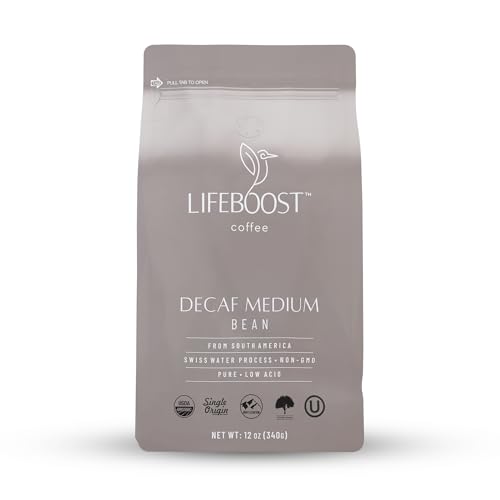
Lifeboost Medium Roast Swiss Water Decaf
Strengths
- Third-party tested
- Low acid
- Single-origin
- USDA organic
- Bird-friendly farms
Trade-offs
- Smaller bag size
- Higher cost per oz
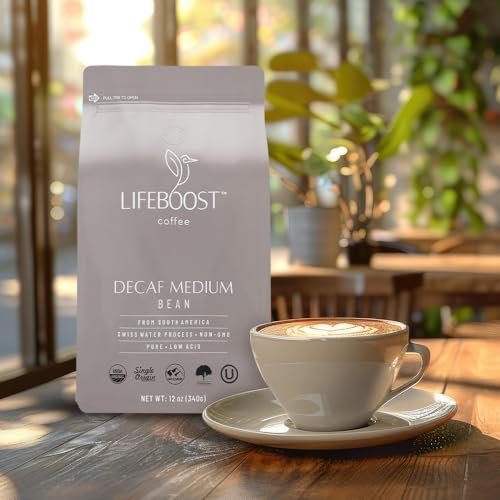
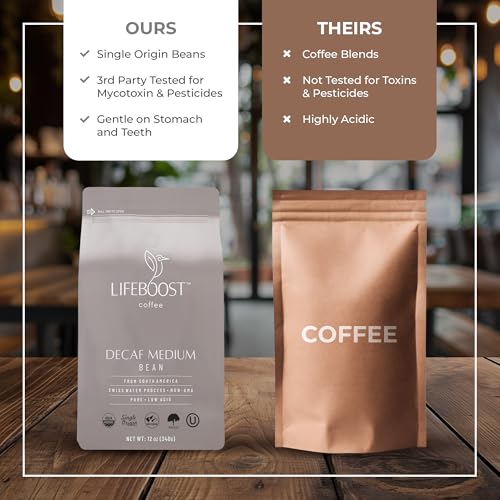
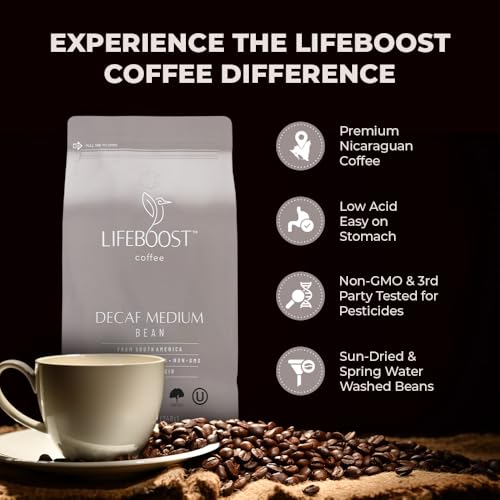
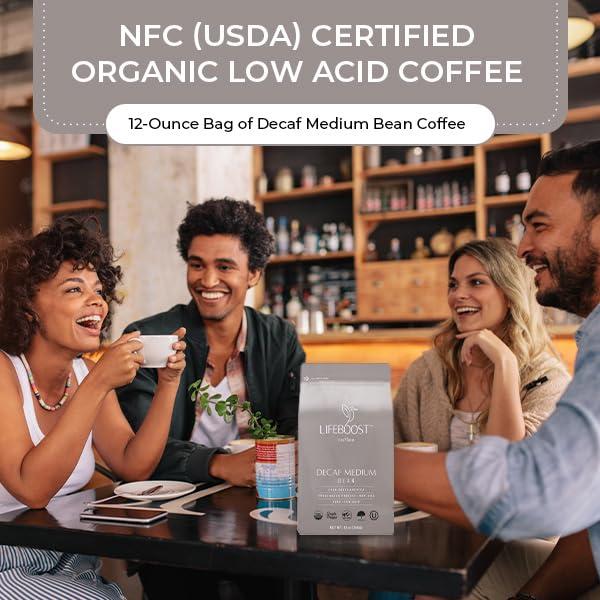
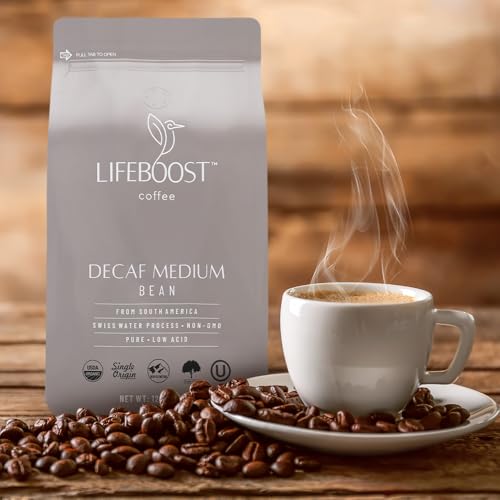
Lifeboost makes a strong claim to being the cleanest decaf on the market, and the evidence backs it up. Single-origin beans from Central America, shade-grown at high elevation, USDA organic, and third-party tested for mycotoxins, pesticides, and heavy metals? That’s a level of transparency most brands don’t match. The Swiss Water process preserves a surprisingly bright yet smooth cup, with enough flavor to satisfy even skeptical coffee lovers.
The 12-ounce bag is smaller than others here, but it’s meant for freshness and purity, not bulk. Owners with sensitive stomachs consistently praise it for being easy to digest, thanks to its low acidity and clean processing. Compared to Verena Street or Subtle Earth, it’s more expensive per ounce, but for buyers who prioritize health and purity, it’s the smarter buy. This isn’t just decaf, it’s peace of mind in a bag.
Product photos
Subtle Earth Organic Decaf Medium Dark Roast

Strengths
- Rich chocolatey flavor
- Low acidity
- Budget-friendly bulk
- USDA organic
- Medium-dark depth
Trade-offs
- Limited origin transparency
- One-note profile
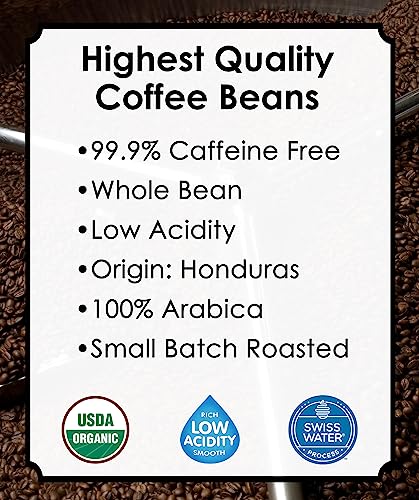
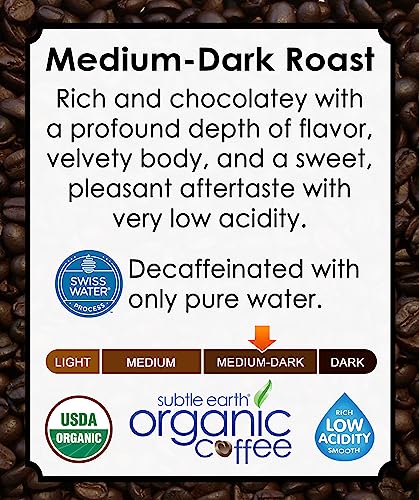
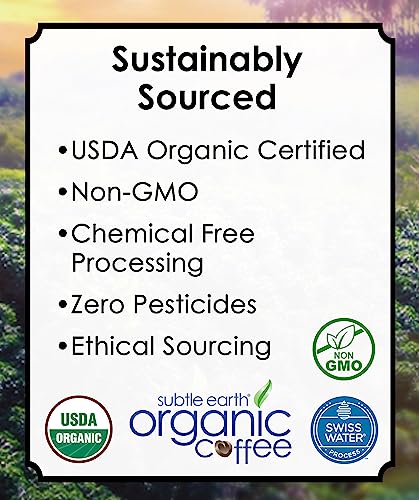
If you’re looking for value without totally sacrificing quality, Subtle Earth makes a compelling case. It’s one of the more affordable 2-pound organic decafs using the Swiss Water process, and it delivers a surprisingly rich, chocolatey profile with a velvety body and low acidity. The single-origin Honduran beans seem to benefit from the medium-dark roast, which deepens the sweetness without charring it.
Owners note it’s smooth and approachable, great for drip machines or French press, but it doesn’t have the nuance of pricier options like No Fun Jo or Lifeboost. That said, for the price, it outperforms expectations. Compared to Copper Moon, it’s heavier on body but lighter on aromatic complexity. It’s the workhorse of this list: no frills, no fuss, just solid decaf that won’t upset your stomach.
Product photos
Copper Moon Organic Swiss Water Decaf
Strengths
- USDA organic
- Swiss Water decaf
- 2 lb value pack
- High-elevation beans
- Artisan small-batch roast
Trade-offs
- Mild flavor may lack depth
- Not for bold roast lovers
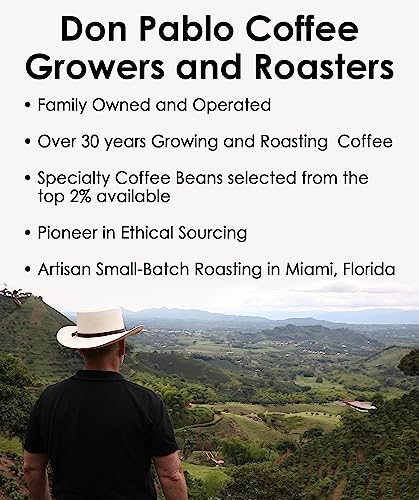
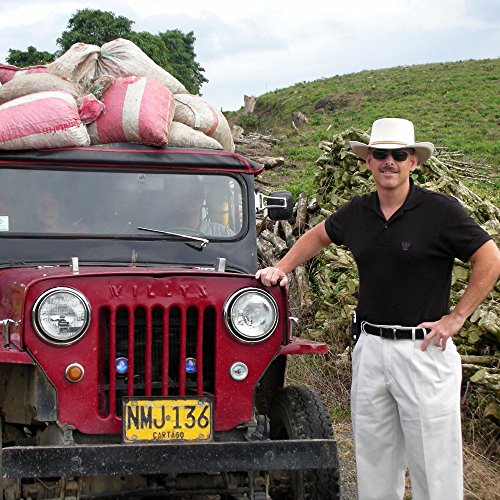
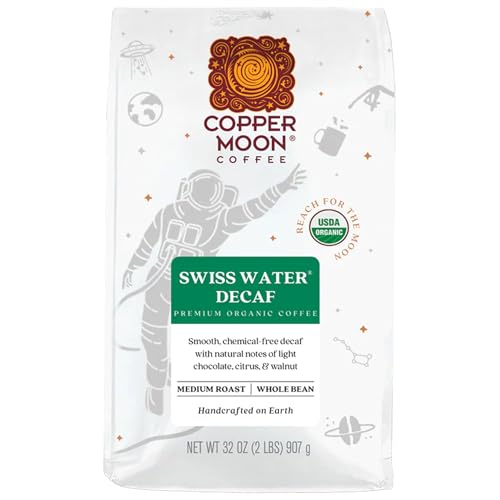
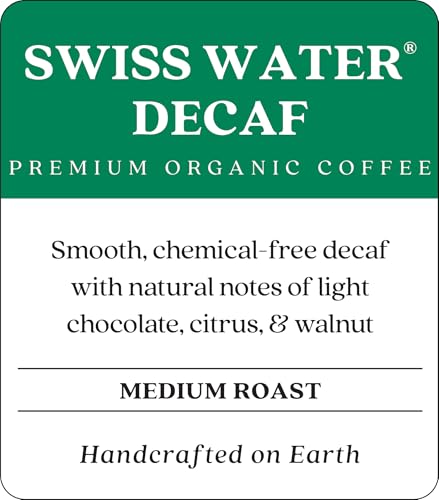
Copper Moon leans hard into clean, ethical sourcing and a no-compromise approach to organic integrity. On paper, this is a standout: USDA certified organic, 100% Arabica, grown at high elevations, and processed using the chemical-free Swiss Water method. Owners consistently report a smooth, aromatic cup with delicate notes of citrus, light chocolate, and floral hints, which suggests the roast profile respects the bean’s natural complexity.
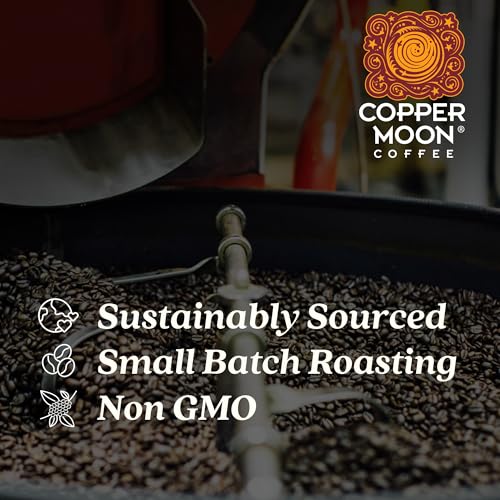
The 2-pound bag is a clear value play for daily drinkers who want bulk without sacrificing freshness, especially since the small-batch roasting and whole-bean format help lock in flavor. Compared to others in this category, it doesn’t punch with boldness, but that’s not the goal here. It’s a clean, bright, medium roast built for clarity, not intensity.
Product photos



Kicking Horse Dark Roast Swiss Water Decaf
Strengths
- Bold dark roast
- Rich hazelnut notes
- 2.2 lb size
- Organic & shade-grown
- Great for espresso
Trade-offs
- Overpowering for some
- Less brightness
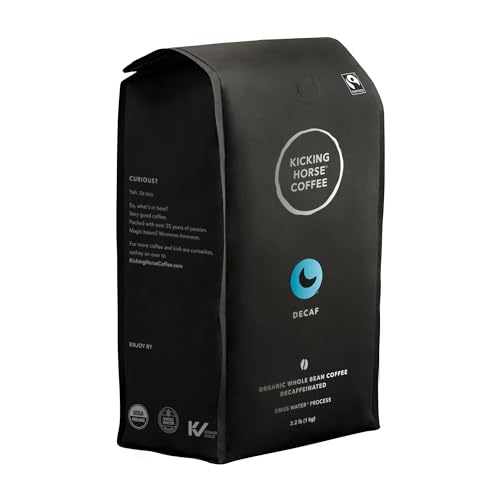
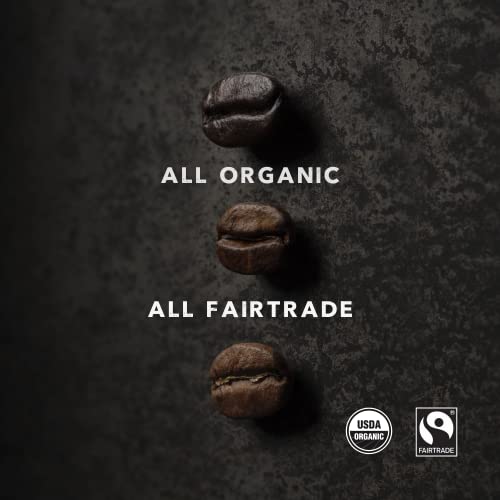
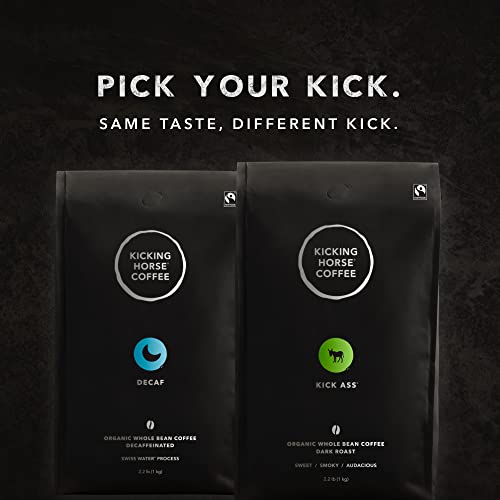
Kicking Horse goes full dark roast with this one, and it shows. This is a decaf for people who think decaf should still have attitude. The tasting notes, roasted hazelnuts, deep chocolate, a long finish, are backed up by owner feedback: it’s earthy, full-bodied, and surprisingly bold for being decaffeinated. The 2.2-pound bag gives you a little extra, and the Rocky Mountain roasting process seems to add a certain rugged consistency.
It’s 100% Arabica, organic, and grown at high elevation, which helps explain the depth. But it’s not as nuanced as Mayorga’s Cubano or as clean as Lifeboost. Instead, it’s a no-nonsense, dark roast lover’s decaf, perfect for espresso or French press. If you’re switching from regular dark roast and don’t want to feel like you’ve downgraded, this is the closest you’ll get in decaf form.
Product photos


Verena Street Sunday Drive Decaf
Strengths
- Rainforest Alliance certified
- Balanced medium roast
- Family-owned roaster
- Clean, mellow flavor
- Sustainably sourced
Trade-offs
- Flavor is mild
- Limited complexity
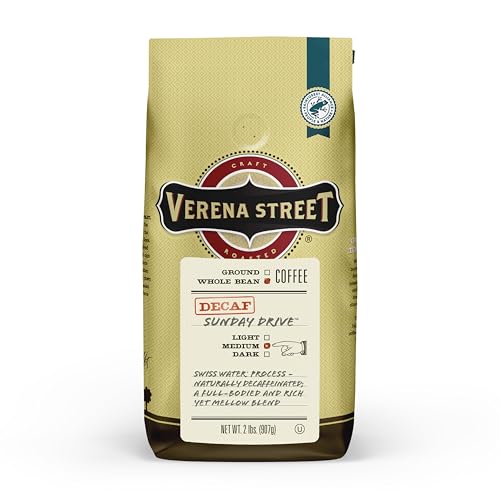
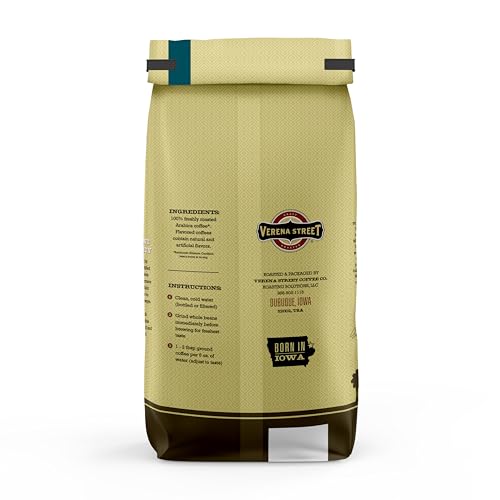
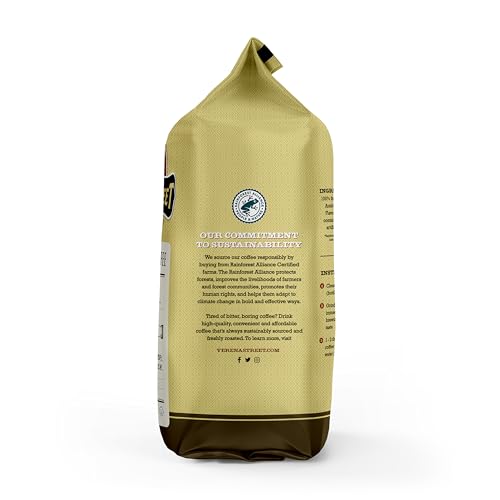
Verena Street’s Sunday Drive is the definition of a reliable, well-rounded decaf. It’s not flashy, but it’s consistently praised for being rich yet mellow, a medium roast that walks the line between brightness and body without tipping too far either way. The Swiss Water process here does its job quietly, preserving flavor while removing caffeine, and the Rainforest Alliance certification adds real weight for eco-conscious buyers.
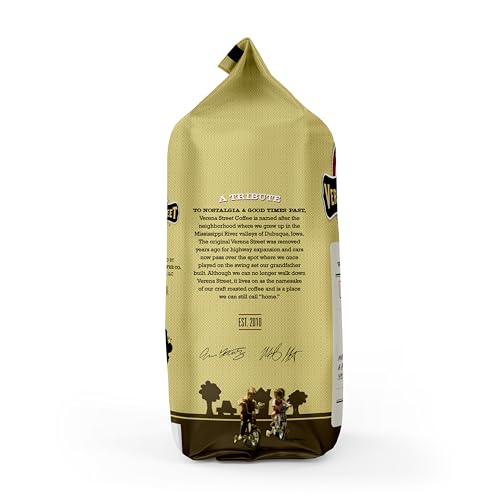
What stands out is the freshness claim: roasted and packaged in Dubuque, Iowa by a family-run operation. That local touch seems to matter to owners, who report a cleaner, more vibrant cup than expected for the price. Compared to Subtle Earth, it’s less chocolate-forward but more balanced. It’s the kind of coffee that works across brew methods without demanding attention.
Product photos
No Fun Jo Decaf Medium Dark Roast

Strengths
- Flavor complexity
- Blueberry notes
- Fair Trade certified
- Artisan micro-roast
- Specialty grade
Trade-offs
- Smaller bag
- Limited availability
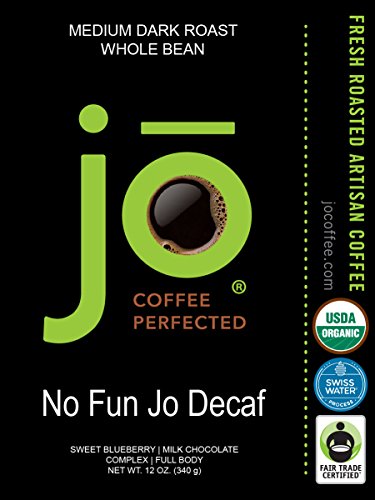
No Fun Jo stands out for one reason: flavor complexity. Most decafs play it safe, but this one delivers cupping notes of sweet blueberry and milk chocolate, real, discernible layers that reviewers confirm come through in the cup. It’s a medium-dark roast, so it has body and warmth, but the brightness of those berry notes keeps it lively. The Swiss Water process clearly didn’t dull the character, and the fact that it’s specialty grade (top 2%) explains the quality.
Fair Trade, USDA organic, and roasted in small batches by artisan roasters, it’s a craft coffee with ethics to match. The 12-ounce size means it’s not built for bulk, but that also ensures freshness. Compared to Lifeboost, it’s less about lab testing and more about sensory experience, my pick if you want a decaf that surprises your palate.
Product photos


Mayorga Decaf Cubano Roast

Strengths
- Cuban-style roast
- Low acidity
- Direct trade sourcing
- Smooth bold finish
- Slow-roasted depth
Trade-offs
- Flavor leans sweet
- Not for purists
Mayorga’s Cubano Roast brings something rare to decaf: cultural authenticity. This isn’t just dark roast decaf, it’s a homage to Cuban coffee traditions, with a slow-roasted profile that delivers syrupy smokiness, a touch of vanilla, and a bold, smooth finish. The Swiss Water process preserves much of that depth, which reviewers note is unusual for decaf. I’d argue this is one of the few decafs that actually drinks like a full-caffeine dark roast, minus the jolt.
Sourced from small Latin American farms and roasted in the USA, it’s also a strong pick for buyers who care about direct trade and farmer equity. The blend from Peru, Honduras, and Nicaragua gives it layered consistency, and the low acidity makes it easy on the stomach. Compared to Kicking Horse, it’s less earthy and more sweetly spiced, less campfire, more Havana café.
Product photos



How We Picked These swiss water decaf coffee beans
As the founder of Bean Thusiast, I approach coffee selection with a focus on flavor profiles, ethical sourcing, and processing methods. Rather than a hands-on lab test, this is a research-led comparison of specifications and owner feedback across numerous brands offering Swiss Water decaf options. I compared bean origins, roast levels, certifications, and reported flavor notes, then weighed these against what customers are actually saying about taste and consistency.
For Swiss Water decaf, the key factors determining quality are the bean origin and the roast level. Higher-quality Arabica beans, especially those grown at elevation, tend to yield a more complex and balanced cup, even after decaffeination. A skilled roast – whether light, medium, or dark – is crucial for bringing out those inherent flavors without introducing bitterness. The Swiss Water Process explained is also vital; it’s the gold standard for retaining flavor during decaffeination.
Specifications reliably reveal bean type (100% Arabica is preferred) and origin, giving a baseline expectation of flavor. However, owner reviews are where the true differences emerge. I prioritized feedback regarding smoothness, lack of chemical taste (a common complaint with other decaf methods), and the preservation of the coffee’s original character. Reputation and certifications (like USDA Organic) also factored heavily into the final assessment, signaling a commitment to quality and sustainability.
How To Pick The Right swiss water decaf coffee beans
Finding a truly satisfying decaf can be a challenge, but thankfully the Swiss Water Process offers a superior option for those avoiding caffeine.
The best Swiss Water decaf coffee beans prioritize bean quality and freshness above all else. Look for 100% Arabica beans, ideally single-origin or clearly blended with transparent sourcing. The roast level should match your preference, but a lighter to medium roast will showcase the nuances preserved by the Swiss Water Process, while darker roasts can mask some subtleties. Finally, verify certifications (USDA Organic, Fair Trade) to support ethical and sustainable practices.
Roast Level and Flavor Profile
Many people assume decaf inherently tastes “flat” or different, but that’s often due to the decaffeination method rather than the lack of caffeine itself. Swiss Water is known for preserving flavor, but the roast level still dramatically impacts the final cup. Lighter roasts will highlight the origin characteristics, resulting in brighter, more acidic coffees with floral or fruity notes. Darker roasts deliver a bolder, smokier flavor, often with chocolatey undertones, but can obscure the bean’s inherent qualities. I generally recommend exploring medium roasts first to get a feel for what the Swiss Water Process can truly offer. If you enjoy a bolder cup, Kicking Horse Dark Roast Swiss Water Decaf is a popular choice.
Bean Origin and Sourcing
The origin of the bean plays a huge role, even in decaf. Just like with caffeinated coffee, beans from different regions will offer distinct flavor profiles. Central American beans, like those found in Lifeboost, often exhibit notes of chocolate and nuts, while East African varieties can lean towards citrus and floral nuances. Beyond region, pay attention to whether the coffee is single-origin or a blend. Single-origin coffees offer a more focused, representative taste of a specific farm or region. If you’re interested in exploring a wider range of origins, you might find a blend more appealing, but transparency about the blend’s components is crucial.
Here’s what I look for when evaluating sourcing: * Direct Trade: This indicates a closer relationship between the roaster and the farmers. * Fair Trade Certification: A good baseline for ensuring fair prices and working conditions. * Organic Certification (USDA Organic): This guarantees the beans were grown without synthetic pesticides or fertilizers, and is a great indicator of overall quality. This is especially relevant when considering options like Copper Moon Organic Swiss Water Decaf.
Freshness and Packaging
This is where many brands fall short. Swiss Water decaf, like all coffee, degrades over time. Look for beans that are recently roasted (a “roasted on” date is ideal, rather than a “best by” date) and packaged in a way that protects them from air, moisture, and light. Whole bean coffee is always preferable, as grinding accelerates flavor loss. Resealable bags with one-way valves are a good sign. Even the best Swiss Water decaf coffee, like those from Verena Street, will lose its vibrancy if stored improperly. You can learn more about the flavor of decaf beans and how freshness impacts the final result.
A “roasted on” date is more valuable than a “best by” date. Coffee is best enjoyed within a few weeks of roasting; aim to consume your beans within 60 days of that date for optimal flavor.
I hope this helps you find your ideal cup. For a more in-depth look at the options available, be sure to check out our guide to the best Swiss Water decaf coffee.
Swiss Water Decaf Coffee Beans Compared
Here’s a comparison of key specifications for various Swiss Water decaf coffee beans.
| Product Name | Roast Level | Origin | Process | Bean Type | Size (oz) |
|---|---|---|---|---|---|
| Lifeboost Medium Roast | Medium | Central America | Swiss Water | Arabica | N/A |
| Subtle Earth Organic Decaf | Med-Dark | Honduras | Swiss Water | Arabica | N/A |
| Copper Moon Organic Swiss Water | Medium | N/A | Swiss Water | Arabica | N/A |
| Kicking Horse Dark Roast | Dark | N/A | Swiss Water | Arabica | N/A |
| Verena Street Sunday Drive | Medium | N/A | Swiss Water | N/A | 32 |
| No Fun Jo Decaf | Med-Dark | Worldwide | Swiss Water | Arabica | 12/32 |
| Mayorga Decaf Cubano Roast | Dark | Peru/Honduras/Nicaragua | Swiss Water | Arabica | N/A |
Frequently Asked Questions
What decaf bean type generally tastes best with the Swiss Water Process?
100% Arabica beans are consistently recommended, as they offer a smoother, less acidic profile that shines when processed with Swiss Water. While Robusta beans are sometimes used in decaf blends for added caffeine reduction and crema, they can impart a harsher taste.
How does the roast level affect the flavor of Swiss Water decaf?
A lighter to medium roast will best showcase the origin flavors preserved by the Swiss Water Process, offering brighter acidity and nuanced notes. Darker roasts can mask these subtleties, delivering a bolder but less complex cup.
Is Swiss Water decaf truly caffeine-free?
Swiss Water decaf isn’t completely caffeine-free; it typically contains around 3mg of caffeine per 8oz cup. This is a significant reduction from regular coffee (around 95mg) and is considered negligible for most people.
Where can I find more information about the Swiss Water Process itself?
You can find top decaf beans with Swiss Water Process on my site, which details the method and why it’s considered superior for preserving coffee flavor. It explains how the process works without harsh chemicals.
What should I look for on the packaging to guarantee freshness?
Prioritize beans with a “roasted on” date, not a “best by” date, and look for packaging that’s resealable and protects against air, moisture, and light. Consuming your beans within 60 days of the roast date will ensure the best flavor experience, even with high-quality Swiss Water decaf.
The Bottom Line
Choosing the best Swiss Water decaf really comes down to balancing your desire for convenience with your willingness to pay for quality. While there are affordable options available, I believe Lifeboost Medium Roast strikes the best overall balance – consistently high ratings, 100% Arabica beans, and a focus on ethical sourcing make it a solid choice for daily enjoyment.
For those on a tighter budget, No Fun Jo Decaf offers a surprisingly flavorful cup at a more accessible price point. If you prefer a bolder, darker roast, Kicking Horse Dark Roast is a well-regarded option that delivers a robust flavor without sacrificing the smoothness of the Swiss Water Process. And for those prioritizing organic certification and a lighter profile, Copper Moon Organic Swiss Water is an excellent pick.
Ultimately, the most important factors aren’t listed on the bag. Focus on finding freshly roasted, whole bean coffee and storing it properly. Understanding decaffeination techniques overview will also help you appreciate why Swiss Water is a superior method, and remembering that bean origin and roast level are key to unlocking a satisfying cup will guide you toward your perfect brew.
