
Coffee Before a Fasting Blood Test: What You Must Know Now
No, you cannot drink coffee before a fasting blood test. A true fast means consuming nothing but plain water for 8 to 12 hours before your blood draw. This rule includes black coffee, decaf, tea, and all other beverages.
Most people think the fast is just about food. They believe a cup of black coffee on the way to the lab is a harmless cheat. It isn’t. The caffeine, acids, and even trace compounds in coffee trigger measurable physiological changes that skew results for glucose, lipids, and liver enzymes. You risk an inaccurate reading, a repeat test, or worse, an unnecessary change to your medication.
This guide walks through exactly why coffee breaks the fast, which specific tests it affects, and what to do if you make a mistake. We’ll also cover the other common pre-test errors that send perfectly healthy people back to the lab.
Key Takeaways
- “Water only” means water only. Black coffee, decaf, tea, and diet soda all contain compounds that can alter blood test results, invalidating the fast.
- Caffeine is just one culprit. Even zero-calorie black coffee affects digestion, liver enzyme activity, and insulin sensitivity, which changes biomarker levels.
- The biggest risk isn’t a slightly high number. It’s a result that looks pathologically abnormal, leading to repeat tests, specialist referrals, or incorrect medication adjustments.
- Always ask about medications. Never stop prescribed drugs like blood pressure or seizure medication before a test unless your doctor explicitly tells you to.
- If you slip up, tell everyone. Inform the phlebotomist and your doctor immediately if you break the fast; they can note it on your chart and possibly reschedule.
What Exactly Is a Fasting Blood Test?
A fasting blood test requires you to abstain from all caloric intake for a set period before your blood draw, typically 8 to 12 hours. The goal is to get a baseline measurement of your body’s resting state, free from the immediate influences of food and drink.
For a fasting blood glucose test, you will be asked not to eat or drink anything (except water) for at least 8 hours before the test. This directive from the American Diabetes Association is the standard for lipid panels and metabolic tests as well.
When you eat or drink anything other than water, your body kicks into digestion mode. Insulin rises to manage blood sugar. Triglycerides flood into your bloodstream from dietary fats. Your liver gets busy processing nutrients. This metabolic activity changes the concentration of dozens of substances in your blood. Fasting resets the system to a neutral, comparable state so your results reflect your underlying health, not your recent meal.
TL;DR: Fasting establishes a metabolic baseline by eliminating food and drink effects, allowing for accurate comparisons of glucose, cholesterol, and other key biomarkers.
Why Coffee, Even Black, Breaks Your Fast
The confusion is understandable. A black coffee has virtually no calories or sugar. It feels like it shouldn’t count. But a fast isn’t just about calories; it’s about avoiding anything that provokes a metabolic or hormonal response. Coffee does exactly that.
First, caffeine stimulates the release of stress hormones like cortisol and adrenaline. These hormones tell your liver to dump stored glucose into your bloodstream, raising your blood sugar. A study accessible through the NIH study on coffee before phlebotomy found that caffeine consumption could elevate blood glucose levels, potentially leading to a falsely high fasting glucose reading.
Second, coffee’s acids and other compounds stimulate gastric acid and digestive enzyme production. This puts your digestive system on alert, altering levels of certain enzymes measured in a comprehensive metabolic panel.
Third, even the trace amounts of fats and proteins in black coffee can slightly affect very sensitive lipid tests. And if you add anything—a splash of milk, a sugar substitute, a dash of cinnamon—you’ve unequivocally broken the fast. The Cleveland Clinic blood work fasting article explicitly states to avoid all beverages except water, noting that caffeine can affect blood sugar levels.
Decaffeinated coffee isn’t a safe alternative either. The decaffeination process doesn’t remove all the other bioactive compounds that influence digestion and liver function.
| Beverage | Why It Breaks the Fast | Primary Tests Affected |
|---|---|---|
| Black Coffee | Caffeine raises cortisol & blood glucose; acids stimulate digestion. | Fasting Glucose, Lipid Panel |
| Decaf Coffee | Contains other organic acids & compounds that alter liver metabolism. | Liver Enzymes (ALT/AST), Metabolic Panel |
| Tea (Black/Green) | Contains caffeine & tannins; triggers similar metabolic response. | Fasting Glucose, Cortisol |
| Diet Soda | Artificial sweeteners can provoke an insulin response in some people. | Insulin, Glucose |
| Bone Broth | Contains protein & fat, which require metabolic processing. | Triglycerides, Uric Acid |
The rule is absolute for a reason. If your test says “fasting,” your drink choice is water.
The Tests Most Sensitive to a Coffee Slip-Up
Not all blood tests require fasting. But for the ones that do, coffee’s impact isn’t minor. It can push a borderline result into abnormal territory.
Fasting Blood Glucose and HbA1c: This is the most direct effect. Caffeine-induced cortisol spikes raise blood sugar. A single cup could push a 99 mg/dL reading (normal) to 110 mg/dL (pre-diabetic), triggering a whole new care pathway. It muddies the picture for managing coffee and heart health where glucose control is a factor.
Lipid Panel (Cholesterol & Triglycerides): Coffee oils, even in filtered coffee, can raise triglyceride levels. Furthermore, the metabolic shift from caffeine can temporarily alter how your body circulates cholesterol particles. An inaccurate high triglyceride reading might lead to an unnecessary statin prescription.
Liver Function Tests (ALT, AST): Coffee influences the activity of liver enzymes. A study might show a mild elevation in ALT after coffee consumption, which a doctor could misinterpret as early signs of liver inflammation or fatty liver disease.
Cortisol: Since caffeine stimulates cortisol production, a morning blood test for cortisol levels will be useless if you’ve had coffee. It will show an artificially high level, potentially leading to an incorrect investigation for Cushing’s syndrome.
TL;DR: Coffee most significantly skews fasting glucose, lipid panels, and cortisol tests, risking misdiagnosis of pre-diabetes, high cholesterol, or adrenal disorders.
The Real-World Consequences of a Coffee Slip-Up
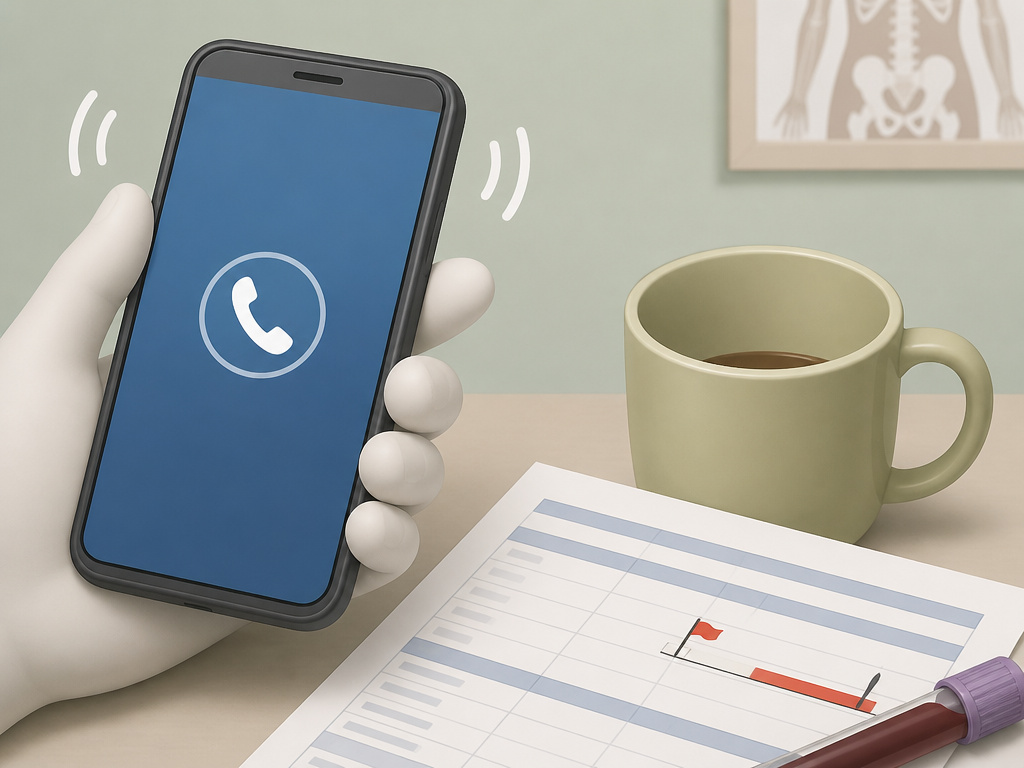
So you drink the coffee. What actually happens? The scenario isn’t just a slightly off number. It’s a cascade of wasted time, money, and medical anxiety.
First, the lab processes your sample. The results come back to your doctor with a flagged high glucose or triglyceride level. Your doctor, trusting the fast was followed, now sees a potential problem. Their duty is to investigate.
You get a call. “Your fasting glucose came back elevated. We need to re-test to confirm.” Now you must schedule another lab visit, take another morning off work, and get another needle stick. If the second test is normal, the first is chalked up to a lab error or unknown variable. But you’ve spent time and stress.
Worse is when the abnormal result fits a pattern. Maybe your blood pressure is also borderline. A high fasting glucose could now tip the scales toward a pre-diabetes diagnosis. You might be sent for more expensive tests, like an oral glucose tolerance test, or referred to an endocrinologist. All because of a single cup of coffee.
The most dangerous outcome is an unnecessary medication change. If a doctor believes your thyroid test (affected by biotin, often found in supplements) or your blood sugar is chronically high, they might adjust your medication dose. This is a real risk documented in patient education materials like the MedlinePlus fasting blood test guide.
Common mistake: Having “just one” black coffee because you have a headache — the caffeine spike will raise your cortisol and glucose enough to invalidate a fasting lipid panel, and you’ll get a call-back for a repeat test within 48 hours.
The financial and emotional cost of a repeat test is frustrating. The cost of a misdiagnosis is serious.
What Can You Have? The Complete Pre-Test Checklist
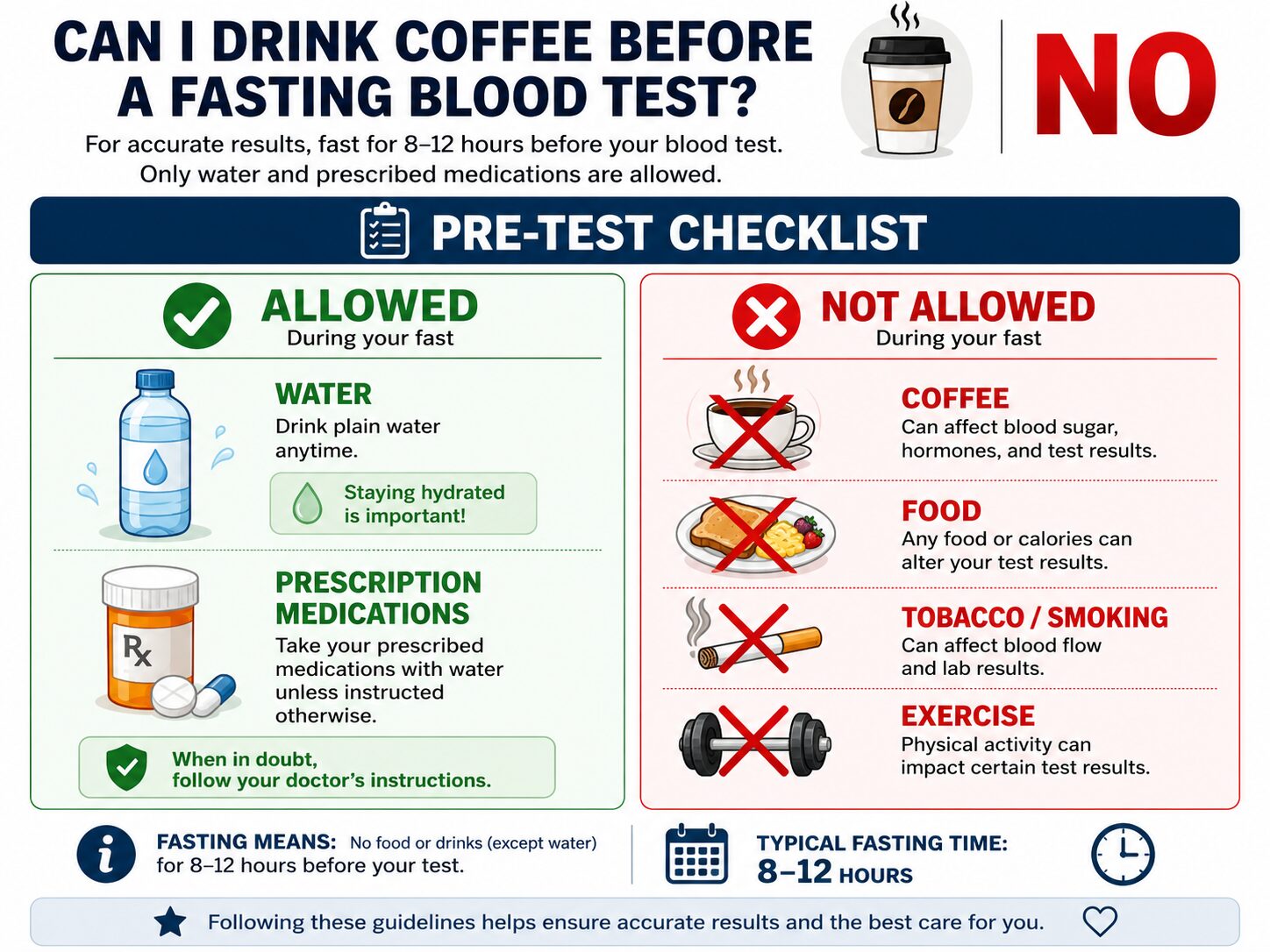
The rules are stricter than most people assume, but they’re simple once you know them.
You CAN have:
- Plain, unflavored water. Drink plenty of it the night before and the morning of your test to stay hydrated, which makes your veins easier to access.
- Your prescribed medications. Continue taking all your regular prescription medications unless your doctor has specifically told you to hold them. This is critical for heart, blood pressure, seizure, and thyroid medications.
- Nothing else. Seriously.
You MUST AVOID:
- All coffee and tea (hot, iced, black, green, herbal).
- Juice, soda, sports drinks, and alcohol.
- Food, gum, mints, or cough drops. Even sugar-free gum can stimulate digestive enzymes.
- Smoking or vaping. Nicotine is a stimulant that affects circulation and heart rate.
- Strenuous exercise. Avoid heavy workouts the day before and the morning of your test, as exercise increases muscle enzyme (creatine kinase) levels.
- Biotin supplements. A common culprit, biotin can interfere with thyroid, hormone, and troponin tests. Stop any hair, skin, or nail supplements containing biotin at least 2-3 days before your test.
If You Messed Up: Your Next Steps
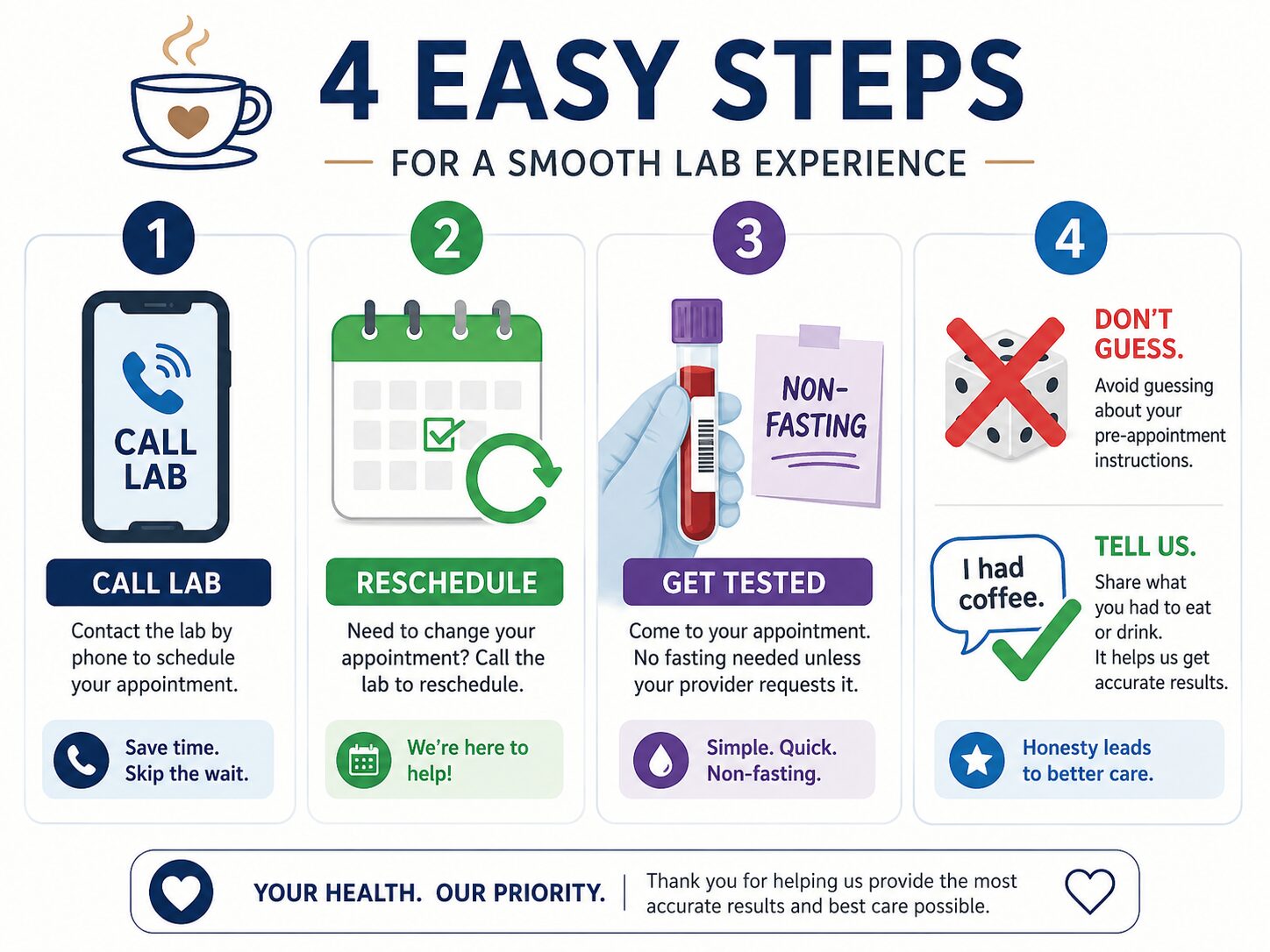
You woke up, autopiloted to the coffee maker, and took two sips before you remembered. Don’t panic. Don’t try to hide it.
- Call the lab or your doctor’s office immediately. Tell them exactly what you consumed and how much. A single sip of black coffee is different from a full latte.
- Ask if you should reschedule. Many labs would rather have you come back another day for an accurate result than process a known-compromised sample. This is the best option.
- If you proceed with the draw, tell the phlebotomist. They will note “non-fasting” or “patient consumed coffee” on your requisition form. This tells the lab and your doctor to interpret the results with that context.
- Never just roll the dice. The worst thing you can do is say nothing. You risk basing medical decisions on faulty data. Being honest about a caffeine consumption limits slip-up is far better than a misread test.
Frequently Asked Questions
Can I drink decaf coffee before a fasting blood test?
No. Decaffeinated coffee still contains acids and other compounds that stimulate digestion and liver activity. The fast requires no metabolic provocation, which decaf provides.
What about a small splash of milk or cream?
Absolutely not. Any caloric intake, including fat and protein from dairy, breaks the fast. It will affect triglyceride and possibly glucose results.
How long do I really need to fast?
The standard is 8 to 12 hours. For a basic metabolic panel or cholesterol test, 8 hours is often sufficient. For a full lipid panel or if you’re being tested for diabetes, your doctor may request a full 12-hour fast for the most accurate triglyceride reading. Always follow the specific instructions on your lab requisition.
Can I take my medication with a small sip of coffee?
Do not take medication with coffee if you are fasting. Take pills with a small sip of plain water. If a medication must be taken with food, you must clarify with your doctor whether to skip the dose or reschedule the test.
Does this apply to all blood tests?
No. Many routine tests, like a complete blood count (CBC) or thyroid test (unless affected by biotin), do not require fasting. However, you should always confirm with your doctor or the lab when you schedule. Never assume.
The Bottom Line
The “fast” in “fasting blood test” is non-negotiable. It means water, and only water, for 8 to 12 hours beforehand. Coffee, even in its purest black form, introduces variables that can falsely elevate glucose, lipids, and liver enzymes, leading to unnecessary worry, repeat testing, or clinical error.
The mechanics are clear: caffeine stimulates cortisol, which raises blood sugar. Coffee acids jump-start your digestive system. These are measurable effects that defeat the purpose of a baseline test. Your best move is to set a reminder, put the coffee maker out of sight the night before, and plan your reward for after the blood draw.
If you do slip up, your path is simple—full disclosure. Call your doctor, reschedule if possible, and never let a two-minute mistake dictate your health data for the next year. Your numbers should reflect your health, not your morning routine.
