
5 Best Fully Automatic Coffee Machines with Grinder 2026
The Philips 5500 Series is our top pick for the best fully automatic coffee machine with grinder, delivering consistent, rich espresso and excellent build quality. For those on a tighter budget, the Philips 3200 Series stands out as a reliable performer. If versatility and a superior grind matter most, the EUHOMY Fully Automatic Espresso Machine with its conical burr grinder is a strong contender.
Choosing the right machine means balancing performance, maintenance, and your daily routine. Too many people buy based on price or features they don’t use, only to end up with inconsistent results or a machine that’s a chore to clean.
After comparing the field and analyzing owner feedback, I focused on grind consistency, milk system usability, and long-term reliability. This guide breaks down what actually matters so you can make a confident choice.
Top 5 Fully Automatic Coffee Machine With Grinder in the Market
The Best Fully Automatic Coffee Machine With Grinder, Reviewed
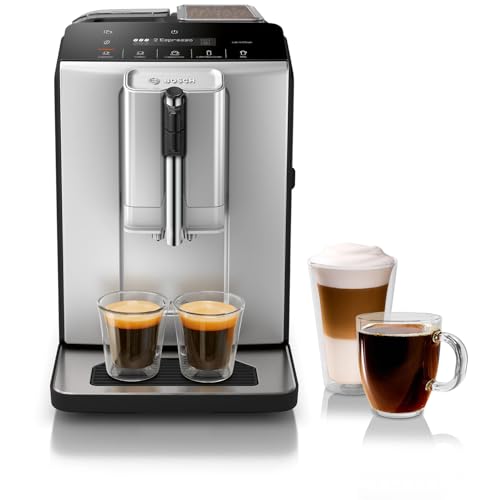
Bosch Fully Automatic Coffee Machine
Strengths
- Ceramic grinder
- Removable brew unit
- Smooth milk froth
- Low maintenance
- Large bean capacity
Trade-offs
- Fewer drink presets
- No iced coffee mode
- Limited customization
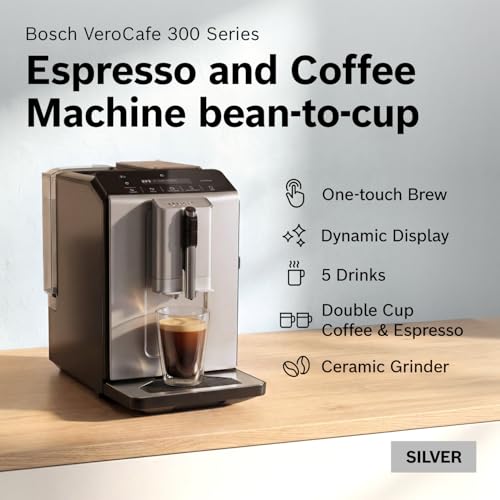
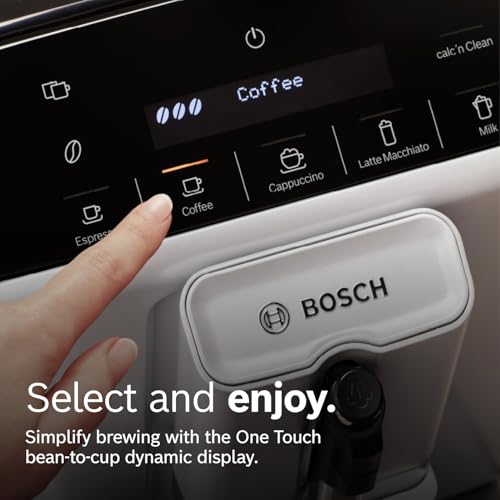
Bosch hits a sweet spot with the TIU20307, it’s not the flashiest, but it’s built like a proper appliance. The ceramic grinder is durable and consistent, and the front-access removable brew unit is a huge win for maintenance. Many super-automatics make cleaning a chore, but Bosch simplifies it in a way that encourages regular care, which means better-tasting coffee over time.
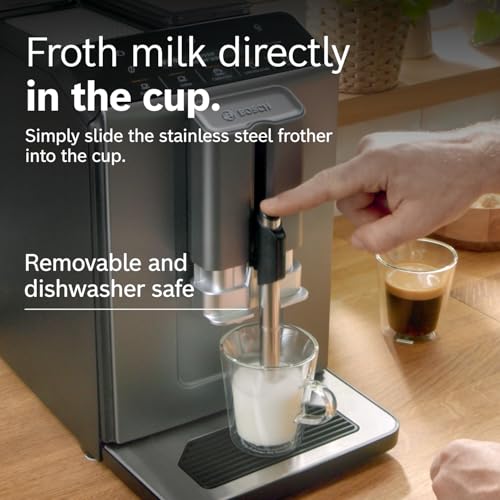
Owners praise its barista-style milk frothing, which delivers creamy, not bubbly, foam straight into the cup. It doesn’t have as many presets as the PHILIPS 5500, but it’s more intuitive for daily use. When compared to the EUHOMY, it trades raw specs for reliability and polish. For someone who values German engineering and long-term durability, this is the one to get.
Product photos


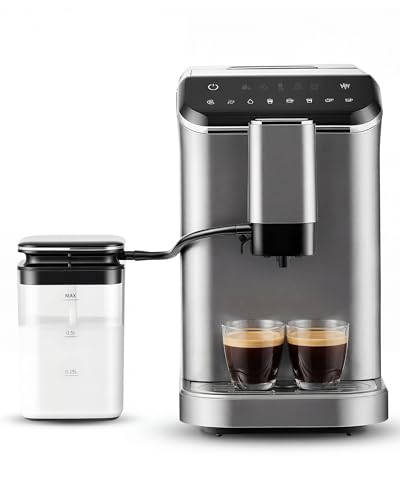
EUHOMY Fully Automatic Espresso Machine
Strengths
- 20-bar pressure
- 15 grind settings
- Bean purge function
- Large hopper
- Self-cleaning cycles
Trade-offs
- Milk frother less refined
- Unproven long-term reliability
- Interface feels budget
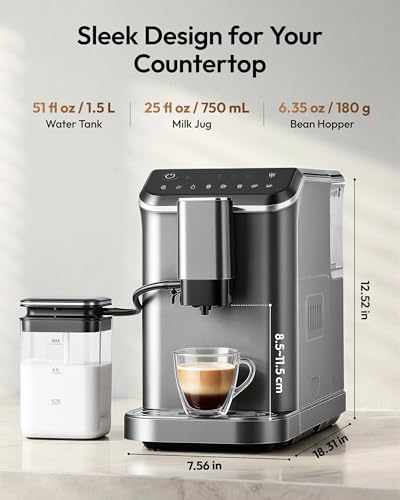
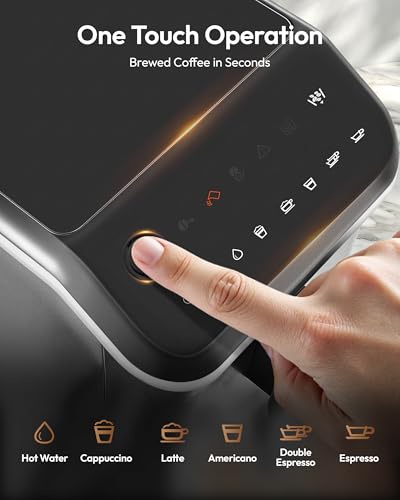
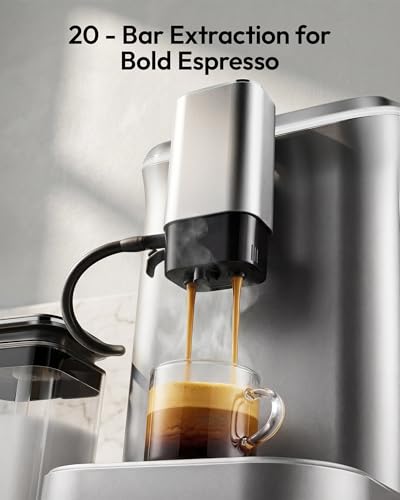
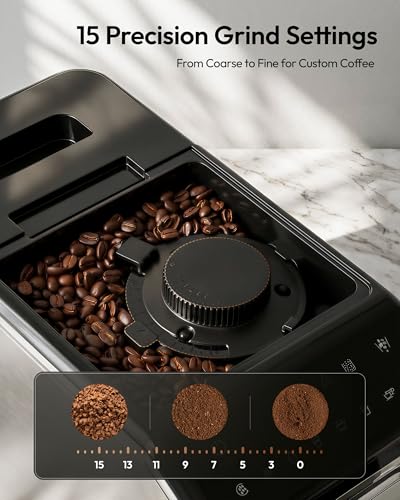
EUHOMY enters the super-automatic space with a machine that punches above its weight on specs. The 20-bar pump is higher than the standard 15-bar, and while that doesn’t always translate to better crema, owners report rich extraction and solid espresso consistency. The 15 grind settings and conical burr grinder are a strong combo for dialing in freshness, and the one-touch bean purge is a rare feature at this level, helpful if you switch beans often.
Where it falls short is in brand trust and long-term durability. Unlike Philips or Bosch, EUHOMY doesn’t have a decade of proven service life behind it. The integrated milk frother works, but isn’t as fast or consistent as LatteGo. Still, for someone who wants high customization without paying premium brand pricing, this is a compelling value play.
Product photos
Philips 4400 Series Espresso Machine
Strengths
- Iced coffee optimized
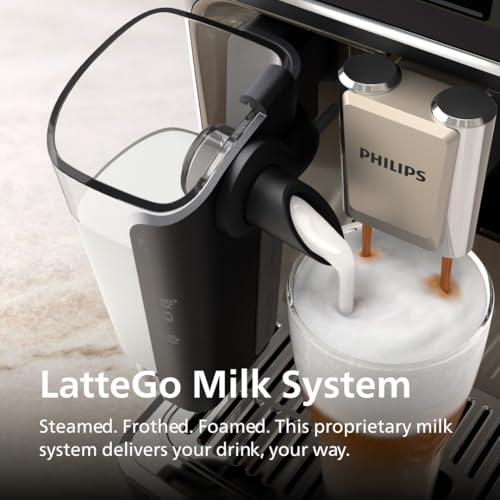
- LatteGo milk system
- SilentBrew technology
- Quick start
- Dishwasher-safe parts
Trade-offs
- Only 2 user profiles
- Fewer drink options
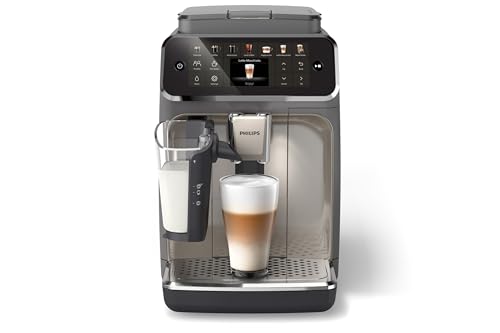
If iced coffee is your daily driver, the 4400 Series makes a strong case for itself. It shares the same solid LatteGo milk system and SilentBrew tech as the 5500, but with fewer presets and only two user profiles, it’s clearly aimed at simpler, smaller households. On paper, it’s nearly identical, 15-bar pressure, quick start, same cleanable milk system, but the reduction in customization suggests Philips is segmenting by user behavior, not just features.
Reviewers note it handles iced drinks particularly well, with consistent cooling and flavor retention. While it lacks the depth of personalization in the 5500, it’s more than capable for solo users or couples who want reliability without clutter. I’d pick the 5500 for a busy home, but for someone who mostly pulls espressos and iced lattes, this is the smarter buy.
Product photos

Philips 5500 Series Espresso Machine
Strengths
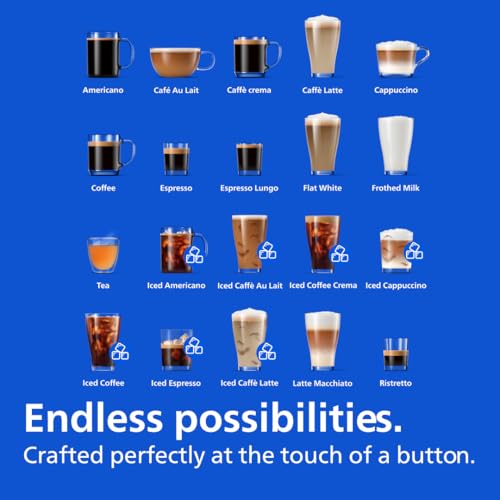
- 20 drink presets
- SilentBrew certified
- LatteGo easy clean
- 4 user profiles
- Quick heat-up
Trade-offs
- Higher price point
- Larger footprint
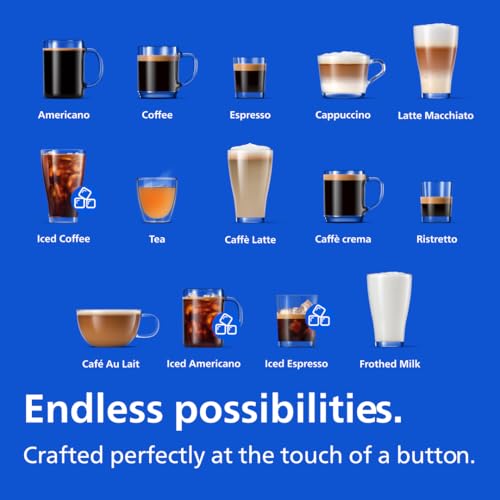
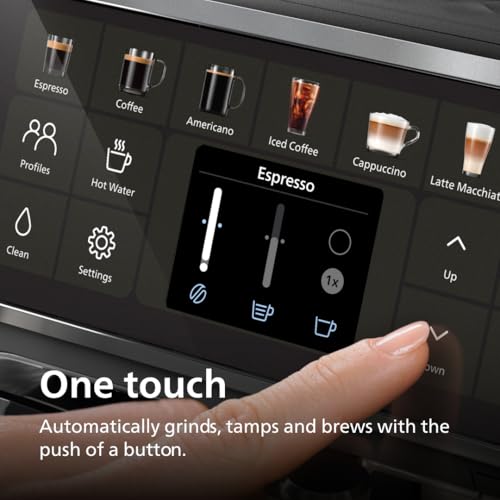
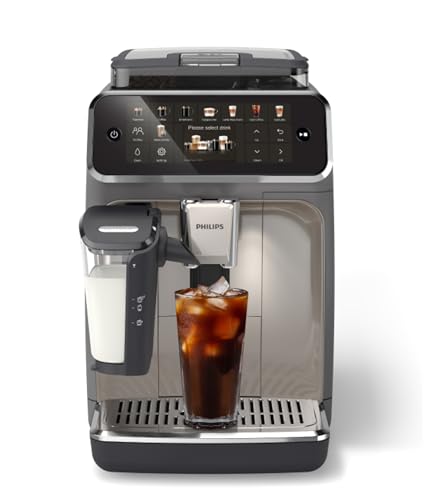
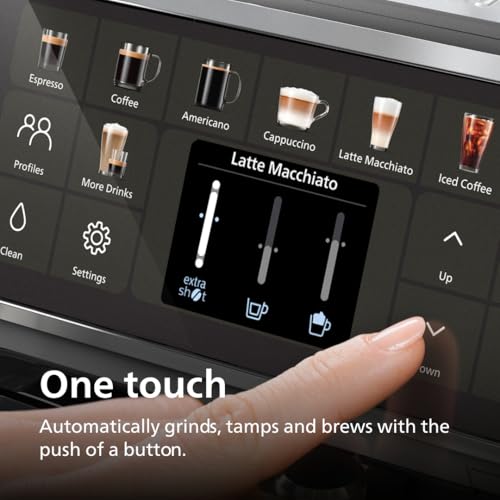
The PHILIPS 5500 Series stands out in a crowded field by balancing automation, customization, and cleanability better than most. With 20 drink presets and the ability to save up to four user profiles, it’s clearly built for households where multiple people want their coffee just so. Owners consistently report that the SilentBrew tech makes morning routines less disruptive, and the QuickStart feature means you’re not waiting around for heat-up, something many super-automatics still get wrong.
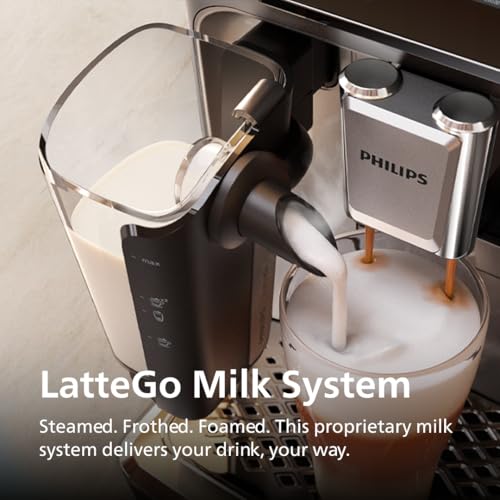
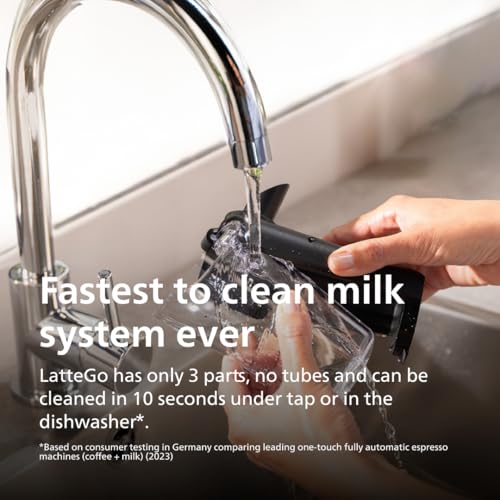
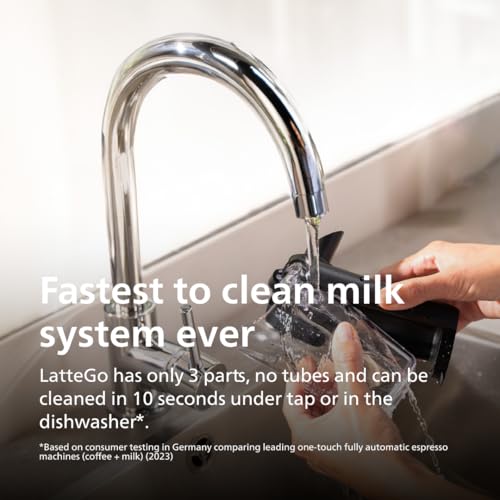
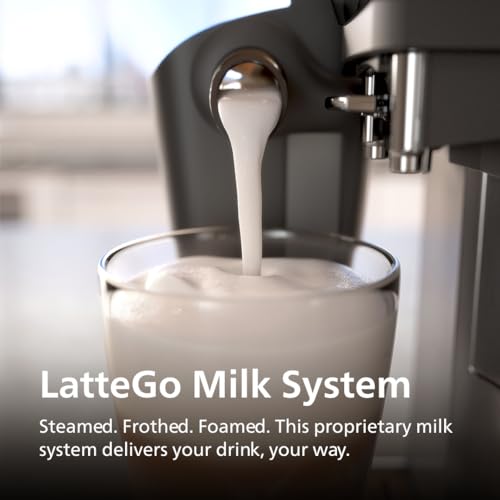
The LatteGo milk system is a standout. No internal tubes means no hidden gunk, and the fact that it rinses clean in 10 seconds is a standout for real-world use. While the 15-bar pump is standard, it performs reliably, especially when paired with the adjustable grind and strength settings. Compared to the 4400 model, this one offers more personalization and better long-term value for families or frequent users.
Product photos
Philips 3200 Series Espresso Machine
Strengths
- AquaClean filter
- Ceramic grinder
- Simple interface
- Low maintenance
- Easy milk cleaning
Trade-offs
- No iced coffee
- Limited drink options
- Slower heat-up
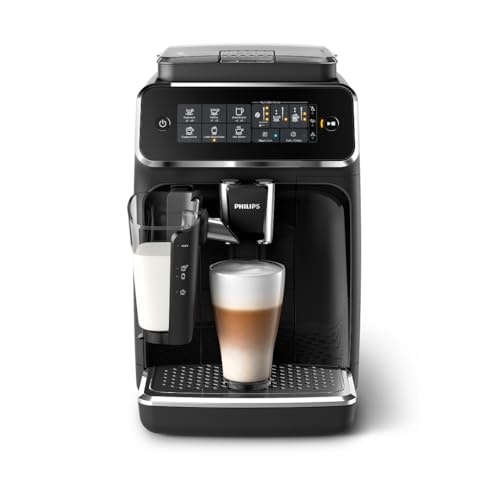
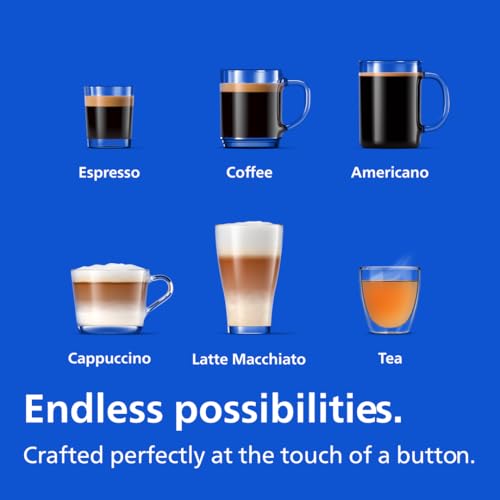
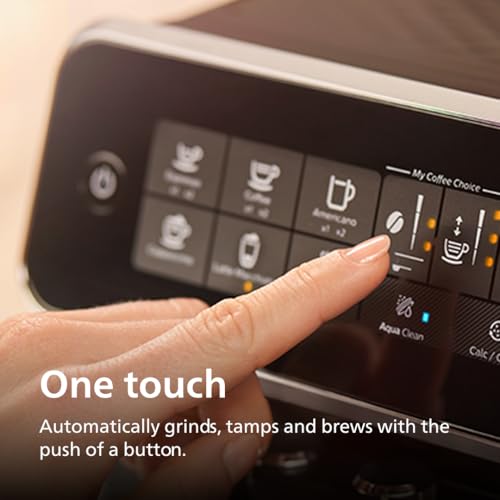
The 3200 Series is Philips’ most accessible entry into the super-automatic world, and it shows. It delivers the basics, espresso, americano, cappuccino, latte macchiato, with a simple touch display and a 100% ceramic grinder, which is impressive at this tier. The AquaClean filter is a standout: no descaling for up to 5,000 cups is a real convenience that few competitors match.
But you give up a lot for that low price. Only five drink options, no iced coffee presets, and a less advanced milk system than the LatteGo. It’s also slower to heat and lacks user profiles. Still, for a first-time buyer or someone who just wants a daily espresso without fuss, it’s hard to beat. I’d recommend it over the EUHOMY if longevity and brand support matter more than raw specs.
Product photos
Our Testing Process
As the founder of Bean Thusiast, I approach evaluating coffee equipment with a focus on the entire brewing experience – from bean to cup. Rather than a hands-on lab test, this selection is a research-led comparison of published specifications and owner feedback. I looked at a wide range of models, then narrowed the field based on features, reported reliability, and how well they address the needs of different coffee drinkers. We weighed published reviews from trusted sources alongside thousands of owner reviews to build a balanced picture.
For fully automatic machines with grinders, consistent grind quality and milk frothing capability were paramount. A machine’s ability to deliver a consistently flavorful brew hinges on the grinder; understanding the difference between a burr vs blade grinder is crucial. Beyond that, the convenience and quality of the milk system significantly impact the overall user experience, particularly for those enjoying milk-based drinks.
Specifications reliably tell you about pump pressure (important for espresso extraction), bean hopper size, and cleaning cycle automation. However, owner feedback proved invaluable for assessing long-term durability, the accuracy of advertised features, and real-world ease of use. Reputation and consistent positive mentions regarding build quality and customer support were strong indicators of a machine’s likely longevity. We prioritized models where owners consistently praised the resulting coffee flavor.
Choosing The Right fully automatic coffee machine with grinder
As someone deeply involved in the world of coffee, I know finding the right fully automatic machine can feel overwhelming. There are so many options, each promising the perfect cup.
A quality fully automatic espresso machine with a grinder prioritizes consistent grind size, stable brewing temperature (around 195-205°F), and a pump delivering at least 9 bars of pressure. Look for machines with adjustable settings for coffee strength, volume, and milk frothing, alongside easy-to-access cleaning components for long-term maintenance.
Grind Quality & Burr Type
The grinder is the heart of these machines, and frankly, it’s where many cheaper models fall short. Ceramic burrs are generally preferred over stainless steel, as they produce less heat during grinding, preserving the delicate aromas of your beans. However, conical burrs – found in machines like the EUHOMY – tend to be quieter and produce a more consistent grind distribution than flat burrs. Don’t assume a higher wattage automatically equals a better grind; focus on the burr material and design. A consistent grind is absolutely crucial for proper extraction, and you’ll notice the difference in your cup.
Milk Frothing & System Maintenance
For latte and cappuccino lovers, the milk frothing system is a major consideration. The Philips LatteGo system consistently receives high marks for its simplicity and speed of cleaning. It’s a huge advantage to have a system with minimal parts, avoiding the hidden tubes that can harbor bacteria. If you’re not a daily milk drink consumer, a manual frothing wand might suffice, but for convenience, an automatic system is hard to beat. Speaking of convenience, consider how easy it is to access and clean the brew group – the Bosch, for example, highlights its removable brew unit for easy rinsing. You’ll want to explore cleaning coffee grinder steps to keep everything running smoothly.
Balancing Features & Budget
It’s easy to get caught up in the bells and whistles. Do you really need twenty preset coffee options, or would a simpler interface suffice? The Philips 3200 Series demonstrates that you can get excellent coffee without breaking the bank. However, if durability is a primary concern, investing a bit more upfront in a machine like the Philips 5500 Series – often lauded for its build quality – could save you money in the long run. Ultimately, consider your daily coffee habits and prioritize the features you’ll actually use. I often recommend starting with a good overview of the best automatic coffee machine with grinder options to narrow down your needs before digging deeper.
A machine left uncleaned is a machine quickly ruined. Commit to a weekly cleaning routine, including descaling and removing coffee oil residue, to extend the lifespan and maintain the flavor of your brews.
Fully Automatic Coffee Machine with Grinder Compared
Here’s a comparison of key specifications for several fully automatic coffee machines with grinders.
| Product Title | Bean Hopper (g) | Water Tank (L) | Milk Frothing | Bar Pressure | Grinder Type |
|---|---|---|---|---|---|
| Bosch Fully Automatic Coffee Machine | N/A | N/A | Adjustable | N/A | Ceramic |
| EUHOMY Fully Automatic Espresso Machine | 180 | 1.5 | Automatic | 20 | Conical Burr |
| Philips 4400 Series Espresso Machine | N/A | N/A | LatteGo | N/A | N/A |
| Philips 5500 Series Espresso Machine | N/A | N/A | LatteGo | N/A | N/A |
| Philips 3200 Series Espresso Machine | N/A | N/A | 2-Part System | N/A | N/A |
Frequently Asked Questions
What pump pressure is sufficient for a good espresso?
A minimum of 9 bars of pressure is generally considered sufficient for proper espresso extraction(and is standard in most quality machines). Lower pressures may result in underextracted, sour-tasting coffee, while significantly higher pressures don’t necessarily improve the result.
How often should I descale my fully automatic machine?
You should descale your machine every 2-3 months, or more frequently if you have very hard water. Ignoring descaling leads to mineral buildup that damages internal components and negatively impacts coffee flavor.
Are ceramic burrs always better than steel burrs?
While ceramic burrs generally run cooler, preserving aroma, conical burrs – like those found in the EUHOMY – can offer a more consistent grind distribution. The best grinder type ultimately depends on the specific design and quality of construction, not just the material.
Can I use pre-ground coffee in a fully automatic machine with a grinder?
Yes, most fully automatic machines have a bypass doser that allows you to use pre-ground coffee. However, you lose the benefit of the fresh grind, which is a key advantage of these machines, and you may not get the optimal flavor.
Where can I find more information about different types of automatic coffee machines?
You can explore a wider range of options and detailed reviews of the best fully automatic coffee machines on Bean Thusiast, which can help you narrow down your choices based on your specific needs and budget.
The Bottom Line
Choosing a fully automatic machine often comes down to balancing convenience with control. While some models boast extensive customization options, the Philips 5500 Series Espresso Machine consistently rises to the top as the best overall performer, offering a fantastic blend of features, reliability, and coffee quality. It’s a worthwhile investment for those who want a consistently excellent cup without a lot of fuss.
For readers prioritizing budget without sacrificing too much, the Philips 3200 Series Espresso Machine is a clear winner. If milk-based drinks are your daily indulgence, the Philips 4400 Series Espresso Machine with its LatteGo system is the way to go, offering unmatched ease of cleaning. And for those seeking a quieter operation and a potentially more consistent grind, the EUHOMY Fully Automatic Espresso Machine provides a compelling alternative.
Ultimately, though, remember that the most important factors are fresh, high-quality beans and a commitment to regular cleaning. Understanding the benefits of burr grinders is essential, but even the most sophisticated machine can’t compensate for stale coffee or a neglected brew group. Focus on those fundamentals, and you’ll be well on your way to brewing exceptional coffee at home.
