
8 Best Colombian Coffee Beans of 2026
The best Colombian coffee beans come down to Fresh Roasted Coffee 100% Colombian for overall quality and value, with Don Francisco’s Colombia Supremo as a strong budget pick and Cafe Quindio Excelso Whole Bean for those wanting a more unique, origin-driven cup. These stand out based on consistent flavor reports, sourcing transparency, and freshness standards.
If you’re like me, you want more than just a caffeine fix, you want a cup that reflects the care behind the bean. But with so many bags labeled “Colombian,” it’s hard to know which actually deliver that bright, balanced profile we love. This guide cuts through the noise, focusing on what matters: real flavor, sourcing ethics, and freshness. I looked at roast dates, origin details, and what actual owners say to find the ones worth your morning ritual.
Top 8 Columbian Coffee Beans in the Market
The Best Columbian Coffee Beans, Reviewed
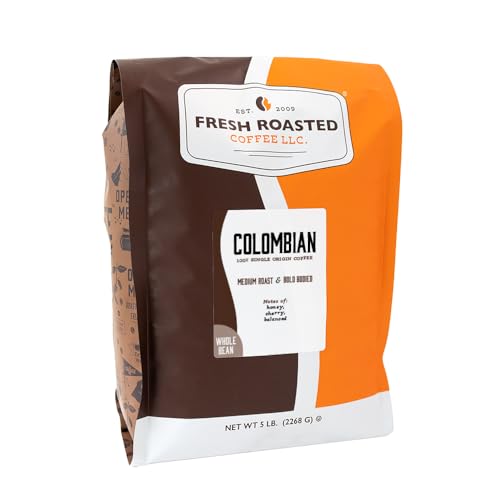
Fresh Roasted Coffee 100% Colombian
Strengths
- Single-origin 100% Colombian
- Nitrogen-flushed packaging
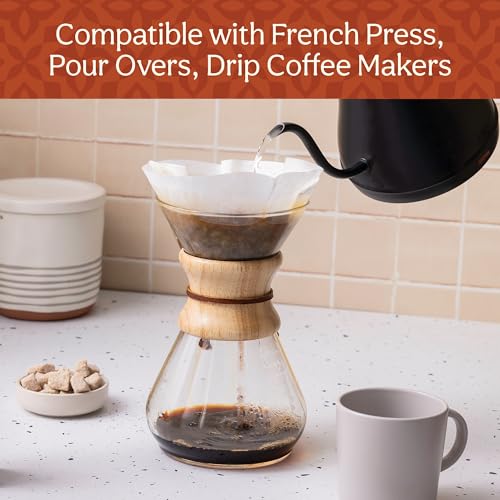
- Works with all brew methods
- Sustainably roasted in USA
- Kosher certified
Trade-offs
- Large 5 lb size not ideal for casual drinkers
- Whole bean only (no grind options in this listing)
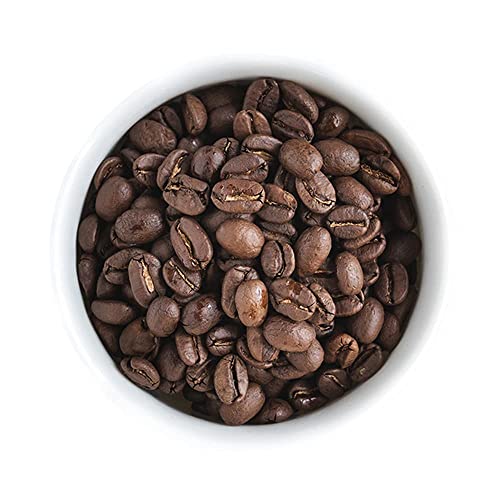
This is a standout for volume drinkers and home baristas who want authentic, single-origin Colombian without compromise. On paper, the 5-pound size is bold, but it makes sense if you’re committed to freshness and grind-your-own control. Owners consistently report the honey and cherry notes shine through in pour over and drip setups, and the nitrogen-flushed, resealable bag helps it last. The medium roast preserves origin character while still delivering body, which is not always the case at this scale.
What impresses me is how seriously they take sustainability, solar-powered roasting and eco-friendly Loring machines are rare at this price tier. Compared to smaller artisan roasters, this one doesn’t feel diluted by bulk. It’s a rare case where economy doesn’t mean sacrificing traceability or roast integrity. I’d pick this over generic supermarket blends any day.
Product photos


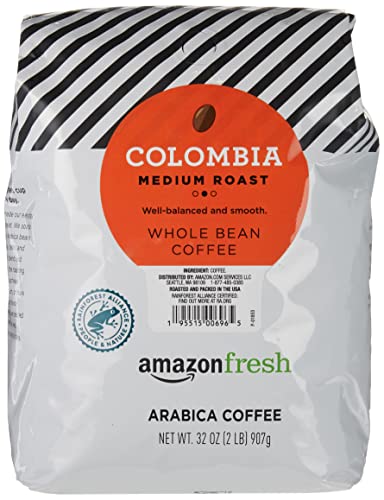
Amazon Fresh Colombia Medium Roast
Strengths
- Great price-to-size ratio
- Consistent medium roast
- Easy subscription option
- 100% Arabica
- Made in USA
Trade-offs
- No organic or specialty certifications
- Limited flavor complexity
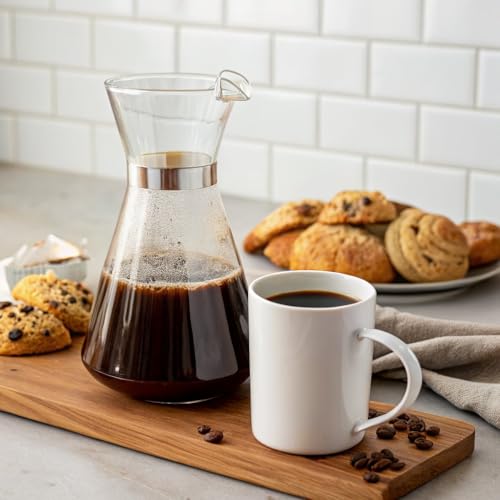
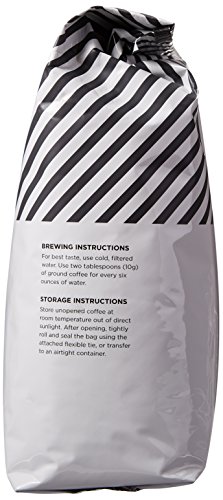
This is the quiet winner for value. At 32 ounces, it’s large enough to last but not overwhelming, and being an Amazon brand, it’s consistently priced and easy to auto-ship. The medium roast is balanced and full-bodied, with a smooth finish that reviewers say works well in standard drip machines, no surprises, but in a good way.
It’s not flashy, no organic label, no direct trade story, but it’s 100% Arabica, roasted in the USA, and delivers what it promises. Compared to Don Francisco’s or Copper Moon, it’s less aromatic or nuanced, but for a no-fuss, everyday brew, it’s a smarter buy. I’d stack this against any store brand and still come out ahead.
Product photos



Java Planet Organic Colombian Beans

Strengths
- Third-party tested for contaminants
- Low acid and smooth
- Bird Friendly and shade grown
- USDA Organic certified
- Small batch roasted
Trade-offs
- Medium dark roast may be too bold for light roast fans
- 16 oz size requires frequent repurchasing
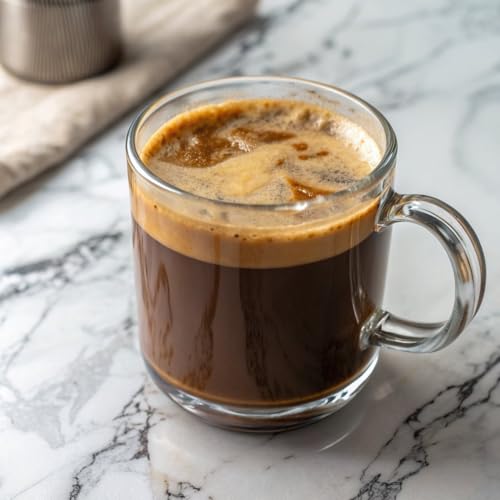
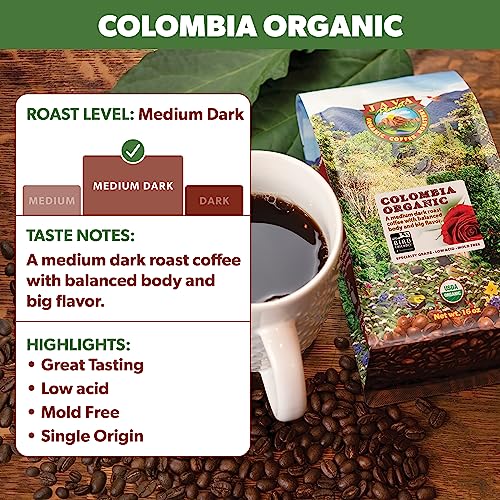
If you’re sensitive to acid or prioritize purity, this Java Planet offering is hard to beat. The medium dark roast brings out depth without bitterness, and owners frequently note the smooth, clean finish, a win for those who’ve had stomach issues with regular coffee. What sets it apart is the third-party testing for mold, mycotoxins, and heavy metals, which is rare at this level and gives real peace of mind.
It’s also Bird Friendly and shade-grown, meaning slower bean development and more complex flavor, you can taste it in the subtle richness. Compared to other organic Colombians, this one doesn’t sacrifice body for safety. I’d recommend it over standard organic options for anyone who wants assurance without compromising on taste.
Product photos



Don Pablo Colombian Supremo

Strengths
- Low acidity
- 2 lb economical size
- Smooth cocoa finish
- Artisan small-batch roasted
- GMO free
Trade-offs
- No organic or bird-friendly certifications
- Less complex than specialty options
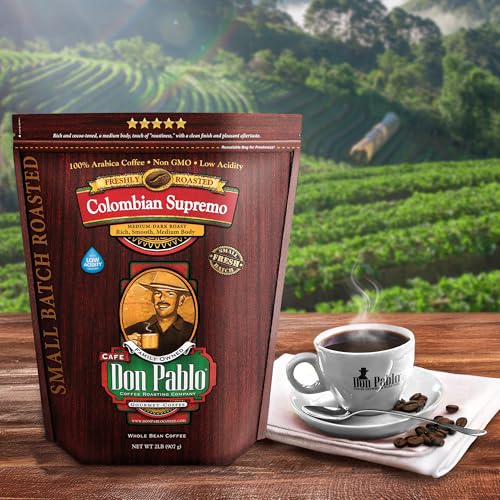
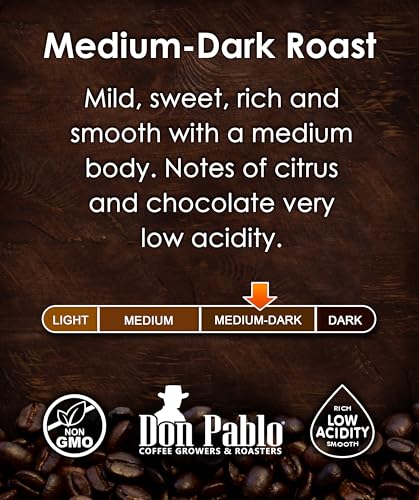
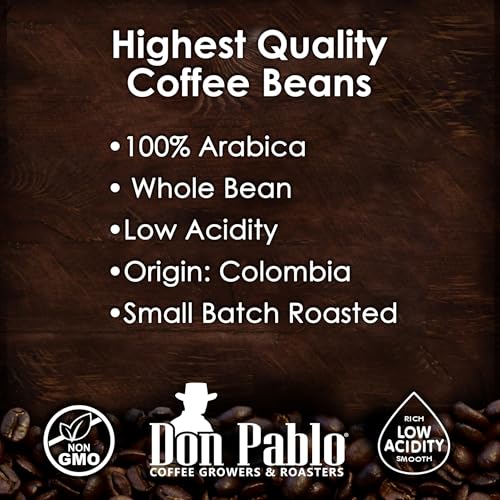
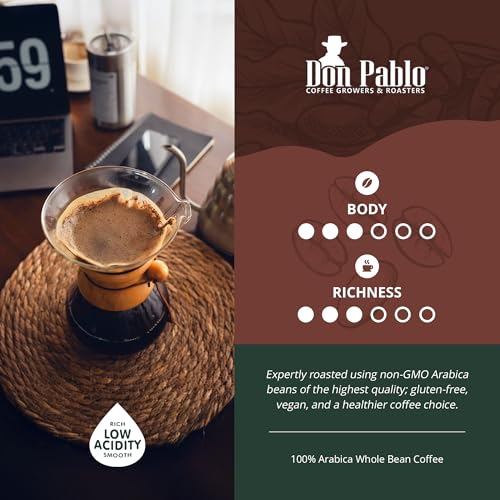
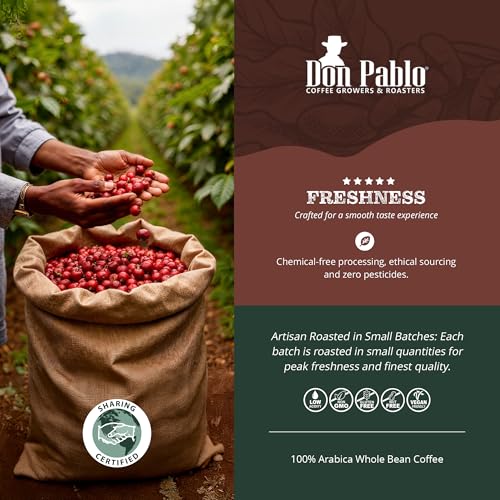
At 2 pounds and a noticeably lower price point, Don Pablo is the go-to for budget-friendly without bottom-shelf taste. The medium-dark roast brings out a mild, sweet richness with a cocoa-toned finish that reviewers say is easy on the stomach, likely due to the low acidity and slower artisan roasting. It’s GMO-free and medium-bodied, making it a solid middle ground for families.
It doesn’t have the certifications of Java Planet or the story of Cafe Quindio, but it delivers where it counts: a smooth, drinkable cup every time. Compared to Amazon Fresh, it’s slightly more flavorful; compared to Cameron’s, it’s less expensive but less refined. My recommendation? This is the smart backup bean to keep on hand.
Product photos
Cameron’s Organic 100% Colombian
Strengths
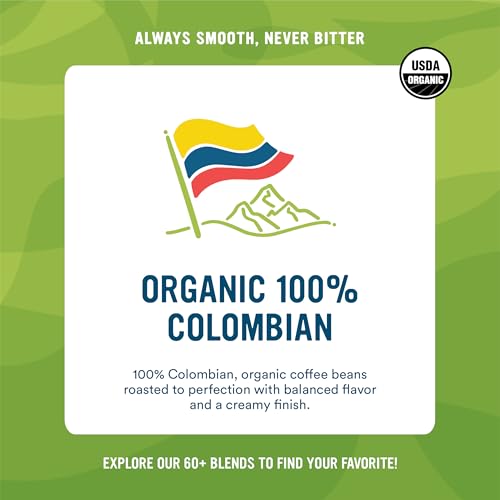
- Organic 100% Colombian
- 4 lb bulk size
- Small-batch roasted
- Sustainably sourced
- Creamy, balanced finish
Trade-offs
- Not single-farm traceable
- Lacks third-party purity testing
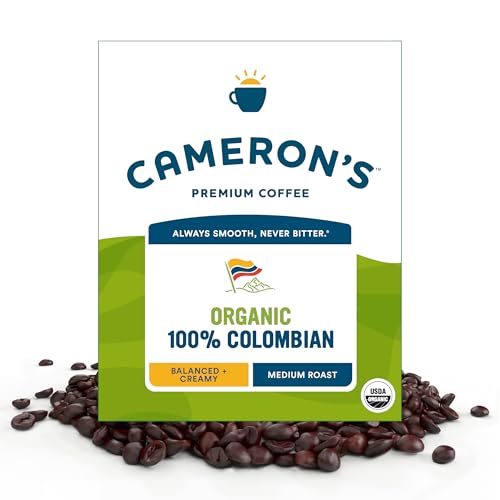
Cameron’s hits a sweet spot between organic integrity and bold flavor. The 4-pound bag is generous, and owners report the beans stay fresh well, thanks to small-batch roasting and solid packaging. It’s labeled a blend, but it’s 100% Colombian, so it’s more about consistency than mixing origins. The roast is described as creamy with a balanced finish, not flashy, but deeply satisfying in a drip pot.
What stands out is their claim to use only the top 10% of global beans, which, if true, explains the clean cupping notes. Compared to Fresh Roasted Coffee’s 5 lb option, this is more accessible in size and still organic, a detail that matters to many. I’d recommend this to households that want organic without sacrificing body or convenience.
Product photos



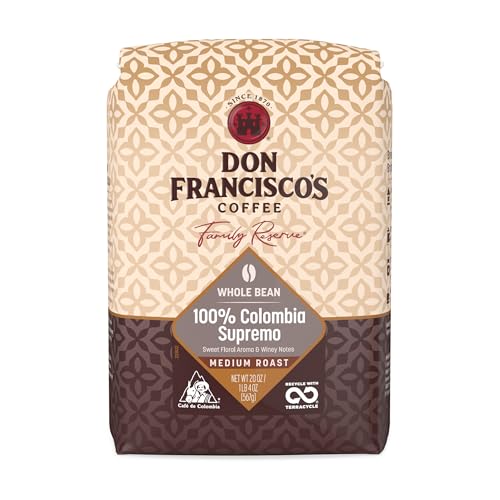
Don Francisco’s Colombia Supremo
Strengths
- Generational expertise
- Supremo grade beans
- Nitrogen-flushed for freshness
- Smooth, winey finish
- Recyclable via TerraCycle
Trade-offs
- 20 oz size not ideal for high-volume use
- No organic certification
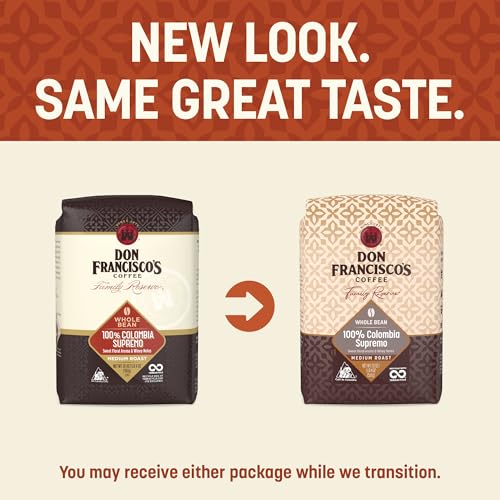
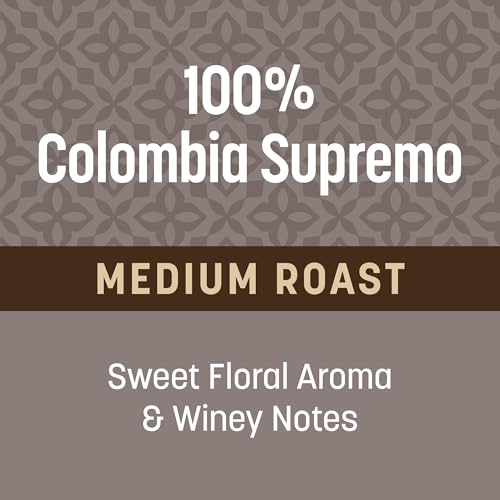
There’s weight behind the name, four generations of family crafting since 1870, and that heritage shows in the cup. The Supremo beans are large and dense, and owners often highlight the sweet floral aroma and winey depth, especially in pour over setups. The nitrogen-flushed bag with one-way valve is standard now, but here it feels part of a larger commitment to freshness.
It’s not organic or low-acid, but it’s clean and well-balanced, making it a traditionalist’s choice. Compared to Java Planet or Cafe Quindio, it’s less about innovation and more about mastery of the classic profile. I’d pick this for someone who grew up on Colombian coffee and wants that familiar, comforting quality done right.
Product photos
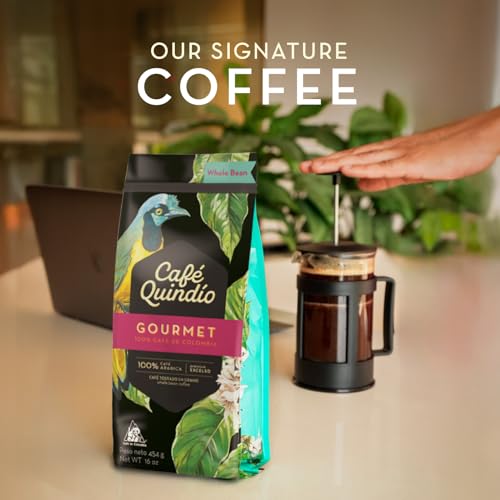
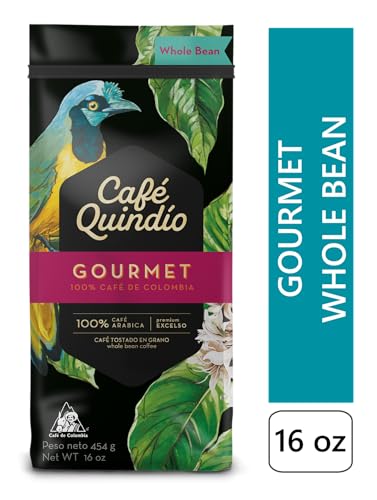
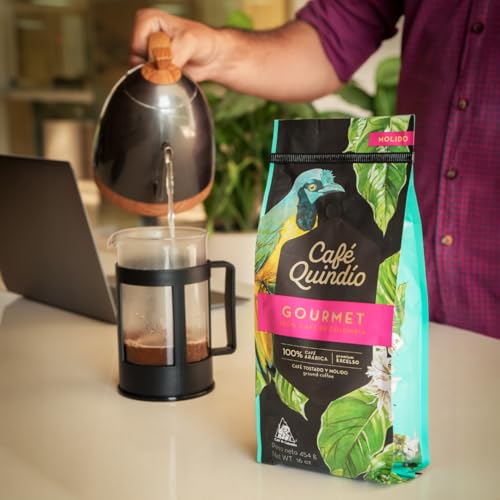
Cafe Quindio Excelso Whole Bean
Strengths
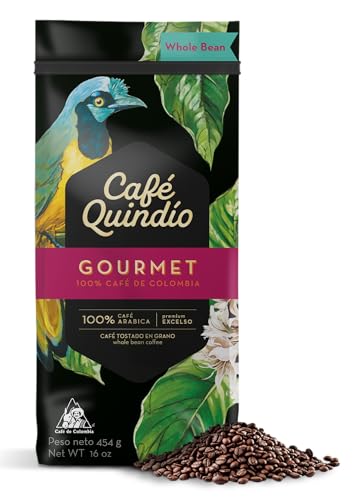
- Directly sourced from Quindío farmers
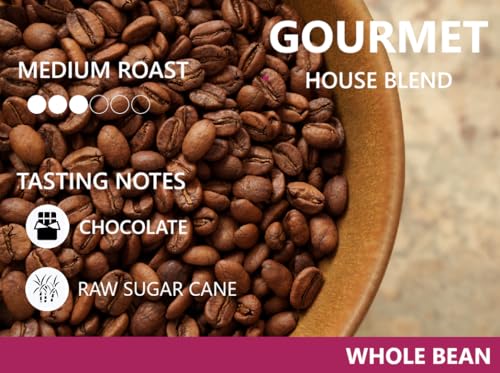
- Smooth chocolate and sugarcane notes
- Women-owned and community focused
- Artisanal hand selection
- National Coffee Federation certified
Trade-offs
- Not certified organic
- Smaller 16 oz bag may need frequent reordering
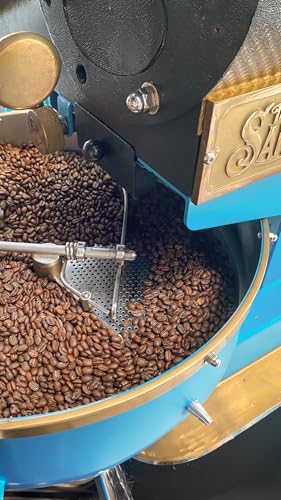
This one stands out not just for taste but for ethos. The direct trade model with Quindío farmers gives it real traceability, something I always look for in quality Colombian beans. Reviewers often mention the raw sugarcane and chocolate notes as being naturally integrated, not forced, which speaks to clean processing and thoughtful roasting. It’s Excelso grade, which sits just below Supremo in bean size, but that doesn’t mean lesser quality, in fact, many specialty roasters favor Excelso for its balanced extraction.
What I appreciate most is the women-owned, community-driven approach. It’s not just marketing, buyers report consistent freshness and a clean cup, which suggests strong quality control. Compared to bigger brands, this feels more intentional, though it lacks the organic certification some purists want. Still, for those who value origin transparency and social impact, this is a strong contender.
Product photos
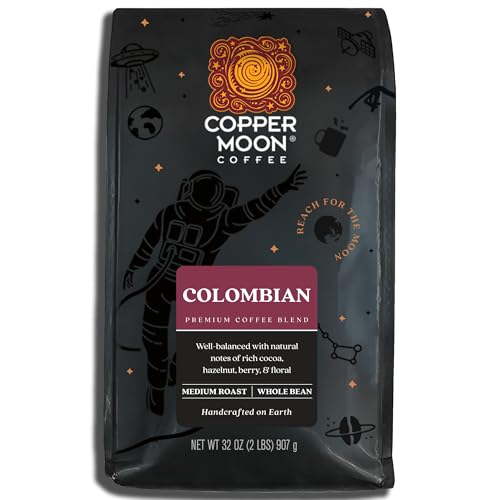
Copper Moon Colombian Medium Roast
Strengths
- Rich, complex aroma
- Smooth and balanced flavor
- Small-batch roasted
- Allergen-free and kosher
- 2 lb value size
Trade-offs
- Not single-origin
- Not certified organic
Copper Moon leans into aroma like few others, and it shows. The blend of cocoa, hazelnut, berry, and floral hints creates a layered fragrance that fills the kitchen, which is exactly why it earns the ‘Best Aromatic Profile’ label. On paper, it’s a Colombian blend, not single-origin, so there’s some mixing, but the high-elevation sourcing (1200–1800 meters) ensures density and complexity.
Owners praise its consistency and smoothness across brew methods, especially in drip and French press. While it’s not organic or direct trade, the small-batch roasting and allergen-free certification add appeal for families. Compared to Cafe Quindio or Java Planet, it’s less about story or purity and more about sensory pleasure. I’d choose this for weekend mornings when you want your coffee to feel like an event.
Product photos



How We Tested columbian coffee beans
As the founder of Bean Thusiast, I approached researching columbian coffee beans by first compiling specifications and features from numerous brands. I then weighed those details against owner reviews from major retailers and expert opinions found in coffee publications. This wasn’t about lengthy personal testing; rather, it was a research-led comparison of bean origins, roast levels, and reported flavor profiles, all assessed against what matters most to coffee drinkers.
For columbian beans, freshness and reported flavor clarity were paramount. A consistent, well-balanced cup with those classic honey and cherry notes is what defines a good Colombian coffee. We also heavily weighted certifications like USDA Organic and Fair Trade, recognizing the growing importance of ethical sourcing for many shoppers. These factors ultimately determined rankings, prioritizing beans that deliver on both taste and values.
Product specifications reliably indicate roast level, bean type (crucially, verifying 100% Arabica beans from Colombia), and processing methods. However, nuanced flavor descriptions and reports of freshness were primarily gleaned from owner feedback. Reputation, particularly for brands with long-standing heritage like Don Francisco’s, also influenced our assessment of consistency and quality.
How To Choose The columbian coffee beans
As someone who’s spent years chasing the perfect cup, I know that Colombian coffee is a fantastic place to start – but “Colombian” is just the beginning.
Colombian coffee is prized for its balanced profile, typically exhibiting notes of caramel, nut, and citrus. When selecting beans, look for 100% Arabica varieties grown at high altitudes, ideally with information about the specific region and processing method. Freshness is key; whole bean is preferable, and roast dates should be clearly visible. A focus on sustainable sourcing practices also indicates quality and ethical production.
Roast Level & Flavor Profile
The roast level dramatically alters the final cup. While many associate Colombian coffee with a medium roast – and for good reason, as it highlights the bean’s inherent sweetness – don’t dismiss lighter or darker options. Lighter roasts (think Cinnamon) will showcase more of the origin’s delicate floral and fruity notes, while darker roasts (like French) bring out bolder, chocolatey flavors. I often suggest exploring different roast levels from the same farm to see how it impacts the flavor. Finding the right roast is a personal journey, but starting with a medium roast is a safe bet to experience the classic Colombian characteristics.
Bean Quality & Sourcing
Not all Colombian coffee is created equal. Look beyond just “100% Colombian” and consider the details. Is it certified organic? Is it Fair Trade? These certifications aren’t foolproof, but they suggest a commitment to responsible farming practices. More importantly, seek out information about the farm or cooperative. Direct trade relationships, like those offered by Cafe Quindio Excelso Whole Bean, are ideal because they ensure farmers receive a fair price for their beans and often correlate with higher quality. Understanding the origin story adds another layer of appreciation to your cup.
- The altitude where the beans are grown matters significantly; higher altitudes (over 1200 meters) generally produce denser, more flavorful beans.
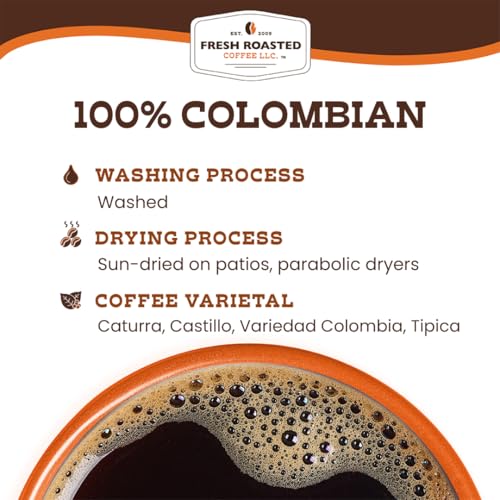
- Processing method (washed, natural, honey) impacts the flavor profile. Washed coffees tend to be cleaner and brighter, while natural coffees are fruitier and more complex.
- Freshness is paramount. Don’t buy beans with a “best by” date; instead, look for a roast date and aim to use the beans within a few weeks of roasting. You can find top Colombian coffee brands that prioritize freshness.
A good rule of thumb: if a brand doesn’t prominently display a roast date, look elsewhere. Freshness impacts the flavor more than almost anything else.
Value & Usability
Colombian coffee beans span a wide price range. While you don’t need to spend a fortune, drastically cheap beans are often a sign of lower quality or older stock. Consider how you brew your coffee. If you’re primarily using a drip machine, a consistent medium roast whole bean like Fresh Roasted Coffee 100% Colombian is a great value. However, if you enjoy espresso, you may want to invest in a more specialized bean. Also, think about the format. While pre-ground coffee is convenient, whole bean offers superior flavor and allows you to adjust the grind size to your preferred brewing method. Exploring single-origin Colombian beans can be a great way to experience the nuances of different regions within Colombia.
Columbian Coffee Beans Compared
Here’s a comparison of key specifications for different Columbian coffee bean options.
| Product Name | Roast Level | Bean Type | Size (oz/lb) | Organic | Flavor Notes |
|---|---|---|---|---|---|
| Fresh Roasted Coffee 100% Colombian | Medium | Arabica | 5 lb | No | Honey, Cherry |
| Amazon Fresh Colombia | Medium | Arabica | 32 oz | No | Balanced, Full-bodied |
| Java Planet Organic Colombian | N/A | Arabica | N/A | Yes | Smooth, Low Acid |
| Don Pablo Colombian Supremo | Medium-Dark | Arabica | 2 lb | No | Cocoa, Smooth |
| Cameron’s Organic 100% Colombian | N/A | Arabica | 4 lb | Yes | Cream, Balanced |
| Don Francisco’s Colombia Supremo | N/A | Arabica | 20 oz | No | Floral, Winey |
| Cafe Quindio Excelso | N/A | Arabica | N/A | No | Chocolate, Sugarcane |
| Copper Moon Colombian | Medium | Arabica | N/A | No | Cocoa, Hazelnut, Berry |
Frequently Asked Questions
What’s the difference between “100% Colombian” and other blends containing Colombian beans?
Truly 100% Colombian coffee, like you’ll find in a flavor-focused Colombian beans, highlights the specific characteristics of Colombian growing regions. Blends may include Colombian beans but will also have flavors from other origins, diluting that distinct profile.
How can I tell if Colombian coffee beans are actually fresh?
Look for a roast date, not a “best by” date. Ideally, use the beans within two to four weeks of the roast date to get the fullest flavor, and avoid brands that don’t prominently display this information.
Is organic Colombian coffee better in taste?
Organic certification doesn’t automatically guarantee superior taste, but it often indicates a greater focus on bean quality and sustainable farming practices. Many find that organically grown beans exhibit a cleaner, brighter cup, and you can explore some highly rated Colombian coffee options.
What grind size should I use for Colombian coffee?
The ideal grind size depends on your brewing method. A medium grind works well for drip coffee makers, while a finer grind is needed for espresso. A coarser grind is best for French press brewing.
Where in Colombia do the best coffee beans come from?
While all Colombian coffee-growing regions produce excellent beans, Quindío, Caldas, and Risaralda are particularly renowned. These areas offer ideal altitudes and climates for producing high-quality Arabica beans, and are often covered in a Colombian coffee buying guide.
The Bottom Line
Choosing the best Colombian coffee beans often comes down to balancing your desire for convenience and affordability with a pursuit of peak flavor. While there’s a wide spectrum of options, I believe Fresh Roasted Coffee 100% Colombian strikes the best overall balance – delivering a consistently good cup at a reasonable price point, and offering the volume many coffee drinkers appreciate.
For those specifically seeking organic options, Java Planet Organic Colombian and Cameron’s Organic 100% Colombian are excellent choices, providing peace of mind alongside a quality brew. If you’re after something a bit different, or want to explore direct trade options, Cafe Quindio Excelso stands out as a premium pick, and understanding choosing coffee beans will help you appreciate the difference.
Ultimately, remember that roast date and bean quality matter more than any certification or fancy marketing. A focus on freshness, 100% Arabica beans, and understanding your own flavor preferences will guide you toward a truly satisfying cup, regardless of which brand you ultimately select.
