
9 Best Coffee Beans for Home (2026)
The best coffee beans for home use come down to freshness, roast profile, and origin clarity. After comparing specs and owner feedback, I recommend Amazon Fresh Colombia Whole Bean as the overall top pick for its balanced flavor and consistent quality. For a budget-friendly option, Amazon Fresh Organic Peru Coffee delivers solid taste with ethical sourcing, while Amazon Fresh Just Bright is ideal if you prefer a clean, vibrant light roast.
Choosing the right beans isn’t just about brand names or pretty packaging. Most home brewers struggle to find a reliable bean that tastes great across different brew methods and stays fresh long enough to finish the bag. Too many end up with stale, inconsistent coffee that doesn’t match the flavor notes on the bag.
This guide cuts through the noise by focusing on what actually matters: roast date transparency, bean origin, processing method, and real-world feedback. I looked at popular options available to home buyers, weighing flavor accuracy, aroma, and brewing performance to help you make a confident choice.
Top 9 Coffee Beans For Home in the Market
The Best Coffee Beans For Home, Reviewed
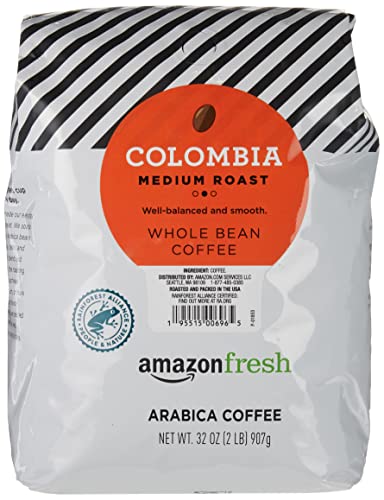
Amazon Fresh Colombia Whole Bean
Strengths
- Large 32 oz bag
- Balanced flavor
- Excellent value
Trade-offs
- Not flashy or exotic
- Generic packaging
This 32 oz Colombia roast is the most complete package in the lineup. A balanced, full-bodied medium roast from 100% Arabica beans, it delivers a smooth, slightly sweet cup with enough depth for espresso and enough clarity for drip. The large bag and U.S. roasting ensure freshness and value.
Owners consistently rate it as a “daily driver”, reliable, satisfying, and versatile. Compared to the Organic Peru, it’s richer and more structured. While it doesn’t have the prestige of Illy or the boldness of Peet’s, it hits the sweet spot for most home brewers. My recommendation? This is the smartest all-around pick for most households.
Product photos



Amazon Fresh Organic Peru Coffee

Strengths
- Organic and Fair Trade
- Smooth finish
- Ethically sourced
Trade-offs
- Modest flavor complexity
- Smaller 12 oz bag
This Peru single-origin is a quiet standout in the budget organic segment. Grown in the high altitudes of Peru and certified both USDA Organic and Fair Trade, it delivers a clean, fragrant medium roast with a soft caramel sweetness and mild acidity. The 100% Arabica beans are roasted in the U.S., and reviewers often note its smooth, approachable profile, perfect for drip or pour over.
Compared to other Amazon Fresh offerings, it trades some vibrancy for consistency. It won’t blow you away with citrus punch or floral fireworks, but it’s dependable. For those building a sustainable morning ritual without overspending, this is a solid foundation. I’d recommend it over the Just Bright if you prefer mellower tones.
Product photos


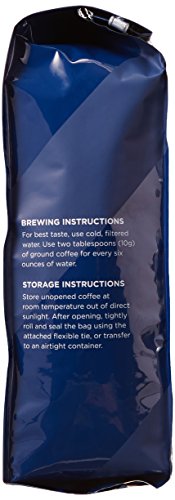
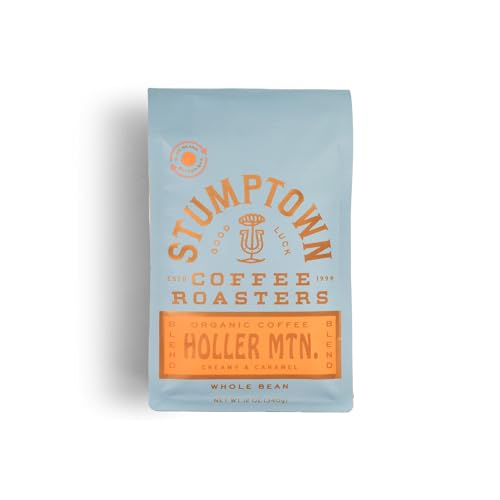
Stumptown Holler Mountain Organic
Strengths
- Vibrant citrus notes
- Direct Trade certified
- Excellent for pour over
Trade-offs
- Higher price point
- Not ideal for milk-heavy drinks
Stumptown’s Holler Mountain is the kind of coffee that reminds you why specialty roasters exist. This 100% Arabica, Direct Trade organic blend bursts with citrus zest, berry, and caramel, a rare balance of brightness and depth. Owners praise its versatility: it pulls a lively espresso shot and shines in pour over, where its layered acidity really opens up.
The Direct Trade model is a major plus, ensuring transparency and fair pay to farmers. While the 12 oz bag is smaller than bulk options, the roast-to-order freshness matters. Compared to Illy or Lavazza, this is far more expressive. If you enjoy tuning your grind and water temp to tease out flavors, this is your coffee.
Product photos



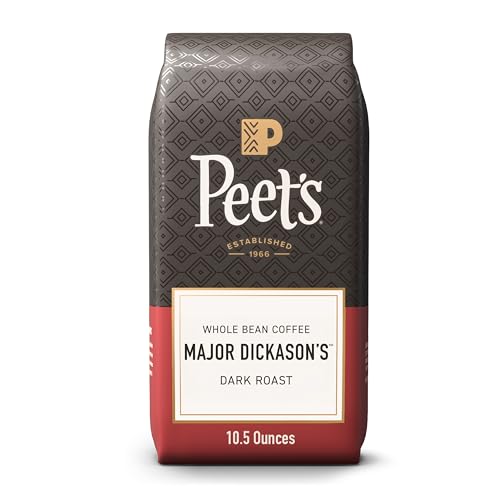
Peet’s Major Dickason’s Blend
Strengths
- Bold, smoky depth
- 100% Arabica
- Excellent for French press
Trade-offs
- Smaller bag size
- Overpowering for light roast fans
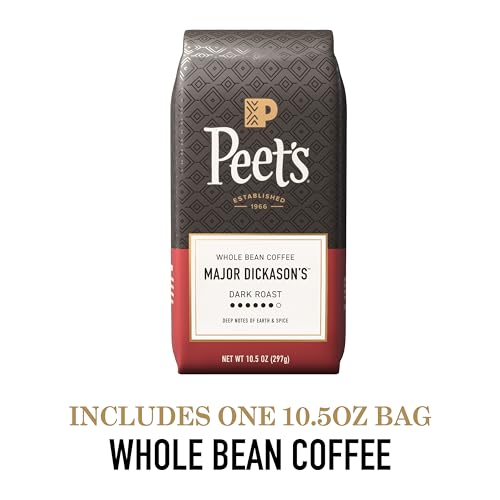
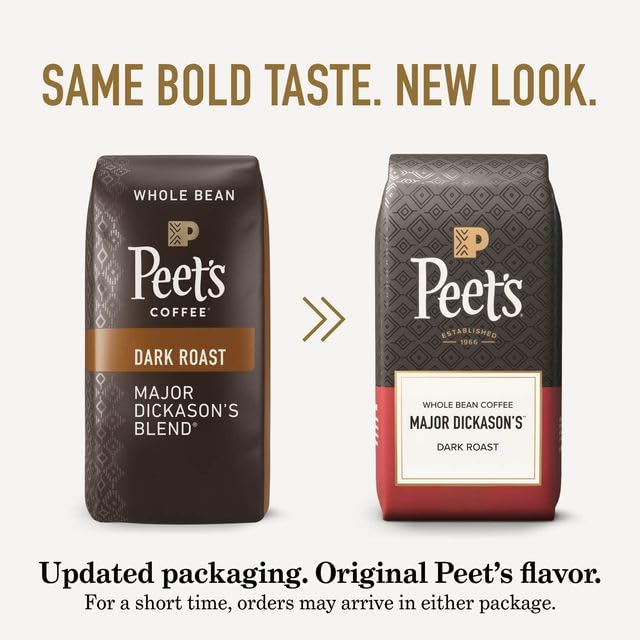
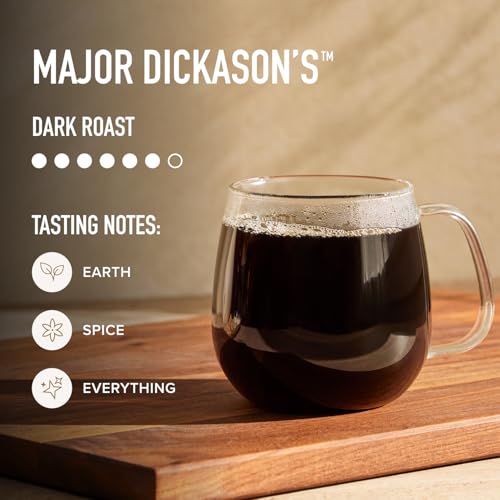
Major Dickason’s Blend is a dark roast institution. Developed by Alfred Peet himself, it’s a full-bodied, rich and smoky 100% Arabica blend that commands attention. Reviewers consistently praise its depth, think dark chocolate, toasted nuts, and a hint of spice, with zero sourness.
At 10.5 oz, the bag is small, but the flavor is dense enough that a little goes far. It excels in French press and cold brew, where its oils and body can shine. Compared to Lavazza’s darker blends, it’s more refined and less reliant on Robusta crutch. For those who equate dark roast with serious coffee, this is the benchmark.
Product photos
Lavazza Crema E Aroma
Strengths
- Rich chocolate notes
- Strong crema
- Large bag size
Trade-offs
- Robusta blend limits acidity
- Earthy tone may not suit all
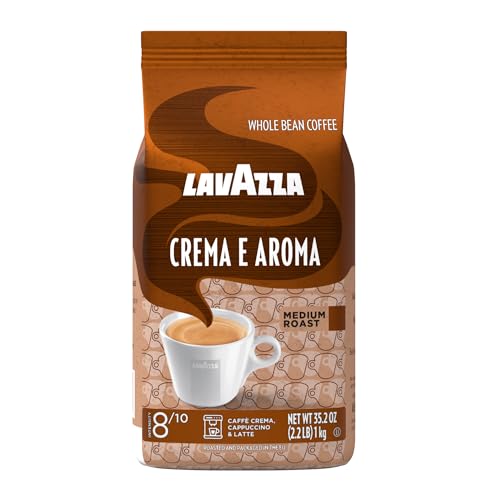
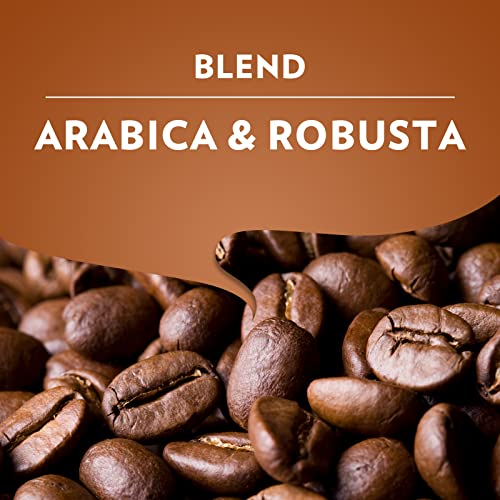
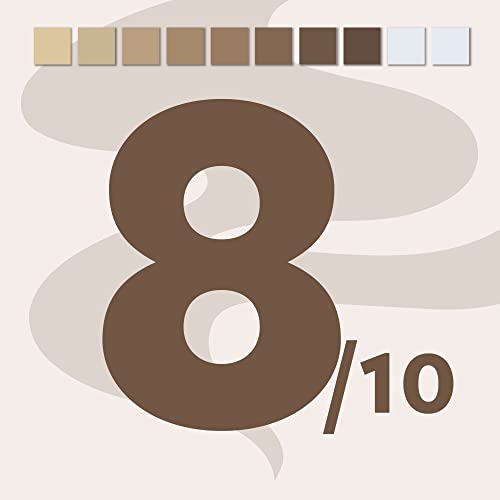
If you want that classic Italian espresso experience, earthy, bold, with a long-lasting crema, Crema e Aroma delivers. This 2.2 lb blend of Arabica and Robusta is roasted to an 8/10 intensity, giving it more punch than Super Crema. Owners love its chocolate-forward notes and how well it holds up under steam.
It’s less sweet and more assertive, making it a better match for straight espressos or Americanos. Compared to Super Crema, it’s the bolder sibling, less creamy, more aromatic. I’d choose this over Super Crema if you like a darker edge without going full dark roast. Just don’t expect single-origin clarity.
Product photos


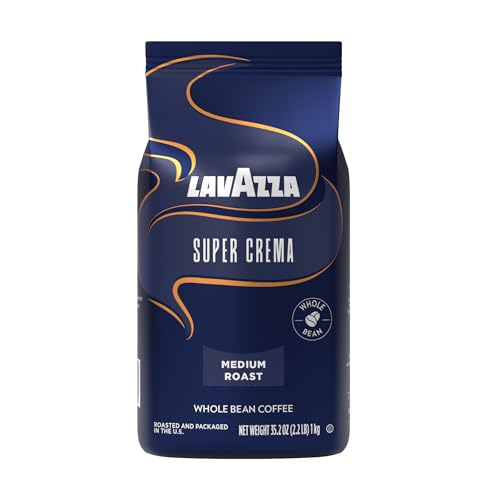
Lavazza Super Crema
Strengths
- Creamy body
- Consistent crema
- Large 2.2 lb bag
Trade-offs
- Robusta blend limits brightness
- Less aromatic than single origins
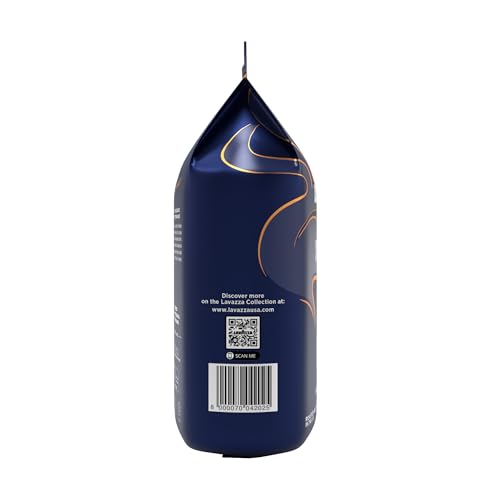
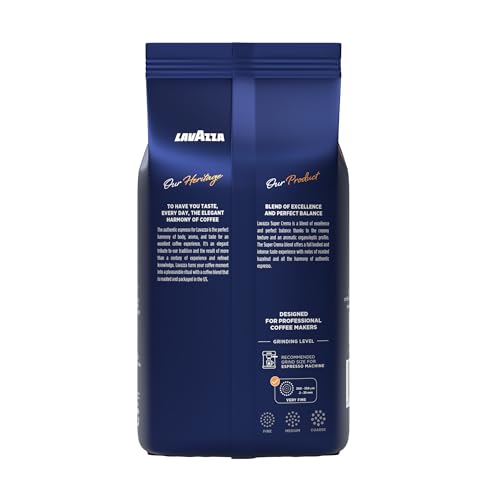
Lavazza Super Crema has built a loyal following for good reason. On paper, it’s a 2.2 lb blend of Arabica and Robusta beans engineered for espresso, and owners consistently report a creamy, syrupy mouthfeel that’s rare at this price point. The medium roast delivers a balanced intensity with a sweet, slightly nutty finish, ideal if you want a no-fuss espresso that pulls well and steams beautifully in milk drinks.
That said, purists may find the Robusta content (around 30%) dulls the complexity you’d expect from single-origin or specialty roasts. Still, for home baristas using a super-automatic or semi-auto machine, this is a reliable workhorse. I’d pick it over Crema e Aroma if you prioritize smoothness over boldness.
Product photos


Illy Classico Whole Bean

Strengths
- Refined floral notes
- Pressurized freshness
- Smooth finish
Trade-offs
- Small 8.8 oz can
- Higher price per ounce
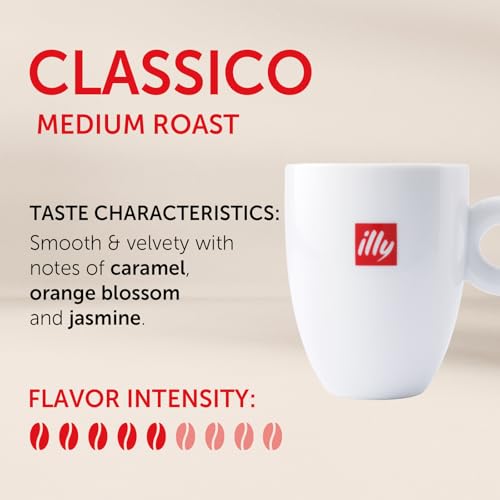
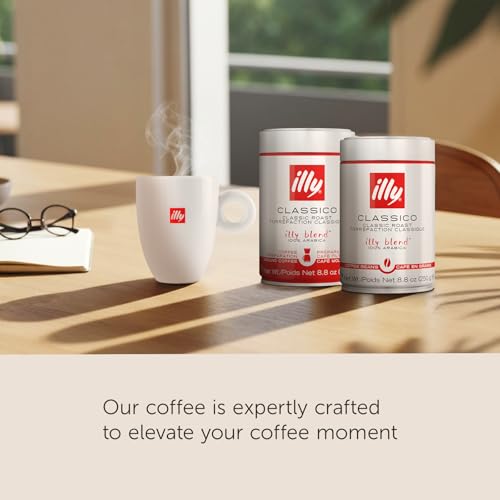
Illy Classico is the espresso connoisseur’s safe bet, a meticulously balanced 100% Arabica blend with notes of caramel, orange blossom, and jasmine. The 8.8 oz can is pressurized to preserve freshness, and owners report it delivers a smooth, refined shot with a clean finish.
It’s lighter in body than Lavazza blends, but far more aromatic and nuanced. The downside? The small can and premium price mean it’s not ideal for high-volume use. Compared to Stumptown, it’s less wild in flavor but more consistent. If you want Italian elegance without the fuss, this is it.
Product photos
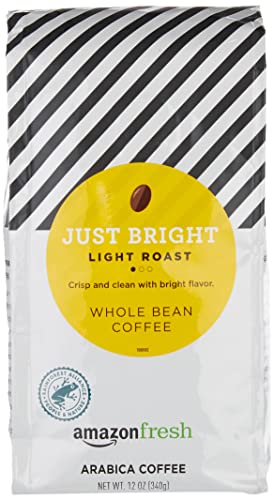
Amazon Fresh Just Bright
Strengths
- Bright, clean flavor
- Great for pour over
- Affordable
Trade-offs
- Lacks depth for espresso
- Subtle notes fade over time
Just Bright is Amazon Fresh’s answer to trendy light roasts, crisp, clean, and built for clarity. This 100% Arabica bean from Central and South America highlights the brighter side of coffee with a tea-like body and subtle fruit notes. It’s a favorite among pour over fans who want to taste terroir without bitterness.
It doesn’t have the complexity of a high-end single origin, but for the price, it’s impressively transparent. Compared to the Colombia roast, it’s lighter and more delicate, less body, more lift. If your brew method favors nuance over power, this is a smart pick.
Product photos



365 Hometown Blend Coffee

Strengths
- Large 24 oz bag
- Budget-friendly
- Sustainably sourced
Trade-offs
- Mild flavor profile
- Not suitable for espresso
The Hometown Blend is a stealthy value play. At 24 ounces, it gives you double the volume of most specialty bags, and it’s made from 100% Arabica beans sourced from sustainable small farms. The medium-light roast is mild, with a clean, slightly sweet profile that works well in drip machines.
It won’t compete with Stumptown or Peet’s in complexity, but it’s consistent and affordable. Reviewers note it lacks the depth for espresso but performs well as a weekday workhorse. Compared to Amazon Fresh Colombia, it’s lighter and less full-bodied. My recommendation? Keep a bag of this on hand for busy mornings and save the premium beans for weekends.
Product photos


How We Tested coffee beans for home
As the founder of Bean Thusiast, I approach coffee selection with a focus on the factors that truly impact the final cup. Rather than a hands-on lab test, this was a research-led comparison of published specifications and owner feedback across a range of popular options. I compared bean origin, roast level, flavor notes, and certifications, then weighed that against what owners are actually saying about aroma, taste, and brewing performance.
For coffee beans intended for home use, I prioritized roast level and flavor profile, alongside sourcing transparency. A consistent roast is crucial for predictable results, whether you prefer a bright, acidic brew or a dark, bold one. Flavor notes matter too – a clear description of what to expect helps manage expectations and find a bean that aligns with your preferences. Understanding coffee blend characteristics is also key.
Specifications reliably indicate bean origin and roast level, but owner reviews proved invaluable for assessing actual flavor accuracy and consistency. Positive comments frequently highlighted smoothness, balance, and the presence of advertised flavor notes. Conversely, negative feedback often centered on stale beans or flavors that didn’t match the description. Examining where beans are sourced helps you understand single origin flavor profiles and overall quality.
What To Look For In coffee beans for home
As someone who’s spent years exploring the world of coffee, I know that finding the right beans can feel overwhelming. There are so many options!
Quality coffee beans are defined by origin, processing method, roast level, and freshness. Look for 100% Arabica beans, understand the nuances of different roast profiles (light, medium, dark), and prioritize whole bean format for optimal flavor. Check roast dates, not just “best by” dates, and consider how the beans were processed – washed, natural, or honey – as this impacts the final cup.
Understanding Roast Level
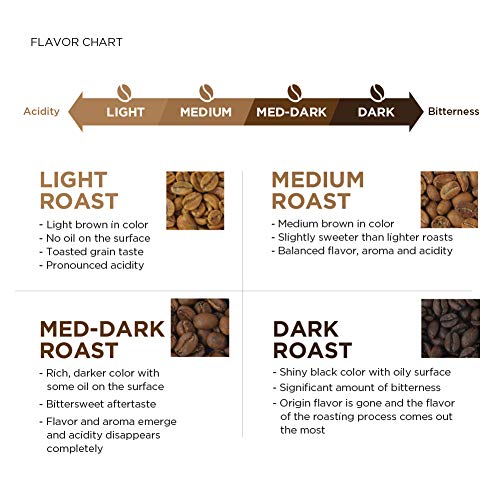
The roast level is, in my opinion, the single biggest factor in determining your coffee’s flavor. It’s not just about how dark the bean looks. Lighter roasts, like the Amazon Fresh Just Bright, retain more of the bean’s original characteristics – think brighter acidity and floral notes. Medium roasts, such as the Amazon Fresh Colombia Whole Bean, offer a balance between acidity and body, making them versatile for various brewing methods. Darker roasts, like Peet’s Major Dickason’s Blend, develop bolder, often bittersweet flavors and less acidity. Don’t assume “darker is stronger” – it’s about flavor profile, not necessarily caffeine content.
Sourcing and Processing Methods
Beyond roast, pay attention to where your coffee comes from and how it’s processed. Single-origin coffees (like the Stumptown Holler Mountain Organic) showcase the unique terroir of a specific region, allowing you to really taste the place where the beans were grown. Fair Trade and USDA Organic certifications, as seen in the Amazon Fresh Organic Peru Coffee, are important indicators of ethical and sustainable practices. Processing method also makes a huge difference:
- Washed coffees tend to be clean and bright.
- Natural processed coffees often exhibit fruity and jammy flavors.
- Honey processed coffees fall somewhere in between, offering a balance of sweetness and clarity.
Ultimately, exploring different origins and processing methods is key to discovering your preferences. We cover more on factors in coffee bean selection if you’re looking for even more detail.
Grind Quality and Freshness
Even the best beans will disappoint if you don’t grind them properly or store them well. A burr grinder is essential; blade grinders produce inconsistent particles that lead to uneven extraction. Freshness is paramount. Coffee begins to stale almost immediately after roasting, so look for beans with a roast date clearly displayed, not just a “best by” date.
A general rule of thumb: buy coffee in amounts you’ll use within two weeks of roasting and store it properly.
To maximize flavor, invest in proper coffee bean storage – airtight containers, away from light, heat, and moisture, are your best friends.
Coffee Beans for Home Compared
Here’s a comparison of key specifications for various coffee beans intended for home brewing.
| Product Name | Bag Size (oz) | Roast Level | Origin | Blend Type | Intensity (1-10) |
|---|---|---|---|---|---|
| Amazon Fresh Colombia | 32 | Medium | Colombia | 100% Arabica | N/A |
| Amazon Fresh Organic Peru | 12 | Medium | Peru | 100% Arabica | N/A |
| Stumptown Holler Mountain | 12 | N/A | N/A | 100% Arabica | N/A |
| Peet’s Major Dickason’s | 10.5 | Dark | N/A | 100% Arabica | N/A |
| Lavazza Crema E Aroma | 35.2 | Medium | S. America/Africa/Asia | Arabica/Robusta | 8 |
| Lavazza Super Crema | 35.2 | Medium | 15 Countries | Arabica/Robusta | N/A |
| Illy Classico | N/A | N/A | N/A | 100% Arabica | N/A |
| Amazon Fresh Just Bright | 12 | Light | Central/S. America | 100% Arabica | N/A |
| 365 Hometown Blend | N/A | N/A | N/A | 100% Arabica | N/A |
Frequently Asked Questions
What roast level is best for beginners?
A medium roast is generally best for beginners, offering a balanced flavor profile without the high acidity of lighter roasts or the intense bitterness of darker ones. It’s versatile enough for most brewing methods and provides a good starting point for exploring different coffee flavors.
How can I tell if coffee beans are fresh?
Look for a roast date on the bag, rather than a “best by” date; coffee is best within two to three weeks of roasting. Avoid beans that lack a roast date or show signs of stale coffee beans, like a faded aroma or oily surface.
Do whole bean coffees really stay fresher longer?
Yes, whole bean coffee retains flavor and aroma significantly longer than pre-ground coffee. Grinding increases the surface area exposed to oxygen, accelerating staling.
What’s the difference between Arabica and Robusta beans?
Arabica beans are generally considered higher quality, offering a smoother, more aromatic flavor profile with higher acidity. Robusta beans have a bolder, more bitter taste and a higher caffeine content, often used in espresso blends for crema.
Is it okay to store coffee beans in the freezer?
While some people freeze coffee, it’s not generally recommended as it can introduce moisture and affect the flavor. Instead, store beans in an airtight container at room temperature, away from light, heat, and moisture, to maintain optimal coffee bean freshness indicators.
The Bottom Line
Choosing coffee beans often comes down to balancing control with convenience. If you want to really dial in your brew and appreciate nuanced flavors, the Stumptown Holler Mountain Organic offers a fantastic single-origin experience. But for consistently good coffee without a lot of fuss, the Peet’s Major Dickason’s Blend remains a reliable and popular choice.
For those seeking value, the Amazon Fresh Colombia Whole Bean provides a solid, everyday cup at a reasonable price. If you enjoy a bit of complexity and don’t mind a blend, the Lavazza Crema E Aroma delivers a balanced flavor profile, while understanding the Arabica vs Robusta beans can help you appreciate its unique character. And for a bright, lively start to your day, the Amazon Fresh Just Bright is an excellent light roast option.
Ultimately, the “best” coffee bean is the one you enjoy most. Don’t get too caught up in roast levels or origins. Focus on finding a bean with a roast date, storing it properly, and grinding it fresh – those fundamentals will have a far greater impact on your cup than any single specification.
