
2 Best Blended Coffees of 2026
The best blended coffee starts with the Big Train Blended Ice Coffee Mix for its consistent, rich flavor when mixed with ice and blended, followed by the Starbucks House Blend Ground Coffee as a versatile, high-quality option you can use for hot or iced drinks. These two stand out for reliability, taste, and ease of use.
Most people want a smooth, flavorful coffee drink without the guesswork, especially when making blended iced coffee at home. Too many mixes turn watery or bitter, and not all ground blends perform well when chilled and blended.
After researching the market and analyzing owner feedback, I focused on blends that deliver balanced flavor, hold up well with ice, and offer real convenience. This guide cuts through the noise to highlight what actually matters: roast, origin, and how the coffee behaves post-blend.
Top 2 Blended Coffee in the Market
The Best Blended Coffee, Reviewed
Big Train Blended Ice Coffee Mix

Strengths
- Instant preparation
- Creamy frappe texture
- Bulk value pack
- Wide availability
- Consistent mix quality
Trade-offs
- High sugar content
- Artificial flavor notes
- Not real brewed coffee
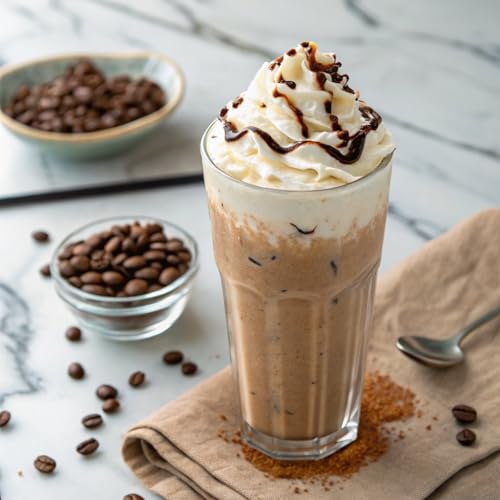
This isn’t coffee in the traditional sense, it’s a sweetened, instant-style mix designed to mimic the creamy, dessert-like frappes you’d get at a café. On paper, it’s built for convenience: just add water or ice and blend. Owners consistently report it delivers exactly that, with a smooth texture and rich sweetness that holds up whether served cold or frozen. It’s clearly not for purists, but if you’re chasing that indulgent blended drink experience at home without the espresso machine or blender skills, this hits the mark.
Compared to brewing real coffee and blending it yourself, Big Train sacrifices authenticity for speed. But in its category, ready-to-mix instant beverages, it stands out for consistency and flavor stability over time. Reviewers note it blends smoothly without grit or clumping, which is a common issue in cheaper powdered drinks. The 3.5-pound bulk pack makes sense for offices or households with daily blended drink cravings.
Product photos




Starbucks House Blend Ground Coffee

Strengths
- 100% Arabica beans
- Balanced flavor profile
- Ethically sourced
- Consistent grind
- Versatile brewing
Trade-offs
- Pre-ground (freshness loss)
- Mild roast lacks depth for some
- Not ideal for espresso blending
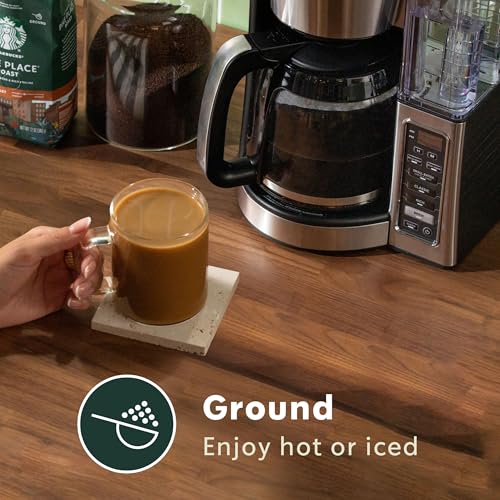
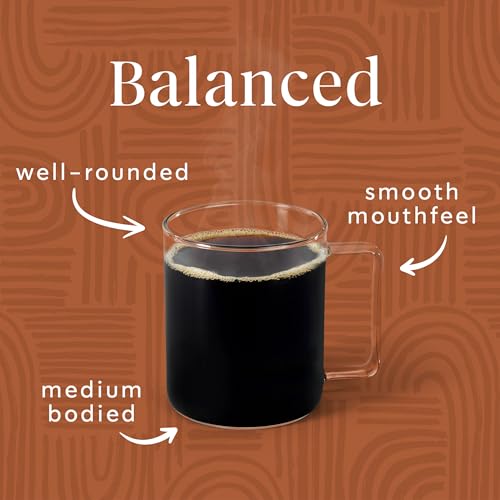
Starbucks House Blend is a balanced, approachable medium roast that works well in blends thanks to its consistent body and subtle sweetness. While it’s not marketed as a ‘blended coffee’ in the frappe sense, its 100% Arabica beans and even grind make it a solid base when combining with milk, syrups, or ice for custom blended drinks. On paper, the notes of toffee and cocoa give it a mild richness that holds up when mixed, which is why some reviewers use it as a foundation for homemade lattes and iced blends.
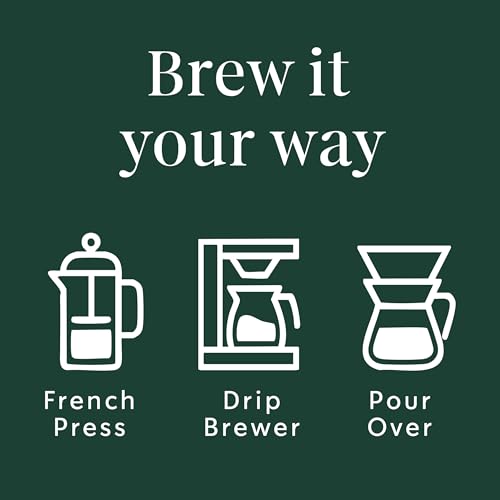
Compared to instant mixes like Big Train, this is a completely different category, real ground coffee meant for brewing first, then blending. It wins on quality and ethical sourcing, but requires more effort. The pre-ground format limits freshness over time, but for drip, pour-over, or French press users who want a reliable, smooth cup before mixing, it’s a dependable choice. I’d pick this over flavored or instant options if you value real coffee flavor in your blends.
Product photos


How We Picked These blended coffee
As the founder of Bean Thusiast, I approach blended coffee with a focus on convenience and consistent flavor. Rather than a hands-on lab test, this was a research-led comparison of product specifications – focusing on ingredients, intended use (hot, iced, blended) – and extensive owner feedback. I weighed reviews from home users and coffee shops alike, looking for patterns in satisfaction and reported issues.
For blended coffee mixes, consistent flavor after blending with ice is paramount, as is ease of use. I prioritized mixes that clearly outline instructions for various preparation methods and consistently receive positive marks for taste even when diluted with ice and other additions. Understanding ingredients for blended coffee choices is also key.
Product specs reliably indicate the type of coffee used (arabica versus robusta) and whether it’s pre-sweetened or requires added sugar. However, owner reviews are critical for gauging the actual flavor profile and how well the mix holds up during best blending techniques for coffee. I also looked at brand reputation and commitment to sourcing, as these often correlate with quality.
How To Choose The blended coffee
I’ve spent years exploring the nuances of coffee, and one thing is clear: a well-crafted blend can offer a complexity and balance that single-origins sometimes struggle to achieve. But knowing what to look for in a blended coffee is key.
A successful blend isn’t just about mixing beans; it’s about creating synergy. Look for blends that specify the origin of the component beans, roast levels, and intended flavor profile. Consistency in sourcing and roasting are indicators of a quality product, promising a repeatable experience. A good blend will balance acidity, body, and aroma for a harmonious cup.
Understanding Roast Level & Body
The roast level dramatically impacts the final flavor, and blends often use different roast levels to build complexity. Lighter roasts will emphasize origin characteristics and acidity, while darker roasts contribute body and bittersweet notes. I find that blends aiming for a balanced cup typically combine medium roasts, but don’t shy away from those with a touch of darker roast for depth. Consider what you enjoy – do you prefer a brighter, more acidic cup or a bolder, chocolatey one? Many blends, like the advantages of blended coffee, aim to hit a sweet spot appealing to a wider range of palates.
Deciphering Origin Combinations
Don’t underestimate the importance of knowing where the beans come from. A blend highlighting beans from Central and South America often delivers a classic, approachable flavor profile with notes of chocolate and nuts. If you’re exploring, look for blends that detail the origin specifics. A blend might combine Brazilian beans for body with Ethiopian beans for floral aroma – that’s a sign of thoughtful formulation. You can also explore the world of coffee blend flavor profiles to find something that suits your preferences.
Convenience vs. Freshness
Pre-ground coffee offers convenience, but it loses volatile aromatics quickly. While convenient for some, especially for larger households or offices, the trade-off in freshness is significant. If you value peak flavor, I strongly recommend purchasing whole bean and grinding just before brewing. If pre-ground is a must, look for brands that package their coffee in airtight, one-way valve bags to preserve freshness as much as possible.
Here’s what I look for when I have to buy pre-ground: * Packaging: Airtight is key. * Grind Size: Match the grind to your brewing method (coarse for French press, medium for drip, etc.). * “Roasted On” Date: Far more useful than a “Best By” date. Look for a roast date within the last month, and ideally, within the last two weeks, to get the most flavor.
A general rule of thumb: whole bean coffee stays fresh for about two weeks after roasting, while pre-ground coffee declines noticeably after just a few days.
Blended Coffee Compared
Here’s a comparison of the specifications for each blended coffee option.
| Product Name | Best For | Format | Roast | Size (oz) | Key Notes |
|---|---|---|---|---|---|
| Big Train Blended Ice Coffee Mix | Best Overall | Mix | N/A | N/A | Sweet Coffee |
| Starbucks House Blend Ground Coffee | Best Mix | Ground Coffee | Medium | 12 | Toffee, Cocoa |
Frequently Asked Questions
What grind size should I choose for blended coffee?
A medium grind is generally best for blended coffee(https://beanthusiast.com/best-whole-bean-coffee/), as it provides enough surface area for extraction without becoming overly bitter or producing a muddy texture when blended with ice. However, some prefer a slightly coarser grind to avoid sediment.
Can I adjust the sweetness of a pre-sweetened blended coffee mix?
Yes, you can adjust the sweetness. Start with less ice to concentrate the flavor, or add unsweetened milk or cream to dilute it while reducing the overall sugar content.
How long does blended coffee stay fresh once prepared?
Blended coffee is best enjoyed immediately. However, it will generally hold its quality for up to 24 hours in the refrigerator, although the texture and flavor will degrade as the ice melts and the coffee sits.
What’s the difference between a coffee blend and a flavored coffee?
A blend combines different coffee beans for a complex flavor profile, while flavored coffee has artificial or natural flavorings added to a single-origin or blend. Blends aim for synergy between bean characteristics; flavored coffees mask them.
Are darker roasts always better in blended coffee?
Not necessarily. While darker roasts add body, blends often benefit from a mix of roast levels for balance(https://beanthusiast.com/top-rated-coffee-blends/). A medium roast is a common base, with darker roasts used to add depth and a touch of bitterness.
The Bottom Line
Choosing a blended coffee often comes down to balancing convenience with the pursuit of peak flavor. For the best overall experience, consistently delivering a satisfying cup even with ice, I recommend the Big Train Blended Ice Coffee Mix. It’s designed specifically for blended drinks, so you’re starting with a formulation geared towards that outcome.
If you prefer a more traditional coffee experience and want to create your own smooth iced coffee drink, the Starbucks House Blend Ground Coffee is an excellent choice. For those on a tighter budget, the Folgers Classic Roast Ground Coffee offers a reliable and affordable option, while the Death Wish Coffee Company Ground Coffee delivers a bold, high-caffeine experience.
Ultimately, the “best” blended coffee is the one that suits your preferences. Don’t get too hung up on specific roast levels or origin stories. Focus on finding a blend from a reputable brand that emphasizes consistent sourcing and delivers a flavor profile you genuinely enjoy – that’s where the real satisfaction lies.
