
6 Best Barrel Aged Coffees of 2026
After comparing specs and owner feedback, the Barrel Aged Coffee Sampler Set stands out as the best overall pick for its range and depth of flavor, with Cooper’s Cask Colombian Barrel Coffee as a strong budget-friendly option and Oak & Bond Bourbon Barrel Coffee offering excellent balance for everyday sipping.
Barrel aged coffee isn’t just about slapping “bourbon” on the label and calling it a day. Too many brands lean on the gimmick while using low-grade beans or over-roasting, drowning out the subtle nuances that make this style special.
I looked at roast profiles, bean origins, and aging methods, weighing how well each coffee integrates barrel notes without losing its identity. These picks reflect what matters most: quality sourcing, thoughtful aging, and transparency from roasters who treat this as craft, not novelty.
Top 6 Barrel Aged Coffee in the Market
The Best Barrel Aged Coffee, Reviewed
Barrel Aged Coffee Sampler Set
Strengths
- Four spirit-barrel pairings
- Excellent for tasting
- Great gift presentation
Trade-offs
- Smaller quantity per bag
- Some flavors overpower delicate beans
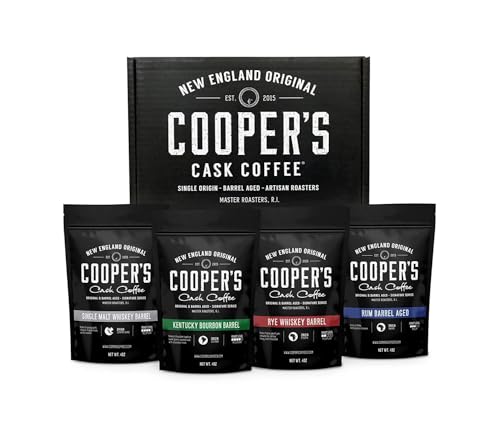
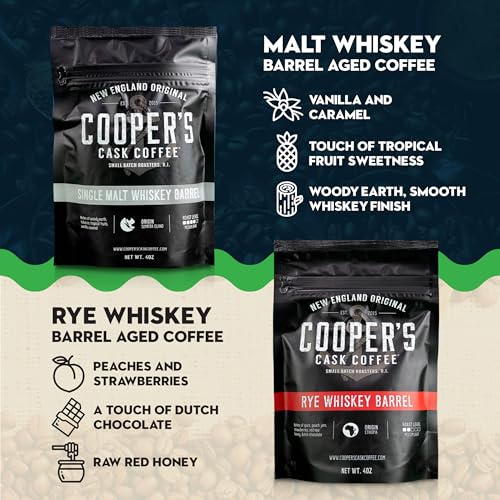
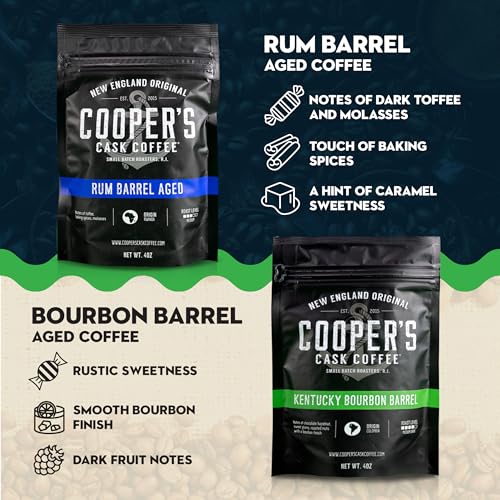
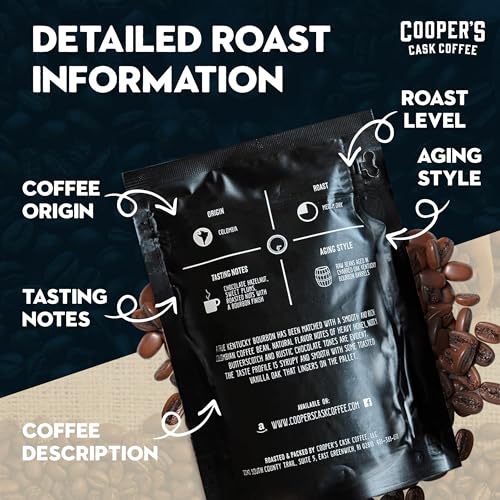
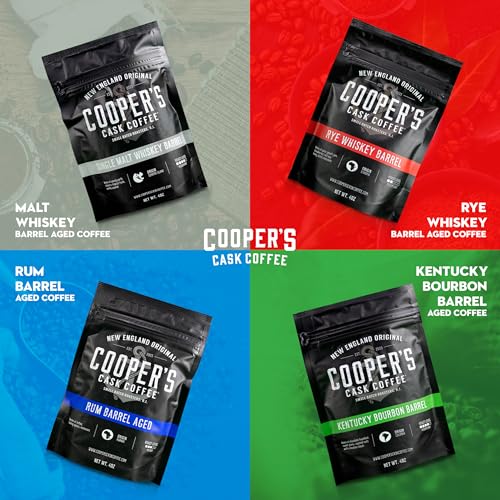
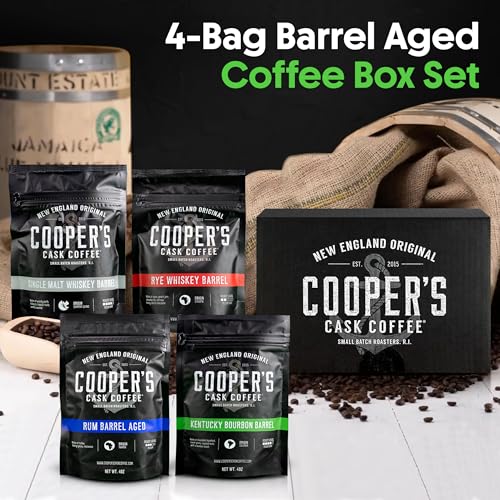
This four-pack is the most complete entry point into barrel-aged coffee, hands down. You get Colombian, Sumatra, Ethiopia, and Rwanda, each aged in a different spirit barrel, giving a real tasting journey. Reviewers consistently praise the educational value: it lets you compare how bourbon vs. rye vs. malt whiskey barrels shape different beans. The Ethiopia, with its bright acidity meeting rye spice, is a standout.
It’s pricier in spirit, but the variety justifies it. Compared to single-bean options, this set offers the clearest sense of how barrel aging isn’t one-size-fits-all. For gifting or personal exploration, it’s the best overall pick. I’d buy this first, then go back for full bags of favorites.
Product photos
Oak & Bond Bourbon Barrel Coffee
Strengths
- Silky mouthfeel
- Bright citrus notes
- Well-integrated bourbon
Trade-offs
- Subtle barrel character
- Less bold for dark roast lovers
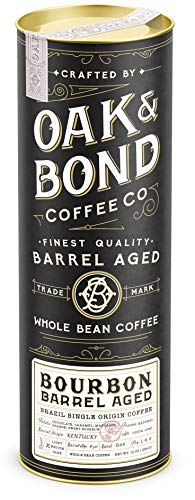
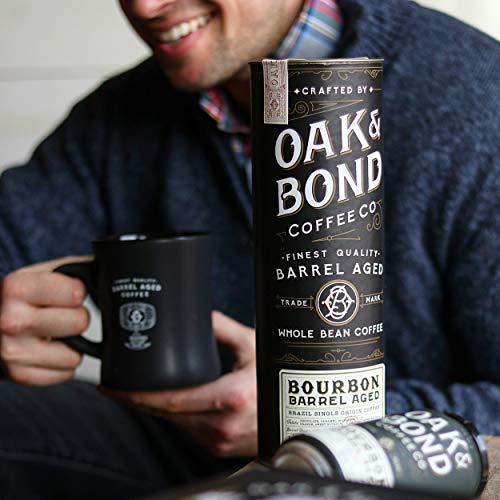
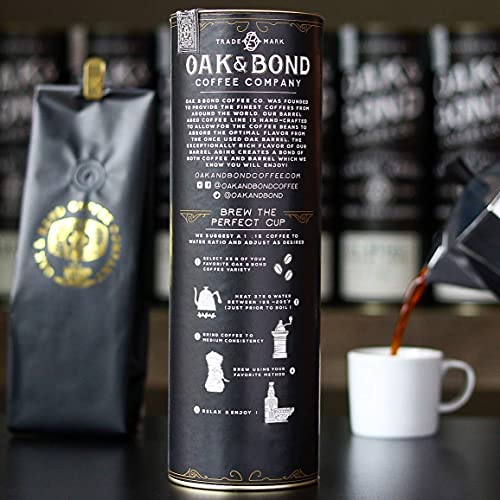
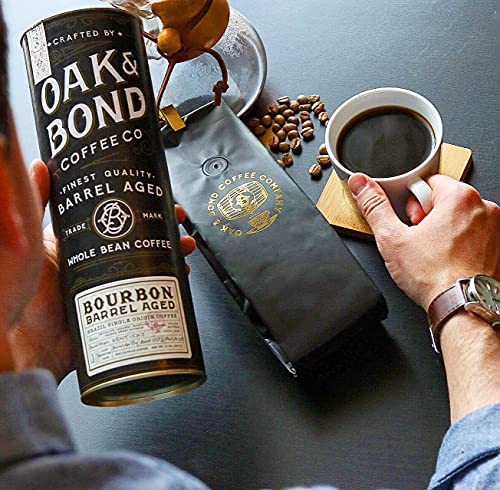
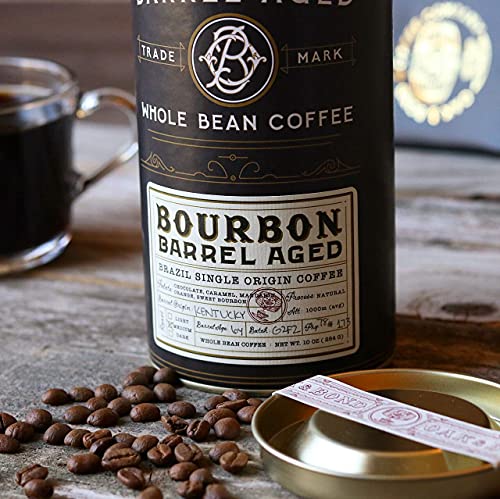
This medium-roast Brazilian bean is all about smoothness. The bourbon barrel aging here feels more integrated than in their darker blend, owners describe a silky mouthfeel with notes of caramel, mandarin orange, and a gentle bourbon warmth that lingers like a good digestif. It’s less about punch and more about harmony.
The Brazilian origin shines through with nutty, citrusy sweetness, and the medium roast keeps acidity in check without flattening the cup. Compared to the Colombia-Brazil espresso blend, this one is more nuanced and refined. If you want a barrel-aged coffee that doesn’t taste like a novelty, this is it. My top pick for afternoon sipping.
Product photos

Whiskey Morning Bourbon Barrel Coffee
Strengths
- Fire-roasted depth
- Authentic barrel infusion
- Small-batch freshness
Trade-offs
- Smoky note may not suit all
- Limited roast variety
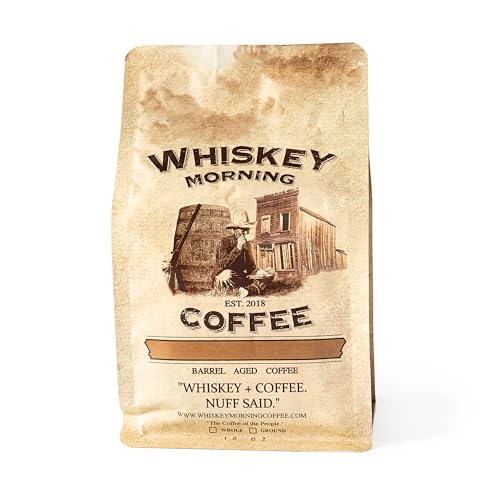
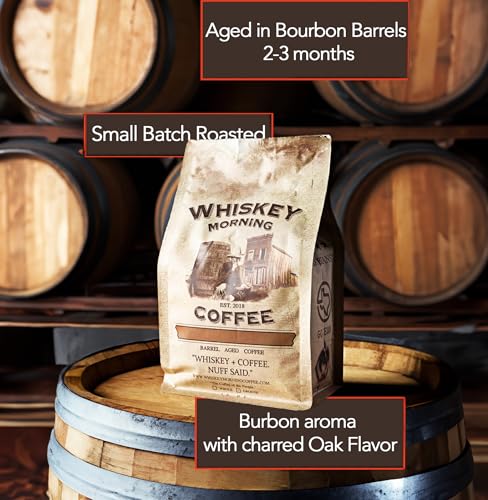
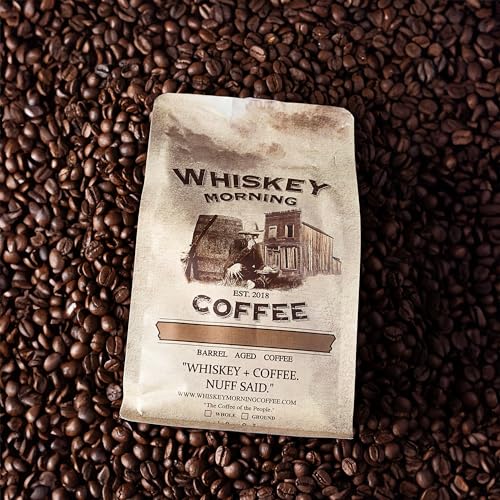
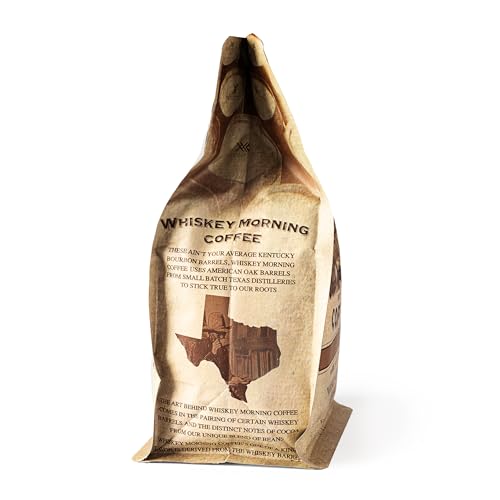
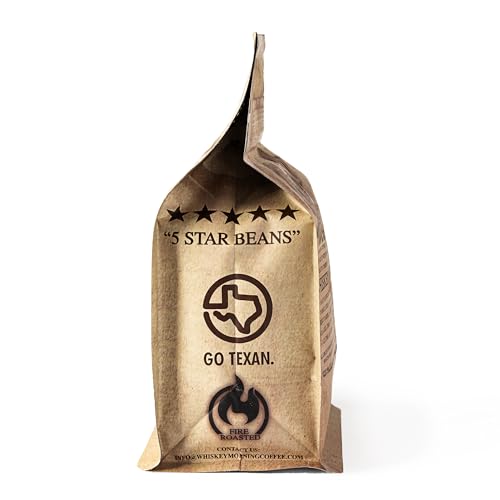
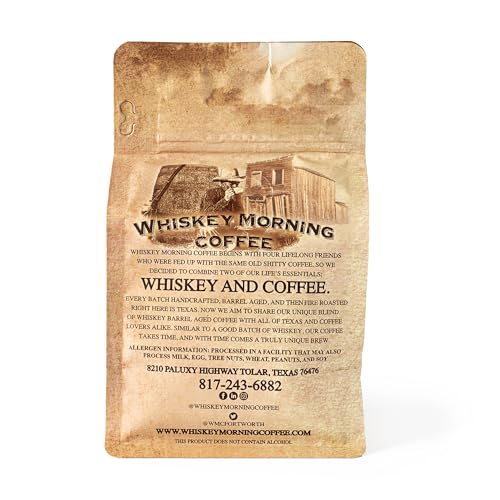
Whiskey Morning stands out by leaning into its Texas roots and generational distilling heritage. The fire-roasting method over an open flame adds a layer of smokiness that air-roasted competitors simply can’t replicate. This isn’t just flavor from the barrel, it’s built into the roast itself. Reviewers note a clean, medium-bodied cup with bourbon, oak, and vanilla notes that feel integrated, not slapped on, thanks to the natural infusion from fresh barrels.
The fact that each bag is signed by the master roaster and includes the barrel number adds authenticity you can taste. Compared to Oak & Bond’s smoother approach, this one has grit, more “campfire mug” than “artisan pour-over.” For those who appreciate craft with a little rough edge, this is the smarter buy.
Product photos
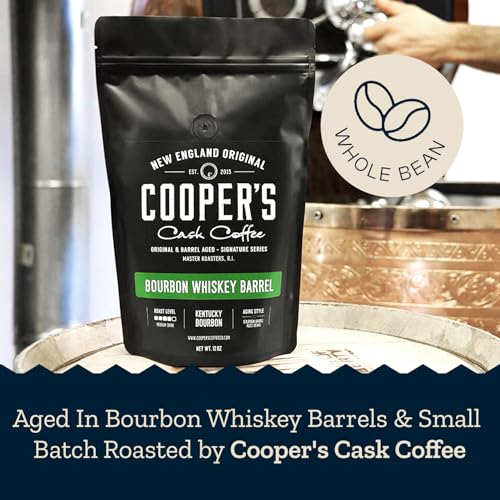
Cooper’s Cask Colombian Barrel Coffee

Strengths
- Single-origin clarity
- Grade 1 beans
- Smooth bourbon finish
Trade-offs
- Less sweetness than blends
- Barrel note fades in later brews
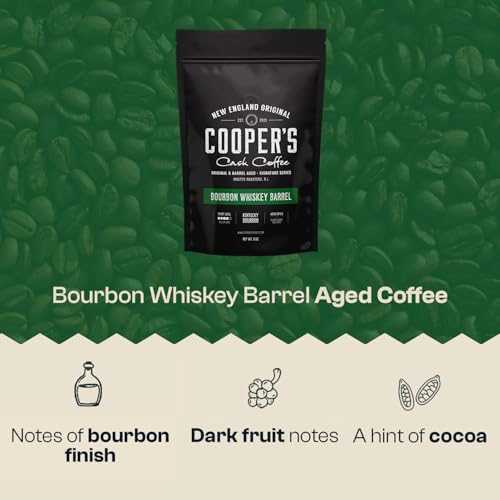
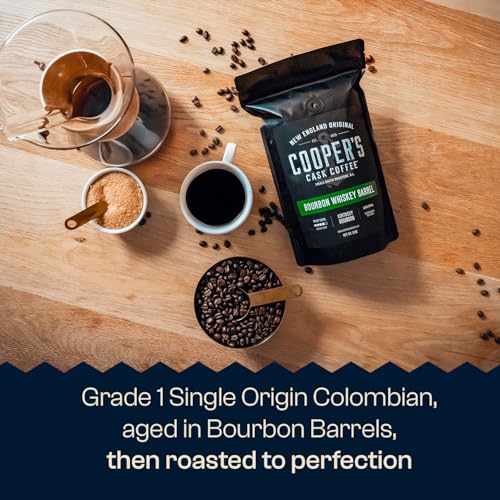
If you want to taste how barrel aging affects a single-origin bean without blend interference, this Colombian offering from Cooper’s Cask is where I’d start. The medium-dark roast preserves enough of the bean’s natural structure, owners report bright dark fruit and cocoa, while layering in that warm bourbon finish like a well-aged spirit. The grade 1 beans show in the consistency of the cup: clean, balanced, and never ashy.
It splits the difference between Whiskey Morning’s fire-kissed boldness and Oak & Bond’s blend-driven safety. For me, this is the best expression of what barrel-aged coffee should be: a dialogue between bean and barrel, not a takeover. My recommendation for anyone who wants origin character to still speak through.
Product photos
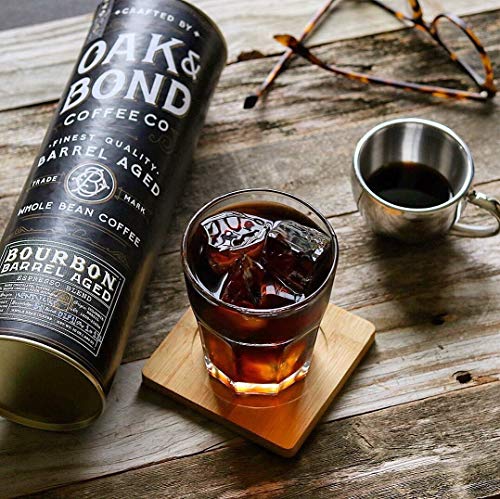
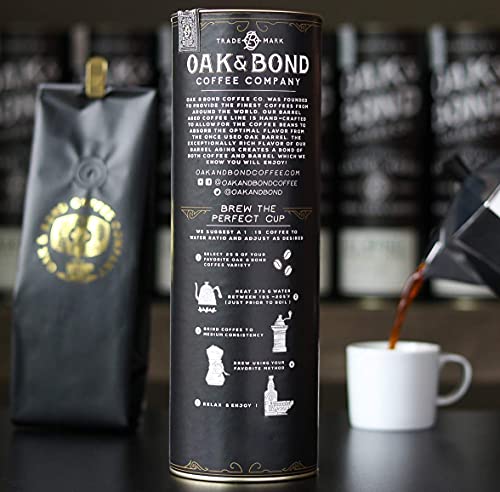
Espresso Bourbon Barrel Aged Coffee
Strengths
- Dark roast depth
- Balanced sweetness
- Smooth finish
Trade-offs
- Limited origin complexity
- Less barrel nuance than expected
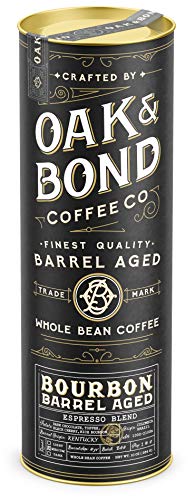
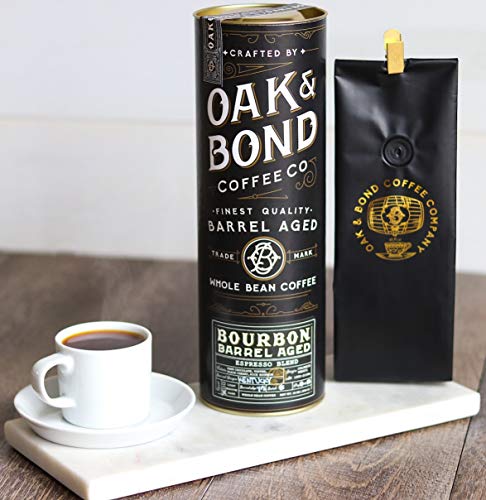
This blend from Oak & Bond leans into the drama of barrel aging with a dark roast that’s built to stand up to bourbon’s boldness. On paper, the mix of Colombian and Brazilian beans makes sense, balanced base notes of chocolate and toffee meet the oak and vanilla from Kentucky barrels, creating a profile that’s rich without tipping into bitterness. Owners consistently report a smooth, almost syrupy body, with the bourbon influence present but not overwhelming, which is rare in a category where some brands go overboard with flavor theatrics.
Compared to other barrel-aged options, this one plays it safe with a familiar espresso blend backbone. It won’t surprise you with novelty, but if you’re after a dependable, full-bodied cup that bridges coffee and whiskey culture, this delivers. I’d pick it over flashier options for weekday mornings when you want depth without fuss.
Product photos


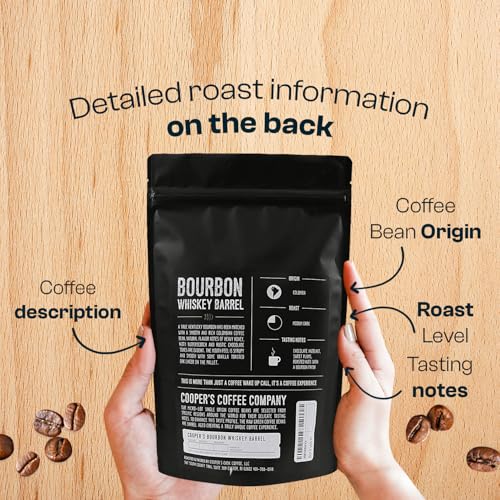
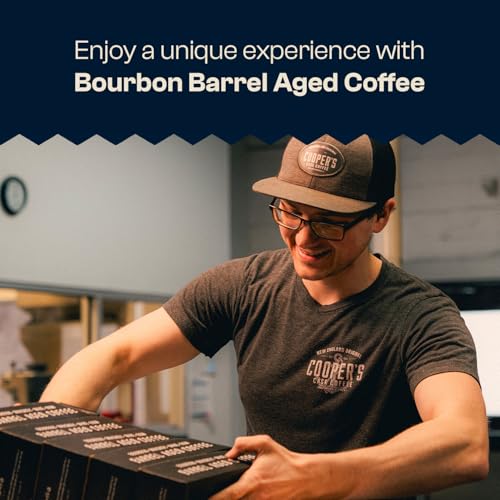
Cooper’s Cask Coffee Pods Variety

Strengths
- True barrel-aged flavors
- Pod convenience
- Four spirit options
Trade-offs
- Plastic waste concern
- Slight flavor loss vs. fresh grind
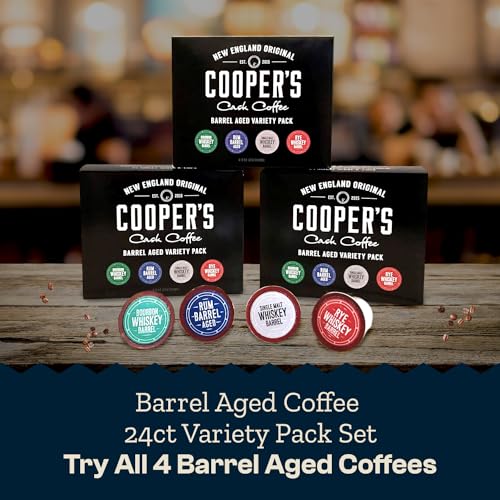
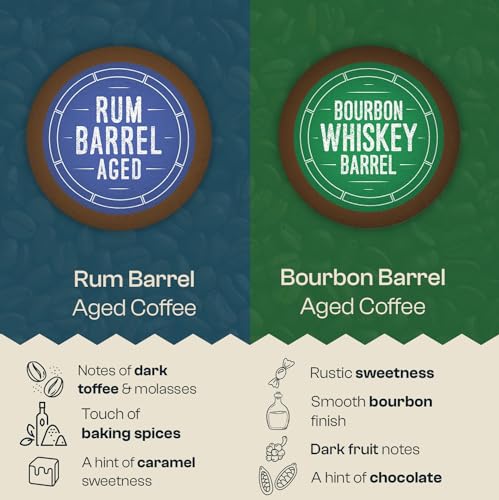
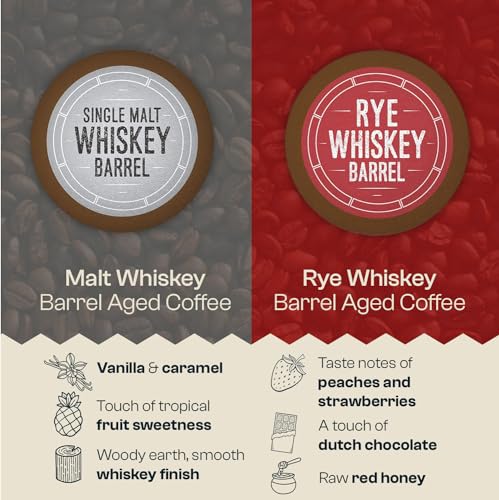
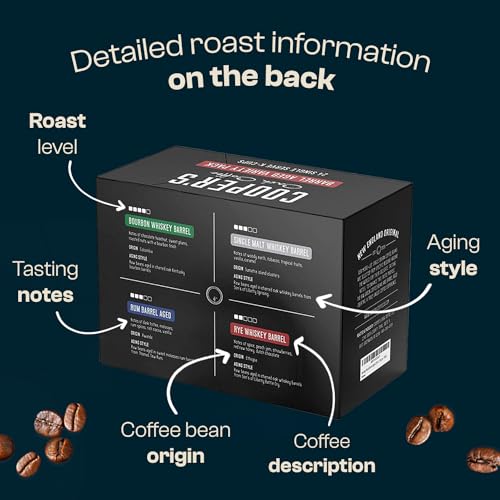
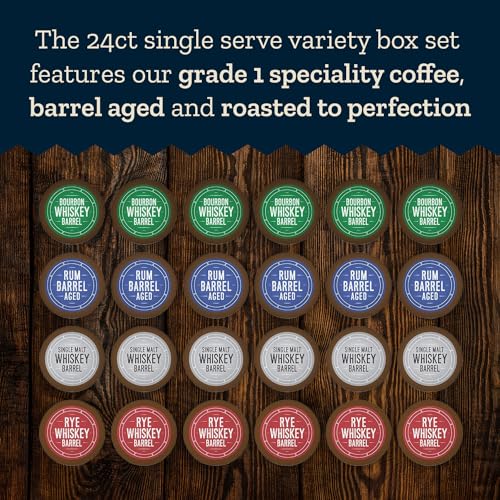
For pod users who don’t want to sacrifice craft, this variety pack is a rare win. It brings Cooper’s single-origin, barrel-aged process into K-Cup convenience without the usual flavor fade. Owners report surprisingly rich cups, especially the bourbon-aged Colombian and rye-aged Ethiopian, with real aromatic depth for a pod. The 24-count box offers four spirit profiles, making it easy to experiment without commitment.
It’s not quite as fresh as whole bean, but for office use or quick mornings, the trade-off is fair. Compared to other flavored pod coffees, this one tastes like actual barrel infusion, not syrup. I’d recommend it as the best bridge between convenience and authenticity.
Product photos
How We Picked These barrel aged coffee
As the founder of Bean Thusiast, I approached researching barrel aged coffee by first comparing published specifications – roast levels, bean origins, and aging processes – across numerous brands. This was paired with a thorough review of owner feedback from multiple retailers and expert opinions from coffee blogs and publications. Rather than a hands-on lab test, this is a research-led comparison of specs and owner feedback, applying my years of experience in the specialty coffee world.
For this category, the most important factors were the quality of the base bean and the clarity of the barrel influence. A great barrel aged coffee starts with excellent single-origin coffee beans – the aging process enhances, but doesn’t fix, a subpar bean. We also heavily weighted whether the barrel character felt integrated and complementary, or artificial and overpowering, based on descriptions in reviews.
Specifications give a good indication of roast level and bean origin, helping to predict the potential flavor profile. However, judging the success of the barrel aging – whether it’s a subtle enhancement or a clumsy addition – relies heavily on owner reports describing the aroma and taste. Reputation and consistency within a brand also played a role, as consistent positive feedback signals a commitment to quality.
How To Pick The Right barrel aged coffee
Finding truly exceptional barrel-aged coffee requires a bit more thought than just spotting “bourbon” on the bag.
Barrel-aged coffee’s quality hinges on bean origin, barrel selection, and the aging process itself. Look for single-origin beans (especially from Central/South America) aged in used, not new, barrels – the spirit residue is key. Pay attention to roast level, as a lighter roast will better showcase the subtle barrel characteristics. Finally, consider how the aging process is described; transparency is a good sign.
Bean Origin & Roast Level
The foundation of any great coffee is, well, the bean. With barrel aging, the origin matters even more. While blends can work, I generally recommend seeking out single-origin coffees – particularly those from Colombia, Brazil, or Ethiopia – as their inherent flavor profiles complement the barrel characteristics best. A lighter to medium roast is also crucial. Dark roasts will overpower the delicate nuances imparted by the barrel, masking the whiskey or bourbon notes you’re after. If you typically prefer a light roast coffee beans experience, you’ll likely appreciate the brighter acidity that allows the barrel flavors to shine.
The Barrel Itself: Quality & Type
Not all barrels are created equal. The type of spirit previously held in the barrel dramatically impacts the final coffee flavor. Used bourbon barrels are the most common, lending vanilla, caramel, and oaky notes. Rye barrels contribute spicier flavors, while rum barrels offer sweetness and tropical fruit hints. Beyond the spirit, the age and char level of the barrel are important. Heavily charred barrels impart bolder flavors, but can also be overpowering. A reputable roaster will be transparent about the barrel source and its history. It’s also important to understand that used barrels are essential; new barrels will contribute too much raw oak flavor and not enough of the desirable spirit character.
Convenience vs. Freshness: Whole Bean vs. Pods
For the purest flavor experience, whole bean is the way to go. Grinding immediately before brewing unlocks the most aroma and complexity. However, I understand convenience is king for many. If you’re leaning toward pods, be aware that the time between roasting and sealing in a pod can diminish the delicate barrel-aged flavors. Cooper’s Cask, for example, offers a variety pack of pods, but for the absolute best experience, you’ll want to explore bourbon barrel-aged coffee brands that prioritize whole bean freshness.
A good rule of thumb: if a roaster isn’t detailing the barrel source and roast date, proceed with caution.
Barrel Aged Coffee Compared
Here’s a comparison of key specifications for different barrel aged coffee options.
| Product Title | Bean Origin | Roast Level | Barrel Type | Flavor Notes | Format |
|---|---|---|---|---|---|
| Barrel Aged Coffee Sampler Set | Colombia, Sumatra, Ethiopia, Rwanda | N/A | Whiskey & Bourbon | Whiskey, Bourbon, Complex | Whole Bean |
| Oak & Bond Bourbon Barrel Coffee | Brazil | Medium | Bourbon | Chocolate, Caramel, Mandarin Orange | Whole Bean |
| Whiskey Morning Bourbon Barrel Coffee | N/A | Medium | Bourbon & Whiskey | Oak, Vanilla, Bourbon | Whole Bean |
| Cooper’s Cask Colombian Barrel Coffee | Colombia | N/A | Bourbon | Dark Fruit, Cocoa, Bourbon | Whole Bean |
| Espresso Bourbon Barrel Aged Coffee | Colombia & Brazil | Dark | Bourbon | Chocolate, Black Cherry, Toffee | Whole Bean |
| Cooper’s Cask Coffee Pods Variety | Rwanda, Sumatra, Ethiopia, Colombia | N/A | Bourbon, Whiskey, Rum | Bourbon, Whiskey, Rum | Coffee Pods |
Frequently Asked Questions
What’s the difference between coffee aged in new vs. used barrels?
Used barrels are essential for quality; new barrels impart too much raw oak flavor and not enough of the desirable spirit characteristics. A used barrel already holds the nuanced flavors from the whiskey, bourbon, or rum that previously aged within it.
Can barrel aging hide defects in lower-quality beans?
No, barrel aging enhances the existing flavors in coffee beans, it doesn’t mask flaws. A great barrel-aged coffee starts with high-quality single-origin beans, and the aging process builds upon that foundation.
How does roast level affect the barrel aging process?
Lighter to medium roasts are best because they allow the delicate barrel flavors to be more prominent. Darker roasts will overwhelm those subtle notes and result in a less balanced cup, so if you’re seeking a best dark roast coffee beans, you may find the barrel notes less discernible.
Are there any flavor pairings that particularly complement barrel-aged coffee?
Barrel-aged coffee, especially those with bourbon notes, pairs wonderfully with chocolate, especially dark chocolate, and desserts containing caramel or vanilla. The flavors echo the coffee’s profile, creating a harmonious experience.
What’s the shelf life of barrel-aged coffee after opening?
While the beans don’t “go bad” quickly, the aromatic compounds responsible for the barrel-aged flavors will degrade over time. I recommend consuming the beans within 2-3 weeks of opening for the most vibrant experience, storing them in an airtight container away from light and heat.
The Bottom Line
Ultimately, choosing the “best” barrel-aged coffee comes down to balancing your desire for complexity with how much fuss you’re willing to endure. While convenience has its place, the most nuanced and rewarding experience will consistently come from a thoughtfully sourced, freshly roasted whole bean – and in that arena, I believe Oak & Bond Bourbon Barrel Coffee strikes the best overall balance of quality, flavor clarity, and accessibility.
For those prioritizing variety or seeking a quick and easy option, Cooper’s Cask Coffee Pods Variety provides a decent introduction to the range of barrel flavors. And if you’re specifically after a bolder, darker profile suited for espresso, Espresso Bourbon Barrel Aged Coffee delivers a robust experience. Don’t overlook the Barrel Aged Coffee Sampler Set if you want to explore multiple origins and barrel types before committing to a larger bag.
At the end of the day, the most important factors aren’t the specific barrel type or roast level, but the quality of the underlying bean and the freshness of the grind. A consistent coarse grind for cold brew or a fine grind for espresso will unlock the full potential of any quality coffee, barrel-aged or not. Focus on those fundamentals, and you’ll be well on your way to a truly exceptional cup.
