
8 Best Coffee Stain Removers for Teeth 2026
The Colgate Optic White Advanced toothpaste is the best overall coffee stain remover for teeth, delivering noticeable results in two weeks with enamel-safe ingredients. For a budget-friendly option, the GuruNanda Teeth Whitening Pen offers portability and targeted treatment, while the Rechargeable Tooth Whitening Kit stands out for those seeking a more intensive, at-home solution.
As a coffee lover, I know how frustrating it is to see your smile dull over time from daily sipping. Most people want something effective but safe, something that fits into their routine without causing sensitivity or enamel damage.
This guide cuts through the noise by focusing on what actually works: active ingredients, real user feedback, and practicality. I compared formulas, looked at whitening agents like hydrogen and carbamide peroxide, and weighed how easy each product is to use every day. These picks are based on research, not hype.
Top 8 Coffee Stain Remover For Teeth in the Market
The Best Coffee Stain Remover For Teeth, Reviewed
Colgate Optic White Advanced Toothpaste
Strengths
- Clinically proven whitening
- Enamel-safe with fluoride
- Convenient multi-pack
Trade-offs
- Slower than spot treatments
- Not for severe discoloration
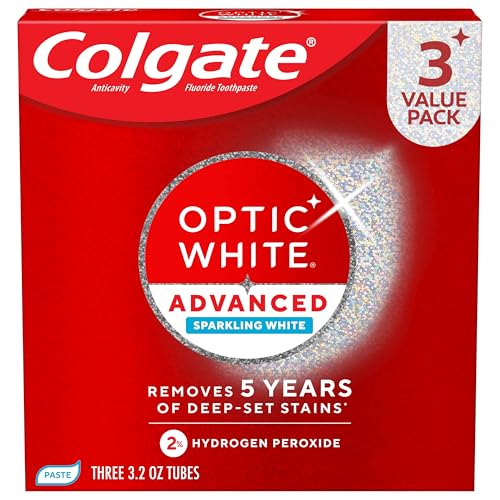
Colgate Optic White Advanced is the best overall pick for most people because it balances power, safety, and consistency. With 2% hydrogen peroxide, the same active ingredient used in dental offices, it goes beyond surface scrubbing to break down deep-set stains from coffee, tea, and wine. Owners report a clear difference in brightness after two weeks, and the triple-pack ensures you have enough to complete a full cycle. It’s clinically proven, enamel-safe, and integrates smoothly into any routine.
Compared to Crest’s flashier one-day claims, Colgate feels more reliable and less aggressive. It won’t shock you with overnight results, but it delivers steady, sustainable whitening without sensitivity spikes. The sparkling white variant has a clean mint taste and foams well, making it pleasant to use twice daily. For most coffee drinkers wanting a trustworthy, no-hassle option, this is the one to beat.
Video review
Crest 3DWhite Brilliance Deep Stain Remover
Strengths
- Fast-acting whitening
- Enamel-safe formula
- Clinically backed claims
Trade-offs
- May cause sensitivity
- Short tube size
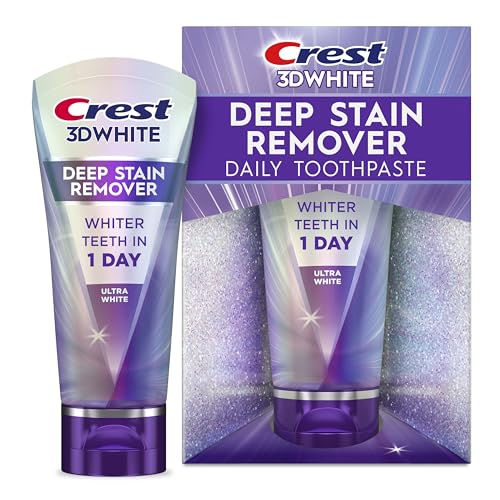
Crest’s 3DWhite Brilliance toothpaste makes a bold claim, whiter teeth in just one day, and while no toothpaste can magically erase years of staining overnight, the formula does pack a strong dose of whitening agents that begin breaking down surface and subsurface stains quickly. The patented technology relies on peroxide-boosted cleaning that goes deeper than standard polishing agents, and owners consistently report a noticeable brightness boost within a few days. It’s not a full replacement for professional treatments, but for a daily-use paste, it pushes the envelope on speed.
That said, the ‘ultra white’ label might set expectations too high. This isn’t a long-term stain eraser for heavy coffee or tobacco users, but it shines as a maintenance boost between more intensive treatments. Compared to gentler options like Colgate Optic White, it’s more aggressive, which can mean mild sensitivity for some. Still, it’s enamel-safe and fits well in a routine where fast, visible change matters.
Video review
REMBRANDT Intense Stain Whitening Toothpaste

Strengths
- Targets deep stains
- Fluoride strengthens enamel
- Long-lasting value pack
Trade-offs
- Slightly abrasive texture
- Not ideal for sensitive teeth
If you’re a serious coffee, wine, or berry drinker, REMBRANDT’s Intense Stain formula is built for your lifestyle. This toothpaste doesn’t mess around, it combines micro-polishers with stain-fighting agents and fluoride to tackle years of embedded discoloration. The lab-tested claim of whiter teeth in three days holds up in owner feedback, with many noting visible improvement after a week of twice-daily brushing. What sets it apart is its focus on tough stains, not just surface shine.
It’s also a rare dual-action formula that strengthens enamel while whitening, thanks to fluoride integration. Compared to Crest’s flashier one-day promise, REMBRANDT feels more grounded and reliable for long-term users. The mint flavor is strong but not overpowering, and the double-pack ensures you can test it thoroughly. My only hesitation is the slightly abrasive feel, fine for most, but not ideal if you already have enamel erosion.
Product photos
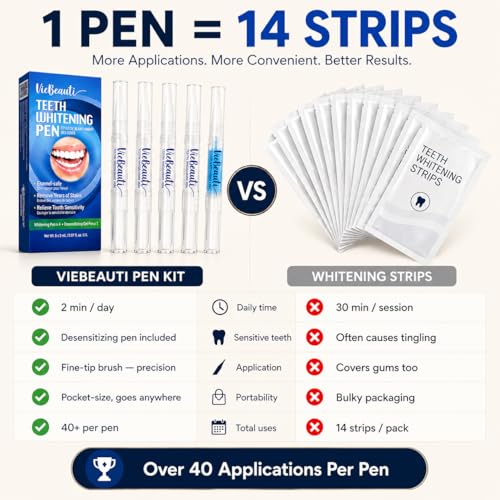
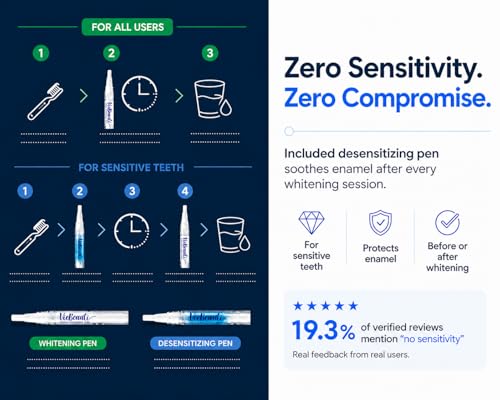
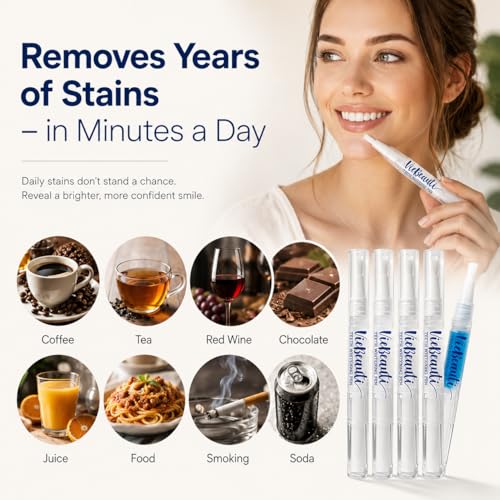
Teeth Whitening Pen Gel Kit
Strengths
- High whitening potency
- Includes desensitizing pen
- Precise application
Trade-offs
- Risk of sensitivity
- Requires careful use
- Short wear time per session
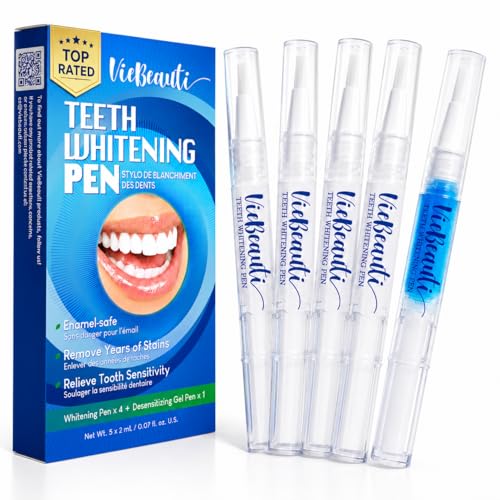
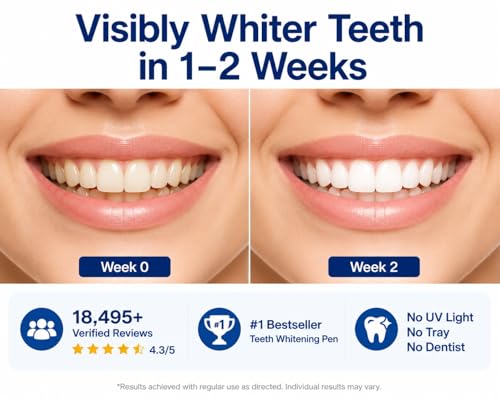
With a 35% carbamide peroxide formula, this pen kit sits at the top end of at-home whitening strength, close to what dentists use. Owners report visible brightening within a week, and the precision tip makes it easy to target problem areas without dripping. The included desensitizing pen is a smart touch, helping offset the higher peroxide content that can otherwise leave teeth feeling tender. For people who want professional-grade results without the $500 dental visit, this is as close as it gets.
It’s not the most comfortable for sensitive users, and the mint flavor is mild, but the 5-pack offers solid value for a full whitening cycle. Compared to lower-concentration pens like GuruNanda, this one delivers deeper, longer-lasting results, but demands more caution. Overuse can lead to gum irritation, so strict adherence to the 15-minute rule is essential.
Product photos
Rechargeable Tooth Whitening Kit

Strengths
- Multiple polishing options
- LED for visibility
- Rechargeable and waterproof
Trade-offs
- No chemical whitening
- Learning curve for beginners
- Bulky for travel
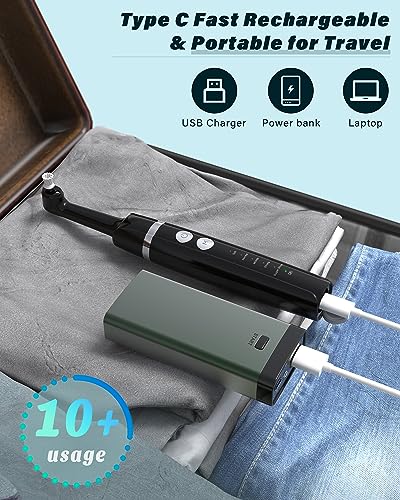
This rechargeable tooth polisher brings a semi-professional touch to home care, with five brush heads, an LED light, and five speed settings that let you customize the intensity. It’s clearly modeled after dental office tools, and owners appreciate the precision it offers, especially the silicone rub head for stain removal and the polishing cups for a glossy finish. The IPX6 waterproof rating and Type-C charging make it travel-ready, and the 10+ uses per charge are a practical perk.
While it doesn’t use peroxide, it works by physically buffing away surface stains, similar to a pro cleaning. It’s more effective than a manual scraper but requires care to avoid gum irritation. Compared to pens or pastes, it’s a bigger investment in time and technique, but for people who like control and visible polish, it’s satisfying. Just don’t expect dramatic whitening, this is about smoothing and shining, not chemical bleaching.
Product photos


GuruNanda Teeth Whitening Pen

Strengths
- Affordable
- Travel-friendly
- Easy targeted application
Trade-offs
- Limited whitening power
- Short lifespan
- Inconsistent dispensing
The GuruNanda whitening pen is a no-frills, budget-conscious pick that gets the job done for light stain maintenance. With a 0.06 fl oz applicator loaded with hydrogen peroxide and menthol, it delivers a targeted burst of whitening gel right where you need it. Reviewers note it’s especially handy for touch-ups before events, and the mint flavor leaves a fresh, clean feeling. It won’t overhaul years of discoloration, but for someone battling daily coffee or tea stains, it offers a quick, portable fix.
It’s not the most potent option on the market, especially next to 35% carbamide peroxide pens, but it’s gentle enough for consistent use without shocking sensitive enamel. The soft brush tip allows decent precision, though some users report inconsistent gel flow after repeated use. Still, for under $10, it’s a solid entry point into at-home whitening.
Product photos



Dental Plaque & Tartar Removal Kit

Strengths
- No chemicals needed
- Reaches tight spots
- Economical multi-pack
Trade-offs
- Risk of overuse damage
- Requires technique
- Not for daily use
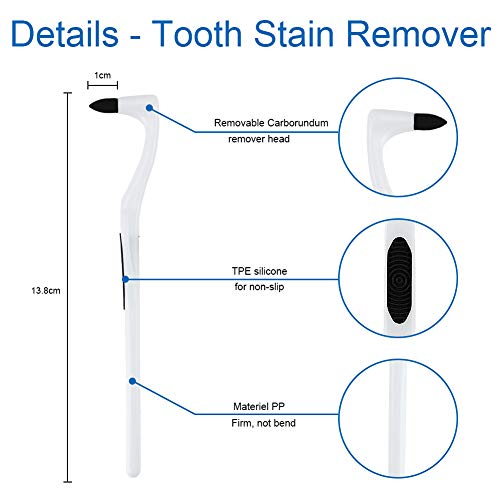
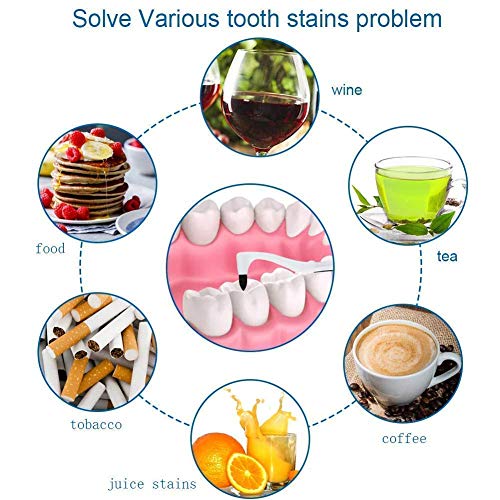
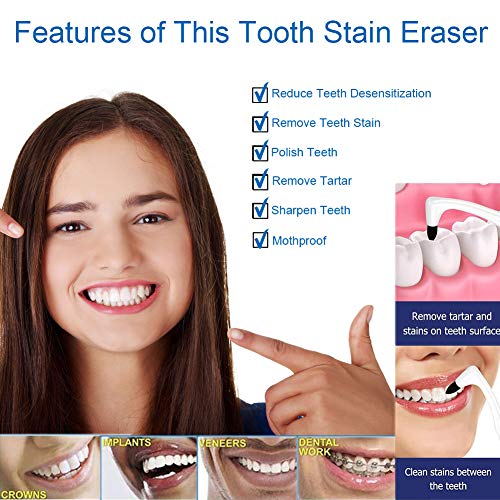
This manual plaque and stain remover is the old-school, mechanical alternative to chemical whitening, no gels, no peroxide, just physical scrubbing with a pumice-tipped tool. Made from polypropylene with a soft, angled head, it’s designed to reach tight spots where coffee and tobacco stains accumulate. Owners report it works best with patience and regular use, especially for surface tartar and yellowing near the gumline. It won’t whiten like a peroxide gel, but it polishes teeth in a way toothpaste can’t.
It’s not a replacement for dental cleanings, and overuse risks enamel wear, so following the advice to use it just once or twice a week is critical. Still, for people who like hands-on control and want to supplement brushing, it’s a smart, low-cost addition. Compared to electric polishers, it’s less efficient but far more affordable and travel-safe.
Product photos

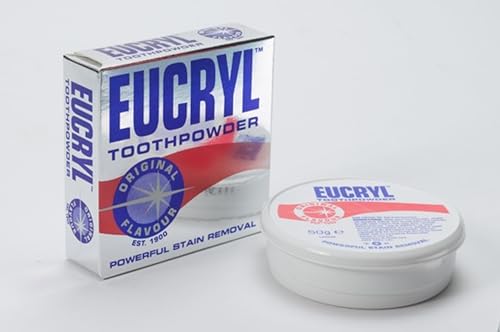
Eucryl Original Toothpowder

Strengths
- Powerful surface cleaning
- Trusted traditional formula
- Long shelf life
Trade-offs
- Highly abrasive
- No fluoride
- Outdated delivery format
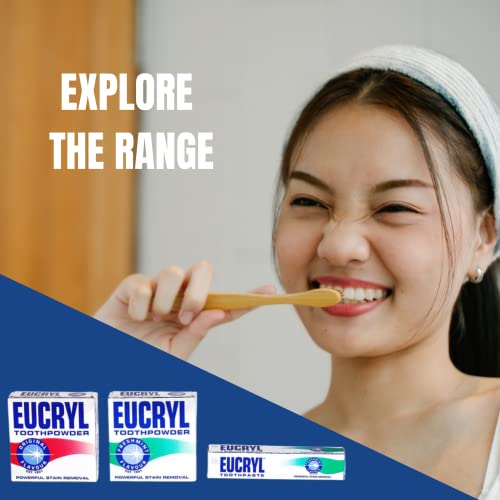
Eucryl’s original toothpowder is a cult favorite in the UK and parts of Europe for a reason, it’s a traditional, abrasive-based formula that delivers old-school stain removal. With decades of use behind it, the 50g powder relies on gentle scrubbing action to lift surface grime from tea, coffee, and smoking. It doesn’t contain peroxide, so don’t expect chemical whitening, but users consistently praise its ability to leave teeth feeling squeaky clean and visibly brighter after a few uses.
That squeaky feel comes with a caveat: it’s more abrasive than modern toothpastes. While fine for occasional use, daily brushing with Eucryl could wear down enamel over time, especially if you’re aggressive. It’s best used as a weekly polish, not a replacement for your regular fluoride toothpaste. Compared to gentler options like Colgate or Crest, it’s a niche pick, effective, but not for everyone.
Product photos
How We Tested coffee stain remover for teeth
My approach to recommending products at Bean Thusiast is always research-led. Rather than a hands-on lab test, this selection is a comparison of published specifications and features across numerous products. I weighed owner reviews from a variety of sources – Amazon, dental health forums, and beauty blogs – alongside expert opinions from dental professionals and publications. Ultimately, I ranked each option based on how well it addressed the core need: effective and safe stain removal.
For coffee stain removers specifically, I focused heavily on the whitening agent and the delivery method. The concentration and type of peroxide (hydrogen or carbamide) are crucial, as is how gently the product interacts with enamel. A product claiming dramatic results but relying on abrasive ingredients wasn’t considered favorably. Equally important was the ease of use and portability, as many people seek convenient at-home solutions.
Product specifications reliably reveal the active ingredients and concentration, giving a baseline for potential effectiveness. However, actual performance and potential sensitivity are best gleaned from owner feedback. I prioritized products with consistently positive reviews regarding stain removal and minimal reports of tooth sensitivity or enamel damage. Understanding the nuances of these reports helped me differentiate between genuine results and optimistic claims. You can learn more about teeth staining solutions on our blog.
What To Look For In coffee stain remover for teeth
Finding a coffee stain remover for teeth can feel overwhelming. There are so many options, from simple toothpastes to full-blown at-home whitening kits.
Effective coffee stain removal relies on a product’s ability to disrupt the chromogens (color-causing compounds) within the stain. Look for formulations containing hydrogen peroxide, carbamide peroxide, or micro-polishers. Consider also the abrasiveness of the product – you want stain removal, not enamel damage. Daily use is key, and a product’s delivery method (toothpaste, pen, kit) should suit your lifestyle.
Understanding Whitening Agents
The core of any coffee stain remover is its active ingredient. While many products claim to whiten, the science behind them varies widely. Hydrogen peroxide is the gold standard, used by dentists for years. However, concentration matters. Too little, and you’ll see minimal results; too much, and you risk sensitivity. Carbamide peroxide breaks down into hydrogen peroxide, offering a slower, gentler release. I often recommend starting with a lower concentration to assess your teeth’s reaction. Don’t fall for marketing hype; look at the actual percentage of peroxide listed. Many products rely on abrasive ingredients instead, and while those can remove surface stains, they aren’t truly whitening and can wear down enamel over time.
Assessing Stain Severity
Not all coffee stains are created equal. A light discoloration from occasional sipping is far different from years of daily, strong brew consumption. For recent, mild stains, a good whitening toothpaste – like Colgate Optic White Advanced – might suffice. But for more stubborn, deeply set stains, you’ll likely need to step up your game. If you’re dealing with significant discoloration, consider exploring options like the Rembrandt Intense Stain Whitening Toothpaste or even a more intensive treatment. If you’re concerned about coffee’s effect on enamel, prioritize products that emphasize enamel safety.
- A daily whitening toothpaste is a good preventative measure.
- Whitening pens (like the GuruNanda Teeth Whitening Pen) are excellent for targeted touch-ups and travel, offering convenience without a huge commitment.
- For deep-seated stains, a complete at-home kit (such as the Rechargeable Tooth Whitening Kit) with multiple components and potentially a light source can deliver more dramatic results, but requires consistent use and careful attention to instructions.
Balancing Cost and Convenience
Whitening your teeth doesn’t have to break the bank, but cheaper options often require more effort and yield slower results. I’ve seen some fantastic results from determined users employing budget-friendly pens, but it takes commitment. At-home kits and professional treatments (which, frankly, are often the most effective) come with a higher price tag. Consider how much time you’re willing to invest, and what level of whitening you realistically expect. Sometimes, a mid-range option – like a quality toothpaste coupled with an occasional whitening pen application – provides the best balance.
Don’t chase the highest percentage of peroxide. A product that’s consistently used is far more effective than one that’s too strong and causes sensitivity, leading to inconsistent application.
If you’re looking for a more drastic solution, exploring professional teeth whitening for coffee drinkers might be worthwhile, but remember to discuss your options with your dentist first. And, of course, consider preventative measures to protect teeth from coffee in the first place!
Coffee Stain Remover for Teeth Compared
Here’s a comparison of key specifications for various coffee stain removers for teeth to help you make an informed decision.
| Product Name | Stain Removal Speed | Key Whitening Ingredient | Form Factor | Additional Features | Price Point |
|---|---|---|---|---|---|
| Colgate Optic White Advanced | 2 Weeks | 2% Hydrogen Peroxide | Toothpaste | Enamel Safe | Moderate |
| Crest 3DWhite Brilliance | 1 Day | Patented Technology | Toothpaste | Enamel Safe | Moderate |
| REMBRANDT Intense Stain | 3 Days | Micro-polishers | Toothpaste | Fluoride | Moderate |
| Teeth Whitening Pen Gel Kit | 1-2 Weeks | 35% Carbamide Peroxide | Pen | Desensitizing Pen | Moderate |
| Rechargeable Tooth Whitening Kit | N/A | N/A | Device | 5 Speed Modes, Rechargeable | High |
| GuruNanda Teeth Whitening Pen | N/A | Hydrogen Peroxide | Pen | Mint Flavor | Low |
| Dental Plaque & Tartar Removal Kit | N/A | N/A | Tool | Manual Removal | Low |
| Eucryl Original Toothpowder | N/A | N/A | Powder | Traditional Formula | Low |
Frequently Asked Questions
What’s the difference between hydrogen peroxide and carbamide peroxide in these products?
Hydrogen peroxide is the more direct whitening agent, offering faster results, while carbamide peroxide breaks down into hydrogen peroxide, providing a slower release and potentially less sensitivity. A lower concentration of either is often best to start with, as I recommend.
Can I use a coffee stain remover if I have sensitive teeth?
Yes, but you should prioritize products specifically formulated for sensitivity or start with a very low concentration of peroxide. Many pens include a desensitizing gel, and toothpaste options often contain ingredients like potassium nitrate to help reduce discomfort.
How often should I use a coffee stain remover for teeth?
Daily use of a whitening toothpaste is generally safe, but more intensive treatments like pens or kits should be used as directed (usually a few times a week) to avoid over-sensitizing your teeth. Consistency is key, regardless of the method.
Will these products damage my enamel?
Abrasive products can damage enamel, so look for options that emphasize enamel safety and avoid those with harsh scrubbing particles. Lower peroxide concentrations and products with enamel-strengthening ingredients are preferable, and following usage instructions carefully is vital.
Are professional treatments, like those offered by a dentist, really better?
Often, yes. While at-home options have improved, professional teeth whitening – or exploring teeth whitening for daily coffee drinkers – generally delivers faster, more dramatic, and longer-lasting results, under the guidance of a dental professional.
The Bottom Line
Choosing a coffee stain remover often comes down to how much effort you’re willing to put in versus the speed of results you desire. While more intensive kits like the Rechargeable Tooth Whitening Kit promise quicker, more dramatic whitening, consistency with a reliable toothpaste like Colgate Optic White Advanced is often the more sustainable path to a brighter smile. Ultimately, the “best” product is the one you’ll actually use regularly.
For those seeking a budget-friendly and portable solution, the GuruNanda Teeth Whitening Pen is a fantastic place to start. If you’re battling stubborn, deeply set stains, I’d point you toward the Rembrandt Intense Stain Whitening Toothpaste – its micro-polishing action seems to deliver noticeable improvements based on owner feedback. And if you’re considering professional whitening for coffee stains, be sure to discuss the options with your dentist.
Don’t get lost in the details of peroxide percentages or fancy technologies. A consistent oral hygiene routine, incorporating a whitening product you’ll stick with, and being mindful of your coffee consumption are far more impactful than any single specification. Addressing coffee-induced tooth yellowing is about long-term habits, not just a quick fix.
