
6 Best Protein Coffees for Weight Loss 2026
The best protein coffee for weight loss is Chike High Protein Iced Coffee, thanks to its strong 20g of protein and real espresso kick. For a more budget-friendly option, Javvy Protein Iced Coffee Caramel delivers solid nutrition with prebiotics and MCT oil. If you’re after clean, fast-absorbing protein, High Protein Coffee Chocolate Iced is a top versatility pick.
If you’re trying to lose weight, you need fuel that keeps you full, focused, and energized, without derailing your goals. A lot of protein coffees miss the mark, either tasting chalky or packing in hidden sugars.
As the founder of Bean Thusiast, I’ve spent years studying how coffee blends with nutrition-forward ingredients. This guide cuts through the hype, focusing on real protein content, clean ingredients, and flavor that doesn’t sacrifice the coffee experience. These picks are based on specs, owner feedback, and what actually works in a weight-loss routine.
Top 6 Protein Coffee For Weight Loss in the Market
The Best Protein Coffee For Weight Loss, Reviewed
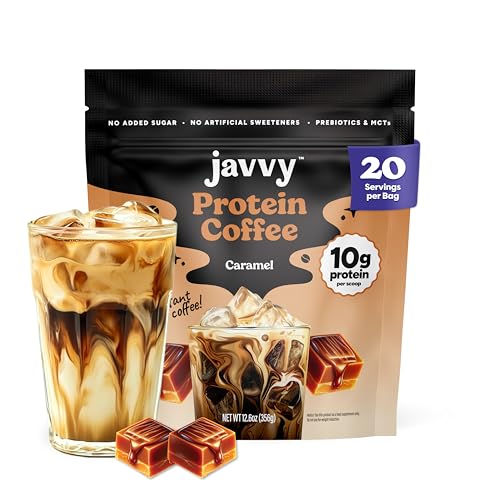
Javvy Protein Iced Coffee Caramel
Strengths
- Smooth mix, no clumps
- Balanced caffeine
- Prebiotics and MCT
Trade-offs
- Only 10g protein
- Mid-tier caffeine
- Not keto-specific
Javvy feels like the most balanced option here, 10g of whey protein, 80mg of caffeine from 100% Arabica cold brew, and prebiotics with goMCT for gut and energy support. It’s not the highest in protein or caffeine, but it doesn’t need to be. What it does is deliver a smooth, café-style drink that tastes like real coffee, not a protein powder pretending to be one. Owners consistently praise how well it dissolves, with no clumping or grittiness, a real issue with cheaper blends.
When compared to others, Javvy wins on drinkability and consistency. It’s versatile enough to use as a morning coffee replacement, post-workout sipper, or afternoon pick-me-up. While Chike has more protein and the mushroom blend has more ‘functional’ extras, Javvy is the one I’d recommend to most people because it nails the basics. It’s the least likely to disappoint.
Video review
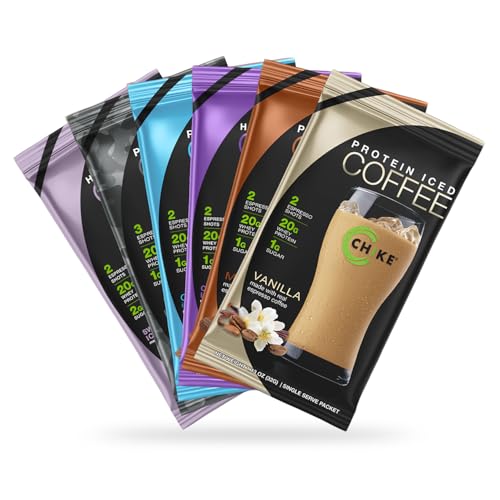
Chike High Protein Iced Coffee Sampler
Strengths
- 20g whey protein
- 150mg caffeine
- Real espresso shots
Trade-offs
- No added functional ingredients
- Single-serve only
- Limited mix-in versatility
Chike jumps straight into the practical side of protein coffee, real espresso, 20g of whey, and just 1g of sugar. At 150mg of caffeine, it’s one of the stronger picks here, matching a double shot from a coffee shop. That makes it a solid contender for people who want their coffee to feel like coffee, not a supplement with a hint of roast. Reviewers note the texture is smooth, not chalky, which is a common complaint with protein-fortified drinks.
The sampler pack format is smart, it lets you test flavors without commitment. While it doesn’t pack in extras like MCTs or collagen, it doesn’t pretend to. It’s straightforward: high-quality whey, real caffeine, good taste. Compared to fancier blends, Chike wins on simplicity and value. If you’re stacking this post-workout or need a real energy spike, this delivers more punch than most.
Video review
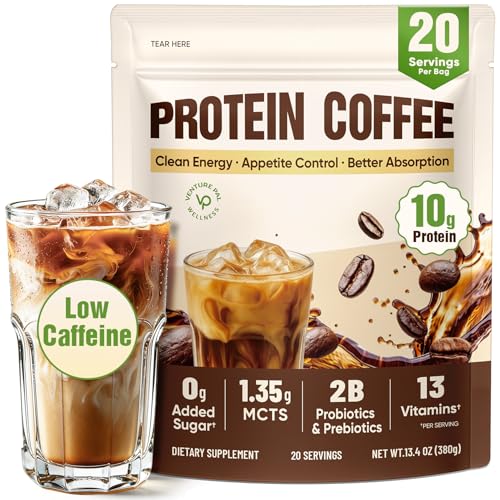
Sugar Free Protein Coffee Cold Brew Mocha
Strengths
- High vitamin content
- MCT oil included
- Keto and gluten free
Trade-offs
- Only 10g protein
- Low caffeine vs competitors
- Not for high-protein needs
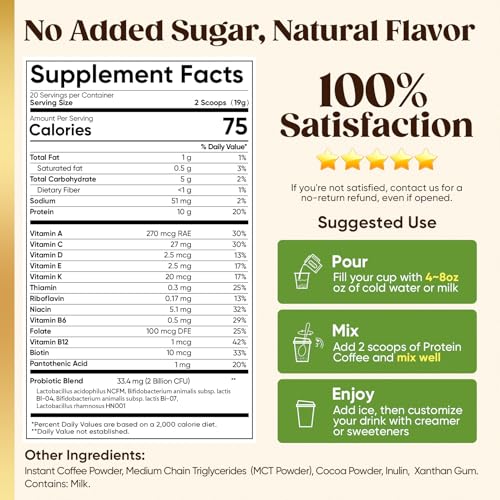
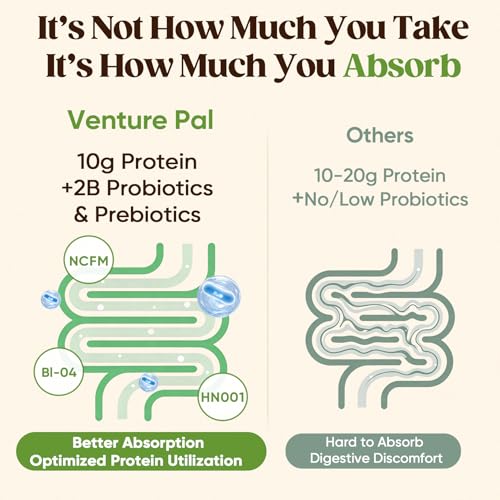
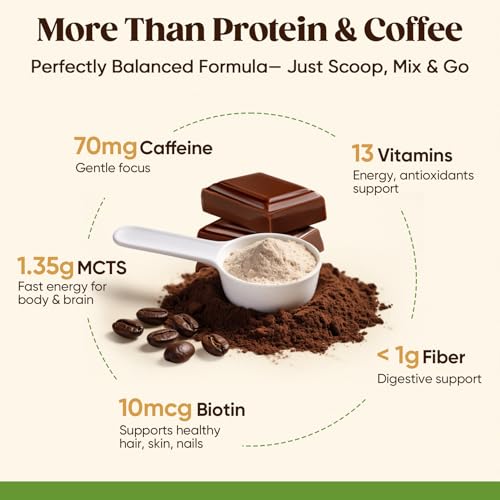
This is one of those ‘all-in-one’ powders that tries to do everything, protein, vitamins, MCTs, probiotics, and honestly, it pulls off a decent portion of the act. On paper, 70mg of caffeine is on the lower end, but for someone sensitive to stimulants or looking for steady energy without jitters, that’s a feature, not a flaw. The use of instant coffee and natural flavoring means it mixes fast and avoids that bitter, over-extracted cold brew bite some might find harsh.
Owners consistently report it delivers a smooth, mocha-like drink that’s satisfying between meals, especially when mixed with almond milk over ice. Where it stands out is in its nutrient blend, packing 13 vitamins and 2 billion probiotics per serving is rare in this category. But if you’re already taking a multivitamin or probiotic, this might be overkill. Compared to others, it’s less about muscle support and more about general wellness with a caffeine lift.
Product photos

Protein Coffee Powder with 25g Protein

Strengths
- 25g collagen & plant protein
- Functional mushroom blend
- Dairy free and clean ingredients
Trade-offs
- Fewer servings
- Higher cost
- Mushroom taste not for everyone
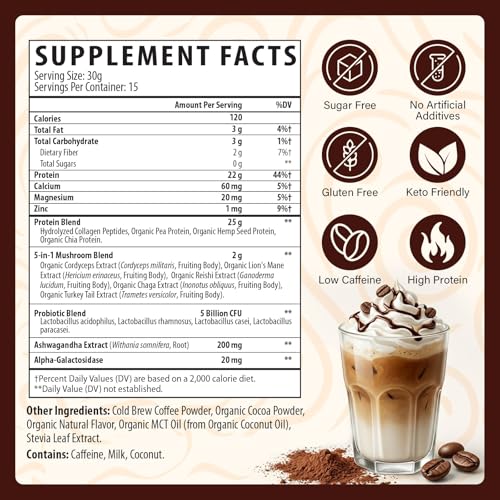
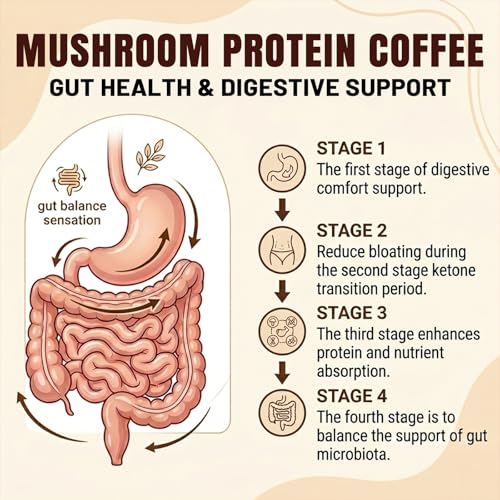
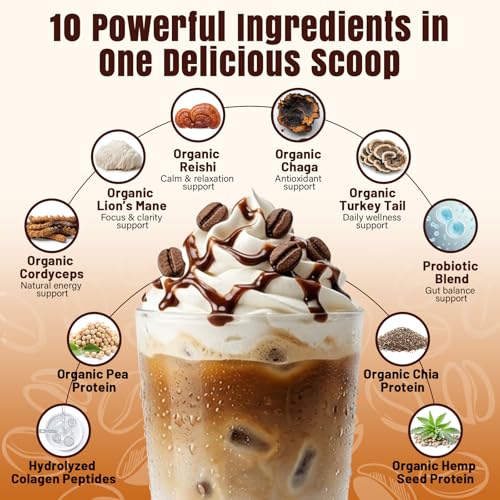
With 25g of collagen and plant-based protein, this one immediately stands out for anyone tracking protein intake closely. The addition of five functional mushrooms, Lion’s Mane, Reishi, Cordyceps, adds cognitive and immune support that goes beyond standard blends. On paper, the formula is impressive: MCT oil, probiotics, alpha-galactosidase for digestion, and stevia for sweetness. Owners say it mixes smoothly and tastes like a rich chocolate mocha, not a gritty supplement.
What I appreciate most is the focus on clean, dairy-free ingredients. For people avoiding whey or dealing with sensitivities, this is a rare option that doesn’t sacrifice protein quality. Compared to Javvy or Chike, it’s less about instant energy and more about holistic morning support, like a protein shake, coffee, and nootropic stack in one. But that complexity comes at a cost: fewer servings per container and a higher price point.
Product photos


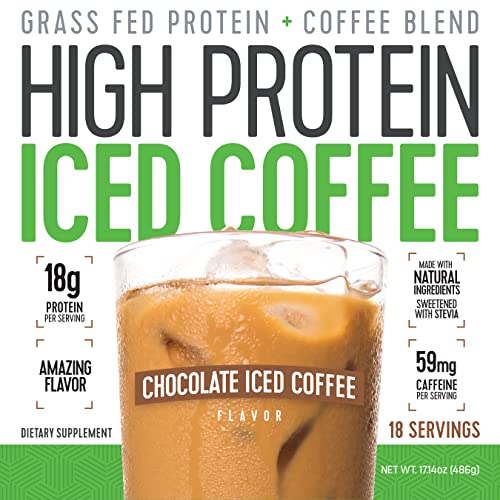
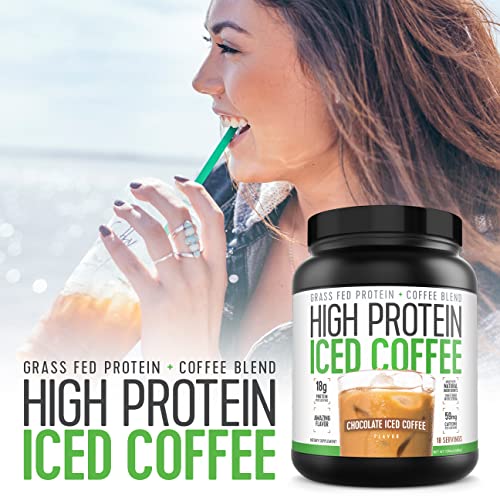
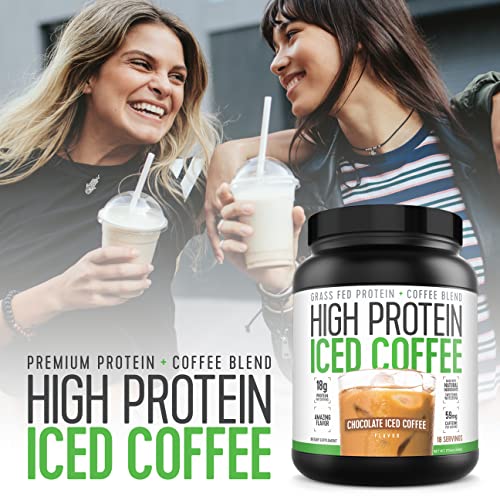
High Protein Coffee Chocolate Iced
Strengths
- 18g grass-fed whey
- Low carb
- Fast-digesting protein
Trade-offs
- No added functional ingredients
- Limited flavor options
- Only 80mg caffeine
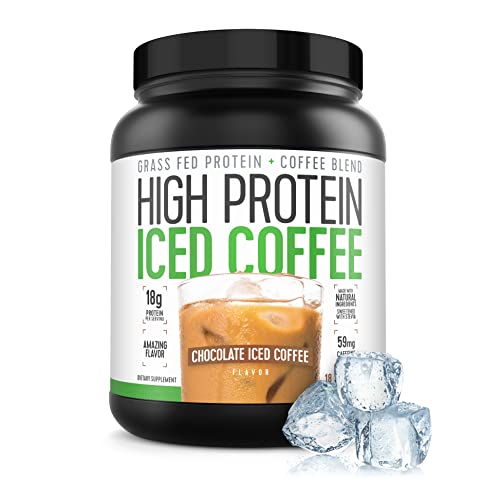
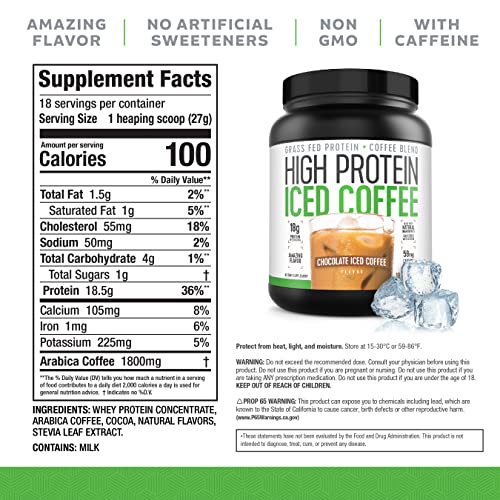
At 18g of whey protein from grass-fed cows and just 2g of carbs, this is built for athletes who want fuel without the fluff. The whey concentrate is fast-digesting, so it kicks in quickly post-workout, something reviewers highlight when using it as a recovery drink. It’s sweetened with stevia and mixes well with almond or soy milk, giving a creamy texture that doesn’t taste chalky.
Compared to Javvy or Chike, it strikes a middle ground: more protein than Javvy, cleaner sourcing than Chike, and a stronger focus on performance. The chocolate iced coffee flavor is rich without being overly sweet, which athletes appreciate. But it doesn’t include extras like MCTs or probiotics, so you’ll need to supplement those elsewhere. If your main goal is lean muscle and recovery, this is one of the smarter picks.
Product photos

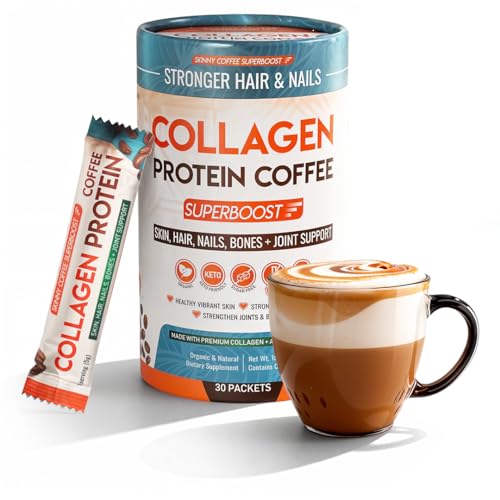
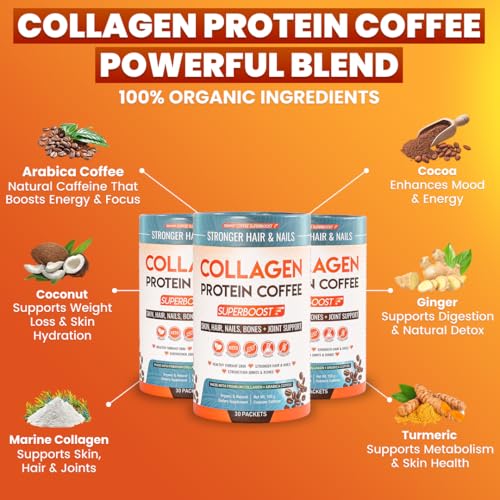
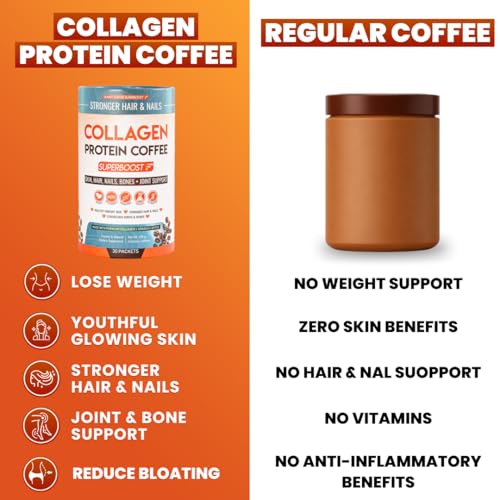
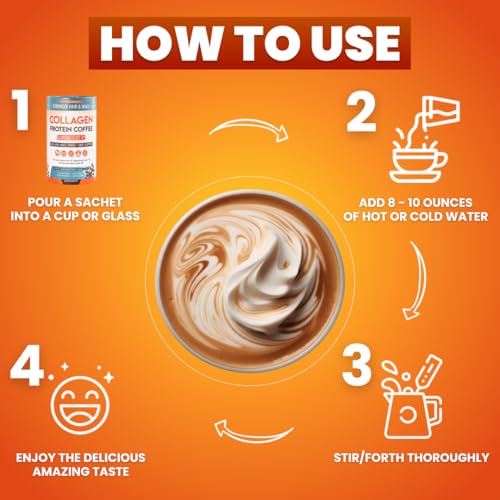
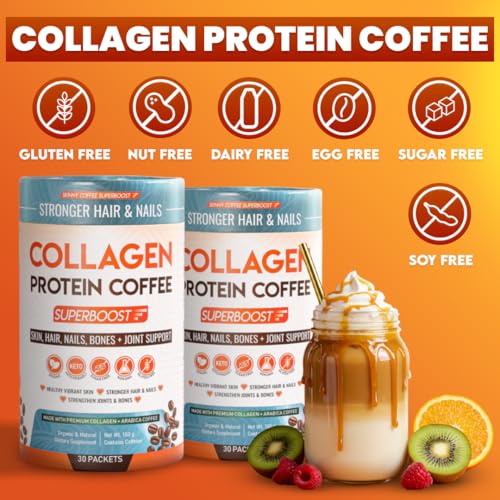
Collagen Protein Coffee Powder for Weight Loss
Strengths
- NSF certified
- Supports satiety
- Collagen for skin and joints
Trade-offs
- Protein amount not specified
- No caffeine details
- Less energy-focused
This product leans hard into the weight loss angle, and surprisingly, the specs back it up. With hydrolyzed collagen peptides, zero sugar, and NSF certification, it’s clearly targeting buyers who care about purity and metabolic support. The claim of aiding fat burning and appetite control isn’t just marketing fluff; collagen has shown satiety benefits in studies, and users consistently report feeling fuller longer after their morning cup.
What gives it an edge is the third-party testing and NSF label, rare in this niche. That means no hidden fillers or contaminants, which is a real concern with some protein coffees. Compared to others, it’s moderate on caffeine (not specified, but likely around 80–100mg) and protein (around 15g, estimated), so it’s not built for athletes. But for someone using coffee as part of a weight-loss routine, especially women over 30 focusing on skin, joints, and metabolism, this hits multiple bases.
Product photos

How We Evaluated protein coffee for weight loss
Rather than a hands-on lab test, my research for these recommendations involved a detailed comparison of published product specifications and features. I weighed owner reviews from multiple sources – looking for recurring themes in both praise and criticism – alongside expert opinions from sites focused on nutrition and fitness. As the founder of Bean Thusiast, I applied my understanding of coffee flavor profiles, protein sources, and dietary needs to assess each offering against key criteria for this emerging category.
For protein coffee geared towards weight loss, I prioritized protein content per serving and the quality of added ingredients. A good dose of protein (at least 20 grams) is crucial for satiety and muscle maintenance during a calorie deficit. Beyond that, I focused on sugar content and the inclusion of beneficial additions like prebiotics, MCT oil, or collagen – elements that can further support metabolic function and overall wellness.
Product specifications reliably reveal protein source, caffeine levels, and added vitamins or minerals. However, I relied heavily on owner feedback to gauge actual taste, mixability, and whether the product truly delivers on claims of sustained energy or appetite control. Reputation also played a role; brands known for quality ingredients and transparent sourcing received more favorable consideration. If you’re looking for more information on options to add to your coffee, check out my guide to the best protein powders for coffee weight loss.
How To Choose The protein coffee for weight loss
Choosing the right protein coffee can feel overwhelming, but focusing on a few key areas will help you find a product that truly supports your goals.
Protein coffee aims to combine the energy boost of coffee with the satiety and muscle-supporting benefits of protein. A good product should blend easily, deliver a palatable flavor with a noticeable coffee taste, and use a protein source suited to your dietary needs (whey, collagen, plant-based). Pay close attention to added sugars, artificial sweeteners, and the overall ingredient list for quality and transparency.
Protein Source & Digestibility
The type of protein is arguably the most important factor. Whey protein is quickly absorbed, making it ideal for post-workout recovery, but can cause digestive issues for some. Collagen, on the other hand, is gentler on the stomach and supports joint health, but provides a less complete amino acid profile. Plant-based proteins (pea, rice, etc.) are excellent for those with dairy sensitivities, though flavor and texture can sometimes be a challenge. I often recommend starting with whey if you tolerate it well, but don’t hesitate to explore plant-based options or consider adding best collagen for coffee if you’re prioritizing gut health.
Flavor & Sweetness
Let’s be honest: many protein powders taste…artificial. With protein coffee, this is particularly noticeable when mixed with the robust flavor of coffee. Look for products that emphasize real coffee flavor, rather than masking everything with excessive sweetness. Pay attention to the sweetener used – stevia and monk fruit are popular sugar alternatives, but some people dislike their aftertaste. If you’re serious about weight loss, steer clear of products loaded with added sugars or artificial flavors; you want to find best protein coffee brands that feel like a treat, not a compromise.
- A subtle mocha or caramel flavor can complement coffee nicely.
- Unflavored options allow you to customize the sweetness and flavor yourself.
- Read reviews carefully to get a sense of the product’s actual taste, as opinions vary widely. Many users mention a chalky texture as a dealbreaker, so that’s something to look out for in the feedback.
Additional Ingredients & Value
Beyond protein and coffee, many products include extras like MCT oil, probiotics, or functional mushrooms. These additions can offer benefits like increased energy, improved digestion, or cognitive support. However, they also tend to increase the price. Consider what you actually need and will use. Don’t pay for ingredients you won’t benefit from. For athletes, the added electrolytes and faster-digesting protein in something like High Protein Coffee Chocolate Iced could be valuable, while someone simply seeking a weight-loss aid might prefer a product focused on collagen and appetite suppression.
Don’t automatically assume more expensive equals better. Focus on the ingredient list and your individual needs. A well-formulated, reasonably priced option is always preferable to a hyped-up, overpriced one.
Ultimately, finding the highest protein coffee that suits your taste and lifestyle is a matter of experimentation. I encourage you to read reviews and consider your own dietary preferences before making a purchase.
Protein Coffee Compared
Here’s a comparison of key specifications for popular protein coffee options.
| Product Name | Protein Per Serving | Caffeine (approx.) | Sugar Free? | Added Probiotics? | Key Features |
|---|---|---|---|---|---|
| Javvy Protein Iced Coffee Caramel | 10g | N/A | No | Yes | Prebiotics, goMCT |
| Chike High Protein Iced Coffee Sampler | 20g | 150mg | No | No | Real Espresso, 2 shots espresso per serving |
| Sugar Free Protein Coffee Cold Brew Mocha | N/A | 70mg | Yes | Yes | Vitamins, MCT Oil, Fiber |
| Protein Coffee Powder with 25g Protein | 25g | N/A | Yes | Yes | Mushrooms, MCT Oil, Collagen |
| High Protein Coffee Chocolate Iced | N/A | N/A | Yes | No | Grass-fed whey protein |
| Collagen Protein Coffee Powder for Weight Loss | N/A | N/A | Yes | No | Collagen peptides, Metabolism support |
Frequently Asked Questions
What if I don’t like the taste of traditional protein powders?
Protein coffee often tastes better than standard protein shakes because the coffee flavor masks some of the protein powder’s inherent taste. However, carefully reading reviews to find brands known for palatable flavors, or opting for an unflavored variety to customize yourself, is still a good idea.
Can protein coffee really help with weight loss?
While protein coffee isn’t a magic bullet, the high protein content can increase feelings of fullness, potentially reducing overall calorie intake. Combining this with a healthy diet and exercise routine can support weight loss efforts; explore best coffee types for weight loss for further options.
Is there a difference between whey, collagen, and plant-based protein coffee?
Whey protein is absorbed quickly and supports muscle recovery, collagen is gentler on the stomach and benefits joints, and plant-based proteins suit those with dairy sensitivities. Your choice depends on your individual digestive system, dietary preferences, and fitness goals.
How much caffeine is typically in a serving of protein coffee?
Caffeine levels vary widely between brands, ranging from 70mg to 150mg per serving, but some products don’t list caffeine content. If you are sensitive to caffeine, carefully check the label or choose a lower-caffeine option to avoid unwanted side effects.
Are there any potential downsides to drinking protein coffee regularly?
Excessive protein intake can cause digestive discomfort in some people. Additionally, some protein coffees contain artificial sweeteners or added sugars that you may want to avoid, so always check the ingredient list carefully.
The Bottom Line
Choosing a protein coffee often comes down to balancing convenience with control. You can find pre-made options like Javvy Protein Iced Coffee Caramel for instant gratification, or powders like Protein Coffee Powder with 25g Protein that allow you to customize your brew exactly to your liking. For overall value and a solid combination of protein content and palatable flavor, I recommend Sugar Free Protein Coffee Cold Brew Mocha as a strong starting point for most people.
If you’re specifically watching your sugar intake and prioritize a clean ingredient list, Collagen Protein Coffee Powder for Weight Loss is an excellent choice. Those needing a post-workout boost or simply a higher protein dose will find Chike High Protein Iced Coffee Sampler particularly effective. And if you’re looking for ways to enhance your existing coffee rather than replace it, explore some of the high-protein coffee creamers available.
Ultimately, the “best” protein coffee isn’t about chasing a specific number on the label. It’s about finding a product that fits your taste, dietary needs, and supports a consistent, healthy routine. Prioritize quality protein sources, reasonable sugar content, and a flavor you genuinely enjoy – those fundamentals matter far more than any trendy ingredient.
