
Can Coffee Cause Headaches? The Caffeine Withdrawal Timeline
Coffee can give you headaches, most commonly through caffeine withdrawal when you skip your usual intake. Withdrawal headaches typically start 12-24 hours after your last cup, peak around day two, and can last up to nine days. Less commonly, excessive caffeine can directly trigger a headache or migraine.
Most people blame the coffee itself when their head pounds after a missed morning cup. They rarely connect the pain to the absence of the drug, not its presence. The timeline is too slow for our cause-and-effect wiring.
This guide breaks down the three main ways coffee leads to head pain: withdrawal, overconsumption, and triggering underlying conditions like migraines. You’ll get the exact physiological mechanisms, timelines from clinical studies, and a concrete plan to adjust your habit without the ache.
Key Takeaways
- Caffeine withdrawal is a medically recognized condition (ICHD-3 code 8.3.1), with headaches starting 12-24 hours after last intake and potentially lasting over a week.
- Your brain adapts to daily caffeine by creating more adenosine receptors; missing caffeine leaves them wide open, causing sudden vasodilation and headache.
- As little as 100 mg of caffeine daily (one strong cup) can create physical dependence and withdrawal symptoms.
- For migraine sufferers, caffeine is a double-edged sword: it can be a trigger for some and a component of relief medications for others.
- Tapering intake by 25% weekly, using half-caff blends, and strategic hydration are the only reliable ways to break the cycle without severe pain.
The Science of Caffeine Withdrawal Headaches
Headaches from skipping coffee aren’t just in your head. They’re in your neurochemistry. The official International Classification of Headache Disorders (ICHD-3) lists caffeine-withdrawal headache as a distinct diagnostic category.
The mechanism is a lock-and-key problem. Every day, your brain produces adenosine, a neurotransmitter that binds to receptors to signal tiredness and promote vasodilation. Caffeine molecules are shaped almost identically to adenosine. They slide into those same receptors, blocking the tired signal and keeping blood vessels moderately constricted. That’s the buzz.
But your brain hates blocked signals. If you drink coffee daily, it compensates by sprouting more adenosine receptors. Now you need more caffeine to block them all and get the same effect. Miss your dose, and all those extra, unblocked receptors get flooded with adenosine. The result is a sudden, exaggerated vasodilation of blood vessels in your brain. That rapid expansion is what you feel as a throbbing, withdrawal headache.
Caffeine withdrawal headache is diagnosed by four criteria: prolonged daily use, abrupt cessation, headache onset within 24 hours, and relief within one hour of caffeine consumption. This framework is detailed in the DSM-5 and mirrored in the ICHD-3.
The timeline isn’t a guess. A 1996 clinical profile study by Saper and Saper mapped it precisely. Headaches begin 12-24 hours after the last caffeine dose. The pain peaks at 20-51 hours. And it can drag on for 2 to 9 days. That’s why a Saturday morning without coffee can leave you feeling wrecked through Monday.
TL;DR: Your brain grows extra adenosine receptors to cope with daily caffeine. Skipping coffee leaves them unblocked, causing sudden vasodilation and a headache that starts within a day and can last over a week.
How Much Coffee Causes Dependence?
You don’t need multiple pots a day to become dependent. The threshold is lower than most people think.
The Saper and Saper study noted withdrawal symptoms, including headache, can appear with a daily intake as low as 100 mg of caffeine. That’s roughly one 8-ounce cup of brewed coffee. The Mayo Clinic’s caffeine content guide lists a standard cup at 95 mg. A single strong morning brew puts you in the danger zone.
| Daily Caffeine Intake | Withdrawal Risk | Notes |
|---|---|---|
| < 100 mg | Low | Occasional drinkers rarely experience physical withdrawal. |
| 100–200 mg | Moderate | One to two cups daily. Headaches likely after 24–48 hours without. |
| 200–400 mg | High | Two to four cups daily. Strong, predictable withdrawal symptoms. |
| > 400 mg | Very High | Exceeds general recommended daily limit. Withdrawal is severe and prolonged. |
Dependence builds with consistency, not just volume. Drinking one cup every morning at 7 AM is more likely to cause a withdrawal headache than drinking three cups sporadically throughout a chaotic day. Your brain adapts to the predictable chemical shift.
Common mistake: Assuming only “high” intake causes problems — a single daily cup is enough to trigger a withdrawal headache if skipped, thanks to neuroadaptation.
This low threshold explains why even moderate drinkers feel off on weekends when they sleep past their usual coffee time. It’s not a lack of willpower. It’s a physical adjustment period. Your coffee and heart health might be fine, but your brain’s receptor landscape has already changed.
When Coffee Is the Direct Trigger
Withdrawal is the most common culprit, but coffee can directly cause headaches in two other ways: caffeine intoxication and as a migraine trigger.
Caffeine Intoxication (Overconsumption)
This is the opposite of withdrawal. Consuming too much caffeine, often above 400 mg for a non-habituated person, can directly trigger a headache. The mechanism here is excessive vasoconstriction, coupled with caffeine’s stimulant effects leading to nervous system overload. Symptoms include:
– Throbbing headache
– Nervousness
– Restlessness
– Insomnia
– Rapid heartbeat
– Stomach upset
It’s a distinct process from withdrawal and often occurs in people who don’t regularly drink coffee, like someone trying an ultra-strong cold brew or multiple energy drinks in a short period.
Coffee as a Migraine Trigger
For people prone to migraines, caffeine’s relationship with headache is paradoxical. It can be both a trigger and a treatment.
– As a Trigger: Even regular consumption can be a migraine precipitant for some individuals. The exact mechanism is unclear but may involve caffeine’s effect on neurotransmitters like serotonin.
– As a Treatment: Caffeine is an active ingredient in many over-the-counter migraine medications (like Excedrin Migraine). It enhances the absorption of pain relievers and provides mild vasoconstriction, which can help counter the vasodilation phase of a migraine.
A 2007 review in Current Pain and Headache Reports called caffeine a “double-edged sword” for migraineurs. The same person might find a cup of coffee aborts an early migraine one day, yet notice that daily consumption increases their overall migraine frequency.
How to Break the Cycle Without the Pain

Quitting cold turkey is a guaranteed headache recipe. A gradual taper is the only comfortable path.
The 25% Weekly Taper Method
This is the gold standard, recommended in clinical resources like the StatPearls caffeine withdrawal overview.
1. Week 1: Reduce your daily intake by 25%. If you drink four cups, go to three. Use a measuring cup to be exact.
2. Week 2: Reduce another 25% from your new baseline. Three cups becomes two and a quarter.
3. Week 3: Reduce to 50% of your original intake.
4. Week 4: Reduce to 25%.
5. Week 5: Switch to decaf or eliminate.
The slower you go, the less you’ll feel it. This method works by allowing your brain’s adenosine receptor count to gradually down-regulate instead of shocking the system.
Practical Swaps and Strategies
- Mix Your Beans: Buy both regular and decaf beans. Grind them together at a 3:1 ratio (regular to decaf) to start, gradually shifting the ratio each week.
- Shorten the Window: Confine all your caffeine to a 6-hour window early in the day (e.g., 7 AM to 1 PM). This gives your body a long daily withdrawal period to adapt to, reducing the shock of a full day without.
- Hydrate Aggressively: Drink a full 8-ounce glass of water before your first cup of coffee. Dehydration is a potent headache amplifier and synergizes with withdrawal.
- Find a Substitute Ritual: The habit is often as strong as the addiction. Brew a flavorful lower caffeine alternative like black tea or roasted chicory at your usual coffee time.
I switched to half-caff beans for a month before a medical procedure requiring no caffeine. The first three days I had a faint, persistent fog. By day four, it was gone. Going straight to zero would have meant a week of pounding temples. The taper works.
TL;DR: Cut your daily caffeine by 25% each week. Mix regular and decaf beans, front-load your hydration, and maintain the ritual with a low-caffeine drink. Cold turkey guarantees pain.
Could It Be Something Else?
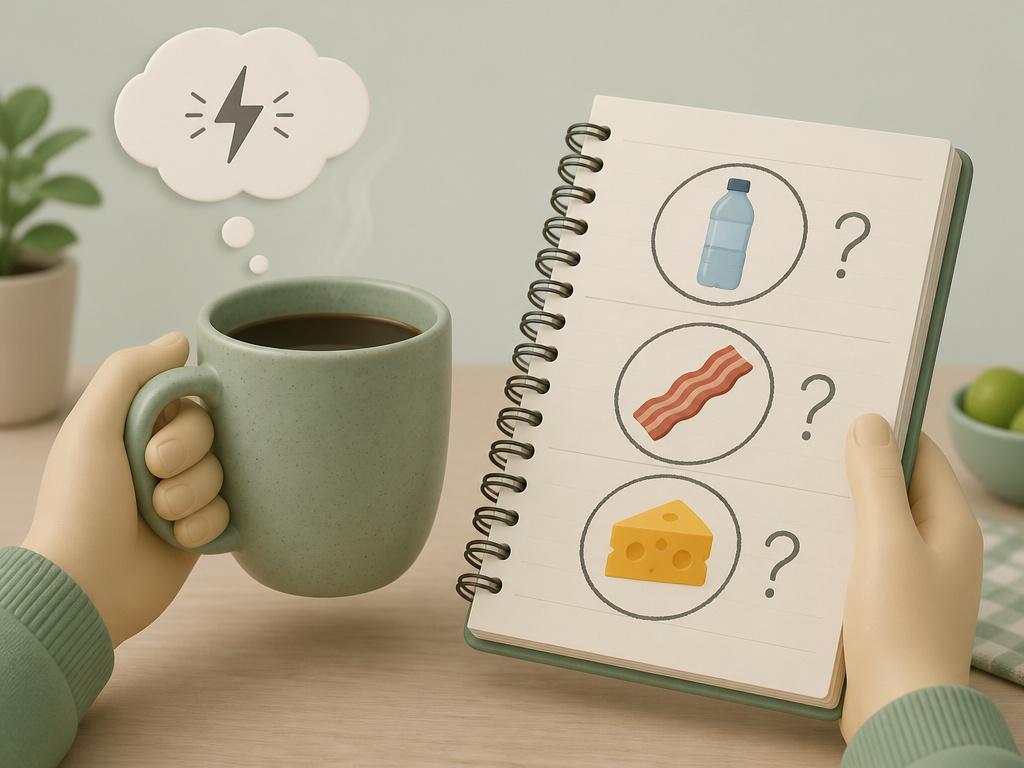
Before you blame the coffee, rule out other common headache culprits that coincide with your coffee routine. Skipping breakfast for that quick cup is a classic trap.
The Dehydration and Hunger Double-Whammy
Coffee is a mild diuretic. If you’re not drinking water alongside it, you’re net-negative on fluids by mid-morning. Combine that with skipping breakfast because coffee suppresses appetite, and you’ve built a perfect headache storm: caffeine withdrawal plus dehydration plus low blood sugar.
Other Dietary Triggers
Coffee often accompanies foods that are themselves headache triggers for sensitive people:
– Aged cheeses (in a breakfast sandwich)
– Processed meats (bacon, sausage)
– Artificial sweeteners (in your flavored syrup)
– Alcohol (in an espresso martini the night before)
If your headaches are inconsistent, keep a food-and-drink diary for two weeks. You might spot a pattern unrelated to caffeine quantity.
Underlying Health Conditions
Frequent headaches warrant a doctor’s visit. While caffeine withdrawal is common, it could mask or interact with conditions like:
– Migraines: As discussed, the relationship is complex.
– Tension Headaches: Stress and poor posture, not caffeine, are the main drivers.
– Medication Overuse Headaches: Ironically, using caffeine-laden pain relievers too often can cause rebound headaches.
If reducing caffeine doesn’t resolve your headaches, or if they are severe and sudden, seek medical advice. It’s crucial to differentiate a standard withdrawal headache from something more serious.
Frequently Asked Questions
How long after quitting coffee do headaches start?
Withdrawal headaches typically begin 12 to 24 hours after your last dose of caffeine. The peak pain hits around the 20 to 51 hour mark. This timeline is based on clinical studies of regular coffee drinkers.
Can one cup of coffee a day cause withdrawal headaches?
Yes. Physical dependence and withdrawal symptoms can develop with daily intake as low as 100 mg of caffeine, which is roughly the amount in one standard 8-ounce cup of brewed coffee. Consistency matters more than volume.
Why does caffeine help a headache sometimes?
Caffeine causes vasoconstriction (narrowing of blood vessels). If your headache is caused by vasodilation (widening), like in a withdrawal headache or some migraines, caffeine can counteract that and provide relief. It also improves the absorption of painkillers.
Is caffeine withdrawal dangerous?
Caffeine withdrawal is uncomfortable but not medically dangerous for most healthy adults. Symptoms include headache, fatigue, irritability, and difficulty concentrating. However, the distress can be significant, which is why a gradual taper is recommended over abrupt cessation.
Can coffee cause headaches if you drink too much?
Absolutely. Excessive caffeine intake (often above 400 mg in a short period) can lead to “caffeine intoxication,” which includes headache, jitteriness, and rapid heart rate. This is a direct toxic effect, distinct from withdrawal.
How do I know if my headache is from caffeine withdrawal?
The hallmark sign is relief within 30 minutes to an hour of consuming caffeine. If you wake up with a headache that goes away shortly after your morning coffee, it’s likely a withdrawal headache. Tracking your intake and symptoms for a few days will confirm the pattern.
Before You Go
Coffee-related headaches usually point to a simple chemical dependency, not a deep health problem. Your brain adapted to the daily presence of caffeine, and it protests when that chemical is missing. The fix is a slow, deliberate taper—not willpower.
Remember the three pathways: withdrawal from missing your usual dose, direct overload from too much, and the complex role caffeine plays for migraine sufferers. Pinpointing which one affects you is the first step to a pain-free relationship with your cup.
If you’re tracking your intake, don’t forget that other sources count too. That afternoon soda, chocolate, or even some medications add to your total caffeine load. Managing the whole picture is key to breaking the headache cycle for good.
