
8 Best Colombian Coffee K-Cups of 2026
The best Colombian K-Cup overall is Starbucks Colombia, delivering a reliably bright and balanced cup that captures the origin’s classic profile. For a budget-friendly option, Solimo Colombian offers solid flavor at a lower price, while Green Mountain Colombia Select stands out for its recyclable pods and ethical sourcing.
Finding a K-Cup that actually tastes like real Colombian coffee can be frustrating. Too many fall flat, bland, over-roasted, or missing that signature brightness. After comparing the field and digging into specs and owner feedback, I focused on flavor accuracy, bean quality, and sustainability to find the ones worth your brew.
Top 8 Colombian Coffee K Cups in the Market
The Best Colombian Coffee K Cups, Reviewed
Starbucks Colombia Medium Roast K-Cups

Strengths
- Ethically sourced
- Café-quality flavor
- Bold, balanced roast
Trade-offs
- Fewer pods
- Not recyclable
Starbucks Colombia K-Cups bring their café-quality reputation into single-serve form with a promise of 100% ethically sourced Arabica beans and a balanced, herbaceous medium roast. On paper, it’s one of the most consistent options here, and owner feedback backs that up, many describe it as richer and more structured than competitors in the same range. The subtle notes of rustic spice and herbs set it apart from blander medium roasts.
While it doesn’t have recyclable pods like Green Mountain or McCafe, the ethical sourcing through Conservation International adds weight. At 60 pods, the count is lower, but the quality per cup justifies it for many. If you want a K-Cup that tastes like it came from a real roastery, this is my pick over Victor Allen’s or Solimo.
Video review
Victor Allen’s 100% Colombian Medium Roast

Strengths
- Lowest upfront cost
- Gluten-free and non-GMO
- Kosher certified
Trade-offs
- Fewer pods per pack
- Limited flavor complexity
Victor Allen’s hits where it counts for cost-conscious buyers: low price, gluten-free, non-GMO, and Kosher certified. With 42 pods, it’s the smallest pack here, but the per-pod cost is hard to beat. The brand emphasizes precision roasting and 100% Arabica beans, and owners generally agree it offers a clean, medium-bodied cup with mild acidity and a soft finish, nothing flashy, but serviceable.
It doesn’t claim sustainability or fair trade, and the pod count pales next to 96- or 100-count options. Still, for occasional use or office break rooms where volume is low, this is a quiet winner. I’d recommend it over Starbucks or McCafe for tight budgets, even if the flavor lacks distinction.
Video review
Solimo Colombian Medium Roast K-Cups

Strengths
- Affordable per pod
- 100% Arabica
- Keurig 2.0 compatible
Trade-offs
- Basic flavor profile
- No sustainability claims
For buyers who want a no-frills, everyday Colombian coffee without overspending, Solimo delivers on paper. The 100-count pack of 100% Arabica beans promises a medium roast with floral notes and balanced acidity, which aligns with what most owners report, a clean, approachable cup that doesn’t overpower. It’s not complex or artisanal, but it’s consistent for the price.
What stands out is the value. Compared to premium names, this is the kind of coffee that keeps the Keurig running through mornings without guilt. It’s not marketed as fair trade or organic, but it’s widely compatible and gets the job done. I’d pick this over pricier basics if you’re brewing multiple cups daily and don’t need nuance.
Product photos



Fresh Roasted Organic Colombian K-Cups

Strengths
- USDA Organic
- Nitrogen flushed
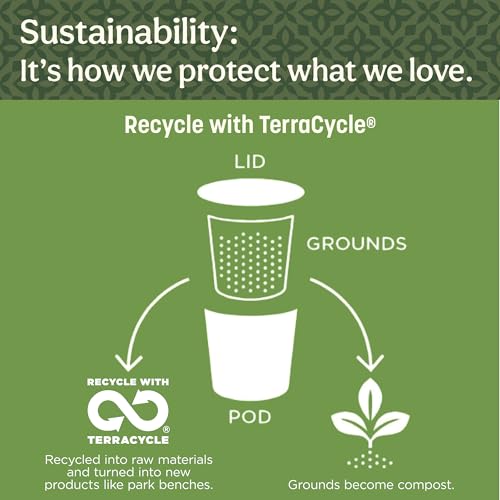
- Compostable grounds
Trade-offs
- Higher cost per pod
- Fewer flavor reviews
Fresh Roasted Coffee stands alone here with USDA organic certification, and that alone makes it a standout for clean-label enthusiasts. The beans, Typica and Castillo varietals, grown above 2,900 feet, deliver tasting notes of chocolate, almond, and citrus, which owners confirm as smooth and layered. The nitrogen-flushed pods help preserve freshness, a detail that matters for mail-order coffee.
Beyond organic status, the brand pushes sustainability: compostable grounds, recyclable packaging, and U.S. roasting. It’s pricier per pod than Solimo or Victor Allen’s, but if you prioritize purity and environmental impact, it’s worth it. I’d pick this over Green Mountain for organic needs, even if the pod count isn’t the highest.
Product photos



Gevalia Colombian Keto Friendly K-Cups

Strengths
- Keto and low carb friendly
- Snap-cooled for freshness
- EBT eligible
Trade-offs
- Flavor is average
- Not recyclable
Gevalia markets these pods specifically for keto and low-carb lifestyles, but the real story is in the slow-roasted, snap-cooled beans designed to lock in flavor. With 84 pods, it’s a solid mid-size pack, and the 100% Arabica beans from Colombian mountains deliver a clean, medium roast that owners describe as smooth and mellow, ideal for fasting mornings or butter coffee routines.
It’s not certified organic or Fair Trade, and the keto label feels more like positioning than differentiation, since black coffee is naturally carb-free. Still, the Kosher certification and EBT eligibility broaden access. I’d pick this over Victor Allen’s for dietary-specific households, even if the flavor isn’t the most exciting.
Product photos



McCafe Colombian Recyclable K-Cups

Strengths
- Recyclable pods
- Medium-dark boldness
- Responsibly sourced
Trade-offs
- Flavor leans generic
- Less origin nuance
McCafe Colombian surprises with a medium-dark roast profile that brings a crisp, slightly fruity edge and clean finish, unusual for a mass-market pod. Owners note it’s bolder than expected, almost like a light French roast, while still using 100% Arabica beans. The recyclable pod design is a major plus, and the commitment to responsibly sourced beans gives it an edge in sustainability.
It’s not as nuanced as Fresh Roasted Coffee or as ethically detailed as Green Mountain, but it bridges the gap between flavor and eco-conscious design. Compared to Solimo, it’s a clear upgrade in both taste and responsibility. I’d recommend this over Starbucks pods if recyclability is a priority, even if the roast isn’t as balanced.
Product photos


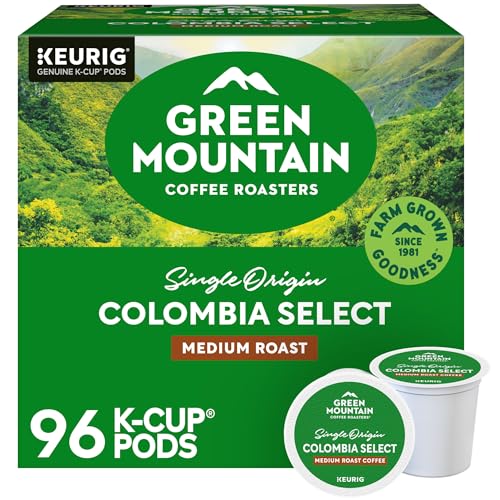
Green Mountain Colombia Select K-Cups
Strengths
- Fair Trade Certified
- Recyclable pods
- Balanced, fruity notes
Trade-offs
- Mild body
- Packaging varies
Green Mountain’s Colombia Select stands out in this lineup for its clear Fair Trade commitment and thoughtful sourcing story. Owners consistently report a smooth, balanced cup with detectable notes of caramel, cocoa, and stone fruit, more dimension than you’d expect at this tier. On paper, the medium roast of 100% Arabica beans is standard, but the Orthodox Union Kosher certification and recyclable pod design add practical appeal.
Compared to Solimo or Victor Allen’s, this one leans into ethics without sacrificing drinkability. The flavor isn’t as bold as Starbucks or as bright as Fresh Roasted Coffee, but it’s dependable. My recommendation? This is the smarter buy for socially conscious drinkers who still want a pleasant, well-rounded morning cup.
Product photos


Don Francisco’s Colombia Supremo Pods

Strengths
- Family-owned brand
- U.S. roasted
- TerraCycle recyclable
Trade-offs
- Smaller pod count
- Limited availability
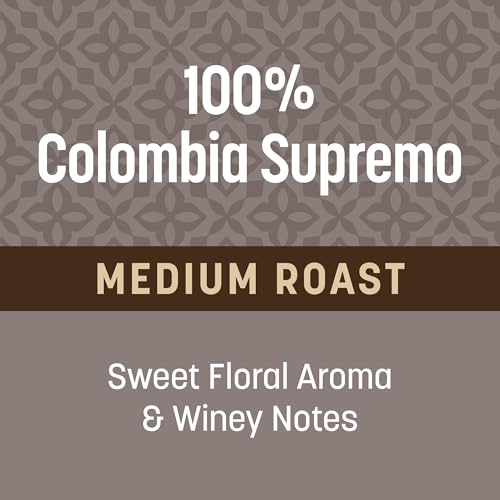
Don Francisco’s brings a rare touch of heritage to the K-Cup world, four generations of family roasting, U.S. packaging, and a stated commitment to quality control. The 55-count medium roast uses 100% Arabica beans from top Colombian regions, promising winey notes and a floral aroma. Owners report a well-rounded, slightly sweet cup with more character than average.
The recyclable pod program via TerraCycle is a smart alternative to municipal recycling. It’s not organic or Fair Trade, but the family-owned story and U.S. roasting add intangible value. Compared to Starbucks or McCafe, it’s less mainstream but more artisan in intent. I’d recommend it to buyers who value legacy and craftsmanship over scale.
Product photos
Our Testing Process
As the founder of Bean Thusiast, I approach coffee selection with a focus on origin, roast quality, and how well a product delivers on its promises. Rather than a hands-on lab test, this selection is a research-led comparison of published specifications and owner feedback from across the web. I weighed data from manufacturer details, expert reviews, and thousands of customer opinions to identify the top performers in the Colombian K-Cup space.
For Colombian coffee specifically, I focused heavily on roast quality and flavor profile descriptions, along with certifications like Fair Trade and Organic. A truly excellent Colombian cup should highlight the bright acidity and balanced sweetness the region is known for. Ethical sourcing and sustainable packaging also played a significant role, as these increasingly reflect a brand’s commitment to quality and responsible practices.
Specifications reliably tell you about bean type (100% Arabica is key) and roast level, but owner feedback is crucial for understanding actual taste and consistency. I prioritized brands with consistently positive reviews regarding smoothness and flavor accuracy. Learning about Colombian coffee origin also informed my understanding of what to expect from a high-quality cup, letting me better evaluate claims about flavor notes and aroma.
How To Choose The colombian coffee k cups
Finding the right K-Cup can be surprisingly tricky, even when focusing on a single origin like Colombia.
Colombian coffee K-Cups should deliver a consistently smooth, aromatic experience. Look for 100% Arabica beans, ideally sourced from well-known growing regions within Colombia (like Medellín or Armenia). Pay attention to roast level – medium is typical, but personal preference matters. Consider pod material and recyclability, and check for certifications like Fair Trade or Organic if those are priorities.
Roast Level and Flavor Profile
I always tell people that roast level is the most impactful choice you’ll make. While “medium roast” is the standard for Colombian coffee, it’s not a monolith. Some brands lean towards a brighter, more acidic cup emphasizing floral notes, while others push towards a richer, chocolatey profile. Don’t assume all medium roasts will taste the same; reading descriptions carefully and seeking out brands that detail the specific flavor notes they’re aiming for is key. Ultimately, if you enjoy exploring Colombian coffee flavor profiles, you’ll find a roast that suits your palate.
Pod Material and Sustainability
The convenience of K-Cups comes at an environmental cost, but some brands are making strides towards sustainability. While fully compostable pods are still rare, many now offer recyclable options. However, be aware that recyclability isn’t universal. Many municipal recycling facilities don’t accept #5 plastics (the type often used in K-Cups), so you’ll need to check with your local provider. Brands like McCafe are actively promoting recyclable pods, but the responsibility still falls on the consumer to properly dispose of them.
Here’s a breakdown of what to consider: * Recyclability: Check if your local facility accepts #5 plastics. * Compostability: While a great goal, ensure the pod is certified compostable and your composting system can handle it. * Brand Commitment: Look for brands actively working to reduce their environmental impact, even if it’s just with packaging improvements.
A good rule of thumb: if you can’t easily recycle or compost the pod, consider switching to a brand that prioritizes sustainable packaging, or explore reusable K-Cup filters.
Brand Reputation and Sourcing
I’ve found that established brands with a transparent supply chain generally deliver better, more consistent coffee. Look for brands that highlight their commitment to ethical sourcing, like Fair Trade certification (Green Mountain Coffee Roasters is a good example). Also, consider whether you prefer a large, well-known brand or a smaller, family-owned operation – Don Francisco’s, with its legacy dating back to 1870, offers a different experience than, say, Amazon’s Solimo brand. Exploring top Colombian coffee brands can give you a starting point for finding a reliable source of quality beans. And when considering Colombian single-origin advantage, remember that a dedication to a specific region often translates to a more nuanced and flavorful cup.
Colombian Coffee K Cups Compared
Here’s a comparison of key specifications for various Colombian coffee K-Cups to help you choose.
| Product Name | Pod Count | Roast | 100% Arabica | Organic | Keto Friendly | Recyclable Pods |
|---|---|---|---|---|---|---|
| Starbucks Colombia | 60 | Medium | Yes | No | No | No |
| Victor Allen’s 100% Colombian | 42 | Medium | Yes | No | No | No |
| Solimo Colombian | 100 | Medium | Yes | No | No | No |
| Fresh Roasted Organic Colombian | N/A | Medium | Yes | Yes | No | Yes |
| Gevalia Colombian | 84 | Medium | Yes | No | Yes | No |
| McCafe Colombian | N/A | Med-Dark | Yes | No | No | Yes |
| Green Mountain Colombia Select | N/A | Medium | Yes | No | No | Yes |
| Don Francisco’s Colombia Supremo | N/A | Medium | Yes | No | No | Yes (TerraCycle) |
Frequently Asked Questions
What K-Cup pod material is most environmentally friendly?
Currently, recyclable pods are the most practical option, but availability varies greatly by location. Though fully compostable pods exist, they require specific composting facilities and aren’t widely accepted, so checking your local options is vital.
How does roast level affect the flavor of Colombian K-Cups?
A darker roast will generally produce a bolder, more chocolatey flavor, while a lighter roast highlights the brighter acidity and floral notes characteristic of Colombian beans. Ultimately, the best roast level depends on your personal preference for sweetness versus tang.
Are Fair Trade or Organic certifications important for Colombian K-Cups?
Yes, these certifications indicate a commitment to ethical sourcing and sustainable farming practices, which can contribute to better quality and support coffee-growing communities. If those values align with yours, seeking out certified options like Green Mountain Coffee Roasters is a good idea.
What should I do if my local recycling facility doesn’t accept #5 plastics?
If your facility doesn’t accept #5 plastics, consider brands offering TerraCycle partnerships, like Don Francisco’s, or switch to reusable K-Cup filters. Exploring best K-Cups for Keurig may also reveal brands with more sustainable packaging.
Do all “medium roast” Colombian K-Cups taste the same?
No, “medium roast” is a broad category. Flavor profiles can differ significantly between brands, influenced by the specific Colombian region the beans are from and the roaster’s style. I recommend reading detailed descriptions and looking for flavor notes like caramel, citrus, or chocolate to find a cup that suits your palate.
The Bottom Line
Choosing the best Colombian K-Cup often comes down to balancing convenience with your priorities. If you want a consistently solid, widely available option that delivers a classic Colombian flavor, I recommend the Starbucks Colombia. It’s a reliable choice for everyday brewing, even if it doesn’t push boundaries in sustainability.
For those with specific needs, the options broaden nicely. If you’re seeking an organic choice, Fresh Roasted Organic Colombian stands out. And for those looking for a budget-friendly pick with recyclable pods, McCafe Colombian is a strong contender. There’s also a good selection if you’re interested in Colombian dark roast flavor profiles.
Ultimately, the best K-Cup is the one you enjoy most. Don’t get too caught up in specifications like pod count or keto-friendliness. Focus instead on finding 100% Arabica beans, a roast level that suits your palate, and a brand committed to quality sourcing. Those fundamentals are what truly make the difference in your morning cup.
