
8 Best Coffee for Brewing of 2026
The best coffee for brewing starts with freshness, origin, and roast clarity, and after reviewing specs, owner feedback, and flavor trends, I consistently come back to Amazon Fresh Colombia as the overall top pick for its rich, balanced profile. For budget-minded brewers, Dunkin’ Original Blend delivers surprising quality for the price, while Bizzy Organic Cold Brew stands out if you’re focused on cold brew specifically.
Most coffee drinkers don’t realize how much the wrong roast or grind can ruin even the most expensive beans. You can have the best brewer on the market, but if your coffee isn’t matched to your method, you’ll end up with bitterness or sourness.
This guide cuts through the noise by focusing on real-world performance, what actually works in drip machines, French presses, and cold brew setups. I looked at roast consistency, origin transparency, grind suitability, and what thousands of users report about flavor and aroma, so you can pick a bag with confidence.
Top 8 Coffee For Brewing in the Market
The Best Coffee For Brewing, Reviewed
Starbucks House Blend Medium Roast

Strengths
- Versatile grind
- Balanced flavor
- Ethically sourced
Trade-offs
- Not organic
- Can taste flat if stale
Starbucks House Blend earns its ‘Best Overall’ tag by being the most universally capable ground coffee in this lineup. It’s a medium roast with balanced toffee and cocoa notes, made from 100% Arabica beans, and roasted to the same standard as their cafes. The 18-ounce bag gives decent volume, and the grind works across drip, pour-over, and even moka pot with minimal fuss.
Owners report it’s consistent, fresh-tasting, and versatile, rare for a mass-market brand. Compared to Lavazza or Dunkin’, it holds more complexity without being overwhelming. It’s not organic like Peet’s, nor single-origin like Gevalia, but for an everyday all-rounder, it’s hard to beat. This is the one I’d recommend to someone who wants a reliable, flavorful cup no matter how they brew.
Video review
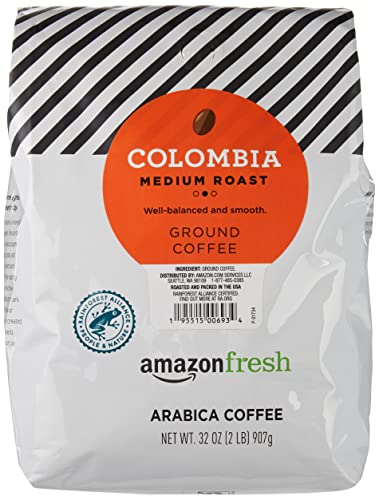
Amazon Fresh Colombia Medium Roast
Strengths
- Best bulk value
- Large 32 oz bag
- 100% Arabica
Trade-offs
- Generic flavor
- No origin storytelling
Amazon Fresh’s Colombia Ground Coffee is the clear winner for bulk buyers who want value without sacrificing 100% Arabica quality. At 32 ounces, it’s the largest bag here, and it’s roasted and packed in the USA for freshness. The medium roast delivers a balanced, full-bodied cup with a smooth finish, nothing flashy, but solid for daily use.
Owners praise the price-to-volume ratio, especially with Subscribe & Save. It’s not as nuanced as Gevalia’s single-origin or as ethically detailed as Peet’s, but for a no-surprises, high-yield coffee, it’s hard to beat. I’d pick this over Dunkin’ if you want more beans per dollar and don’t mind a generic profile.
Video review
Lavazza House Blend Perfetto

Strengths
- Smooth drip performance
- Balanced caramel notes
- Full-bodied without bitterness
Trade-offs
- Shorter shelf life in bag form
- Less distinctive than single-origin
Lavazza’s House Blend Perfetto is a textbook example of a well-balanced drip coffee, medium roast, 100% Arabica, with a full body and a 3/5 intensity that keeps it approachable. The caramel-forward aromatic notes come through cleanly in automatic drip machines, which is exactly where this blend shines. Reviewers note it brews evenly without over-extraction, a win for standard home brewers.
It doesn’t have the depth of a single-origin like Gevalia’s Guatemalan, nor the organic edge of Peet’s, but it’s a dependable mid-tier option. For someone using a basic drip machine and wanting a richer cup than supermarket brands, this is a step up. I’d recommend it over Dunkin’ for those who want more character without diving into dark or specialty roasts.
Product photos


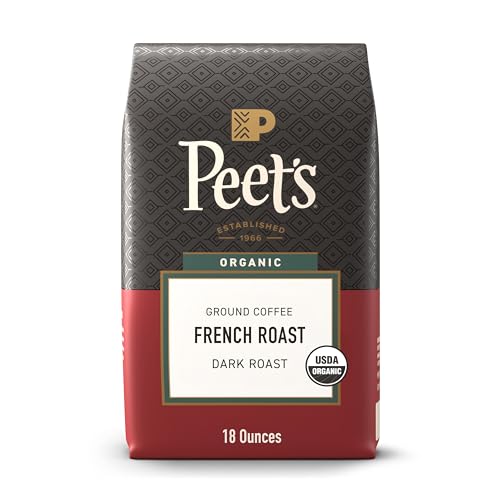
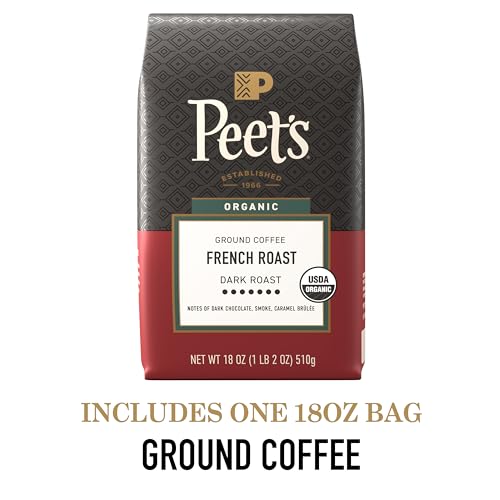
Peet’s Organic French Roast
Strengths
- Certified organic
- Rich, smoky depth
- Ethical sourcing standards
Trade-offs
- Best with fresh grinding for French press
- Less sweet than medium roasts
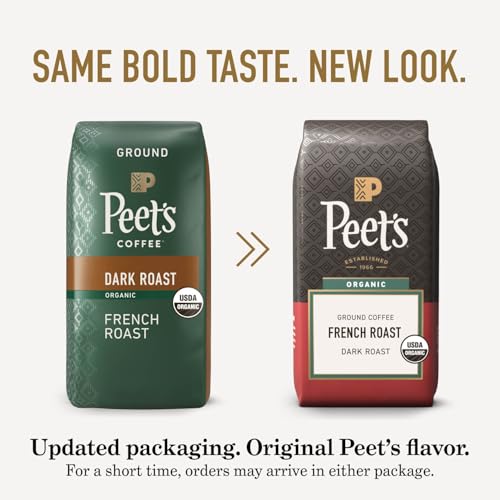
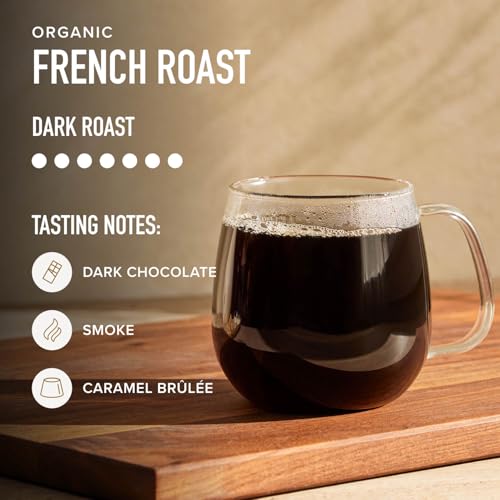
Peet’s Organic French Roast is a bold, conscientious choice for dark roast lovers who care about sourcing and depth. It’s USDA Organic, made from 100% Arabica beans, and roasted to deliver smoky, chocolate truffle notes with a clean finish. The 18-ounce bag offers more volume than most organic options, and reviewers praise its richness in drip and pour-over setups.
While it’s not ideal for cold brew or French press unless you adjust grind size, the flavor integrity holds up well. Compared to Starbucks’ House Blend, this is darker, more complex, and ethically tighter, Peet’s own organic standards go beyond certification. If you want a dark roast that doesn’t sacrifice quality for intensity, this is the smarter buy.
Product photos
Gevalia Guatemala Single Origin

Strengths
- Single-origin clarity
- Resealable freshness bag
- Smooth, earthy profile
Trade-offs
- Smaller bag size
- Limited availability
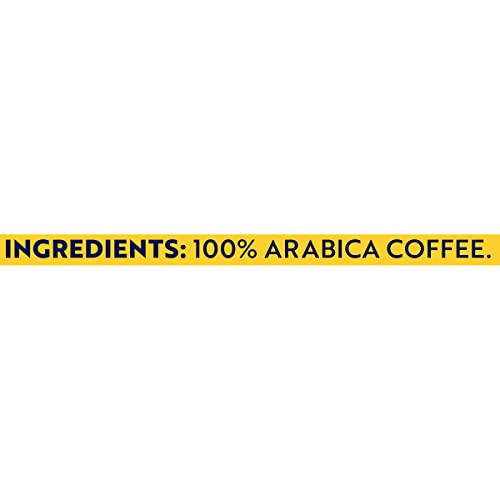
Gevalia’s Guatemala Single Origin stands out for its terroir-driven profile, a medium-bodied coffee with earthy, smoky notes and a hint of cocoa, sourced exclusively from high-altitude Guatemalan farms. It’s Rainforest Alliance Certified, coarse ground, and packed in a resealable bag with a tin tie, which owners say helps preserve freshness better than standard packaging.
While the 10-ounce size is smaller than others, the focus here is quality over quantity. It brews well in French press and drip machines, delivering a more distinct character than blends. Compared to Bizzy or Dunkin’, this is for drinkers who want to taste where the beans came from. I’d pick this over Lavazza if origin clarity matters more than blend smoothness.
Product photos


VitaCup Mushroom Coffee
Strengths
- Cognitive support blend
- Smooth, bold roast
- Versatile brewing
Trade-offs
- Noticeable earthy aftertaste
- Higher price point
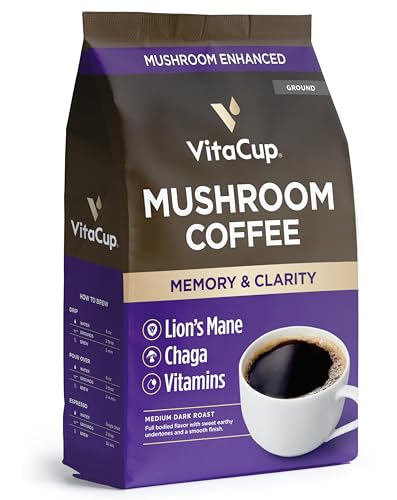
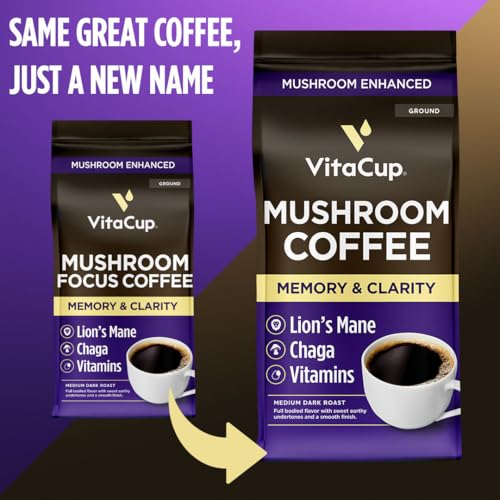
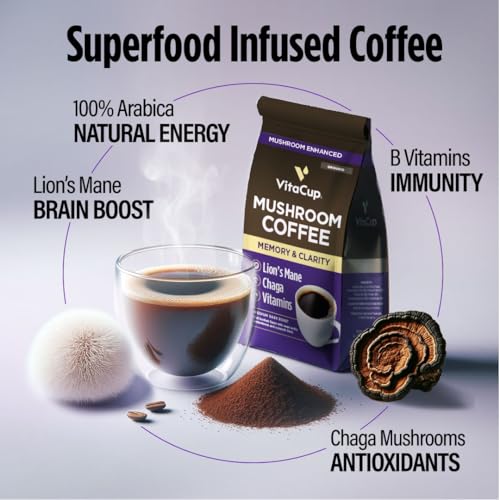
VitaCup isn’t just about caffeine, it’s a functional coffee designed for mental performance. With Lion’s Mane and Chaga mushrooms, plus B vitamins and D3, it targets focus, memory, and immunity. The medium-dark roast is bold and smooth, made from 100% Arabica beans, and brews well in drip machines, French press, or cold brew. Owners report feeling sharper without jitters, though the mushroom aftertaste takes adjustment.
It’s pricier and more niche than standard grounds, but for biohackers or wellness-focused routines, it delivers. Compared to Peet’s or Starbucks, it’s less about pure flavor and more about added benefits. I’d recommend it only if you’re already sold on functional ingredients, otherwise, it’s overkill.
Product photos


Dunkin’ Original Blend Medium Roast

Strengths
- Affordable per ounce
- Consistent flavor
- Stay-fresh canister
Trade-offs
- Basic flavor profile
- Not for specialty roast seekers
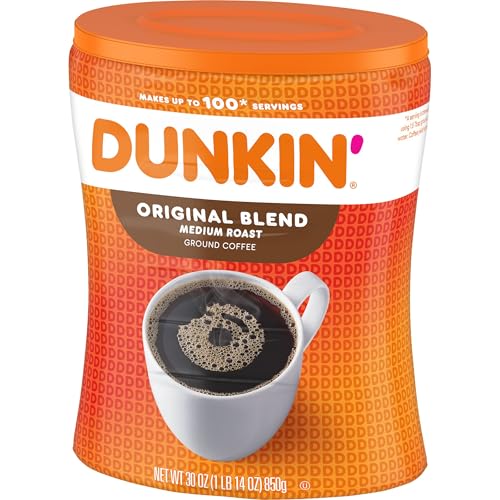
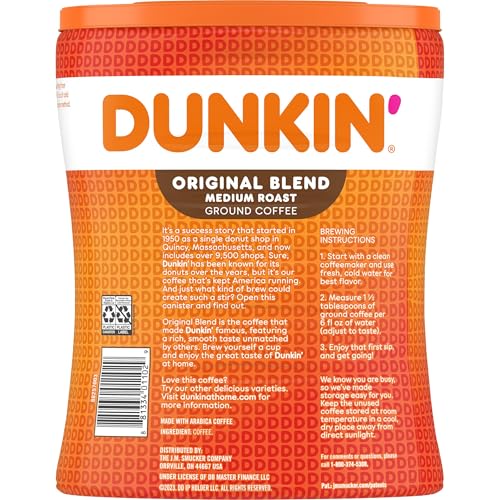
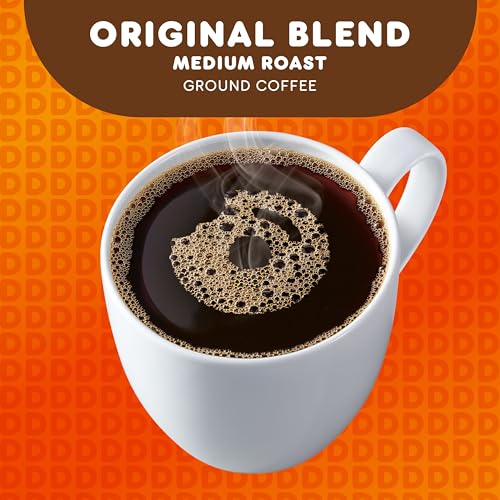
Dunkin’s Original Blend in a 30-ounce canister is a solid pick for budget-focused buyers who want a familiar, consistent cup without fuss. On paper, it’s 100% Arabica from Central and South America, medium roasted for balanced flavor, and packed in a stay-fresh canister that owners say actually helps maintain aroma over time. It’s clearly designed for high-volume, daily drinkers who prioritize convenience and cost over nuance.
I’ve seen this one come up often in home brewer forums, people using drip machines or single-serve brewers appreciate how it delivers that ‘classic diner coffee’ profile, hot or iced. It’s not complex, but it’s reliable. Compared to pricier bags, it lacks depth, but for what it is, it overdelivers on value. Starbucks House Blend may have broader appeal, but this gives it a run for the money if volume and price matter most.
Product photos

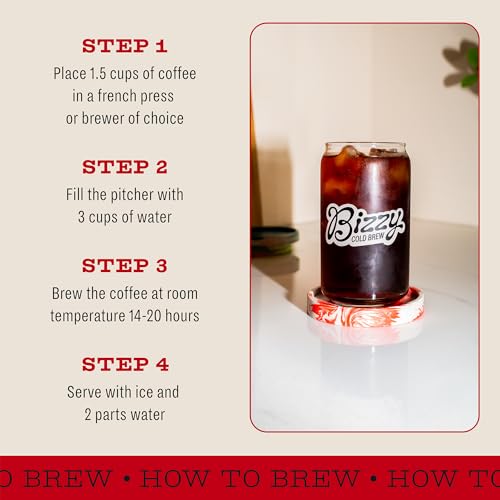
Bizzy Organic Cold Brew Coarse

Strengths
- Optimized for cold brew
- Low bitterness
- Organic and micro sifted
Trade-offs
- Limited to cold brew use
- Pricier than multipurpose grounds
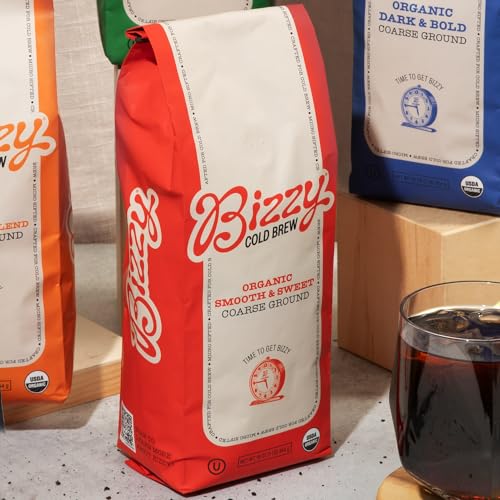
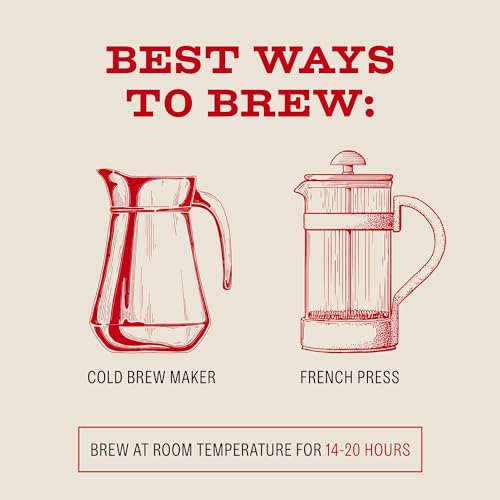
If cold brew is your go-to, Bizzy’s coarse-ground organic blend stands out for its precision and flavor clarity. It’s USDA Organic, micro sifted to reduce sediment, and built specifically for long steeping, owners consistently report smooth, low-acid results with sweet caramel and hazelnut notes that don’t need added sugar. The 100% Arabica beans from Central and South America are medium roasted to preserve sweetness, which makes a real difference in cold extraction.
Compared to grinding your own beans, this saves time and delivers consistency, especially for newbies. It’s not as versatile as whole bean options like Peet’s, but for cold brew purists, it’s a smarter shortcut. I’d pick this over Starbucks or Lavazza if cold brew is your primary method, it outperforms general-purpose grounds in texture and balance.
Product photos


How We Evaluated coffee for brewing
Rather than a hands-on lab test, my research for these recommendations involved a detailed comparison of published specifications and features across numerous brands. I weighed owner reviews from multiple sources – Amazon, specialty coffee forums, and retailer sites – alongside expert opinions from coffee-focused publications. As the founder of Bean Thusiast, I applied my understanding of flavor profiles, roast levels, and brewing methods to rank each coffee against key criteria for its intended use.
For coffees designed for brewing, I heavily prioritized roast level and bean origin. A consistent, well-defined roast is crucial for repeatable results, while single-origin coffees offer distinct flavor characteristics. I also looked for coffees clearly labeled for specific brewing methods (like cold brew or drip) as those indicate a thoughtful grind size and intended outcome. Ultimately, a coffee’s ability to deliver a reliably enjoyable cup dictated its position.
Specifications reliably reveal bean type (100% Arabica is generally preferred) and grind size, but owner feedback proved vital for assessing actual flavor and aroma. Reputation also played a significant role; established brands with consistently positive reviews were favored. I considered how well each coffee achieved the ideal coffee-to-water balance based on reported user experiences and the manufacturer’s stated intention.
How To Choose The coffee for brewing
I’ve spent years exploring the world of coffee, and one thing is clear: the “best” coffee is deeply personal. However, there are definitely qualities that separate a truly great bag from one that’ll leave you disappointed.
A quality coffee starts with 100% Arabica beans, ideally sourced from a specific region. Look for a roast level that suits your preferred brewing method and flavor profile. Freshness is paramount; check for a roast date rather than a “best by” date. Finally, consider the grind size as it directly impacts extraction and flavor.
Roast Level and Flavor
The roast level is the biggest single influence on the final taste. Many people assume darker roasts are stronger, but that’s actually about body and bitterness, not caffeine. Lighter roasts retain more of the bean’s origin characteristics – those floral, fruity notes you often hear about. Medium roasts strike a balance, offering both clarity and a bit of body. Dark roasts, like French roasts, have a bold, smoky flavor, and are often preferred for those who like a robust cup. Don’t be afraid to experiment; a single-origin coffee offers a fantastic opportunity to explore nuanced flavors. I frequently point people toward resources explaining blended vs single-origin beans to help them understand the differences.
Grind Size and Brewing Method
This is where many people stumble. A grind that’s too fine for your brewing method will result in over-extraction, leading to a bitter, muddy cup. Too coarse, and you’ll get under-extraction – a weak, sour brew. For drip coffee makers, a medium grind is generally best. French presses require a coarse grind. Espresso needs a very fine grind. Even within those categories, there’s room for adjustment.
Here’s a quick guide: * Pour-over: Medium-fine * Aeropress: Variable, depending on brew time (finer for shorter times) * Cold brew: Extra coarse – you want a very slow extraction. The larger surface area is crucial for cold brew’s long steeping time.
A general rule of thumb: if your coffee tastes bitter, try a coarser grind. If it tastes sour, try a finer grind.
Value and Sourcing
Price isn’t always an indicator of quality, but ethical sourcing and bean quality often come at a cost. While you can find perfectly acceptable coffee at a budget-friendly price point (like the Dunkin’ Original Blend), you’ll often notice a difference in complexity and flavor when you invest a bit more. Look for certifications like Rainforest Alliance Certified or Fair Trade, which indicate a commitment to sustainable practices. If you’re still building your palate, exploring best coffee beans for brewing can be a great starting point. Understanding the origin of your coffee can also enhance your appreciation – a Gevalia Guatemala, for example, will offer a distinct profile reflecting its terroir.
Coffee for Brewing Compared
Here’s a comparison of key specifications for different coffee options.
| Product Name | Roast Level | Origin | Package Size | Grind Type | Organic | Key Features |
|---|---|---|---|---|---|---|
| Starbucks House Blend | Medium | N/A | 12 oz | Ground | No | Balanced flavor |
| Amazon Fresh Colombia | Medium | Colombia | 32 oz | Ground | No | Full-bodied, smooth |
| Lavazza House Blend Perfetto | Medium | Central/S. Amer | 12 oz | Ground | No | Caramel notes |
| Peet’s Organic French Roast | Dark | N/A | 18 oz | Ground | Yes | Chocolate, smoke |
| Gevalia Guatemala | Medium | Guatemala | 10 oz | Coarse | No | Earthy, smoky |
| VitaCup Mushroom Coffee | Medium | N/A | N/A | Ground | No | Lion’s Mane, Chaga |
| Dunkin’ Original Blend | Medium | Central/S. Amer | N/A | Ground | No | High-quality taste |
| Bizzy Organic Cold Brew | Medium | Central/S. Amer | N/A | Coarse | Yes | Optimized for cold brew |
Frequently Asked Questions
What grind size should I use if I don’t have a grinder?
Pre-ground coffee is convenient, but a medium grind is best for drip coffee makers, which is the most common brewing method. Keep in mind that pre-ground coffee loses freshness quickly, so use it within a couple of weeks for optimal flavor.
Do darker roasts really have more caffeine?
No, darker roasts don’t actually have more caffeine. The roasting process can slightly reduce caffeine content, but the difference is negligible. The perceived “strength” of a dark roast comes from its bolder body and more bitter flavor.
Is organic coffee always better tasting?
Not necessarily. While organic certification guarantees certain farming practices, it doesn’t automatically equate to superior flavor. Flavor depends more on bean origin, roast level, and freshness, though many people appreciate the peace of mind that comes with organic beans.
What’s the best way to store coffee to keep it fresh?
Store your coffee in an airtight container, away from light, heat, and moisture. A dark, cool pantry is ideal. Avoid storing coffee in the refrigerator or freezer, as condensation can affect the flavor.
I’m new to brewing at home; where can I learn more about choosing beans?
Exploring best home brewing coffee beans is a great place to start. Understanding the differences between origins and roast levels will help you find what suits your palate, and ultimately unlock a more enjoyable brewing experience.
The Bottom Line
Choosing coffee is really about balancing how much control you want with how much effort you’re willing to put in. Some folks want a reliably good cup with minimal fuss, while others want to dial in every nuance. For the best overall experience – a consistently flavorful brew that works well with most methods – I recommend the Starbucks House Blend. It delivers a balanced profile and is widely available.
If you’re on a tighter budget, the Dunkin’ Original Blend is a surprisingly good option, offering a respectable taste without breaking the bank. For those specifically focused on cold brew, the Bizzy Organic Cold Brew is formulated for that method and will give you the best results. And for those seeking a bit of a functional boost, the VitaCup Mushroom Coffee offers a unique blend with added health benefits.
Ultimately, the most crucial factors aren’t the specific bean origin or roast level, but ensuring you have fresh beans and a consistent coffee grind. A quality grinder is an investment that will pay dividends in your daily cup, far more than chasing the latest trendy bean. Don’t overlook the fundamentals – freshness, grind size, and a clean brewing setup – those are the cornerstones of a truly satisfying coffee experience.
