
9 Best Tasting Decaf Coffee Pods 2026
The best tasting decaf coffee pods start with Lifeboost Organic Decaf K Cups for overall quality, thanks to its clean flavor and Swiss Water Process. If you’re watching your budget, Starbucks Decaf House Blend delivers a reliable, smooth cup at a lower price. For those who prefer a bolder profile, Peet’s Decaf House Blend Dark Roast stands out with rich sweetness and depth.
Decaf coffee often gets a bad rap for tasting flat or off, and honestly, a lot of it does. The process matters just as much as the bean, and too many brands cut corners. I’ve seen how the wrong decaffeination method can strip away everything that makes coffee worth drinking.
This guide cuts through the noise. I compared specs, reviewed owner feedback, and evaluated roast profiles and sourcing practices to find decaf pods that actually taste good, without relying on hype or marketing claims.
Top 9 Tasting Decaf Coffee Pods in the Market
The Best Tasting Decaf Coffee Pods, Reviewed
Lifeboost Organic Decaf K Cups
Strengths
- Low acid
- Third-party tested
- Single origin
Trade-offs
- Small pod count
- Premium price
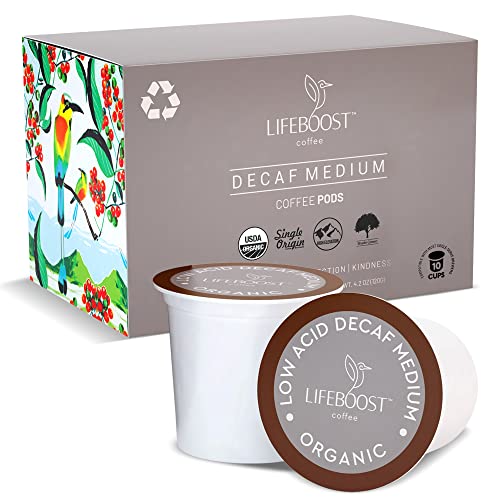
If you’re sensitive to acid or prioritize purity, Lifeboost makes a strong case as the best overall decaf pod. It’s USDA Organic, single-origin, and third-party tested for toxins, a rare level of transparency in the pod world. The beans come from high-elevation farms in Central America, and owners consistently report a clean, smooth cup with no bitterness or stomach upset.
The medium roast is balanced and naturally sweet, with subtle nutty notes. While the 10-count box is small, the quality justifies it for health-conscious buyers. Compared to Illy or Starbucks, it’s less about boldness and more about clean, gentle sipping, ideal for mornings when you want flavor without irritation.
Video review
The Organic Coffee Co. Gorilla Decaf
Strengths
- Swiss Water Processed
- Compostable pods
- Organic certified
Trade-offs
- Less brand visibility
- Brew strength varies
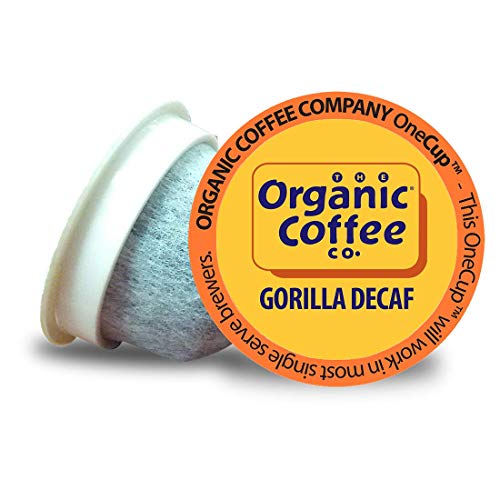
This pod hits a sweet spot for eco-conscious buyers: it’s USDA Organic, Swiss Water Processed, and housed in a compostable pod. The Gorilla Decaf blend is a full-city roast, strong enough to feel substantive but mellow enough to stay smooth. Owners praise its clean taste and lack of chemical aftertaste, which can plague poorly processed decaf.
Compared to Lifeboost, it offers more volume and a slightly deeper roast, though without third-party toxin testing. The shade-grown, family-roasted origin adds ethical weight. If you want a decaf that’s both environmentally responsible and genuinely tasty, this is a top-tier pick.
Video review
Illy Classico Decaf K Cups
Strengths
- Italian roast profile
- Smooth finish
- No preservatives
Trade-offs
- Subtle flavor
- Fewer pods
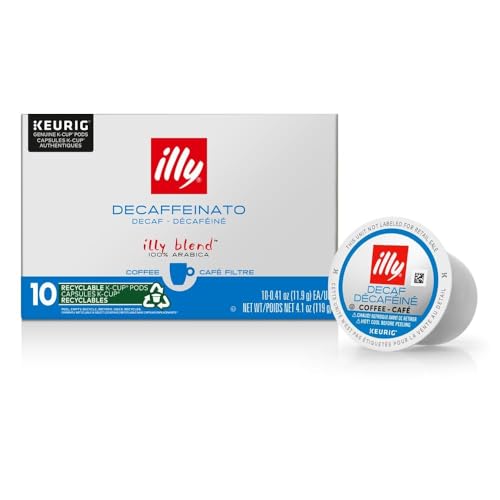
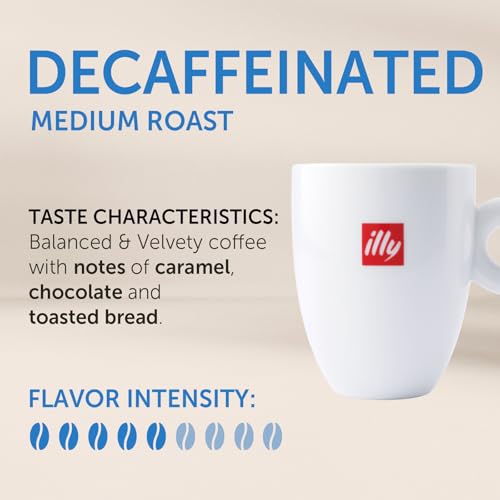
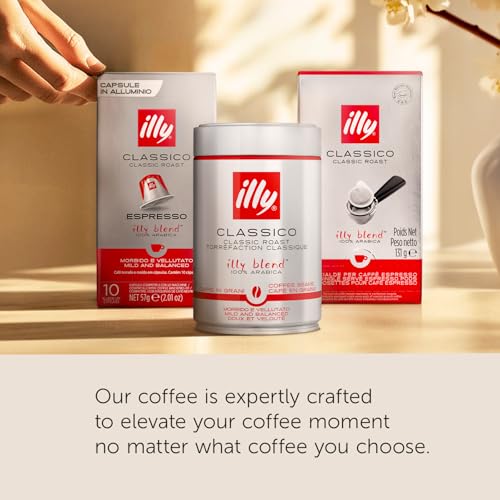
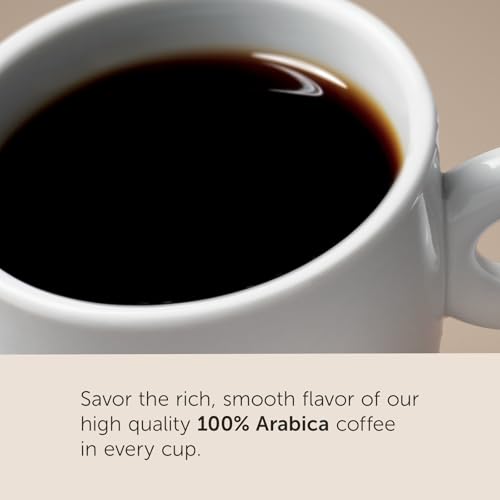
Illy brings a touch of Italian elegance to the pod game, this decaf is smooth, mild, and refined, with a caramel-like sweetness that lingers pleasantly. It’s made from 100% Arabica beans, finely ground and pressurized to mimic espresso extraction, which gives it a richer mouthfeel than most K-Cups.
Owners appreciate its sophistication, especially when brewed short for a concentrated cup. Compared to Starbucks or McCafe, it’s less about strength and more about balance and finesse. It won’t satisfy dark roast fans, but for those who like a clean, flawless medium roast, Illy delivers café-style grace in a pod.
Product photos

Starbucks Decaf House Blend

Strengths
- Café-grade beans
- Hot or iced
- Keurig compatible
Trade-offs
- Mild body
- Not bold or complex
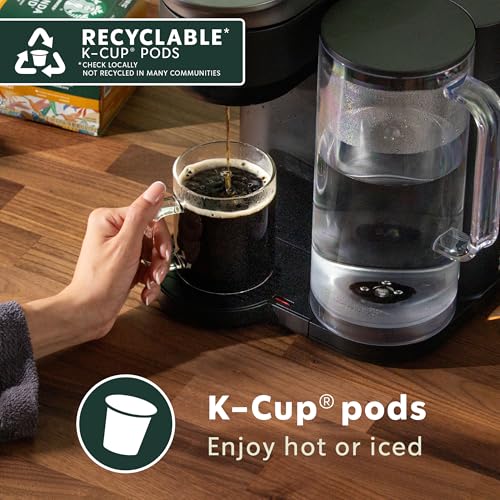
If you’ve ever enjoyed a decaf at a Starbucks café, this K-Cup delivers the same profile, balanced, approachable, and consistent. It’s built for those who want café-level reliability in their morning routine, and on paper, it uses the same Arabica beans as their retail locations. Owners appreciate that it brews well both hot and over ice, making it a versatile choice for year-round use.
Compared to Peet’s or Illy, it doesn’t have the depth of a high-end specialty roast, but it wins on accessibility and uniformity. The toffee and cocoa notes come through cleanly, though some reviewers note a slight thinness in body. For those who value brand trust and consistent café quality, this is a safe bet.
Product photos


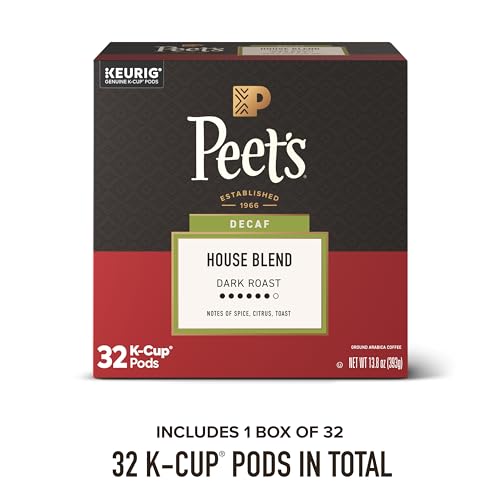
Peet’s Decaf House Blend Dark Roast
Strengths
- True dark roast
- Water-processed decaf
- 100% Arabica
Trade-offs
- Fewer pods per box
- Higher price per cup
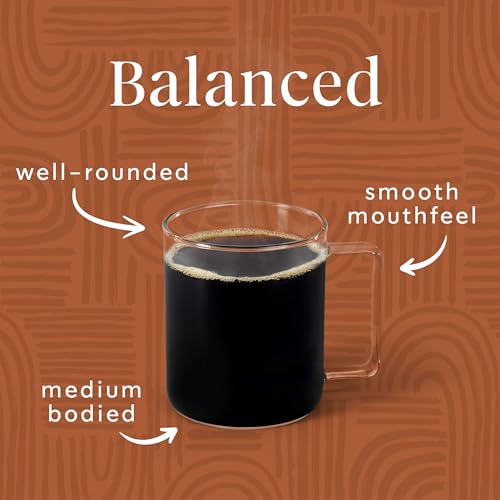
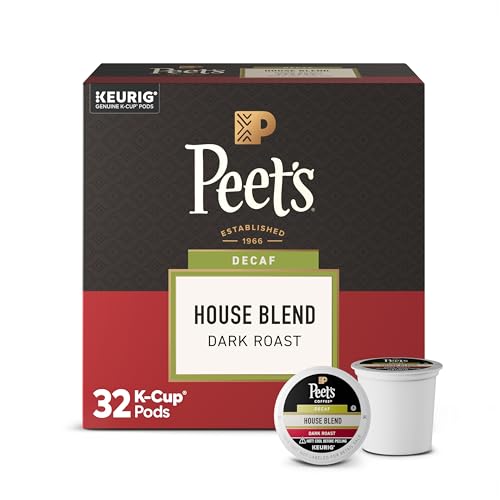
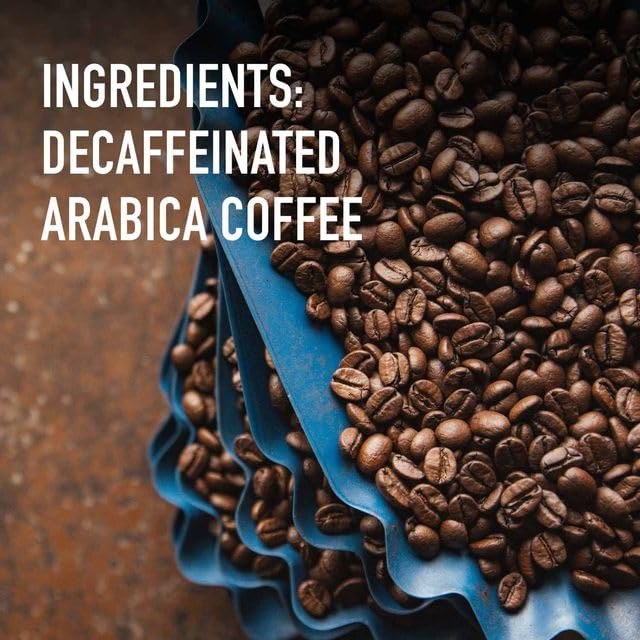
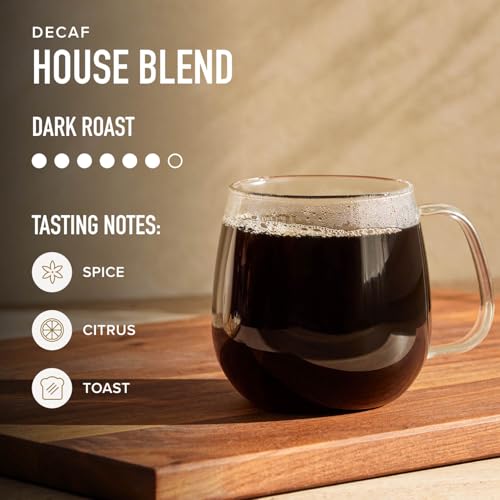
For decaf drinkers who hate sacrificing richness, Peet’s Dark Roast is a standout. It’s one of the few decaf pods that actually delivers a deeply roasted, satisfying profile without bitterness. The water-processed decaf method preserves the integrity of the 100% Arabica beans, and owners frequently say it tastes closer to regular dark roast coffee than most competitors.
Compared to Starbucks or McCafe, this one has more gravitas, darker, sweeter, and more aromatic. The 32-count box offers solid value, and the fact that Peet’s uses the same beans for decaf as their regular line speaks volumes. If you’re tired of weak or flat decaf options, this is the pick that proves decaf doesn’t have to play small.
Product photos
McCafe Premium Roast Decaf

Strengths
- Affordable
- Smooth finish
- Recyclable material
Trade-offs
- Unremarkable flavor
- Limited complexity
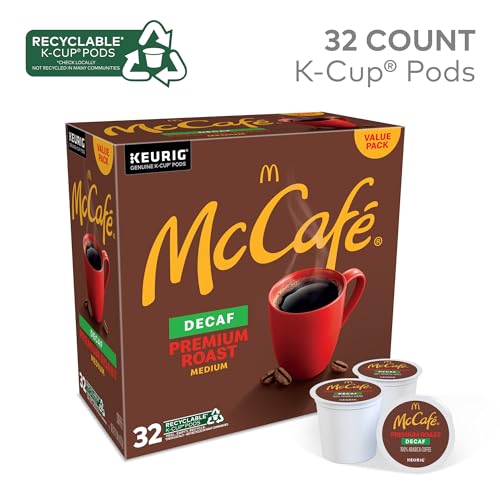
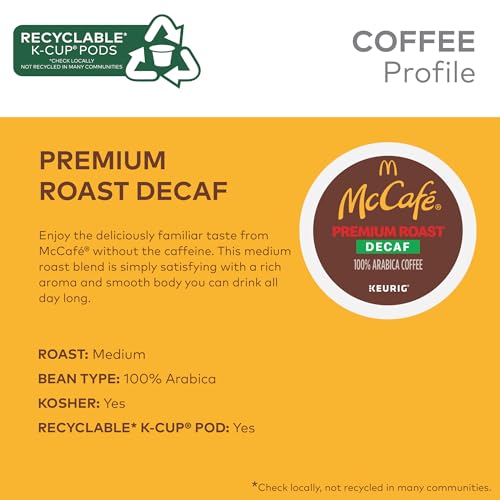
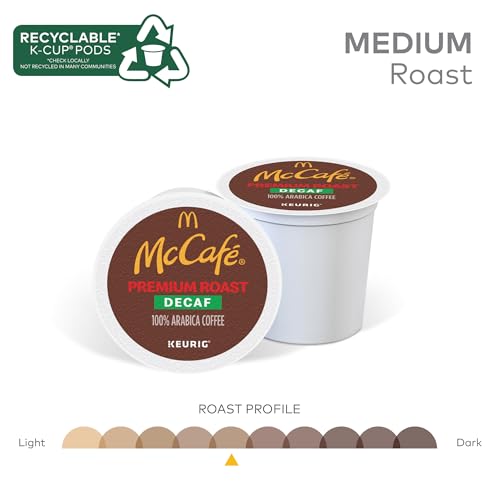
McCafe’s decaf is the budget-friendly backbone of the pod world, simple, consistent, and widely available. It uses premium Arabica beans, and while the roast is medium, it delivers a clean, smooth cup with a pleasant aroma. Owners say it’s surprisingly drinkable for a value brand, especially when compared to store-brand generics.
It won’t compete with Peet’s or Illy in depth, but for a daily driver where cost matters, it holds up well. The recyclable pod is a plus, and the 32-count pack offers a solid middle ground between price and quantity. If you’re stocking a break room or just want a no-stress decaf, this gets the job done.
Product photos

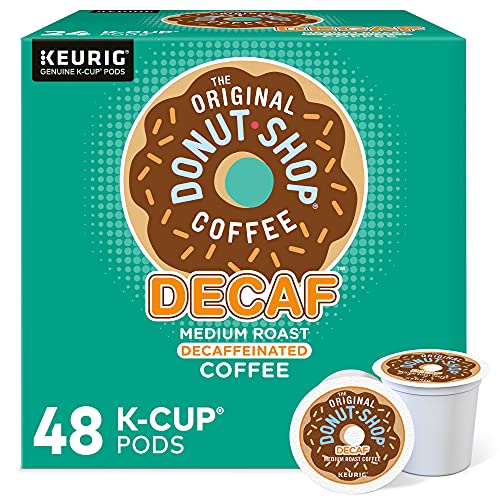
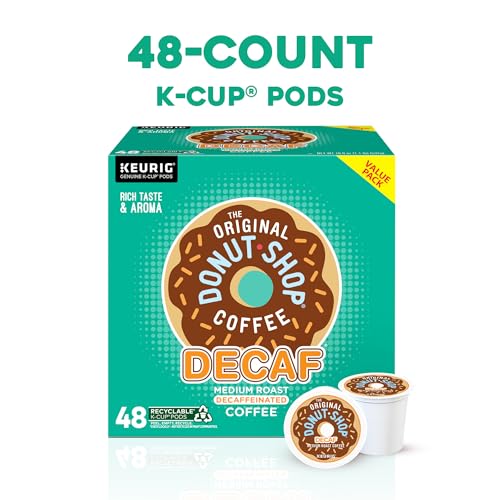
Original Donut Shop Decaf
Strengths
- High pod count
- Broad compatibility
- Recyclable pods
Trade-offs
- Basic flavor profile
- Lacks depth
This is the workhorse of decaf pods, high volume, low cost, and consistently mild. With 48 pods per box, it’s built for daily drinkers who want a familiar, medium-bodied cup without overthinking it. The roast is straightforward: light on acidity, slightly sweet, and easy to drink black or with cream.
Owners report it’s not complex, but it gets the job done without surprises. Compared to McCafe, it has a slightly fuller body, though neither will impress specialty coffee drinkers. Where it shines is value and availability, few decaf packs offer this many servings at such an accessible price point.
Product photos



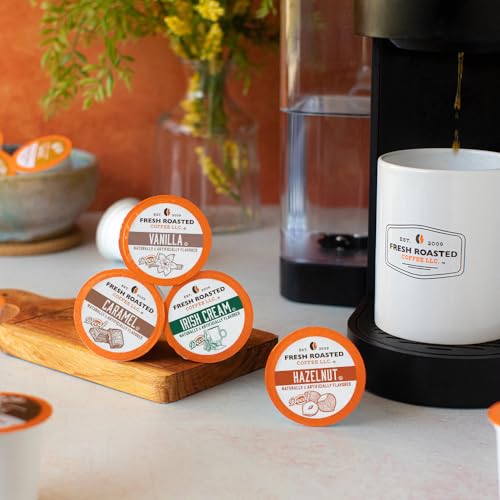
Fresh Roasted Coffee Decaf Variety

Strengths
- Nitrogen flushed
- Compostable grounds
- Kosher certified
Trade-offs
- Flavors lean sweet
- Limited variety per pack
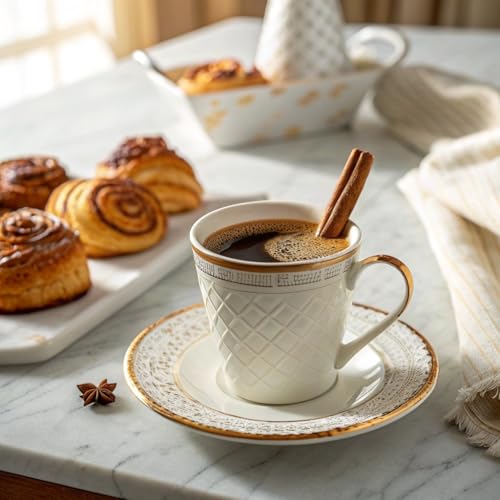
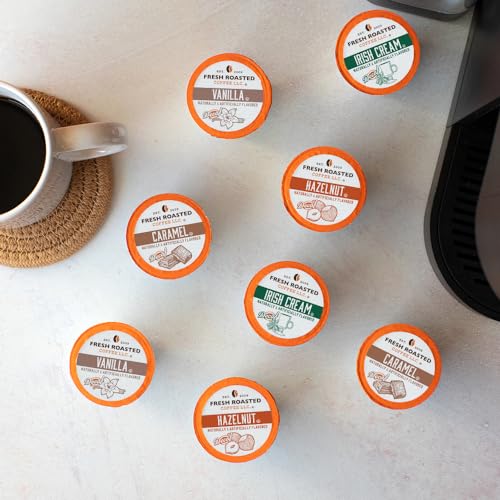
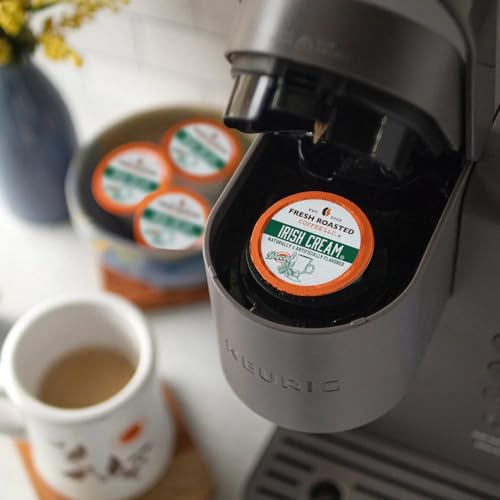
This variety pack stands out for buyers who want familiar, crowd-pleasing decaf flavors without straying into overly sweet or artificial territory. On paper, the use of nitrogen flushing suggests better flavor preservation, and owners consistently report that the pods taste noticeably fresher compared to brands that don’t emphasize oxygen removal. The medium roast base keeps things balanced, letting flavors like hazelnut and cinnamon roll come through without overwhelming the palate.
What really sets Fresh Roasted Coffee apart is their commitment to sustainable packaging, with compostable grounds and BPA-free pods. While not every flavor will hit the mark for purists, reviewers praise the overall quality for a flavored decaf line. Compared to Maud’s, it’s less about novelty and more about dependable, smooth-drinking decaf options.
Product photos

Maud’s Decaf Variety Pack
Strengths
- 9 unique flavors
- Family-owned brand
- Solar-powered roasting
Trade-offs
- Flavors dominate bean quality
- Some taste artificial
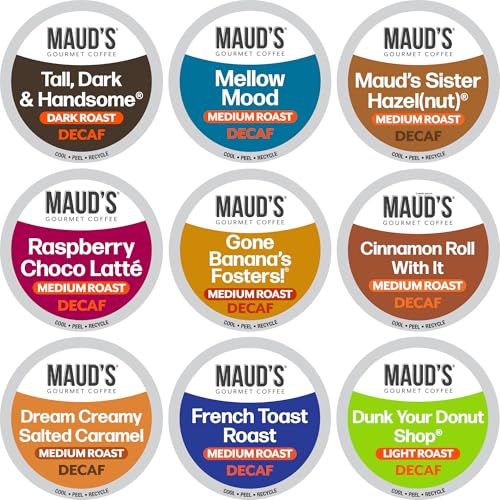
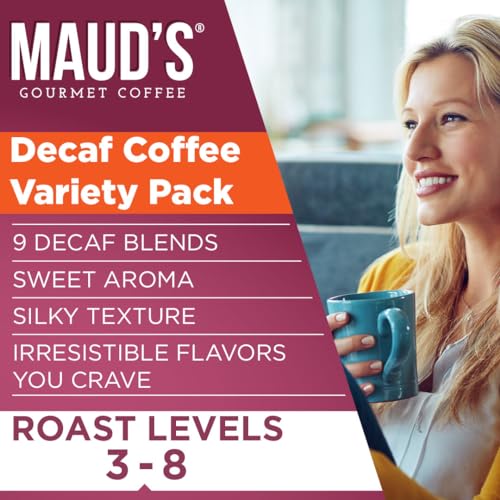
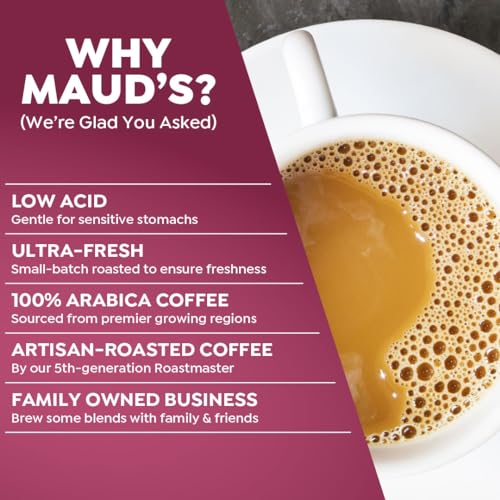
Maud’s wins on fun and variety, this pack gives you nine distinct flavors, from Salted Caramel to Banana Foster, all in decaf. It’s ideal for households with multiple drinkers or anyone who likes to change up their morning cup. The 100% Arabica base keeps bitterness low, and owners note the flavors are more integrated than in cheaper brands, with less of that syrupy aftertaste.
While it’s not the choice for coffee purists, the solar-powered roasting and ethical sourcing add points for conscientious buyers. Compared to Fresh Roasted Coffee’s traditional pack, Maud’s goes further in novelty but trades a bit of roast depth. If you enjoy dessert-like coffee experiences, this is the most entertaining decaf variety on the list.
Product photos
How We Chose These tasting decaf coffee pods
As Bean Thusiast’s founder, I’ve spent years exploring the nuances of coffee – even the decaffeinated variety. Rather than a hands-on lab test, this research focused on a detailed comparison of published specifications and features across numerous decaf pod brands. I weighed owner reviews from major retailers alongside expert opinions found in coffee-focused publications, applying my understanding of flavor profiles and decaffeination processes to arrive at these recommendations.
For decaf pods, three factors stood out as most crucial: the decaffeination method, the bean origin/roast profile, and owner reports on actual taste. Swiss Water Process is generally preferred for preserving flavor, so that was a significant positive. Roast level impacts the final cup dramatically, and the best pods offer a range to suit different preferences. Finally, consistent positive feedback regarding smoothness and lack of “decaf taste” carried substantial weight.
Product specifications reliably indicate the type of decaffeination used and bean origin. However, assessing the actual flavor requires looking at owner feedback. Many reviewers detail whether the pod delivers a genuinely pleasant cup, or if the decaf flavor differences are noticeable and undesirable. Reputational factors, like a brand’s commitment to quality sourcing and roasting, also strongly influenced my assessment.
How To Choose The tasting decaf coffee pods
Finding a truly satisfying decaf pod can be trickier than you think. It’s not just about removing caffeine; it’s about preserving flavor and quality.
A good decaf coffee pod delivers a full-bodied, aromatic experience comparable to its caffeinated counterpart. Key factors include the decaffeination process (Swiss Water is often preferred), bean origin and roast level, pod compatibility, and certifications verifying quality and ethical sourcing. Look for 100% Arabica beans and consider whether you prioritize organic certification or specific flavor profiles.
The Decaffeination Process Matters
The way caffeine is removed drastically impacts the final taste. While several methods exist, some are harsher than others. Carbon dioxide and methylene chloride methods can leave behind undesirable residues or alter the bean’s natural flavors. I consistently recommend seeking out pods labeled “Swiss Water Processed.” This method uses only water to remove caffeine, preserving the delicate nuances of the coffee bean. You’ll generally pay a little more, but the improvement in flavor is usually worth it. Beyond Swiss Water, look for brands that are transparent about how they decaffeinate their coffee.
Roast Level & Bean Origin
Don’t assume all decaf is created equal in terms of roast. Just like regular coffee, you’ll find light, medium, and dark roasts. Your preference here is crucial. A darker roast will generally have a bolder, more robust flavor – Peet’s Decaf House Blend Dark Roast is a good example of this. If you prefer something brighter and more nuanced, a lighter or medium roast like the Starbucks Decaf House Blend may be better. Also, consider bean origin. Central and South American beans tend to offer balanced profiles, while Indonesian beans can bring earthy undertones. If you’re exploring options, you might also find our guide to low-acid decaf brands helpful, as gentler beans can translate to a smoother cup.
Convenience & Variety: Finding Your Daily Cup
Ultimately, the best decaf pod is one you’ll enjoy consistently. Think about your brewing setup. Most pods are designed for Keurig machines, but double-check compatibility before purchasing. Beyond that, consider variety. Do you drink black coffee, or do you add milk and sugar? If you like flavored coffee, you might want to explore variety packs like those offered by Maud’s, giving you access to top flavored decaf K-Cups without committing to a large quantity of any single flavor.
A rule of thumb: if a brand doesn’t clearly state the decaffeination method, or if the price seems too good to be true, proceed with caution. Quality decaffeination isn’t cheap.
Tasting Decaf Coffee Pods Compared
Here’s a comparison of key specifications for various tasting decaf coffee pods to help you make an informed purchase.
| Product Title | Roast | Pod Type | Flavor Profile | Count | Certifications |
|---|---|---|---|---|---|
| Lifeboost Organic Decaf K Cups | Medium | K-Cup | Balanced, Low Acid | N/A | USDA Organic |
| The Organic Coffee Co. Gorilla Decaf | Full-City | OneCup | Strong, Mellow | N/A | 100% Organic |
| Illy Classico Decaf K Cups | N/A | K-Cup | Smooth, Italian | N/A | N/A |
| Starbucks Decaf House Blend | Medium | K-Cup | Toffee, Cocoa | 22 | N/A |
| Peet’s Decaf House Blend Dark Roast | Dark | Single Serve | Smooth, Sweet | 32 | N/A |
| McCafe Premium Roast Decaf | Medium | K-Cup | Rich, Smooth | N/A | Orthodox Union Kosher |
| Original Donut Shop Decaf | Medium | K-Cup | Bold, Flavorful | N/A | Orthodox Union Kosher |
| Fresh Roasted Coffee Decaf Variety | N/A | Pod | Multiple | N/A | N/A |
| Maud’s Decaf Variety Pack | N/A | Pod | Multiple | 9 | N/A |
Frequently Asked Questions
What decaffeination process consistently delivers the best flavor?
Swiss Water Process is generally considered superior because it uses only water to remove caffeine, avoiding harsh chemicals that can alter the bean’s natural taste. While other methods exist, opting for Swiss Water Processed pods will likely result in a smoother, more flavorful cup.
How important is roast level when choosing decaf pods?
Roast level is very important; it directly impacts the final flavor profile. Darker roasts, like Peet’s Decaf House Blend Dark Roast, offer bolder flavors, while lighter roasts, such as Starbucks Decaf House Blend, provide brighter, more nuanced notes.
Are all decaf coffee pods compatible with Keurig machines?
Most are, but not all. Always check the packaging to confirm compatibility with your specific Keurig model before purchasing. Some pods, like those from The Organic Coffee Co., use a different “OneCup” format.
Do organic certifications guarantee better taste in decaf pods?
Not necessarily, but they indicate a commitment to quality and ethical sourcing, which often correlates with better beans. Lifeboost Organic Decaf K Cups, for example, are USDA Organic certified and consistently receive positive reviews for their balanced flavor. You can find more about top decaf coffee pods on our site.
What should I do if I’m sensitive to acidity in coffee?
Look for pods specifically marketed as “low acid” or those made with beans known for their gentle nature. Many reviewers praise Lifeboost Organic Decaf K Cups for their exceptionally smooth, low-acid profile, making them a good starting point if you’re seeking high-quality decaf pods.
The Bottom Line
Choosing the best decaf pods often comes down to balancing convenience with quality. While many options exist, I believe Lifeboost Organic Decaf K Cups strike the best overall balance, offering a smooth, balanced flavor profile and the reassurance of organic certification. You’re paying for a premium experience, but the difference in taste – particularly compared to cheaper options – is noticeable, and a quality cup is worth it.
For those seeking specific needs, several pods excel. If budget is a primary concern, Original Donut Shop Decaf provides a reliably bold flavor at a very accessible price point. And if you enjoy exploring different flavors, the Maud’s Decaf Variety Pack is an excellent choice, allowing you to sample several options before committing to a larger purchase.
Ultimately, the most important thing isn’t a specific brand or roast, but the decaffeination process itself. Look for pods using the Swiss Water Process explained – it truly makes a difference in preserving the coffee’s natural flavors. Don’t compromise on this fundamental aspect, and you’ll be well on your way to enjoying a satisfying, caffeine-free cup.
