
3 Best Spanish Coffee Brands of 2026
Café Bustelo Dark Roast is our top pick for the best Spanish coffee, bold, consistent, and perfect for cafecito. If you’re watching your budget, the Café Bustelo Limited Edition delivers the same intense flavor in a smaller can. For those who brew daily, the Espresso Ground Pack offers the best value in bulk.
Finding a Spanish coffee that truly captures the rich, unapologetically strong character of a traditional cafecito can be frustrating. Too many dark roasts lack depth or dissolve into bitterness when mixed with milk and sugar.
After researching the market, reviewing owner feedback, and drawing on years of studying Latin coffee traditions, I focused on roast integrity, bean quality, and how well each coffee performs in classic brewing methods. This guide cuts through the noise to highlight the ones that consistently deliver.
Top 3 Spanish Coffee in the Market
The Best Spanish Coffee, Reviewed
Café Bustelo Dark Roast Ground Coffee
Strengths
- Bold flavor
- Vacuum-sealed freshness
- Versatile brew method
Trade-offs
- Coarse grind for espresso purists
- Not for light roast lovers
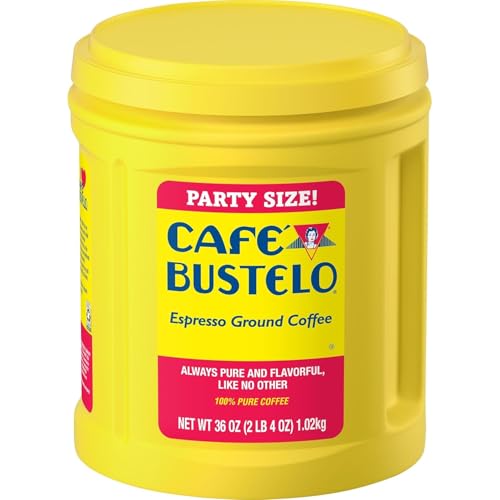
When people ask what defines a solid Spanish-style coffee, I point them to Café Bustelo’s 36-ounce canister. On paper, it’s a no-frills dark roast, but owners consistently report that boldness and consistency are where it shines. The vacuum-sealed can helps preserve that sharp, slightly smoky aroma, and the grind works surprisingly well across methods, whether you’re pulling a quick espresso or making a cafecito with a Moka pot.
This isn’t a delicate single-origin with floral notes. It’s robust, built to stand up to sugar and steamed milk, which is exactly what traditional Latin coffee prep demands. Compared to other mainstream dark roasts, it holds its own in strength without tipping into bitterness when brewed right. I’d pick this over the smaller brick packs if you’re looking for long-term staple status on your shelf.
Video review
Café Bustelo Limited Edition Espresso Coffee
Strengths
- Celebrates Latin heritage
- Same robust flavor
- Collectible packaging
Trade-offs
- Smaller size
- Limited availability
- Tattoo kit gimmicky for some
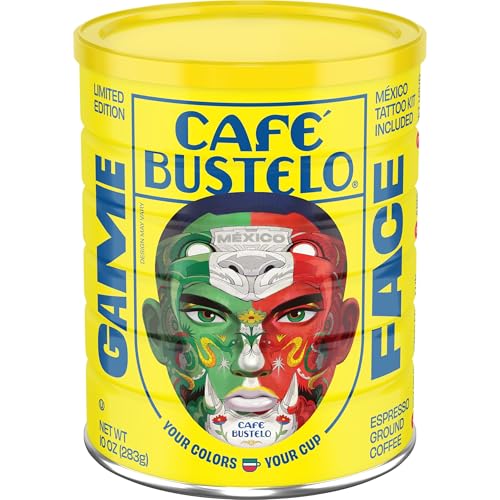
Let’s be clear, this limited edition Café Bustelo isn’t about performance. The coffee inside is essentially the same dark, punchy blend fans know, and reviewers note it delivers that familiar intense Latin flavor, especially when served sweet and strong. But the real draw here is cultural celebration: the can designs and included tattoo kit lean into Latin heritage with pride, making it feel more like a collectible than just another can of ground coffee.
It’s not the most practical option for daily use, especially with the 10-oz size and likely higher cost per ounce. But for someone who values tradition and identity as much as taste, this one carries emotional weight. Compared to the 36-oz can, it’s less about value and more about connection. I wouldn’t rely on it as a staple, but I’d recommend grabbing one if you see it in-store and want to support that cultural nod.
Video review
Café Bustelo Espresso Ground Coffee Pack

Strengths
- Portioned brick packs
- Long-term freshness
- Cost-effective in bulk
Trade-offs
- No individual sealing
- Bulk packaging bulky
- Same flavor profile
If you go through coffee like fuel, and I mean multiple strong cups a day, this 12-pack of 10-ounce brick packs is the smarter buy. The “brick” form is actually a standout for some owners, who say it makes scooping and storage cleaner than loose ground cans. Each brick delivers the same rich, full-bodied profile Café Bustelo is known for, standing firm against sugar and milk without dissolving into harshness.
Compared to the single 36-oz can, this pack offers better longevity since you’re opening one brick at a time, minimizing air exposure. That helps maintain freshness across months, which matters with dark roasts that stale faster. The lack of vacuum sealing per brick is a slight downside, but the portioned packaging offsets it. For households or offices where Bustelo is the default, this is the most efficient way to stock up.
Product photos


How We Picked These spanish coffee
As founder of Bean Thusiast, I approached researching Spanish coffee with a focus on authenticity and flavor profiles. Rather than a hands-on lab test, this was a research-led comparison of published specifications, owner reviews, and my understanding of traditional Latin coffee preparation. I weighed factors like roast level, bean sourcing (where available), and how well each coffee suited the brewing methods common in Spanish-style coffee making.
For this category, the most important factors were the intensity of the roast and the coffee’s ability to stand up to milk and sugar – hallmarks of the cafecito experience. A robust flavor is essential, as is a dark roast that provides the necessary body. Understanding Arabica bean characteristics also helped assess potential flavor nuances.
Specifications reliably indicated roast level and packaging details. However, I relied heavily on owner feedback to gauge the actual strength and boldness of each coffee, and to assess whether it truly delivered that classic Latin flavor. Reputation within Latin communities played a big role, as did consistent praise for the coffee’s performance in espresso machines and stovetop cafeliteras.
What To Look For In spanish coffee
I’ve spent years exploring the nuances of Latin-American coffee traditions, and finding the right Spanish coffee – one that delivers that bold, rich flavor – requires a bit more thought than just grabbing any dark roast.
A quality Spanish coffee should exhibit a deep, robust flavor profile capable of standing up to milk and sugar, common additions in traditional preparation. Look for 100% Arabica beans, a consistent grind size appropriate for your brewing method, and packaging that prioritizes freshness. Aroma is also key; a captivating scent hints at the flavorful experience to come.
Roast Level & Bean Origin
Don’t assume “dark roast” automatically equals authentic Spanish flavor. While many Spanish-style coffees are dark roasted, the origin of the bean matters immensely. I often recommend looking for coffees with roots in Cuba, Puerto Rico, or Colombia, as these regions have a longstanding history of producing beans favored in traditional recipes. A true dark roast will have minimal surface oil, indicating a proper, even roasting process – avoid anything overly shiny or greasy.
Grind Consistency & Freshness
The grind is absolutely critical, and it’s where a lot of home brewing falls short. A consistent grind ensures even extraction, preventing bitterness or sourness. For espresso-based drinks (a cornerstone of the Spanish coffee experience), you’ll need a very fine grind. For a cafetera (a traditional stovetop brewer), a medium-fine grind is best. Beyond the grind, freshness is paramount. Vacuum-sealed packaging, like you find with premium coffee beans for rich flavor, is a good sign; it helps lock in those volatile aromatic compounds that make Spanish coffee so special.
- Packaging: A resealable bag is good, but a vacuum-sealed can offers superior protection.
- Roast Date: Always check for a roast date, not just a “best by” date. Coffee is best within weeks of roasting.
- Whole Bean vs. Ground: If possible, buy whole bean and grind it yourself right before brewing. This maximizes freshness and allows you to control the grind size.
Strength & Brewing Ratio
Spanish coffees are generally enjoyed strong, but strength isn’t just about the roast level. It’s also about the coffee strength balance. Many recipes call for a higher coffee-to-water ratio than you might typically use for a standard drip coffee. Experiment to find your sweet spot, but don’t be afraid to use a generous amount of coffee.
A good rule of thumb is to start with a 1:12 ratio (coffee to water) and adjust to your preference. Don’t be afraid to go bolder – a 1:10 ratio isn’t uncommon for a truly authentic experience.
Spanish Coffee Compared
Here’s a detailed specification comparison of the featured Spanish coffees to help you choose the best option for your needs.
| Product Name | Can Size (oz) | Roast | Style | Best For |
|---|---|---|---|---|
| Café Bustelo Dark Roast | 36 | Dark | Ground | Best Overall |
| Café Bustelo Limited Edition | 10 | Dark | Ground | Authentic Latin Flavor |
| Café Bustelo Espresso Ground Pack | N/A | Dark | Ground/Brick | Best Value Bulk Option |
Frequently Asked Questions
What grind size should I use for a traditional cafetera?
A medium-fine grind is best for a cafetera (stovetop espresso maker). This consistency allows for proper extraction without causing the grounds to clog the filter, delivering a robust brew. Don’t go as fine as espresso, or you’ll have a mess.
Are lighter roast coffees ever used in Spanish-style preparations?
While dark roasts are traditional, some prefer [smooth Spanish-style coffee picks] with lighter profiles for a brighter, more nuanced flavor. However, these are less common, as the bold intensity of a dark roast typically stands up best to milk and sugar.
Is Café Bustelo the only authentic option for Spanish coffee?
No, while Café Bustelo is incredibly popular and widely recognized, it’s not the only choice. Many Cuban and Puerto Rican brands offer equally authentic flavor profiles, and exploring other options can reveal [best-tasting Spanish roast coffee] to suit your preferences.
How does bean origin affect the taste of Spanish coffee?
Beans from Cuba, Puerto Rico, and Colombia are often favored due to their historical ties to Spanish coffee culture and their inherent flavor characteristics. These origins frequently yield coffees with the robust body and intense aroma many seek in a truly authentic cup.
What’s the best way to store opened Spanish coffee to maintain freshness?
Once opened, store your Spanish coffee in an airtight container away from light, heat, and moisture. A vacuum-sealed container is ideal, but a resealable bag will work in a pinch. This helps preserve the volatile compounds responsible for the coffee’s [richly flavored coffee brands] and aroma.
The Bottom Line
Choosing the right Spanish coffee really comes down to how much control you want over the process versus how much convenience you prefer. While there are many options available, I consistently find that Café Bustelo Dark Roast strikes the best balance – it delivers that intense, authentic flavor profile most people associate with Spanish-style coffee without requiring a lot of fuss. It’s a solid starting point for anyone wanting to explore this rich tradition.
For those specifically seeking a deeply authentic flavor experience, or wanting to experiment with different brewing methods, the Café Bustelo Limited Edition is an excellent choice. And if you’re looking to stock up and save, the Café Bustelo Espresso Ground Pack provides a substantial amount of coffee at a very competitive price. Understanding single-origin coffee benefits can also help you appreciate the nuances of these coffees.
Ultimately, the specifics – roast level, grind, even the water you use – matter less than consistently using quality beans and finding a brewing ratio that suits your palate. Don’t get lost in the details; focus on enjoying the process and discovering what truly makes a perfect cup for you.
